
Leash Training Your Puppy: First Steps to a Happy Walk

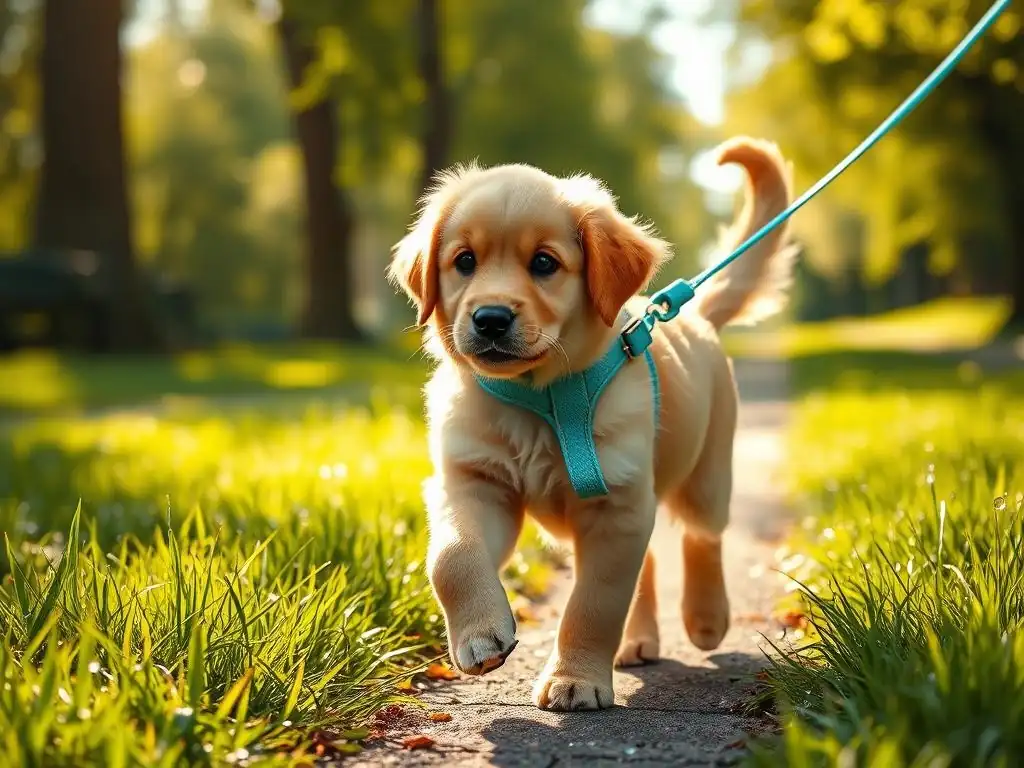
Welcome to PetCareWorld, your ultimate guide to a happier, healthier life for your beloved pet! Are you ready to embark on a journey of joyful walks with your furry friend? Then discover the secrets to successful puppy leash training with our expert guide on the first steps to a harmonious and enjoyable experience for both you and your canine companion. Learn the techniques that will transform those initial walks from chaotic struggles into relaxing adventures. Dive in and unlock the key to a lifetime of happy walks!
- Getting Started: Puppy Leash Training Essentials
- Initial Leash Training Sessions: Short and Sweet
- Gradual Progression: From Indoors to Outdoors
- Troubleshooting Common Puppy Leash Training Challenges
- Maintaining Consistency and Building a Strong Bond
-
Frequently Asked Questions
- What is the most important thing to remember when starting puppy leash training?
- How young is too young to start leash training a puppy?
- What type of leash is best for leash training a puppy?
- How long should my puppy's initial leash training sessions last?
- My puppy pulls constantly on the leash. What can I do?
- Final Reflection: The Unbreakable Bond: Puppy Leash Training and Beyond
- Unlock Your Puppy's Walking Potential!
Getting Started: Puppy Leash Training Essentials
Leash training your puppy is a crucial step in ensuring safe and enjoyable walks together. This process, while requiring patience and consistency, lays the foundation for a positive relationship between you and your canine companion, fostering a bond built on trust and understanding. This guide will walk you through the first steps of puppy leash training, focusing on techniques that prioritize positive reinforcement and build your puppy's confidence.
We'll cover choosing the right equipment, gradually introducing your puppy to the leash, and rewarding desired behaviors to create a happy and successful walking experience. Remember, every puppy learns at their own pace, so celebrate small victories and remain patient throughout this rewarding journey.
Successfully navigating these initial steps will set the stage for many happy walks to come, strengthening your bond and creating cherished memories with your furry friend. This guide focuses specifically on the initial stages of puppy leash training, providing a solid foundation for future training endeavors.
Choosing the Right Puppy Leash and Harness
Selecting the appropriate leash and harness is vital for your puppy's comfort and safety during training. Avoid retractable leashes, especially during the initial stages, as they can create inconsistent tension and make it challenging to control your puppy's movements. Instead, opt for a standard 4-6 foot leash made of durable material. The harness should be lightweight and comfortable, fitting snugly but not constricting.
Avoid harnesses that restrict shoulder movement, potentially causing discomfort and hindering your puppy's natural gait. Consider harnesses with adjustable straps to ensure a perfect fit as your puppy grows. Several types of harnesses exist, including front-clip, back-clip, and step-in harnesses. Researching the pros and cons of each will help you select the best option for your puppy's size, breed, and personality.
For example, front-clip harnesses can be helpful for puppies who pull excessively, redirecting their momentum when they try to lunge forward. Remember, a properly fitted and comfortable harness will make the training process significantly easier and more enjoyable for both you and your puppy. 🐶
Introducing Your Puppy to the Leash Indoors
Before venturing outdoors, begin leash training indoors in a familiar and safe environment. Allow your puppy to explore the harness and leash at their own pace, associating them with positive experiences. Let them sniff and investigate the equipment, offering treats and praise to create positive associations. Start by attaching the leash to the harness and letting your puppy drag it around the house.
This allows them to get used to the feeling of the leash without the pressure of being held. Gradually increase the duration of this indoor session, allowing your puppy to become comfortable with the weight and sensation of the leash. This desensitization process is key to preventing fear or anxiety associated with the leash.
Keep the training sessions short and sweet, ending on a positive note to maintain your puppy's enthusiasm. Remember, the goal is to create a positive experience, not to overwhelm or stress your puppy. 🎉
Positive Reinforcement: Rewards for Good Behavior
Positive reinforcement is the cornerstone of successful puppy leash training. Instead of focusing on punishment for pulling or misbehavior, reward your puppy for desired behaviors. When your puppy walks calmly beside you, even for a few steps, immediately reward them with a high-value treat and enthusiastic praise. Use a cheerful and encouraging tone, building a positive association between walking nicely and receiving a reward. Consistency is crucial; reward good behavior every time it occurs.
If your puppy pulls on the leash, gently redirect them back to your side without jerking or pulling sharply. Avoid using harsh corrections, which can scare your puppy and create negative associations with walking. Instead, when they pull, pause and wait for them to loosen the leash before continuing the walk. Positive reinforcement builds confidence and encourages cooperation, making the training process more effective and enjoyable for both you and your puppy. 🐾
Initial Leash Training Sessions: Short and Sweet
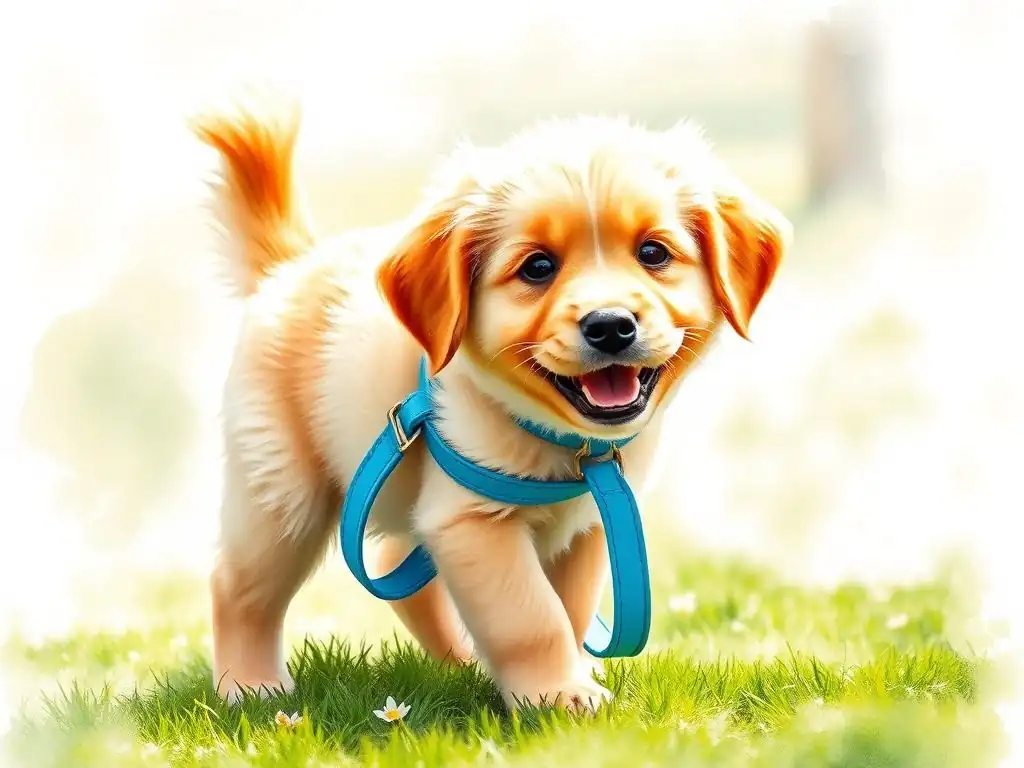
Puppy leash training first steps should be short, positive experiences. Avoid overwhelming your puppy with long training sessions, especially in the beginning. Think of it like this: a five-minute session is far more effective than a thirty-minute session filled with frustration for both you and your furry friend. Start with sessions lasting only 3-5 minutes, gradually increasing the duration as your puppy's attention span and focus improve. Frequent, short sessions are key to building positive associations and preventing burnout.
Remember, consistency is crucial for successful puppy leash training. Daily, short sessions are far more beneficial than infrequent, longer ones. This approach allows your puppy to absorb information more effectively and reduces the likelihood of them becoming overwhelmed or disengaged. Consider incorporating playtime or other positive reinforcement immediately after training sessions to solidify the positive associations with the leash and the overall training process.
Building Positive Associations with the Leash
The initial goal isn't about walking; it's about making the leash itself a positive experience. Before even thinking about attaching the leash, let your puppy sniff and explore it. Allow them to lick it, chew on it (under supervision, of course! ), and get comfortable with its presence. You can even sprinkle some tasty treats on the leash to create positive reinforcement from the start.
This helps build a positive association with the leash, turning it from a potentially scary object into something desirable. Once they're comfortable with the leash lying around, try putting it on them briefly, giving them treats and praise. Remove it after a few seconds, repeating this process many times throughout the day. The key is to keep it fun and positive.
Gradually increase the time the leash is on, rewarding calm behavior with treats and praise. This process lays the groundwork for successful future leash walks. It's important to remember that building this positive association takes time and patience. Never force the leash onto your puppy.
Managing Your Puppy's Excitement During Leash Training
Puppies, naturally, have boundless energy. This enthusiasm can quickly turn into pulling and struggling during leash training. To mitigate this, use high-value treats—something your puppy absolutely loves—to keep them focused and engaged. Use these treats strategically, rewarding calm behavior and rewarding the puppy's attention to you rather than their surroundings. A calm puppy is a successful puppy.
Use a calm, soothing tone of voice to help your puppy relax. If your puppy becomes too excited, end the training session immediately. A short, positive session is always better than a long, frustrating one. Consider using a harness instead of a collar, especially during the initial stages of training.
Harnesses distribute pressure more evenly, making them more comfortable for puppies and reducing the likelihood of pulling. Remember to keep training sessions brief and positive, frequently rewarding your puppy’s calm behavior. This helps avoid overstimulation and keeps the training experience enjoyable. It’s crucial to monitor your puppy's body language for signs of stress or over-excitement.
Dealing with Pulling and Resistance
Pulling on the leash is a common issue during puppy leash training. When your puppy pulls, immediately stop walking. Do not pull back; instead, stand still. Wait until your puppy slackens the leash and give a treat. Then, start walking again. Repeat this process consistently.
This teaches your puppy that pulling stops the fun (walking). Consider using a front-clip harness, which gently redirects your puppy's attention when they pull. However, avoid using retractable leashes, as these can actually encourage pulling. Always use a standard leash of appropriate length (4-6 feet generally is recommended). Consistency is key. Every time your puppy pulls, stop.
Every time they slacken the leash, reward. The goal is to teach your puppy that loose-leash walking is rewarding. Be patient and consistent; it may take time, but your puppy will eventually learn. Remember to use positive reinforcement and never resort to punishment. A positive and patient approach is the most effective way to address pulling and ensure a happy and successful leash training journey. Celebrate small victories – every step towards loose leash walking deserves praise and rewards!
Gradual Progression: From Indoors to Outdoors
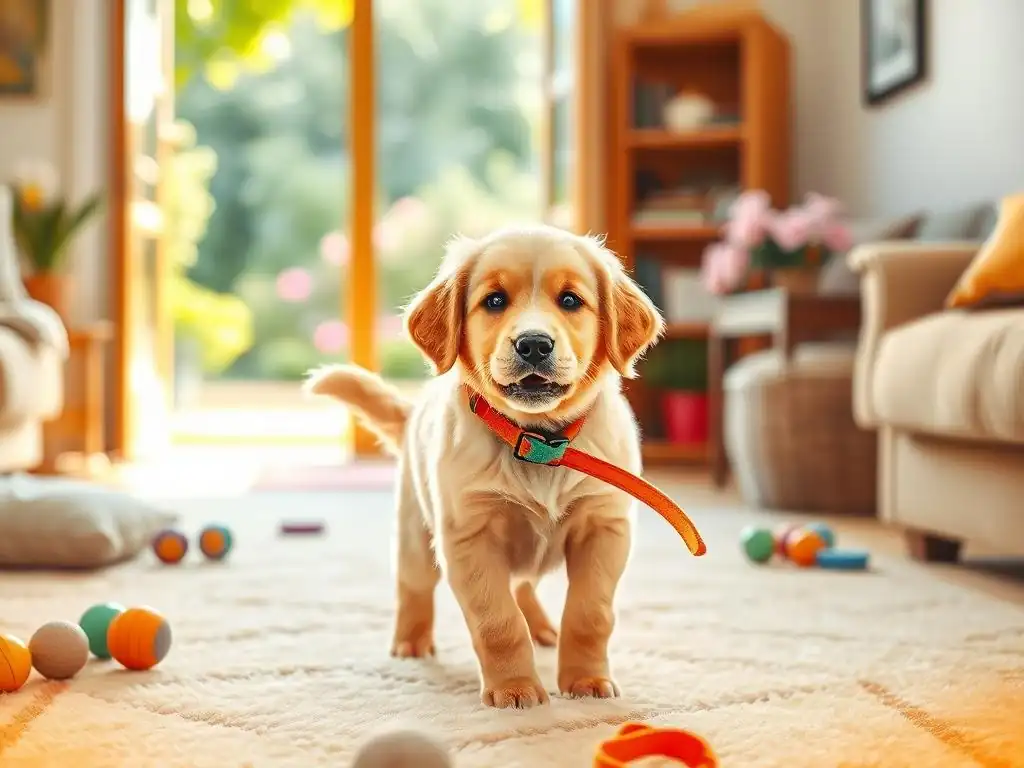
Puppy leash training first steps shouldn't involve immediately throwing your pup into the chaos of a busy street. A successful training program emphasizes a gradual progression, building confidence and positive associations with the leash and walking experience. This phased approach minimizes stress and maximizes learning. We'll start indoors, where the environment is controlled and predictable, then slowly transition to outdoor walks in progressively more stimulating settings. This method significantly increases the likelihood of a well-behaved, happy canine companion during walks.
Short Walks in Familiar Areas
Once your puppy is comfortable wearing the harness or collar and leash indoors, it's time for short, controlled walks in familiar areas. Start with your backyard or a quiet, enclosed space where there are minimal distractions. Keep the walks incredibly short, perhaps just 5-10 minutes at first. The goal isn't distance, but positive reinforcement and acclimation.
Reward calm behavior with treats and praise. If your puppy pulls, gently guide them back to your side, and immediately offer positive reinforcement when they walk calmly beside you. Repeat this process several times during the short walk. Avoid long, strenuous walks initially; short, successful sessions are far more effective.
Remember to use a lightweight leash and harness to avoid discomfort for your puppy. Consider using a harness that distributes pressure evenly across your puppy’s body, preventing choking or strain. Positive reinforcement is key; avoid harsh corrections or punishment which can create fear and anxiety, hindering the training process. Consistent, positive interactions will build a strong bond and a positive association with walks. Observe your puppy's body language; signs of stress include excessive panting, yawning, tucked tail, or avoidance. If you notice these signs, shorten the walk or return home immediately.
Introducing Distractions Gradually
After your puppy confidently handles short walks in familiar, quiet areas, it's time to gradually introduce distractions. This might involve walking near a quiet street with minimal traffic or a park with few people or other animals. Start with brief exposures to these distractions, rewarding calm behavior immediately. Gradually increase the duration and intensity of the distractions as your puppy demonstrates consistent calmness and focus. The key is to keep the experience positive and rewarding. Avoid overwhelming your puppy with too many distractions at once.
Consider using high-value treats during these more challenging walks, especially when encountering distractions. These treats should be something your puppy finds particularly appealing and motivating, reinforcing the desired behavior. For example, small pieces of cooked chicken or cheese work well for many puppies. Remember, patience is crucial. Some puppies will adapt more quickly than others, and setbacks are normal. Celebrate small victories and maintain a positive, encouraging attitude. Consistency is paramount; maintain the same training methods and reward system throughout the process for optimal results.
Handling Unexpected Situations During Walks
Even with careful preparation, unexpected situations can arise during walks. A sudden loud noise, another dog, or a squirrel darting across the path can easily startle a puppy. Teaching your puppy to handle these unexpected events is a crucial part of successful leash training. Begin by simulating these situations in a controlled environment. For example, you could play a recording of traffic noise while walking indoors, or have a friend approach you from a distance while you’re on a walk.
Practice "look at me" commands. When a distraction occurs, immediately call your puppy’s name and give the "look at me" command, rewarding them with treats when they make eye contact. This redirects their focus from the distraction to you. If your puppy becomes startled or fearful, remain calm and reassuring.
Avoid scolding or punishing them, as this may worsen their anxiety. Always end the walk on a positive note, even if there were some challenging moments. Remember, building confidence is a process, and your calm, reassuring presence is vital to your puppy’s success and ultimately, enjoyment of walks. Celebrate the small wins and maintain a positive, patient approach.
Troubleshooting Common Puppy Leash Training Challenges

Puppy leash training is a rewarding experience, but it's not always smooth sailing. Many pet parents encounter challenges along the way. This section will address some common issues and provide practical solutions to help you and your puppy enjoy your walks together. Remember, patience and consistency are key to successful puppy leash training – the first steps are crucial for building a positive association with the leash and walks.
Addressing Pulling and Jumping
Pulling on the leash is a very common problem during puppy leash training. Puppies, full of energy and excitement, often pull ahead, eager to explore their surroundings. Jumping is another frequent behavior, especially when excited to see other people or dogs. These behaviors can be frustrating, but they can be effectively managed with consistent training.
One effective technique is to stop walking the moment your puppy pulls. Wait until there's slack in the leash before resuming. This teaches your puppy that pulling stops the walk, making the desired behavior (walking loosely beside you) more rewarding. Positive reinforcement plays a crucial role here. Reward your puppy with treats and praise whenever they walk nicely beside you without pulling.
For jumping, avoid engaging with your puppy when they jump. Turn your back, ignore them, and only resume interaction when all four paws are on the ground. This teaches them that jumping doesn't get attention. Reward calm behavior near you.
Remember to use a harness rather than a collar, especially for young puppies, to prevent choking or neck injuries. A front-clip harness can also help discourage pulling by gently redirecting your puppy when they pull ahead. The key is to remain patient and consistent, and to celebrate even small successes. Your puppy is learning, and it takes time and practice.
Managing Fear and Anxiety on Walks
Some puppies experience fear or anxiety during walks, which can manifest as cowering, trembling, hiding, or barking excessively. Understanding the root cause is important. It could be due to loud noises, unfamiliar sights, other dogs, or even specific locations. A fearful puppy needs a different approach than a puppy that pulls on the leash due to excitement.
To address fear and anxiety, create a positive and safe walking environment. Start with short, quiet walks in familiar areas where your puppy feels comfortable. Gradually introduce new stimuli, such as sounds and sights, at a distance that doesn't trigger fear. Reward calm behavior with high-value treats and praise. If your puppy shows signs of fear, back away from the stimulus and create distance, rewarding their calm response.
Consider using desensitization and counter-conditioning techniques. Gradually expose your puppy to their fear triggers at a distance where they remain calm. Pair the fear trigger with positive experiences, such as treats and praise, to help them associate the trigger with positive emotions. Professional guidance from a certified dog trainer or veterinary behaviorist can be invaluable in addressing severe fear or anxiety. Remember, forcing your puppy to confront their fears can worsen the problem. A calm and patient approach is essential.
Correcting Nipping and Biting
Puppies explore the world with their mouths, and nipping or biting can be a common behavior, especially during teething. While playful nipping is normal, it's crucial to teach your puppy that biting is unacceptable. Consistency is key in correcting this behavior.
When your puppy nips or bites, immediately stop the walk and give a firm "No!" or "Ouch!" Then, turn away and ignore your puppy for a few seconds. This teaches them that biting ends the fun. Once they've calmed down, resume the walk. Never hit or punish your puppy; this can create fear and anxiety and damage your relationship.
Positive reinforcement is also important. Reward your puppy when they walk calmly beside you without nipping or biting. Providing chew toys can help satisfy their need to chew and redirect their biting behavior. If the nipping persists or becomes aggressive, seek professional guidance from a certified dog trainer or veterinarian. Early intervention is crucial to prevent the behavior from becoming ingrained. Remember, a happy puppy is a well-trained puppy, and consistent training will eventually lead to a delightful walking experience for both you and your canine companion.
Maintaining Consistency and Building a Strong Bond

Consistency is paramount when it comes to puppy leash training first steps. A mixed message from the owner can lead to confusion and frustration for the puppy, hindering the learning process. Think of it like teaching a new language – inconsistent grammar will only lead to miscommunication. Similarly, inconsistent commands and leash handling will confuse your puppy. The key is to establish a routine and stick to it. This doesn't mean rigid adherence to a strict timetable, but rather a consistent approach to training sessions, the use of commands, and the overall handling of the leash.
This consistency extends beyond just the training sessions themselves. Your puppy should be exposed to the leash in a positive way, even when not formally training. Let them sniff it, play with it, and even wear it around the house for short periods without tension. This helps them associate the leash with positive experiences, reducing anxiety and resistance during training walks. This familiarization process builds positive associations and lays the groundwork for successful leash training. Think of it as gradually introducing a new toy, allowing your puppy to explore and accept it at their own pace.
The Importance of Patience and Positive Reinforcement
Patience is a crucial virtue in puppy leash training. Puppies are still learning about the world, and they'll inevitably make mistakes. Instead of resorting to punishment, which can damage your bond and create fear, focus on positive reinforcement. This means rewarding desired behaviors with treats, praise, or even a favorite toy. A well-timed "Good dog!" and a tasty treat can reinforce the good habits you are trying to teach. Remember, we are building a positive association with the leash and the walking experience.
Avoid harsh corrections or pulling on the leash. This can create anxiety and make your puppy resist walking politely. Instead, use gentle guidance and encouragement. If your puppy pulls, try changing direction or stopping completely. When they ease up on the leash, immediately praise and reward them.
This teaches them that loose-leash walking is rewarded, while pulling results in a less desirable outcome (a halt in the walk, not punishment). This positive reinforcement approach fosters a strong bond between you and your puppy, making the training process more enjoyable for both of you. Remember that a happy puppy is a more receptive learner. The process is about building trust and a positive relationship, not about dominance.
Ongoing Leash Training for a Well-Behaved Dog
Leash training isn't a one-time event; it's an ongoing process. Even after your puppy masters the basics, continue to practice regularly. This will reinforce good habits and prevent regression. Introduce new environments gradually, starting with quiet areas and progressively moving to busier locations. This helps your puppy learn to focus on you even amidst distractions. The goal is for your puppy to walk calmly and politely beside you, regardless of the surrounding environment.
Consider enrolling in a puppy obedience class. A professional trainer can provide valuable guidance and help address specific challenges. They can also offer insights into your puppy's behavior and identify any potential problems early on. Group classes also offer valuable socialization opportunities for your puppy, helping them learn to behave appropriately around other dogs and people.
Think of it as a continued education for both you and your puppy, ensuring a well-behaved companion for years to come. Remember, consistent training and socialization are key to raising a well-adjusted and happy dog. The investment in ongoing training will pay off handsomely in the form of a pleasant and well-behaved companion.
Frequently Asked Questions
What is the most important thing to remember when starting puppy leash training?
The most important thing is patience and positive reinforcement. Avoid using harsh corrections; focus on rewarding calm behavior and gradual progress. Positive association is key.
How young is too young to start leash training a puppy?
Puppies can begin acclimating to a leash as early as 8 weeks old, but formal training should wait until they've had their initial vaccinations. Focus initially on positive associations with the collar and leash.
What type of leash is best for leash training a puppy?
A lightweight leash (around 4-6 feet) made of nylon or soft material is ideal. Avoid retractable leashes initially, as they can be difficult to control. A harness may be preferable to a collar for some puppies.
How long should my puppy's initial leash training sessions last?
Keep initial sessions short and sweet, ideally just 5-10 minutes to avoid overwhelming your puppy. Multiple short sessions throughout the day are more effective than one long session.
My puppy pulls constantly on the leash. What can I do?
Practice frequent stops when your puppy pulls. Reward calm walking. Consider using a front-clip harness to discourage pulling. Consult a professional dog trainer if the problem persists.
Final Reflection: The Unbreakable Bond: Puppy Leash Training and Beyond
The journey of leash training a puppy is far more than just mastering the art of walking; it's about forging a deep, trusting bond built on communication, patience, and mutual respect. This seemingly simple act lays the foundation for a lifetime of joyful adventures shared between you and your furry companion, shaping their understanding of the world and your role within it. The impact of these early interactions resonates far beyond the confines of your daily walks.
The positive reinforcement techniques discussed throughout this article are not just about teaching your puppy to walk politely on a leash; they're about building a relationship based on understanding and trust. This approach extends to all aspects of your dog's life, fostering a confident and well-adjusted canine companion. As the renowned dog trainer, Victoria Stilwell, once said, Positive reinforcement is not about rewarding good behavior; it's about creating a positive learning environment where the dog wants to please you.
This philosophy underpins the entire process, creating a dynamic where training becomes a collaborative and enjoyable experience for both you and your puppy.
Now, consider the impact of your training choices. Will you choose to build a relationship based on fear and coercion, or one rooted in love, understanding, and positive reinforcement? The choice is yours, and the rewards – a happy, well-behaved dog and a strengthened bond – are immeasurable. Take the time to reflect on your approach, celebrate your successes, and remember that every step, every gentle correction, every shared moment, contributes to the beautiful tapestry of your relationship. Embrace the journey, and enjoy the walk!
Unlock Your Puppy's Walking Potential!
Thank you for learning about leash training your puppy! We hope you gained valuable insights to help you and your furry friend enjoy more peaceful and enjoyable walks together. Now it's time to put that knowledge into action!
- Start your puppy's leash training today! Dedicate just 15 minutes this afternoon to practice the techniques discussed. Even short sessions are effective.
- Share your experiences! Tell us about your puppy's progress and any funny moments in the comments below. Let's build a supportive community of pet parents.
- Experiment with different leashes or training treats; sometimes a small change can significantly improve your training sessions.
Ready to transform your daily walks into fun adventures? What will you do today to strengthen your bond with your puppy?