
Joint Health and Weight: Reducing Strain on Your Pet's Joints Through Weight Loss


Welcome to PetCareWorld, your ultimate guide to a happier, healthier life for your beloved companion! Are you concerned about your pet's weight and its impact on their precious joints? Discover how achieving a healthy weight can significantly improve your pet's joint health and dramatically increase their quality of life. Dive into our in-depth article on "Pet weight loss joint health" and unlock the secrets to a more comfortable and active life for your furry, feathered, or scaled friend. Let's embark on this journey together!
- Understanding the Link Between Pet Weight and Joint Health
- Assessing Your Pet's Weight and Body Condition Score
- Developing a Weight Loss Plan for Your Pet
- Maintaining Joint Health During Weight Loss
- Long-Term Strategies for Maintaining a Healthy Weight
- Case Study: Successful Weight Loss and Improved Joint Health in a Labrador Retriever
- Frequently Asked Questions
- Final Reflection: The Weight of Wellness: A Joint Effort for a Happier Pet
- Unleash Your Pet's Joyful Movement!
Understanding the Link Between Pet Weight and Joint Health
Maintaining a healthy weight for your pet is crucial not only for their overall well-being but also for the long-term health of their joints. Excess weight puts significant strain on a pet's musculoskeletal system, accelerating the onset and severity of joint problems and significantly impacting their quality of life.
This article delves into the critical connection between pet weight and joint health, exploring the detrimental effects of obesity and outlining strategies for achieving and maintaining a healthy weight to protect your furry friend's joints. We will examine the specific ways excess weight contributes to joint degeneration in dogs and cats, explore common joint problems exacerbated by obesity, and provide a foundation for understanding how weight management directly supports joint health.
Successfully managing your pet's weight is a proactive step towards ensuring they enjoy a longer, more active, and pain-free life. Let's delve into the specifics of this vital aspect of pet care.
Excess Weight and Joint Degeneration in Dogs and Cats
Excess weight places considerable stress on a pet's joints. Every extra pound translates to increased pressure on cartilage, ligaments, and tendons. This constant pressure leads to accelerated wear and tear, causing premature degeneration and inflammation. In dogs, this often manifests as osteoarthritis, a degenerative joint disease characterized by cartilage breakdown and bone spurs.
Similarly, in cats, obesity significantly increases the risk of developing osteoarthritis, particularly in the hips and knees. The added weight forces the joints to work harder than intended, leading to inflammation, pain, and reduced mobility. The process is often insidious; subtle changes in gait and activity levels can be early indicators that often go unnoticed until the condition progresses significantly.
Studies have shown a strong correlation between obesity and the severity of osteoarthritis in both canine and feline populations. For example, [specific data on correlation between obesity and osteoarthritis severity pending]. Early intervention is key to mitigating the long-term effects of excess weight on joint health.
How Obesity Impacts Canine and Feline Joints
Obesity's impact on joints is multifaceted. The extra weight isn't just about increased pressure; it also affects joint mechanics and stability. In dogs, for instance, obesity can exacerbate hip dysplasia, a condition where the hip joint doesn't develop properly, leading to instability and pain.
The added weight further destabilizes the already compromised joint, accelerating the progression of the disease. Similarly, in cats, obesity increases the risk of cranial cruciate ligament (CCL) rupture, a common injury affecting the knee joint. The CCL provides crucial stability to the knee, and the added stress from excess weight can lead to tearing or rupture, resulting in significant pain and lameness.
Furthermore, excess weight can contribute to inflammation in the joint lining (synovium), further exacerbating pain and discomfort. This inflammation can create a vicious cycle, leading to further joint damage and reduced mobility. The impact extends beyond the physical; obese pets often experience reduced quality of life due to pain, stiffness, and limited activity.
Several common joint problems are significantly worsened by pet obesity. Let's examine three prevalent examples:
| Joint Problem | Description | Impact of Obesity |
|---|---|---|
| Osteoarthritis | Degenerative joint disease characterized by cartilage breakdown and bone spurs. | Accelerates cartilage degeneration, increases inflammation, and worsens pain. |
| Hip Dysplasia | Malformation of the hip joint leading to instability and pain. | Increases joint instability, accelerates degeneration, and intensifies pain. |
| Cranial Cruciate Ligament (CCL) Rupture | Tearing of the ligament providing knee stability. | Increases the risk of rupture, worsens the severity of injury, and hinders healing. |
Understanding these connections is fundamental to providing optimal care for your pet. By addressing weight management proactively, you can significantly reduce the risk of these debilitating joint conditions and help your pet live a longer, healthier, and more comfortable life. The next section will explore practical strategies for achieving and maintaining a healthy weight for your pet. 🐾
Assessing Your Pet's Weight and Body Condition Score
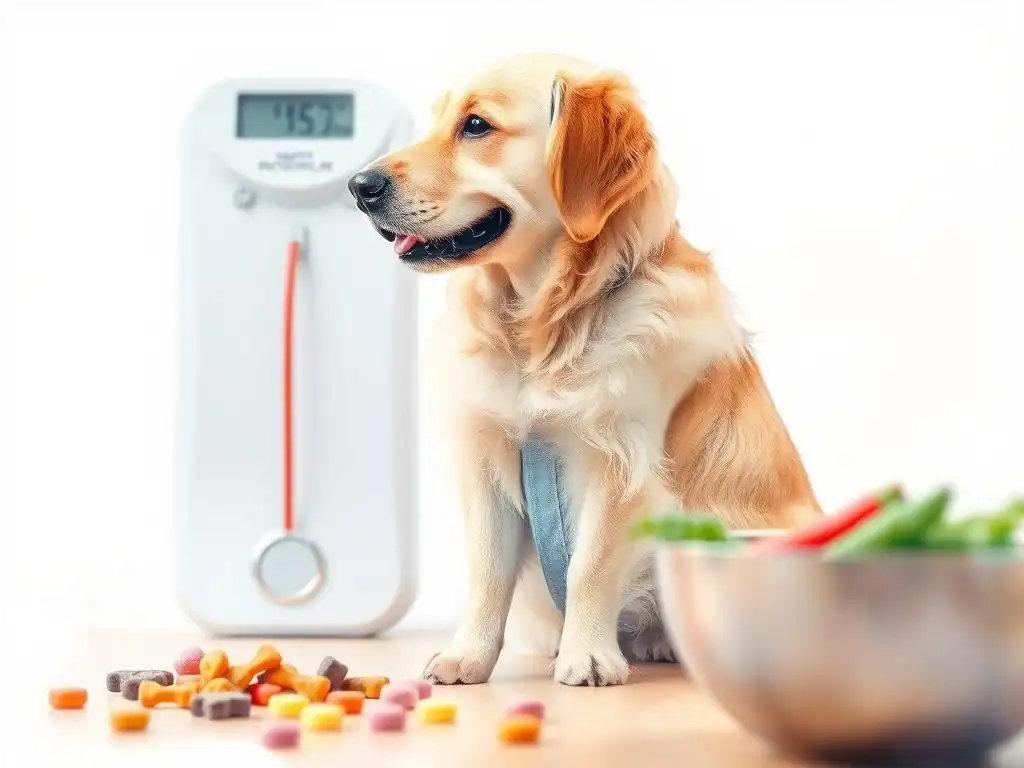
Determining your pet's ideal weight is crucial for maintaining optimal joint health. Simply relying on a scale isn't enough; you need to consider their body condition score (BCS). A BCS assesses the amount of body fat relative to muscle mass, providing a more holistic view of your pet's health. An overweight or obese pet puts significantly more stress on their joints, increasing the risk of osteoarthritis and other joint problems.
This section will guide you through accurately assessing your pet's weight and BCS. Remember, consistent monitoring is key to preventing and managing weight-related joint issues in your furry friend. This is a vital component of effective Pet weight loss joint health management.
Using the Body Condition Scoring Chart for Dogs and Cats
Veterinarians typically use a 9-point scale to assess BCS, ranging from emaciated (1) to extremely obese (9). A score of 4-5 usually indicates a healthy weight for dogs and cats. However, breeds vary, and some naturally carry more weight than others. Here's a simplified version of the scoring chart to give you a better idea:
| Score | Description | Visual Appearance |
|---|---|---|
| 1 | Emaciated – ribs, spine, and pelvic bones easily visible | Severely underweight, bones prominent |
| 3 | Underweight – ribs easily palpable | Thin, lack of muscle definition |
| 5 | Ideal – ribs palpable with slight fat cover | Healthy weight, ribs easily felt but not prominent |
| 7 | Overweight – ribs palpable with thick fat cover | Noticeable abdominal fat, waistline less defined |
| 9 | Extremely Obese – excessive abdominal fat | Significant excess fat, unable to feel ribs |
It's important to note that this chart offers a general guideline. The best way to accurately assess your pet's BCS is to consult your veterinarian. They can provide a personalized assessment and offer tailored advice on achieving and maintaining a healthy weight for your pet's breed and size. Regular BCS checks are essential for proactive pet weight loss joint health management. Early intervention can significantly reduce the risk of long-term joint problems.
Practical Steps to Accurately Assess Your Pet's Weight at Home
While veterinary assessment is ideal, you can take steps to monitor your pet's weight at home. Consistent monitoring allows for early detection of weight gain or loss, crucial for maintaining pet weight loss joint health.
- Regular Weigh-Ins: Weigh your pet weekly on a pet scale to track changes. Keep a record of their weight to easily identify trends.
- Visual Assessment: Regularly examine your pet's body for changes in fat distribution. Look for areas where fat accumulates, such as the abdomen, flanks, and tail base.
- Palpation: Gently feel your pet's ribs, spine, and hips. You should be able to feel their ribs easily, but not see them prominently.
- Photographic Tracking: Take photos of your pet from the side and top at regular intervals. Comparing these photos can help visualize changes in body condition over time. This provides a visual record supporting your weight monitoring efforts.
Remember, consistency is key. By regularly monitoring your pet's weight using these methods, you can detect potential problems early and take steps to address them before they lead to more severe joint issues.
When to Consult a Veterinarian for Weight Concerns
If you notice any significant changes in your pet's weight or body condition, or if you are unsure about their BCS, it's crucial to consult your veterinarian. They can provide a professional assessment, identify any underlying health issues contributing to weight problems, and recommend a safe and effective weight loss plan. This is especially important to address pet weight loss joint health concerns.
Some situations that warrant immediate veterinary attention include:
- Sudden weight loss: Unexplained weight loss can indicate a serious underlying health problem.
- Difficulty moving: Joint pain or stiffness may be related to excess weight.
- Increased panting or fatigue: These can be signs of obesity-related health issues.
- Inability to palpate ribs: This suggests significant overweight or obesity.
Your veterinarian can help you develop a personalized weight management plan that addresses your pet's specific needs and considers their breed, age, and overall health. They can also monitor your pet's progress and make necessary adjustments to the plan as needed. Early intervention is key to preventing long-term health problems, including severe joint damage. Don't hesitate to seek professional help—your pet's health and well-being depend on it.
Developing a Weight Loss Plan for Your Pet

This section focuses on creating a safe and effective weight loss plan tailored to your pet's specific needs. Remember, rapid weight loss can be detrimental to your pet's health, potentially causing muscle loss and other complications. The key is a gradual, sustainable approach that prioritizes both weight loss and overall well-being. This involves careful consideration of diet, exercise, and regular veterinary check-ups. Successful pet weight loss joint health management requires a holistic approach.
Consulting Your Veterinarian: A Crucial First Step
Before embarking on any weight loss program for your pet, a consultation with your veterinarian is absolutely essential. Your vet can perform a thorough physical examination, assess your pet's current health status, and identify any underlying health issues that might be contributing to weight gain or hindering weight loss. They can also help determine a safe and appropriate weight loss goal for your pet, considering factors like breed, age, and overall health. For example, a senior dog with arthritis might require a slower weight loss rate to minimize joint stress.
Your vet can also rule out conditions like hypothyroidism, Cushing's disease, or diabetes, all of which can affect metabolism and weight. They will help you establish a baseline weight and body condition score (BCS), providing a measurable metric for tracking progress. Don't underestimate the importance of this initial step; it lays the foundation for a successful and healthy weight loss journey for your furry friend.
Ignoring this vital step can lead to complications and potentially harm your pet. The veterinarian can also recommend specific diets and exercise plans suited to your pet's breed and health conditions. This personalized approach is key to successful pet weight loss joint health management.
Gradual Weight Loss: The Safest Approach for Dogs and Cats
Sudden, drastic weight loss is harmful to pets. A gradual approach is far safer and more effective in the long run. Veterinarians typically recommend a weight loss rate of 1-2% of your pet's body weight per week. This slow and steady approach minimizes the risk of muscle loss and other health problems.
For instance, a 20-pound dog should aim to lose only 0.2 to 0.4 pounds per week. This might seem slow, but it's crucial for maintaining your pet's health and energy levels throughout the weight loss process. Monitoring your pet's weight regularly, ideally weekly, is vital to ensure they are losing weight at a healthy rate. You can use a pet scale for accurate measurements.
Remember, consistency is key. Small, incremental changes in diet and exercise are more likely to result in long-term success than drastic measures. Maintaining a food journal can also be helpful to track calorie intake and identify areas for improvement. A gradual approach is paramount for successful pet weight loss joint health management.
Adjusting Your Pet's Diet for Effective Weight Management
Modifying your pet's diet is a crucial component of any weight loss plan. This doesn't necessarily mean depriving your pet of food; rather, it involves carefully controlling calorie intake and selecting a diet that's appropriate for their age, breed, and activity level. Switching to a weight-management formula specifically designed for pets needing to lose weight is highly recommended. These diets are typically lower in calories and fat while maintaining essential nutrients.
You should also carefully measure your pet's food portions, following the guidelines provided by your veterinarian or on the pet food packaging. Avoid giving your pet table scraps or high-calorie treats, as these can significantly impact their overall calorie intake. Consider portioning food throughout the day rather than offering one large meal. This can help regulate blood sugar levels and reduce overeating.
Remember, the goal is to reduce calorie intake gradually while ensuring your pet receives the necessary nutrients for optimal health. A balanced approach to nutrition is vital for successful pet weight loss joint health management. 🐾 A well-planned diet, combined with regular exercise and veterinary oversight, is the best strategy for achieving and maintaining a healthy weight for your beloved pet.
Increasing Physical Activity: Safe Exercise for Overweight Pets
Overweight pets often have reduced mobility and stamina, making exercise crucial but challenging. The key is to start slowly and gradually increase the intensity and duration of activities. Sudden bursts of strenuous activity can put significant strain on already stressed joints, potentially leading to injury. Instead, focus on low-impact exercises that gently challenge your pet without causing pain or discomfort.
For dogs, short, frequent walks are preferable to one long walk. Begin with 5-10 minute walks twice a day, gradually increasing the duration and distance as your pet's fitness improves. Avoid paved surfaces, opting for soft grass or trails to minimize joint impact.
Swimming is an excellent low-impact exercise option for many dogs, offering a full-body workout without stressing their joints. Consider interactive games like fetch (with a lightweight ball) or hide-and-seek to engage your dog mentally and physically. Remember to always monitor your dog for signs of fatigue or discomfort; panting, reluctance to move, or limping are clear indicators to stop and rest.
Cats, being less inclined to structured exercise, require a more subtle approach. Interactive play sessions using toys like feather wands or laser pointers can encourage activity. Climbing structures, such as cat trees, provide vertical movement and exercise. Puzzle feeders can stimulate your cat mentally while encouraging them to work for their food, burning extra calories in the process. Remember that even small increases in activity can make a difference for obese cats. Observe your cat's behavior and adjust playtime accordingly – short, frequent play sessions are better than one long, tiring session.
For other pets, such as rabbits or birds, appropriate exercise varies significantly. Rabbits benefit from ample space to hop and explore, while birds need opportunities for flight and climbing. Consult with an avian or exotic animal veterinarian to determine appropriate exercise routines for your specific pet. Always prioritize safety and gradual introduction of new activities to prevent injury. Remember, the goal is to improve your pet's fitness level gradually and safely, not to push them beyond their limits.
Monitoring Progress and Making Adjustments to the Weight Loss Plan
Regular monitoring is essential for successful pet weight loss. Weigh your pet weekly using a pet scale to track their progress accurately. Take note of any changes in their body condition score (BCS), a numerical assessment of body fat. Veterinarians use a BCS scale (typically 1-9) to evaluate a pet's weight; a score of 5 usually indicates a healthy weight. Regularly photographing your pet from the side can also help you visually assess their progress.
Beyond weight, monitor your pet's energy levels, appetite, and overall health. If your pet's weight loss plateaus or they seem lethargic despite following the plan, consult your veterinarian. Several factors can influence weight loss, including underlying medical conditions, dietary sensitivities, or insufficient exercise. Your veterinarian can help identify any issues and adjust the weight loss plan accordingly.
It's crucial to remember that weight loss is a journey, not a race. Adjustments to the plan are expected and necessary. If your pet isn't losing weight as quickly as anticipated, you might need to reduce their daily caloric intake slightly or increase their physical activity. Conversely, if your pet is losing weight too rapidly, you might need to increase their caloric intake or reduce their exercise.
Always prioritize your pet's health and well-being, ensuring they remain comfortable and active throughout the process. Patience and consistency are key to achieving safe and sustainable weight loss for your pet. Regular veterinary checkups are vital to monitor progress and address any concerns.
Maintaining Joint Health During Weight Loss

Weight loss is crucial for improving your pet's overall health, especially when dealing with joint issues. However, rapid weight loss can sometimes exacerbate existing joint problems. A gradual and carefully managed approach is essential to ensure your pet's comfort and well-being throughout the weight loss journey. This involves a holistic strategy encompassing dietary adjustments, exercise modifications, and potentially, supplemental support.
The goal is not just weight reduction, but improved joint health and a higher quality of life for your beloved companion. Remember, always consult your veterinarian before making any significant changes to your pet's diet or exercise routine, particularly if they have pre-existing health conditions. This is especially important for pets with osteoarthritis, hip dysplasia, or other joint problems. A personalized plan tailored to your pet's specific needs and condition is crucial for success.
Supplementation Strategies for Joint Support (Glucosamine, Chondroitin, and Omega-3 Fatty Acids)
Joint health supplements can play a vital role in supporting your pet's joints during weight loss. These supplements often contain a combination of ingredients designed to improve cartilage health and reduce inflammation. Let's examine three key components:
- Glucosamine: This naturally occurring compound is a key building block of cartilage. Supplementation can help stimulate cartilage repair and reduce pain and stiffness. The dosage varies depending on your pet's size and condition, so always follow your veterinarian's recommendations.
- Chondroitin: Another crucial component of cartilage, chondroitin works synergistically with glucosamine to support joint structure and function. It may also help reduce inflammation.
- Omega-3 Fatty Acids: These essential fatty acids possess potent anti-inflammatory properties. They can help reduce pain and swelling associated with joint problems, improving your pet's mobility and comfort. Good sources include fish oil supplements, specifically those high in EPA and DHA.
It's important to note that while these supplements can be beneficial, they are not a cure-all. They should be used in conjunction with a balanced diet, appropriate exercise, and veterinary supervision. The effectiveness of these supplements can vary between pets, and some may experience minimal benefit. Always monitor your pet's response and discuss any concerns with your veterinarian. Improper use or excessive dosages could potentially lead to adverse effects. A gradual introduction of these supplements is advisable, allowing your pet's body to adjust.
Physical Therapy and Joint-Friendly Exercises for Pets
Gentle exercise is vital for maintaining muscle strength and joint health during weight loss. However, the type and intensity of exercise must be carefully considered, especially for pets with joint problems. Avoid high-impact activities that could strain joints. Instead, focus on low-impact exercises such as:
- Short, frequent walks: Several short walks throughout the day are better than one long walk.
- Swimming: This is an excellent low-impact exercise that provides a full-body workout without putting stress on the joints.
- Passive range of motion exercises: Your veterinarian or a qualified physical therapist can teach you how to gently move your pet's joints to maintain flexibility.
Remember to monitor your pet closely during exercise and stop if they show signs of pain or discomfort. Start slowly and gradually increase the duration and intensity of exercise as your pet's fitness improves. A qualified veterinary physical therapist can create a customized exercise plan tailored to your pet's specific needs and limitations.
This personalized approach ensures that the exercise program supports joint health and promotes weight loss without causing harm. Listen to your pet’s body and adjust the exercise plan accordingly. Consider incorporating games like fetch (with a lightweight ball) or tug-of-war (with a soft rope) to encourage gentle movement and engagement.
Identifying and Addressing Underlying Health Issues Contributing to Obesity
Obesity in pets is often a symptom of an underlying health problem. Identifying and addressing these issues is crucial for successful weight loss and improved joint health. Some common underlying health problems that can contribute to obesity include:
| Health Issue | Symptoms | Impact on Weight & Joints |
|---|---|---|
| Hypothyroidism | Lethargy, weight gain, hair loss, dry skin | Significant weight gain, joint pain and stiffness |
| Cushing's Disease | Increased thirst and urination, weight gain, muscle weakness | Significant weight gain, muscle wasting, weakness in joints |
| Insulin Resistance/Diabetes | Increased thirst and urination, weight loss or gain, lethargy | Weight gain, increased risk of joint problems |
Addressing these underlying issues is paramount. Your veterinarian can perform diagnostic tests to identify any underlying health problems contributing to your pet's obesity. Early diagnosis and treatment are key to preventing further joint damage and improving your pet's overall health. Treatment plans will vary depending on the underlying condition and may involve medication, dietary changes, or a combination of both.
Regular veterinary check-ups are essential for monitoring your pet's progress and making necessary adjustments to their treatment plan. Remember, successful weight loss requires a comprehensive approach that addresses both the symptoms and the underlying causes of obesity. A collaborative effort between you and your veterinarian is essential for achieving optimal results. 🐾
Long-Term Strategies for Maintaining a Healthy Weight

Successfully achieving pet weight loss is only half the battle. Maintaining a healthy weight requires a long-term commitment to lifestyle changes that benefit both your pet's physical and mental well-being. This section focuses on strategies to ensure your pet stays at a healthy weight and avoids the detrimental effects of weight regain on their joint health.
Remember, consistent effort is key to preventing future joint problems and ensuring your furry friend enjoys a long, active life. The goal is to integrate healthy habits into your pet's routine, making weight management a natural part of their daily life, rather than a temporary fix.
Creating a Sustainable Diet and Exercise Plan for Your Pet
Creating a sustainable plan involves a holistic approach, combining dietary adjustments with regular physical activity tailored to your pet's breed, age, and health conditions. It's not about drastic changes, but gradual, manageable shifts.
For example, instead of suddenly switching to a low-calorie diet, gradually reduce the amount of food you give your pet over several weeks. Start by reducing the portion size by 10-15% and carefully monitor your pet's weight and energy levels. Adjust the portion size as needed, ensuring your pet maintains a healthy weight loss trajectory.
A balanced diet is paramount. Consult your veterinarian to determine the appropriate calorie intake for your pet based on their breed, age, activity level, and any underlying health conditions. They can recommend specific pet foods that are formulated for weight management, often lower in calories and higher in fiber to promote satiety.
Regular exercise is equally crucial. This doesn't necessarily mean intense workouts; even short, daily walks or playtime can make a significant difference. Aim for at least 30 minutes of moderate-intensity exercise most days of the week. Remember to tailor the exercise intensity and duration to your pet's physical capabilities. For older pets or those with existing joint issues, low-impact exercises like swimming are excellent options.
Consider creating a structured schedule for feeding and exercise to maintain consistency. A regular routine helps establish healthy habits and prevents overfeeding or missed exercise sessions. This consistency is essential for long-term weight management and improved pet weight loss joint health.
Ongoing Monitoring and Veterinary Check-ups
Regular monitoring is essential to ensure your pet maintains a healthy weight and to detect any potential issues early. Weigh your pet weekly or bi-weekly using a pet scale to track their progress. Keep a record of their weight and any changes in their appetite, activity level, or behavior. Any significant deviations from their ideal weight should be addressed promptly.
Regular veterinary check-ups are equally important. Your veterinarian can monitor your pet's overall health, assess their weight, and make necessary adjustments to their diet or exercise plan. They can also identify any underlying health conditions that may be contributing to weight gain or hindering weight loss. These check-ups are vital for proactive management of pet weight loss joint health. Blood work and other diagnostic tests may be recommended to identify and address any underlying medical problems.
Recognizing and Addressing Weight Regain in Pets
Weight regain is a common challenge in pet weight management. It's crucial to understand the potential causes and implement strategies to prevent it. Several factors can contribute to weight regain, including changes in diet, decreased physical activity, underlying medical conditions, or even emotional factors like stress or boredom.
Early detection is key. Regular monitoring, as discussed earlier, is crucial for identifying weight regain in its early stages. If you notice your pet gaining weight, don't ignore it. Address the issue promptly by reassessing their diet and exercise plan. You may need to reduce their food intake, increase their physical activity, or consult your veterinarian to rule out any underlying medical conditions.
A structured approach to addressing weight regain is vital. This involves carefully reviewing your pet's current diet and exercise routine, identifying potential areas for improvement, and making gradual adjustments. Consider consulting a veterinary nutritionist for personalized guidance. They can help create a tailored plan that addresses your pet's specific needs and helps them achieve and maintain a healthy weight.
Remember, patience and consistency are essential in preventing future weight fluctuations and protecting your pet's joint health. Addressing weight regain promptly minimizes the long-term strain on their joints and improves their overall quality of life. This proactive approach is crucial for maintaining optimal pet weight loss joint health.
Case Study: Successful Weight Loss and Improved Joint Health in a Labrador Retriever
This case study details the successful weight loss journey of a Labrador Retriever named Max, highlighting the positive impact on his joint health. Max's story exemplifies how targeted weight management can significantly improve the quality of life for pets struggling with excess weight and associated joint problems. This case study focuses on the "Pet weight loss joint health" benefits observed.
Initial Condition and Challenges Faced During Weight Loss
Max, a 5-year-old Labrador Retriever, presented with significant weight problems. He weighed 110 pounds, considerably exceeding the ideal weight for his breed and size (approximately 70-80 pounds). His excess weight was visibly impacting his mobility; he exhibited stiffness, particularly in his hind legs, and showed signs of discomfort when rising from a lying position. Veterinary examination confirmed osteoarthritis in both his knees and hips, directly linked to his obesity.
Initial attempts at weight loss using commercially available pet food alone proved unsuccessful. Max's owner, Sarah, found it challenging to control Max's food intake due to his persistent begging and his overall enthusiastic approach to mealtimes. Furthermore, Sarah lacked a structured exercise plan tailored to Max's condition, leading to inconsistent physical activity. His body condition score (BCS) was rated a 9/9, indicating severe obesity.
Implemented Weight Loss Strategy, Including Diet and Exercise Changes
A comprehensive weight loss plan was implemented under veterinary guidance. This involved several key changes:
- Dietary Modification: Max's diet was completely overhauled. High-calorie, low-nutrient kibble was replaced with a prescription diet formulated for weight loss. This diet was lower in calories and fat, yet still provided the essential nutrients Max needed. Portion control was strictly enforced, using a precise measuring cup to ensure accuracy. To address Max's begging behavior, Sarah was advised to use high-value training treats sparingly and to redirect his attention with toys and games during mealtimes.
- Structured Exercise Program: A gradual exercise regimen was introduced. Initially, short, low-impact walks were implemented to avoid further stressing Max's joints. As Max lost weight and his mobility improved, the duration and intensity of the exercise were gradually increased. Swimming, a low-impact exercise, was incorporated to improve muscle strength and cardiovascular health without putting excessive strain on his joints. The focus was on consistent, manageable exercise rather than strenuous activity.
- Regular Veterinary Monitoring: Max's weight, BCS, and overall health were closely monitored by his veterinarian. Regular check-ups helped track his progress, adjust the weight loss plan as needed, and address any potential complications. This proactive approach ensured the safety and efficacy of the weight loss program.
Results and Long-Term Outcomes of the Weight Loss Program
Over a six-month period, Max successfully lost 30 pounds, achieving a significantly healthier weight of 80 pounds. His BCS improved to a healthy 5/9. Most importantly, his mobility showed dramatic improvement. The stiffness in his hind legs decreased substantially, and he displayed noticeably less discomfort when moving.
Regular veterinary check-ups confirmed a marked reduction in his osteoarthritis symptoms. Sarah reported that Max was more energetic, playful, and overall happier. The successful weight loss not only improved Max's physical well-being but also enhanced his quality of life and strengthened the bond between him and his owner.
Maintaining Max's ideal weight continues to be a priority, with ongoing monitoring and adjustments to his diet and exercise plan as needed. This case study underscores the crucial link between pet weight loss and improved joint health, emphasizing the importance of proactive weight management for pets at risk of obesity-related complications. The successful outcome highlights the benefits of a holistic approach that combines dietary changes, a tailored exercise plan, and regular veterinary monitoring.
Frequently Asked Questions
How does being overweight affect my pet's joints?
Extra weight puts significant stress on your pet's joints, leading to arthritis, pain, and reduced mobility. Even a few extra pounds can make a big difference.
What are some signs my pet is overweight?
Look for rib cage difficulty in being felt easily, excess fat deposits around the abdomen and tail base, and a loss of waistline. Consult your vet for a proper assessment.
What's the best way to help my overweight pet lose weight?
A gradual weight loss plan is key, involving a balanced diet and increased exercise. Consult your vet to develop a personalized plan.
Are there specific diets for pets needing weight loss and joint support?
Yes, veterinary diets formulated for weight management often contain ingredients that support joint health, such as glucosamine and chondroitin.
How can I support my pet's joint health during weight loss?
In addition to weight loss, consider supplements like glucosamine and chondroitin, and provide a comfortable environment with soft bedding to minimize joint strain.
Final Reflection: The Weight of Wellness: A Joint Effort for a Happier Pet
The connection between a pet's weight and their joint health is undeniable, a critical factor impacting their quality of life and longevity. Ignoring this vital link means potentially condemning our beloved companions to a future filled with pain and limited mobility. The simple truth is that even a few extra pounds can significantly strain joints, leading to debilitating conditions.
The impact of pet obesity on our society is far-reaching, extending beyond individual pet well-being. We're seeing a rise in joint-related illnesses in pets, placing a significant burden on veterinary care and, more importantly, on the emotional well-being of pet owners. The joy of watching our furry friends run, play, and explore is diminished when their movement is restricted by pain. The best gift you can give your pet is a long, healthy, and happy life,
and managing their weight is a crucial step in achieving that. This isn't just about aesthetics; it's about ensuring their comfort and happiness.
Now, consider your own pet. Are they carrying extra weight? Take a moment to assess their body condition score and consult with your veterinarian.
This isn't just about a number on the scale; it's about giving your pet the gift of movement, the freedom to enjoy life to the fullest. Small changes in diet and increased exercise can make a world of difference, leading to a healthier, happier, and more active companion by your side for years to come. Let's work together to make a positive impact on the joint health of our beloved pets, one pound at a time.
Unleash Your Pet's Joyful Movement!
Thank you for learning how weight loss can improve your pet's joint health. You've gained valuable insights into easing their discomfort and extending their active years! Now, let's put this knowledge into action.
- Create a personalized weight-loss plan: This is the first step toward a healthier, happier pet. Consider your pet's breed, age, activity level, and current weight to create a realistic and achievable plan.
- Share your experiences on PetCareWorld's forum: Connect with other pet owners, share your successes, and learn from their experiences. Let's build a supportive community dedicated to healthy pets!
- Schedule a veterinary check-up: Discuss your weight-loss plan and ensure it's tailored to your pet's specific needs. This professional guidance is essential for success.
What small change will you make today to help your pet achieve a healthier weight and enjoy more comfortable movement?