
The Power of Shared Stories: Connecting Through Pet Loss Experiences


Welcome to PetCareWorld, your ultimate guide to a happier, healthier life for your beloved companion. We understand the profound bond you share with your pet, and that's why we're here to support you every step of the way. But even the strongest bonds face challenges. Discover the solace and strength found within our pet loss support community, a space dedicated to sharing experiences and finding comfort during difficult times. Explore the power of shared stories and learn how to navigate the emotional journey of pet loss. Read on to find support and connection.
- Understanding the Uniqueness of Pet Loss Grief
- Finding Support in a Pet Loss Support Community
- Sharing Your Pet Loss Story: A Path to Healing
- Resources for Pet Loss Support and Healing
- Building a Stronger Pet Loss Support Community
- Moving Forward After Pet Loss: Finding Hope and Healing
-
Frequently Asked Questions
- How can PetCareWorld's website help me cope with pet loss?
- Is there a specific section dedicated to pet loss support?
- How do I find and connect with other pet owners who have experienced similar losses?
- What kind of support can I expect from the PetCareWorld community regarding pet loss?
- Are there resources available beyond the community forum to help me grieve?
- Final Reflection: Weaving a Tapestry of Shared Grief
- Rediscover Hope: Share Your Pet's Legacy
Understanding the Uniqueness of Pet Loss Grief
Saying goodbye to a beloved pet is an experience unlike any other. It's a profound loss that touches the heart deeply, often leaving owners grappling with a unique and intense grief. This article explores the power of shared stories in navigating the complexities of pet loss, highlighting the vital role of a supportive community in the healing process.
We'll delve into the specific nature of pet grief, exploring why it differs from human bereavement, and examining the stages involved in the mourning process. Ultimately, we aim to emphasize the importance of finding a strong "pet loss support community" to help you through this challenging time. Understanding the nuances of pet loss grief is the first crucial step towards healing and finding peace.
This journey, while difficult, is one that can be navigated with the right support and understanding. We will examine how shared experiences can provide solace and validation, fostering a sense of connection and helping owners feel less alone in their sorrow.
The Deep Bond Between Pets and Owners
The bond between a pet and its owner is often described as uniquely profound. It transcends the typical human-to-human relationship, frequently characterized by unconditional love, unwavering loyalty, and a deep sense of companionship. This bond forms over time, built on shared experiences, mutual affection, and a consistent presence in each other's lives.
For many, pets are considered members of the family, participating fully in daily routines and offering emotional support that is invaluable. This intense connection makes the loss of a pet particularly devastating, leading to feelings of grief that are often underestimated or dismissed by those who haven't experienced it. The intensity of this bond directly impacts the depth and duration of the grieving process.
Studies [specific information pending] have shown the neurological similarities between the grieving response in humans after pet loss and the grief experienced after the loss of a human loved one. This highlights the genuine and significant emotional impact pets have on our lives. The loss of this bond leaves a void that can be incredibly challenging to fill.
Pet Loss: A Different Kind of Grief
Pet loss grief is often unique and distinct from the grief experienced after the loss of a human. While both involve intense sorrow and emotional pain, the societal response and validation often differ significantly. Many find that their grief is minimized or dismissed, with comments like "it's just a pet" failing to acknowledge the depth of the emotional connection.
This lack of understanding can add to the isolation and pain experienced by grieving pet owners. Moreover, the grieving process for pet loss can manifest differently; some might experience intense sadness and withdrawal, while others might express their grief through anger, guilt, or even denial. There is no "right" or "wrong" way to grieve the loss of a pet, and recognizing this is crucial.
The absence of established societal rituals or formal mourning periods for pets can also contribute to the sense of isolation and the difficulty in processing the loss. This emphasizes the need for support systems specifically designed to address the unique aspects of pet loss grief.
Recognizing the Stages of Pet Grief
While the grieving process is unique to each individual, there are common stages that many pet owners experience. These stages often overlap and don't necessarily follow a linear progression. The stages frequently include:
- Denial: An initial disbelief or refusal to accept the pet's death. This can manifest as a continued search for the pet or an inability to process the reality of the situation.
- Anger: Frustration, resentment, or rage directed at oneself, others, or even a higher power. This is a normal response to the pain and sense of loss.
- Bargaining: Attempting to negotiate with a higher power or fate, wishing for a different outcome or seeking ways to undo the loss.
- Depression: Overwhelming sadness, hopelessness, and withdrawal. This stage can be particularly intense and prolonged.
- Acceptance: Gradually coming to terms with the reality of the loss and beginning to adjust to life without the pet. This doesn't necessarily mean the pain disappears, but rather finding ways to live with the memory and integrate the loss into one's life.
It's important to remember that these stages are not rigid, and the experience of grief is intensely personal. Seeking support from a "pet loss support community" can provide a safe space to process these emotions and find validation in shared experiences. The journey through grief is individual, but the shared experience of loss can create profound connections and facilitate healing.
Finding Support in a Pet Loss Support Community
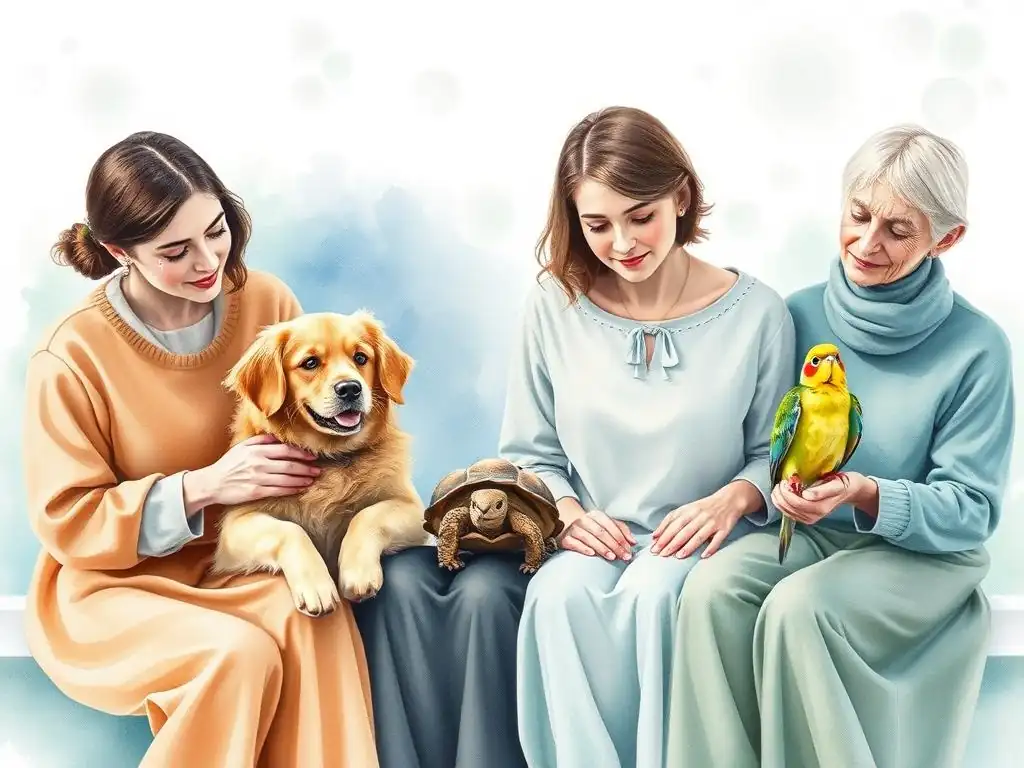
Losing a pet is a deeply personal and often intensely painful experience. The bond we share with our animal companions is unique and profound, making the grief following their death particularly challenging. Navigating this grief can feel isolating, but thankfully, you're not alone. A strong pet loss support community can provide invaluable comfort and understanding during this difficult time. This section explores the various avenues for finding support and connection as you navigate your grief.
The saying "shared grief is halved, shared joy is doubled" holds particular resonance when dealing with pet loss. The intense emotional connection we have with our pets means that the grief we experience is often underestimated or misunderstood by those who haven't shared a similar bond. A pet loss support community offers a safe space to share your experiences without feeling judged or minimized.
Within these communities, you'll discover that your feelings are valid and normal. Hearing others recount their own journeys of grief – the intense sadness, the unexpected waves of emotion, the lingering sense of emptiness – can be incredibly validating. Knowing you're not alone in your pain can lessen the feeling of isolation and provide a sense of hope.
These shared experiences foster a sense of belonging and mutual understanding, allowing you to process your emotions in a supportive environment. Many find that hearing how others have coped with similar losses provides comfort and inspiration. The stories shared within a pet loss support community can offer practical advice and coping strategies, as well as a reminder that healing is possible.
Online Communities for Pet Loss Support
The internet has revolutionized access to support networks, and this is particularly true for those grieving the loss of a pet. Numerous online forums, social media groups, and even dedicated websites offer a pet loss support community accessible from anywhere, anytime. These online spaces provide a platform for sharing stories, asking questions, and connecting with others who understand the unique challenges of pet loss.
The anonymity afforded by online platforms can be particularly beneficial for some individuals. It can allow for a more vulnerable sharing of experiences without the pressure of face-to-face interaction. However, it's important to be mindful of online safety and to choose reputable communities with clear guidelines and moderation. Look for groups that prioritize empathy, respect, and a safe environment for sharing sensitive information.
Many online communities also offer resources such as articles, guides, and links to professional support services. These additional resources can further aid in your healing process. Remember to carefully consider the privacy settings of any online group you join.
Finding Local Pet Loss Support Groups
While online communities offer convenience and anonymity, the benefits of in-person support shouldn't be overlooked. Local pet loss support groups provide the opportunity for face-to-face connection and a tangible sense of community. These groups often meet regularly, offering a structured environment for sharing experiences and receiving support from others going through similar journeys.
The structure of local groups can vary widely. Some may be facilitated by trained professionals, offering guidance and structured activities to support the healing process. Others may be more informal, allowing for a free-flowing exchange of experiences and emotions. Finding a local group may involve contacting your veterinarian, local animal shelters, or searching online for support groups in your area.
The personal interaction offered by these groups can be especially powerful, providing a sense of connection and belonging that can be difficult to replicate online. The shared experience of physical presence and shared vulnerability can enhance the healing process significantly. Remember to attend a few meetings to find a group that feels comfortable and supportive for you. The right fit is crucial for maximizing the benefits of this valuable resource.
Connecting with Others Who Understand Pet Loss Grief
The profound grief that accompanies the loss of a beloved pet is often underestimated. While friends and family may offer sympathy, they may not fully grasp the unique bond and depth of emotion shared between a pet and its owner. This is where a pet loss support community becomes invaluable.
Connecting with others who have experienced similar losses provides a safe space to express your feelings without judgment or the need to explain the intensity of your sorrow. Sharing your experiences with those who truly understand the intricacies of pet bereavement can be incredibly cathartic. The simple act of knowing you're not alone can significantly alleviate the burden of grief.
Many find solace in the shared stories and experiences within these communities. Hearing others recount their journeys through grief, from the initial shock and disbelief to the eventual acceptance and healing, offers a sense of hope and normalcy. It validates your feelings and reminds you that your grief is legitimate and a natural part of the grieving process. These shared narratives can provide comfort and reduce feelings of isolation, which are often amplified during pet loss.
The understanding and empathy found within these groups are often the most effective tools in navigating the complex emotional landscape of pet bereavement. It's a powerful reminder that the love and bond shared with your pet continues to resonate even after they're gone. The community offers a space to cherish those memories and honor the life of your beloved companion.
The support offered within a pet loss support community isn't limited to simply listening; it's active participation in a shared journey. Members often share coping mechanisms, resources, and practical advice that have helped them cope with their loss. This exchange of information and support creates a sense of camaraderie and mutual respect, furthering the healing process. This collective experience fosters a sense of resilience and helps individuals navigate the challenges of grief with renewed strength and perspective.
The power of a shared experience is undeniable, turning individual grief into a collective healing process. The feeling of being understood, validated, and supported within a community dedicated to pet loss can make a significant difference in the healing journey. It's a testament to the enduring power of human connection and the profound impact pets have on our lives.

The Therapeutic Power of Sharing Your Pet's Story
The death of a beloved pet is a deeply personal and often traumatic experience. The grief associated with pet loss is valid and significant, impacting individuals in profound ways. Sharing your pet loss story, whether verbally or in writing, can be a surprisingly powerful tool in the healing process. This isn't just about recounting facts; it's about processing emotions, finding meaning in the relationship, and acknowledging the unique bond you shared. Many studies suggest that expressing grief through storytelling facilitates emotional release and reduces feelings of isolation. 1 By articulating your experiences, you begin to integrate the loss into your life narrative, allowing for a more gradual and healthy acceptance of the situation. This process can lead to a reduction in symptoms of complicated grief, fostering a sense of peace and closure. The act of remembering and sharing your pet's story keeps their memory alive, transforming sorrow into cherished remembrance. This active remembrance helps you navigate the complex emotions associated with pet loss, ultimately promoting healing and fostering a sense of continued connection with your departed companion.
Sharing your story is like releasing a balloon carrying your sorrow. It’s a way to lighten your load and find solace in the shared experience of others.
Tips for Sharing Your Story in a Pet Loss Support Group
Joining a pet loss support community can provide invaluable support during this difficult time. However, sharing your story in a group setting requires sensitivity and preparation. Here are some tips to help you navigate this process:
- Choose the right group: Research different support groups to find one that feels like a good fit. Consider the group's size, format (in-person or online), and the types of pets represented.
- Start small: You don't need to share every detail of your pet's life and death immediately. Begin with a brief introduction and gradually share more as you feel comfortable.
- Focus on your feelings: Don't be afraid to express your emotions, even if they seem overwhelming. Support groups provide a safe space to process your grief without judgment.
- Listen to others: Sharing your story is a two-way street. Actively listen to the experiences of others in the group; this can be both comforting and validating.
- Set boundaries: It's okay to say no to sharing if you're not feeling up to it. Prioritize your emotional well-being.
- Be patient with yourself: Healing takes time. Don't pressure yourself to reach a certain point in your grieving process.
The following table illustrates common emotions experienced after pet loss and how a support group can help:
| Emotion | Support Group Benefit |
|---|---|
| Sadness/Grief | Shared experience, validation of feelings, emotional release |
| Guilt/Regret | Understanding, perspective from others, reduced self-blame |
| Loneliness/Isolation | Connection with others who understand, sense of community |
| Anger/Frustration | Healthy expression of emotions, support in processing feelings |
| Anxiety/Fear | Coping strategies, shared experiences with similar anxieties |
The internet offers numerous avenues for connecting with others who understand pet loss. However, online sharing requires careful consideration of privacy and sensitivity. Here are some guidelines for respectfully sharing your story in online pet loss support communities:
- Maintain privacy: Avoid sharing personally identifying information about yourself or your pet.
- Be mindful of others: Remember that everyone grieves differently. Avoid making comparisons or judgments about others' experiences.
- Use appropriate language: Refrain from using offensive or insensitive language.
- Respect differing opinions: Online discussions can sometimes become heated. Maintain a respectful tone, even when disagreeing with others.
- Be aware of triggering content: Some people may find certain topics or images distressing. Be mindful of this when sharing your story.
- Consider using pseudonyms: Protecting your identity online can provide a greater sense of security and comfort when sharing vulnerable information.
Sharing your pet's story online can be a powerful way to connect with a pet loss support community 🫂. Remember to prioritize your well-being and choose platforms that offer a supportive and respectful environment. The right online community can provide invaluable comfort and understanding during this challenging time.
1 [Specific information pending: Citation needed for studies on the therapeutic power of sharing grief through storytelling.]
Protecting Your Privacy While Sharing Your Pet Loss Experience
Sharing your grief can be incredibly cathartic, but it's equally important to prioritize your privacy. The internet, while a powerful tool for connection, also presents potential risks. Before posting about your pet's passing online, consider these crucial steps to safeguard your personal information:
Firstly, avoid sharing overly specific details. While you might want to paint a vivid picture of your beloved pet, resist the urge to include your exact address, phone number, or other identifying information that could be used maliciously. A general location is sufficient; for example, instead of "My dog, Buster, passed away at the VCA Animal Hospital on Elm Street," consider "My sweet Buster crossed the Rainbow Bridge with the compassionate care of a local animal hospital." This protects your privacy without sacrificing the emotional impact of your story.
Secondly, be mindful of who you share with. Public forums can be great for connecting with others, but they also expose your story to a wider audience. Carefully consider the privacy settings of any platform you use, ensuring that you're only sharing with trusted friends, family, or members of a dedicated pet loss support community. Consider using a pseudonym or avatar to further protect your identity if you're uncomfortable sharing your real name. Remember, your feelings are valid regardless of the level of anonymity you choose.
Thirdly, review your privacy settings regularly. Social media platforms and online communities frequently update their privacy policies and settings. Take the time to check these settings periodically to ensure that your information remains protected and that your level of privacy aligns with your comfort level. Don't hesitate to adjust your settings as needed to maintain control over who can see your posts and personal information.
Finally, be aware of potential scams. Unfortunately, some individuals may try to exploit the vulnerability of those grieving. Be cautious of unsolicited messages or requests for personal information, especially from individuals you don't know. If something feels wrong or too good to be true, trust your instincts and don't hesitate to report suspicious activity to the platform administrators. Remembering that your safety and well-being are paramount is crucial during this difficult time. Protecting your privacy allows you to focus on healing and connecting with others who understand your loss.
Resources for Pet Loss Support and Healing
Losing a beloved pet is a deeply personal and often devastating experience. The pain of pet loss is real and shouldn't be minimized. Fortunately, numerous resources exist to help navigate this difficult time and find solace in your grief. This section explores some avenues for support and healing as you journey through pet loss. Building a strong support network is crucial during this period, and understanding the resources available can make a significant difference in your healing process. Remember, you are not alone.
Books and Articles on Pet Loss Grief
Coping with pet loss often involves understanding the grieving process itself. Many excellent books and articles offer guidance and support during this challenging time. These resources provide insights into the stages of grief, coping mechanisms, and strategies for healing. They can help normalize your feelings and provide a sense of community, knowing others have experienced similar losses.
Several books focus specifically on the unique aspects of pet grief, offering practical advice and emotional support. For example, some explore the different ways humans bond with their pets, explaining the intensity of the emotional connection and the subsequent grief experienced upon loss. Others offer guided journaling exercises or meditation techniques to aid in processing emotions. These resources often include personal stories from other pet owners, fostering a sense of shared experience and understanding.
Articles focusing on specific aspects of pet loss, such as dealing with children after the loss of a pet, or coping with sudden unexpected death, can also be incredibly helpful. They offer targeted advice and support tailored to specific situations. Remember, seeking information is a crucial step in your healing journey.
Pet Loss Hotlines and Counseling Services
Beyond self-help resources, professional support can be invaluable during pet loss. Many organizations offer pet loss hotlines staffed by trained professionals who provide empathetic listening and practical guidance. These hotlines offer immediate support, allowing you to talk through your feelings and receive immediate comfort. They often connect you with local resources or support groups, facilitating a sense of community and shared experience.
Furthermore, grief counseling specifically tailored to pet loss can be incredibly beneficial. A therapist specializing in pet loss can provide a safe and supportive space to process your emotions, explore coping mechanisms, and develop healthy strategies for managing your grief. They can help you understand the complexities of your grief and provide tools to navigate the healing process. Remember that professional help is a sign of strength, not weakness, and can significantly aid in your recovery. Seeking professional guidance can help you process your emotions effectively and prevent prolonged or complicated grief.
Memorializing Your Beloved Pet: Creative Ways to Remember
Memorializing your pet is a powerful way to honor their memory and keep their spirit alive. There are countless ways to commemorate your pet's life, from traditional methods to creative and unique approaches. Choosing a memorial that resonates with your personal connection to your pet can be a significant part of the healing process.
Traditional methods include planting a tree, creating a photo album, or establishing a memorial donation in their name to an animal shelter or rescue organization. These options offer a tangible way to remember your pet and contribute to a cause close to your heart. More creative approaches might include commissioning a pet portrait, writing a poem or song, or scattering their ashes in a meaningful location.
These personalized memorials allow for a deeper expression of your love and grief. Consider creating a memory box filled with photos, favorite toys, and other treasured items. This can serve as a tangible reminder of your pet's presence in your life.
The key is to choose a memorial that feels authentic to your relationship and provides comfort during your grieving process. Remember, there's no right or wrong way to memorialize your beloved pet; the most important aspect is to honor their memory in a way that feels meaningful and healing to you.
Building a Stronger Pet Loss Support Community

Pet loss is a deeply personal experience, often underestimated in its impact on individuals. Building a strong pet loss support community requires understanding the nuances of grief and providing a safe, empathetic environment where individuals can share their experiences without judgment. This section explores practical strategies for fostering such a community, focusing on building trust, promoting open communication, and providing tangible support resources.
The core of a successful pet loss support community lies in its ability to offer genuine connection and understanding during a difficult time. Many find comfort in knowing they're not alone in their grief, and this shared experience is a powerful tool for healing. The goal is to create a robust pet loss support community that offers solace and guidance.
How to Support Others Grieving the Loss of a Pet
Supporting someone grieving the loss of a pet requires sensitivity and empathy. Avoid clichés like "It's just a pet" – the bond between a person and their animal companion is profound and unique. Instead, acknowledge their pain directly. A simple "I'm so sorry for your loss" can be incredibly impactful. Remember that grief manifests differently; some may openly weep, while others may withdraw. Respect their grieving process and offer support tailored to their needs.
Active listening is crucial. Let them share their memories and feelings without interruption or judgment. Validate their emotions, even if you don't fully understand their depth. Offer practical assistance, such as helping with errands or pet-related tasks if appropriate. Consider offering a listening ear, a shoulder to cry on, or simply being present.
Providing tangible support can also be incredibly helpful. This could include bringing over a comforting meal, offering to walk their remaining pets, or simply spending time with them. Sharing your own experiences with pet loss, if you're comfortable doing so, can create a sense of shared understanding. A small, thoughtful gesture can make a significant difference during their time of sorrow. Remember that genuine compassion and empathy are the most valuable forms of support you can offer.
Creating a Safe Space for Sharing Pet Loss Experiences
Creating a safe and inclusive space for sharing pet loss experiences is paramount. This involves establishing clear guidelines for respectful communication and ensuring everyone feels comfortable expressing their emotions without fear of judgment or criticism. Online forums, support groups, and even social media communities can all play a vital role, but moderation and clear community guidelines are essential.
Consider implementing the following strategies:
- Establish clear community guidelines: These guidelines should outline acceptable behavior, including respectful communication, avoiding judgmental language, and protecting the privacy of others.
- Moderate discussions actively: A dedicated moderator can help ensure that conversations remain respectful and supportive. They can remove inappropriate comments and address any conflicts that may arise.
- Provide resources and information: Offer links to helpful articles, websites, or hotlines that provide additional support and guidance for grieving pet owners.
- Promote empathy and understanding: Encourage members to show compassion and support for one another. Emphasize the importance of listening without judgment and validating others' feelings.
- Offer diverse avenues for sharing: Some may prefer to write, others to share photos or videos, while some might simply want to listen and learn from others. Offering diverse methods for sharing supports different grieving styles.
Encouraging Open Conversations About Pet Loss
Open conversations about pet loss are crucial for normalizing grief and reducing the stigma surrounding the loss of a beloved pet. Many people struggle to articulate their feelings, particularly when faced with societal expectations to downplay the significance of pet loss. Encouraging open dialogue involves creating a culture of empathy and understanding, where individuals feel comfortable sharing their experiences without fear of judgment.
Here are some strategies to promote open conversations:
- Start by sharing your own story (if comfortable): Sharing your personal experience can help others feel less alone and more comfortable opening up about their own grief.
- Use inclusive language: Avoid language that minimizes the significance of pet loss. Instead, use language that acknowledges the depth of the bond between people and their pets.
- Ask open-ended questions: Instead of asking yes/no questions, ask open-ended questions that encourage individuals to share their feelings and experiences. For example, instead of asking "Are you doing okay? ", try "How are you feeling about the loss of your pet?"
- Create opportunities for sharing: Organize online or in-person events, such as memorial services, support groups, or online forums, where people can share their stories and connect with others who understand their grief.
- Promote education and awareness: Raise awareness about the impact of pet loss and the importance of providing support to grieving pet owners. This could involve educational materials, workshops, or public awareness campaigns. A strong pet loss support community actively fights the stigma surrounding pet loss.
The Long-Term Benefits of a Supportive Pet Loss Community
The loss of a beloved pet is a deeply personal and often traumatic experience. While the initial grief can be overwhelming, the long-term effects of pet loss can be surprisingly profound and long-lasting. A supportive pet loss community offers invaluable assistance in navigating these challenges, providing benefits that extend far beyond the immediate aftermath of bereavement. These benefits contribute significantly to improved mental and emotional well-being in the long run.
One crucial aspect is the reduction in feelings of isolation. Many pet owners find that their grief isn't fully understood or validated by those who haven't shared a similar experience. A pet loss community provides a safe space where individuals can openly share their emotions without judgment, fostering a sense of belonging and understanding. This shared experience helps normalize the intensity of grief, reducing the feeling of being alone in one's sorrow. This, in turn, can significantly mitigate the risk of prolonged depression and anxiety often associated with pet loss.
Moreover, a strong pet loss support community offers practical tools and strategies for coping with grief. Members can learn from each other's experiences, sharing coping mechanisms, grief counseling resources, and even strategies for managing the practical aspects of pet loss, such as memorialization or dealing with veterinary bills. This exchange of information empowers individuals to proactively manage their grief and develop healthy coping strategies, preventing the grief from becoming debilitating. The collective wisdom and shared experiences within the community become a valuable resource for navigating the complex emotional landscape of pet loss.
Furthermore, participating in a pet loss support community can foster a sense of resilience and personal growth. By witnessing the strength and healing journeys of others, individuals can gain hope and inspiration. The community becomes a source of encouragement and motivation, reminding members that healing is possible and that they are not alone in their journey. This fosters a sense of empowerment and self-efficacy, promoting long-term mental and emotional well-being.
The process of supporting others also contributes to a sense of purpose and meaning, further facilitating the healing process. The long-term impact is a strengthened sense of self and a greater capacity to navigate future challenges. The community becomes a testament to the enduring bond between humans and their animal companions, even beyond the physical presence of the pet.
Moving Forward After Pet Loss: Finding Hope and Healing
The journey through pet loss is intensely personal, and there's no single "right" way to grieve. While the pain of losing a beloved companion is profound, healing and finding hope are possible. This process takes time, patience, and self-compassion. Understanding that grief is a natural response to loss is the first step towards navigating this difficult period. Many pet owners experience a range of emotions—sadness, anger, guilt, and even relief—and it's crucial to allow yourself to feel them without judgment. Suppressing these feelings can prolong the grieving process.
Remembering Your Pet with Joy and Gratitude
Focusing on positive memories can be a powerful tool in healing. Instead of dwelling solely on the sadness of loss, actively recall the joy your pet brought into your life. Create a scrapbook or digital album filled with photos and videos, each capturing a cherished moment. Remember the playful antics, the comforting cuddles, the unwavering loyalty.
Write down your favorite memories, focusing on the specific details that evoke feelings of warmth and happiness. This act of remembrance helps shift the focus from the pain of loss to the love that endures. Consider creating a “happy jar,” where you write down a positive memory of your pet each day. This positive reinforcement helps in building a more balanced perspective on your loss.
Honoring Your Pet's Memory: Ceremonies and Rituals
Creating a meaningful ceremony or ritual can provide closure and a sense of peace. This could involve a small, private gathering with close friends and family, or a larger memorial service. Some pet owners choose to plant a tree, scatter their pet's ashes in a special place, or create a memorial garden. Others find solace in creating a personalized memorial—a framed paw print, a custom-made portrait, or a piece of jewelry containing a lock of fur.
These tangible reminders serve as powerful symbols of your pet's enduring presence in your life. The key is to choose a ritual that feels authentic and meaningful to you, allowing you to honor your pet's memory in a way that resonates deeply. There are many resources available online offering guidance and support for planning pet memorial services; utilizing a pet loss support community can be incredibly beneficial during this time.
Integrating Your Pet's Memory into Your Life
The loss of a pet leaves a void in our lives, and integrating their memory into your daily routine can help ease the transition. This doesn't mean replacing your pet, but rather finding ways to keep their spirit alive. You might choose to donate to an animal shelter in their name, volunteer at a local rescue organization, or support a pet-related charity. These acts of service can be incredibly therapeutic, transforming grief into positive action.
Consider dedicating a special corner of your home to your pet, displaying photos and treasured belongings. Sharing stories about your pet with others who understand can also provide comfort and support. Remember that your pet's memory is a precious gift, and finding ways to honor it is a testament to the enduring bond you shared. Joining a pet loss support community provides a safe space to share these memories and experiences with others who understand the unique pain of losing a beloved companion.
This shared experience can be immensely helpful in the healing process. Allowing yourself time to grieve and heal is essential; there is no rush. Remember to be kind to yourself throughout this difficult journey.
Preparing for Future Pet Companionship
The pain of pet loss can be profound, leaving a void in our lives that feels impossible to fill. However, the love we shared with our departed pets doesn't diminish the possibility of future companionship. Many find solace and healing in welcoming another animal into their lives, but this is a deeply personal decision that requires careful consideration. It's not about replacing your beloved pet, but rather about opening your heart to the possibility of new love and connection.
The timing is crucial; rushing into adopting a new pet before you've adequately processed your grief can be detrimental to both you and the new animal. Allow yourself the time you need to grieve, to remember the unique bond you shared, and to heal emotionally. Don't feel pressured by others to move on before you are ready.
Consider the practical aspects as well. Are you emotionally and physically prepared to provide the same level of care and attention you gave to your previous pet? Adopting a pet is a significant commitment, requiring time, resources, and unwavering dedication. Honest self-reflection is paramount.
If you're unsure, seeking guidance from a grief counselor or therapist specializing in pet loss can be invaluable. They can help you navigate these complex emotions and determine if you are in a place to welcome a new furry, feathered, or scaled friend. Remember, there's no right or wrong timeline. Your well-being is the priority, and the right time will come when you feel it in your heart.
Choosing a new pet should also align with your current lifestyle and capacity. If your previous pet required extensive grooming or specialized care, consider if you're prepared to make that commitment again. Perhaps a pet with lower maintenance needs would be a better fit.
Adopting from a shelter or rescue organization can be a particularly rewarding experience, as you'll be giving a deserving animal a loving home while also supporting a worthy cause. Remember, every pet is unique, with its own personality and needs. Thoroughly research different breeds or species to ensure a good match for your lifestyle and living situation.
This careful consideration will help you avoid future heartache and ensure a positive experience for both you and your new companion. The bond you forge with a new pet will be unique, distinct from the bond you shared with your previous pet, but no less powerful or meaningful. Embrace the journey, and allow yourself the joy of new love and companionship when the time is right.
Frequently Asked Questions
How can PetCareWorld's website help me cope with pet loss?
PetCareWorld offers a supportive community where you can connect with others who understand the pain of losing a pet. Sharing your experiences and reading others' stories can provide comfort and validation during this difficult time. We also offer resources and articles on grief and coping strategies.
Is there a specific section dedicated to pet loss support?
While not a wholly separate section, PetCareWorld's articles and community forums frequently address pet loss and grief. Search for relevant keywords like "pet loss," "grieving my pet," or "pet bereavement" to find helpful resources and connect with others.
How do I find and connect with other pet owners who have experienced similar losses?
Our online forums and comment sections provide opportunities to connect with others. Share your story and find solace in the shared experiences of others navigating pet loss. Engaging with the community is a key part of our support.
What kind of support can I expect from the PetCareWorld community regarding pet loss?
Expect empathetic listening, understanding, and shared experiences. You'll find validation for your grief, practical advice, and a safe space to express your emotions. The community is built on mutual support and understanding during difficult times.
Are there resources available beyond the community forum to help me grieve?
Yes, we offer articles and guides that explore various aspects of pet loss, including coping mechanisms, understanding grief stages, and memorializing your beloved pet. These resources provide additional information and support beyond community interaction.
The profound pain of pet loss is often underestimated, yet its impact resonates deeply within individuals and families. The shared experience, however, can transform this isolating grief into a powerful source of healing and connection. This article explored the vital role of community in navigating this difficult journey, highlighting the therapeutic power of shared stories and the support networks that emerge when we acknowledge our collective sorrow.
The ongoing influence of pet loss on our emotional landscape is undeniable. We build profound bonds with our animal companions, bonds that transcend the typical human-to-human relationships. These connections shape our lives, leaving an indelible mark on our hearts. What the heart has once owned and had, it never loses.
This quote, often attributed to Helen Keller, perfectly encapsulates the enduring nature of the love we share with our pets, and the lasting impact of their absence. The creation and participation in supportive communities allows us to honor these bonds and find solace in shared experiences.
Now, consider your own experiences with pet loss, or the losses of those around you. How can you actively contribute to a supportive environment for those grieving the loss of a beloved animal? Perhaps it's reaching out to a friend, sharing your own story, or simply offering a listening ear. Remember, you are not alone in your grief, and by embracing the power of shared stories, we can collectively build a stronger, more compassionate community for those navigating the challenging terrain of pet loss.
Thank you for exploring the power of shared stories in coping with pet loss. We hope you found comfort and connection in these experiences. Now, let's turn that hope into action.
- Share your pet's story: Contribute to our growing community by sharing a short story or memory of your beloved companion. Help others find solace and healing through shared experiences.
- Join our online support group: Connect with others who understand the unique bond and grief associated with pet ownership. Find strength and support within our community.
- Create a lasting tribute: Plant a tree, create a photo album, or make a donation in your pet's name—a meaningful way to remember the love you shared.
What small act of remembrance will you choose today to honor your pet's memory?