
Respiratory Issues in Senior Pets: Knowing the Signs and Seeking Help


Welcome to PetCareWorld, your ultimate guide to a happier, healthier life for your beloved companion! Are you noticing changes in your senior pet? We delve into the often-overlooked world of senior pet respiratory problems in our latest article, exploring the subtle signs that could indicate serious issues and providing vital information to help you make informed decisions about their care. Discover how early intervention can make all the difference – read on to learn more!
- Understanding Respiratory Problems in Older Pets
- Identifying Symptoms of Senior Pet Respiratory Problems
- Diagnosing Respiratory Issues in Your Senior Pet
- Treatment Options for Senior Pet Respiratory Problems
- Preventing Respiratory Problems in Senior Pets
- When to Seek Emergency Veterinary Care for Respiratory Distress
- Providing Comfort and Care for Senior Pets with Respiratory Issues
- Frequently Asked Questions
- Final Reflection: Breathing Easier: A Legacy of Care for Our Senior Companions
- Unlock Your Senior Pet's Respiratory Wellness
Understanding Respiratory Problems in Older Pets
As our beloved pets age, they become more susceptible to various health issues, and respiratory problems are among the most common concerns for senior pet owners. This comprehensive guide focuses on senior pet respiratory problems, equipping you with the knowledge to recognize early warning signs and seek timely veterinary intervention. We'll explore common respiratory ailments in senior dogs and cats, delve into the subtle indicators of respiratory distress, and examine the age-related physiological changes that contribute to these challenges.
Understanding these factors is crucial for ensuring the comfort and well-being of your aging companion. Early detection and appropriate veterinary care can significantly improve your senior pet's quality of life and potentially extend their lifespan.
This article will provide you with the essential information needed to navigate this sensitive area of senior pet care, empowering you to be a proactive and informed caregiver. Remember, proactive care is key to managing senior pet respiratory problems effectively.
Common Respiratory Issues in Senior Dogs and Cats
Senior dogs and cats frequently experience respiratory issues stemming from various underlying conditions. Some of the most prevalent problems include:
- Chronic Bronchitis: This inflammatory condition affects the airways, causing persistent coughing and shortness of breath. It's often associated with irritants like smoke or dust, but can also be triggered by underlying infections or allergies. The severity varies; some pets experience mild symptoms, while others require ongoing medical management.
- Pneumonia: A lung infection caused by bacteria, viruses, or fungi. Symptoms range from mild coughing to severe respiratory distress, including labored breathing and bluish discoloration of the gums (cyanosis). Pneumonia in senior pets can be life-threatening and requires immediate veterinary attention.
- Collapsing Trachea: Common in small-breed dogs, this condition involves the weakening and collapse of the trachea (windpipe), resulting in a characteristic honking cough, especially during exertion or excitement. While not always life-threatening, it can significantly impact a pet's breathing and quality of life.
- Lung Cancer: While less common than other respiratory diseases, lung cancer can occur in senior pets. Symptoms may include persistent coughing, weight loss, and lethargy. Diagnosis requires advanced imaging techniques and often carries a poor prognosis.
- Heart Disease: Heart conditions often manifest with respiratory symptoms due to fluid buildup in the lungs (pulmonary edema). This can cause coughing, shortness of breath, and exercise intolerance. Treatment focuses on managing the underlying heart disease.
The prevalence of each of these conditions varies greatly depending on breed, size, and overall health. Regular veterinary checkups are essential for early detection and management of these potentially serious respiratory issues in senior pets. Accurate diagnosis is crucial for effective treatment, and your veterinarian will conduct a thorough examination, including listening to the lungs and potentially ordering X-rays or other diagnostic tests.
Recognizing Early Signs of Respiratory Distress in Senior Pets
Detecting respiratory problems early is critical in senior pets. While some conditions present with obvious symptoms like labored breathing, others might show subtle signs that are easily overlooked. Pay close attention to these early warning signals:
- Increased respiratory rate: Observe your pet's breathing; a significantly faster or shallower breathing pattern than usual could indicate a problem. Count the breaths per minute—a normal rate varies depending on the pet, but significant increases warrant veterinary attention.
- Coughing: Persistent or unusual coughing, particularly a dry, hacking cough, is a major red flag. Note the frequency, intensity, and sound of the cough.
- Wheezing: A whistling or rattling sound during breathing can signify airway obstruction or inflammation.
- Exercise intolerance: If your usually active pet becomes easily tired or short of breath during exercise, it could suggest a respiratory issue.
- Lethargy and weakness: Unusual fatigue and lack of energy can accompany respiratory problems, especially if oxygen levels are compromised.
- Changes in appetite: A decreased appetite or refusal to eat can be a sign of underlying illness, including respiratory disease.
- Bluish gums (cyanosis): This is a serious sign indicating low oxygen levels in the blood and requires immediate veterinary care.
It's important to understand that not all coughing or shortness of breath is indicative of a serious respiratory problem. However, any changes in your pet's respiratory pattern or behavior should prompt a visit to your veterinarian for a proper assessment. Early intervention is key to preventing complications and improving the prognosis.
As pets age, several physiological changes can impact their respiratory health, making them more vulnerable to respiratory issues. These changes include:
- Weakening of respiratory muscles: The muscles responsible for breathing gradually weaken with age, reducing respiratory efficiency and increasing the risk of respiratory distress.
- Decreased lung elasticity: The lungs lose elasticity over time, making it harder to expand and contract fully, leading to reduced oxygen intake.
- Increased susceptibility to infections: The immune system weakens with age, making senior pets more prone to infections, including pneumonia and bronchitis.
- Changes in airway structure: The trachea and bronchi can become narrower or less flexible, obstructing airflow and leading to coughing or wheezing.
- Cardiovascular compromise: Age-related heart disease can contribute to respiratory problems due to fluid buildup in the lungs (pulmonary edema).
Understanding these age-related changes helps pet owners recognize the increased risk of respiratory problems in senior pets. Regular veterinary checkups, including chest X-rays and other relevant diagnostic tests as needed, are crucial for early detection and management of these age-related changes and their impact on respiratory health. Proactive care, including maintaining a healthy weight, providing a clean environment, and promptly addressing any respiratory symptoms, can significantly improve the quality of life for your senior pet.
Identifying Symptoms of Senior Pet Respiratory Problems

Recognizing respiratory distress in senior pets can be crucial for timely intervention and improved outcomes. Many symptoms are subtle initially, easily mistaken for normal aging or other ailments. Early detection is key to managing senior pet respiratory problems effectively. This section focuses on identifying common respiratory symptoms in aging animals, helping you become a more proactive and informed pet owner. Understanding these signs will empower you to seek veterinary care promptly, potentially preventing serious complications.
Coughing and Wheezing in Elderly Pets
Coughing and wheezing are prominent indicators of respiratory issues in senior pets. While an occasional cough might be dismissed, a persistent or worsening cough, especially accompanied by wheezing, warrants immediate veterinary attention. The severity and frequency of these symptoms can vary significantly depending on the underlying cause.
Several factors can contribute to coughing and wheezing in older animals. These include:
- Chronic Bronchitis: This common condition causes inflammation of the bronchial tubes, leading to persistent coughing and sometimes wheezing. Senior dogs, particularly smaller breeds, are predisposed.
- Pneumonia: A lung infection causing inflammation and fluid buildup, pneumonia presents with a harsh, productive cough (coughing up mucus) and potentially labored breathing. Older pets with weakened immune systems are more vulnerable.
- Tracheal Collapse: The trachea (windpipe) can weaken and collapse, especially in small-breed dogs, causing a distinctive honking or goose-honking cough. This can worsen with exertion.
- Heart Disease: Heart conditions can indirectly impact the respiratory system, causing fluid buildup in the lungs and leading to coughing and shortness of breath. This is a more serious condition requiring specialized treatment.
The sound of the cough itself can provide clues. A dry, hacking cough might suggest tracheal irritation, while a wet, rattling cough often indicates fluid in the lungs. The presence of wheezing – a whistling or rattling sound during breathing – typically points to airway obstruction or inflammation. Observing the pet's overall condition – lethargy, decreased appetite, weight loss – alongside these respiratory symptoms is essential for a complete picture.
Difficulty Breathing and Shortness of Breath in Senior Animals
Difficulty breathing, or dyspnea, is a serious symptom in senior pets and requires urgent veterinary care. This can manifest as labored breathing, increased respiratory rate (rapid breathing), open-mouth breathing (especially in dogs), or noticeable exertion during even minimal activity. Shortness of breath (dyspnea) often accompanies other respiratory problems, such as pneumonia or heart failure.
The severity of dyspnea varies. Some pets might only show signs of shortness of breath during exercise, while others might struggle to breathe even at rest. Observe your pet's resting respiratory rate. A normal respiratory rate for dogs varies depending on size and breed, but generally ranges from 10-30 breaths per minute. For cats, it's typically 20-40 breaths per minute. Significantly elevated rates suggest respiratory distress. Note any changes in posture; a pet struggling to breathe might assume a hunched or tripod stance to aid breathing.
Changes in Breathing Patterns and Respiratory Rate
Monitoring changes in your senior pet's breathing pattern and rate provides valuable insights into their respiratory health. Beyond simply counting breaths per minute, pay attention to how your pet is breathing. Irregular breathing patterns, such as periods of apnea (cessation of breathing) interspersed with rapid breathing, are particularly concerning and indicate a need for immediate veterinary intervention.
Changes in respiratory rate and pattern can be caused by various factors, including:
- Pulmonary Edema: Fluid buildup in the lungs, often associated with heart failure, can lead to rapid, shallow breathing.
- Pleural Effusion: Fluid accumulation in the pleural space (the space between the lungs and the chest wall) can compress the lungs and impair breathing.
- Asthma: Though less common in senior pets, asthma can cause wheezing, coughing, and changes in breathing patterns.
- Lung Cancer: While less prevalent than other respiratory conditions, lung cancer can significantly affect breathing patterns.
Keeping a detailed record of your pet's breathing patterns – including the rate, rhythm, and any noticeable changes – is highly recommended. This information can be invaluable when discussing your concerns with your veterinarian. Regular veterinary checkups for senior pets are crucial for early detection and management of respiratory issues. Proactive monitoring and prompt veterinary care can significantly improve the quality of life for your aging companion.
Nasal Discharge and Congestion in Older Pets
Nasal discharge in senior pets isn't always a cause for immediate alarm, as occasional sniffles can be a normal part of aging. However, a persistent or significant change in nasal discharge warrants veterinary attention, especially in older animals. The color, consistency, and amount of discharge are all crucial indicators. A clear, watery discharge might suggest a simple allergy, but a thick, yellow-green, or bloody discharge could indicate a more serious infection, such as bacterial rhinitis or even a tumor.
Furthermore, the presence of nasal congestion, often accompanied by sneezing or snorting sounds, can significantly impact your pet's breathing and overall comfort. Senior pets with compromised respiratory systems may struggle to clear congestion effectively, leading to a worsening of their condition. Observing changes in your pet's breathing patterns, such as increased respiratory rate or effort, is also important. For example, a normally quiet senior dog might start making audible breathing sounds, like wheezing or gasping, indicative of underlying respiratory problems.
Don't hesitate to seek professional veterinary care if you notice a change in your pet's nasal discharge or if congestion seems to be interfering with their breathing. Early diagnosis and treatment are key to managing respiratory issues effectively in senior pets. The veterinarian will likely perform a thorough physical exam, including a nasal examination, to determine the underlying cause and recommend the appropriate treatment.
Exercise Intolerance and Lethargy
A significant decrease in your senior pet's energy levels and exercise tolerance is a common sign of underlying respiratory problems. What was once a lively, playful companion might suddenly exhibit fatigue after minimal activity. This lethargy often manifests as an unwillingness to engage in their usual activities, such as walks, playtime, or even simply getting up to eat or drink. The reduced stamina isn't solely a symptom of old age; it's often a consequence of the body struggling to meet the oxygen demands of even moderate exertion. Respiratory diseases like pneumonia or chronic bronchitis restrict airflow, making it difficult for the pet to obtain sufficient oxygen.
This oxygen deprivation leads to rapid fatigue and a general decline in energy levels. The severity of the lethargy can vary. Some pets might simply show a reduced interest in activity, while others might become completely sedentary and struggle to even stand up. A subtle but important indicator is changes in breathing patterns during or after minimal exercise.
Noticeable panting, rapid breathing, or labored breathing after a short walk or a brief game of fetch could signify a respiratory issue. If you observe such changes in your senior pet, it's crucial to consult a veterinarian immediately for a proper diagnosis and treatment plan. Early intervention can help manage the condition and improve your pet's quality of life. Remember, a change in your senior pet's activity level is not just a sign of aging; it could be a warning sign of a serious respiratory problem requiring veterinary care.
Diagnosing Respiratory Issues in Your Senior Pet

Diagnosing respiratory problems in senior pets requires a careful and thorough approach, combining observation of symptoms with professional veterinary assessment. Early detection is crucial for effective management and improving the quality of life for your aging companion. Ignoring subtle changes can lead to more serious, potentially life-threatening conditions.
This section focuses on the diagnostic process, highlighting the importance of veterinary intervention and the various tests used to pinpoint the underlying cause of your senior pet's respiratory distress. Remember, this information is for educational purposes only and should not replace professional veterinary advice. Always consult your veterinarian for any concerns about your pet's health.
The Importance of Veterinary Examination for Respiratory Problems
A veterinary examination is the cornerstone of diagnosing respiratory issues in senior pets. While you may notice symptoms at home, a professional assessment provides a much more complete picture. The vet will perform a physical examination, carefully listening to your pet's lungs for abnormal sounds like wheezing, crackling (rales), or whistling.
They will also assess your pet's respiratory rate, observing for any signs of labored breathing, such as open-mouthed breathing or increased respiratory effort. The vet will also check your pet's heart rate and rhythm, as cardiac issues can often exacerbate respiratory problems. Additionally, they will evaluate your pet's overall health, looking for other symptoms that might provide clues to the underlying cause of the respiratory distress.
This comprehensive evaluation is essential for creating an accurate diagnosis and developing a suitable treatment plan. Don't delay seeking veterinary attention if you suspect your senior pet is experiencing respiratory problems; prompt diagnosis can significantly impact the outcome.
Diagnostic Tests for Respiratory Diseases in Senior Pets
Several diagnostic tests may be necessary to accurately diagnose respiratory diseases in senior pets. These tests help determine the underlying cause of the respiratory symptoms and guide treatment decisions. Common tests include:
- Chest X-rays: These provide images of the lungs and heart, revealing abnormalities such as pneumonia, tumors, fluid buildup (pleural effusion), or collapsed lung segments. X-rays can also help identify the size and shape of the heart, which is crucial in assessing potential cardiac-related respiratory problems.
- Blood tests: These can help assess your pet's overall health, detect infections, and evaluate organ function. Specific blood tests may be ordered to check for inflammatory markers, which can indicate the presence of infection or inflammation within the respiratory system.
- Bronchoalveolar lavage (BAL): This involves inserting a tube into the airway to collect fluid samples from the lungs. The fluid is then analyzed to identify the presence of infectious agents, inflammatory cells, and other substances that can indicate the underlying cause of the respiratory problem. This is a more invasive procedure, usually reserved for cases where other tests haven't provided a clear diagnosis.
- Ultrasound: An ultrasound can provide detailed images of the lungs, heart, and other organs, allowing for a more precise assessment of the extent of the disease and identification of potential complications. This non-invasive imaging technique is especially valuable for evaluating the size and function of the heart and detecting fluid buildup in the chest cavity.
Interpreting Diagnostic Results and Understanding Treatment Options
Once the diagnostic tests are complete, your veterinarian will interpret the results to determine the underlying cause of your senior pet's respiratory problems. The diagnosis will guide the choice of treatment, which might include:
| Diagnosis | Potential Treatment Options |
|---|---|
| Pneumonia | Antibiotics, supportive care (fluids, oxygen therapy), cough suppressants |
| Bronchitis | Bronchodilators, cough suppressants, anti-inflammatory medications |
| Heart failure | Diuretics, medications to strengthen the heart, oxygen therapy |
| Lung cancer | Chemotherapy, radiation therapy, surgery (depending on the location and stage of the cancer) |
| Allergies | Antihistamines, corticosteroids, environmental modifications |
The prognosis for senior pets with respiratory issues varies depending on the underlying cause, the severity of the condition, and your pet's overall health. Some conditions are easily managed with medication, while others may require more intensive treatment. Regular monitoring and follow-up appointments are crucial to ensure the effectiveness of the treatment and to detect any complications early on. Open communication with your veterinarian is essential throughout the diagnostic and treatment process. Remember, providing your senior pet with a comfortable and supportive environment is crucial for their well-being during this time. ❤️
Treatment Options for Senior Pet Respiratory Problems

Addressing respiratory problems in senior pets requires a multifaceted approach, carefully considering their age and overall health. Treatment options range from medication to supportive care and lifestyle adjustments. The goal is to improve respiratory function, manage symptoms, and enhance the pet's quality of life. Choosing the right course of action often involves close collaboration between the pet owner and a veterinarian specializing in geriatric animal care. Remember, early intervention is key when dealing with senior pet respiratory problems.
Medication for Respiratory Diseases in Older Pets
Medication plays a crucial role in managing various respiratory diseases in older pets. The specific medication will depend on the underlying cause of the respiratory issue. For example, bronchitis might be treated with bronchodilators to relax the airways and improve breathing. These medications often come in inhaler form, requiring specialized administration techniques that your veterinarian will demonstrate. Pneumonia, a more serious infection, may necessitate antibiotics to combat the bacterial or viral infection. Pain relievers and anti-inflammatories may also be prescribed to alleviate discomfort and reduce inflammation in the respiratory tract.
It's important to note that senior pets often have other health conditions alongside respiratory problems. Therefore, your veterinarian will carefully consider potential drug interactions and adjust dosages accordingly to minimize side effects and maximize efficacy. Regular monitoring of the pet's response to medication is essential. This includes observing for any improvements in breathing, changes in energy levels, and the presence of any adverse reactions.
Always follow your veterinarian's instructions precisely regarding medication administration and dosage. Never adjust the dosage or stop the medication without consulting your vet, even if your pet seems to be improving. Consistent medication adherence is vital for effective management of senior pet respiratory problems.
Supportive Care for Senior Pets with Respiratory Issues
Beyond medication, supportive care plays a significant role in improving the comfort and well-being of senior pets experiencing respiratory issues. This includes providing a comfortable and stress-free environment. A warm, humidified environment can help to loosen mucus and ease breathing difficulties. Using a humidifier, especially during dry seasons, can be beneficial. Regular grooming, particularly for long-haired breeds, can prevent hair from obstructing the airways.
Nutritional support is also crucial. Senior pets with respiratory problems may require a high-calorie, easily digestible diet to maintain their energy levels and support their weakened respiratory system. Your veterinarian can recommend a suitable diet based on your pet's specific needs and condition. In some cases, supplemental oxygen therapy may be necessary, especially during periods of acute respiratory distress. This usually involves specialized equipment provided and monitored by your veterinarian. Monitoring your pet's breathing patterns, observing for any changes in their respiratory rate or effort, and promptly reporting any concerns to your veterinarian are vital aspects of supportive care.
Lifestyle Adjustments for Improved Respiratory Health in Senior Animals
Lifestyle modifications can significantly impact the respiratory health of senior pets. Maintaining a healthy weight is crucial, as obesity can put extra strain on the respiratory system. Regular, gentle exercise, tailored to your pet's physical capabilities, can help improve lung function and overall fitness. Avoid strenuous activities that could exacerbate breathing problems.
Environmental factors also play a role. Keep your pet away from irritants such as smoke, dust, and strong perfumes, as these can trigger or worsen respiratory symptoms. Minimizing stress is also important, as stress can negatively impact respiratory function. A calm and predictable environment can help reduce stress levels in your senior pet.
Remember, proactive management of senior pet respiratory problems through a combination of medication, supportive care, and lifestyle adjustments can significantly improve your pet's quality of life and extend their lifespan. Regular veterinary check-ups are essential to monitor their condition and make necessary adjustments to their treatment plan. Early detection and prompt intervention are crucial for the best possible outcome when dealing with senior pet respiratory problems.
Preventing Respiratory Problems in Senior Pets
Senior pet respiratory problems are a significant concern for many pet owners. While aging naturally brings changes, proactive measures can significantly reduce the risk and severity of respiratory issues in our beloved companions. This section focuses on preventative care strategies to help your senior pet breathe easier and live a more comfortable life. Understanding these preventative measures is crucial for responsible senior pet ownership and can contribute significantly to their overall well-being and longevity. Let's explore key strategies to mitigate the chances of developing serious respiratory ailments.
Vaccination and Preventative Care for Respiratory Health
Vaccinations remain a cornerstone of preventative care, even in senior pets. While the immune system weakens with age, maintaining vaccination schedules protects against infectious respiratory diseases that can exacerbate underlying conditions or trigger new ones. For example, kennel cough (Bordetella bronchiseptica) in dogs and feline upper respiratory infections are highly contagious and can be particularly dangerous for seniors with compromised respiratory systems. Regular vet check-ups are essential to assess your pet's individual needs and ensure their vaccinations are up-to-date.
Your veterinarian can advise on the most appropriate vaccination schedule, considering your pet's age, overall health, and lifestyle. Don't hesitate to ask questions about any concerns you may have regarding vaccinations and their impact on your senior pet's respiratory health. Remember, prevention is always better than cure, especially when dealing with delicate respiratory systems.
Beyond vaccinations, preventative care includes regular parasite control. Parasites like heartworms can indirectly impact respiratory function, leading to coughing and discomfort. Consult your veterinarian about appropriate preventative medications to safeguard your senior pet from these potentially harmful parasites. Regular veterinary examinations allow for early detection of any respiratory issues, enabling prompt treatment and potentially preventing more severe complications.
Maintaining a Healthy Weight for Senior Pets
Obesity places significant strain on the respiratory system in all animals, but particularly in senior pets. Excess weight puts pressure on the lungs and diaphragm, restricting airflow and increasing the risk of respiratory distress. Maintaining a healthy weight is a crucial preventative measure. This involves a balanced diet tailored to your pet's age, breed, and activity level. Avoid overfeeding and provide regular exercise appropriate for their physical condition.
Consult your veterinarian or a veterinary nutritionist to develop a weight management plan that suits your senior pet's specific needs. Regular weigh-ins and monitoring of body condition score will help you track progress and adjust the plan as needed. A leaner, healthier weight can significantly improve your senior pet's respiratory function and overall quality of life. Remember, even small changes in diet and exercise can make a big difference.
Creating a Clean and Comfortable Environment for Senior Animals
Environmental factors can significantly impact respiratory health in senior pets. Maintaining a clean environment minimizes exposure to allergens and irritants that can trigger respiratory problems. Regular cleaning, including vacuuming, dusting, and washing bedding, helps to reduce the presence of dust mites, pollen, and other allergens. For pets with allergies, consider using hypoallergenic bedding and cleaning products.
Good air quality is also essential. Ensure proper ventilation in your home and avoid exposure to smoke, strong fumes, and other air pollutants. A comfortable temperature and humidity level can also contribute to better respiratory health. Avoid extreme temperatures and ensure your pet has access to fresh water at all times.
For senior pets with mobility issues, ensure easy access to food, water, and comfortable resting areas to minimize strain on their respiratory system. A calm and stress-free environment can also positively impact their overall health and well-being, contributing to improved respiratory function. Creating a safe and comfortable space for your senior pet shows you care and demonstrates your commitment to their health and happiness.
Regular Veterinary Checkups for Early Detection
Regular veterinary checkups are paramount in preventing and managing respiratory problems in senior pets. These aren't just annual visits; for senior pets, especially those with pre-existing conditions or showing subtle signs of decline, more frequent checkups—perhaps every six months—are often recommended. During these visits, your veterinarian will conduct a thorough physical examination, paying close attention to your pet's respiratory system.
This includes listening to their lungs for any unusual sounds like wheezing, crackling, or increased respiratory effort. They will also assess your pet's overall health, looking for any other symptoms that might be contributing to respiratory issues, such as weight loss, lethargy, or decreased appetite. Early detection is crucial; many respiratory problems, if caught early, are more easily managed and have a better prognosis.
The veterinarian may also recommend diagnostic tests depending on the findings of the physical exam. These could include chest x-rays to visualize the lungs and airways, blood tests to assess overall health and identify potential underlying conditions, or even more specialized tests like bronchoscopy in certain cases. The frequency and type of diagnostic testing will vary depending on your pet's individual needs and risk factors.
For instance, a senior dog with a history of bronchitis might require more frequent chest x-rays than a healthy senior cat. Remember, proactive veterinary care is significantly more effective and less costly than treating advanced respiratory diseases.
Don't underestimate the importance of open communication with your veterinarian. Even seemingly minor changes in your pet's breathing pattern, such as increased panting or difficulty breathing during exertion, warrant a discussion. Your veterinarian can help you interpret these signs and determine if they indicate a potential problem.
They can also provide guidance on managing any underlying conditions and preventing further respiratory complications. By actively participating in your pet's healthcare and maintaining open lines of communication with your vet, you significantly improve your senior pet’s chances of living a comfortable and healthy life, free from serious respiratory issues. Early intervention is key to successful management of senior pet respiratory problems.
When to Seek Emergency Veterinary Care for Respiratory Distress
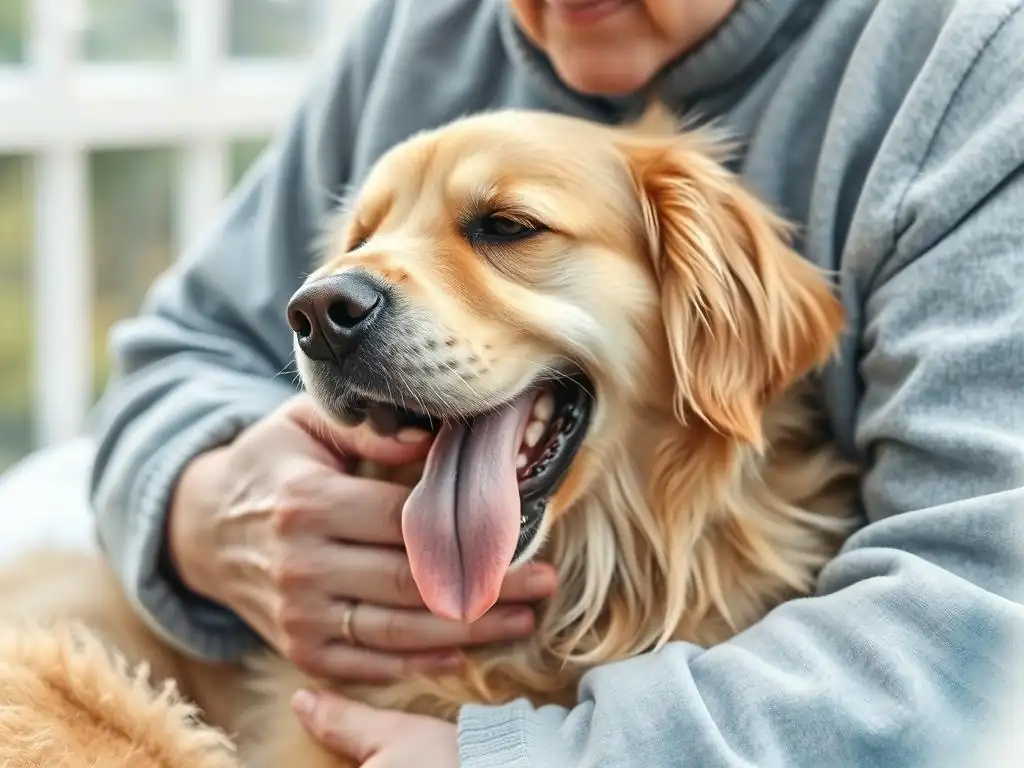
Senior pet respiratory problems can range from mild to life-threatening. Knowing when to seek immediate veterinary attention is crucial for your pet's well-being. Delaying treatment for severe respiratory distress can have dire consequences, potentially leading to irreversible damage or even death. This section focuses on identifying situations requiring immediate veterinary intervention for your aging companion. Understanding these critical signs can significantly impact your senior pet's chances of recovery. The earlier you act, the better the outcome is likely to be.
Recognizing Life-Threatening Respiratory Symptoms
Several symptoms indicate a life-threatening respiratory emergency in senior pets. These are not simply minor inconveniences; they are red flags demanding immediate veterinary care. These signs often manifest suddenly and can rapidly worsen. Look for:
- Extreme difficulty breathing (dyspnea): This includes labored breathing with open-mouthed panting, excessive use of abdominal muscles, or audible wheezing or gasping. The pet may be struggling to inhale or exhale, exhibiting visible distress.
- Cyanosis: Bluish discoloration of the gums, tongue, or nail beds signifies a severe lack of oxygen in the blood, a critical emergency.
- Collapse or loss of consciousness: This indicates a severe oxygen deficiency and requires immediate intervention.
- Rapid heart rate (tachycardia): Combined with other respiratory symptoms, a rapid heart rate points to the body's desperate attempt to compensate for low oxygen levels.
- Retractions: This refers to the inward drawing of the chest wall or abdominal muscles during breathing, indicating a significant respiratory effort.
Remember, even if your senior pet exhibits only some of these symptoms, it's crucial to seek immediate veterinary care. Don't wait to see if the symptoms improve; prompt action is key to saving your pet's life. The presence of any of these severe symptoms constitutes a veterinary emergency requiring immediate attention. These signs signal a critical situation that needs professional, immediate help.
Immediate Actions to Take in Case of Respiratory Emergency
While rushing your pet to the vet is the priority, certain immediate actions can help stabilize your senior pet until professional help arrives. These steps, however, should not replace immediate veterinary care. They are temporary measures to provide comfort and potentially improve the chance of survival while en route to the emergency clinic.
- Keep your pet calm: Stress exacerbates respiratory distress. Speak to your pet in a soothing voice and handle them gently to minimize anxiety.
- Ensure a quiet and comfortable environment: Reduce noise and distractions. A cool, well-ventilated space is preferable.
- Avoid unnecessary handling: Only handle your pet if absolutely necessary for transport.
- Transport your pet carefully: Use a secure carrier to prevent further stress and injury during transport.
These actions are crucial to buy time and minimize further distress while you seek emergency veterinary care. Remember, every second counts in these situations, emphasizing the necessity of swift action.
Contacting Your Veterinarian or Emergency Animal Hospital
When facing a senior pet respiratory emergency, contacting your veterinarian or the nearest emergency animal hospital is paramount. Have the following information ready:
- Your pet's age, breed, and weight: This helps the veterinary staff prepare for your pet's arrival.
- A detailed description of the symptoms: Be as specific as possible about the severity and duration of the respiratory distress.
- Any relevant medical history: Information about pre-existing conditions can be critical in determining the best course of action.
- Your location: This helps the veterinary staff determine the fastest route to reach you.
Don't hesitate to call ahead; many emergency veterinary hospitals offer telephone consultations to provide preliminary advice and prepare for your arrival. Early contact can be lifesaving in these critical situations. Remember, acting swiftly is crucial in managing senior pet respiratory problems. Your prompt response can significantly improve your pet's chances of a positive outcome.
Providing Comfort and Care for Senior Pets with Respiratory Issues
Managing Symptoms and Improving Quality of Life
Senior pet respiratory problems can significantly impact a pet's quality of life. Managing symptoms effectively is crucial for ensuring comfort and extending their lifespan. This involves a multifaceted approach, combining veterinary care with supportive home management. Regular veterinary check-ups are paramount; early detection of worsening conditions allows for timely intervention, potentially preventing serious complications. Your veterinarian may prescribe medication, such as bronchodilators to relax airways or expectorants to loosen mucus. They might also recommend oxygen therapy in severe cases.
Beyond medication, providing a comfortable environment is key. Keep your senior pet in a quiet, stress-free space with minimal dust and allergens. Avoid exposure to smoke, strong fumes, and harsh cleaning products, all of which can irritate sensitive respiratory systems. Gentle handling and minimizing physical exertion are also important to reduce respiratory distress.
Observe your pet closely for signs of increased breathing difficulty, such as labored breathing, coughing, or wheezing. Note the frequency and severity of these symptoms and report any changes to your veterinarian immediately. A detailed symptom log can be invaluable in assisting your veterinarian in diagnosis and treatment.
Furthermore, providing plenty of fresh, clean water is essential to help thin respiratory secretions. Regular grooming, especially for long-haired breeds, helps prevent matting that can restrict breathing. You might also consider using a humidifier in dry climates to add moisture to the air, easing breathing discomfort. Remember, consistent monitoring and proactive management are crucial to maximizing your senior pet's comfort and well-being during respiratory challenges. Early intervention and consistent care can make a significant difference in their quality of life.
Nutritional Considerations for Senior Pets with Respiratory Problems
Nutrition plays a vital role in supporting the respiratory health of senior pets. A balanced diet tailored to their specific needs and condition is crucial. Your veterinarian can recommend a specialized diet that's low in allergens and easy to digest, reducing strain on the respiratory system. Some senior pets may benefit from diets higher in antioxidants to support their immune system and reduce inflammation. This is particularly important because senior pets often have a weakened immune system, making them more susceptible to respiratory infections.
Avoid foods that are known to cause digestive upset or trigger allergic reactions, as these can exacerbate respiratory symptoms. Small, frequent meals may be better tolerated than large meals, minimizing digestive discomfort and respiratory strain. Ensure your pet's food and water bowls are easily accessible to minimize exertion. The quality of ingredients matters significantly.
Choose foods with high-quality protein sources, healthy fats, and essential vitamins and minerals to support overall health and respiratory function. Consult your veterinarian or a veterinary nutritionist to create a personalized dietary plan that caters to your pet's specific needs and any underlying health conditions. They can help you assess your pet's nutritional status, identify deficiencies, and develop a feeding plan to optimize their respiratory health and overall well-being.
Monitoring your pet's weight is also essential. Weight loss can indicate underlying health problems, including respiratory issues. Conversely, obesity can put extra strain on the respiratory system. Maintaining a healthy weight is crucial for overall respiratory health and well-being. Remember, a well-balanced diet, customized for your senior pet's individual needs, is a critical aspect of managing senior pet respiratory problems.
Adapting Your Home Environment to Support Your Pet's Respiratory Health
Modifying your home environment can significantly improve your senior pet's respiratory comfort. Minimizing exposure to allergens and irritants is paramount. Regular cleaning, using pet-friendly cleaning products, and avoiding harsh chemicals are crucial steps. Consider using air purifiers with HEPA filters to remove dust, pollen, and other airborne particles. Regular vacuuming and washing of bedding and soft furnishings also helps reduce allergens. If your pet has allergies, identifying and removing the specific allergens from their environment is essential. This might involve changing bedding, using hypoallergenic shampoos, and avoiding certain plants or materials.
Temperature and humidity control are also important. Avoid extreme temperatures, as both heat and cold can worsen respiratory symptoms. Maintaining a comfortable temperature and humidity level within your home will contribute to your pet's respiratory comfort. A humidifier can be beneficial in dry climates, adding moisture to the air and helping to loosen respiratory secretions. Conversely, in humid climates, ensuring adequate ventilation can prevent the buildup of moisture, which can exacerbate respiratory problems. Ensure good ventilation throughout the house, especially in areas where your pet spends most of their time.
Finally, providing a quiet and stress-free environment is crucial. Stress can exacerbate respiratory symptoms, so create a calm and relaxing space for your pet to rest and recover. Minimize noise and activity levels, and provide a comfortable, well-ventilated sleeping area.
Regular walks and gentle exercise are beneficial, but avoid overexertion, which can increase respiratory distress. Remember, creating a supportive and comfortable home environment is a crucial element in managing your senior pet's respiratory health and improving their quality of life. A carefully adapted home can significantly reduce stress and discomfort, allowing your beloved companion to live more comfortably in their senior years.
Frequently Asked Questions
What are common respiratory problems in senior pets?
Senior pets can experience various respiratory issues, including chronic bronchitis, pneumonia, and heart failure, often exacerbated by age-related conditions. Early detection is crucial for effective treatment.
How can I tell if my senior pet is having respiratory problems?
Observe for signs like coughing, difficulty breathing (labored breathing or rapid breathing), wheezing, increased respiratory rate, and bluish gums. Consult your vet immediately if you notice any of these.
What causes respiratory problems in older pets?
Several factors contribute, including weakened immune systems, pre-existing conditions like heart disease, exposure to irritants, and degenerative diseases affecting the respiratory system. Age itself is a major contributing factor.
How are respiratory problems in senior pets treated?
Treatment depends on the underlying cause and may involve medications (bronchodilators, antibiotics), oxygen therapy, lifestyle adjustments, and supportive care. Your veterinarian will create a personalized treatment plan.
When should I take my senior pet to the vet for respiratory issues?
Seek veterinary attention immediately if you notice any significant changes in your pet's breathing, persistent coughing, or signs of distress. Don't delay – early intervention improves the chances of successful treatment.
Final Reflection: Breathing Easier: A Legacy of Care for Our Senior Companions
The silent struggle of respiratory distress in senior pets is a heartbreaking reality for countless owners, a stark reminder of the precious time we share with our beloved companions. Understanding the subtle signs and seeking timely veterinary intervention can significantly improve their quality of life and extend those precious final years. This knowledge empowers us to be better advocates for their well-being.
The emotional toll of witnessing a senior pet struggle to breathe is immense; it forces us to confront our own mortality and the fleeting nature of companionship. The bond with a pet is as powerful as any human relationship. Their presence enriches our lives immeasurably, and their suffering touches us deeply.
This profound connection underscores the importance of proactive care and early intervention when facing respiratory challenges in our aging pets. The subtle shifts in breathing patterns, the increased fatigue, the persistent coughs – these are not just symptoms; they are cries for help, demanding our attention and compassion.
Now, consider your own senior pet, or perhaps a friend's. Are you equipped to recognize the early warning signs of respiratory distress? Take the time to learn, to observe, and to act. Don't wait for a crisis; proactive care, regular veterinary checkups, and a keen awareness of your pet's changing needs are the greatest gifts you can offer your aging companion. Their comfort, their dignity, and the precious time you share are worth every effort. Let's ensure our senior pets breathe easier, and live their golden years with grace and comfort.
Unlock Your Senior Pet's Respiratory Wellness
Thank you for learning about respiratory issues in senior pets. We hope this article provided valuable insights into recognizing the signs and taking proactive steps to improve your pet's health. Let's empower you to make a real difference in your furry friend's life!
- Schedule a wellness check-up: This is the most crucial step. Discuss your senior pet's breathing with your veterinarian and ask about preventative measures and early detection strategies. A thorough examination can help identify potential problems early on.
- Join our online community forum: Share your experiences, ask questions, and connect with other pet owners facing similar challenges. It's a great place to find support and learn from others who understand what you're going through.
- Download our free guide: "Breathing Easy: A Senior Pet Owner's Guide to Respiratory Health". This guide provides additional tips and resources to help you care for your pet's respiratory well-being. It covers a range of topics to help you become a more informed caregiver.
What small step will you take today to support your senior pet's respiratory health?