
Natural Remedies for Pet Wounds: Safe Alternatives to Consider


Welcome to PetCareWorld, your ultimate guide to a happier, healthier life for your beloved companion! Are you searching for safe and effective ways to care for your pet's injuries? Discover the power of nature with our in-depth exploration of natural pet wound healing remedies. Learn about gentle, yet powerful, alternatives to traditional treatments and unlock the secrets to faster recovery. Dive in and empower yourself with the knowledge to provide the best possible care for your furry, feathered, or scaled friend.
- Understanding Natural Pet Wound Healing Remedies
-
Safe and Effective Natural Remedies for Pet Wounds
- Aloe Vera Gel for Pet Wound Healing: Application and Benefits
- Honey's Antibacterial Properties for Treating Pet Wounds
- Chamomile's Soothing Effects on Irritated Pet Skin
- Calendula's Anti-Inflammatory Benefits for Pet Wound Care
- Coconut Oil for Pet Wound Healing: Moisturizing and Antibacterial Properties
- Preparing Your Pet for Natural Wound Treatment
- When to Consult a Veterinarian for Pet Wound Care
- Using Natural Remedies Alongside Veterinary Care
- Discussing Natural Remedies with Your Veterinarian: Ensuring Safe and Effective Treatment
- Preventing Future Pet Wounds
- Frequently Asked Questions
- Final Reflection: The Healing Power of Nature for Our Furry Friends
- Unlock Your Pet's Healing Power: Natural Remedies for Speedy Recovery
Understanding Natural Pet Wound Healing Remedies
Pet owners often seek safe and effective ways to care for their furry, feathered, or scaled companions, especially when dealing with minor wounds. While veterinary care is crucial for serious injuries, exploring natural pet wound healing remedies can offer gentle and supportive care for less severe injuries. This article delves into the world of natural approaches to pet wound healing, providing insights into identifying wound severity, assessing the need for professional veterinary intervention, and emphasizing the critical role of cleanliness in the healing process.
We'll explore several natural remedies that can aid in the healing process, always stressing the importance of consulting your veterinarian before implementing any treatment, particularly for anything beyond superficial scratches. Remember, this information is for educational purposes and should not replace professional veterinary advice. Choosing the right approach depends heavily on the type and severity of the wound, ensuring your pet receives the best possible care.
Understanding the nuances of natural remedies and when to seek professional help is key to responsible pet ownership. Let's explore the details to effectively manage your pet's wound care.
Identifying Minor vs. Major Pet Wounds: When to Seek Veterinary Care
Determining whether a pet wound requires immediate veterinary attention is paramount. Minor wounds, such as superficial scrapes or small cuts that bleed minimally and show no signs of infection (no swelling, redness, pus, or unusual odor), might benefit from gentle natural remedies. However, major wounds necessitate immediate veterinary care. These include:
- Deep wounds penetrating the skin's layers.
- Wounds that bleed profusely or uncontrollably.
- Wounds accompanied by significant swelling, redness, or pus.
- Wounds showing signs of infection (e.g., foul odor, increased pain, fever).
- Wounds involving bone or joint structures.
- Wounds on the face, paws, or near joints.
- Bites from other animals, especially if deep or showing signs of infection.
- Wounds in pets with compromised immune systems.
Remember, even seemingly minor wounds can become infected if not properly cleaned and monitored. If you're unsure about the severity of your pet's wound, it's always best to err on the side of caution and seek professional veterinary assessment. Early intervention can significantly improve healing outcomes and prevent complications. The following table summarizes key differences:
| Wound Type | Characteristics | Veterinary Care Needed? |
|---|---|---|
| Minor Wound | Superficial, minimal bleeding, no signs of infection | Usually not, but monitor closely |
| Major Wound | Deep, profuse bleeding, swelling, redness, pus, or signs of infection | Yes, immediately |
Assessing Wound Severity: Recognizing Signs of Infection
Recognizing signs of infection is crucial for effective wound management. Infected wounds require immediate veterinary intervention. Key indicators of infection include:
- Increased swelling and redness: The area surrounding the wound becomes significantly larger and more red than initially observed.
- Pus or discharge: A yellowish-green or cloudy discharge emanates from the wound.
- Foul odor: The wound emits an unpleasant smell, indicating bacterial growth.
- Increased pain or limping: The pet exhibits heightened sensitivity to touch around the wound or avoids putting weight on the affected limb.
- Fever: Elevated body temperature is a systemic sign of infection.
- Lethargy and loss of appetite: These are general signs of illness often accompanying infection.
Delaying treatment for an infected wound can lead to serious complications, including sepsis (a life-threatening condition). If you observe any of these signs, contact your veterinarian immediately. Prompt treatment significantly improves the chances of a full recovery.
The Importance of Cleanliness in Natural Wound Healing for Pets
Maintaining impeccable cleanliness is the cornerstone of successful wound healing, whether using natural remedies or conventional treatments. Before applying any natural remedy, the wound must be thoroughly cleaned. This involves:
- Gentle rinsing: Use lukewarm, clean water to gently flush away dirt, debris, and any foreign objects. Avoid using harsh soaps or antiseptic solutions, which can irritate the wound and hinder healing.
- Hair removal: Carefully trim away hair surrounding the wound to facilitate better cleaning and prevent contamination.
- Debridement (if necessary): Carefully remove any loose or dead tissue from the wound's surface. However, do not attempt to remove deeply embedded debris or foreign objects; this should be done by a veterinarian.
After cleaning, apply any chosen natural remedy, ensuring that the wound remains covered to prevent further contamination. Regularly monitor the wound for signs of infection and seek veterinary attention if necessary. Remember, cleanliness is crucial for promoting a healthy healing environment and preventing complications. Even with natural remedies, maintaining a clean wound is vital for successful healing. 🧼
Safe and Effective Natural Remedies for Pet Wounds
This section explores several natural remedies that can aid in the healing process of minor pet wounds. Remember, while these remedies can be beneficial, they are not a replacement for veterinary care. Always consult your veterinarian for serious injuries or if you notice signs of infection. The effectiveness of these natural approaches depends on the type and severity of the wound, as well as your pet's individual health.
Appropriate cleaning and veterinary assessment remain crucial first steps in wound management. This information focuses on supplementing professional care, not replacing it. Using "natural pet wound healing remedies" responsibly means understanding their limitations and seeking professional help when needed.
Aloe Vera Gel for Pet Wound Healing: Application and Benefits
Aloe vera gel, known for its soothing and healing properties in human skincare, also offers benefits for minor pet wounds. Its rich composition of vitamins, minerals, and antioxidants promotes faster healing and reduces inflammation. The gel's ability to penetrate the skin effectively delivers these beneficial components directly to the wound site.
Several studies suggest aloe vera's effectiveness in accelerating wound healing in various animal models. For example, a study conducted on rabbits demonstrated a significant reduction in wound size and improved tissue regeneration when aloe vera gel was applied. 1 However, more research specifically focusing on its efficacy in different pet species is needed.
Applying aloe vera gel is simple. Ensure the wound is thoroughly cleaned before application. A small amount of pure aloe vera gel (avoid products with added ingredients) should be gently applied to the affected area. Avoid applying it to deep wounds or those showing signs of infection. Monitor your pet closely for any adverse reactions, such as allergic skin responses. Remember to consult your veterinarian before using aloe vera gel, especially on pets with pre-existing skin conditions.
Honey's Antibacterial Properties for Treating Pet Wounds
Honey, particularly Manuka honey, possesses potent antibacterial properties that make it a valuable natural remedy for treating superficial wounds in pets. Its high sugar concentration creates a hypertonic environment, inhibiting bacterial growth and preventing infection. Furthermore, honey contains enzymes and other compounds that contribute to its wound-healing capabilities.
The effectiveness of honey in wound healing has been documented in numerous studies. One study showed that honey was as effective as conventional antibiotic ointments in treating infected wounds in dogs. 2 However, it's crucial to use high-quality, medical-grade honey specifically designed for wound care. Avoid using honey intended for human consumption as it might contain additives unsuitable for pets.
Applying honey is straightforward: Clean the wound thoroughly and apply a thin layer of medical-grade honey. Cover the wound with a clean bandage to prevent licking and ensure the honey stays in place. Observe your pet closely for signs of allergic reactions or infection. Again, veterinary consultation is advisable before using honey, especially for deep or severely infected wounds.
Chamomile's Soothing Effects on Irritated Pet Skin
Chamomile, known for its calming and anti-inflammatory properties, can provide relief from irritation and minor skin wounds in pets. Its active compounds, such as apigenin and bisabolol, help reduce inflammation, soothe irritated skin, and promote healing. However, chamomile should be used cautiously, especially on pets with allergies or sensitive skin.
While chamomile tea bags can sometimes be used for gentle cleansing of minor abrasions, it’s important to note this is not a direct treatment for deep wounds. It's more effective in providing soothing relief for minor skin irritations, such as rashes or mild burns. Always dilute chamomile tea thoroughly before application and avoid direct contact with eyes. Again, a patch test is recommended to check for allergic reactions before widespread use. Never use chamomile on open wounds without consulting your veterinarian.
1 [Specific study details pending] 2 [Specific study details pending]
Calendula's Anti-Inflammatory Benefits for Pet Wound Care
Calendula, a vibrant orange flower, has long been recognized for its remarkable healing properties. Its effectiveness stems from its potent anti-inflammatory and antimicrobial actions, making it a valuable asset in natural pet wound healing remedies. The active compounds within calendula, including triterpenoid saponins and flavonoids, work synergistically to reduce swelling, soothe irritated skin, and promote the regeneration of damaged tissues. 1 This translates to faster healing times and reduced discomfort for your pet.
Applying a calendula ointment or cream directly to minor wounds can significantly alleviate pain and inflammation. However, it's crucial to ensure the product is specifically formulated for pets, as some human-grade calendula products may contain additives harmful to animals. Always check the ingredient list for potential irritants or toxic substances before application. For deeper or more serious wounds, calendula should be considered a supplementary treatment alongside veterinary care, not a replacement.
Remember to consult your veterinarian before using calendula or any other natural remedy, especially if your pet has pre-existing conditions or allergies. They can provide personalized advice and ensure the chosen treatment is suitable for your pet's specific needs and the severity of the wound. A carefully monitored approach ensures the best possible outcome for your furry friend.
Coconut Oil for Pet Wound Healing: Moisturizing and Antibacterial Properties
Coconut oil, a popular natural remedy for various ailments, offers several benefits in pet wound care. Its rich composition of medium-chain fatty acids (MCFAs), such as lauric acid, possesses potent antibacterial and antiviral properties. 2 These properties help prevent infection, a significant concern when dealing with open wounds. Furthermore, coconut oil acts as a natural moisturizer, keeping the wound area hydrated and promoting faster cell regeneration. This is particularly beneficial for minor scrapes and cuts, helping to prevent dryness and cracking, which can hinder the healing process.
However, it's important to note that coconut oil is not suitable for all types of wounds. Deep wounds, infected wounds, or wounds showing signs of significant inflammation should be treated by a veterinarian. Additionally, some pets may have allergic reactions to coconut oil, so a small patch test is recommended before applying it liberally. Begin with a tiny amount on a less sensitive area of skin and observe for any signs of irritation, such as redness, swelling, or itching, over the next 24-48 hours.
If no reaction occurs, you can proceed with cautious application to the wound. Remember, while coconut oil can be a helpful adjunct to wound care, it's not a substitute for professional veterinary treatment for serious injuries. Always prioritize veterinary care for significant wounds to ensure proper healing and prevent complications.
1 [Specific research citation needed regarding triterpenoid saponins and flavonoids in calendula and their anti-inflammatory effects on animals]
2 [Specific research citation needed regarding the antibacterial properties of MCFAs in coconut oil and their effect on wound healing in animals]
Preparing Your Pet for Natural Wound Treatment

Before embarking on any natural pet wound healing remedies, proper preparation is crucial for optimal results and your pet's comfort. This involves a careful assessment of the wound, gentle cleaning, and the creation of a safe healing environment. Ignoring these preliminary steps could compromise the healing process and potentially lead to infection. Remember, even with natural remedies, a clean and protected wound is paramount for effective "natural pet wound healing remedies."
Cleaning the Wound: Gentle Techniques and Essential Supplies
Cleaning a wound is the most critical first step in any wound care regimen, natural or otherwise. For minor wounds, a gentle approach is key. Avoid harsh chemicals or scrubbing, which can irritate the skin and hinder the healing process. Instead, opt for lukewarm, clean water and a soft cloth. Gently dab (not rub!) the wound to remove any dirt, debris, or loose hair. For more serious wounds, consult a veterinarian immediately, as professional cleaning and treatment may be necessary.
A well-stocked first-aid kit for your pet should include:
- Sterile saline solution: This is a gentle, effective cleaner for wounds.
- Soft cloths or gauze pads: Choose lint-free options to avoid leaving fibers in the wound.
- Tweezers (sterilized): For carefully removing any visible debris.
- Hydrogen peroxide (use sparingly and only on minor wounds, as it can damage healthy tissue): Only use as a last resort and only after consulting your vet.
- Non-stick bandage (if needed): Choose a breathable material to prevent moisture buildup.
Remember to always wash your hands thoroughly before and after cleaning your pet's wound to prevent the spread of bacteria. The goal is to create a clean environment for natural pet wound healing remedies to work effectively. Careful cleaning minimizes the risk of infection, significantly improving the chances of successful healing.
Creating a Safe and Comfortable Healing Environment for Your Pet
Providing a safe and comfortable environment is crucial for your pet's well-being during the healing process. This means limiting their activity to prevent further injury or irritation to the wound. Confinement may be necessary, depending on the severity of the wound and your pet's personality. A quiet, comfortable space with minimal distractions will promote faster healing.
Consider these factors when creating a healing environment:
- Restrictive access: Restrict access to areas where your pet might re-injure the wound. This could mean confining them to a specific room or crate.
- Soft bedding: Provide soft, clean bedding to prevent further irritation. Avoid materials that might stick to the wound.
- Monitoring: Regular monitoring is essential to observe any signs of infection or complications. Note any changes in the wound's appearance, swelling, discharge, or your pet's behavior.
- Comfort: Offer extra comfort and reassurance through gentle petting and attention. This can help reduce stress and promote healing.
Creating a safe and stress-free environment is a vital part of successful "natural pet wound healing remedies." A relaxed pet heals faster and more effectively.
Monitoring Your Pet's Wound Healing Progress
Consistent monitoring of your pet's wound is essential to ensure the effectiveness of the natural remedies and to detect any potential complications early on. Look for signs of improvement, such as reduced swelling, decreased pain, and the formation of new skin tissue. However, be vigilant for signs of infection, including increased swelling, redness, pus, or foul odor. If you notice any of these signs, consult your veterinarian immediately.
Here's a simple monitoring checklist:
| Day | Observation | Expected Outcome | Concerns |
|---|---|---|---|
| Day 1-3 | Swelling, redness, discharge | Minimal swelling, slight redness, minimal discharge | Significant swelling, excessive redness, foul odor |
| Day 4-7 | Wound appearance, pain level | Gradual reduction in swelling and redness, less pain | Increased pain, worsening redness, spreading infection |
| Day 8-14 | Healing progress, new tissue formation | Noticeable healing, new skin growth | Lack of healing, persistent discharge, open wound |
| Beyond 14 | Complete healing, scar tissue formation | Wound fully closed, minimal scarring | Persistent wound, signs of infection, abnormal scarring |
Remember, this is a general guideline. The actual healing process varies depending on the severity of the wound, your pet's overall health, and the specific natural remedies used. Prompt veterinary attention is crucial if you have any concerns about the healing process. Early detection and treatment of complications are key for optimal outcomes when using "natural pet wound healing remedies."
When to Consult a Veterinarian for Pet Wound Care

Even with the best intentions and a well-stocked natural remedy kit, knowing when to seek professional veterinary care for your pet's wound is crucial. Delaying treatment can lead to serious complications, impacting your pet's health and potentially increasing the cost and complexity of treatment later. This section outlines key scenarios where a vet visit is not just advisable, but essential. Remember, natural remedies should be considered supplementary to, not replacements for, professional veterinary care when necessary. Prioritizing your pet's well-being means understanding the limitations of home treatments.
Recognizing Signs of Infection in Pet Wounds: When Professional Help is Needed
Recognizing the signs of infection is paramount in determining whether your pet needs immediate veterinary attention. Infected wounds can quickly escalate, causing significant pain and potentially life-threatening complications. Key indicators include:
- Increased Swelling and Redness: Beyond the initial swelling, a progressively increasing redness around the wound, extending beyond the immediate area, suggests infection.
- Pus or Discharge: The presence of pus (a thick, yellowish-white or greenish fluid) or other foul-smelling discharge from the wound is a clear sign of bacterial infection.
- Fever and Lethargy: A pet exhibiting a fever (elevated temperature), lethargy (unusual tiredness or lack of energy), loss of appetite, or shivering might be suffering from a systemic infection stemming from the wound.
- Increased Pain or Sensitivity: If your pet displays excessive sensitivity or pain when the wound is touched, this could signal infection.
- Persistent Bleeding: While minor bleeding is normal initially, persistent or profuse bleeding requires immediate veterinary attention.
Ignoring these warning signs can lead to sepsis, a life-threatening condition resulting from the body's overwhelming response to an infection. Early intervention by a veterinarian is vital in preventing such severe outcomes. Don't hesitate to contact your vet if you observe any of these symptoms. Early detection and treatment significantly improve the chances of a full recovery.
Understanding When Natural Remedies Aren't Sufficient for Pet Wound Healing
While natural remedies can aid in the healing process for minor wounds, they are not a panacea. Certain wound characteristics necessitate professional veterinary care:
- Deep or Puncture Wounds: Deep wounds, particularly puncture wounds, often carry a high risk of infection due to the introduction of contaminants deep into the tissue. A veterinarian can properly clean and debride (remove damaged tissue) the wound, minimizing the infection risk. Natural remedies alone are unlikely to address the depth and complexity of such injuries.
- Wounds with Foreign Bodies: If a foreign object (e.g., a splinter, grass seed, or piece of glass) is embedded in the wound, attempting removal at home can cause further damage. A veterinarian possesses the tools and expertise to safely extract the foreign body, preventing infection and promoting healing.
- Lacerations with Significant Tissue Loss: Extensive lacerations involving significant tissue loss require surgical intervention for proper repair and closure. Natural remedies cannot replace the veterinarian's ability to suture (stitch) the wound and ensure proper healing.
- Wounds in Sensitive Areas: Wounds located on the face, eyes, or paws require specialized care due to their sensitivity and functionality. A veterinarian can provide the necessary expertise to manage these delicate injuries effectively.
- Wounds that Fail to Heal After a Reasonable Timeframe: If a wound shows no significant improvement after several days of natural treatment, it's crucial to consult a veterinarian to rule out underlying conditions or complications.
Importance of Veterinary Care for Severe or Complicated Pet Wounds
Severe or complicated wounds necessitate immediate veterinary intervention. Examples include:
- Avulsions: These are wounds where a flap of skin or tissue is torn away. Veterinary intervention is essential for proper wound closure and prevention of infection.
- Amputations: A completely severed limb or body part demands immediate veterinary attention for emergency care and potential surgical intervention.
- Severe Burns: Extensive burns require specialized treatment to manage pain, prevent infection, and promote healing. Veterinary care is vital to address these injuries effectively.
- Bite Wounds: Animal bites carry a high risk of infection due to the potential introduction of bacteria from the biting animal's mouth. Veterinary assessment and treatment are crucial to minimize infection and promote healing.
The severity and complexity of these wounds often necessitate advanced medical procedures, such as debridement, wound lavage (irrigation), and possibly surgery. Relying solely on natural remedies in these situations could be detrimental to your pet's health and well-being. The expertise of a veterinarian is indispensable in ensuring the best possible outcome. Remember, prompt professional veterinary care is crucial for severe or complicated pet wounds to ensure optimal healing and prevent serious complications.
Using Natural Remedies Alongside Veterinary Care
This section emphasizes the crucial role of veterinary care in conjunction with natural remedies for optimal pet wound healing. It's vital to understand that natural remedies should complement, not replace, professional veterinary treatment. Ignoring serious wounds or delaying professional veterinary care can have severe consequences for your pet's health.
Combining Natural Remedies with Veterinary Treatments for Optimal Pet Wound Healing
Natural remedies can offer supportive care, accelerating the healing process and potentially reducing the need for certain medications. However, their effectiveness varies depending on the wound's severity, location, and your pet's overall health. For example, a minor scrape might benefit from a natural antiseptic like diluted tea tree oil (always diluted appropriately and tested on a small area first! ), while a deep laceration absolutely requires immediate veterinary attention, including stitches, antibiotics, and possibly surgery.
Consider this scenario: your dog suffers a minor cut on its paw. A veterinarian might clean the wound, apply an antibiotic ointment, and recommend keeping the paw clean and bandaged. In addition to the veterinarian's recommendations, you might consider applying a diluted aloe vera gel to soothe the skin and promote healing. The aloe vera acts as a supportive measure, but the vet's treatment addresses the potential for infection and ensures proper wound closure.
The key is to view natural remedies as adjunctive therapies. They work best when integrated into a comprehensive treatment plan developed and overseen by a qualified veterinarian. Relying solely on natural remedies for serious wounds is irresponsible and could lead to complications such as infection, excessive scarring, or even the loss of a limb. Always consult your vet before using any natural remedy, especially if your pet has pre-existing health conditions or is on medication.
Discussing Natural Remedies with Your Veterinarian: Ensuring Safe and Effective Treatment
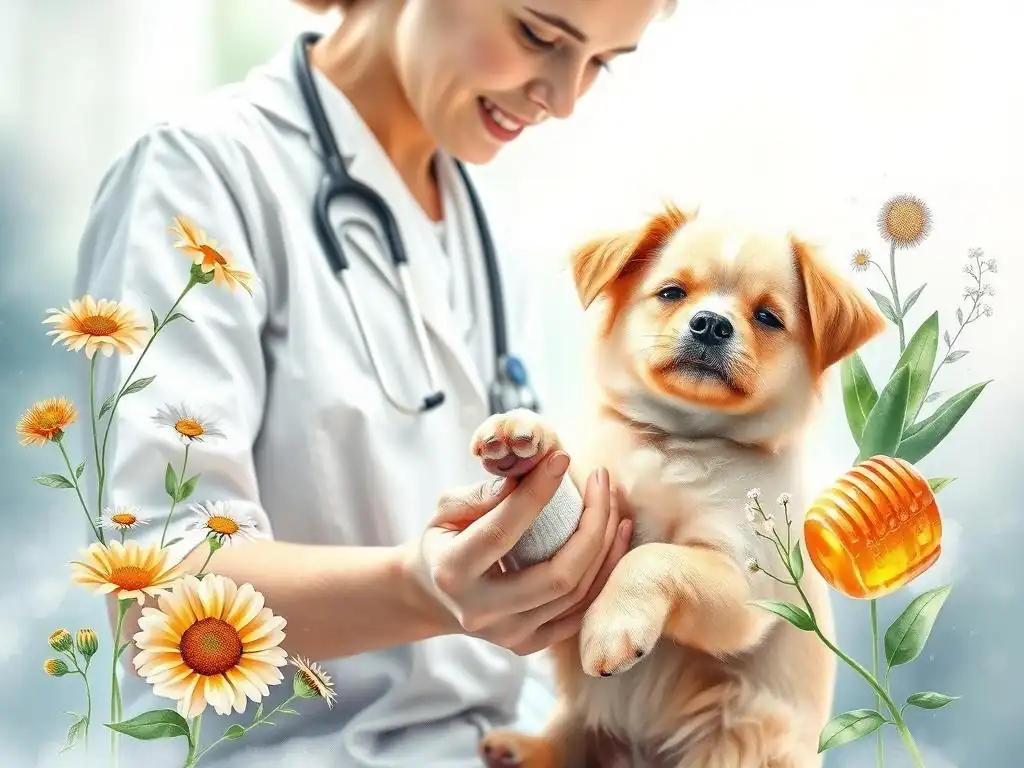
Open communication with your veterinarian is paramount when considering natural remedies for your pet's wounds. Your vet can assess the wound, determine its severity, and advise on whether natural remedies are appropriate and, if so, which ones are safe and effective for your pet's specific needs.
Discussing Natural Remedies with Your Veterinarian: Ensuring Safe and Effective Treatment
Before introducing any natural remedy, thoroughly research its safety and potential interactions with other medications your pet might be taking. Some natural substances, while generally safe, can interact negatively with certain drugs or exacerbate underlying health issues. For example, while honey has antimicrobial properties and can promote wound healing, it shouldn't be used on wounds that are already infected without veterinary guidance. An incorrect application could hinder healing or worsen the infection.
Remember to always provide your veterinarian with a complete list of all supplements, medications (prescription and over-the-counter), and natural remedies your pet is currently using. This allows your vet to assess potential interactions and ensure the safety and effectiveness of the overall treatment plan. This holistic approach to pet care, combining conventional veterinary medicine with carefully selected natural remedies, offers the best chance for a swift and complete recovery.
Transparency and open communication are crucial for achieving optimal results. Don't hesitate to ask your vet questions; they are your partner in your pet's health journey. A collaborative approach is key to successful natural pet wound healing remedies.
Preventing Future Pet Wounds
Minimizing the risk of your pet sustaining wounds is crucial for their well-being and can significantly reduce the need for any kind of wound healing, even natural ones. Proactive prevention is far more effective than reactive treatment. This section focuses on understanding common causes of pet wounds and strategies to create a safer environment for your furry, feathered, or scaled friend. Effective prevention translates directly into healthier, happier pets. This is key to understanding natural pet wound healing remedies, as the less need for treatment, the better.
Understanding Common Causes of Pet Wounds: Prevention Strategies
Pet wounds arise from various sources, and understanding these causes is the first step towards effective prevention. Let's examine some common culprits and explore practical prevention strategies:
- Accidents and Injuries: These are unfortunately common, ranging from minor scrapes and cuts from playful tumbles to more serious injuries from falls or collisions. Prevention involves careful supervision, especially with energetic puppies or kittens. Providing a secure, obstacle-free environment in your home, and using appropriate pet restraints during car rides, can greatly reduce the risk of such accidents.
- Fights with Other Animals: Dog fights, cat scuffles, or interactions with wildlife can lead to significant wounds. Proper socialization training, avoiding areas known for aggressive animals, and keeping your pet on a leash in public spaces are vital preventative measures. Spaying or neutering can significantly decrease territorial aggression.
- Exposure to Harmful Substances: Ingestion or contact with toxic substances like chemicals, pesticides, or certain plants can cause skin irritation, burns, or internal damage. Always keep these substances securely stored and out of your pet's reach. Regularly inspect your garden for potentially harmful plants.
- Parasites and Infections: Flea bites, tick infestations, and other parasitic infections can lead to wounds due to scratching and biting. Regular parasite prevention treatments, such as flea and tick medications, are essential. Maintaining good hygiene practices, including regular grooming, helps prevent skin infections that can lead to wounds.
- Underlying Medical Conditions: Certain medical conditions, such as diabetes or allergies, can weaken your pet's skin, making them more susceptible to wounds and slower to heal. Regular veterinary checkups are crucial for early detection and management of such conditions. This proactive approach is a cornerstone of effective natural pet wound healing strategies.
Creating a Safe Environment for Your Pet to Minimize Wound Risk
Creating a safe environment is paramount in preventing pet wounds. This involves a multifaceted approach:
- Secure your home: Remove any hazards such as sharp objects, broken glass, or poisonous plants. Secure electrical cords and cover any exposed wires. Consider using childproof latches on cabinets containing cleaning supplies or potentially harmful items.
- Supervise interactions: Closely supervise your pet, especially during playtime or interactions with other animals. Never leave young pets unsupervised. Ensure that interactions with children are always monitored and safe.
- Provide appropriate exercise: Regular, appropriate exercise can help reduce pent-up energy and prevent destructive behaviors that might lead to self-inflicted wounds.
- Use appropriate restraints: Use leashes and harnesses when walking your pet in public areas to prevent escapes and fights with other animals. Use car restraints to prevent injuries during travel.
- Regular veterinary care: Regular checkups allow your veterinarian to identify and address any underlying health issues that might increase your pet's vulnerability to wounds. This proactive approach is fundamental to successful natural pet wound healing, as it tackles the root causes of susceptibility.
By implementing these preventative measures, you significantly reduce the likelihood of your pet sustaining wounds, minimizing the need for any wound care, including the use of natural pet wound healing remedies. Remember, prevention is the best medicine!
Frequently Asked Questions
What are some natural remedies for minor pet wounds?
Several natural remedies can aid in minor wound healing, including honey (for its antibacterial properties), aloe vera (for its soothing and healing properties), and chamomile tea (applied as a compress for its anti-inflammatory effects). Always consult your vet before using any remedies.
Are essential oils safe for treating pet wounds?
While some essential oils possess antiseptic properties, many are toxic to pets if ingested or applied directly to wounds. Avoid using essential oils on your pet's wounds unless specifically recommended by a veterinarian.
When should I seek veterinary care for a pet wound?
Seek immediate veterinary attention for deep wounds, wounds showing signs of infection (swelling, redness, pus), wounds that bleed excessively, or wounds that affect joints or bones. Don't delay professional care.
How can I prevent my pet from licking or scratching a wound?
Using a protective Elizabethan collar (cone) is crucial to prevent your pet from interfering with the healing process. You can also consider pet-safe bandages or clothing.
What's the best way to clean a minor pet wound at home?
Gently clean the wound with warm, clean water and a soft cloth. Remove any visible dirt or debris. Do not use harsh soaps or disinfectants as these can irritate the wound. If unsure, consult your veterinarian.
Final Reflection: The Healing Power of Nature for Our Furry Friends
The search for safe and effective wound care for our beloved pets is a constant journey, and the exploration of natural remedies offers a compelling alternative to traditional methods. The increasing awareness of potential side effects from synthetic medications has fueled a growing interest in harnessing the healing power of nature, making this topic more relevant than ever.
The shift towards holistic pet care reflects a broader societal change, a deeper understanding of the interconnectedness between our health and the environment. We are increasingly recognizing the importance of gentle, natural approaches, not just for ourselves, but for our animal companions as well. The best healer is nature.
This simple statement encapsulates the core belief driving the exploration of natural remedies for pet wounds, emphasizing a return to time-tested methods and a mindful approach to healing. The impact of this shift is profound, influencing not only how we treat our pets' injuries but also how we view our relationship with the natural world.
Consider the possibilities. You now have a deeper understanding of the potential benefits and limitations of natural wound healing remedies for your pets. Take the time to research further, discuss options with your veterinarian, and make informed decisions based on your pet's specific needs and your own comfort level. Empower yourself to be a proactive participant in your pet's well-being, embracing a holistic approach that prioritizes both their health and the planet's resources. The journey towards healing, both for you and your furry friend, begins with a single, informed step.
Unlock Your Pet's Healing Power: Natural Remedies for Speedy Recovery
Thank you for exploring natural healing options for your beloved pet! We hope you found valuable information on safer, gentler ways to care for minor injuries. Now, let's put that knowledge into practice:
- Prioritize the Best Remedy: Carefully select the most appropriate natural remedy from the article, considering your pet's specific injury. Apply it consistently and monitor your pet closely for any negative reactions.
- Share Your Experience: Let's build a supportive community! Share your successes and challenges with natural wound treatments in the comments below. Your feedback will help others.
- Continue Learning: Expand your knowledge of holistic pet care by researching other natural remedies for common pet ailments. You might be amazed by what you discover!
Ready to embrace a more natural approach to your pet's well-being? What's the first natural remedy you'll try for your pet's injury?