
How to Handle a Pet That Resists Wound Care: Gentle Techniques

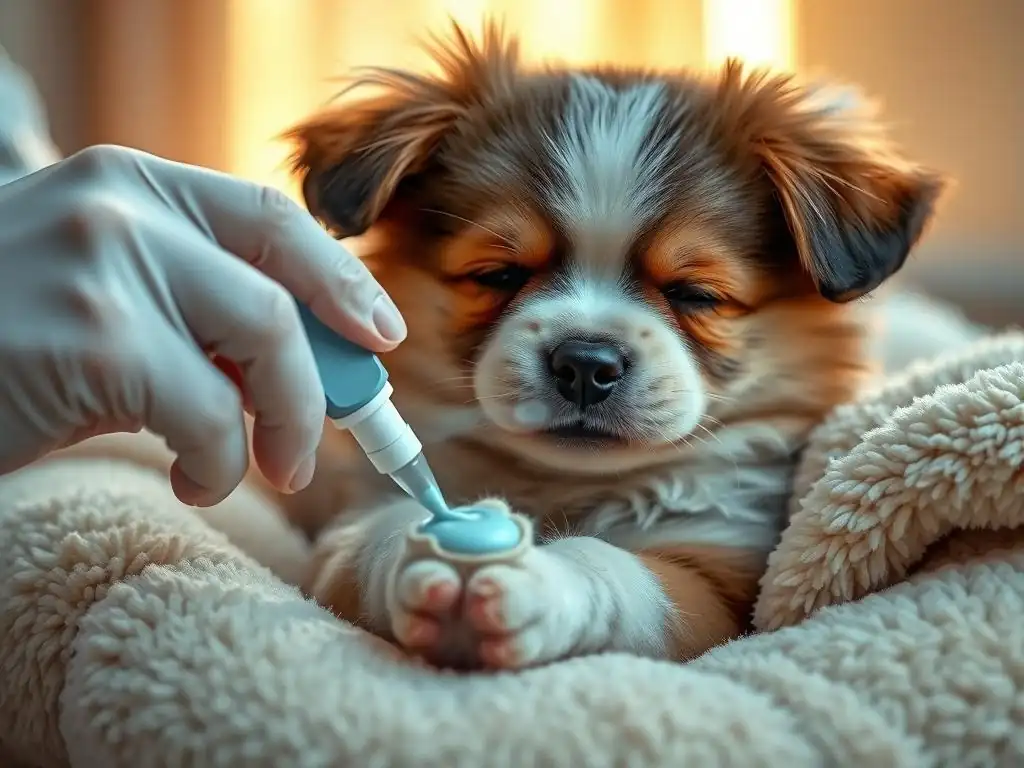
Welcome to PetCareWorld, your ultimate guide to a happier, healthier life for your beloved companion! Are you struggling to care for your pet's wound? Discover gentle and effective techniques in our latest article, "How to Handle a Pet That Resists Wound Care: Gentle Techniques," and learn how to provide the best possible care, even for the most reluctant patients. Explore our comprehensive resources on pet health and nutrition – your journey to expert pet care starts here!
Understanding Your Pet's Resistance to Wound Care
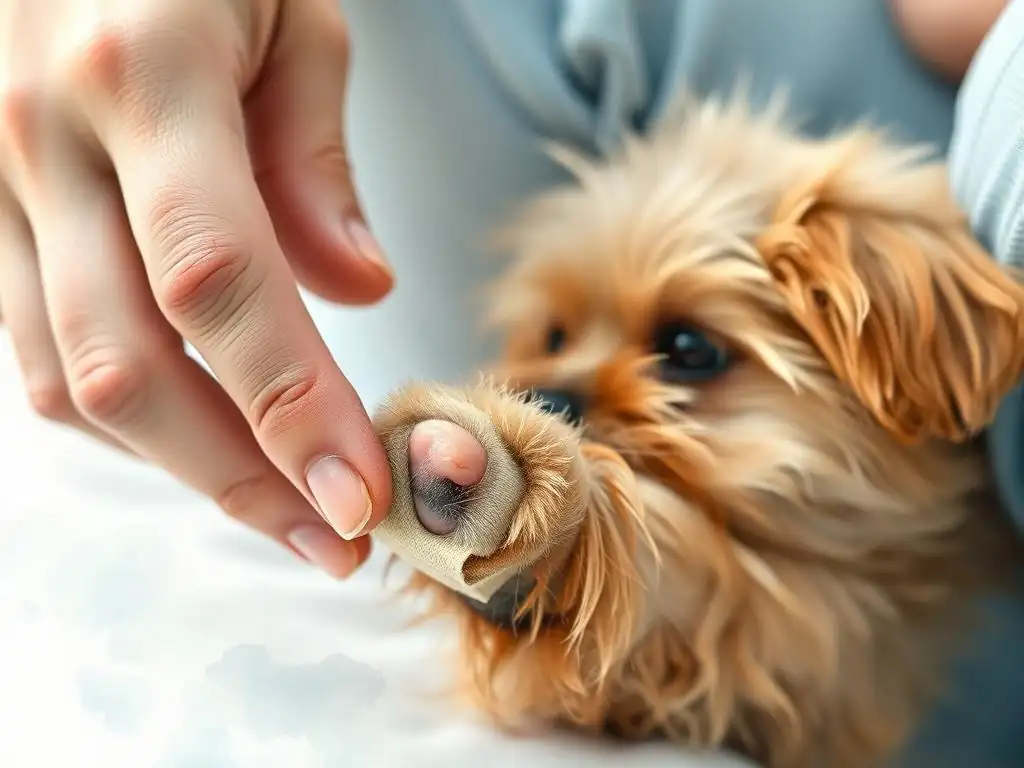
Caring for a wounded pet can be stressful, especially when your furry friend resists treatment. This is completely understandable; most animals instinctively react negatively to anything that causes them pain or discomfort, including the necessary cleaning and dressing of wounds. This article provides a comprehensive guide on how to approach wound care for your pet gently and effectively, focusing on techniques that minimize stress for both you and your animal companion.
We'll explore the reasons behind resistance, effective calming strategies, and practical, gentle handling methods to ensure proper wound care without causing unnecessary trauma. Successfully navigating this process requires patience, understanding, and a commitment to your pet's well-being. This guide offers actionable "Gentle pet wound care tips" to help you become confident in providing the best possible care for your injured pet.
Why Does My Pet Resist Wound Care?
Several factors contribute to a pet's resistance during wound care. Pain is a primary driver. Even minor injuries can be incredibly sensitive, especially when touched or cleaned. Fear and anxiety also play significant roles. The sights, sounds, and smells associated with wound care – antiseptic solutions, cotton swabs, etc.
– can trigger a fear response, leading to struggling and avoidance. Past negative experiences with veterinary visits or handling can exacerbate this anxiety. Finally, some pets simply have a lower pain tolerance than others, making them more reactive to any form of touch. Understanding these underlying reasons is crucial for developing an effective approach.
Calming Techniques for Anxious Pets
Before you even begin to touch the wound, prioritize calming your pet. Creating a safe and comfortable environment is key. This might involve using a quiet, dimly lit room, providing a familiar blanket or toy, and speaking to your pet in a soothing, calm voice. Consider using pheromone diffusers or sprays specifically designed to reduce anxiety in animals.
Gentle petting or stroking, focusing on areas away from the injury, can help to reduce stress levels. Remember to be patient; rushing the process will only increase your pet's anxiety. Some pets respond well to gentle massage, while others may prefer a quiet, still approach. Observe your pet's body language and adjust your techniques accordingly.
Gentle Handling Techniques for Wound Care
Once your pet is relatively calm, you can begin the wound care process. Remember, gentleness is paramount. Avoid sudden movements or harsh touches. If possible, have a helper restrain your pet gently but firmly, while you focus on the wound. Use distraction techniques like offering treats or toys to keep your pet occupied and focused on something positive.
Apply any necessary medication or cleaning solutions slowly and carefully, minimizing contact as much as possible. If your pet flinches or pulls away, pause, reassure them, and try again later. Remember to reward calm behavior with praise and treats. Positive reinforcement is crucial in building trust and reducing future resistance.
When to Seek Professional Veterinary Assistance
While these gentle techniques can be effective for minor wounds, it's crucial to know when to seek professional veterinary help. If the wound is deep, bleeding profusely, or shows signs of infection (such as swelling, pus, or redness), immediate veterinary attention is necessary. Similarly, if your pet continues to resist wound care despite your best efforts, a veterinarian can provide guidance on how to safely and effectively manage the situation.
They may prescribe medication to help manage pain and anxiety, or suggest alternative techniques for wound care. Never hesitate to consult a veterinarian if you are unsure about how to best care for your pet's wound. Their expertise is invaluable in ensuring your pet's health and well-being.
Frequently Asked Questions
How can I approach my pet if they're scared of wound care?
Approach your pet calmly and slowly, speaking in a soothing voice. Offer positive reinforcement like treats or gentle petting before even touching the wound. Patience is key.
What are some gentle ways to clean a pet wound?
Use a soft, clean cloth and lukewarm water to gently clean away any dirt or debris. Avoid scrubbing. For deeper wounds, consult your veterinarian for appropriate cleaning solutions.
My pet keeps licking their wound. How can I stop them?
Use a protective Elizabethan collar (cone) to prevent licking and biting. You can also try applying a bitter-tasting spray designed to deter licking, available at most pet stores.
When should I take my pet to the vet for a wound?
Seek veterinary attention immediately if the wound is deep, bleeding profusely, shows signs of infection (swelling, redness, pus), or if your pet shows signs of pain or discomfort.
What are some gentle ways to apply medication to a pet wound?
Apply medication sparingly and gently. If your pet resists, try applying it while they are distracted with a treat or toy. Always follow your veterinarian's instructions.
Final Reflection: The Unbreakable Bond: Healing Our Furry Friends
The gentle approach to pet wound care isn't just about bandages and antiseptic; it's about understanding and strengthening the bond we share with our animal companions. The stress of injury, compounded by invasive treatment, can deeply impact a pet's well-being, potentially hindering the healing process. This article highlighted that a calm, patient approach is paramount to successful wound care.
The impact of our actions on our pets extends far beyond the immediate healing of a physical wound. It shapes their trust in us, their understanding of our intentions, and the overall quality of their lives. The greatness of a nation and its moral progress can be judged by the way its animals are treated.
- Mahatma Gandhi. This quote, while broad in scope, speaks to the deep connection between our treatment of animals and our own ethical development. The gentle care we provide reflects not only our compassion for our pets but also our responsibility as their guardians.
Now, consider your own relationship with your pet. Remember the moments of shared joy, the unwavering loyalty, the unconditional love. Apply the gentle techniques discussed in this article, not just as a method of wound care, but as an expression of that love and respect. Take a moment to reflect on how you can better communicate with your pet, anticipate their needs, and create a healing environment built on trust and understanding. Your gentle touch, your patient approach, will not only aid their physical recovery but will also strengthen the unbreakable bond you share.
Ready to Master Gentle Wound Care?
Thank you for taking the time to learn about gentle wound care techniques for your pet. We hope this information empowers you to approach this delicate process with confidence and compassion. Now, let's put that knowledge into practice!
- Prioritize Patience and Positive Reinforcement: Begin practicing the techniques you've learned, focusing on creating a positive experience for your pet. Every small step forward is a victory!
- Share your successes (and challenges!) in the comments below. Let's build a supportive community for pet owners navigating wound care together.
- Consider assembling a personalized wound care kit with all the necessary supplies for easy access and a smoother process.
Have you discovered any helpful techniques that make your pet more comfortable during wound care? We'd love to hear about them!