
From Pollen to Dust Mites: Identifying Environmental Allergens in Your Home

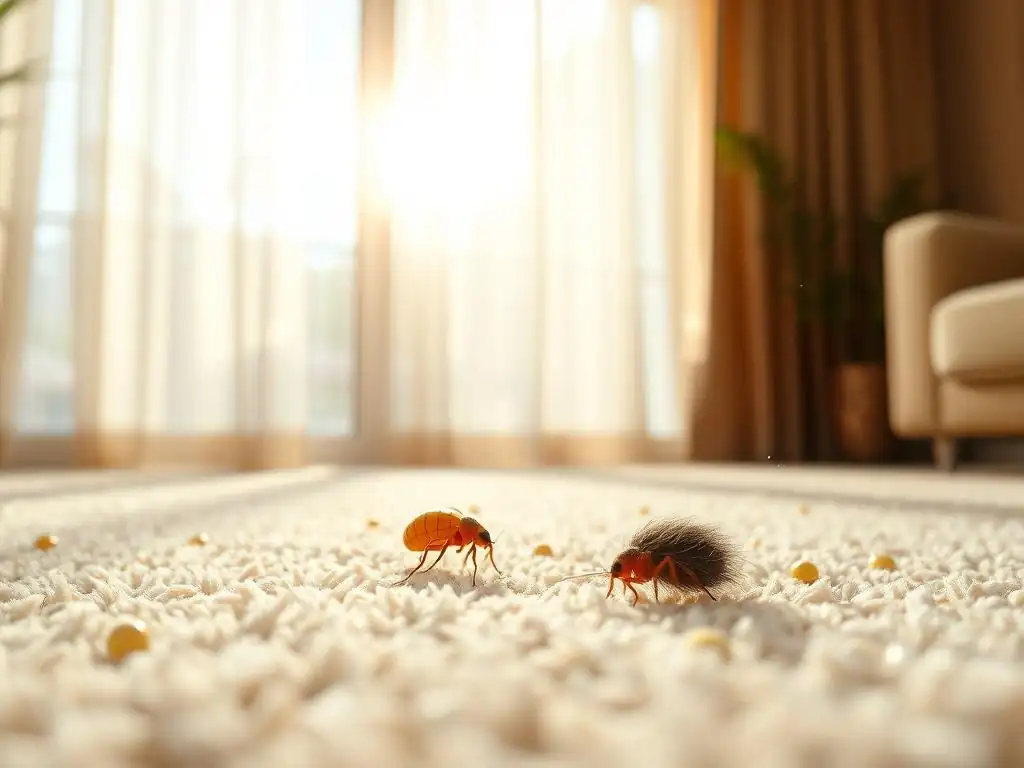
Welcome to PetCareWorld, your ultimate guide to a happier, healthier life for your beloved companion! Are you struggling with unexplained pet allergies? Discover how seemingly harmless home environmental triggers, from pollen to dust mites, could be the hidden culprits affecting your pet's well-being. Dive into our in-depth article, "From Pollen to Dust Mites: Identifying Environmental Allergens in Your Home," and unlock the secrets to creating a healthier home environment for your furry, feathered, or scaled friend. Let's explore the solutions together!
- Understanding Pet Allergy Home Environmental Triggers
- Diagnosing Pet Allergies Related to Environmental Factors
- Managing Pet Allergy Home Environmental Triggers
- Creating a Pet-Friendly Allergy-Safe Home Environment
- Advanced Strategies for Severe Pet Allergy Cases
-
Frequently Asked Questions
- What are the most common pet allergy home environmental triggers?
- How can I reduce pet dander in my home to alleviate pet allergies?
- Are there specific plants that worsen pet allergies?
- What role does humidity play in pet allergy symptoms?
- How can I tell if my pet allergy symptoms are caused by environmental factors or something else?
- Final Reflection: Breathing Easier: Reclaiming Your Home from Allergens
- Unveil a Healthier Home: Take Action Against Allergens Now!
Understanding Pet Allergy Home Environmental Triggers
Pet allergies are a significant concern for many pet owners, impacting both the pet's well-being and the quality of life for the family. While pet dander is often the primary suspect in pet allergies, numerous environmental triggers within the home significantly contribute to or exacerbate allergic reactions.
This article delves into the complex interplay of these environmental factors, helping you identify and potentially mitigate the impact of common household allergens on your beloved furry, feathered, or scaled companions. We'll explore the key culprits – from the ubiquitous pollen drifting in through open windows to the microscopic dust mites lurking in your carpets – offering insights into how these allergens interact with pet dander to trigger allergic responses.
Understanding these triggers is the first step towards creating a healthier and more comfortable environment for both you and your pet. This comprehensive guide will equip you with the knowledge to effectively manage pet allergies within your home, leading to improved health and happiness for everyone involved.
Common Household Allergens Affecting Pets and Their Owners
Many substances commonly found in homes can trigger allergic reactions in both pets and their human companions. These allergens often work synergistically, meaning their combined effect is greater than the sum of their individual impacts. For example, a pet with existing sensitivities to pollen may experience a more severe reaction when exposed to pollen and dust mites simultaneously. This section highlights some of the most prevalent culprits:
- Pollen: Trees, grasses, and weeds release vast amounts of pollen, especially during certain seasons. This pollen can easily enter homes through open windows and doors, clinging to pet fur and settling on surfaces. Pets can then inadvertently transfer pollen to their owners through physical contact. The severity of the reaction varies depending on the type of pollen and the individual pet's sensitivity.
- Mold: Mold spores thrive in damp environments, such as basements, bathrooms, and areas with water leaks. These spores are tiny and easily airborne, becoming a significant allergen for both pets and humans. Mold allergies can manifest as respiratory issues, skin irritation, and eye problems.
- Dust Mites: Microscopic dust mites are found in bedding, carpets, upholstered furniture, and other dust-accumulating areas. Their droppings and body parts contain potent allergens that can trigger allergic reactions. Regular cleaning and the use of mite-proof covers can help minimize dust mite exposure.
- Cockroach Allergens: Cockroach droppings and body fragments are potent allergens that can trigger respiratory problems and skin irritation in both pets and people. Thorough cleaning and pest control are essential to manage cockroach allergens in the home.
| Allergen | Common Sources | Symptoms in Pets | Symptoms in Humans |
|---|---|---|---|
| Pollen | Outdoors; enters homes through open windows | Sneezing, itchy eyes, skin irritation | Sneezing, itchy eyes, runny nose, asthma |
| Mold | Damp areas; bathrooms, basements | Respiratory issues, skin problems | Respiratory issues, skin problems, cough |
| Dust Mites | Bedding, carpets, upholstery | Itchy skin, sneezing, respiratory issues | Itchy eyes, runny nose, asthma, eczema |
| Cockroach Allergens | Cockroach droppings and body parts | Respiratory issues, skin irritation | Respiratory issues, skin irritation, asthma |
Identifying Allergens: Pollen, Mold, and Dust Mites
Pinpointing the specific allergens causing problems requires a multi-pronged approach. While a veterinarian can perform allergy testing on your pet, identifying environmental triggers often involves careful observation and environmental modifications. Keeping a detailed allergy diary can be invaluable. Note down your pet's symptoms, the time of year, and any noticeable changes in your home environment. For example, a sudden increase in sneezing and itching during spring could indicate a pollen allergy. Similarly, worsening symptoms after a period of dampness might suggest a mold problem.
This process of elimination, coupled with professional advice, allows for a targeted approach to allergen reduction. Consider these steps:
- Regular cleaning: Frequent vacuuming, dusting, and washing of bedding and pet bedding can significantly reduce dust mite and other allergen levels.
- Air purifiers: Using HEPA air purifiers can help filter out airborne allergens like pollen and mold spores.
- Dehumidifiers: In damp areas, dehumidifiers can help control mold growth.
- Professional cleaning: Consider professional carpet cleaning and deep cleaning of upholstery to eliminate accumulated allergens.
The Role of Pet Dander in Allergy Development: A Complex Interaction
Pet dander, consisting of dead skin cells, saliva, and urine proteins, is a frequent trigger for pet allergies. However, it's crucial to understand that pet dander often acts in conjunction with other environmental allergens. A pet allergic to pollen might experience a far more severe reaction if exposed to high pollen counts and significant amounts of pet dander.
The combination of allergens creates a synergistic effect, amplifying the allergic response. This highlights the importance of controlling all potential allergens within the home, not just pet dander. Strategies for managing pet dander include regular grooming, frequent bathing (with appropriate shampoos), and limiting access to certain areas of the home.
The goal is not necessarily to eliminate pet dander completely, but to minimize exposure and reduce the overall allergen load within the environment. This holistic approach, addressing both pet dander and other environmental triggers, provides the most effective way to manage pet allergies and create a healthier home for everyone.

Pet allergy home environmental triggers are a significant concern for many pet owners. Successfully managing these allergies requires a thorough understanding of both the symptoms and the diagnostic process. This section will delve into the crucial steps involved in diagnosing pet allergies stemming from environmental factors, providing you with the knowledge to advocate effectively for your furry friend. Accurate diagnosis is the cornerstone of effective treatment, improving your pet's quality of life and reducing their discomfort.
Recognizing Symptoms of Pet Allergies: From Itching to Respiratory Issues
Recognizing the signs of environmental allergies in your pet is the first crucial step. Symptoms can vary widely depending on the specific allergen and your pet's individual sensitivity. Common symptoms include:
- Itching: Excessive scratching, licking, or chewing, often focused on specific areas like the paws, ears, or belly. This can lead to skin irritation, redness, and even secondary skin infections. Observe the intensity and location of scratching for clues. Is your cat constantly grooming to the point of hair loss? Does your dog relentlessly chew their paws, resulting in raw, inflamed skin? These are strong indicators.
- Skin Problems: The constant itching can manifest as inflamed, reddened skin, hot spots (areas of inflamed skin), and even secondary bacterial or yeast infections. A careful examination of your pet's coat and skin is essential.
- Respiratory Issues: Environmental allergies can also trigger respiratory problems. Sneezing, coughing, wheezing, and difficulty breathing are all possible symptoms. Note the frequency and severity of these symptoms; are they worsening over time, particularly during specific seasons?
- Gastrointestinal Upsets: In some cases, environmental allergies can manifest as gastrointestinal distress, such as vomiting or diarrhea. While less common than skin and respiratory issues, this symptom shouldn't be ignored.
It's important to keep a detailed record of your pet's symptoms, including the frequency, severity, and any apparent triggers. This information will be invaluable for your veterinarian during the diagnostic process. Remember, early detection and intervention are key to managing pet allergies effectively. Don't hesitate to seek veterinary attention if you suspect your pet is suffering from allergies. The sooner you address the issue, the better the outcome.
Veterinary Diagnosis and Testing for Environmental Allergens
Once you've noticed concerning symptoms, a visit to your veterinarian is essential. They will conduct a thorough physical examination, taking into account your observations and the detailed history of your pet's symptoms. This examination will help rule out other potential health problems with similar symptoms.
The diagnostic process often involves several steps:
- Physical Examination: A complete physical examination will help your vet assess your pet's overall health and identify any visible signs of allergies, such as skin lesions or inflamed paws.
- Allergy Testing: There are several allergy tests available, including:
- Intradermal Skin Testing: This involves injecting small amounts of potential allergens under the skin and observing the reaction.
- Blood Tests: Blood tests measure the levels of specific IgE antibodies in the blood, indicating an allergic reaction to certain allergens.
The results of these tests will help pinpoint the specific environmental allergens causing your pet's symptoms. Common environmental allergens include pollen, dust mites, mold spores, and certain types of grass. Your veterinarian will interpret the results and provide a diagnosis based on the test findings and the clinical signs presented by your pet.
Differentiating Environmental Allergies from Other Pet Health Problems
It's crucial to understand that many health problems in pets can mimic the symptoms of environmental allergies. Differentiating between these conditions is vital for accurate diagnosis and treatment. For example:
| Condition | Symptoms | Distinguishing Features |
|---|---|---|
| Environmental Allergies | Itching, skin lesions, respiratory issues | Symptoms often seasonal or related to specific environmental exposures; allergy tests positive |
| Fleas | Intense itching, especially along the back and tail; flea dirt visible | Presence of fleas or flea dirt; response to flea treatment |
| Mange (Mite Infestation) | Intense itching, hair loss, scabs, crusty skin | Microscopic examination reveals mites; response to anti-parasitic treatment |
| Food Allergies | Itching, gastrointestinal issues (vomiting, diarrhea) | Symptoms often improve when a specific food is eliminated from the diet; food trials helpful |
| Bacterial or Yeast Infections | Itching, redness, inflamed skin, foul odor | Often accompanied by secondary skin infections; bacterial or fungal cultures may be needed |
Your veterinarian will use a combination of physical examination, thorough history, and potentially diagnostic tests to accurately differentiate between these conditions. Providing your vet with a comprehensive account of your pet's symptoms, including the timing and any potential triggers, is critical to an accurate diagnosis. This collaborative approach ensures the best possible outcome for your pet's well-being.
Managing Pet Allergy Home Environmental Triggers

Pet allergies, while often associated directly with pet dander, are frequently exacerbated by environmental triggers found within the home. These allergens interact with pet allergens, intensifying allergic reactions. Effectively managing these environmental factors is crucial for allergy sufferers living with pets. This section focuses on practical strategies to minimize exposure to key home environmental triggers commonly associated with pet allergies. Understanding and implementing these strategies can significantly improve the quality of life for both pet owners and their furry companions.
Reducing Pollen Exposure in Your Home Environment
Pollen, a significant allergen for many, can easily infiltrate homes, particularly during peak pollen seasons. Even if your pet doesn't directly bring pollen inside, airborne pollen can settle on surfaces, attaching itself to pet fur and contributing to indoor allergen levels. Minimizing pollen entry and reducing its accumulation inside is vital for allergy control.
Here are some effective strategies:
- Air Filtration: Investing in a high-efficiency particulate air (HEPA) filter can significantly reduce airborne pollen in your home. Consider using a portable HEPA air purifier, especially in areas where you spend the most time with your pet. Regularly changing the filter according to manufacturer's instructions is crucial for maintaining optimal performance. Larger central air systems with HEPA filters provide even more comprehensive coverage.
- Minimize Outdoor Air Intake: During peak pollen times, keep windows and doors closed as much as possible. Use air conditioning to maintain a comfortable indoor temperature without relying on open windows.
- Regular Cleaning: Frequent vacuuming and dusting are essential for removing accumulated pollen from surfaces. Use a vacuum cleaner with a HEPA filter to effectively trap pollen particles. Damp dusting is particularly effective, as it prevents pollen from becoming airborne.
- Clothing and Footwear: Pollen can easily cling to clothing and footwear, so change clothes and shoes after being outdoors. This simple step prevents the tracking of pollen into your home.
- Pet Grooming: Regularly grooming your pet, especially during pollen season, can help remove pollen from their fur and reduce its transfer to your home environment. Consider bathing your pet more frequently.
Controlling Mold Growth and Spore Dispersion
Mold is another prevalent indoor allergen that can significantly impact pet allergy sufferers. Mold spores are microscopic and easily dispersed throughout the home, often thriving in damp or humid environments. Controlling mold growth is essential for minimizing exposure and alleviating allergy symptoms.
Several key strategies can effectively manage mold growth and spore dispersion:
- Moisture Control: Mold thrives in damp conditions. Address any leaks promptly, ensure proper ventilation in bathrooms and kitchens, and use dehumidifiers in areas prone to moisture buildup. Regularly inspect areas prone to dampness, such as basements and crawl spaces.
- Cleaning and Repair: Thoroughly clean any areas affected by mold using a solution of bleach and water (always follow safety guidelines when using bleach). For extensive mold infestations, professional remediation may be necessary. Repair any water damage promptly to prevent further mold growth. This is especially important for preventing hidden mold growth behind walls or under flooring.
- Improved Ventilation: Ensure adequate ventilation in all areas of your home, especially bathrooms and kitchens. Use exhaust fans during showers and while cooking. Open windows when weather permits to allow for air circulation.
- Regular Inspection: Regularly inspect your home for signs of mold growth, including musty odors, discoloration, and visible mold colonies. Early detection and prompt action can prevent larger infestations.
Dust Mite Management Strategies for Allergy Relief
Dust mites are microscopic creatures that feed on dead skin cells, thriving in bedding, carpets, and upholstered furniture. Their feces and body parts are potent allergens, commonly triggering allergic reactions in pet owners. Effective dust mite management requires a multi-pronged approach.
Here's how to minimize dust mite exposure:
- Bedding: Use dust mite-proof covers for mattresses, pillows, and box springs. These covers prevent dust mites from accessing their food source and breeding. Wash bedding weekly in hot water (at least 130°F) to kill dust mites.
- Upholstery: Regularly vacuum upholstered furniture using a vacuum cleaner with a HEPA filter. Consider using furniture covers to minimize dust mite accumulation. Avoid using heavy fabrics that trap dust mites.
- Carpeting: If possible, consider replacing carpets with hard flooring, such as wood or tile, which are easier to clean and less hospitable to dust mites. If carpets are unavoidable, vacuum frequently and consider using a carpet cleaner.
- Regular Cleaning: Regularly vacuum and dust all surfaces, paying special attention to areas where dust tends to accumulate. Damp dusting is more effective than dry dusting in removing dust mites.
- Humidity Control: Dust mites thrive in humid environments. Maintain a relatively low humidity level in your home (below 50%) using a dehumidifier if necessary.
By implementing these strategies, you can effectively reduce exposure to key pet allergy home environmental triggers, creating a healthier living environment for both you and your beloved pet. Remember that consistent effort is key to managing these allergens and mitigating their impact on your allergies.
Minimizing Pet Dander: Grooming and Cleaning Techniques
Pet dander, a major culprit in pet allergies, consists of microscopic skin flakes shed by your furry friend. Regular and thorough grooming significantly reduces the amount of dander circulating in your home. The frequency of grooming depends on your pet's breed and coat type. Long-haired breeds like Persian cats or Golden Retrievers require more frequent brushing, ideally daily or every other day, to remove loose dander and prevent matting. Shorthaired breeds might need brushing only a few times a week.
Beyond brushing, consider bathing your pet regularly. The frequency again depends on the breed and lifestyle, but a monthly bath can substantially decrease dander production. Use a pet-specific shampoo designed to minimize skin irritation and avoid harsh chemicals that can exacerbate allergies. Always rinse thoroughly to remove all shampoo residue, as this can also be an irritant. After bathing, ensure your pet is completely dry before letting them back into your home, as damp fur can promote mold growth.
Beyond your pet's personal hygiene, cleaning your home plays a crucial role in minimizing pet dander. Regular vacuuming, ideally with a HEPA filter vacuum cleaner, is essential to remove dander from carpets, upholstery, and other surfaces. HEPA filters trap microscopic particles, including dander, more effectively than standard vacuums. Pay special attention to areas where your pet spends the most time, such as their bedding, favorite sleeping spots, and areas where they frequently groom themselves.
Frequent washing of pet bedding, blankets, and toys in hot water is also critical. High temperatures kill dust mites and other allergens that often cling to pet bedding, further reducing allergy triggers in your home. Remember to thoroughly dry everything to prevent mold growth. Consider using allergy-friendly detergents designed to minimize residue, which can also trigger allergic reactions.
Regularly cleaning hard surfaces with damp cloths or microfiber mops can also prevent dander from accumulating. Don't forget to clean curtains and drapes regularly as they often collect dust and dander. A consistent cleaning routine is key to managing pet dander effectively and creating a healthier environment for both you and your pet.
Creating a Pet-Friendly Allergy-Safe Home Environment

This section focuses on practical strategies for minimizing pet allergy home environmental triggers while maintaining a comfortable and loving environment for your furry friends. Successfully managing pet allergies requires a multi-pronged approach, encompassing cleaning protocols, air quality management, and mindful choices in household products. Remember, even with the best efforts, complete allergen elimination is often unrealistic; the goal is to significantly reduce exposure and alleviate symptoms.
Choosing Pet-Friendly Cleaning Products and Allergen-Reducing Solutions
Selecting the right cleaning products is crucial in mitigating pet allergy symptoms. Harsh chemicals can irritate both pets and allergy sufferers, while ineffective cleaners fail to remove allergens. Opt for pet-safe, hypoallergenic cleaning solutions specifically formulated to neutralize pet dander and other common allergens like dust mites. Look for products labeled as "hypoallergenic," "low-VOC" (volatile organic compounds), and free of harsh fragrances and dyes. These gentler options minimize respiratory irritation and reduce the risk of secondary allergic reactions.
Consider incorporating enzymatic cleaners into your routine. These specialized cleaners break down allergen proteins, rendering them less potent and easier to remove. Enzymatic cleaners are particularly effective against pet urine and feces, which are significant sources of allergens. Regular use of these products can significantly reduce the allergen load in your home.
Here's a simple comparison of cleaning product types:
| Cleaning Product Type | Effectiveness against Pet Allergens | Pet Safety | Environmental Impact |
|---|---|---|---|
| Harsh Chemical Cleaners | Moderate (can mask allergens) | Low | High |
| Hypoallergenic Cleaners | High | High | Moderate |
| Enzymatic Cleaners | Very High | High | Low |
Remember to always follow the manufacturer's instructions and wear appropriate protective gear when using any cleaning product. Proper ventilation is also crucial to avoid inhaling cleaning fumes.
Air Purifiers and Their Effectiveness in Allergy Management
Air purifiers equipped with HEPA (High-Efficiency Particulate Air) filters are invaluable tools in reducing airborne pet allergens. HEPA filters effectively trap microscopic particles, including pet dander, dust mites, pollen, and mold spores, preventing them from circulating throughout your home. However, not all air purifiers are created equal. Consider these factors when choosing an air purifier:
- HEPA filter rating: Look for purifiers with a true HEPA filter, certified to remove at least 99.97% of particles 0.3 microns in size.
- Coverage area: Select a purifier appropriate for the size of the room or area you intend to use it in.
- Clean Air Delivery Rate (CADR): This rating indicates how quickly the purifier cleans the air. Higher CADR numbers generally mean more effective allergen removal.
- Filter replacement: Regular filter replacements are essential for maintaining optimal performance. Check the manufacturer's recommendations for filter lifespan.
While air purifiers are highly effective, they are not a standalone solution. They work best in conjunction with regular cleaning and other allergy-reducing strategies.
Regular Cleaning and Maintenance for Allergy Control
Regular and thorough cleaning is paramount in managing pet allergy home environmental triggers. This isn't just about a quick vacuum; it's about a comprehensive approach that targets allergen hotspots. Develop a consistent cleaning schedule that includes:
- Daily: Vacuuming high-traffic areas, particularly where your pets spend the most time. Use a vacuum with a HEPA filter to prevent allergens from being recirculated.
- Weekly: Washing pet bedding in hot water (at least 130°F) to kill dust mites. Laundering other textiles like curtains and upholstery regularly. Mopping hard floors.
- Monthly: Deep cleaning carpets and upholstery using a steam cleaner or professional cleaning service. Cleaning air vents and other hard-to-reach areas.
Remember to always wash your hands thoroughly after handling pets or cleaning pet-related items. This simple step significantly reduces the spread of allergens. Consider establishing a designated pet area to minimize allergen spread throughout the entire house. Regular grooming of your pets can also significantly reduce dander shedding. A well-maintained home environment is key to reducing pet allergy symptoms and promoting a healthier home for everyone.
Advanced Strategies for Severe Pet Allergy Cases

This section delves into advanced approaches for managing severe pet allergies, focusing on strategies beyond basic allergen avoidance. Severe cases often require a multi-pronged approach involving specialized testing, expert consultation, and significant lifestyle adjustments. Understanding these strategies is crucial for pet owners experiencing debilitating allergic reactions. Effective management of "pet allergy home environmental triggers" requires a proactive and comprehensive strategy.
Specialized Allergy Testing for Pets and Their Owners
Standard allergy tests may not always pinpoint the specific allergens causing severe reactions. In such cases, more specialized testing is warranted. For pets, this might involve advanced blood tests that measure IgE antibody levels against a wider range of potential allergens than standard tests. These tests can identify specific proteins in pet dander, saliva, or urine that trigger allergic responses.
For owners, specialized testing could include prick tests or intradermal tests administered by an allergist, providing a more detailed profile of sensitivities. The results from these tests, both for the pet and the owner, are vital in developing a targeted treatment plan. Accurate identification of the specific allergens is the cornerstone of effective management of "pet allergy home environmental triggers".
The cost of these specialized tests can vary significantly depending on the location and the specific tests performed. [Specific cost data pending]. Insurance coverage for these advanced tests is also variable and depends on the policy. It's crucial to discuss coverage with your insurance provider before undergoing any testing. Furthermore, understanding the limitations of each test is important; no single test is perfect, and results should be interpreted in conjunction with the overall clinical picture.
Working with Veterinarians and Allergists for Comprehensive Care
Managing severe pet allergies often requires a collaborative approach involving both veterinarians and allergists. Veterinarians can play a crucial role in identifying and managing any underlying medical conditions that might exacerbate allergic reactions in the pet. They can also advise on appropriate grooming practices, specialized diets, and medications to reduce allergen production or alleviate symptoms. Allergists, meanwhile, specialize in diagnosing and treating human allergies.
They can perform detailed allergy testing for the owner, prescribe medications like antihistamines or immunotherapy, and provide guidance on environmental control measures within the home. This collaborative approach ensures a holistic management strategy, addressing both the pet's well-being and the owner's allergic symptoms. Effective communication between these healthcare professionals is essential for optimizing allergy management and minimizing the impact of "pet allergy home environmental triggers".
A coordinated care plan should include regular check-ups with both the veterinarian and the allergist. The frequency of these visits will depend on the severity of the allergies and the individual's response to treatment. Maintaining detailed records of symptoms, treatment plans, and responses is vital for tracking progress and making necessary adjustments. This collaborative approach significantly enhances the chances of successful allergy management.
Lifestyle Changes to Minimize Allergic Reactions
Significant lifestyle changes are often necessary to effectively manage severe pet allergies. This may include:
- Regular and thorough cleaning: Frequent vacuuming and mopping, using HEPA filters in vacuum cleaners, and regular washing of bedding, curtains, and upholstery are crucial. The use of specialized cleaning products designed to remove pet allergens can also be beneficial.
- Air purification: Using high-efficiency particulate air (HEPA) filters in air purifiers can significantly reduce airborne allergens in the home. Regular replacement of filters is essential to maintain effectiveness.
- Dedicated pet areas: Restricting pets to specific areas of the home, such as a designated room or a well-ventilated area, can minimize allergen exposure in other parts of the house.
- Specialized pet grooming: Regular grooming with specialized shampoos and tools designed to remove dander can help reduce allergen levels. Professional grooming services may be beneficial for managing heavy shedding pets.
- Dietary changes: In some cases, dietary changes for the pet may be recommended to reduce allergen production. Consulting with a veterinarian is essential before making any changes to the pet's diet.
Implementing these changes requires commitment and careful planning. However, the resulting reduction in allergen exposure can significantly improve both the pet's quality of life and the owner's comfort levels. This holistic approach to managing "pet allergy home environmental triggers" is paramount for achieving long-term success. The success of these lifestyle changes depends on consistency and adherence to the plan. Regular monitoring of symptoms and adjustments to the plan as needed are also crucial.
Frequently Asked Questions
What are the most common pet allergy home environmental triggers?
The most common triggers include pollen, dust mites, pet dander, mold spores, and cockroach allergens. These can accumulate in carpets, bedding, and upholstery.
How can I reduce pet dander in my home to alleviate pet allergies?
Regularly cleaning your home, using HEPA filters on your vacuum and air purifiers, and washing pet bedding frequently in hot water can significantly reduce pet dander. Consider professional carpet cleaning.
Are there specific plants that worsen pet allergies?
While not directly causing pet allergies, some plants can worsen symptoms by increasing airborne allergens or triggering cross-reactivity. Consult an allergist for personalized advice on plants to avoid.
What role does humidity play in pet allergy symptoms?
High humidity can promote the growth of mold and dust mites, worsening allergy symptoms. Maintaining a low humidity level (around 30-50%) is crucial. Use a dehumidifier if necessary.
How can I tell if my pet allergy symptoms are caused by environmental factors or something else?
Keeping a detailed allergy diary noting symptoms and environmental exposures can help. Consulting an allergist is essential for accurate diagnosis and treatment of pet allergies.
Final Reflection: Breathing Easier: Reclaiming Your Home from Allergens
Understanding and mitigating environmental allergens, particularly those related to pets, is not just a matter of comfort; it's a crucial step towards better health and well-being. The prevalence of pet allergies continues to rise, impacting millions and significantly affecting their quality of life. This necessitates a proactive approach to identifying and managing these triggers within our homes, the spaces we should feel safest in.
The journey from identifying pollen to uncovering the hidden world of dust mites has been a revealing one, highlighting the intricate relationship between our environment and our health. The impact of pet dander, a seemingly innocuous element, on those with allergies is profound and often underestimated. The home should be a sanctuary, a place of rest and rejuvenation, not a battleground for allergies.
This simple truth underscores the importance of the information presented in this article, prompting us to consider the unseen enemies lurking in our seemingly clean homes. The fight against pet allergies isn't just about cleanliness; it's about creating a truly healthy and comfortable living space.
Now, consider your own home. What steps can you take today to improve the air quality and reduce the presence of pet allergens? Perhaps it's investing in a high-efficiency air purifier, regularly cleaning upholstery, or exploring hypoallergenic bedding. The journey to a healthier home begins with awareness and a commitment to making positive changes. Take control of your environment; reclaim your comfort and breathe easier.
Unveil a Healthier Home: Take Action Against Allergens Now!
Thanks for learning about common household allergens! You've gained valuable knowledge to create a more comfortable home for your family and pets. Ready to put this into practice?
- Prioritize one allergen-reducing task this week: Focus on one area, such as deep-cleaning carpets, investing in an air purifier, or switching to hypoallergenic bedding. This small step significantly improves air quality.
- Share your allergy-fighting tips with other pet owners! Let's build a supportive community. What simple changes have you made at home?
- Consider a professional home allergy assessment: A comprehensive evaluation can identify hidden allergy triggers you may not have considered.
So, what practical step will you take today to create a healthier, happier home for everyone?