
Senior Cat Feeding Challenges: Tips for Picky Eaters

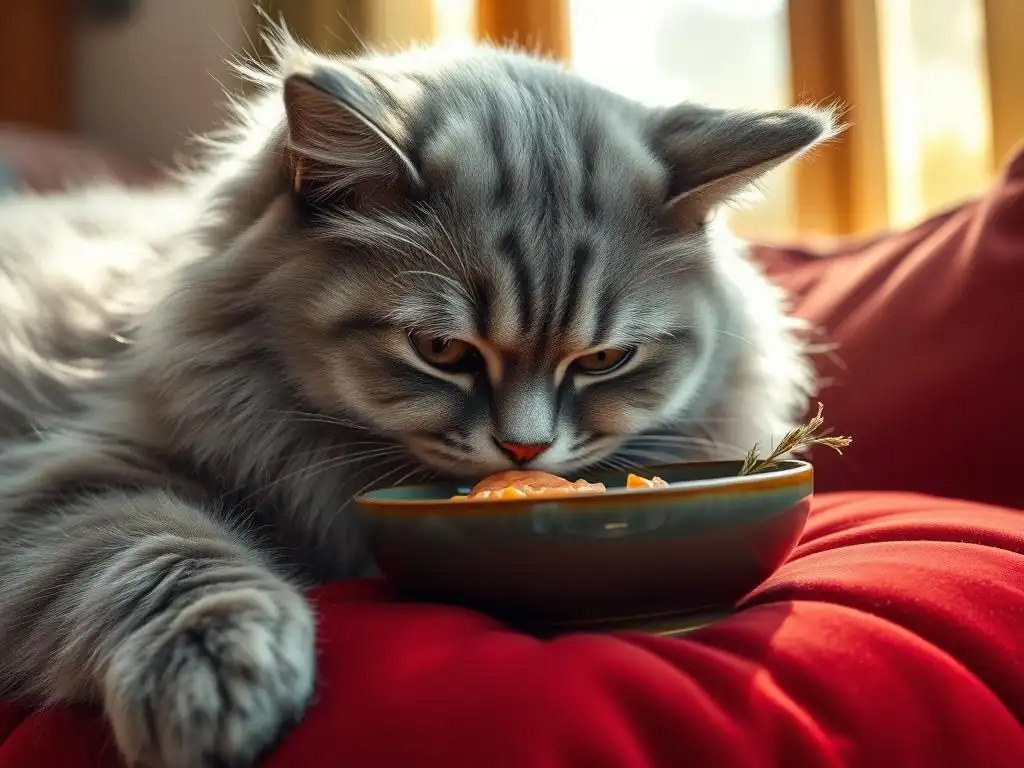
Welcome to PetCareWorld, your ultimate guide to a happier, healthier life for your beloved companion! Are you facing the frustrating reality of a senior cat turning up its nose at dinner? We understand the worry – and we have the answers. Discover effective Senior Cat Picky Eater Solutions within our Pet Health & Nutrition section, and learn how to ensure your feline friend receives the vital nutrients they need as they age. Dive in and unlock the secrets to a thriving senior cat!
- Understanding Senior Cat Dietary Needs
- Identifying Signs of a Picky Senior Cat
- Senior Cat Picky Eater Solutions: Practical Strategies
- Addressing Underlying Health Concerns
- Supplementing Your Senior Cat's Diet
- Maintaining Hydration in Senior Cats
- Long-Term Management of Senior Cat Picky Eating
- Senior Cat Picky Eater Solutions: Case Study 1
- Senior Cat Picky Eater Solutions: Case Study 2
- Frequently Asked Questions
- Final Reflection: Nourishing the Golden Years: A Bond Beyond the Bowl
- Unlock Your Senior Cat's Appetite: A Delicious Next Step!
Understanding Senior Cat Dietary Needs
As our feline companions age, their nutritional needs change significantly. Just like humans, senior cats (generally considered 7 years and older) experience shifts in metabolism, digestive function, and overall health that impact their dietary requirements and preferences. This article focuses on the specific challenges of feeding senior cats, particularly those exhibiting picky eating behaviors.
We'll explore the nutritional changes associated with aging, common digestive problems affecting older cats, and the impact of age on appetite and food preferences, providing practical solutions and expert advice to help you ensure your senior cat receives the optimal nutrition they need to thrive in their golden years. Successfully addressing a senior cat's picky eating habits is crucial for maintaining their health, vitality, and overall quality of life, making this a vital topic for any responsible cat owner.
This guide will equip you with the knowledge and strategies to tackle this common challenge and ensure your beloved senior cat receives the nourishment they deserve. We will specifically address solutions for senior cat picky eaters, providing practical and actionable advice.
Nutritional Requirements of Older Cats
Senior cats often require a diet adjusted to their changing physiological needs. As cats age, their metabolic rate slows down, meaning they need fewer calories to maintain their weight. However, their nutritional needs remain equally important. They require a higher concentration of essential nutrients to support their aging bodies and combat age-related health issues.
This often translates to a diet richer in high-quality protein, essential fatty acids, and specific vitamins and minerals. For example, senior cats often benefit from increased levels of taurine, an amino acid crucial for heart and eye health, and antioxidants, which combat oxidative stress and support immune function. Failing to provide adequate nutrition can lead to weight loss, muscle loss (sarcopenia), weakened immune system, and increased susceptibility to various diseases.
Understanding these specific nutritional requirements is the first step in addressing the picky eating behaviors often associated with aging cats. The right balance of nutrients is key to maintaining a healthy weight and preventing age-related illnesses. Providing a balanced diet specifically formulated for senior cats is paramount.
Common Digestive Issues in Senior Cats
Digestive problems are common in senior cats and often contribute to picky eating. Conditions such as inflammatory bowel disease (IBD), pancreatitis, and kidney disease can significantly affect appetite and food preferences. These conditions can cause discomfort, nausea, and changes in bowel habits, making it challenging for senior cats to enjoy their food. Additionally, age-related changes in the digestive system, such as reduced enzyme production and decreased gut motility, can lead to indigestion, bloating, and decreased nutrient absorption. Recognizing these potential digestive issues is crucial.
Symptoms to watch for include vomiting, diarrhea, changes in stool consistency, weight loss, and decreased appetite. Addressing these underlying digestive problems is often the key to resolving picky eating. Veterinary intervention may be necessary to diagnose and treat any underlying conditions. A veterinarian can recommend appropriate dietary changes and medication to alleviate digestive discomfort and improve appetite.
The Impact of Age on Appetite and Food Preferences
As cats age, their sense of smell and taste can diminish. This, combined with potential dental problems such as tooth loss or gum disease, can significantly impact their food preferences. A senior cat may suddenly find their previously favored food unappealing, leading to decreased appetite and picky eating. Changes in texture and palatability can also play a significant role.
What was once a preferred crunchy kibble might become too difficult to chew, while a previously loved wet food might now seem less appealing due to altered taste perception. Furthermore, age-related cognitive decline can also contribute to changes in eating habits. A senior cat might simply forget to eat or become less interested in food due to decreased cognitive function.
Understanding these age-related changes in sensory perception and cognitive function is crucial in formulating strategies to address picky eating. Offering a variety of textures, flavors, and food temperatures can help entice a senior cat to eat. Consider warming up wet food slightly to enhance its aroma.
Identifying Signs of a Picky Senior Cat
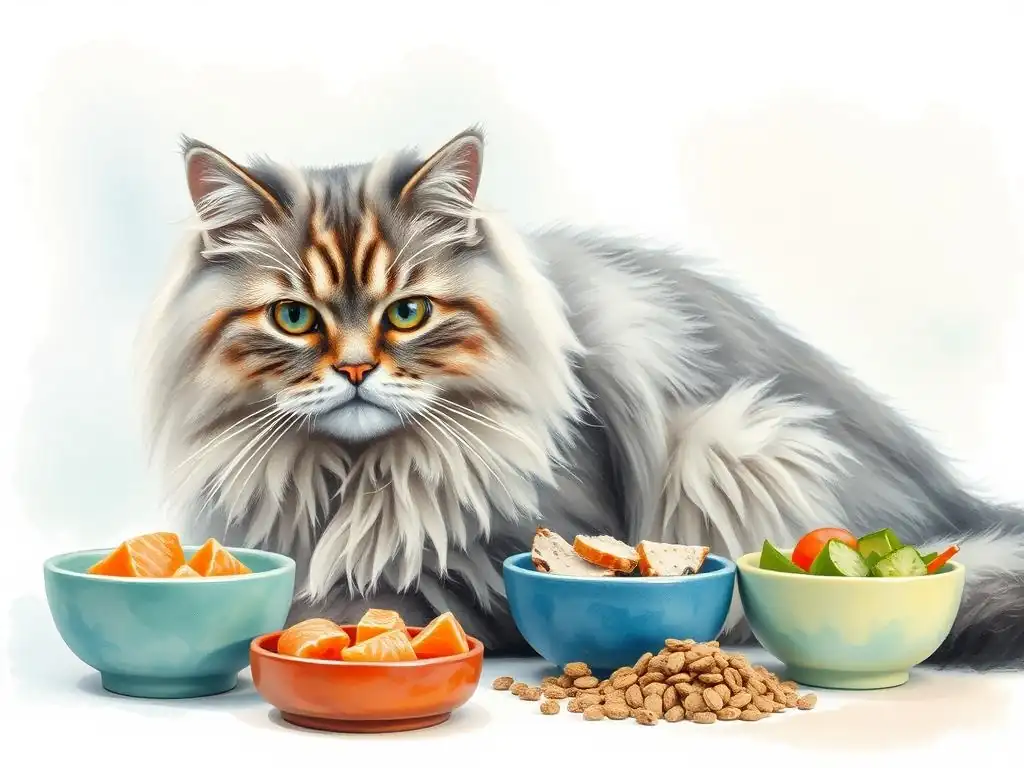
Senior cats, much like senior humans, can experience changes in their appetites and preferences. Recognizing these shifts early is crucial for addressing potential nutritional deficiencies and maintaining their overall health. Understanding the subtle signs of a picky senior cat is the first step towards providing appropriate senior cat picky eater solutions. This section focuses on identifying key indicators that your feline companion may be developing finicky eating habits. We'll explore common symptoms, offering guidance to help you determine if your senior cat needs dietary adjustments.
Decreased Food Intake and Weight Loss
One of the most noticeable signs of a picky senior cat is a significant decrease in food intake. This isn't simply about skipping a meal or two; we're talking about a consistent reduction in the amount of food consumed over several days or weeks. This decreased appetite often manifests as weight loss, which can be easily monitored by regularly weighing your cat.
A gradual decline in weight, especially when coupled with less food consumption, is a strong indicator that something is amiss. For example, a cat who previously consumed a full can of wet food daily might now only manage half, or even less. This reduction, paired with a visible loss of body condition (feeling their ribs more easily, for instance), requires immediate attention.
Monitoring your cat’s weight weekly, using a pet scale, is a proactive way to detect subtle changes early. It's important to note that age-related weight loss is not always due to pickiness; underlying health issues could also be at play, making veterinary consultation essential.
Changes in Food Preferences and Textures
Senior cats often experience changes in their sensory perceptions, influencing their food preferences. What they once relished might now seem unappealing. This can manifest in several ways. They might suddenly reject dry kibble in favor of wet food, or vice versa.
The texture of the food also becomes critical; a cat who previously loved crunchy kibble might now prefer softer, pate-style wet food due to dental issues or decreased jaw strength. A change in food brand might also indicate a shift in taste preference, possibly related to changes in ingredient composition or palatability enhancers. Furthermore, some senior cats develop sensitivities to certain ingredients, leading them to reject foods they previously enjoyed. Keep a detailed food diary, noting any changes in your cat's preferences and the corresponding food consumed, to help identify patterns and potential triggers for their pickiness.
Increased Food Waste and Leftovers
Another clear sign of a picky senior cat is an increase in uneaten food. While occasional leftovers are normal, a consistent pattern of significant food waste suggests a problem. This could range from leaving large portions of their meal untouched to meticulously picking out specific ingredients. This selective eating behavior can indicate a change in taste or texture preference, or possibly a developing aversion to certain ingredients.
Observe your cat's eating habits closely; note what portions are left, and try to identify any patterns. For instance, are they consistently leaving the vegetables in their food? Do they only eat the gravy from their wet food?
Such observations provide valuable clues to refine their diet and address their picky eating. The increase in food waste not only represents a financial burden but also highlights potential nutritional deficiencies if the cat is not consuming sufficient nutrients. Addressing this requires a careful evaluation of their dietary needs and preferences.
Senior cats experiencing dietary changes often exhibit noticeable shifts in their behavior around mealtimes. These aren't just about refusing food; they're about a broader alteration in their routine and interaction with their food. For instance, a previously enthusiastic eater might now approach their bowl hesitantly, sniffing at the food before turning away.
This subtle change can be an early warning sign of a developing pickiness. The cat might spend more time inspecting the food, meticulously picking out certain pieces, or even pushing the bowl away altogether. Observe the duration of these behaviors; a fleeting moment of hesitation is different from a consistent refusal.
Another significant behavioral change involves increased vocalization. A senior cat who's always been quiet might start meowing persistently around mealtimes, perhaps demanding a different food or even exhibiting signs of frustration. This vocalization can be a way of communicating their discomfort or displeasure with the offered food.
The intensity and frequency of these meows should be considered; a single meow is different from prolonged, insistent vocalizations. Note also if the cat's meows change in tone, becoming more insistent or higher-pitched than usual. This vocal frustration can sometimes be accompanied by other behaviors such as pacing or rubbing against furniture near the food bowl, further indicating a problem with the food itself or with the feeding process.
Furthermore, the location of eating can change. A cat who usually eats in a specific spot might now move around, seeking a more comfortable or quieter area to eat. This could indicate sensitivity to noise, increased anxiety, or even pain associated with eating. Changes in the cat's posture during feeding are also significant.
If your cat usually eats with a relaxed posture, but now exhibits signs of stiffness or discomfort, it might indicate a problem with their teeth, gums, or jaw which could be making eating difficult. Finally, note any changes in how quickly or slowly your senior cat eats. A sudden decrease in appetite or a significantly slower eating pace could signal underlying health issues requiring veterinary attention. Documenting these changes, including the time of day and any other concurrent behaviors, will be invaluable when discussing your cat's condition with a veterinarian.
Senior Cat Picky Eater Solutions: Practical Strategies
Senior cats, much like their human counterparts, can experience changes in their palates and appetites as they age. This can manifest as a decreased interest in food, leading to weight loss and potential health complications. Addressing a senior cat's pickiness requires a multifaceted approach, focusing on understanding the underlying causes and implementing practical solutions.
This section delves into effective strategies for tackling the challenge of feeding a senior cat who's become a picky eater. Finding the right balance between nutritional needs and palatability is key to ensuring your feline friend thrives in their golden years. Remember, consulting a veterinarian is crucial, especially if weight loss or other health concerns are present.
Adjusting Food Texture and Consistency
Many senior cats experience dental issues like periodontal disease, making it difficult to chew dry kibble. Altering the texture and consistency of their food can significantly improve their eating experience and encourage consumption.
Several options exist to improve food texture:
- Soaking kibble: Simply soaking dry kibble in warm water for 10-15 minutes softens it, making it easier to chew. Experiment with different soaking times to find the optimal consistency for your cat. Some cats prefer a slightly mushy texture, while others might prefer it just slightly softened.
- Switching to wet food: Wet food often has a higher moisture content and softer texture, making it more appealing to cats with dental problems. Look for options with higher protein content and lower carbohydrate levels, as these are generally healthier for senior cats.
- Pureeing food: For cats with severe dental issues or those who refuse to eat anything else, you can puree wet food or even mix it with a small amount of water to create a smooth paste. This ensures easy consumption and maximizes nutrient intake.
- Adding broth or water: Adding a small amount of low-sodium broth or warm water to dry or wet food can enhance its aroma and make it more palatable. This is particularly helpful during hot weather when cats might be less inclined to eat.
The transition to a new food texture should be gradual to avoid digestive upset. Start by mixing a small amount of the new food with their regular food, gradually increasing the proportion of the new food over several days. Monitor your cat's bowel movements for any changes and adjust accordingly. Regular veterinary checkups are also important to monitor your cat's overall health and address any underlying dental or digestive issues.
Exploring Different Food Types and Brands
Senior cats often develop preferences for specific flavors and ingredients. Experimenting with different food types and brands can help you discover what your cat finds most appealing.
Consider these options:
- Prescription diets: If your cat has specific health concerns, such as kidney disease or diabetes, your veterinarian may recommend a prescription diet formulated to meet their unique nutritional needs. These diets often come in various textures and flavors to cater to picky eaters.
- Novel protein sources: Some senior cats develop allergies or sensitivities to certain protein sources, leading to food aversion. Trying foods with novel protein sources, such as venison, rabbit, or duck, can sometimes stimulate their appetite.
- Different flavor profiles: Explore various flavors such as chicken, fish, turkey, or beef. Some cats are particularly fond of certain flavors, while others might be more sensitive to certain spices or additives.
- Limited ingredient diets: These diets contain a smaller number of ingredients, reducing the risk of allergic reactions and making it easier to identify potential food sensitivities. This is particularly useful if you suspect your cat has food allergies contributing to their pickiness.
Keep a detailed record of the foods you try, noting your cat's response to each one. This will help you identify patterns and preferences, allowing you to tailor their diet to their specific needs and tastes. Remember, patience is key; finding the right food may take time and experimentation.
Enhancing the Palatability of Food
Even with the right food type and texture, some senior cats remain picky. Several strategies can be employed to enhance the palatability of their food:
- Warming the food: Slightly warming the food can release its aroma, making it more appealing to your cat. Avoid overheating, as this can destroy essential nutrients.
- Adding toppers: Small amounts of palatable toppers, such as a dollop of plain yogurt, a sprinkle of catnip, or a tiny bit of cooked tuna (in moderation), can make the food more enticing. However, be mindful of potential allergies or sensitivities.
- Serving food in different bowls: Some cats prefer eating from certain types of bowls. Experiment with different materials and shapes to see if this makes a difference.
- Feeding in a quiet location: A calm and quiet environment can reduce stress and encourage your cat to eat more readily. Avoid feeding them in areas with loud noises or excessive activity.
- Hand-feeding: For some cats, the act of hand-feeding can be reassuring and may encourage them to eat more willingly. This can be particularly helpful for cats who are anxious or insecure.
Remember to monitor your cat's weight and overall health closely. If your cat continues to be a picky eater despite your efforts, consult your veterinarian to rule out any underlying medical conditions that may be contributing to their decreased appetite. A comprehensive approach combining dietary adjustments, environmental modifications, and veterinary care is often the most effective solution for senior cat picky eaters.
Creating a Positive Feeding Environment
A senior cat's environment significantly impacts their appetite. A stressful or uncomfortable feeding area can easily deter even the most enthusiastic eater, especially a senior cat already dealing with age-related changes. Creating a peaceful and inviting space is crucial for encouraging food consumption. This means minimizing distractions like loud noises, other pets vying for attention, or even busy household activity.
Consider feeding your senior cat in a quiet corner, perhaps a separate room, away from the hustle and bustle of daily life. A comfortable, elevated feeding station can also make a difference, especially for cats with arthritis or mobility issues. Think about placing the food bowls on a raised platform or even a soft, elevated cat bed to reduce strain.
Remember, even subtle changes in the environment can significantly impact a senior cat's feeding behavior. The goal is to create a sanctuary where they feel safe and relaxed during mealtimes. This sense of security can dramatically improve their willingness to eat.
Many cat owners unintentionally create negative associations with feeding time. Perhaps the cat was once scolded while eating, or perhaps a stressful event occurred close to mealtime. These negative experiences can linger and condition the cat to associate eating with unpleasant feelings. Therefore, it’s vital to actively cultivate positive associations.
Try speaking to your cat in a soothing voice during feeding, offering gentle petting, or even providing a small, favorite treat alongside their meal. The key is to make mealtimes a positive and enjoyable experience, not a source of stress or anxiety. This positive reinforcement can help overcome learned negative associations and encourage a more positive attitude towards food.
Patience and consistency are crucial in this process. It may take time to overcome ingrained behavioral patterns, but the rewards of a well-fed, happy senior cat are well worth the effort. Consider using positive reinforcement training techniques, rewarding your cat for approaching and eating their food.
Finally, consider the type of food bowl you’re using. Certain bowl designs can exacerbate existing health problems or create discomfort during feeding. Whisker fatigue, for example, can occur when a cat’s whiskers are constantly brushing against the sides of a narrow bowl. This can make eating unpleasant and discourage them from finishing their meal.
Switching to a wider, shallower bowl can alleviate this issue. Similarly, if your cat has arthritis, the height and design of the bowl can significantly impact their ability to eat comfortably. Experimenting with different bowl types and heights can help you find the most comfortable and effective option for your senior cat. A simple change in the feeding environment can often make a world of difference to a senior cat’s eating habits, fostering a more positive and successful feeding experience.
Addressing Underlying Health Concerns
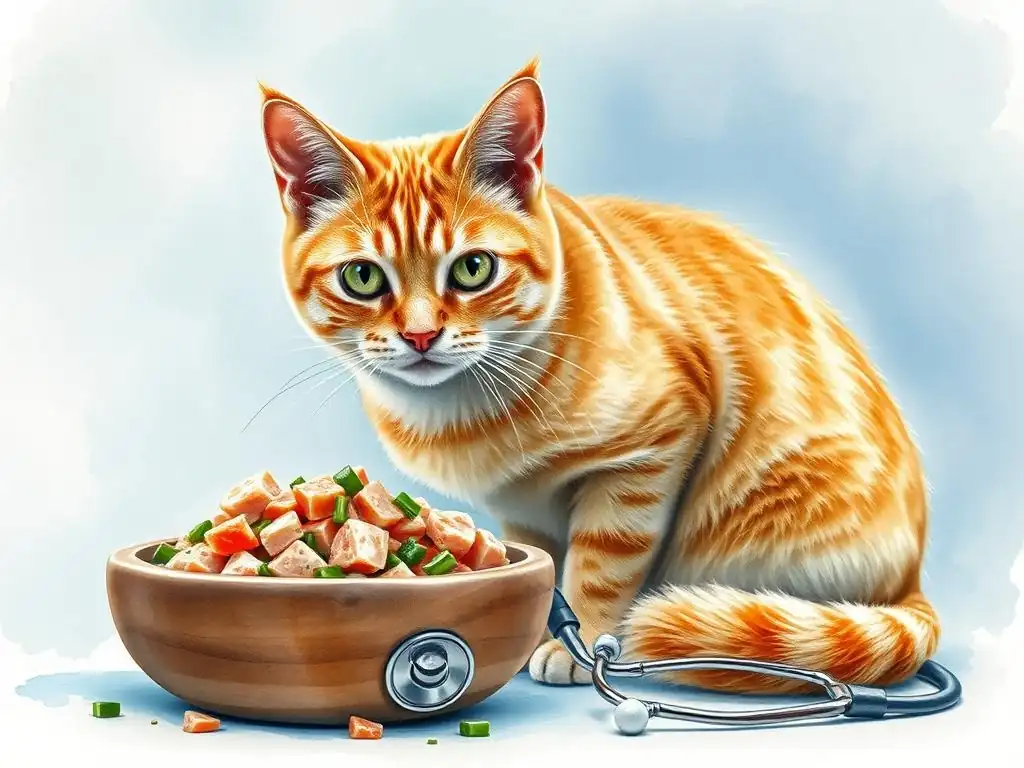
Senior cats often experience changes in appetite, and a picky eater might signal something more serious than simple food preferences. Understanding and addressing potential underlying health issues is crucial for resolving a senior cat's decreased food intake. This isn't just about making mealtimes easier; it's about ensuring your feline companion's overall well-being and extending their quality of life. Ignoring appetite changes can lead to malnutrition and further health complications down the line. A proactive approach, starting with a thorough veterinary examination, is paramount.
Ruling Out Medical Conditions Affecting Appetite
Many medical conditions can manifest as decreased appetite or changes in eating habits in senior cats. These conditions can range from relatively minor issues to more serious illnesses. For example, dental problems like gingivitis, periodontal disease, or broken teeth can make eating painful, leading to food avoidance.
Similarly, kidney disease, hyperthyroidism, diabetes, and various forms of cancer can significantly impact a cat's appetite and overall health. Gastrointestinal issues, such as inflammatory bowel disease (IBD), can also cause discomfort and reluctance to eat. Even seemingly minor issues, like arthritis, can make it difficult for a senior cat to reach their food bowl or eat comfortably.
Therefore, before making significant dietary changes, it’s crucial to rule out any underlying medical conditions affecting your cat's ability to eat. A comprehensive veterinary examination should be the first step in addressing a senior cat's picky eating habits. The vet can perform various tests to identify the root cause, including blood work, urinalysis, and potentially imaging studies like X-rays or ultrasounds.
The Role of Veterinary Checkups in Senior Cat Care
Regular veterinary checkups are essential for senior cats, regardless of whether they exhibit any noticeable health problems. These checkups serve as a preventative measure, allowing for early detection of potential issues, including those affecting appetite. During these checkups, your veterinarian can monitor your cat's weight, assess their overall health, and perform necessary diagnostic tests.
Early detection of conditions like kidney disease or hyperthyroidism is crucial, as early intervention can significantly improve the cat's prognosis and quality of life. Moreover, regular dental checkups are vital for senior cats, as dental disease is extremely common and can dramatically impact their ability to eat properly. The frequency of these checkups should increase with age, potentially moving from annual visits to semi-annual or even more frequent appointments depending on your cat’s health status and the veterinarian’s recommendations.
Don't underestimate the importance of proactive veterinary care for your senior cat; it's a key component of addressing picky eating and ensuring their overall well-being. Think of it as preventative maintenance for your beloved companion.
Dietary Modifications for Specific Health Issues
Once underlying medical conditions have been identified and treated (or ruled out), dietary modifications may be necessary to address your senior cat's picky eating habits. The specific dietary changes will depend entirely on the underlying health issue. For instance, a cat with kidney disease might benefit from a prescription diet formulated to reduce the strain on their kidneys. Cats with diabetes might require a diet that regulates blood sugar levels.
Similarly, cats with hyperthyroidism might need a diet that helps manage their thyroid hormone levels. Even if no underlying medical conditions are found, your veterinarian might recommend a senior-specific cat food formulated to meet the nutritional needs of older cats. These diets often contain higher levels of certain nutrients, such as taurine and omega-3 fatty acids, which become increasingly important as cats age.
Remember, always consult your veterinarian before making any significant changes to your cat's diet, especially if they have pre-existing health conditions. They can help you choose the most appropriate diet to support your cat's health and address their picky eating behaviors effectively. Improper dietary adjustments can exacerbate existing problems, so professional guidance is essential.
Supplementing Your Senior Cat's Diet
Senior cats, especially those exhibiting signs of being picky eaters, may require dietary supplementation to ensure they receive all the necessary nutrients for optimal health. As cats age, their bodies become less efficient at absorbing nutrients from food, and their appetites can decrease. This section explores how nutritional supplements can address these challenges and improve the quality of life for your aging feline companion. We'll delve into the benefits, selection process, and effective administration of these vital additions to your senior cat's diet, offering solutions for even the most discerning senior cat picky eater.
Benefits of Nutritional Supplements for Older Cats
Nutritional supplements can play a crucial role in addressing the specific nutritional needs of senior cats, particularly those who are picky eaters. Many supplements offer targeted benefits addressing common age-related issues:
- Improved Digestion: Senior cats often experience digestive problems. Enzyme supplements can aid in breaking down food, improving nutrient absorption, and reducing digestive discomfort. This is especially beneficial for cats with decreased appetite or those struggling to process their food efficiently. For example, adding a protease supplement can significantly improve protein digestion in senior cats with compromised pancreatic function.
- Enhanced Joint Health: Arthritis and other joint issues are prevalent in older cats. Supplements containing glucosamine and chondroitin can help support joint cartilage, reducing pain and inflammation and improving mobility. Studies have shown a significant improvement in mobility scores in arthritic cats following supplementation with these compounds.
- Boosted Immunity: As cats age, their immune systems weaken, making them more susceptible to illness. Supplements containing antioxidants, such as Vitamin C and Vitamin E, can help strengthen the immune system and protect against cellular damage. These antioxidants combat free radicals, which contribute to age-related decline.
- Improved Cognitive Function: Some supplements, like those containing omega-3 fatty acids, may help support cognitive function and reduce the risk of age-related cognitive decline. These fatty acids are known to play a crucial role in brain health and function.
- Increased Appetite Stimulation: Appetite loss is a common issue in senior cats. Certain supplements may help stimulate appetite and encourage better food intake, ensuring your cat receives adequate nutrition despite their pickiness. These might include supplements containing L-lysine or taurine, both essential amino acids.
Choosing the Right Supplements for Senior Cats
Selecting the appropriate supplements for your senior cat requires careful consideration. Several factors should influence your choice:
- Your Cat's Specific Needs: Identify any underlying health issues or nutritional deficiencies before choosing supplements. A veterinarian's assessment is crucial to determine your cat's individual needs and rule out any underlying medical conditions contributing to their picky eating.
- Supplement Quality: Opt for high-quality supplements from reputable manufacturers. Look for supplements that have undergone third-party testing to ensure purity and potency. Avoid supplements with unnecessary fillers or artificial ingredients.
- Ingredient Analysis: Carefully review the ingredient list to understand the supplement's composition. Ensure the ingredients are appropriate for feline consumption and are in dosages suitable for your cat's weight and age.
- Veterinary Consultation: Always consult your veterinarian before introducing any new supplements to your cat's diet. They can help you choose the right supplements and monitor your cat's response to ensure safety and efficacy. This is particularly important for cats with pre-existing health conditions.
The table below summarizes some common supplements and their potential benefits for senior cats:
| Supplement | Key Benefits | Considerations |
|---|---|---|
| Glucosamine/Chondroitin | Joint health, reduced inflammation | May interact with certain medications |
| Omega-3 Fatty Acids | Cognitive function, heart health | Can thin the blood, monitor carefully |
| Probiotics | Improved digestion, gut health | Introduce gradually to avoid digestive upset |
| Vitamin E/C | Antioxidant support, immune system boost | High doses can be toxic, follow recommended amounts |
| Taurine | Heart health, vision | Essential amino acid, crucial for senior cats |
Administering Supplements Effectively
Successfully administering supplements to a picky senior cat can be challenging. Here are some tips to increase the likelihood of your cat accepting their supplements:
- Start Slowly: Begin with a small dose and gradually increase it over several days to allow your cat to adjust. Sudden changes can upset their digestive system.
- Mix with Food: If your cat is a picky eater, try mixing the supplement with a small amount of their favorite wet food or treats. This can make the supplement more palatable and encourage consumption.
- Hide the Supplement: Some supplements can be cleverly hidden in small pockets of food or inside treats. Experiment with different hiding techniques to find what works best for your cat.
- Positive Reinforcement: Reward your cat with praise and affection after they consume their supplement. Positive reinforcement can help create a positive association with the supplement.
- Patience and Persistence: It might take time and patience for your cat to accept the supplement. Don't get discouraged if your cat initially refuses the supplement. Continue trying different approaches until you find a method that works.
Remember, patience and a tailored approach are key to successfully supplementing your senior cat's diet and ensuring they receive the nutrients they need to thrive, even if they are a picky eater. Regular veterinary check-ups are crucial for monitoring their health and adjusting their dietary plan as needed. 😻
Maintaining Hydration in Senior Cats
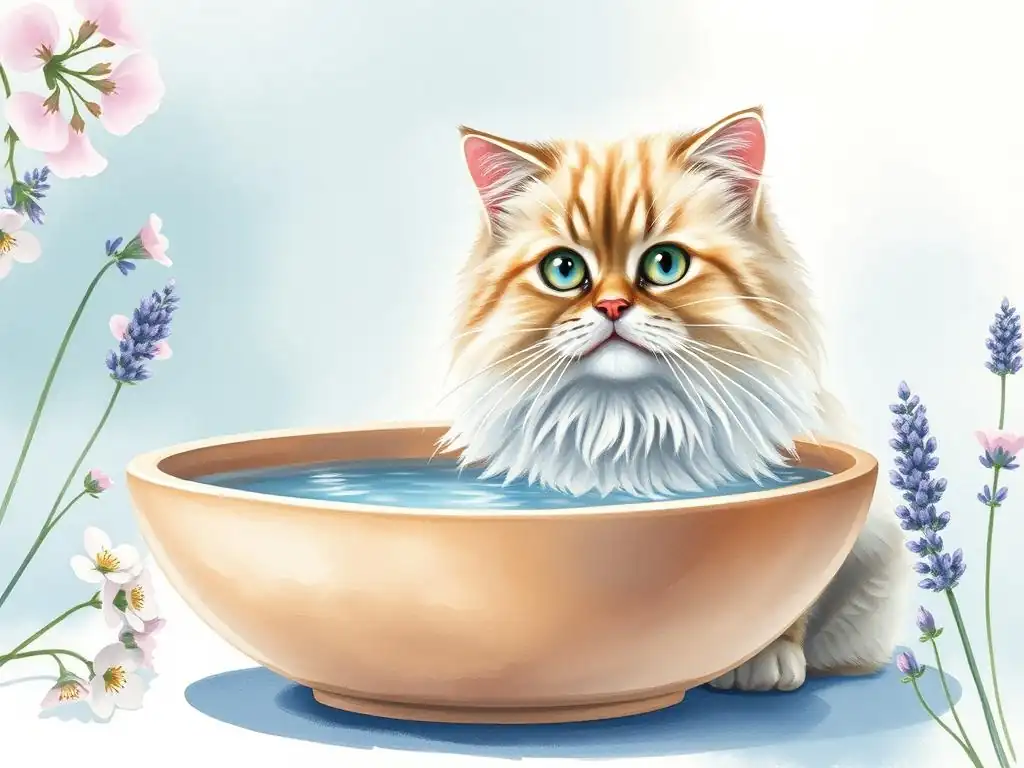
Maintaining adequate hydration is crucial for senior cats, especially those who are picky eaters. Dehydration can exacerbate existing health problems and lead to further complications. Senior cats often experience decreased thirst sensations, making proactive hydration strategies essential for their well-being.
This section focuses on practical solutions to ensure your senior feline receives sufficient water intake, a key component of addressing the challenges presented by a picky eater. We'll explore the importance of water, creative hydration techniques, and the signs of dehydration to watch out for. Addressing hydration concerns alongside dietary adjustments can significantly improve the health and quality of life for your aging companion.
The Importance of Water Intake for Older Cats
Water plays a vital role in numerous bodily functions, and its importance increases with age. For senior cats, maintaining proper hydration is paramount for several reasons:
- Kidney Function: As cats age, their kidneys become less efficient at filtering waste products. Adequate water intake helps flush out toxins and supports optimal kidney function, mitigating the risk of kidney disease, a common ailment in older cats. Insufficient water intake can significantly strain the kidneys, leading to potential health issues.
- Digestive Health: Water aids in digestion and prevents constipation, a common problem in senior cats, particularly those with reduced activity levels or dietary changes. Proper hydration helps maintain regular bowel movements and prevents discomfort.
- Overall Health: Water is essential for transporting nutrients throughout the body, regulating body temperature, and supporting the immune system. Dehydration can weaken the immune system, making senior cats more susceptible to illnesses. Maintaining adequate hydration contributes to overall vitality and a stronger immune response.
- Appetite Stimulation: Sometimes, a senior cat's lack of appetite can be linked to dehydration. Ensuring your cat is well-hydrated can sometimes indirectly improve their interest in food.
Creative Ways to Encourage Water Consumption
Senior cats, especially picky eaters, may require innovative approaches to encourage increased water intake. Here are some creative strategies:
- Multiple Water Sources: Provide several water bowls in different locations throughout the house, including some at slightly elevated positions. Experiment with different bowl types – some cats prefer ceramic bowls, while others might favor stainless steel or fountain bowls. Fountains, in particular, can stimulate a cat's interest due to the moving water.
- Flavor Enhancers: While avoiding excessive additives, you can subtly enhance the flavor of water. A tiny splash of unsweetened low-sodium broth (chicken or tuna) can sometimes entice a reluctant drinker. However, always consult your veterinarian before introducing any new substances to your cat's diet.
- Wet Food: Increase the proportion of wet food in your senior cat's diet. Wet food has a significantly higher water content than dry kibble, contributing to their daily fluid intake. Consider adding a small amount of water to their dry food to increase moisture.
- Ice Cubes: Many cats enjoy licking ice cubes, offering a refreshing and hydrating treat. You can even add a small amount of broth to the ice cube tray before freezing.
- Water-Rich Treats: Certain commercially available treats are formulated with high water content. These can supplement the main water sources and provide added hydration.
Recognizing Dehydration in Senior Cats
Recognizing dehydration in senior cats is crucial for timely intervention. While subtle signs can be easily missed, paying close attention to your cat's behavior and physical condition is essential. Symptoms of dehydration include:
- Sunken Eyes: Dehydrated cats often have noticeably sunken eyes. This is a significant indicator that should prompt immediate attention.
- Dry Gums and Mouth: Gently lift your cat's lip to check the gum color and moisture. Dry, sticky gums are a clear sign of dehydration.
- Loss of Skin Elasticity: Gently pinch the skin on the back of your cat's neck. In a well-hydrated cat, the skin should snap back immediately. If the skin remains tented or slow to return to its normal position, dehydration is likely.
- Lethargy and Weakness: Dehydration can lead to lethargy, weakness, and a decreased level of activity. Your normally playful cat might become unusually subdued.
- Decreased Urination: Monitor your cat's urination frequency and volume. Reduced urine output is a significant indicator of dehydration.
If you observe any of these symptoms, consult your veterinarian immediately. Prompt treatment is crucial to prevent serious health complications associated with dehydration in senior cats. Early detection and intervention are key for managing senior cat picky eater solutions and ensuring their well-being.
Long-Term Management of Senior Cat Picky Eating
Successfully managing a senior cat's picky eating requires a long-term commitment to consistent strategies. It's not a quick fix, but rather a continuous process of observation, adjustment, and collaboration with your veterinarian. Remember, patience and persistence are key to helping your feline friend maintain a healthy weight and receive adequate nutrition. The goal isn't just to get them to eat something, but to ensure they're consuming a balanced diet appropriate for their age and health condition. This involves more than just offering different food; it's about understanding the underlying causes of their pickiness and addressing them proactively.
Establishing a Consistent Feeding Routine
A predictable feeding schedule is crucial for senior cats, especially picky eaters. Irregular mealtimes can contribute to anxiety and make them even more selective about their food. Aim for a consistent feeding schedule, perhaps twice a day at the same times each day. This helps regulate their appetite and digestive system. Consider using timed feeders for added consistency if your schedule is unpredictable.
Furthermore, the environment in which your cat eats plays a significant role. Ensure a quiet, stress-free location for mealtimes. Avoid feeding in areas with high traffic or loud noises. A clean, fresh bowl is also essential – many cats dislike eating from dirty dishes. Experiment with different bowl types; some cats prefer shallow bowls, while others prefer elevated feeders.
Finally, don't pressure your cat to eat quickly. Allow them ample time to finish their meal without distractions. If they don't finish everything immediately, remove the food after a reasonable period (e.g., 15-20 minutes) to avoid them grazing throughout the day.
Monitoring Food Intake and Weight
Regular monitoring of your senior cat's food intake and weight is paramount. Keep a food diary to track how much they're eating each day, noting any changes in appetite or preferences. Weigh your cat weekly or bi-weekly using a pet scale to detect any weight loss or gain promptly. Even small changes can indicate underlying health issues or problems with their diet.
A sudden decrease in food consumption can signal various problems, including dental issues, kidney disease, or even depression. Conversely, unexpected weight gain might indicate overfeeding or a less active lifestyle. Keeping detailed records allows you to identify trends and promptly address any concerns with your veterinarian. This proactive approach is essential for maintaining your cat's health and well-being. Remember to note not only the quantity of food consumed but also the type of food, any supplements given, and any observed changes in your cat's behavior or energy levels.
Working with Your Veterinarian for Ongoing Support
Your veterinarian is a crucial ally in managing your senior cat's picky eating. Regular checkups are essential to rule out any underlying medical conditions contributing to their food aversion. Blood tests can help identify kidney disease, diabetes, or other health problems that can affect appetite. A dental examination can reveal painful teeth or gum disease that makes eating difficult.
Don't hesitate to discuss your cat's eating habits with your veterinarian. They can provide personalized recommendations based on your cat's specific needs and health status. They might suggest prescription diets formulated to address specific health concerns or recommend appetite stimulants if necessary. Working collaboratively with your vet ensures your senior cat receives the best possible care and nutritional support to maintain a healthy and happy life. Remember, a holistic approach combining dietary adjustments, environmental modifications, and veterinary guidance provides the most effective "senior cat picky eater solutions."
Senior Cat Picky Eater Solutions: Case Study 1
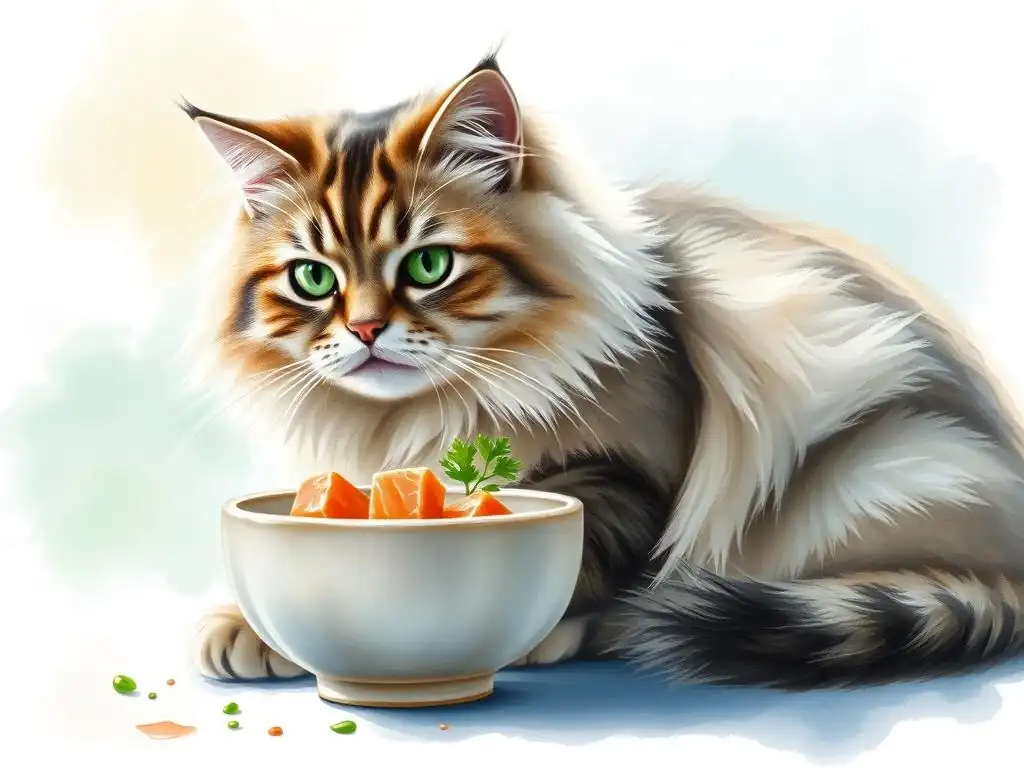
This section details a real-world example of a senior cat exhibiting picky eating habits and the successful strategies employed to address the issue. We'll examine the problem, the implemented solution, and the ultimate outcome, offering practical insights for pet owners facing similar challenges with their senior feline companions. This case study highlights the importance of patience, observation, and a tailored approach to senior cat feeding. Remember, consistent monitoring and adjustments are key to ensuring your senior cat receives adequate nutrition.
Case Study Details: Problem, Solution, and Outcome
Our first case study involves a 15-year-old female Siamese cat named Luna. Luna's owner, Sarah, noticed a significant decline in her appetite over the past six months. Initially, Luna readily consumed her dry kibble, but her food intake gradually decreased, leading to noticeable weight loss. Further complicating matters, Luna became increasingly selective, refusing previously favored foods and showing little interest in even the most tempting treats. This presented a serious concern, as malnutrition in senior cats can exacerbate existing health problems and compromise their overall well-being. This situation perfectly exemplifies the challenges associated with senior cat picky eater solutions.
Sarah initially tried offering different brands of dry kibble, hoping to find a flavor Luna would enjoy. However, these attempts proved unsuccessful. Luna's disinterest extended to wet food as well, leading to further weight loss and concern for Sarah. The problem went beyond simple preference; Luna's reduced appetite signaled a potential underlying health issue, reinforcing the need for a multifaceted approach.
The solution involved a collaborative effort between Sarah and her veterinarian. After a thorough examination, the vet ruled out any serious medical conditions that might explain Luna's lack of appetite. They suspected age-related changes in taste and smell might be contributing factors. The vet recommended several strategies:
- Small, Frequent Meals: Instead of offering large portions, Sarah started feeding Luna several small meals throughout the day. This helped prevent overwhelming Luna and encouraged her to eat more regularly.
- Food Warming: Slightly warming Luna's food seemed to enhance its aroma, making it more appealing.
- Food Texture Variety: Introducing wet food with different textures, such as pâté and chunks in gravy, broadened Luna's options.
- Nutritional Supplements: The vet prescribed a senior cat supplement to ensure Luna was receiving all the necessary nutrients, even with her reduced food intake. This targeted approach addressed potential nutritional deficiencies.
- Enrichment Activities: Sarah also incorporated interactive feeding toys and puzzle feeders to stimulate Luna's interest in eating and reduce boredom.
The outcome was overwhelmingly positive. By implementing these changes, Luna's appetite gradually improved. She began consuming her food more regularly, gaining back some of her lost weight, and showing a renewed interest in mealtimes. While Luna might still be considered a bit of a picky eater, her overall health and well-being significantly improved.
This successful case study demonstrates that patience, a holistic approach, and collaboration with a veterinarian are crucial in addressing the challenges of senior cat picky eater solutions. It highlights that finding the right balance between nutritional needs and palatability is key to maintaining the health and happiness of your aging feline companion. This success emphasizes the importance of proactive intervention and tailored solutions when dealing with senior cat feeding issues.
Senior Cat Picky Eater Solutions: Case Study 2
This section details a specific case study illustrating challenges faced when feeding a senior cat with a discerning palate and the strategies employed to address the issue. We'll examine the problem, the implemented solution, and the ultimate outcome, offering practical insights for similar situations. The goal is to provide concrete examples of effective solutions for "senior cat picky eater solutions," helping readers understand how to approach such dietary hurdles.
Case Study Details: Problem, Solution, and Outcome
This case study focuses on a 14-year-old female domestic shorthair named Clementine. Clementine, previously a hearty eater, had become increasingly finicky in her old age. Her owner, Sarah, reported a significant decrease in food intake over the past six months, leading to noticeable weight loss and a decline in energy levels.
Sarah described Clementine as refusing most commercially available senior cat foods, often turning her nose up at even her previous favorites. This presented a significant challenge in ensuring Clementine received adequate nutrition for her age and health status. The problem wasn't simply a matter of taste preference; Sarah was concerned about potential underlying health issues contributing to Clementine's decreased appetite.
Sarah initially attempted various solutions independently. She tried different brands of senior cat food, experimenting with various flavors and textures (pate, chunks in gravy, dry kibble). She also introduced tempting toppers, such as tuna or chicken broth, but Clementine remained uninterested in most offerings. This trial-and-error approach yielded little success, emphasizing the need for a more structured and comprehensive strategy.
Following a veterinary checkup, which ruled out major underlying health problems, a tailored feeding plan was implemented. This plan involved several key strategies:
- Food Variety and Small Portions: Instead of offering large quantities of a single food, smaller portions of several different high-quality senior cat foods were offered throughout the day. This approach aimed to stimulate Clementine's appetite by offering variety and preventing food boredom. We used a mix of pate, wet food, and a small amount of easily digestible dry kibble.
- Temperature and Presentation: Warm food was found to be more appealing to Clementine. Slightly warming the food before serving seemed to enhance its aroma, making it more enticing. The presentation of the food also mattered; using a shallow, wide bowl, rather than a deep one, made it easier for Clementine to access her food.
- Supplemental Nutrition: To ensure Clementine received sufficient nutrients, a veterinary-approved nutritional supplement was added to her food. This supplement provided additional vitamins and minerals crucial for senior cats, compensating for any nutritional deficiencies due to her reduced food intake.
- Regular Monitoring: Sarah meticulously tracked Clementine's food intake and weight, noting any changes in her appetite or behavior. This close monitoring allowed for timely adjustments to the feeding plan as needed.
The outcome of this multi-pronged approach was positive. Within four weeks, Clementine's weight stabilized, and her energy levels improved significantly. While she still remained somewhat selective, her food intake increased substantially, allowing her to maintain a healthy weight and overall well-being.
This case demonstrates that addressing senior cat picky eating requires a holistic approach, combining careful observation, veterinary consultation, and a flexible, adaptable feeding strategy. The key takeaway is that patience, persistence, and a willingness to experiment are crucial for finding the right "senior cat picky eater solutions" for your feline companion. Remember, consulting a veterinarian is always recommended to rule out any underlying medical conditions contributing to decreased appetite.
Frequently Asked Questions
Why is my senior cat suddenly a picky eater?
As cats age, their sense of smell and taste can decline, making food less appealing. Changes in their teeth or underlying health issues can also contribute to decreased appetite. Consult your vet to rule out any medical problems.
What are some ways to entice my senior cat to eat?
Try warming up their food slightly to enhance its aroma. Offer small, frequent meals instead of large ones. Experiment with different food textures, flavors (e.g., tuna, chicken), and brands to find something appealing.
Are there special diets for senior cats with picky eating habits?
Yes, many brands offer senior cat food formulated with enhanced palatability and digestive support. These often contain higher levels of protein and essential nutrients to meet the needs of aging cats. Consult your veterinarian for recommendations.
My senior cat is losing weight. Should I be worried?
Weight loss in senior cats is a serious concern and requires immediate veterinary attention. It could indicate an underlying medical condition, such as hyperthyroidism or kidney disease. Don't delay seeking professional help.
Can I add human food to my senior cat's diet to encourage eating?
While tempting, avoid giving your cat human food regularly. Many human foods are toxic to cats. Focus on veterinarian-approved supplements or specialized senior cat food to address nutritional deficiencies and encourage eating.
Final Reflection: Nourishing the Golden Years: A Bond Beyond the Bowl
The challenges of feeding senior cats are not merely dietary; they're a reflection of the evolving needs and personalities of our beloved companions as they age. Ignoring these subtle shifts can lead to malnutrition and a decline in their overall well-being, impacting the precious time we have left with them.
The journey of caring for a senior cat, particularly one with a discerning palate, is a testament to the unwavering bond we share. It's a constant learning process, requiring patience, observation, and a willingness to adapt. The best things in life are not things.
This simple truth resonates deeply when considering the immeasurable value of a contented senior cat, even if it means a little extra effort at mealtimes. The subtle purr, the gentle rub against your leg—these are the rewards that far outweigh the challenges of finding the perfect kibble.
Now, consider your own senior cat. What small adjustments can you make today to enhance their mealtime experience? Perhaps it's trying a new food topper, warming their food slightly, or simply spending a few extra minutes offering affection during their meal. Remember, every interaction, every carefully chosen morsel, is a chance to deepen the bond you share and ensure your feline friend enjoys a happy, healthy, and fulfilling golden age.
Unlock Your Senior Cat's Appetite: A Delicious Next Step!
Thank you for learning about senior cat nutrition! We hope you found helpful advice on addressing their specific dietary needs. Now, let's put that knowledge to work!
- Create a personalized meal plan: Develop a feeding schedule and menu tailored to your cat's age, health, and preferences. This is the most important step you can take today!
- Join our PetCareWorld Community: Share your experiences—both successes and challenges—with other cat lovers in our online forum. Learning from one another is invaluable.
- Introduce an interactive feeder: Engage your cat mentally while stimulating their appetite with a puzzle feeder. You might be amazed by the results!
Ready to see your senior cat enjoying mealtimes and thriving with a healthier appetite? What small change will you make today to improve mealtimes for both of you?