
Exotic Pet Dietary Needs: Unique Diets for Unique Pets

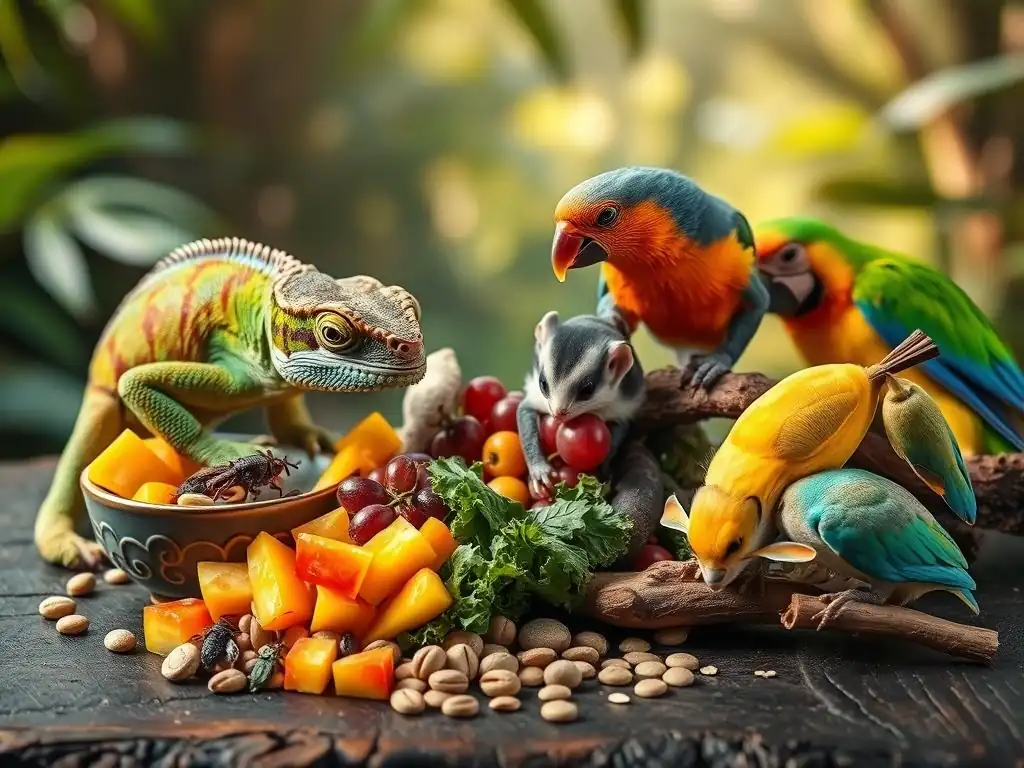
Welcome to PetCareWorld, your ultimate guide to the wonderful world of pet care! Are you ready to unlock the secrets to a thriving and happy pet? We delve into the fascinating complexities of animal nutrition, and our comprehensive Exotic Pet Food Guide is the perfect starting point. Discover the unique dietary needs of your exotic companion and learn how to provide the optimal nourishment they deserve. Dive in and explore the expert advice waiting for you – your pet's well-being is just a click away!
- Understanding Exotic Pet Food Guide Basics
-
Exotic Pet Food Guide: Species-Specific Diets
- Reptile Dietary Needs: Dietary Requirements for Bearded Dragons, Leopard Geckos, and Corn Snakes
- Amphibian Dietary Needs: Dietary Needs of Red-Eyed Tree Frogs, African Clawed Frogs, and Axolotls
- Bird Dietary Needs: Nutritional Requirements for Cockatiels, Budgies, and Conures
- Small Mammal Dietary Needs: Dietary Needs for Sugar Gliders, Hedgehogs, and Rats
- Insect Dietary Needs: Dietary Requirements for Praying Mantises, Stick Insects, and Crickets
-
Choosing the Right Exotic Pet Food: A Practical Guide
- Commercial vs. Homemade Diets: Pros and Cons
- Reading Exotic Pet Food Labels: Understanding Ingredients and Nutritional Values
- Supplementing Your Exotic Pet's Diet: Vitamins and Minerals
- Fresh Food Options for Exotic Pets: Safe and Healthy Choices
- Avoiding Toxic Foods for Exotic Pets: A Complete List
- Maintaining Your Exotic Pet's Health Through Proper Nutrition
-
Resources and Further Reading: Expanding Your Exotic Pet Food Knowledge
- Reliable Sources of Information on Exotic Pet Nutrition
- Finding Reputable Exotic Pet Food Suppliers
- Online Communities and Forums for Exotic Pet Owners
- Veterinary Specialists in Exotic Animal Nutrition
- Online Forums and Communities for Exotic Pet Owners
- Reputable Books and Academic Journals on Exotic Animal Nutrition
- Frequently Asked Questions
- Final Reflection: Nourishing the Extraordinary: A Call to Responsible Exotic Pet Ownership
- Unleash Your Pet's Inner Gourmet: Discover Their Perfect Diet!
Understanding Exotic Pet Food Guide Basics
Choosing the right food for your exotic pet is crucial for their health and well-being. Unlike dogs and cats, whose dietary needs are relatively well-established, exotic pets have vastly different nutritional requirements depending on their species, origin, and even individual metabolic rates.
This comprehensive guide will delve into the specific dietary needs of various exotic animals, helping you make informed decisions to ensure your companion thrives. Navigating the world of exotic pet food can be challenging, but understanding the basics of nutrition and species-specific requirements is the first step towards providing optimal care.
This "Exotic pet food guide" aims to empower you with the knowledge to select the best possible diet for your unique pet, minimizing the risk of nutritional deficiencies and promoting a long, healthy life. We'll explore essential nutrients, species-specific needs, and common pitfalls to avoid, equipping you with the confidence to make the best choices for your beloved exotic companion.
Essential Nutrients for Exotic Pets: A Comprehensive Overview
Exotic pets, like any other animal, require a balanced diet containing essential macronutrients and micronutrients. However, the ratios and types of these nutrients vary significantly depending on the species. Let's break down the key components:
- Proteins: The building blocks of life, proteins are crucial for growth, repair, and maintaining bodily functions. The protein source should be appropriate for the species; for example, insects are a primary protein source for many reptiles and amphibians, while some birds require high-quality seed mixes. The quality of protein, as indicated by amino acid profiles, is just as important as the quantity.
- Fats: Fats provide energy and are essential for hormone production and cell function. However, the type of fat is crucial. Unsaturated fats are generally healthier than saturated fats. [Specific fat recommendations per species pending]
- Carbohydrates: Carbohydrates are a primary energy source. While some exotic pets thrive on high-carbohydrate diets (e.g., certain types of birds), others require minimal carbohydrates. [Specific carbohydrate recommendations per species pending]. The type of carbohydrate is also important. Complex carbohydrates, such as those found in whole grains and vegetables, are generally preferred over simple sugars.
- Vitamins & Minerals: These micronutrients are essential for various bodily functions and often need to be supplemented, especially in captive environments. Vitamin A, Vitamin D3, Calcium, and Phosphorus are particularly crucial for many reptile and amphibian species, and deficiencies can lead to severe health problems. [Specific vitamin and mineral recommendations per species pending]. Providing a varied diet can help to ensure adequate intake of these micronutrients, but supplementation may still be necessary.
Dietary Requirements Based on Species: Species-Specific Nutritional Needs
The dietary needs of exotic pets are incredibly diverse. What's ideal for one species can be detrimental to another. Let's look at some examples:
| Species | Primary Food Source | Important Nutritional Considerations | Common Dietary Mistakes |
|---|---|---|---|
| Bearded Dragon | Insects, leafy greens | Calcium to phosphorus ratio, Vitamin D3 supplementation | Overfeeding insects, insufficient calcium |
| Leopard Gecko | Insects | Gut-loading insects with nutritional supplements, appropriate calcium levels | Feeding inappropriate insects (e.g., beetles) |
| Corn Snake | Pre-killed rodents | Size and frequency of feeding based on snake size | Overfeeding, inappropriate prey size |
| Green Iguana | Leafy greens, vegetables | Calcium and Vitamin D3 supplementation, avoiding high-oxalate foods | Overfeeding protein, inadequate fiber |
| Amazon Parrot | Seed mix, pellets, fruits, veggies | Balanced diet, avoiding sugary treats, sufficient Vitamin A | Relying solely on seeds, lack of variety |
This table only scratches the surface. Each species within these broad categories has its own subtle nutritional nuances. Always consult with a veterinarian specializing in exotic animals to determine the best dietary plan for your specific pet.
Common Mistakes in Exotic Pet Nutrition: Avoiding Nutritional Deficiencies
Many common mistakes in exotic pet nutrition can lead to serious health problems. These include:
- Improper Calcium-Phosphorus Ratio: Especially crucial for reptiles, an imbalance can result in metabolic bone disease (MBD).
- Vitamin D3 Deficiency: Essential for calcium absorption, a deficiency can also lead to MBD.
- Overfeeding: Obesity is a significant problem in many captive exotic pets, leading to various health issues.
- Monotonous Diets: Lack of variety can result in nutritional deficiencies.
- Inappropriate Prey Size: For predatory species, feeding prey that is too large can cause digestive problems.
- Ignoring Species-Specific Needs: Feeding a diet suitable for one species to another can be fatal.
By understanding these common pitfalls and following a species-appropriate diet, you can significantly improve the health, longevity, and overall well-being of your exotic pet. Remember, consulting with a veterinarian experienced in exotic animals is paramount for ensuring your pet receives the best possible care. Always prioritize accurate information and consult reliable sources to avoid making critical errors that could negatively impact your beloved exotic companion's health. Providing a balanced, species-specific diet is a cornerstone of responsible exotic pet ownership.
Exotic Pet Food Guide: Species-Specific Diets
This section delves into the specific dietary requirements of popular exotic pets, providing a comprehensive guide to ensure your companion thrives. Understanding their unique nutritional needs is crucial for maintaining their health and longevity. This guide focuses on providing an "exotic pet food guide" tailored to the specific needs of various species, emphasizing the importance of species-appropriate diets. Remember, always consult with a veterinarian specializing in exotic animals before making significant changes to your pet's diet.
Reptile Dietary Needs: Dietary Requirements for Bearded Dragons, Leopard Geckos, and Corn Snakes
Reptiles, with their diverse metabolic needs, require carefully planned diets. The nutritional composition varies greatly depending on the species. Let's examine three popular reptile pets:
- Bearded Dragons: These diurnal lizards are omnivores, requiring a diet that balances insects and plant matter. A healthy diet typically consists of 60-80% insects (crickets, dubia roaches, mealworms – dusted with calcium and vitamin D3 supplements) and 20-40% leafy greens (collard greens, kale, mustard greens). Avoid feeding them iceberg lettuce, which has little nutritional value. The proportion of insects should be higher for younger dragons, gradually decreasing as they mature.
- Leopard Geckos: These nocturnal geckos are insectivores, primarily feeding on insects. Crickets, mealworms, and waxworms are common choices, but moderation is key, especially with high-fat options like waxworms. Gut-loading insects (feeding insects nutritious food before offering them to your gecko) is crucial for optimal nutrition. Calcium and vitamin D3 supplementation is essential.
- Corn Snakes: These constrictors are carnivores, feeding exclusively on rodents. The size of the rodent should correspond to the size of the snake; never feed a snake a rodent larger than the widest part of its body. Pre-killed rodents are preferred to avoid injury to the snake. Feeding frequency depends on the snake's age and size, typically ranging from once a week to every 2-3 weeks for adults.
Amphibian Dietary Needs: Dietary Needs of Red-Eyed Tree Frogs, African Clawed Frogs, and Axolotls
Amphibians, both aquatic and arboreal, present unique dietary challenges. Their nutritional needs are species-specific, requiring careful consideration of their natural habitat and feeding habits.
- Red-Eyed Tree Frogs: These arboreal frogs are insectivores, feeding on crickets, mealworms, and small flies. Their diet should be dusted with a vitamin and mineral supplement. Live food is essential; avoid offering dead insects. Humidity and temperature play a crucial role in their digestion and overall health.
- African Clawed Frogs: These aquatic frogs are carnivores, primarily consuming insects, worms, and small crustaceans. Commercial frog pellets are available, but supplementing with live food such as bloodworms and daphnia is beneficial. Overfeeding can lead to water quality issues, so portion control is vital.
- Axolotls: These aquatic salamanders are carnivores, thriving on a diet of earthworms, bloodworms, and commercially available axolotl pellets. Live food is preferred, but pellets provide a balanced nutritional base. Avoid feeding them fish or other vertebrate prey, as this can introduce parasites. Clean water is paramount for their health and well-being.
Bird Dietary Needs: Nutritional Requirements for Cockatiels, Budgies, and Conures
Birds, particularly companion birds, require a balanced diet to prevent nutritional deficiencies. Seed-only diets are inadequate; a varied diet is crucial for their health.
- Cockatiels: These birds require a diet consisting of a high-quality seed mix, supplemented with fresh fruits, vegetables, and pellets. Seeds should only constitute a portion of their diet, with pellets providing a more complete nutritional profile. Avoid sugary treats and processed foods. Providing foraging opportunities enhances their mental stimulation and prevents boredom.
- Budgies (Parakeets): Similar to cockatiels, budgies benefit from a combination of high-quality seed mix, pellets, and fresh foods. Pellets should form a significant part of their diet, offering a balanced nutrient profile. Fresh fruits and vegetables provide essential vitamins and minerals. A variety of greens, such as spinach and kale, are excellent additions.
- Conures: These active and intelligent birds require a varied diet consisting of high-quality pellets, fresh fruits, vegetables, and nuts. Seeds should be limited. Providing a mix of textures and flavors keeps them engaged and prevents picky eating. Supplements may be necessary depending on the specific needs of the bird and their diet. Regular veterinary checkups are essential to monitor their health and nutritional status.
Remember, providing a species-appropriate diet is crucial for the health and well-being of your exotic pet. This "exotic pet food guide" offers a starting point; consult with an avian or herpetological veterinarian for personalized dietary recommendations. 🦜 🦎 🐸
Small Mammal Dietary Needs: Dietary Needs for Sugar Gliders, Hedgehogs, and Rats
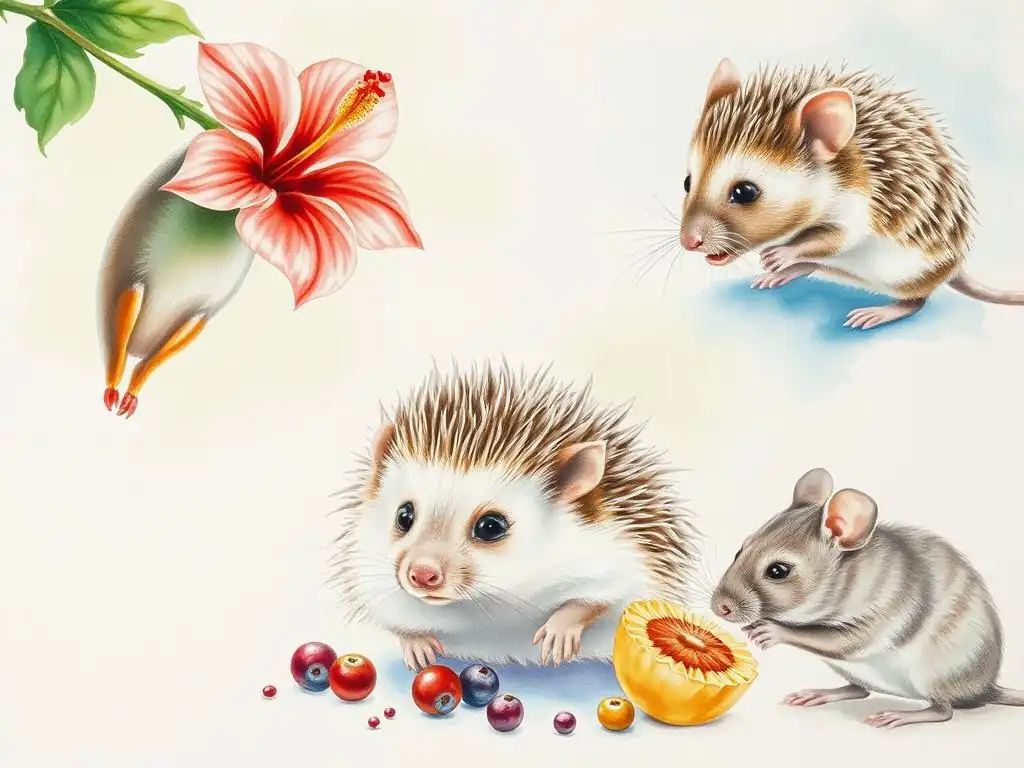
Sugar gliders, hedgehogs, and rats, while all considered small mammals, have vastly different dietary requirements. Understanding these nuances is crucial for their health and well-being. A poorly planned diet can lead to serious health complications, including obesity, nutritional deficiencies, and digestive issues. Therefore, a comprehensive understanding of their specific needs is paramount for responsible pet ownership.
Sugar gliders, for example, are primarily insectivores with a need for supplemental fruits and nectar. Their diet should consist of a high-quality commercial sugar glider mix, supplemented with insects like mealworms and crickets, and small amounts of fruits like mangoes and papaya. Avoid sugary foods and processed treats, as these can contribute to dental problems and obesity. A balanced diet is essential to prevent metabolic bone disease, a common ailment in sugar gliders.
Hedgehogs, on the other hand, are omnivores with a preference for insects. A high-quality commercial hedgehog food should form the base of their diet. This should be supplemented with occasional treats like mealworms, cooked eggs, and small amounts of fruits and vegetables. It's vital to avoid foods high in fat and sugar, which can lead to obesity and related health problems. Providing a varied and balanced diet helps ensure they receive all the necessary nutrients for a healthy coat and strong immune system. Remember to always offer fresh water.
Rats, while also omnivores, have a more diverse palate. They can tolerate a wider range of foods, including commercial rat pellets, vegetables, fruits, and even cooked meats in moderation. However, a diet primarily composed of table scraps is not recommended, as it can lead to nutritional imbalances. Commercial rat pellets should provide a solid foundation for their nutritional needs, supplemented with fresh fruits and vegetables for variety and enrichment.
Always ensure access to clean drinking water. Providing a variety of textures and flavors can also help prevent boredom and picky eating. Monitoring their weight and adjusting their food intake as needed is crucial for maintaining a healthy weight.
Insect Dietary Needs: Dietary Requirements for Praying Mantises, Stick Insects, and Crickets
Praying mantises, stick insects, and crickets, though all insects, have distinct dietary requirements reflecting their natural habitats and hunting strategies. Providing the appropriate diet is essential for their survival and overall health. Improper feeding can lead to malnutrition, stunted growth, and even death.
Praying mantises are obligate carnivores, meaning their diet consists entirely of live prey. They primarily feed on other insects, such as flies, crickets, and grasshoppers. The size of the prey should be appropriate to the mantis' size; too large a prey item can be dangerous. Providing a variety of prey ensures a balanced diet. It's crucial to understand the mantis' stage of life; nymphs require smaller prey than adult mantises. The frequency of feeding also depends on the mantis' age and activity level.
Stick insects, similar to mantises, also have specialized dietary needs. Many species are herbivores, feeding exclusively on leaves from specific plants. Providing the correct plant species is vital, as some stick insects are very selective in their food choices. Eucalyptus, bramble, and privet are common choices, but research the specific dietary needs of your particular species. A varied diet of fresh leaves is essential for their health and growth. Ensuring the leaves are clean and free from pesticides is crucial.
Crickets, often used as feeder insects, require a diet that supports their own nutritional value. A balanced diet for crickets should include a commercial cricket feed, supplemented with vegetables and fruits. This ensures they are providing the necessary nutrients to any animals that consume them. Maintaining a clean and hygienic environment for crickets is also vital to prevent disease and maintain their nutritional value. Overcrowding should be avoided, as it can lead to cannibalism and nutritional deficiencies. Providing adequate hydration through water crystals or a damp sponge is also crucial.
Choosing the Right Exotic Pet Food: A Practical Guide
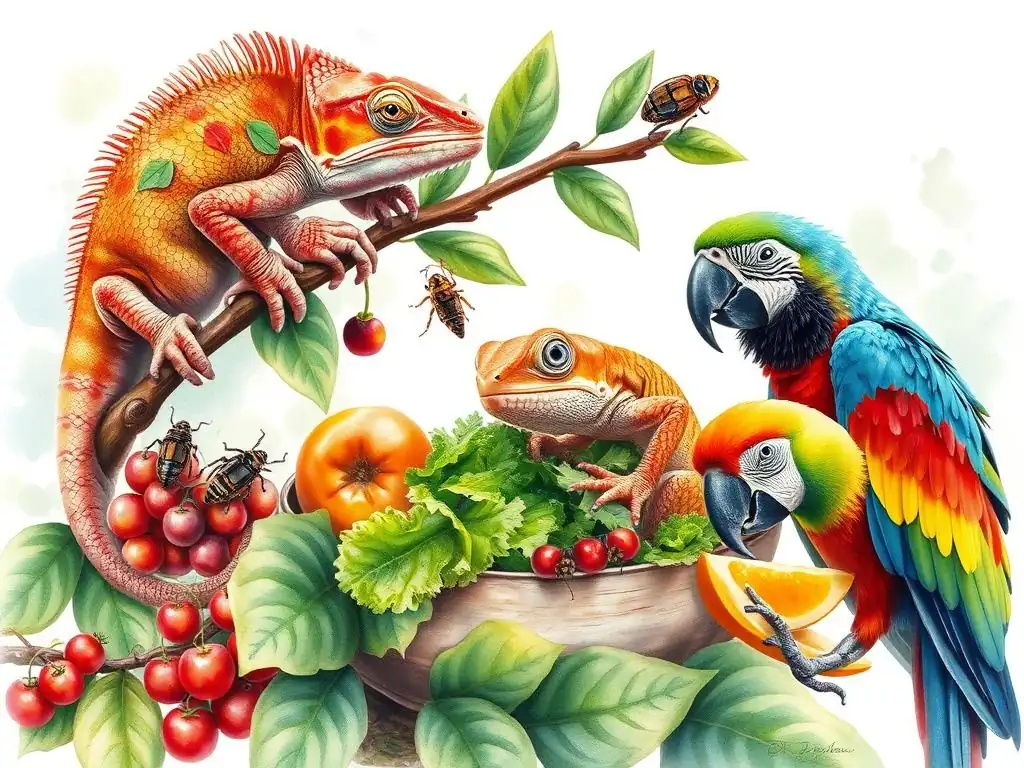
Selecting the appropriate diet for your exotic pet is crucial for their health and longevity. Unlike dogs and cats, whose dietary needs are relatively well-established, exotic pets exhibit a wide range of nutritional requirements depending on their species, age, and individual health status. This section of our exotic pet food guide will delve into the key considerations when choosing the best food for your unique companion.
Failing to meet their specific nutritional demands can lead to serious health problems, including nutritional deficiencies, metabolic bone disease, and organ damage. Therefore, thorough research and careful selection are paramount. Remember, consulting with an exotic animal veterinarian is always recommended before making significant changes to your pet's diet.
Commercial vs. Homemade Diets: Pros and Cons
Choosing between commercial and homemade diets for your exotic pet involves weighing several factors. Commercial diets, readily available at pet stores and online retailers, offer convenience and often contain balanced nutritional profiles formulated by veterinary nutritionists. However, the quality can vary greatly between brands, and some may contain fillers or ingredients of questionable nutritional value. Furthermore, commercial diets may not always cater to the specific needs of every exotic pet species.
| Feature | Commercial Diet | Homemade Diet |
|---|---|---|
| Convenience | High | Low |
| Cost | Moderate to High | Variable, potentially lower but requires time & effort |
| Nutritional Balance | Generally balanced, but quality varies widely | Requires meticulous planning and accurate measurements |
| Ingredient Transparency | Varies; some brands offer detailed ingredient lists | Complete control over ingredients |
| Species Specificity | Limited; may not suit all exotic pet species | Highly adaptable to species-specific needs |
Homemade diets, on the other hand, provide complete control over ingredients, allowing you to tailor the diet precisely to your pet's needs. However, creating a nutritionally balanced homemade diet requires significant knowledge of animal nutrition and careful planning. Inaccurate formulations can lead to severe nutritional deficiencies.
Moreover, preparing homemade food requires considerable time and effort. It's crucial to work closely with a veterinarian specializing in exotic animals to ensure the homemade diet meets all your pet's nutritional requirements. A properly formulated homemade diet can be exceptionally beneficial for pets with specific dietary needs or allergies, offering a superior alternative to commercial options.
Reading Exotic Pet Food Labels: Understanding Ingredients and Nutritional Values
Understanding exotic pet food labels is paramount to making informed choices. Unlike human food labels, pet food labels can be confusing. Pay close attention to the guaranteed analysis, which lists the minimum percentages of crude protein, fat, fiber, and moisture. Look for a label that clearly states the specific species the food is formulated for.
Avoid foods with vague descriptions or lengthy lists of fillers. A high-quality exotic pet food will prioritize whole, recognizable ingredients, such as fruits, vegetables, insects (depending on the species), and appropriately sourced protein sources. The order of ingredients indicates their proportion in the food; ingredients listed first are present in the highest amounts. Look for specific ingredients known to be beneficial to your pet's species.
For example, a diet for a bearded dragon might emphasize calcium and vitamin D3, while a diet for a gecko might focus on insects rich in chitin. Always compare multiple brands to find the best option for your pet's specific needs. Remember, a nutritious diet is the cornerstone of a healthy and happy exotic pet. Choosing the right food is a vital step in responsible pet ownership.
Supplementing Your Exotic Pet's Diet: Vitamins and Minerals
Even with the best commercial or meticulously planned homemade diet, supplemental vitamins and minerals may be necessary for some exotic pets. This is particularly true for species with specific dietary requirements or those prone to certain deficiencies. For example, reptiles often require supplemental calcium and vitamin D3 to prevent metabolic bone disease.
Certain insects, frequently fed to insectivores, may not provide sufficient amounts of these essential nutrients. Similarly, some herbivorous species might benefit from supplemental vitamins A and C. It's crucial to consult with your veterinarian to determine whether supplementation is necessary for your specific pet and to establish the appropriate dosage. Over-supplementation can be just as harmful as under-supplementation, potentially leading to toxicity.
Always use supplements specifically formulated for exotic pets and follow the manufacturer's instructions carefully. A balanced diet and appropriate supplementation, guided by your veterinarian, will contribute significantly to your exotic pet's overall well-being and help them thrive. Remember, proactive care is key to ensuring your exotic companion enjoys a long and healthy life.
Fresh Food Options for Exotic Pets: Safe and Healthy Choices
Choosing fresh food for your exotic pet requires careful consideration, as dietary needs vary greatly depending on the species. What's perfectly healthy for a bearded dragon might be toxic to a sugar glider. A crucial first step is identifying your pet's specific dietary requirements. This often involves researching their natural diet in the wild. For example, insectivores like geckos require a diet rich in insects, while herbivores like many tortoises thrive on a variety of leafy greens and vegetables.
Providing a balanced diet is key. Simply feeding your pet a single type of food, even if it's "healthy," can lead to nutritional deficiencies. Variety is the spice of life, and for your exotic pet, it's essential for optimal health. Incorporate a range of appropriate fresh foods, ensuring a balance of proteins, fats, carbohydrates, vitamins, and minerals. Consult a veterinarian specializing in exotic animals to create a customized dietary plan tailored to your pet's species, age, and health status. They can help you determine the appropriate proportions of various food items and recommend supplements if necessary.
Remember, preparing fresh food involves careful handling and storage to prevent bacterial contamination. Wash all produce thoroughly before serving, and store any leftovers properly to avoid spoilage. Always supervise your pet during feeding to monitor their intake and ensure they are consuming the appropriate amount of food. Observe your pet for any signs of digestive upset, such as vomiting or diarrhea, after introducing new foods.
If you notice any problems, consult your veterinarian immediately. A healthy exotic pet is a happy exotic pet, and proper nutrition plays a vital role in their overall well-being. This detailed approach to fresh food selection is crucial for those seeking a comprehensive exotic pet food guide.
Avoiding Toxic Foods for Exotic Pets: A Complete List
Many common household foods are toxic to exotic pets. Even seemingly harmless items like onions, garlic, and avocados can be deadly. Educating yourself about these toxic foods is paramount to ensuring the safety and longevity of your pet. This knowledge is crucial when navigating the complexities of an exotic pet food guide.
Here's a partial list of foods to absolutely avoid feeding your exotic pet:
| Toxic Food | Affected Species (Examples) | Symptoms |
|---|---|---|
| Chocolate | Dogs, Cats, Birds, Ferrets | Vomiting, diarrhea, hyperactivity, seizures |
| Onions & Garlic | Dogs, Cats, Birds, Reptiles, Rabbits | Anemia, gastrointestinal upset |
| Avocados | Birds, Rabbits, Guinea Pigs, Turtles | Vomiting, diarrhea, cardiac problems |
| Grapes & Raisins | Dogs, Cats, some Birds | Kidney failure |
| Caffeine | Most mammals, birds | Restlessness, tremors, heart problems |
| Xylitol | Dogs, some other mammals | Hypoglycemia (low blood sugar), liver failure |
| Alcohol | All animals | Central nervous system depression, organ damage |
| Raw Meat/Bones | Many species (risk of bacterial contamination) | Food poisoning, bacterial infections |
This is not an exhaustive list, and the toxicity of certain foods can vary depending on the species and the amount consumed. Always err on the side of caution and consult your veterinarian or a reputable exotic animal specialist before introducing any new foods into your pet's diet. Regular vet checkups are essential, allowing your veterinarian to monitor your pet's health and address any potential nutritional concerns. Remember, a well-informed pet owner is the best advocate for their exotic companion. This careful attention to detail is paramount when creating a safe and effective exotic pet food guide.
Maintaining Your Exotic Pet's Health Through Proper Nutrition
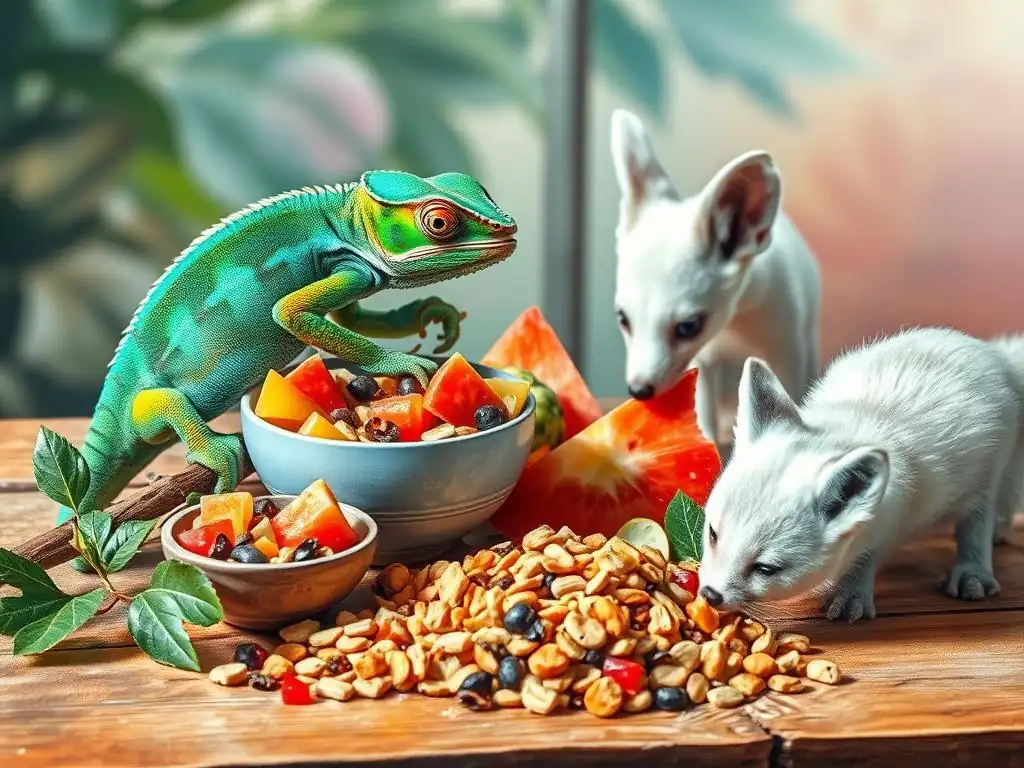
Maintaining the health of your exotic pet hinges significantly on providing a diet that precisely mirrors their natural dietary needs. Unlike cats and dogs, whose dietary requirements are relatively well-established, exotic pets boast an incredible diversity in their nutritional needs, making it crucial to conduct thorough research specific to your pet's species. An improperly balanced diet can lead to a range of health problems, from minor digestive upsets to severe, life-threatening conditions.
This section will delve into key aspects of ensuring your exotic companion receives the optimal nutrition for a long, healthy life. Remember, consulting with an exotic animal veterinarian is paramount; they can offer personalized dietary advice based on your pet's specific breed, age, and health status. This personalized approach is crucial for successful exotic pet food management.
Signs of Nutritional Deficiencies in Exotic Pets
Recognizing the subtle signs of nutritional deficiencies in exotic pets can be challenging, as these animals often mask their discomfort. However, being vigilant and knowing what to look for can make a significant difference in their well-being. Early detection allows for prompt intervention, preventing the deficiency from escalating into a more serious health issue. Some common indicators include:
- Lethargy and decreased activity levels: A noticeable drop in energy levels, reluctance to play, and overall sluggishness can signal a nutritional imbalance. This is particularly important for active species like certain lizards or birds.
- Changes in appetite: Sudden increases or decreases in food intake should raise a red flag. Complete loss of appetite is an especially serious warning sign.
- Shedding problems: Problems with shedding, either excessive or insufficient, can indicate vitamin or mineral deficiencies. This is especially relevant for reptiles whose skin sheds periodically.
- Weight loss or gain: Unexplained weight loss or excessive weight gain are both significant warning signs. These changes often reflect an unbalanced diet and can have cascading effects on your pet's overall health.
- Weakened immune system: Nutritional deficiencies can compromise the immune system, making your exotic pet more susceptible to infections and illnesses. Signs might include frequent infections or slow healing of wounds.
- Bone deformities: In some cases, deficiencies can lead to noticeable skeletal deformities. This is especially true for growing young animals.
- Behavioral changes: Changes in behavior, such as aggression or unusual tameness, could be indicative of underlying nutritional problems.
Remember, these are just some common signs. The specific symptoms will vary depending on the type of deficiency and the species of your exotic pet. Early detection and veterinary intervention are key to a positive outcome. Always consult with your veterinarian if you suspect a nutritional deficiency.
The Importance of Fresh Water for Exotic Pets
Providing access to fresh, clean water is just as crucial as providing the correct diet. Dehydration can rapidly become life-threatening for exotic pets, leading to organ failure and death. The frequency of water changes depends on the species and the type of water source provided. For example:
- Reptiles: Reptiles often require a shallow dish of water for drinking and soaking. The water should be changed daily to prevent bacterial growth. Some species may benefit from misting to increase humidity.
- Birds: Birds need a constant supply of fresh water, ideally in more than one location. They also need to be able to bathe in clean water regularly.
- Amphibians: Amphibians need water for drinking and swimming, and the water quality is particularly important. Chlorinated water should be avoided, and the water should be changed frequently.
The type of water bowl is also important. Some exotic pets may prefer certain types of bowls, and some bowls are easier to clean than others. Consider using ceramic or glass bowls, as these are easy to clean and less likely to harbor bacteria. Avoid plastic bowls, as some chemicals in plastic can leach into the water. Always monitor your pet's water intake. A decrease in water consumption might be an indicator of an underlying health problem and requires veterinary attention. 💧
Monitoring Your Exotic Pet's Weight and Body Condition
Regular monitoring of your exotic pet's weight and body condition is essential for early detection of potential health problems, including those related to nutrition. This involves more than just weighing your pet; it includes a visual assessment of their body condition. You should aim to weigh your pet at least once a month, and more frequently if there are concerns. Keep detailed records of their weight to track changes over time.
To assess body condition, look for the following:
| Body Condition Score | Description |
|---|---|
| 1 | Emaciated; ribs, spine, and pelvic bones are easily visible. |
| 2 | Very thin; ribs are easily visible. |
| 3 | Thin; ribs are palpable but not easily visible. |
| 4 | Ideal; ribs are palpable but not easily visible, waist is visible. |
| 5 | Slightly overweight; ribs are palpable with slight difficulty, waist is less defined. |
| 6 | Overweight; ribs are difficult to palpate, significant abdominal fat present. |
| 7 | Obese; ribs are not palpable, excessive abdominal fat. |
A score of 4 indicates an ideal body condition. Deviations from this ideal may indicate a need for dietary adjustments or veterinary attention. Remember, the ideal weight and body condition will vary depending on the species and breed of your exotic pet. Consult with your veterinarian to determine the ideal weight and body condition score for your specific pet. Regular monitoring, combined with a balanced diet and veterinary care, is crucial for maintaining the health and well-being of your exotic companion.
Consulting a Veterinarian for Specialized Dietary Advice
Regular veterinary check-ups are paramount for maintaining the health of any pet, but this is especially crucial for exotic animals. A veterinarian specializing in exotic animals possesses the in-depth knowledge necessary to assess your pet's individual needs and recommend a tailored diet. They can consider factors like species, age, weight, activity level, and any pre-existing health conditions to create a nutrition plan that promotes optimal well-being. This consultation isn't a one-time event; it should be an ongoing process, with follow-up appointments to monitor your pet's progress and make adjustments to their diet as needed.
Ignoring professional veterinary advice can lead to serious health problems, including malnutrition, obesity, or deficiencies that could significantly shorten your pet's lifespan. For example, a veterinarian might identify a specific vitamin deficiency in a bearded dragon that requires supplementation, or they might recommend a dietary change for a sugar glider struggling with weight management. The expertise of a specialist ensures that your exotic pet receives the precise nutrients it requires to thrive.
Remember, a healthy diet is a cornerstone of preventative care, and your veterinarian is your best resource for building that foundation. Don't hesitate to ask questions and discuss any concerns you may have about your pet's dietary needs. Proactive care is far more effective than reactive treatment.
Creating a Balanced Diet Plan for Your Exotic Pet: A Step-by-Step Guide
Crafting a balanced diet for an exotic pet requires careful planning and attention to detail. It’s not a one-size-fits-all approach; each species has unique nutritional requirements. Here's a step-by-step guide to help you create a healthy and appropriate diet for your unique companion:
- Identify Your Pet's Species and Subspecies: Knowing the exact species and subspecies is crucial. Different subspecies within the same species may have slightly different dietary needs. For instance, certain subspecies of gecko require more calcium than others.
- Research Species-Specific Dietary Needs: Thorough research is essential. Consult reputable sources like veterinary textbooks, scientific journals, and websites specializing in exotic pet care. Understanding your pet's natural diet in the wild will provide a valuable baseline.
- Determine the Appropriate Food Sources: This will vary significantly depending on your pet's species. Some exotic pets require a diet consisting primarily of insects, while others need fruits, vegetables, or commercially prepared diets. A balanced diet might involve a combination of these elements. For example, a chameleon might need a mix of crickets, mealworms, and specific fruits and vegetables.
- Calculate Daily Caloric Intake: This step often requires consultation with a veterinarian or a veterinary nutritionist. They can help determine the appropriate daily caloric intake based on your pet's age, weight, activity level, and overall health.
- Implement a Feeding Schedule: Establish a consistent feeding schedule to avoid overfeeding or underfeeding. The frequency and portion sizes will depend on your pet's species and life stage.
- Monitor Your Pet's Weight and Condition: Regularly monitor your pet's weight and overall body condition. Adjust the diet as needed to maintain a healthy weight and prevent obesity or malnutrition. Use a body condition scoring chart specific to your pet's species to assess their health.
- Provide Fresh Water: Always ensure your exotic pet has access to fresh, clean water. Dehydration can quickly become a serious problem.
- Supplement When Necessary: Some exotic pets may require dietary supplements to ensure they receive all the essential vitamins and minerals. Consult your veterinarian to determine if supplementation is necessary and which supplements are appropriate. This could include calcium, vitamin D3, or other specific nutrients.
- Keep a Detailed Food Diary: Maintain a detailed record of your pet's diet, including the types and amounts of food consumed. This information is invaluable for tracking progress and making necessary adjustments. This also helps your veterinarian assess any problems or deficiencies.
- Regular Veterinary Check-ups: Schedule regular veterinary check-ups to monitor your pet's health and ensure their diet continues to meet their evolving needs. This is vital for early detection and prevention of health problems. This ongoing monitoring is key to ensuring your exotic pet thrives. 🐾
Resources and Further Reading: Expanding Your Exotic Pet Food Knowledge

This section provides you with valuable resources to further your understanding of exotic pet nutrition and ensure your companion thrives. Navigating the world of exotic pet diets can be challenging, but with the right resources, you can confidently provide the best possible care. Remember, consulting with a veterinarian specializing in exotic animals is crucial before making any significant changes to your pet's diet. This guide complements, but does not replace, professional veterinary advice.
Reliable Sources of Information on Exotic Pet Nutrition
Finding trustworthy information about exotic pet nutrition is paramount. Avoid websites or blogs offering anecdotal evidence without scientific backing. Instead, prioritize resources from reputable organizations and qualified professionals. Here's what to look for:
- Veterinary Associations and Colleges: These institutions often publish research and guidelines on animal nutrition, including species-specific dietary recommendations. Look for publications and articles from veterinary professionals with expertise in exotic animal medicine. Their research is often peer-reviewed, ensuring accuracy and reliability.
- Zoological Societies and Research Institutions: Organizations dedicated to wildlife conservation and animal research frequently publish studies on the dietary requirements of various exotic species. These resources often delve into the natural diets of these animals, providing valuable insight into optimal captive diets. They are a great source for understanding the nutritional needs of your pet in a broader context.
- Academic Journals and Scientific Databases: While this may require some specialized knowledge to interpret, peer-reviewed scientific articles offer the most rigorous and evidence-based information on exotic pet nutrition. Databases like PubMed can be valuable resources, although they may require a subscription.
- Reputable Books on Exotic Pet Care: Many well-respected authors and veterinarians have written comprehensive books on exotic pet care, including detailed sections on nutrition. Choose books with up-to-date information and references to support their claims. Look for authors with established credentials in the field.
Remember to critically evaluate any information you find, checking for multiple sources to confirm the accuracy of the advice. Always prioritize information from qualified professionals over anecdotal evidence or unsubstantiated claims.
Finding Reputable Exotic Pet Food Suppliers
Choosing a reliable supplier for your exotic pet's food is just as important as finding reliable information. The quality of the food directly impacts your pet's health and well-being. Here are some key factors to consider when selecting a supplier:
- Ingredient Transparency: Reputable suppliers will clearly list all ingredients on their packaging, specifying their sources and quality. Avoid brands that use vague or misleading terms. Look for specific named ingredients rather than generic phrases.
- Nutritional Analysis: The packaging should include a detailed nutritional analysis, showing the levels of essential vitamins, minerals, and other nutrients. This allows you to compare different products and ensure they meet your pet's specific needs.
- Customer Reviews and Testimonials: Check online reviews and testimonials from other exotic pet owners. This can provide valuable insights into the quality of the food and the supplier's customer service. Pay attention to both positive and negative feedback.
- Certifications and Standards: Some suppliers may hold certifications or adhere to specific quality standards. These certifications can help ensure the food meets certain safety and quality requirements. Look for certifications related to food safety and manufacturing practices.
- Variety and Species-Specific Options: A reputable supplier will offer a range of food options to cater to different species and dietary needs. Avoid suppliers that only offer a limited selection of generic products.
Online Communities and Forums for Exotic Pet Owners
Connecting with other exotic pet owners can be invaluable. Online communities and forums provide a platform to share experiences, ask questions, and learn from others' successes and challenges. However, always remember to critically evaluate the information shared in these spaces. Not all advice is accurate or appropriate for your specific pet.
- Seek out moderated forums: Moderated forums are less likely to contain inaccurate or misleading information. Moderators can help ensure discussions remain factual and helpful.
- Be cautious of anecdotal evidence: While personal experiences can be insightful, always prioritize information from qualified professionals over anecdotal evidence.
- Verify information from multiple sources: Before making any significant changes to your pet's diet based on information from online communities, verify the information with multiple reliable sources.
- Engage respectfully and constructively: Contribute positively to the online community by sharing your knowledge and experiences responsibly. Remember to be respectful of others' opinions and experiences, even if they differ from your own.
Remember, responsible exotic pet ownership includes a commitment to ongoing learning and research. By utilizing these resources and staying informed, you can ensure your exotic pet receives the optimal nutrition for a long and healthy life. Remember, a balanced diet is a cornerstone of good health for any exotic pet. 🐾
Veterinary Specialists in Exotic Animal Nutrition
Finding a veterinarian experienced in exotic animal nutrition is crucial for ensuring your pet receives the proper diet. Many general practitioners have some knowledge, but specialized expertise is invaluable, especially for complex dietary needs or health issues. These specialists often possess advanced degrees and extensive experience working with a wide range of exotic species. They can provide personalized dietary recommendations tailored to your pet's specific breed, age, health condition, and lifestyle.
Don't hesitate to seek a second opinion if you have concerns about your pet's dietary plan. A qualified veterinary nutritionist can analyze your pet's current diet, identify potential deficiencies or excesses, and create a customized plan to address any nutritional imbalances. They can also help you navigate the often confusing world of commercially available exotic pet foods, helping you choose the best option for your companion. Remember, consulting a specialist is an investment in your pet's long-term health and well-being.
The cost of a consultation is often far outweighed by the potential benefits of preventing health problems related to poor nutrition. Finding a veterinary specialist might involve some research, but the payoff in terms of your pet's health is significant. Consider contacting your local veterinary school or animal hospitals; they often have referral lists of specialists in exotic animal care.
Online Forums and Communities for Exotic Pet Owners
Engaging with online communities dedicated to exotic pet ownership can be a valuable resource. These platforms often host discussions about dietary needs, food recommendations, and troubleshooting nutritional issues. Sharing experiences and learning from other owners can provide valuable insights and help you feel less alone in navigating the complexities of exotic pet nutrition.
However, remember to always verify information found online with trusted sources, such as veterinary professionals or reputable research studies. Some forums may contain misinformation, so critical thinking and a healthy dose of skepticism are essential. Look for forums with active moderators who actively monitor discussions to ensure accuracy and prevent the spread of misleading or harmful information.
Remember that your pet's dietary needs are unique, and what works for one animal may not work for another. Always prioritize professional veterinary advice over anecdotal evidence found in online forums. The combination of professional guidance and community support can create a powerful network for exotic pet owners seeking to optimize their pets’ diets.
Reputable Books and Academic Journals on Exotic Animal Nutrition
Supplementing your knowledge with reputable resources is essential for responsible exotic pet ownership. While online resources can be helpful, books and academic journals offer a deeper dive into the scientific aspects of exotic animal nutrition. Look for publications authored by veterinary nutritionists or researchers with proven expertise in the field. These sources often provide detailed information on specific dietary requirements, nutrient deficiencies, and the latest research findings.
When choosing books, check reviews and look for publications from established publishers specializing in veterinary medicine or animal science. For academic journals, consider accessing resources through your local library or university. These often contain peer-reviewed articles that provide rigorous scientific evidence on various aspects of exotic animal nutrition.
By consulting these resources, you can gain a more comprehensive understanding of your pet's nutritional needs and make informed decisions about their diet. Remember that consistent learning and staying updated on the latest research is crucial for ensuring your exotic pet's health and well-being. This proactive approach to learning will help you become a more informed and responsible pet owner.
Frequently Asked Questions
What makes exotic pet diets so different from dog or cat food?
Exotic pets have unique nutritional requirements based on their natural diets and metabolisms. Dog and cat food often lack the necessary nutrients for reptiles, birds, or other exotic animals, potentially leading to serious health issues. Species-specific diets are crucial.
Where can I find reliable information on proper exotic pet nutrition?
PetCareWorld offers a comprehensive Exotic Pet Food Guide with detailed dietary information for various species. Reputable veterinary professionals specializing in exotic animals are also excellent resources. Always prioritize trusted sources over anecdotal advice.
What are some common mistakes pet owners make when feeding exotic pets?
Common mistakes include feeding inappropriate human foods, relying on generic pet store mixes, and ignoring species-specific dietary needs. Incorrect diets can lead to nutritional deficiencies, metabolic bone disease, and other health problems.
How often should I feed my exotic pet?
Feeding frequency varies greatly depending on the species and age of your pet. Some reptiles may only need to eat once a week, while others may require daily feedings. Consult your veterinarian or a trusted exotic animal specialist for species-specific guidance.
What are the signs of malnutrition in exotic pets?
Signs can include weight loss or gain, lethargy, poor skin and coat condition, and digestive problems. If you notice any of these symptoms, consult a veterinarian immediately for a proper diagnosis and treatment plan. Early intervention is key.
Final Reflection: Nourishing the Extraordinary: A Call to Responsible Exotic Pet Ownership
The unique dietary needs of exotic pets are not merely a niche interest; they are a critical component of responsible pet ownership, directly impacting the health and well-being of these fascinating creatures. Failing to understand and meet these specialized requirements can lead to serious health problems, reduced lifespan, and ultimately, unnecessary suffering. The welfare of these animals rests squarely on our shoulders.
The journey into understanding exotic pet nutrition is a continuous learning process, one that constantly challenges our assumptions about pet care. It's a journey that has profoundly impacted my own understanding of animal welfare, highlighting the interconnectedness of species and the ethical responsibility we bear towards those we choose to share our lives with. The greatness of a nation and its moral progress can be judged by the way its animals are treated.
- Mahatma Gandhi. This quote resonates deeply, reminding us that our compassion extends beyond the familiar and into the world of the extraordinary.
Now, consider your own role in this. Are you ready to delve deeper into the world of exotic pet nutrition? Perhaps you've already adopted an exotic pet and are seeking to improve their care.
Or maybe this article has sparked your curiosity, and you're considering responsible exotic pet ownership. Regardless of your current situation, I urge you to continue learning, to seek out reliable information, and to prioritize the well-being of these unique animals above all else. Your commitment to responsible pet ownership will not only enrich the life of your exotic companion but also contribute to a more compassionate and informed world.
Unleash Your Pet's Inner Gourmet: Discover Their Perfect Diet!
Thank you for exploring the world of exotic pet nutrition with us! We hope you've gained valuable insights into creating a truly thriving diet for your unique companion. Ready to put this new knowledge into practice?
- Craft a customized meal plan: Use what you've learned to create a delicious, balanced diet tailored to your pet's specific needs. Try a new recipe or ingredient you discovered today!
- Share your success (or questions!): Join our PetCareWorld community and share your pet's dietary journey. Let's learn from each other and celebrate healthy, happy exotic pets! Even better, share photos of your pet enjoying their new, healthy meals!
- Explore further: Dive deeper into specific dietary concerns by exploring our extensive library of resources (accessible from the homepage).
What exciting culinary adventures will you and your pet embark on today?