Snake and Spider Bites in Pets: First Aid Steps and What to Expect
😊 Suspect a snake or spider bite on your pet? PetCareWorld's expert guide offers crucial first aid steps for swift action, covering…
Read article
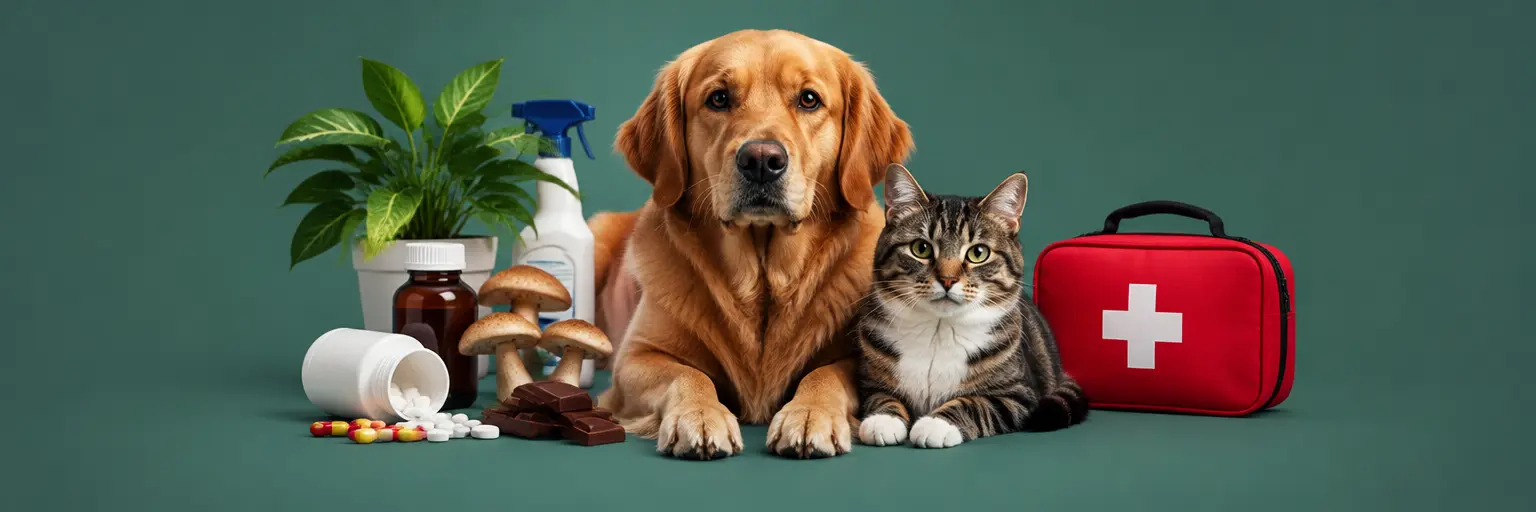
Act fast when your furry friend encounters a toxin! At PetCareWorld, we know that accidental poisoning is a terrifying emergency, but staying calm and informed can save your pet’s life. Our expert-backed guides cover the most common dangers lurking in your home—from chocolate and xylitol to household plants and human medications—plus clear, step-by-step instructions for what to do immediately after ingestion. Learn to recognize the subtle signs of toxin exposure, understand when to induce vomiting (and when absolutely not to), and discover how to create a pet-proofing checklist for every room. With actionable advice on contacting your vet or poison control hotlines and preparing for emergency visits, you’ll gain the confidence to act decisively under pressure. Trust PetCareWorld to turn panic into preparedness, because every second counts when your beloved companion’s health is on the line. Bookmark this vital resource and empower yourself with the knowledge to keep your pets safe, happy, and toxin-free.

😊 Suspect a snake or spider bite on your pet? PetCareWorld's expert guide offers crucial first aid steps for swift action, covering…
Read article
😊 Suspect cat poisoning? PetCareWorld's expert guide provides crucial cat poisoning first aid steps for toxin ingestion. Act fast; learn how to…
Read article
😊 Protect your furry friends! PetCareWorld's guide to household poison prevention offers crucial information on common toxins and simple safety steps to…
Read articleWelcome to PetCareWorld’s dedicated guide on poisoning and toxin ingestion in pets. This subcategory is your go-to resource for recognizing, responding to, and preventing dangerous exposures. From household cleaners to toxic foods, we cover the most common threats to dogs, cats, birds, and reptiles. Our expert-backed advice empowers you to act swiftly and confidently in an emergency, potentially saving your pet’s life. Knowledge is your first line of defense—equip yourself with the essentials below.
When you suspect your pet has ingested a toxin, every second counts. First, stay calm and remove your pet from the source of exposure. Do not induce vomiting unless explicitly instructed by a veterinarian or poison control hotline, as some substances cause more harm coming back up. Gather any packaging, plant samples, or remnants of the substance to aid identification. Immediately call your vet or the ASPCA Poison Control (888-426-4435); note there may be a consultation fee. Keep your pet’s weight, age, and breed information handy for accurate dosing advice.
While waiting for professional guidance, monitor your pet’s breathing, heart rate, and consciousness. If they collapse or have seizures, seek emergency veterinary care immediately. Avoid home remedies like milk, salt, or hydrogen peroxide unless recommended by a professional—these can worsen toxicity. Time-critical cases may require activated charcoal or intravenous fluids, so prioritise reaching a clinic. Remember: never assume “a little bit” is harmless, as even small doses can be fatal for smaller animals or birds.
Many everyday human foods are poisonous to pets. Chocolate, xylitol (artificial sweetener), grapes, raisins, onions, garlic, macadamia nuts, and alcohol top the list. Dark chocolate and baking chocolate are the most dangerous due to theobromine. Xylitol, often found in sugar-free gum and peanut butter, causes rapid insulin release and severe hypoglycemia in dogs. Signs of food poisoning include vomiting, diarrhea, lethargy, tremors, and increased thirst. In cats, lilies and certain essential oils are equally hazardous.
Prevention is simple: secure trash cans, keep counter foods out of reach, and educate family members about safe feeding practices. If ingestion occurs, check ingredient labels immediately for toxic compounds. Even “natural” products like avocado or citrus can harm birds and reptiles. For birds, avoid avocado, caffeine, and chocolate absolutely. Always maintain a list of emergency contacts, including your regular vet and a 24-hour emergency clinic, and keep it visible near your phone or on the fridge.
Your home is full of potential toxins—from cleaning sprays and antifreeze to common houseplants like sago palm, philodendron, and aloe vera. Rodenticides and insecticides are particularly lethal, often causing internal bleeding or neurological damage. Keep all chemicals locked away and use pet-safe alternatives whenever possible. Medications are another major culprit; pain relievers like ibuprofen and acetaminophen are highly toxic to cats and dogs. Even topical treatments for fleas meant for dogs can be deadly if applied to cats.
When poisoning occurs from a household product, check the label for active ingredients. For plants, take a photo or a cutting to the vet for identification. Activated charcoal binds certain toxins but must be given under supervision—it’s not a universal antidote. Flush your pet’s skin with lukewarm water if the toxin is on the fur, but avoid using soap unless directed. Regularly pet-proof your home: inspect for exposed wires, secure trash, and swap toxic plants for pet-safe varieties like spider plants or Boston ferns.
Bites from snakes, spiders, and stings from bees or wasps can cause anaphylactic shock or local tissue damage. Signs include sudden swelling, drooling, weakness, or difficulty breathing. For snake bites, keep the pet calm and immobile; do not apply ice, cut the wound, or use a tourniquet, as these worsen the outcome. Try to safely photograph the snake from a distance for identification, but never risk your own safety to capture it. For insect stings, carefully remove the stinger with a credit card (not tweezers) to avoid squeezing more venom.
Antihistamines like diphenhydramine may be safe in specific doses, but always consult a vet first, especially for cats or exotic pets. Wrap the pet in a warm blanket and transport them flat to the vet. For reptiles, bites can lead to infection; keep them warm and quiet. Monitor for signs of anaphylaxis—vomiting, collapse, or pale gums—which require immediate emergency intervention. Preventative measures include clearing brush piles, supervising outdoor time, and using pet-safe insect repellents.
Being prepared drastically improves outcomes. Your kit should include: a 3% hydrogen peroxide solution (for inducing vomiting only under vet advice), activated charcoal capsules, a digital thermometer, sterile saline for eye flushing, and a muzzle (even gentle pets bite when in pain). Include your vet’s number, the nearest emergency clinic, and the ASPCA Poison Control number. Store this kit in a cool, dry place away from children, but accessible to you in an emergency. Also include a list of your pet’s medical history, weight, and microchip number.
Practice a drill with your family: who calls the vet, who secures the pet, who collects the toxin’s packaging. Time lost in panic is fatal, so rehearse calm, clear action. For birds and reptiles, add heat pads (electrical or chemical) to stabilize body temperature during transport. Update the kit every six months—check expiration dates on hydrogen peroxide and charcoal. Additionally, save a digital note on your phone with first-aid protocols for quick reference. This simple preparation turns a frantic crisis into a manageable, life-saving response.
Signs include vomiting, diarrhea, drooling, lethargy, tremors, seizures, difficulty breathing, pale gums, and sudden collapse. Some toxins cause no immediate symptoms but show up hours later. If you notice any unusual behavior after possible exposure, contact your vet immediately.
Only if a veterinarian or poison control instructs you to do so. Never induce vomiting for caustic substances (bleach, acids) or petroleum products, as it causes more tissue damage. Use 3% hydrogen peroxide under professional guidance, and never for cats.
Most toxins require intervention within 1-2 hours to be effective. However, some like antifreeze (ethylene glycol) have a critical window of just 30 minutes. Time is tissue—seek emergency care immediately, even if your pet seems fine initially.
No, essential oils like tea tree, peppermint, and citrus are toxic to cats and birds, and can be harmful to dogs in high concentrations. They can cause respiratory distress, skin burns, or liver damage. Always diffuse oils in well-ventilated areas and keep pets from licking surfaces.
Stay calm and gently release pressure. Dogs and cats often bite out of fear or pain. Use a towel as a barrier or muzzle if available. Clean the wound with soap and water, seek medical care for yourself if needed, and then continue helping your pet—their life may still depend on you.







