How to Handle a Pet That Resists Wound Care: Gentle Techniques
😊 Worried about treating your pet's wound? PetCareWorld offers gentle pet wound care tips to soothe even the most resistant animals. Learn…
Read article
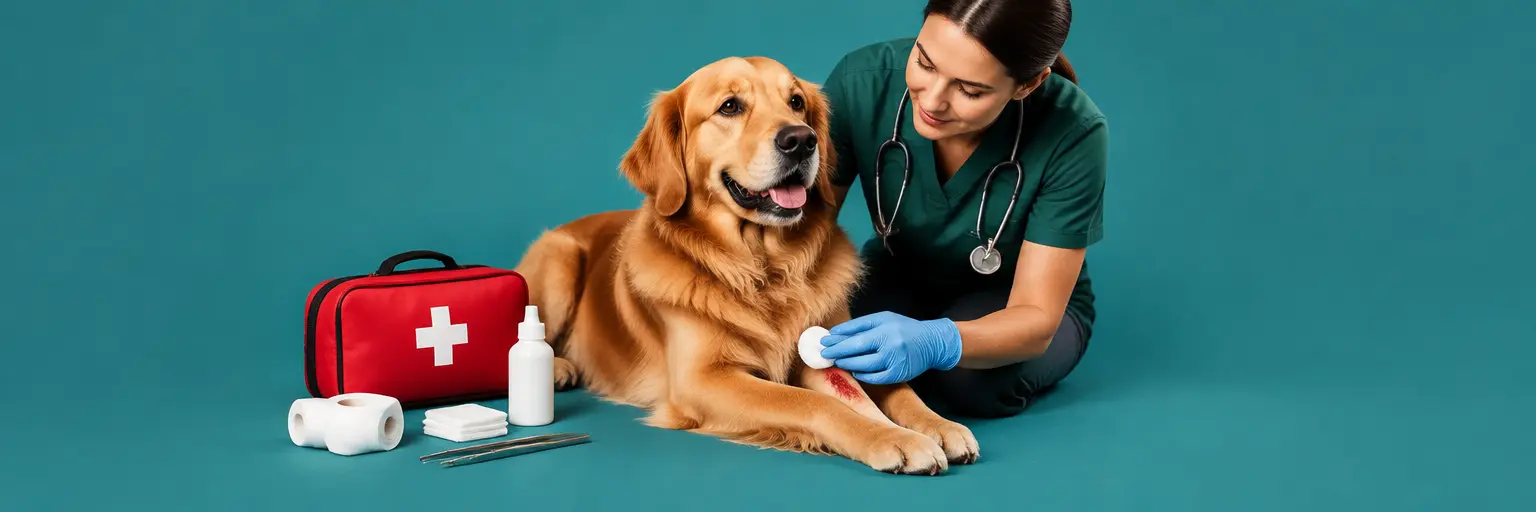
Mastering pet first aid basics for wound care is a vital skill for every responsible pet owner, and it can make all the difference in an emergency. Whether your furry friend has a minor scrape from outdoor adventures or a deeper cut, knowing how to act calmly and correctly helps prevent infection, reduce pain, and speed up healing. Our expert-backed guidance covers essential steps like cleaning wounds safely, applying pressure to control bleeding, and using pet-safe antiseptics—all without causing unnecessary stress to your companion. From dogs and cats to smaller critters, we focus on practical, easy-to-follow techniques that empower you to handle common injuries with confidence. Immediate, proper care not only protects your pet’s health but can also save you costly vet visits for issues that are manageable at home. Learn to recognize when a wound needs professional attention and when you can safely treat it yourself. With clear instructions, safety checklists, and preventive tips, you’ll be ready to respond effectively and keep your beloved animal safe, comfortable, and thriving in every situation.
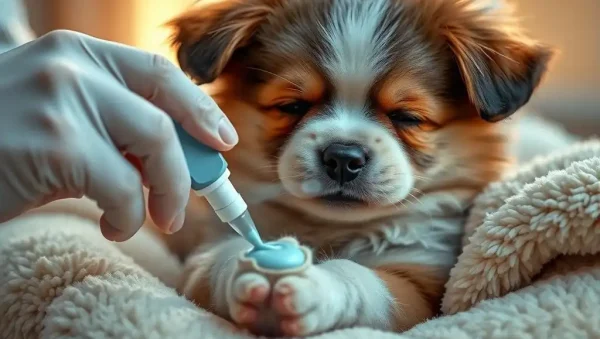
😊 Worried about treating your pet's wound? PetCareWorld offers gentle pet wound care tips to soothe even the most resistant animals. Learn…
Read article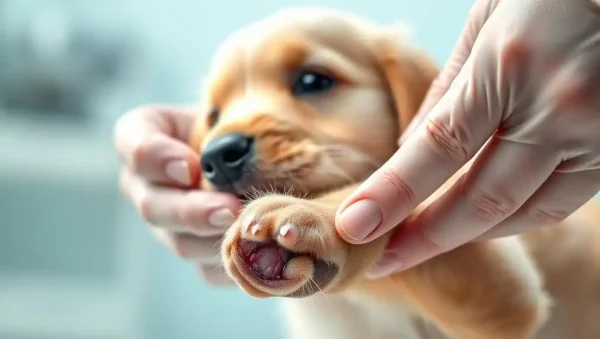
😊 Swift action is crucial! PetCareWorld emphasizes the importance of early pet wound care treatment to prevent infection and promote faster healing.…
Read article
😊 Discover safe, effective natural pet wound healing remedies for your furry, feathered, or scaled friend. PetCareWorld offers expert advice on alternative…
Read articleAccidents happen, and knowing how to respond quickly and correctly when your pet gets a cut, scrape, or puncture wound can make all the difference between a minor issue and a serious infection. This comprehensive guide on Pet First Aid Basics – Wound Care equips you with the essential knowledge to assess, clean, and treat common injuries at home, while clearly identifying when professional veterinary care is non-negotiable. From assembling a proper first aid kit to managing bleeding and preventing infection, we cover the practical steps that every responsible pet owner should master. Your pet’s safety and comfort are our top priority, so let’s dive into the critical skills that could save your furry friend’s life one day.
Preparation is the cornerstone of effective wound care. Having a dedicated, well-stocked first aid kit specifically for your pet ensures you are never scrambling in an emergency. Your kit should include sterile gauze pads, non-stick bandages, adhesive tape, antiseptic wipes (chlorhexidine or povidone-iodine, not alcohol or hydrogen peroxide), blunt-tip scissors, tweezers, a digital thermometer, and a muzzle – even the sweetest pet can bite when in pain. Also include a saline solution for rinsing wounds and a clean towel for pressure.
Beyond the basics, consider adding a styptic powder to stop minor bleeding from trimmed nails, and an Elizabethan collar (cone) to prevent licking. Store your kit in a clearly labeled, waterproof container in an easily accessible location, and check it monthly to replace expired items or restock used supplies. Familiarize yourself with each item’s purpose before an emergency occurs, and keep a laminated instruction card with emergency veterinary contacts and your pet’s medical history inside the kit, ensuring you are always ready for the unexpected.
When you discover a wound, your first action is to remain calm and assess the severity. Approach your pet slowly and speak soothingly; if they are distressed, place a muzzle to protect yourself. For severe bleeding, apply firm, direct pressure using a clean gauze pad or cloth for at least five to ten minutes without peeking to check if bleeding has stopped. If blood soaks through, add more padding on top rather than removing the original layer, as this disrupts clot formation. Elevate the injured limb if possible, but do not attempt to apply a tourniquet unless there is life-threatening, pulsatile bleeding and you have been trained to do so.
For minor wounds, gently examine the area to check for foreign objects like glass, thorns, or debris. Never try to remove deeply embedded objects – that is a job for your veterinarian, as attempted removal can cause further damage or severe bleeding. Look for signs of shock, such as pale gums, rapid heartbeat, weakness, or collapse, which require immediate emergency veterinary care. If the wound is deeper than the skin layers, is gaping, or is located on the face, chest, or abdomen, seek professional help right away, as internal damage or severe infection risks are high.
Once bleeding is under control, the next priority is cleaning the wound to prevent bacterial infection. Start by flushing the area with a sterile saline solution or lukewarm clean water to remove dirt and debris. Use a syringe or a clean squeeze bottle for gentle, steady irrigation, taking care not to force debris deeper into the tissue. Avoid using hydrogen peroxide or rubbing alcohol, as these agents can damage healthy cells and delay healing. Instead, use a diluted chlorhexidine or povidone-iodine solution (as directed by your vet) applied with sterile gauze to gently clean the surrounding skin.
After flushing, pat the wound dry with a clean, lint-free cloth or gauze. Apply a thin layer of antibiotic ointment specifically formulated for pets, avoiding any products with pain relievers like hydrocortisone or ingredients toxic to animals, such as zinc. Cover the wound with a sterile non-stick pad and secure it with medical tape, ensuring it is snug but not so tight that it restricts circulation. Change the dressing daily or if it becomes wet or dirty, and monitor the wound closely for signs of infection, including redness, swelling, heat, discharge, or a foul odor, which warrant immediate veterinary consultation.
Not all wounds can be managed at home. Call your veterinarian without delay if your pet has a puncture wound, especially from an animal bite, as these can introduce bacteria deep into tissues and cause abscesses. Also seek immediate care if the wound is large, deep, or won’t stop bleeding after 10 minutes of pressure. Wounds on the eyes, ears, chest, abdomen, or near joints are high-risk and require professional evaluation. Additionally, any wound caused by a rusty object, or any wound accompanied by lethargy, fever, loss of appetite, or signs of extreme pain, should be treated as an emergency.
Beyond the physical wound itself, consider your pet’s vaccination status. If your pet is not up-to-date on tetanus or rabies vaccines and suffers a puncture or bite wound, veterinary intervention is critical within 24 hours to assess the risk and administer necessary boosters. Even seemingly minor wounds can become serious if underlying bone or tendon damage is present. A veterinarian can properly clean, debride (remove dead tissue), and prescribe oral antibiotics or pain medications to ensure a full recovery. When in doubt, always err on the side of caution and call your vet – your pet’s health is always worth the extra trip.
After the initial treatment, your role shifts to vigilant aftercare. Keep the wound clean and dry, and check the bandage twice daily to ensure it stays in place and does not become wet or overly tight, which could restrict blood flow. If you notice swelling, a cold limb, or discoloration below the bandage, remove it immediately and contact your vet. Change dressings as often as your veterinarian recommends, or at least every 24 hours, always using sterile supplies and gentle technique. Maintain a clean environment to reduce the risk of recontamination, and keep your pet indoors and away from dirt and licking.
Preventing your pet from licking or chewing the wound is essential for healing. Licking introduces bacteria, irritates the skin, and can pull out sutures. An Elizabethan collar (cone) or a soft inflatable collar is often the easiest solution, though you can also use a t-shirt or a specially designed recovery bodysuit to cover the area. Keep your pet calm and restrict their activity, as excessive movement can reopen wounds or cause strain. Watch for any behavioral changes like increased pain, restlessness, or hiding, and monitor their appetite and bathroom habits. If you observe any regression in healing, contact your vet promptly for further guidance.
Even with perfect care, infections can still occur, especially in pets with compromised immune systems or chronic conditions like diabetes. Be vigilant for key red flags: increased swelling or redness around the wound, warmth to the touch, pus or cloudy discharge, persistent bleeding, an unpleasant odor, or your pet becoming unusually lethargic or feverish. If your pet’s temperature exceeds 103°F (39.4°C), seek veterinary care immediately. Additionally, if the wound edges appear black or the skin turns pale and painful, this may indicate tissue death (necrosis) that requires surgical intervention.
While natural remedies like honey (medical-grade manuka) or aloe vera can be soothing for minor scrapes, they should never replace veterinary care for serious wounds. For small, superficial abrasions, you can apply a thin layer of raw honey after cleaning, as it has natural antibacterial properties, but always check with your vet first, especially if your pet has a history of allergies. Never use essential oils, homemade herbal salves, or human medications without professional approval, as many are toxic to pets. The safest path to infection prevention is prompt, proper cleaning followed by appropriate veterinary oversight and prescribed antibiotics when necessary.
Some items are safe, such as sterile gauze, saline solution, and blunt scissors, but you must avoid human antiseptics like hydrogen peroxide or rubbing alcohol. Human antibiotics and pain relievers (e.g., ibuprofen, acetaminophen) are often toxic to pets. Always choose pet-specific supplies or ask your vet for recommendations before using anything new on your animal.
Using a muzzle is the safest method, but if you don’t have one, you can improvise with a strip of cloth, a leash, or even a long piece of gauze tied gently around the snout (never over the nose or eyes). Speak softly and have a helper hold your pet’s head, and always keep treats nearby to reward calm behavior.
Do not attempt to remove the object yourself. Apply gentle pressure around the object to control bleeding, stabilize it with padding, and get to a veterinarian immediately. Removing an embedded object without professional care can cause severe bleeding, tissue damage, or push the object deeper into vital structures.
Mild redness and swelling are part of the normal healing process, especially within the first 48 hours. However, if you see spreading redness, excessive swelling, discharge, a bad smell, or your pet seems in increasing pain, that suggests infection. Contact your vet promptly for an evaluation.
No, you should never allow licking. Although saliva has some mild antibacterial properties, it also introduces harmful mouth bacteria and can cause irritation, infection, and delayed healing. Use an Elizabethan collar or protective covering to keep the wound dry and clean until your vet confirms it is healed.







