The Complete Guide to Pet Dental Care for Beginners
😊 Mastering pet dental care can seem daunting, but our beginner's guide provides essential steps for keeping your furry friend's smile healthy.…
Read article
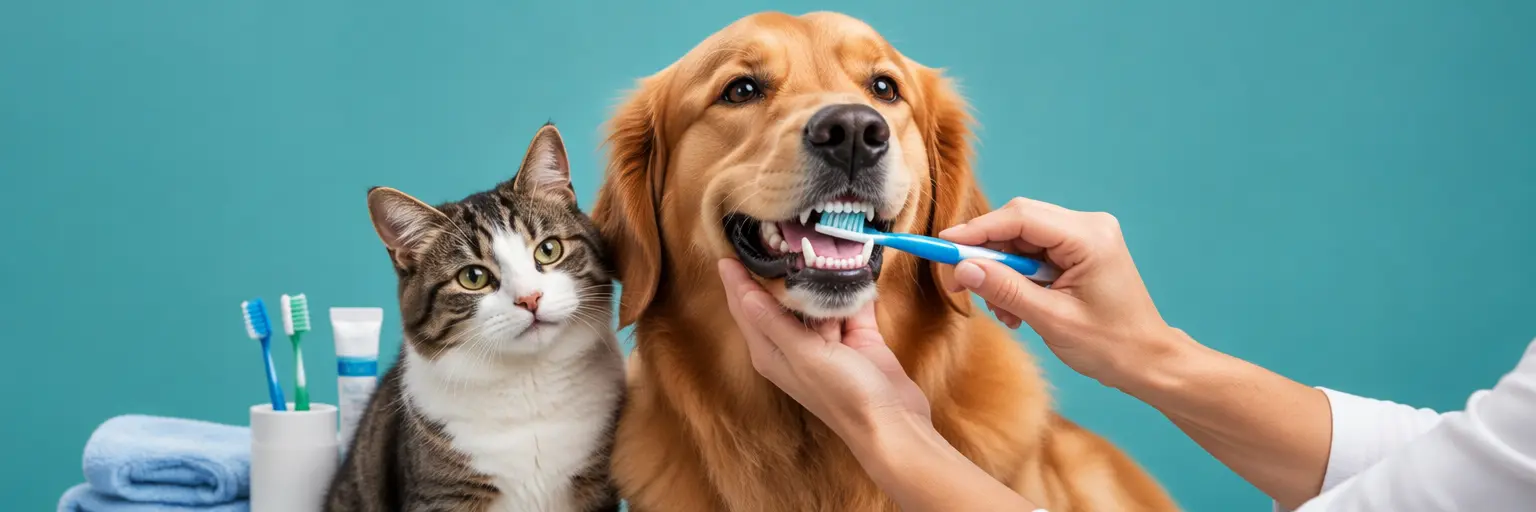
Proper dental care is a cornerstone of your pet’s overall health, and brushing their teeth is the most effective way to prevent plaque, tartar, and painful gum disease. At PetCareWorld, we make this essential routine simple and stress-free with step-by-step guidance, vet-approved techniques, and product recommendations tailored to dogs, cats, and even exotic pets. Learn how to introduce tooth brushing gradually, choose the right pet-safe toothpaste, and master gentle brushing angles that keep your furry friend comfortable and cooperative. 🦷🐾 By dedicating just a few minutes daily, you can avoid costly dental procedures, freshen their breath, and protect their heart, kidneys, and joints from the dangers of oral bacteria. Whether you’re a first-time owner or looking to refine your approach, our expert tips empower you to build a positive, lifelong habit that strengthens your bond and ensures a happier, healthier companion. Start your pet’s brighter smile journey today—because a healthy mouth means a thriving pet!

😊 Mastering pet dental care can seem daunting, but our beginner's guide provides essential steps for keeping your furry friend's smile healthy.…
Read article
😊 Mastering large dog teeth brushing techniques is crucial for their health. PetCareWorld's guide reveals effective strategies for tackling even the most…
Read article
😊 Discover the crucial link between diet and your pet's dental health. Learn how nutrition impacts oral hygiene, preventing costly vet visits…
Read articleProper dental hygiene is a cornerstone of overall pet health, yet it is often overlooked by well-meaning owners. At PetCareWorld, our Pet Dental Care - Brushing Your Pet's Teeth subcategory is your definitive resource for understanding why daily brushing matters and how to do it effectively without stress. From choosing the right toothbrush and toothpaste to mastering the technique for both dogs and cats, we cover every aspect to prevent periodontal disease, bad breath, and costly veterinary procedures. Explore expert-backed tips, step-by-step tutorials, and troubleshooting advice that will transform brushing from a chore into a bonding ritual.
Selecting appropriate dental tools is the first step toward successful brushing. Human toothpaste contains xylitol and fluoride, which are toxic to pets, so you must use veterinary-approved enzymatic toothpaste in flavors like poultry or malt. For the brush, options include finger brushes for timid pets, dual-headed brushes for angled access, and silicone brushes for sensitive gums. Size matters: a small-headed brush suits cats and toy breeds, while larger dogs benefit from long-handled designs. Look for soft bristles to avoid gum irritation and replace brushes every three months or after illness. Always introduce tools gradually—let your pet sniff and taste the toothpaste before brushing.
Consider your pet’s specific temperament and mouth anatomy. For brachycephalic breeds like Pugs or Persians, a finger brush offers better control, while deep-mouthed dogs may require a curved handle. Electric toothbrushes designed for pets can improve plaque removal but may scare anxious animals. Test two or three options at home, rewarding calm behavior with treats. Investing in high-quality tools not only protects enamel but also reduces the risk of fractured teeth from hard plastic. Pair your choice with dental wipes or rinses for extra protection on busy days. For cats, prioritize cat-specific pastes, as canine formulas often contain ingredients that upset feline stomachs.
Mastering the correct brushing technique is essential for both efficacy and your pet’s comfort. Begin by gently lifting the upper lip and brushing at a 45-degree angle toward the gum line using small, circular motions. Focus on the outer surfaces of the teeth, where plaque accumulates most, and spend roughly 30 seconds per side. For dogs, aim for 30-60 seconds total; for cats, start with 10-15 seconds and gradually increase. Never use human toothpaste, and always let your pet set the pace—stop if they show severe distress and try again later. Consistency trumps perfection: even three times per week outperforms sporadic deep cleans.
To ease introduction, acclimate your pet over several days. Day one: let them taste the toothpaste from your finger. Day two: rub a dab on their teeth with your bare finger. Day three: introduce the brush without paste. By day five, you can begin real brushing. Use positive reinforcement—treats, verbal praise, and play—immediately after each session to build a positive association. If your pet resists, try brushing while they are lying down or use a helper to gently restrain them. For cats, wrapping them in a towel (“burrito style”) minimizes scratching. Never force the mouth open; instead, use one hand to lift the lip while the other brushes. Always rinse the brush after use and store it in a dry, clean place to prevent bacterial growth.
Veterinarians universally recommend brushing daily for optimal oral health, but life often gets busy. Realistically, aim for at least three to four times per week—this frequency significantly reduces plaque and tartar buildup compared to weekly brushing. For senior pets or those with a history of dental disease, daily brushing becomes non-negotiable to manage pain and prevent systemic infections. Puppies and kittens should be introduced to brushing as early as eight weeks old to establish lifelong habits. If you miss a day, do not double up; simply resume your normal schedule to avoid gum irritation.
Combine brushing with annual professional cleanings under anesthesia, as brushing alone cannot remove hardened calculus. For pets that absolutely refuse brushing, consider alternative aids like dental chews, water additives, and plaque-reducing diets, but treat these as supplements rather than replacements. Monitor your pet’s breath—persistent halitosis signals dietary issues or hidden infection. Seasonal changes can affect routine, so keep a reminder on your phone or attach the brush to your toothbrush holder. Consistency matters more than intensity; a gentle two-minute session daily outperforms aggressive ten-minute weekly scrub downs that may harm enamel.
Cats present unique challenges due to their sensitive mouths and instinctive aversion to restraint. Use cat-specific enzymatic toothpaste in flavors like fish or chicken. For small breeds—Chihuahuas, Yorkshire Terriers, or rabbits—opt for ultra-soft finger brushes that feel less intrusive. Cats have sharper teeth with tighter gaps, so a narrow-head brush or even a cotton swab can work in a pinch. Start gently with just the canines and premolars, as molars are hard to reach and often less problematic. Never force a cat’s jaw open; instead, insert the brush at the side of the mouth and let them close down slightly. Reward with high-value treats like freeze-dried chicken or tuna flakes after every session.
For exotic pets like rabbits and guinea pigs, dental care differs entirely—they require constant gnawing on hay and chew toys to wear down continuously growing teeth. Brushing is rarely necessary, but routine oral inspections are vital to detect malocclusion. In multi-pet households, brush each animal separately to prevent cross-contamination of bacteria. Cats aged seven and older are prone to tooth resorption, so focus on monitoring discomfort rather than aggressive brushing. If your cat displays severe resistance, consult your vet about alternative products like chlorhexidine gels, which have antibacterial properties. Always end on a positive note—never chase a hiding cat to continue brushing, as this damages trust.
Even seasoned pet owners make mistakes that undermine their efforts. The most frequent error is brushing only the front teeth, leaving molars untouched—over 60% of plaque accumulates on the back teeth. Another mistake is using a backward-and-forth sawing motion, which scratches enamel and causes gum recession. Always brush in circles. Applying excessive pressure also harms gums; a gentle touch that still removes plaque requires practice. If you see light pink tinges on the brush, you may be brushing too hard or your pet may have early gingivitis; a small amount is normal initially. However, persistent bleeding after multiple sessions indicates infection—consult your vet.
Troubleshoot refusal by checking flavor aversions: if your pet spits out the paste, switch brands. Some pets fear the buzzing of electric brushes; transition slowly by turning it on near them without touching. If your pet bites the brush, use a finger brush instead and give a chew toy immediately after. For a pet that constantly moves their head, try brushing while they stand on a non-slip mat to stabilize them. Never punish your pet for resistance—this increases anxiety. If after two weeks there is no improvement, consider a professional behavioral consult or dental radiographs to rule out hidden pain. Track your successes and failures in a journal to identify patterns, such as better cooperation after a walk or meal.
No, absolutely not. Human toothpaste contains fluoride, xylitol, and foaming agents that are toxic to pets if ingested. Xylitol causes rapid insulin release, leading to hypoglycemia and liver failure in dogs. Always use veterinary-approved enzymatic toothpaste, which is safe to swallow and designed to break down plaque effectively.
Do not force it, as this creates long-term fear. Start with dental wipes or a soft cloth wrapped around your finger, which are less intrusive. Gradually transition to a finger brush, then a regular brush. Pair every attempt with high-value treats. If resistance persists, consider dental diets, water additives, or professional cleanings under anesthesia every 6-12 months.
Signs include persistent bad breath, yellow-brown tartar along the gumline, red or swollen gums, bleeding when brushing, difficulty eating, pawing at the mouth, and drooling. In advanced stages, your pet may lose weight or show changes in behavior. Schedule a vet exam immediately if you notice any of these symptoms, as dental disease can affect the heart, kidneys, and liver.
Yes, ideally. Daily brushing prevents plaque mineralizing into tartar within 24-48 hours, which then requires professional removal. Studies show that brushing three times weekly reduces gingivitis and tooth loss. For breeds prone to dental issues, like Greyhounds and Persians, daily brushing is critical to avoid painful extractions and costly procedures.
Yes, with patience. Wrap your cat in a thick towel, leaving only their head exposed. Sit on the floor, place them on your lap, and use one hand to gently lift their lip. Use a finger brush and cat-safe toothpaste. Keep sessions under 30 seconds and always offer a treat afterward. Never chase your cat if they flee—wait and try later when they are calm.







