
The Complete Guide to Pet Dental Care for Beginners

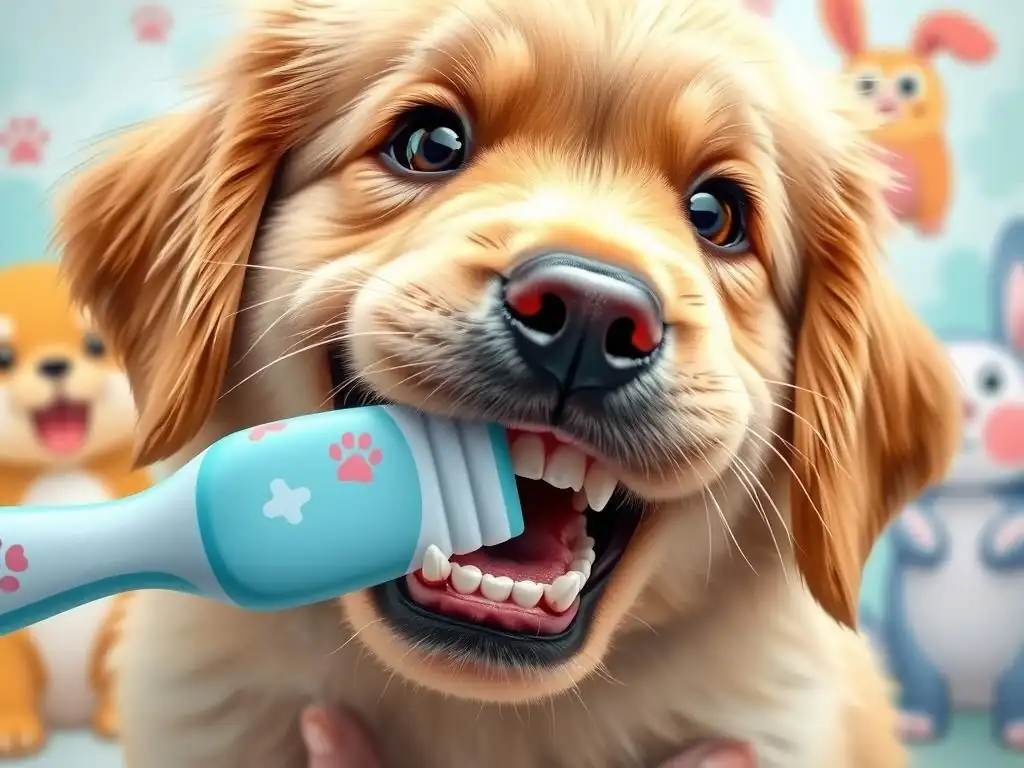
Welcome to PetCareWorld, your ultimate resource for everything pet-related! Are you ready to unlock the secrets to a happier, healthier pet? Then dive into our beginner's guide to pet dental care, a comprehensive resource packed with practical tips and expert advice to ensure your furry, feathered, or scaled friend enjoys a lifetime of sparkling smiles. Discover the essential steps to maintaining optimal oral hygiene and prevent costly dental issues down the line. Let's embark on this journey together – your pet's healthy smile awaits!
- Understanding the Importance of Pet Dental Hygiene
- Essential Tools for Pet Dental Care at Home
- Step-by-Step Guide to Brushing Your Pet's Teeth
- Advanced Pet Dental Care Techniques
- Maintaining Your Pet's Oral Health Between Brushings
- Addressing Specific Dental Issues
- Emergency Dental Care for Pets
- Frequently Asked Questions
- Final Reflection: A Healthy Smile, A Happy Pet
- Unlock Your Pet's Sparkling Smile: Take Action Now!
Understanding the Importance of Pet Dental Hygiene
Maintaining optimal oral hygiene for your beloved pet is far more than just preventing bad breath; it's a cornerstone of their overall health and well-being. This beginner's guide to pet dental care will equip you with the knowledge and practical steps to ensure your furry, feathered, or scaled friend enjoys a lifetime of healthy smiles. Neglecting your pet's dental health can lead to a cascade of serious health issues, impacting everything from their heart and kidneys to their immune system. This comprehensive guide will cover the essentials of pet dental care, from recognizing early signs of dental problems to mastering the art of brushing your pet's teeth. We'll explore the crucial link between oral health and systemic diseases, empowering you to make informed decisions and proactively safeguard your pet's health. Let's delve into the world of pet dental care and discover how simple actions can make a world of difference.
Why Good Oral Hygiene is Crucial for Your Pet's Overall Health
Good oral hygiene is paramount for your pet's overall health. Just like humans, pets develop plaque and tartar buildup on their teeth, leading to a range of problems. Plaque, a sticky film of bacteria, constantly forms on teeth. If not removed regularly, it hardens into tartar, a rough substance that irritates gums and provides a breeding ground for harmful bacteria.
This can lead to gingivitis (gum inflammation), periodontal disease (infection of the gums and supporting structures of the teeth), and ultimately, tooth loss. But the consequences extend far beyond the mouth. Bacteria from infected gums can enter the bloodstream, potentially affecting vital organs like the heart, kidneys, and liver.
Studies have shown a strong correlation between periodontal disease in pets and an increased risk of these systemic diseases. Regular brushing, along with professional dental cleanings, significantly reduces the risk of these serious complications, ensuring your pet lives a longer, healthier life. The investment in your pet’s dental health is an investment in their overall well-being.
Common Dental Problems in Dogs and Cats: Recognizing the Signs
Recognizing early signs of dental problems is crucial for timely intervention. In dogs and cats, common dental issues include:
- Gingivitis: Inflamed, red, and often bleeding gums are a hallmark of gingivitis. You might notice bad breath (halitosis) as well.
- Periodontal Disease: This advanced stage of gum disease involves the destruction of the tissues supporting the teeth. Symptoms include loose teeth, pain when chewing, and noticeable pus around the gums.
- Dental Abscesses: These are pockets of infection that can form at the root of the tooth, causing significant pain and swelling. You may observe a swollen face or noticeable discharge near the affected tooth.
- Fractured Teeth: Trauma or chewing on hard objects can lead to cracked or broken teeth.
- Dental Tumors: While less common, tumors can develop in the mouth, often appearing as growths or masses on the gums or inside the cheeks.
Early detection is key. Regularly examine your pet's mouth, looking for any redness, swelling, bleeding, or unusual growths. If you notice any concerning signs, schedule a veterinary checkup immediately. Early treatment can prevent more serious and costly problems down the line. Remember, a proactive approach is essential for maintaining your pet's dental health. 🐶🐱
The Link Between Oral Health and Systemic Diseases in Pets
The connection between oral health and overall health in pets is undeniable. Bacteria from infected gums can easily enter the bloodstream, leading to a range of systemic diseases. This process, known as bacteremia, can trigger inflammation throughout the body. Studies have linked poor dental hygiene in pets to:
- Heart Disease: Bacteria from the mouth can travel to the heart, contributing to the development of endocarditis (infection of the heart lining).
- Kidney Disease: Chronic kidney disease has been associated with periodontal disease in pets. The exact mechanism is complex, but inflammation and bacterial spread are likely factors.
- Liver Disease: Similar to kidney disease, liver problems can be linked to chronic inflammation and bacterial spread from the mouth.
- Respiratory Infections: Bacteria from the mouth can spread to the lungs, particularly in pets with weakened immune systems.
The severity of these systemic effects varies depending on the extent of the periodontal disease and the pet's overall health. However, maintaining good oral hygiene significantly mitigates the risk of these complications. Regular dental checkups and professional cleanings are vital components of preventative care, ensuring your pet enjoys a long and healthy life. Investing in your pet's dental health is an investment in their overall well-being. Remember, a healthy mouth contributes to a healthy body! 🎉
Essential Tools for Pet Dental Care at Home

This section details the essential tools you'll need to establish a successful at-home pet dental care routine. Remember, consistent effort is key to maintaining your pet's oral health, and the right tools can make all the difference. This beginner's guide will walk you through selecting the appropriate items to ensure a safe and effective brushing experience.
Choosing the Right Toothbrush for Your Pet's Breed and Size
Selecting the correct toothbrush is paramount. A toothbrush that's too large or too small can be ineffective and even cause discomfort to your pet. Consider these factors:
- Breed and Size: Smaller breeds like Chihuahuas will require a tiny toothbrush, perhaps even a finger brush (discussed later). Larger breeds like Great Danes will need a larger, more robust brush. The brush head should comfortably fit your pet's mouth.
- Brush Head Shape: Look for brushes with angled or rounded heads to reach all areas of your pet's teeth and gums effectively. Avoid hard-bristled brushes, opting instead for soft or extra-soft bristles to prevent gum irritation. Some brushes even feature multiple bristle lengths for optimal cleaning.
- Material: While nylon is common, consider brushes with softer, more flexible materials, especially for sensitive gums.
Remember, the goal is to make brushing a positive experience. An uncomfortable brush can lead to resistance and make dental hygiene a struggle. Experiment with different styles and sizes until you find one that your pet tolerates well. Regular replacement of your pet's toothbrush is also crucial, aiming for replacement every 2-3 months, or sooner if the bristles become frayed.
Selecting Pet-Safe Toothpaste: Ingredients to Look For and Avoid
Using human toothpaste on your pet is dangerous! Human toothpaste contains ingredients like xylitol, which is highly toxic to dogs and cats. Always choose a toothpaste specifically formulated for pets. Here's what to look for:
- Enzyme-Based Formulations: These break down plaque and tartar more effectively.
- Flavorings: Many pet toothpastes are flavored with chicken, beef, or fish to entice your pet. Experiment with different flavors to find what your pet prefers.
- Ingredients to Avoid: Xylitol, fluoride (in high concentrations), and artificial sweeteners are common culprits in human toothpaste that are toxic to pets. Always carefully check the ingredient list.
Here's a table summarizing key ingredient considerations:
| Ingredient | Pet-Safe? | Benefits | Risks |
|---|---|---|---|
| Enzymes | ✅ | Break down plaque and tartar | None known at safe concentrations |
| Natural Flavorings | ✅ | Encourages pet acceptance | Potential allergic reactions (rare) |
| Xylitol | ❌ | None | Extremely toxic to dogs and cats |
| High Concentration Fluoride | ❌ | Can be toxic if ingested in large amounts | None known at safe concentrations |
| Artificial Sweeteners | ❌ | None | Potential toxicity and health issues |
Choosing the right toothpaste is a crucial step in establishing a successful dental care routine. Consider your pet's preferences and always prioritize safety by carefully reviewing the ingredients.
Other Useful Tools: Finger Brushes, Dental Wipes, and Durable Chews
Beyond toothbrushes and toothpaste, other tools can supplement your pet's dental care:
- Finger Brushes: These are excellent for puppies, kittens, or small pets who may find regular toothbrushes too large or intimidating. They allow for gentle cleaning and can help acclimate your pet to the process.
- Dental Wipes: These offer a convenient alternative for quick cleanings between brushings. They're particularly useful for pets who resist brushing. However, they shouldn't replace regular brushing.
- Durable Chews: Dental chews, specifically designed to help clean teeth, are a valuable addition to your pet's dental care arsenal. Look for chews with the Veterinary Oral Health Council (VOHC) seal of acceptance. These chews are proven to help reduce plaque and tartar buildup. However, remember that chews are a supplement, not a replacement, for brushing. 🐶
Remember, consistency is key. Even a short, daily brushing session significantly impacts your pet's long-term oral health. With the right tools and a little patience, you can help keep your furry friend smiling brightly for years to come! 🎉
Step-by-Step Guide to Brushing Your Pet's Teeth
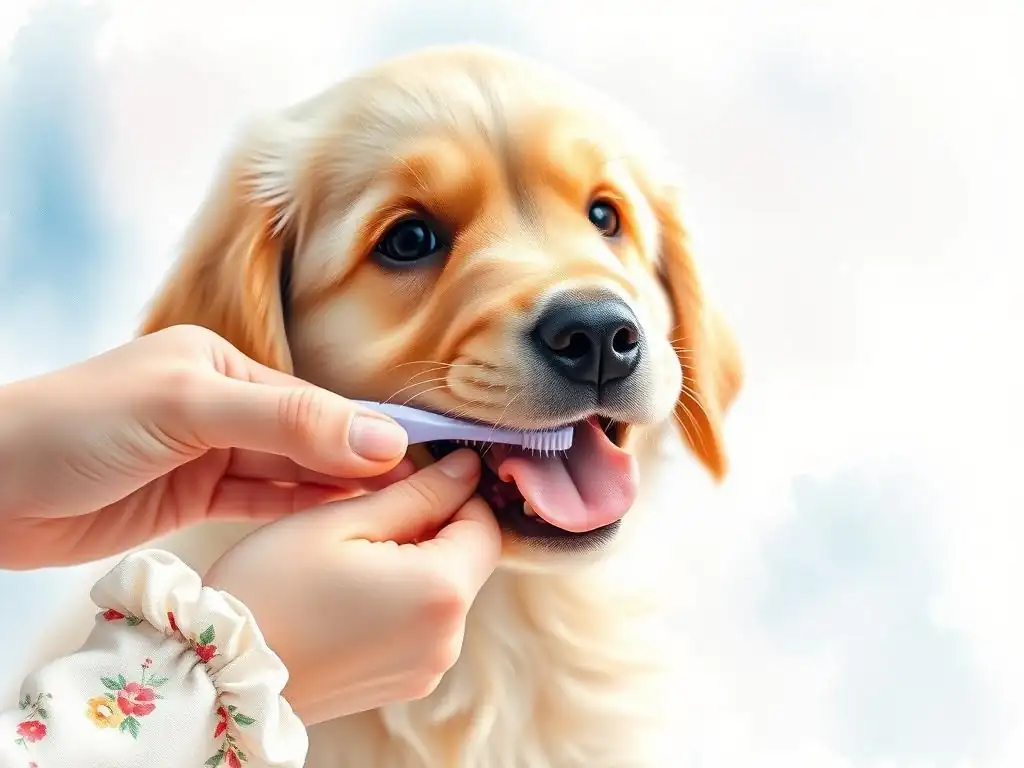
This section provides a practical, step-by-step guide for brushing your pet's teeth, crucial for maintaining optimal oral hygiene. Remember, patience and positive reinforcement are key, especially when starting with a pet who's unfamiliar with the process. This beginner's guide to pet dental care will equip you with the knowledge and techniques necessary to effectively clean your furry friend's teeth.
Getting Your Pet Used to Toothbrushing: A Gradual Approach
Introducing your pet to toothbrushing shouldn't be a rushed process. A gradual approach is essential to build positive associations and avoid creating fear or anxiety. Start by simply letting your pet sniff and lick a finger with a small amount of pet-friendly toothpaste. This allows them to get used to the taste and smell.
Next, gently lift their lips and let them explore your finger, now with a tiny dab of toothpaste, around their gums and teeth. Reward them with treats and praise throughout this process. Over several days, gradually increase the duration of this interaction.
Once your pet is comfortable with this initial step, you can introduce a finger brush, a soft-bristled toothbrush designed for pets, or a gauze pad wrapped around your finger. Continue to reward calm behavior with treats and praise. The entire process should be positive and enjoyable for both you and your pet. Remember, consistency is key. Even short, daily sessions are far more effective than infrequent, lengthy ones.
It's important to note that some pets might require more time and patience than others. If your pet shows signs of stress or resistance, take a break and try again later. Never force your pet to accept the toothbrush; gentle persistence is vital. Consider consulting a veterinarian or a professional pet groomer for guidance if you encounter significant challenges.
The Proper Brushing Technique for Dogs and Cats
Once your pet is comfortable with the presence of the toothbrush, you can begin the actual brushing. The technique differs slightly between dogs and cats, primarily due to differences in their jaw structure and temperament.
For dogs, hold the toothbrush at a 45-degree angle to the gum line. Use gentle, circular motions to clean each tooth individually. Focus on the gum line, where plaque and tartar accumulate most readily. Don't press too hard; you want to clean, not injure, their gums.
For cats, the process is similar, but often requires more finesse. Many cats are more sensitive than dogs, so extra patience is crucial. Use a smaller toothbrush or a finger brush for better access to their smaller mouths. Short, gentle brushing sessions are ideal. Many cats prefer a vertical brushing motion. Observe your cat's reactions and adjust your technique accordingly.
Regardless of your pet's species, remember to always use a pet-specific toothpaste. Human toothpaste contains ingredients that are toxic to pets. The flavor should be appealing to your pet—many pet toothpastes come in chicken, beef, or fish flavors. Avoid using fluoride toothpaste on your pet, as it can be harmful if swallowed.
Recommended Brushing Frequency for Optimal Oral Health
The frequency of brushing is critical for maintaining your pet's oral health. Ideally, you should aim to brush your pet's teeth at least twice a day, once in the morning and once in the evening. This consistent routine ensures the removal of food particles and plaque buildup before they can harden into tartar.
However, even brushing once a day is significantly better than not brushing at all. If twice daily brushing proves challenging, prioritize consistency over frequency. A single, thorough brushing session is more effective than sporadic attempts. Remember, the goal is to establish a routine that you can maintain long-term. Regular brushing dramatically reduces the risk of periodontal disease, a serious and painful condition affecting many pets. Supplementing brushing with dental chews and professional cleanings at your veterinarian's office further enhances your pet's oral health. Regular veterinary check-ups are essential for early detection and treatment of any dental problems.
Dealing with Resistance: Tips and Tricks for Difficult Pets
Many pets, especially those not accustomed to teeth brushing from a young age, will resist having their teeth brushed. This is perfectly normal, and with patience and the right techniques, you can overcome this resistance. The key is to make the experience positive and rewarding for your pet. Never force the issue; a negative experience will only make future attempts more difficult.
One effective strategy is to introduce the toothbrush gradually. Start by simply letting your pet sniff and lick the toothbrush. Reward them with treats and praise for showing any interest or tolerance. Over several days, gently touch the toothbrush to their lips and gums, again rewarding calm behavior. Gradually increase the duration of contact, slowly working your way towards brushing the teeth themselves. This desensitization process is crucial for building a positive association with the toothbrush.
Another helpful technique is to use positive reinforcement. Keep training sessions short and sweet, focusing on rewarding even the smallest signs of cooperation. High-value treats, such as small pieces of cooked chicken or their favorite type of kibble, can be incredibly motivating. Praise your pet frequently with encouraging words and gentle strokes. Remember, the goal is to create a positive experience, not to force the brushing.
For particularly stubborn pets, consider using dental wipes or finger brushes initially. These gentler alternatives allow you to clean the teeth and gums without the immediate pressure of a full-sized toothbrush. Once your pet becomes comfortable with this, you can slowly transition to a toothbrush. This gradual approach can significantly reduce resistance and make the whole process less stressful.
Remember, consistency is key. Even if your pet resists initially, continue with short, regular brushing sessions. Consistency helps your pet adapt to the routine and reduces anxiety. If you encounter significant resistance, consult your veterinarian. They can offer personalized advice and may even recommend professional dental cleanings if needed. Patience and understanding are essential elements in successfully brushing your pet's teeth, turning a potentially stressful experience into a positive bonding moment. Ultimately, the reward of healthy teeth and gums for your beloved companion makes the effort worthwhile.
Advanced Pet Dental Care Techniques
This section delves into more advanced techniques for maintaining your pet's oral hygiene, building upon the fundamental brushing techniques discussed earlier. Remember, consistent effort is key to preventing serious dental issues. Even with diligent brushing, supplementary methods can significantly enhance your pet's dental health.
Dental Chews and Treats: Choosing the Right Ones for Your Pet's Needs
Selecting appropriate dental chews and treats is crucial for a comprehensive oral hygiene regimen. Not all chews are created equal; some offer minimal benefit, while others can actively contribute to improved dental health. Look for chews specifically designed for dental cleaning, indicated by phrases like "veterinarian-recommended" or "helps reduce plaque and tartar."
The texture of the chew is paramount. Harder chews, while potentially effective at scraping plaque, may also cause damage to teeth or gums if your pet chews too aggressively. Consider your pet's size and chewing habits when making your selection. Smaller breeds might benefit from softer, less abrasive chews, while larger, stronger chewers can handle firmer options. Always supervise your pet while they are chewing to prevent choking hazards or accidental ingestion of broken pieces.
Here's a helpful table summarizing key considerations:
| Chew Type | Pros | Cons | Suitable For |
|---|---|---|---|
| Hard Dental Chews | Effective plaque removal, long-lasting | Potential for tooth or gum damage, choking hazard | Strong chewers, larger breeds |
| Soft Dental Chews | Gentler on teeth and gums, palatable | Less effective plaque removal than hard chews | Gentle chewers, smaller breeds, sensitive teeth |
| Dental Treats/Biscuits | Convenient, often contain added dental benefits | May not be as effective as chews | Supplement to brushing and chews |
Remember to check the ingredients list! Avoid chews with excessive sugar or artificial additives. Always consult your veterinarian before introducing new chews or treats into your pet's diet, especially if they have pre-existing dental or health conditions. They can help you choose the best options based on your pet's specific needs. 🐶
Water Additives and Dental Sprays: Exploring Alternative Options
Beyond chews and brushing, water additives and dental sprays offer convenient supplementary options for improving your pet's oral health. These products often contain enzymes or other ingredients designed to break down plaque and tartar buildup. They are particularly useful for pets who resist brushing or for those with sensitive teeth or gums.
Water additives are typically added directly to your pet's drinking water. The concentration will vary depending on the product, so carefully follow the manufacturer's instructions. Dental sprays, on the other hand, are applied directly to your pet's teeth and gums. Many pets find the taste appealing, making application easier.
However, it's important to note that these products are typically not a replacement for regular brushing. They are best used in conjunction with other dental care practices for optimal results. Always monitor your pet's reaction to these products; some pets may experience mild gastrointestinal upset or other side effects. If you notice any adverse reactions, discontinue use and consult your veterinarian.
Professional Dental Cleanings: Frequency and Importance
Even with a diligent home care routine, professional dental cleanings are essential for maintaining optimal oral health. Professional cleanings involve a thorough scaling and polishing of your pet's teeth under anesthesia, removing plaque and tartar that cannot be reached with home brushing. This is especially important for pets who already have significant buildup or who are prone to periodontal disease.
The frequency of professional cleanings depends on your pet's individual needs and risk factors. Some pets may require cleanings annually, while others may need them more frequently. Your veterinarian can assess your pet's oral health and recommend an appropriate cleaning schedule. Early detection and treatment of dental problems can prevent more serious and costly issues down the line. Regular checkups, including dental examinations, are crucial for maintaining your pet's overall well-being. Ignoring dental health can lead to significant health problems, impacting other organ systems. Therefore, prioritizing professional cleanings is a vital aspect of responsible pet ownership. 🐾
Maintaining Your Pet's Oral Health Between Brushings

Maintaining optimal oral hygiene for your pet isn't solely reliant on daily brushing. A comprehensive approach involves several supplementary strategies to prevent the buildup of plaque and tartar, the primary culprits behind dental disease. This section details practical methods to bolster your pet's dental health between brushing sessions, ensuring a strong and healthy smile.
Monitoring Your Pet's Mouth for Signs of Problems
Regularly inspecting your pet's mouth is crucial for early detection of dental issues. This proactive approach allows for timely intervention, preventing minor problems from escalating into major health concerns. Look for these key indicators:
- Bad breath (halitosis): Persistent bad breath, beyond the occasional doggy or kitty odor, can signal infection or gum disease.
- Red or swollen gums: Inflammation indicates gingivitis, an early stage of periodontal disease. Healthy gums are typically pink and firm.
- Loose or missing teeth: Tooth loss can result from advanced periodontal disease or trauma.
- Bleeding gums: Bleeding during brushing or spontaneously is a significant warning sign.
- Changes in appetite or chewing habits: Difficulty eating or changes in food preferences can indicate oral pain.
- Excessive drooling: Unexpected increases in saliva production might suggest oral discomfort.
- Pawing at the mouth: Your pet might try to scratch or paw at their mouth if experiencing pain or discomfort.
Remember, early detection is key. If you notice any of these symptoms, schedule a veterinary appointment immediately. Don't wait for the problem to worsen; proactive care is significantly more effective and less costly in the long run. A thorough dental checkup by a veterinarian will help confirm your observations and provide a tailored treatment plan.
Dietary Considerations for Optimal Oral Health
Nutrition plays a vital role in maintaining your pet's oral health. While brushing remains essential, incorporating specific dietary choices can significantly reduce plaque and tartar buildup. Consider these options:
- Dental chews: Many commercially available dental chews are designed to help scrub teeth and gums as your pet chews. Look for chews specifically formulated for dental health and approved by veterinary professionals. Always supervise your pet while they are chewing to prevent choking hazards.
- Dental diets: Veterinary-formulated dental diets contain ingredients and textures that help reduce plaque and tartar accumulation. These diets often have a unique kibble shape and size that contributes to mechanical cleaning during chewing.
- Raw bones (with caution): While raw bones can provide some natural cleaning action, they must be given under strict supervision and with careful consideration of the size and breed of your pet. Incorrectly sized bones can lead to choking, broken teeth, or digestive issues. Always opt for appropriately sized, raw bones from reputable sources.
Recognizing Early Warning Signs of Dental Disease
Early identification of dental disease is paramount in preventing significant complications. While regular brushing forms the cornerstone of pet dental care, acknowledging the early warning signs allows for timely veterinary intervention, minimizing the potential for extensive and costly procedures later on. Here's a breakdown of the early indicators you should be aware of:
| Symptom | Description | Severity | Action to Take |
|---|---|---|---|
| Bad breath (Halitosis) | Persistent unpleasant odor from the mouth. | Mild to Severe | Veterinary checkup recommended. |
| Gum inflammation (Gingivitis) | Redness, swelling, and bleeding of the gums. | Mild to Moderate | Veterinary checkup and improved oral hygiene routine. |
| Plaque buildup | A sticky, colorless film that accumulates on teeth. | Mild | Increased brushing frequency and dental chews. |
| Tartar (calculus) | Hardened plaque that becomes mineralized and difficult to remove. | Moderate to Severe | Professional dental cleaning by a veterinarian. |
Ignoring these early warning signs can lead to more severe conditions like periodontal disease, which can affect your pet's overall health, potentially causing organ damage. Therefore, a proactive approach focusing on early detection and appropriate veterinary care is crucial for maintaining your pet's long-term oral and overall well-being. Remember, a healthy mouth contributes to a healthy pet! 🐶🐱🐭🐹🐰
Addressing Specific Dental Issues

This section delves into common dental problems your pet might experience and provides practical advice on how to address them. Early detection and intervention are key to preventing more serious complications and ensuring your furry friend maintains optimal oral health. Remember, consistent brushing, as detailed in the previous sections, remains the cornerstone of preventative dental care. However, even with diligent brushing, some issues may arise.
Dealing with Bad Breath (Halitosis) in Pets
Bad breath, or halitosis, in pets is often a telltale sign of underlying dental problems. While occasional bad breath might be due to diet or something they've ingested, persistent foul odor warrants immediate attention. Several factors contribute to pet halitosis, including:
- Dental disease: Plaque and tartar buildup leads to bacterial growth, creating a foul smell. Gingivitis and periodontal disease are major culprits.
- Diet: Certain foods can contribute to bad breath. For example, a diet high in processed foods or those with strong odors can leave a lingering smell.
- Underlying medical conditions: Kidney disease, liver disease, and diabetes can manifest as bad breath. This is why a veterinary checkup is crucial.
- Oral foreign bodies: A piece of food, bone fragment, or other object lodged in the mouth can cause a foul odor.
Important Note: If your pet's bad breath is accompanied by other symptoms like excessive drooling, difficulty eating, lethargy, or pawing at the mouth, seek immediate veterinary attention.
Addressing bad breath requires identifying the root cause. A thorough veterinary examination, including a dental cleaning and assessment, is essential. Treatment may involve professional teeth cleaning, antibiotics for infections, dietary changes, or addressing underlying medical conditions. Regular brushing and dental chews can help maintain fresh breath between veterinary visits. The frequency of veterinary checkups should be tailored to your pet's breed, age, and overall health. For example, senior pets may require more frequent checkups than younger, healthy animals.
Managing Gingivitis and Periodontal Disease
Gingivitis, the inflammation of the gums, is a common precursor to periodontal disease. Periodontal disease, a more serious condition, involves the inflammation and infection of the tissues surrounding the teeth, potentially leading to tooth loss. Early signs of gingivitis include red, swollen, and bleeding gums. Advanced periodontal disease can manifest as loose teeth, significant gum recession, and even jawbone damage.
| Stage | Symptoms | Treatment |
|---|---|---|
| Gingivitis | Red, swollen, bleeding gums | Brushing, professional cleaning, possible antibiotics |
| Early Periodontitis | Gum recession, slight tooth loosening | Professional cleaning, antibiotics, scaling |
| Advanced Periodontitis | Significant gum recession, loose teeth, bone loss | Extraction of affected teeth, advanced treatments |
Regular brushing is crucial in preventing both gingivitis and periodontal disease. However, if your pet already exhibits symptoms, veterinary intervention is necessary. Treatment may involve professional cleaning, scaling (removal of tartar), polishing, and possibly antibiotic therapy. In severe cases, tooth extraction might be required to prevent further infection and discomfort. The cost of veterinary dental care can vary significantly depending on the severity of the condition and the location.
What to Do if Your Pet Has a Broken Tooth
A broken tooth is a dental emergency requiring immediate veterinary attention. The severity depends on the extent of the fracture. A small chip might require only monitoring, while a significant fracture exposing the pulp (nerve) necessitates immediate intervention to prevent infection and pain.
Actionable Steps: If you suspect your pet has a broken tooth:
- Examine the mouth carefully: Note the location and severity of the fracture.
- Avoid touching the broken area: This can further damage the tooth or cause infection.
- Contact your veterinarian immediately: Schedule an emergency appointment.
- Offer soft food: Avoid hard kibble or anything that could further irritate the broken tooth.
Veterinary treatment for a broken tooth varies depending on the severity. Options include:
- Extraction: If the damage is extensive and the tooth is unsalvageable, extraction is often the best option.
- Repair: In some cases, a fractured tooth can be repaired with dental bonding or a crown.
- Root canal: If the pulp is exposed but the tooth is otherwise structurally sound, a root canal might be possible.
The cost associated with treating a broken tooth can be substantial, ranging from several hundred to thousands of dollars depending on the complexity of the procedure and the veterinary clinic. Pet insurance can help mitigate these costs. Therefore, considering pet insurance is a worthwhile investment for pet owners who want to be prepared for unexpected veterinary expenses. 🐾
Emergency Dental Care for Pets
Pet dental emergencies can arise unexpectedly, requiring swift action to minimize pain and potential long-term complications for your beloved companion. A proactive approach, including regular dental checkups, can help prevent many emergencies, but knowing how to recognize and respond to urgent situations is crucial for every pet owner. This section provides vital information on identifying dental emergencies and determining when immediate veterinary intervention is necessary. Understanding these critical aspects of pet dental care is a key component of responsible pet ownership. This beginner's guide will empower you to act decisively in times of need.
Recognizing Dental Emergencies
Recognizing a dental emergency in your pet can be challenging, as they often don't express pain in the same way humans do. Subtle behavioral changes and visible signs can indicate a serious problem. Pay close attention to these warning signs:
- Excessive drooling: While some drooling is normal, a sudden increase, especially if accompanied by other symptoms, warrants concern.
- Pawing at the mouth: Your pet may try to relieve discomfort by pawing at their mouth or face.
- Bleeding from the mouth: Obvious bleeding is a clear sign of a serious problem requiring immediate veterinary attention.
- Swelling of the face or jaw: Inflammation can indicate an infection or abscess.
- Difficulty eating or drinking: Pain in the mouth can make eating and drinking difficult or painful for your pet.
- Sudden changes in behavior: Lethargy, irritability, or unusual vocalizations could signal a dental emergency.
- Bad breath (halitosis): While bad breath is common in pets, a sudden and significant worsening can be a sign of underlying dental disease.
- Loose or missing teeth: Noticeably loose or missing teeth indicate significant dental damage.
- Visible fractures or injuries: Any visible damage to the teeth or gums is a cause for concern.
It's crucial to remember that these symptoms can also indicate other health problems. A thorough veterinary examination is always necessary for accurate diagnosis and treatment. Early detection significantly improves the chances of successful treatment and a positive outcome for your pet. Don't hesitate to contact your veterinarian if you notice any of these concerning signs. Early intervention is key in managing pet dental emergencies effectively.
When to Seek Immediate Veterinary Attention
Time is of the essence when dealing with a suspected pet dental emergency. Don't delay seeking veterinary care if you observe any of the following:
- Significant bleeding from the mouth: This requires immediate attention to control bleeding and assess the extent of the injury.
- Severe swelling of the face or jaw: This suggests a potentially serious infection requiring prompt treatment with antibiotics and potentially surgical intervention.
- Inability to eat or drink: Prolonged lack of food and water can lead to dehydration and other complications.
- Signs of severe pain or distress: Your pet's obvious discomfort necessitates immediate veterinary care to alleviate pain and address the underlying cause.
- Visible fractures or deep wounds in the mouth: These injuries require professional assessment and treatment to prevent infection and ensure proper healing.
Delaying veterinary care in these situations can lead to more severe complications, including infection, sepsis, and even death. Your veterinarian will perform a thorough examination, including X-rays if necessary, to diagnose the problem and develop a treatment plan. Remember, preventative dental care, such as regular brushing and professional cleanings, can significantly reduce the risk of dental emergencies. But when emergencies occur, swift action is paramount. Your proactive approach and immediate response can make all the difference in your pet's recovery. 🐾
Frequently Asked Questions
What are the basic steps to pet dental care at home?
Brushing your pet's teeth daily is crucial. Use a pet-specific toothpaste (never human toothpaste!) and a soft-bristled brush. Reward your pet with treats to create a positive experience.
How often should I take my pet to the vet for a dental cleaning?
Most vets recommend at least yearly professional dental cleanings for pets. This allows for a thorough examination and cleaning beyond what's possible at home. Frequency may depend on your pet's breed and overall health.
What are the signs of dental problems in pets?
Look for bad breath, red or swollen gums, loose teeth, excessive drooling, or difficulty eating. Changes in appetite or behavior can also indicate underlying dental issues. Consult your vet immediately if you notice any of these.
What kind of food can help improve my pet's dental health?
Dental chews and kibble designed for dental health can help scrape plaque and tartar from teeth. These often have a rougher texture. Always consult your vet before making significant dietary changes.
My pet hates having their teeth brushed. What can I do?
Start slowly, introducing the toothbrush gradually. Use positive reinforcement with treats and praise. Consider using dental wipes or finger brushes initially. Patience and consistency are key!
Final Reflection: A Healthy Smile, A Happy Pet
The state of your pet's oral health is a direct reflection of their overall well-being, and neglecting dental care can lead to serious, preventable health issues. Ignoring the simple steps outlined in this guide could mean unnecessary pain and suffering for your beloved companion, a reality far too many pet owners face. This isn't just about clean teeth; it's about ensuring a long and happy life for your furry friend.
The impact of accessible pet dental care information is profound. By empowering pet owners with knowledge, we can collectively improve the lives of countless animals. The bond with a pet is one of the purest and most unconditional forms of love.
This bond deserves nurturing, and providing proper dental care is a crucial part of that nurturing. Witnessing the positive transformation in a pet's health and happiness after implementing even basic dental hygiene practices is incredibly rewarding, a testament to the power of proactive care.
Now, it's your turn. Take the information presented here, and use it to build a stronger, healthier relationship with your pet. Start small, perhaps with a simple brushing routine, and gradually incorporate more advanced techniques as you and your pet become comfortable. Remember, every small step you take towards better dental care is a significant investment in your pet's long-term health and happiness. Your pet will thank you for it, every wag of their tail, every purr, every loving glance.
Unlock Your Pet's Sparkling Smile: Take Action Now!
Thank you for learning about the importance of pet dental care! We hope you feel empowered to keep your furry friend's teeth healthy and happy. Ready to put your new knowledge into practice?
- Schedule your pet's first dental checkup: This is the most crucial step! Early detection of problems can save you time, money, and spare your pet a lot of discomfort.
- Share this guide with other pet owners: Help spread the word about proactive dental care and empower others to keep their pets smiling.
- Brush your pet's teeth tonight: It's a simple act that can significantly improve their long-term dental health.
What small step will you take today to ensure your pet's dazzling smile?