
The Best Techniques for Brushing a Large Dog's Teeth

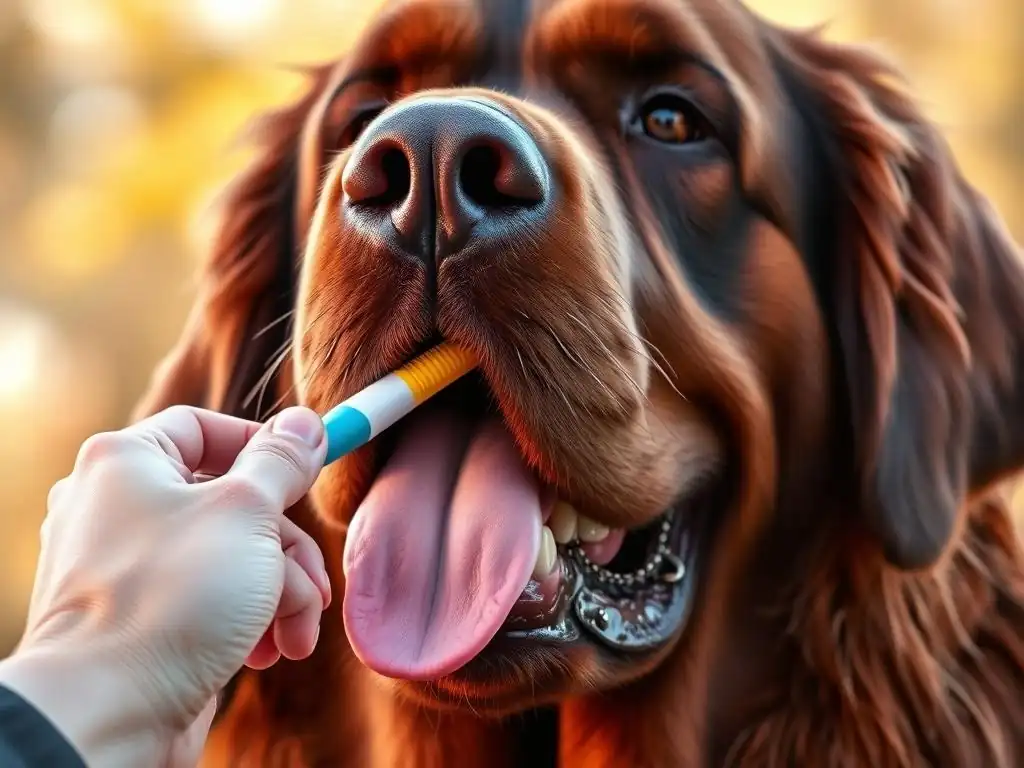
Welcome to PetCareWorld, your ultimate guide to happy and healthy pets! Are you ready to conquer the challenge of keeping your large dog's pearly whites sparkling? We've got you covered. Discover expert-backed techniques for brushing your large dog's teeth, ensuring a cleaner, healthier mouth and a happier companion. Dive into our comprehensive guide on " Large Dog Teeth Brushing Techniques" and unlock the secrets to a brighter smile for your furry friend. Let's get started!
- Understanding the Importance of Large Dog Teeth Brushing
- Getting Started: Preparing for Large Dog Teeth Brushing
- Mastering the Technique: Step-by-Step Guide to Brushing
- Advanced Techniques for Large Dog Teeth Brushing
- Maintaining a Consistent Routine: Long-Term Oral Care
- Frequently Asked Questions
- Final Reflection: A Pawsitive Approach to Canine Oral Health
- Unlock Your Dog's Sparkling Smile: Start Brushing Today!
Understanding the Importance of Large Dog Teeth Brushing
Maintaining optimal oral hygiene is paramount for all dogs, but the task becomes even more critical when dealing with large breeds. Their larger size often correlates with a greater number of teeth and a higher risk of developing serious dental issues. This comprehensive guide delves into the best techniques for brushing a large dog's teeth, emphasizing the importance of preventative care and highlighting the potential consequences of neglecting oral health.
We'll explore the specific challenges presented by large dogs and provide practical, step-by-step instructions to make the process safe and effective for both you and your canine companion. Remember, consistent brushing is a significant investment in your large dog's long-term health and well-being, contributing to a happier and healthier life together. Let's get started on this journey towards a brighter smile for your furry friend!
Why Regular Dental Care is Crucial for Large Breeds
Large dog breeds, due to their size and sometimes more robust chewing habits, are predisposed to several dental problems. Neglecting their oral hygiene can lead to a cascade of issues, starting with plaque and tartar buildup. This sticky film harbors bacteria, which, if left unchecked, can cause gingivitis (inflammation of the gums), periodontitis (infection of the gums and supporting tissues), and ultimately, tooth loss.
Furthermore, the severity of these conditions tends to be amplified in larger dogs due to the sheer number of teeth and the increased surface area for bacterial colonization. Early intervention through regular brushing is crucial in preventing these painful and potentially costly conditions.
The good news is that with consistent effort and the right techniques, you can significantly reduce the risk and improve your large dog's quality of life. Think of it as a preventative measure, much like regular check-ups for humans – a small investment with significant long-term benefits.
Common Dental Problems in Large Dogs: Prevention Through Brushing
Several dental problems are more prevalent in large dog breeds. These include:
- Periodontal Disease: This is the most common dental problem in dogs, characterized by inflammation and infection of the gums and supporting structures of the teeth. In large dogs, the increased surface area of their teeth makes them particularly susceptible.
- Dental Calculus (Tartar): Tartar is hardened plaque that clings to the teeth, providing a breeding ground for bacteria. Brushing helps prevent tartar buildup, minimizing the risk of periodontal disease.
- Gingivitis: Inflammation of the gums is an early sign of periodontal disease. Regular brushing can often prevent gingivitis from progressing to more severe stages.
- Tooth Abscesses: Severe infection at the root of a tooth can lead to an abscess. This painful condition requires veterinary intervention and can be prevented with diligent brushing.
- Tooth Loss: In advanced stages of periodontal disease, tooth loss can occur. Consistent brushing is a key element in preventing this outcome.
Regular brushing, using appropriate techniques and products, is the cornerstone of preventing these problems. A proactive approach not only saves your pet from discomfort but also significantly reduces the financial burden of veterinary treatment for advanced dental issues. The investment in time and effort is minimal compared to the potential costs associated with untreated dental problems.
The Link Between Oral Hygiene and Overall Health in Large Dogs
The health of your dog's mouth is intricately linked to its overall well-being. Poor oral hygiene can have systemic effects, impacting various aspects of your dog's health. Bacteria from infected gums can enter the bloodstream, potentially leading to:
- Heart Disease: Bacterial endocarditis (infection of the heart lining) is a serious complication associated with poor oral hygiene.
- Kidney Disease: Chronic kidney disease can be exacerbated by bacteria entering the bloodstream from dental infections.
- Liver Disease: Similar to kidney disease, liver function can be negatively impacted by bacteria from dental infections.
Maintaining good oral hygiene through regular brushing is not just about a healthy smile; it's about contributing to your large dog's overall health and longevity. By preventing dental problems, you are actively reducing the risk of these serious systemic complications. A healthy mouth contributes significantly to a healthier, happier dog. Think of it as a holistic approach to pet care, where attention to detail in one area has a ripple effect across your dog's entire system. 🐶
Getting Started: Preparing for Large Dog Teeth Brushing
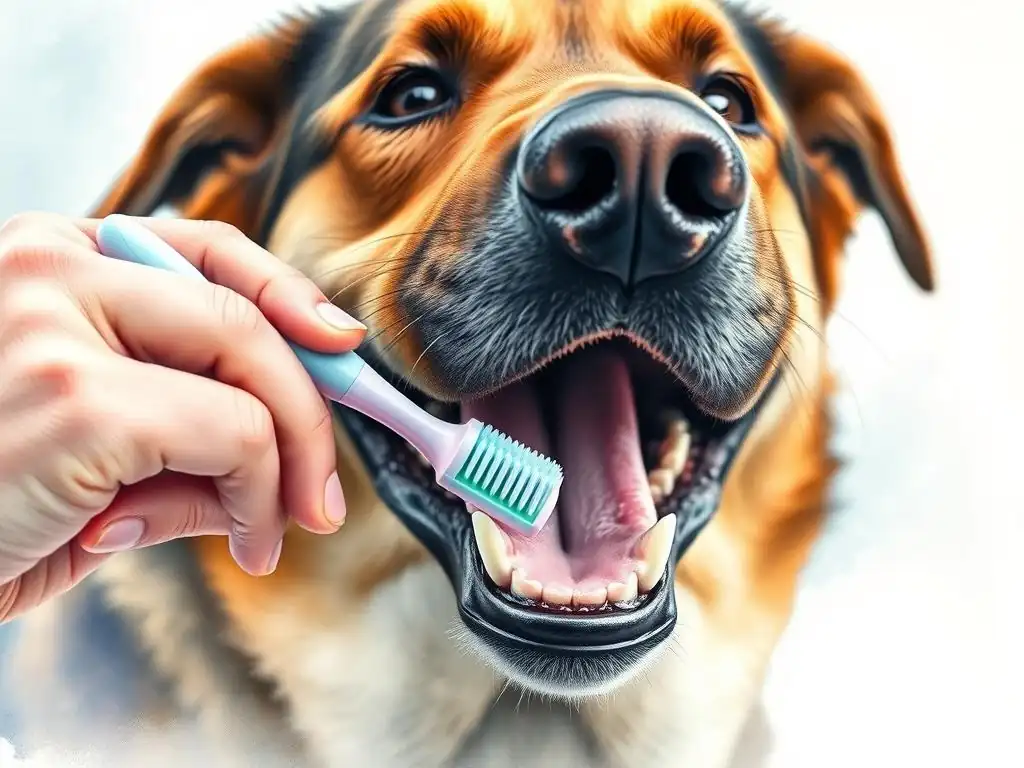
This section focuses on the crucial initial steps before you even begin brushing your large dog's teeth. Proper preparation is key to a successful and stress-free teeth-brushing experience for both you and your canine companion. Remember, consistent, gentle brushing is the cornerstone of maintaining optimal oral hygiene for your large breed dog, preventing costly dental issues down the line. Let's dive into the specifics.
Gathering the Necessary Supplies: Toothbrush, Toothpaste, and More
Before you even think about approaching your furry friend with a toothbrush, ensure you have all the necessary supplies. This isn't just about having the right tools; it's about setting yourself up for success. A haphazard approach can lead to a frustrating experience for both you and your dog.
- Toothbrush: You'll need a toothbrush specifically designed for pets. Human toothbrushes are generally too harsh for a dog's gums. Look for soft-bristled brushes, ideally with a smaller head for easier access to those hard-to-reach areas in a large dog's mouth. Some owners even find finger brushes convenient for smaller dogs or puppies, but for larger breeds, a dedicated pet toothbrush is generally recommended.
- Pet Toothpaste: This is crucial. Never use human toothpaste on your dog. Human toothpaste contains ingredients that are toxic to dogs, such as xylitol. Choose a pet-specific toothpaste formulated with appealing flavors (chicken, peanut butter are popular) to encourage your dog's cooperation. Look for enzymatic pastes that help break down plaque and tartar.
- Towels: Have several towels handy. One for you (to protect your clothes), and at least one for your dog, especially if they tend to shake their head vigorously. A wet, soapy dog is not a fun cleanup!
- Treats: Positive reinforcement is essential. Have small, high-value treats ready to reward your dog for good behavior during and after brushing. This helps build positive associations with the process.
Choosing the Right Toothbrush for Your Large Dog's Mouth
Selecting the appropriate toothbrush is paramount for effective and comfortable brushing. The size and shape of the brush significantly impact your ability to reach all areas of your large dog's mouth. A poorly chosen brush can lead to ineffective cleaning or even gum irritation.
The ideal toothbrush for a large dog will have:
- Soft Bristles: Avoid hard bristles that can damage your dog's gums and enamel. Gentle is key!
- Angled Head: An angled head helps reach the back molars more easily.
- Appropriate Size: The brush head shouldn't be too large or too small for your dog's mouth. Consider the size and shape of your dog's jaw. Larger breeds often benefit from larger brush heads, while smaller brush heads are better for maneuvering around smaller mouths.
- Durable Construction: A sturdy brush will withstand the inevitable chewing and tugging that might occur during brushing.
Selecting Pet-Safe Toothpaste: Flavor and Ingredients to Consider
The toothpaste you choose plays a critical role in your large dog's dental health and the success of your brushing routine. The wrong toothpaste can lead to digestive upset or even toxicity. Therefore, selecting a pet-safe toothpaste is non-negotiable.
When choosing a pet toothpaste, consider the following:
- Flavor: Opt for enticing flavors like chicken, beef, or peanut butter to make the experience more palatable for your dog. Many dogs will readily accept these flavors, making the brushing process significantly easier.
- Ingredients: Look for enzymatic pastes containing ingredients that break down plaque and tartar. Avoid pastes containing xylitol, a common sweetener in human toothpaste that is highly toxic to dogs. Check the ingredient list carefully!
- Texture: Some pastes are gel-like, while others have a more traditional toothpaste consistency. Experiment to see which texture your dog prefers. A palatable toothpaste is key to a successful brushing routine. Consider factors like your dog's age and breed – some dogs may have sensitive teeth or gums.
Remember, consistency is key! Regular brushing, using the right tools and techniques, is the best way to ensure your large dog maintains healthy teeth and gums throughout their life. Even a few minutes of brushing daily can make a huge difference.
Mastering the Technique: Step-by-Step Guide to Brushing
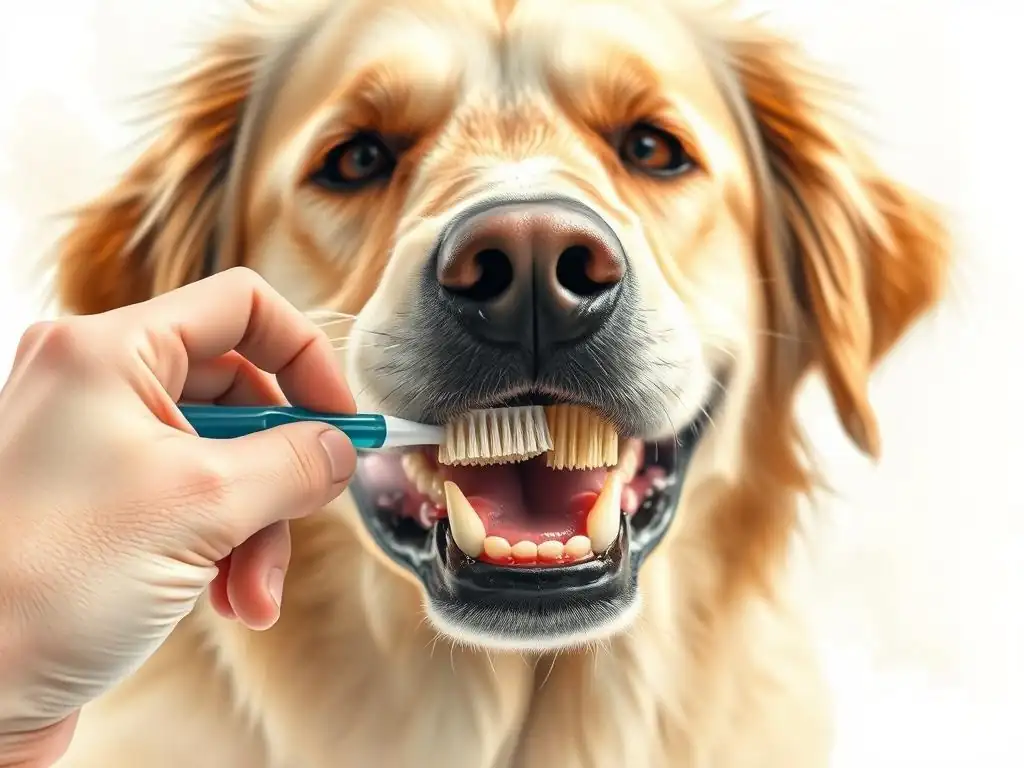
This section details the practical steps involved in effectively brushing your large dog's teeth. Remember, consistency is key! Regular brushing, even if only for a short duration, is far more beneficial than infrequent, lengthy sessions. Aim for at least twice-weekly brushing to maximize oral hygiene benefits and minimize the risk of periodontal disease. Larger dogs, with their larger mouths and potentially more stubborn personalities, require a particularly patient and methodical approach.
Introducing Your Dog to the Toothbrushing Process: A Gentle Approach
Successfully brushing your large dog's teeth begins long before the toothbrush even touches their gums. The initial phase focuses on positive reinforcement and habituation. Start by letting your dog sniff and lick a finger wrapped in a soft, damp cloth or gauze. Reward them with treats and praise for their calm behavior.
Gradually introduce a pet toothbrush designed for large breeds – these often have longer handles for better reach and larger brush heads for efficient cleaning. Initially, focus on simply letting your dog get used to the presence of the toothbrush in their mouth. Avoid forcing anything; let them explore at their own pace. This desensitization process can take several days or even weeks, depending on your dog's temperament and previous experiences.
Patience is paramount; rushing this stage can lead to resistance and make future brushing sessions more challenging. Consider using flavored pet toothpaste to make the experience more appealing. Many dogs find chicken or peanut butter flavors particularly enticing.
The Correct Brushing Technique for Large Dog Teeth
Once your dog is comfortable with the toothbrush, you can begin the actual brushing process. For large dogs, a systematic approach is crucial to ensure thorough cleaning of all tooth surfaces. Start by gently lifting your dog's lip to expose the teeth. Use a small amount of pet toothpaste – avoid human toothpaste, as it contains ingredients toxic to dogs.
Hold the toothbrush at a 45-degree angle to the gum line and use gentle, circular motions to clean each tooth individually. Pay particular attention to the gum line, where plaque and tartar tend to accumulate. Work your way systematically around the mouth, ensuring that you clean both the outer and inner surfaces of each tooth. For particularly stubborn plaque, a finger brush can be helpful for supplemental cleaning, especially in hard-to-reach areas.
Remember, the goal is gentle but thorough cleaning. Avoid scrubbing aggressively, as this can damage your dog’s gums. The entire process should take approximately 2-3 minutes, depending on your dog's size and tolerance. Regularity and technique are more important than extended brushing sessions.
Handling Your Large Dog During Brushing: Safety and Comfort
Brushing a large dog's teeth requires a safe and comfortable environment for both you and your pet. Choose a quiet, well-lit space where your dog feels secure. If your dog is particularly anxious or resistant, consider having a helper to assist you in holding and calming your dog. A calm, reassuring tone of voice is crucial.
Avoid sudden movements or harsh handling, which can frighten your dog and make them more resistant to future brushing sessions. If your dog struggles or becomes agitated, stop the brushing session immediately and try again later. Never force your dog to undergo the process; it's essential to build trust and make the experience positive. Consider using a non-slip mat to provide better stability for your dog.
Reward your dog with treats and praise throughout the process and after completion, reinforcing positive associations with teeth brushing. Remember, building a positive association is key to making teeth brushing a routine part of your large dog's care. Consistency and patience will yield the best results. If you encounter significant resistance or your dog shows signs of dental issues like bleeding gums or excessive tartar buildup, consult your veterinarian for guidance.
Addressing Resistance and Difficult Dogs: Patience and Positive Reinforcement
Brushing your large dog's teeth can be challenging, especially if they're resistant or have a strong aversion to having their mouths touched. Patience is paramount. Forcing the issue will only worsen the situation, creating a negative association with teeth brushing that will be difficult to overcome. Instead, focus on building a positive association through gradual introduction and consistent positive reinforcement.
Start by simply touching your dog's lips and gums gently. Reward them immediately with a high-value treat, praise, or a favorite toy. Repeat this process several times a day for a few days, gradually increasing the duration of the touch. The goal is to make your dog comfortable with you handling their mouth. If they pull away, stop immediately and try again later. Never punish or force your dog.
Once your dog tolerates gentle touching of their mouth, introduce the toothbrush. Let them sniff and investigate it. Reward them for calm behavior. Initially, you might just lightly rub the toothbrush against their lips, gradually working your way towards their teeth. Remember to use short sessions, and always end on a positive note.
For particularly resistant dogs, consider using a finger brush initially. This allows for gentler introduction and better control. The smaller size can be less intimidating, making the process easier for both you and your dog. Many dogs respond well to the tactile stimulation of a finger brush before progressing to a regular toothbrush.
Consistency is key. Even if your dog resists on some days, maintain a regular brushing schedule. Short, frequent sessions are more effective than infrequent, long ones. The more frequently you brush, the more likely your dog will become accustomed to the process.
Celebrate even small successes with enthusiastic praise and treats. Remember that building trust takes time and patience, but the rewards are well worth the effort. A comfortable dog is more likely to accept dental care, leading to improved oral hygiene and overall health. This positive reinforcement approach will ultimately make teeth brushing a more positive experience for both you and your canine companion.
Advanced Techniques for Large Dog Teeth Brushing
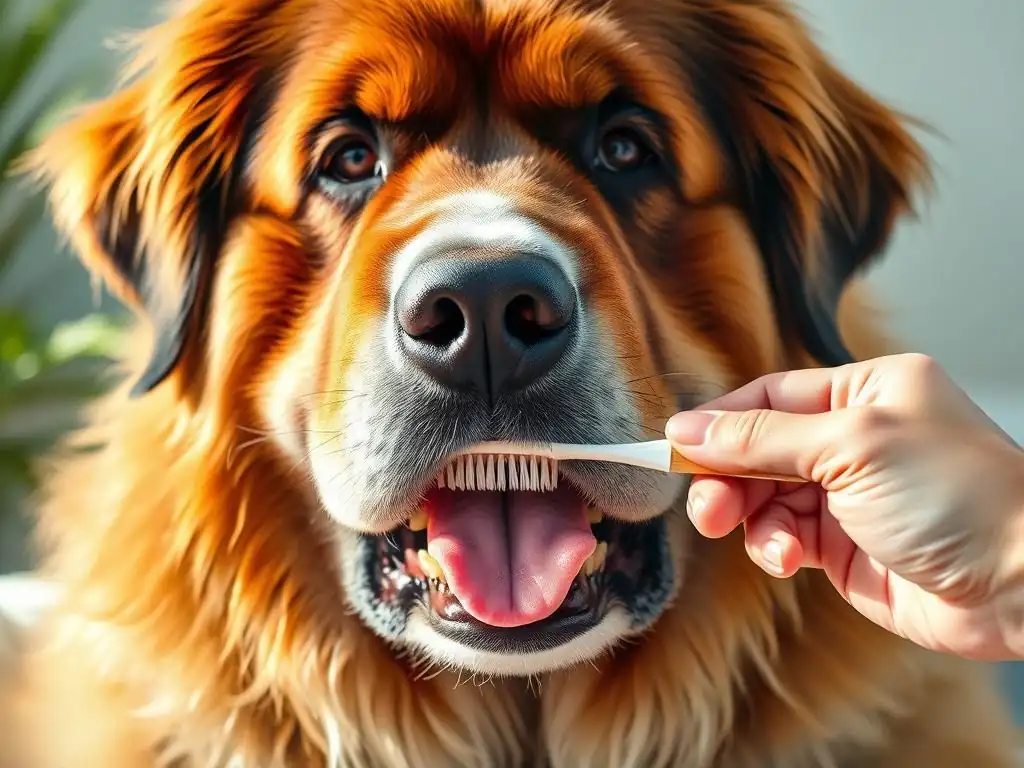
This section delves into more advanced techniques for brushing your large dog's teeth, going beyond the basics. Successfully brushing a large dog's teeth requires patience, the right tools, and an understanding of potential challenges unique to these breeds. Remember, consistency is key to maintaining optimal oral hygiene and preventing serious dental problems. Effective large dog teeth brushing techniques are crucial for their long-term health and well-being.
Brushing Techniques for Specific Dental Issues in Large Breeds
Large breeds are predisposed to certain dental issues like periodontal disease and tartar buildup due to their size and sometimes, breed-specific jaw structures. Addressing these issues requires tailored brushing techniques.
For example, breeds like Great Danes, often prone to significant tartar accumulation, may benefit from a slightly more aggressive brushing approach (always gentle, but firm). This might involve using a powered toothbrush with a specialized pet head, or employing a finger brush for better access to hard-to-reach areas. However, it's crucial to monitor for any signs of gum sensitivity or bleeding. If you notice bleeding, immediately reduce brushing intensity and consider consulting a veterinarian.
Conversely, breeds with crowded teeth or malocclusions (misalignment) might require a more meticulous approach, focusing on individual teeth and using a smaller-headed brush or a finger brush to navigate the crowded areas. Patience is paramount here, as it might take longer to clean each tooth thoroughly.
Remember to always use a pet-specific toothpaste, as human toothpaste contains ingredients toxic to dogs. The use of enzymatic toothpaste can aid in breaking down plaque and tartar more effectively. Regular veterinary checkups are vital for early detection and management of any dental concerns.
Dealing with Sensitive Gums and Teeth in Large Dogs
Many large dogs, especially senior dogs, experience gum sensitivity and potential teeth sensitivity. Aggressive brushing can exacerbate these issues, leading to discomfort and potential bleeding. Therefore, adapting your brushing technique is crucial.
For dogs with sensitive gums, start by using a very soft-bristled toothbrush. Gentle, circular motions are essential, avoiding any harsh scrubbing. You might need to divide the brushing session into multiple shorter sessions throughout the day to avoid overwhelming your dog.
Consider using a finger brush or a gauze pad wrapped around your finger to provide more gentle cleaning, particularly along the gum line. If your dog shows significant signs of sensitivity, like flinching or pulling away, consult your veterinarian. They might recommend a dental-specific mouthwash or suggest professional cleaning. Early intervention is vital in preventing more severe dental problems. Remember, the goal is to maintain good oral hygiene without causing pain or discomfort to your furry friend.
Maintaining Oral Hygiene Between Brushing Sessions: Dental Chews and Toys
Brushing alone is not always sufficient to maintain optimal oral hygiene. Supplementing your brushing routine with dental chews and toys can significantly contribute to a healthier mouth for your large dog.
Dental chews specifically designed for large breeds are available in various sizes and textures. These chews help to scrape away plaque and tartar buildup between brushing sessions. Look for chews that are durable enough to withstand a powerful jaw and made with ingredients that support oral health. However, always supervise your dog while they are chewing to prevent choking or accidental ingestion of fragments.
Dental toys, such as rope toys or textured balls, can also help to stimulate gum health and remove some plaque. Choose toys that are appropriately sized and durable to prevent breakage and potential choking hazards. Regularly inspect the toys for damage and replace them if necessary.
Remember, dental chews and toys should be considered supplementary to, not a replacement for, regular teeth brushing. A comprehensive approach combining brushing and dental aids is the most effective way to maintain your large dog's oral health. The combination of proper brushing techniques and the strategic use of dental chews and toys is the cornerstone of effective large dog dental care.
Maintaining a Consistent Routine: Long-Term Oral Care
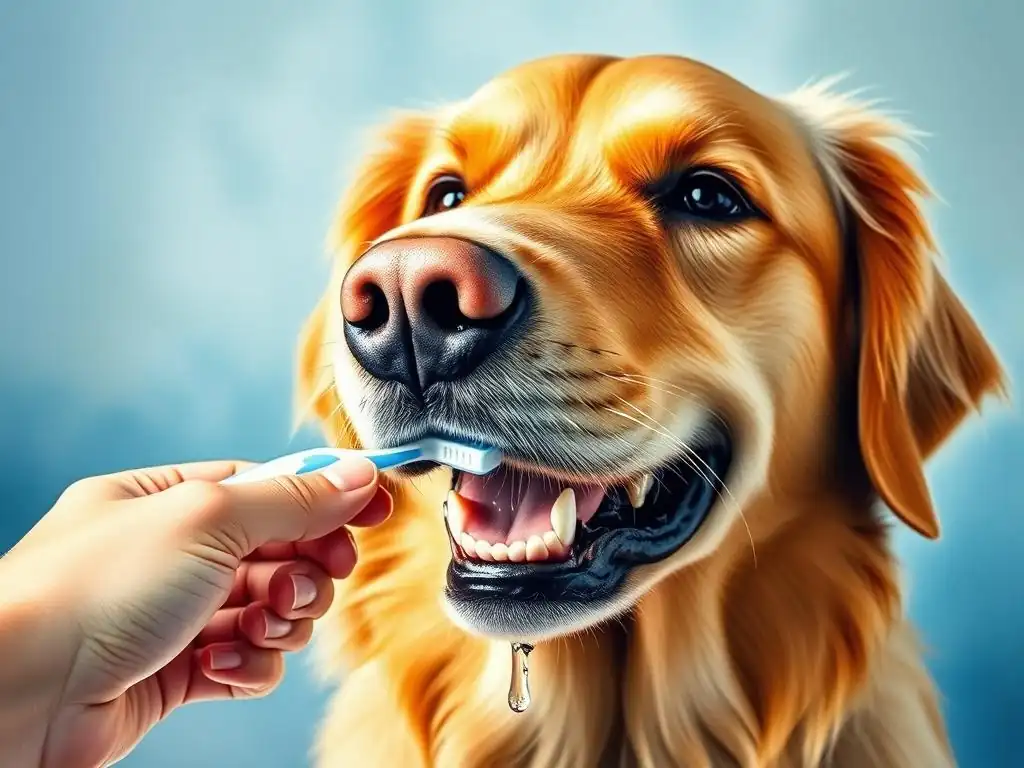
Maintaining optimal oral hygiene for your large dog is a marathon, not a sprint. Consistent effort yields the best results in preventing periodontal disease and other dental issues common in larger breeds. These breeds often have a higher predisposition to dental problems due to their size and jaw structure. The key is establishing a routine and sticking to it. Think of it as an investment in their long-term health and happiness. Neglecting dental care can lead to significant veterinary bills down the line, not to mention the discomfort your dog will experience.
Creating a Regular Brushing Schedule for Your Large Dog
The ideal scenario is brushing your large dog's teeth daily. However, we understand that life gets busy. Aim for at least three times a week for optimal results. Consistency is more important than frequency. Start with short, 30-second sessions, gradually increasing the duration as your dog becomes more comfortable. Make it a positive experience, associating brushing with treats and praise.
Consider structuring your brushing schedule around other routines. For instance, you could brush your dog's teeth immediately after their morning or evening meal. This can help create a predictable pattern and make it easier to remember. Use a visual reminder, such as a sticky note on your bathroom mirror, if necessary.
Remember to be patient and understanding. Some dogs will take to teeth brushing more readily than others. Never force the issue; instead, focus on building trust and making it a positive experience. If your dog shows resistance, consult your veterinarian for advice on how to make the process easier.
Recognizing Signs of Dental Problems: When to Consult a Vet
Even with diligent brushing, regular veterinary check-ups are crucial for maintaining your large dog's dental health. Early detection of dental problems can significantly improve treatment outcomes and prevent more serious complications. Therefore, be vigilant and learn to recognize the warning signs.
Here's a table summarizing common signs of dental problems in large dogs:
| Sign | Description | Severity |
|---|---|---|
| Bad breath (halitosis) | Persistent unpleasant odor from the mouth. | Mild to Severe |
| Swollen or bleeding gums | Inflammation and bleeding of the gums, often indicative of gingivitis. | Mild to Severe |
| Loose teeth | Teeth that are wobbly or easily dislodged. | Moderate to Severe |
| Difficulty chewing | Reluctance to eat or difficulty chewing food due to mouth pain. | Moderate to Severe |
| Excessive drooling | More saliva than usual, often a sign of discomfort or pain in the mouth. | Mild to Severe |
| Pawing at the mouth | Attempting to scratch or rub the mouth, indicating pain or discomfort. | Mild to Severe |
| Changes in appetite | Reduced food intake or changes in eating habits. | Mild to Severe |
If you observe any of these signs, schedule an appointment with your veterinarian immediately. Early intervention is key to preventing more severe dental issues and ensuring your dog's comfort.
The Role of Veterinary Dental Cleanings in Large Breed Oral Health
Regular professional dental cleanings are an essential component of comprehensive oral care for large dogs. While diligent home brushing significantly reduces plaque and tartar buildup, it cannot completely eliminate it. Professional cleanings remove tartar that has already hardened on the teeth, preventing periodontal disease and other dental problems. These cleanings are typically performed under anesthesia to ensure your dog's safety and comfort.
Veterinary dental cleanings go beyond simple brushing. They often include:
- Scaling: Removing tartar and plaque from above and below the gum line.
- Polishing: Smoothing the tooth surfaces to prevent future plaque buildup.
- Radiographs (X-rays): Detecting any underlying dental problems, such as abscesses or root damage.
- Extraction (if necessary): Removing severely damaged or diseased teeth.
The frequency of professional dental cleanings will depend on your dog's individual needs and risk factors. Your veterinarian can recommend a suitable schedule based on your dog's breed, age, and overall dental health. Remember, proactive dental care is crucial for maintaining your large dog's overall health and well-being. Investing in regular veterinary dental cleanings is an investment in your dog's long-term health and happiness. A healthy mouth contributes to a happier and healthier life for your furry companion!
Frequently Asked Questions
How often should I brush my large dog's teeth?
Ideally, you should brush your large dog's teeth daily. However, aiming for at least three times a week is a good goal to minimize plaque and tartar buildup. Consistency is key!
What kind of toothbrush should I use for my large dog?
A large-headed toothbrush designed specifically for dogs is recommended. You can also use finger brushes or special dog tooth wipes for easier access. Avoid using human toothbrushes.
What toothpaste should I use for my large dog?
Never use human toothpaste on your dog. Human toothpaste contains ingredients that are toxic to dogs. Use only dog-specific toothpaste, which comes in appealing flavors like chicken or peanut butter.
My large dog resists having its teeth brushed. What can I do?
Start slowly, introducing the toothbrush gradually. Positive reinforcement with treats and praise is crucial. Make brushing a positive experience, and break it down into short sessions.
Are there any alternative methods to brushing my large dog's teeth?
Yes, dental chews, dental diets, and water additives can help support oral hygiene. However, these are supplements to, not replacements for, regular brushing.
Final Reflection: A Pawsitive Approach to Canine Oral Health
The health of our canine companions is inextricably linked to their overall well-being, and proper dental hygiene plays a crucial role in ensuring a long and happy life. Neglecting a large dog's teeth can lead to serious, costly health problems down the line, impacting not only their physical comfort but also their quality of life. This is a reality facing countless dog owners today.
The journey of mastering large dog teeth brushing techniques is more than just a practical skill; it's a testament to the deep bond we share with our furry friends. It's about understanding their unique needs and adapting our approach to ensure a positive experience for both of us. This process underscores the importance of patience, consistency, and a genuine commitment to their well-being. As the saying goes, The best things in life are worth fighting for,
and a healthy mouth for your large dog is certainly one of them.
Now, it's your turn. Take what you've learned here – the techniques, the tips, the understanding – and apply it to your own dog's routine. Remember, every gentle brush stroke is an investment in their health and happiness. Start small, celebrate successes, and build a positive association with brushing. Your dedication will not only improve your dog's oral health but will also strengthen the unbreakable bond you share. Let's work together to ensure our large canine companions enjoy a lifetime of healthy smiles.
Unlock Your Dog's Sparkling Smile: Start Brushing Today!
Thank you for learning about the best ways to keep your furry friend's teeth healthy! You've gained valuable insights into a crucial aspect of their well-being. Now let's put that knowledge into action.
Here's how you can make a real difference:
- Start brushing your dog's teeth tonight! Even a few minutes of gentle brushing can significantly improve their oral health. Begin slowly and reward your dog with treats.
- Share this article with other dog owners! Helping them improve their dog's dental hygiene is a wonderful way to share your knowledge.
- Experiment with different dog-friendly toothpastes to find one your dog enjoys.
Ready to see those pearly whites shine? What's your favorite tip for making brushing time easier for both you and your dog?