Homemade Pet Food: The Role of Supplements and Their Importance
🤔 Crafting homemade pet food? PetCareWorld reveals the crucial role of supplements in ensuring complete nutrition. Discover the best pet food supplements…
Read article
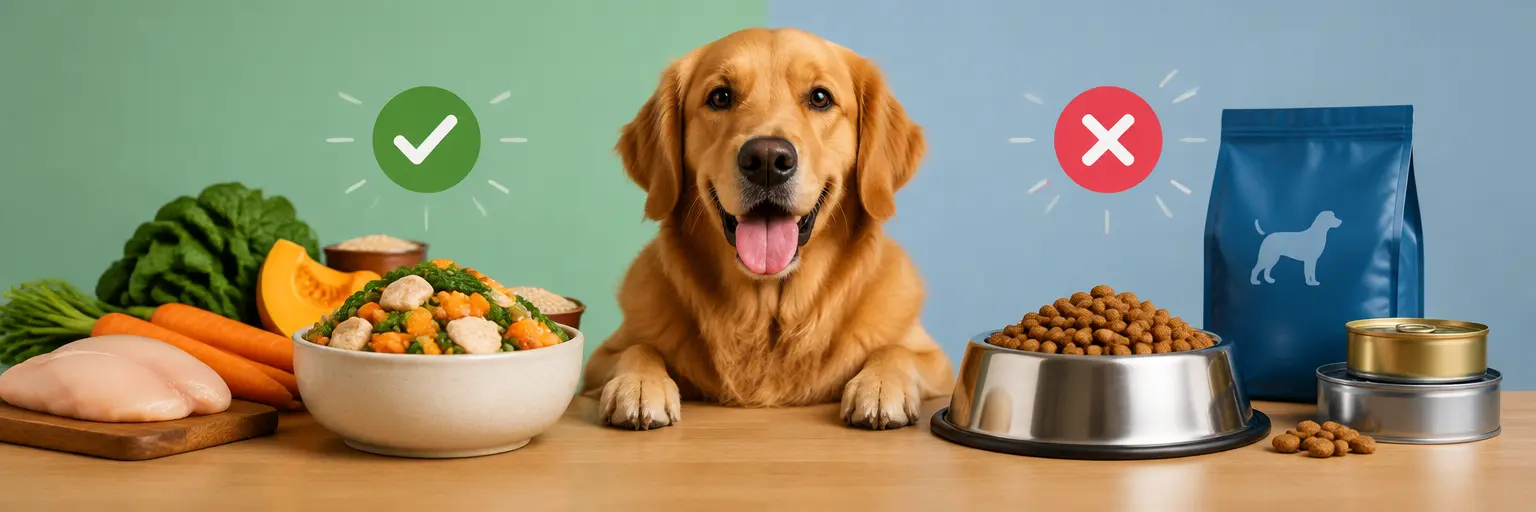
Deciding between homemade and commercial pet food is one of the most impactful choices you’ll make for your furry friend’s health. Homemade diets offer complete control over ingredients, allowing you to tailor meals to your pet’s specific allergies, sensitivities, or preferences—often with fresher, less processed nutrition. On the flip side, commercial pet foods are rigorously formulated by veterinary nutritionists to meet AAFCO standards, ensuring balanced, consistent, and convenient nutrition without the risk of missing essential vitamins or minerals. While homemade can be more time-consuming and requires careful recipe planning to avoid deficiencies, commercial options excel in safety, shelf stability, and affordability. However, not all kibble or cans are created equal—premium brands use higher-quality proteins and fewer fillers, making label reading crucial. Ultimately, the best choice depends on your pet’s age, breed, health status, and your lifestyle. Consult your veterinarian before making the switch, as they can help you weigh pros and cons like cost, hygiene, and long-term health impacts.

🤔 Crafting homemade pet food? PetCareWorld reveals the crucial role of supplements in ensuring complete nutrition. Discover the best pet food supplements…
Read article
🤔 Is homemade pet food worth it? PetCareWorld explores the crucial trade-off between the time commitment of preparing homemade meals and the…
Read article
🤔 Uncover the truth about premium pet food. PetCareWorld explores whether the higher price tag translates to superior nutrition, examining ingredient quality…
Read article
🤔 Is a raw food diet safe for your pet? PetCareWorld explores the benefits and risks of homemade pet food, examining crucial…
Read articleChoosing the right diet for your furry companion is one of the most impactful decisions you can make for their long-term health and happiness. At PetCareWorld, we understand that the debate between homemade and commercial pet food often leaves owners confused and overwhelmed. This subcategory dives deep into the nutritional science, practical benefits, and potential drawbacks of both feeding methods. Whether you're considering a raw diet, cooked meals, or sticking with kibble, our goal is to equip you with the knowledge to make an informed, personalized choice that supports your pet's unique needs.
When preparing homemade pet food, the primary challenge lies in achieving a nutritionally complete and balanced recipe that meets AAFCO standards. Unlike commercial options formulated through rigorous research, homemade diets require careful planning to avoid vitamin and mineral deficiencies, such as taurine for cats or calcium for dogs. You must account for protein, fat, carbohydrates, essential fatty acids, and trace elements in precise ratios, often necessitating a consultation with a veterinary nutritionist.
However, the reward for this diligence is unprecedented control over ingredients. You can source high-quality, fresh meats, vegetables, and grains, eliminating preservatives, artificial colors, and low-grade fillers common in many commercial products. For pets with specific allergies, kidney disease, or diabetes, a tailored homemade diet can dramatically improve symptoms, energy levels, and coat condition. The key is to rotate proteins and use a reliable supplement mix to bridge any nutritional gaps safely.
Commercial pet foods, including kibble, canned, and freeze-dried options, offer unparalleled convenience and shelf stability. They are scientifically engineered to be complete and balanced, meaning you rarely need to worry about micronutrient gaps. Reputable brands invest heavily in palatability research and quality control, ensuring consistency in every batch. This is particularly beneficial for busy pet owners who want a fuss-free, affordable solution that meets daily requirements without extensive meal prep time.
Yet, not all commercial foods are created equal. The industry includes many products loaded with high-glycemic carbohydrates, meat by-products, and chemical additives that can contribute to obesity, dental problems, and digestive issues over time. Even premium brands may use processing methods that degrade nutrients. It's essential to read ingredient lists critically and look for named protein sources (e.g., "chicken" not "poultry meal") and avoid ambiguous "animal digest." The cost of high-quality commercial food can also be prohibitive, leading some owners to choose cheaper, less nutritious alternatives.
Food safety is a non-negotiable concern in both feeding methods. Homemade raw diets carry a significant risk of bacterial contamination, including Salmonella, E. coli, and Listeria, which can affect both pets and human household members. Improper cooking can also destroy vital nutrients, while undercooking leaves pathogens viable. Conversely, commercial foods undergo heat processing or high-pressure pasteurization that eliminates most pathogens, but recalls happen due to aflatoxins, heavy metals, or packaging failures. You must practice strict hygiene—separate cutting boards, immediate freezer storage, and regular handwashing—when preparing meals at home.
Beyond microbes, nutritional imbalances pose a health risk. Excess organ meats can cause vitamin A toxicity, while incorrect calcium-to-phosphorus ratios lead to skeletal deformities in growing puppies. On the commercial side, long-term consumption of ultra-processed foods has been linked to chronic inflammation, allergy flare-ups, and even certain cancers in dogs and cats. Regular veterinary checkups, including blood panels, are vital for monitoring any diet. PetCareWorld recommends a gradual transition over 7-10 days when switching between homemade and commercial diets to avoid gastrointestinal distress.
Homemade pet food is often seen as the premium choice, but hidden costs can surprise owners. Fresh quality ingredients like lean meats, fish, and organic vegetables frequently exceed the price of mid-range commercial kibble, especially for large-breed dogs that eat 2-3% of their body weight daily. Batch cooking demands significant time for sourcing, chopping, cooking, portioning, and freezing. You'll also need investment in kitchen equipment, such as slow cookers, food processors, and vacuum sealers. For multi-pet households, this quickly becomes a logistical burden.
Commercial diets win on convenience and predictability. A 15-kg bag of kibble can last a month, requires no refrigeration, and takes seconds to serve. Canned or fresh-frozen commercial options offer higher moisture content but come with higher per-serving costs. If you travel frequently or have erratic schedules, commercial food ensures your pet is never left hungry. However, the long-term financial impact of veterinary visits for diet-related illnesses can outweigh any upfront savings from cheaper commercial foods. Ultimately, your budget, lifestyle, and commitment level should guide your choice, and PetCareWorld offers meal-planning templates to simplify homemade preparation.
Not every pet thrives on the same diet. Puppies and kittens require higher protein and calorie density for growth, while senior pets benefit from lower phosphorus and added omega-3s for joint health. Working breeds need more sustained energy from complex carbohydrates and fats, whereas sedentary indoor cats might do better on high-moisture, low-carbohydrate formulas to prevent obesity and urinary crystals. Homemade diets allow you to fine-tune these macronutrients precisely, but commercial lines now offer life-stage-specific formulas that are simpler and equally effective for most healthy animals.
Health conditions further complicate the decision. Pets with chronic kidney disease often need restricted protein and phosphorus, which homemade diets can provide with controlled ingredients. Conversely, those with pancreatitis require ultra-low-fat meals, which are hard to achieve consistently at home without a veterinary nutritionist. Commercial "prescription" diets are formulated to manage these conditions, with proven efficacy in clinical trials, but they can be bland and unappealing. Always consult your veterinarian before making drastic changes; PetCareWorld emphasizes that a hybrid approach—customized homemade meals supplemented with high-quality commercial base—can offer the best of both worlds.
Homemade food can be safer if you follow veterinary-approved recipes, use fresh ingredients, and practice impeccable hygiene. However, commercial food processed under strict safety standards generally has lower pathogen risk. The safety comparison depends more on your preparation discipline than the feeding method itself.
Yes, mixing is often recommended for convenience and nutritional insurance. Start with 80% commercial and 20% homemade, then adjust your pet's response. Ensure the combined meal still meets caloric and nutrient targets, and avoid mixing raw meats with kibble to prevent bacterial cross-contamination.
Many vets prefer commercial diets due to their guaranteed nutritional completeness and consistent quality control. However, board-certified veterinary nutritionists increasingly support well-formulated homemade diets for pets with specific medical needs. Always seek guidance from a specialist rather than relying on online recipes.
The most common mistake is copying a recipe from the internet without understanding your pet's specific requirements. This leads to severe calcium, taurine, or vitamin D deficiencies. Always use a recipe formulated by a veterinary nutritionist and schedule regular blood tests to monitor your pet's health.
Cooked homemade food can be refrigerated for up to 3-4 days in airtight containers or frozen for up to 2-3 months. Raw diets should be consumed within 2 days if refrigerated. Always thaw frozen portions in the refrigerator, not at room temperature, and discard any uneaten food after 20 minutes.







