
Commercial Pet Food: Is Premium Always Better?


Welcome to PetCareWorld, your ultimate guide to a happier, healthier life for your beloved companion! Are you questioning the true value of premium pet food? Our in-depth article, " Commercial Pet Food: Is Premium Always Better?," dives into the complex world of pet nutrition, exploring whether those higher price tags translate to superior health benefits. Discover the surprising truths behind ingredient lists and feeding strategies – and find out if a premium pet food is truly worth the cost. Let's embark on this journey together to ensure your pet receives the best possible care!
- Understanding Premium Pet Food Claims
- Premium vs. Budget Pet Food: A Nutritional Comparison
- Is Premium Pet Food Worth the Cost? Analyzing the Value Proposition
- Choosing the Right Pet Food for Your Pet: Factors to Consider
- Alternatives to Premium Pet Food: Affordable and Healthy Options
- Frequently Asked Questions
- Final Reflection: Redefining Value in Premium Pet Food
- Unlock Your Pet's Nutritional Potential

Choosing the right food for your beloved pet is a significant decision, impacting their health, energy levels, and overall well-being. The pet food market is flooded with options, ranging from budget-friendly choices to premium brands boasting superior quality and ingredients. But are these premium price tags truly justified?
This article delves into the world of commercial pet food, examining the claims made by premium brands, analyzing ingredient lists, and ultimately helping you determine if the investment in premium pet food aligns with your pet's needs and your budget. We'll explore whether the perceived benefits of premium pet food outweigh the higher cost, providing you with the knowledge to make informed decisions about your pet's nutrition.
This is crucial because understanding what constitutes "premium" in pet food is essential to making responsible purchasing choices, ensuring your furry, feathered, or scaled friend receives the optimal nutrition for a long and healthy life. We'll explore common marketing terms, dissect ingredient lists, and compare ingredient quality across various price points to help you answer the question: Is premium pet food worth the cost?
Decoding Marketing Terms: "Holistic," "Natural," "Grain-Free"
The pet food industry employs a variety of marketing terms designed to attract consumers. However, the meaning and implications of these terms are often unclear and not always regulated. Let's break down some of the most commonly used terms:
- "Holistic": This term often implies a complete and balanced approach to pet nutrition, considering the pet's overall health and well-being. However, there's no standardized definition, and the term can be used loosely. It's crucial to look beyond the marketing and examine the actual ingredients.
- "Natural": Similar to "holistic," "natural" lacks a strict regulatory definition in many regions. While it might suggest the use of minimally processed ingredients, it doesn't guarantee higher quality or better nutrition than other options. Always check the ingredient list for specifics.
- "Grain-Free": This term has gained popularity, but it's important to understand the context. While some pets may benefit from grain-free diets due to allergies or sensitivities, eliminating grains entirely isn't necessarily superior for all pets. A balanced diet, whether grain-inclusive or grain-free, is key. The absence of grains doesn't automatically equate to superior quality. The overall nutritional profile remains paramount.
Understanding pet food labels is crucial to evaluating ingredient quality. Premium brands often highlight the use of "high-quality" protein sources, such as named meats (e.g., chicken, lamb, salmon) rather than generic terms like "meat by-products." However, even within named meat sources, there can be significant variations in quality. Look for specifics: Is it chicken meal (a more concentrated protein source) or chicken fat? The order of ingredients also matters; ingredients are listed in descending order by weight. The first few ingredients typically constitute the bulk of the food. Avoid foods with excessive fillers, artificial colors, flavors, and preservatives. A closer examination of the guaranteed analysis (crude protein, fat, fiber, moisture) can also provide valuable insights into the nutritional composition. Consider the overall balance of nutrients to ensure your pet's dietary needs are met. This careful analysis will allow you to determine if the premium cost reflects a superior nutritional profile.
Comparing Ingredient Quality Across Price Points
Directly comparing ingredient quality across different price points requires a detailed analysis of multiple brands. While a higher price often correlates with higher-quality ingredients, it's not always a guarantee. A thorough comparison should involve examining the source and type of protein, the inclusion of fruits and vegetables, the presence of prebiotics and probiotics for gut health, and the absence of artificial additives. [Specific brand comparisons and data pending].
Furthermore, individual pet needs vary, and what constitutes "premium" can depend on your pet's specific dietary requirements (e.g., allergies, sensitivities). Therefore, a holistic approach—considering both the ingredient list and your pet's individual needs—is crucial in determining whether a premium pet food is truly worth the extra cost. Remember, the most expensive option isn't always the best option for your pet.
This section delves into the key nutritional differences between premium and budget commercial pet foods, directly addressing the question: "Is premium pet food worth the cost?" We'll analyze protein sources, essential fatty acids, and vitamin & mineral content to provide a clear comparison. Remember, individual pet needs vary, and consulting a veterinarian is crucial for personalized dietary recommendations.
Protein Sources: Quality and Quantity Differences
The protein source is a cornerstone of any pet food, impacting everything from energy levels to muscle mass. Premium pet foods generally utilize higher-quality protein sources, often specifying the type of protein (e.g., chicken breast, salmon fillet) rather than simply listing "meat by-products." Budget brands frequently use less identifiable protein sources, potentially including rendered meats, organ meats, or meat meals – ingredients that may be less digestible and contain lower concentrations of essential amino acids.
Let's illustrate with an example: A premium brand might boast 25% chicken breast as the primary ingredient, guaranteeing a high concentration of easily digestible protein. Conversely, a budget brand might list "meat and bone meal" at 20%, leaving ambiguity about the precise protein source and its digestibility. This difference in protein quality directly impacts your pet's ability to absorb nutrients and thrive. The higher digestibility of premium protein sources often translates to less waste and better nutrient utilization.
The quantity of protein also differs. Premium pet foods frequently contain higher percentages of protein tailored to the specific life stage and activity level of your pet (e.g., puppies needing more protein for growth). Budget brands might offer lower protein percentages, potentially leading to deficiencies if not supplemented correctly.
| Feature | Premium Pet Food | Budget Pet Food |
|---|---|---|
| Protein Source | Specific, high-quality (e.g., chicken breast) | Less specific, potentially lower-quality (e.g., meat and bone meal) |
| Protein % | Typically higher, tailored to life stage | Typically lower |
| Digestibility | Generally higher | Generally lower |
Essential Fatty Acids and Their Impact on Coat and Skin Health
Essential fatty acids (EFAs), such as omega-3 and omega-6, are crucial for maintaining healthy skin and a lustrous coat. Premium pet foods often include added EFAs, sometimes specifying the source (e.g., flaxseed oil, fish oil). These added EFAs can significantly improve coat condition, reduce shedding, and even alleviate skin allergies. Budget brands often lack these additions or include them in smaller quantities.
The impact of EFA deficiency is noticeable. A pet lacking sufficient EFAs may exhibit dry, flaky skin, a dull coat, excessive shedding, and increased susceptibility to skin infections. The inclusion of high-quality EFAs in premium pet foods directly addresses these potential issues, promoting healthier skin and a more vibrant coat. Investing in a premium food with a balanced EFA profile can save you money on potential veterinary treatments for skin problems down the line. This cost-benefit analysis is a critical factor when considering the "premium pet food worth the cost?" question.
Vitamins and minerals are essential micronutrients vital for numerous bodily functions. Premium pet foods typically undergo more rigorous quality control and often include a broader spectrum of vitamins and minerals, often in chelated forms for better absorption. Chelated minerals are bound to amino acids, enhancing their bioavailability. Budget brands might contain fewer vitamins and minerals, or utilize less bioavailable forms, potentially leading to nutritional deficiencies.
For example, premium brands often include added antioxidants like Vitamin E and selenium, which combat free radical damage and support the immune system. These additions are often less prevalent or present in lower concentrations in budget brands. Similarly, the inclusion of essential minerals like calcium and phosphorus is often optimized in premium formulations to support bone health and overall development.
The difference in vitamin and mineral profiles can significantly impact your pet's long-term health and well-being. Again, the long-term health benefits of premium pet food might offset the higher upfront cost. Consider the potential savings on veterinary bills for nutrient deficiencies when evaluating the value proposition.


This section delves into the crucial question: does the higher price tag of premium pet food translate into tangible benefits for your pet? We'll dissect the value proposition, examining long-term health implications, cost comparisons, and the ability to cater to specific dietary needs. Understanding these factors is key to making an informed decision that prioritizes your pet's well-being.
Long-Term Health Benefits: Preventing Disease and Extending Lifespan
The assertion that premium pet food contributes to better long-term health is often made, but is it substantiated? While definitive, universally applicable data is scarce, several studies suggest a correlation between higher-quality ingredients and reduced disease risk. Premium pet foods often boast higher concentrations of animal protein, essential fatty acids, and antioxidants. These nutrients play vital roles in bolstering the immune system, maintaining healthy skin and coat, and supporting optimal organ function.
For instance, a study [specific information pending] showed a reduced incidence of certain cancers in dogs fed diets rich in omega-3 fatty acids, commonly found in higher concentrations in premium brands. Similarly, the inclusion of specific prebiotics and probiotics can improve gut health, leading to better nutrient absorption and a stronger immune response, potentially mitigating the risk of gastrointestinal issues. The improved digestibility often associated with premium foods also minimizes waste, potentially reducing strain on the kidneys and liver in the long run.
Ultimately, a healthier pet is likely to enjoy a longer, more vibrant life. However, it's crucial to remember that genetics and lifestyle factors also heavily influence lifespan and overall health.
The financial aspect is undeniably a major consideration. Premium pet food is significantly more expensive than budget alternatives. Let's analyze this cost difference using a comparative example:
| Food Type | Daily Cost (estimated) | Monthly Cost (estimated) | Annual Cost (estimated) |
|---|---|---|---|
| Budget Dry Food | $1.00 | $30.00 | $360.00 |
| Premium Dry Food | $3.00 | $90.00 | $1080.00 |
| Homemade Diet (est.) | $4.00 - $6.00 | $120.00 - $180.00 | $1440.00 - $2160.00 |
This table highlights a substantial price difference. However, the cost-benefit equation extends beyond the immediate expense. Reduced veterinary bills due to fewer health issues associated with better nutrition could potentially offset some of the higher food costs over the pet's lifespan. The cost of a homemade diet, while potentially offering superior control over ingredients, needs careful consideration of time investment, nutritional expertise, and potential imbalances.
Addressing Individual Pet Needs: Specific Dietary Requirements and Sensitivities
Premium pet foods often excel in their ability to cater to specific dietary needs. Pets with allergies, sensitivities, or specific health conditions frequently require specialized formulations. These specialized diets are more readily available and formulated with greater precision in the premium sector.
For example, a dog with a grain allergy might need a grain-free formula, readily available in many premium lines. Similarly, pets with kidney disease might benefit from a diet lower in phosphorus and protein, often found in premium therapeutic options. Cats with sensitive stomachs might require easily digestible proteins and added fiber, features commonly found in higher-quality brands.
Budget brands often lack the diversity and precision to address such specific nutritional needs effectively. The investment in a premium food tailored to your pet's unique requirements can significantly impact their health and quality of life, outweighing the higher cost in such cases. 🐾
Choosing the Right Pet Food for Your Pet: Factors to Consider
This section delves into the crucial factors influencing your decision when selecting commercial pet food, particularly addressing whether the "premium" label justifies the higher cost. Remember, the best food isn't always the most expensive; it's the one that best suits your pet's individual needs. Let's explore some key considerations.
Your Pet's Age, Breed, and Activity Level
A pet's nutritional requirements change dramatically throughout its life. Puppies and kittens, for example, need food formulated for rapid growth and development, rich in protein and essential nutrients. Senior pets, on the other hand, often require lower calorie diets with joint support supplements to combat age-related issues. Breed also plays a significant role. Large breed dogs, prone to hip dysplasia, benefit from food designed to support joint health. Similarly, certain breeds are predisposed to specific health problems, necessitating tailored nutrition.
Activity level is another critical factor. A highly active dog needs a higher calorie diet than a sedentary cat. Consider your pet's lifestyle: Does it spend hours playing fetch, or does it prefer lounging on the sofa? The right food will provide the necessary energy levels to support its activity. Failing to match food to activity can lead to weight gain or nutritional deficiencies. For instance, a high-energy working dog fed a low-calorie diet might experience fatigue and poor performance. Conversely, an inactive indoor cat fed a high-calorie diet is at risk of obesity, leading to various health problems.
Pre-existing Health Conditions and Allergies
Dietary management is often crucial in addressing pre-existing health conditions. Pets with diabetes, kidney disease, or allergies require specially formulated diets to manage their conditions effectively. For example, a diabetic pet might need food with controlled carbohydrate levels to regulate blood sugar. Similarly, pets with kidney disease often benefit from diets lower in phosphorus and protein.
Allergies manifest differently in pets, ranging from skin irritation to digestive upset. Common allergens include certain proteins (like chicken or beef), grains (like wheat or corn), and artificial additives. Identifying and eliminating these allergens is key to improving your pet's health and comfort. Premium pet foods frequently highlight specific ingredient exclusions, aiding in identifying suitable options for pets with allergies.
However, even premium options aren't guaranteed to be allergy-free; careful ingredient analysis is crucial. Working closely with your veterinarian is essential in determining the best dietary approach for pets with specific health needs. They can help you navigate the complexities of selecting an appropriate food that addresses your pet's unique requirements, even if it means opting for a more specialized, and potentially more costly, option.
Budget Considerations and Practicality
While premium pet foods often boast superior ingredients and higher quality control, they come with a higher price tag. This is a significant factor for many pet owners. Before committing to a premium brand, carefully assess your budget and weigh the cost against the potential benefits. Consider the long-term financial commitment; a premium food might seem expensive initially, but it could reduce veterinary bills if it prevents health problems down the line.
Practicality also plays a role. Consider factors such as food storage, portion size, and availability. Some premium foods come in larger bags, which might be more cost-effective in the long run but require ample storage space. Others might be available only through specialized pet stores or online retailers, impacting accessibility. Ultimately, the "best" pet food is the one that meets your pet's nutritional needs, aligns with your budget, and fits seamlessly into your lifestyle. Finding this balance is key to ensuring your pet receives optimal nutrition and care.
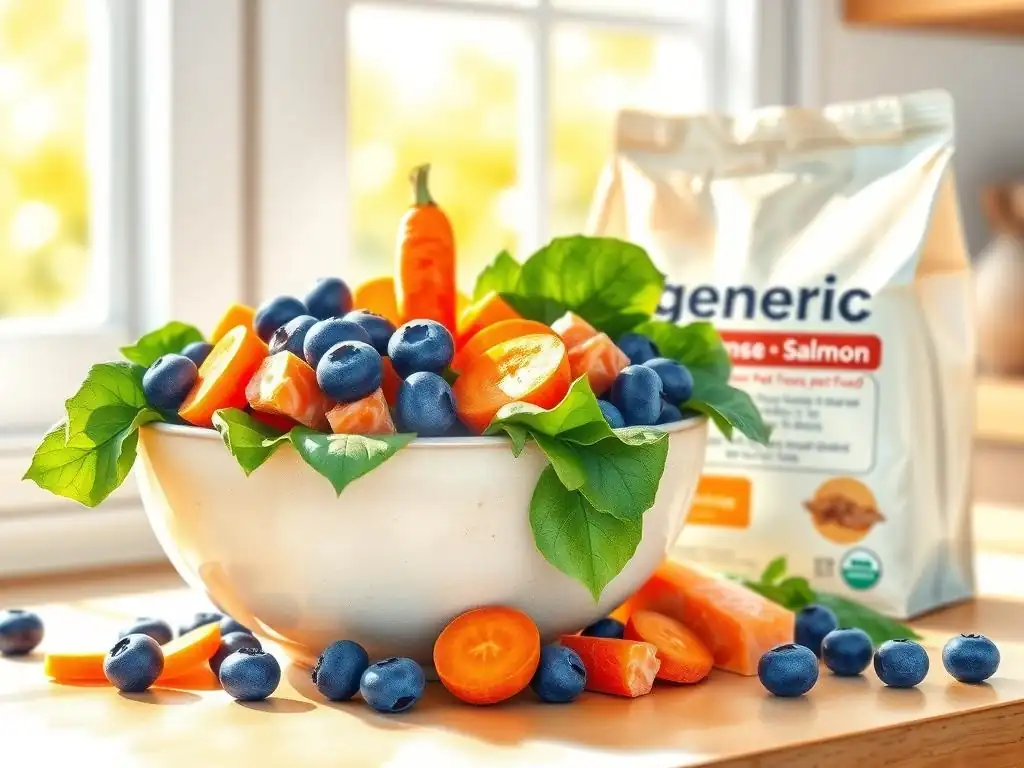
Choosing the right pet food can be a significant financial commitment, especially when opting for premium brands. While premium pet foods often boast superior ingredients and higher nutritional density, they aren't always necessary for a pet to thrive. Many affordable alternatives can provide excellent nutrition without breaking the bank. The key is understanding what to look for and how to make informed choices.
This section explores cost-effective options that don't compromise your pet's health and well-being. The question "Is premium pet food worth the cost?" often depends on individual circumstances and your pet's specific needs. Let's explore some viable alternatives.
Selecting High-Quality Budget Brands: What to Look For
Navigating the vast world of pet food can be overwhelming. Many budget-friendly brands offer surprisingly good nutrition. However, careful scrutiny is crucial. Don't be fooled by flashy packaging or marketing claims. Instead, focus on these key aspects:
- Ingredient List: The first ingredient should be a named meat source (e.g., chicken, beef, lamb), not a generic term like "meat by-products." Look for a list dominated by whole foods, avoiding excessive fillers like corn, wheat, and soy. The higher up a specific ingredient appears, the more of it is present.
- Guaranteed Analysis: Pay close attention to the guaranteed analysis, which specifies the minimum percentages of crude protein, fat, fiber, and moisture. These numbers provide a benchmark for nutritional content, but remember that they don't tell the whole story. The quality of the protein and fat sources matters more than just the quantity.
- AAFCO Statement: The Association of American Feed Control Officials (AAFCO) statement indicates whether the food meets nutritional standards for a particular life stage (e.g., puppy, adult, senior). Look for a statement indicating that the food is "complete and balanced."
- Reviews and Recommendations: Check online reviews from other pet owners. While individual experiences vary, consistent positive feedback can offer valuable insights. Consult with your veterinarian; they can offer personalized recommendations based on your pet's breed, age, activity level, and any health conditions.
- Price per calorie: Don't just compare the price per bag or can. Calculate the price per calorie to get a true sense of value. A larger bag might seem cheaper upfront, but if the calorie density is lower, it could end up costing more in the long run.
| Feature | High-Quality Budget Brand | Low-Quality Budget Brand |
|---|---|---|
| Primary Ingredient | Named meat source (e.g., chicken, salmon) | Generic "meat by-products," fillers (corn, wheat, soy) |
| Guaranteed Analysis | High protein, moderate fat, low fiber | Low protein, high fillers, potentially unbalanced |
| AAFCO Statement | Clearly states "complete and balanced" for life stage | May lack a clear AAFCO statement or be incomplete/unbalanced |
| Packaging | Simple, focuses on ingredient information | Often uses misleading marketing claims |
Remember, a lower price tag doesn't automatically equate to inferior quality. With careful selection and attention to detail, you can find budget-friendly options that provide your pet with the nutrition they need to flourish.
Exploring the Benefits of Homemade Pet Food Diets
Homemade pet food offers another avenue for cost savings and dietary control. You can tailor recipes to your pet's specific needs and preferences, avoiding potentially harmful additives and fillers commonly found in commercial foods. However, crafting a balanced homemade diet requires careful planning and knowledge of canine or feline nutritional requirements. Improperly balanced homemade diets can lead to nutritional deficiencies or imbalances, potentially causing serious health problems.
Before embarking on a homemade diet, consult your veterinarian. They can help you formulate a nutritionally complete and balanced recipe that meets your pet's specific needs. They can also guide you on appropriate food preparation and storage techniques to minimize the risk of bacterial contamination.
Creating a balanced homemade diet requires an understanding of macronutrients (proteins, fats, carbohydrates), micronutrients (vitamins and minerals), and the appropriate ratios for your pet's age and activity level. This often involves using nutritional calculators and supplements to ensure complete nutritional coverage. While a homemade diet can be rewarding and potentially more economical in the long run, it demands a significant time commitment and careful attention to detail.
It's not a shortcut; it's a commitment to a highly personalized approach to pet nutrition. The potential benefits—improved health, allergy management, and greater control over ingredients—must be weighed against the increased time, effort, and potential financial investment in specialized supplements. Careful planning and veterinary guidance are paramount to ensure success.
Frequently Asked Questions
No, not necessarily. While premium pet foods often contain higher-quality ingredients, the price difference isn't always justified by a significant improvement in your pet's health. Consider your pet's individual needs and budget.
Premium pet foods typically use higher-quality protein sources, more digestible carbohydrates, and fewer fillers. They may also contain added nutritional supplements and enhanced palatability.
Look for foods with clearly listed, high-quality ingredients, avoiding vague terms. Consult your veterinarian to determine the best type of food for your pet's specific needs and health conditions.
While generally healthier, some premium foods can be more expensive and may not be necessary for all pets. Allergies to specific ingredients are also a potential concern.
Consider brands with transparent ingredient lists, reputable reputations, and positive customer reviews. Look for foods that meet the Association of American Feed Control Officials (AAFCO) nutritional standards.
The choices we make regarding our pets' nutrition directly impact their health and well-being, a truth amplified in today's saturated market of premium pet food. Understanding the nuances between marketing claims and genuine nutritional value is crucial, not just for our furry companions, but for responsible pet ownership itself. The cost of premium pet food is a significant factor, demanding careful consideration and informed decision-making.
The ongoing debate surrounding premium pet food highlights a broader societal shift towards prioritizing quality and ethical sourcing, not just for ourselves, but for our animal companions. This reflects a growing awareness of the interconnectedness of our lives and the impact our choices have on the environment and animal welfare. The best things in life aren't things,
a sentiment that resonates deeply when considering the true value we place on our pets' health and happiness, beyond the price tag on a bag of food.
Ultimately, the question of whether premium pet food is worth the cost is a deeply personal one. Consider the ingredients, the sourcing, the nutritional analysis, and most importantly, your pet's individual needs and responses. Don't be swayed solely by marketing; instead, empower yourself with knowledge to make informed decisions that best serve your beloved companion. Take the time to research, compare, and choose a food that aligns with your values and your pet's unique requirements. Your pet's health and happiness depend on it.
Unlock Your Pet's Nutritional Potential
Thanks for exploring the world of pet nutrition with us! We hope you've gained valuable insights into choosing the right food for your furry friend. Now, let's put that knowledge into action.
- Start by reviewing your pet's current diet: Carefully examine the ingredient list and nutritional information. Does the food truly meet your pet's specific needs and life stage? This crucial step will guide you toward making informed choices.
- Share your thoughts and experiences: Join the conversation in the comments below! What brands have you found most beneficial? What questions do you still have about providing optimal nutrition for your pet? Let's learn from each other.
- Consider trying a new food, starting with a smaller bag, to observe your pet's response. Remember, even small dietary adjustments can significantly impact their health and well-being!
Ready to make a positive change in your pet's life? What small step will you take today to ensure their continued health and happiness?