
Homemade Pet Food: The Role of Supplements and Their Importance

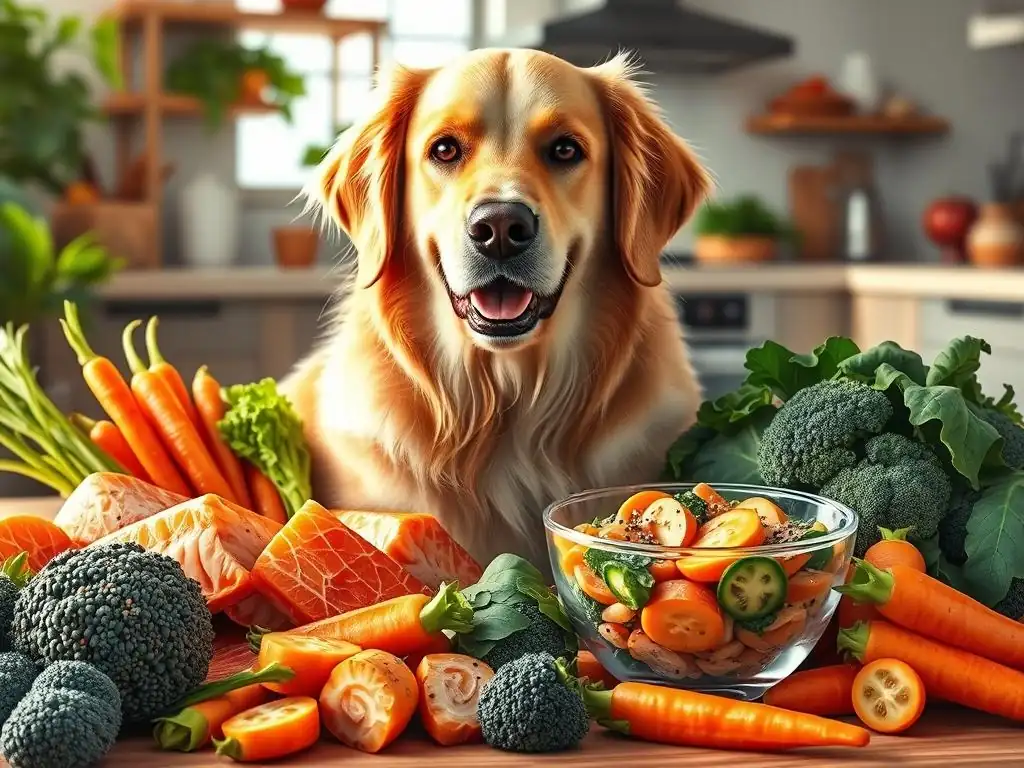
Welcome to PetCareWorld, your ultimate guide to a happier, healthier life for your beloved companion! Are you looking to elevate your pet's well-being with natural, nutritious choices? Then discover the secrets to crafting the perfect diet, including exploring the crucial role of best pet food supplements homemade in ensuring your furry, feathered, or scaled friend thrives. Uncover expert insights and practical recipes to create a truly exceptional nutritional experience – let's dive in!
- Understanding the Nutritional Needs of Your Pet
-
Best Pet Food Supplements for Homemade Diets: A Comprehensive Guide
- Selecting Supplements Based on Breed, Age, and Health Conditions
- Vitamin and Mineral Supplements for Homemade Pet Food
- Omega-3 and Omega-6 Fatty Acid Supplements for Skin and Coat Health
- Probiotic Supplements for Improved Digestive Health
- Prebiotic Supplements to Support Gut Microbiota
- The Role of Digestive Enzymes in Homemade Pet Food
- Homemade Pet Food Recipes with Added Supplements
- Safe Handling and Storage of Pet Food Supplements
- Consulting with a Veterinarian: Ensuring Nutritional Balance
- Monitoring Your Pet's Health After Supplementing Homemade Food
-
Frequently Asked Questions
- What are the benefits of adding supplements to homemade pet food?
- What are some essential supplements for homemade pet food?
- Are there any risks associated with adding supplements to homemade pet food?
- How do I know which supplements my pet needs?
- Where can I find reliable information on pet food supplements?
- Final Reflection: Nurturing Wellness: The Ongoing Journey of Homemade Pet Nutrition
- Unleash Your Pet's Inner Glow: Nourishing Steps to a Healthier Life
Understanding the Nutritional Needs of Your Pet
Crafting a truly nutritious homemade pet food diet requires a deep understanding of your pet's specific nutritional requirements. Unlike commercial pet foods that undergo rigorous formulation processes to meet Association of American Feed Control Officials (AAFCO) standards, homemade diets necessitate careful planning and supplementation to prevent deficiencies.
This article delves into the crucial role of supplements in homemade pet food, focusing on how to identify potential nutritional gaps and ensuring your pet receives the best possible nutrition. We'll explore essential nutrients, common deficiencies, and the importance of tailoring a diet to your pet's individual needs, ultimately guiding you towards creating a balanced and healthy homemade meal plan that rivals – or even surpasses – commercial options in terms of quality and nutritional value.
Choosing to make your pet's food at home is a significant commitment, but with careful planning and attention to detail, you can provide your furry, feathered, or scaled companion with optimal nourishment. This guide will empower you to make informed decisions about supplementing your pet's homemade food, ensuring their long-term health and well-being.
Essential Nutrients for Homemade Dog Diets 1
A balanced homemade dog food must include a variety of essential nutrients. These can be broadly categorized into macronutrients (carbohydrates, proteins, and fats) and micronutrients (vitamins and minerals). Protein is crucial for muscle growth and repair, and high-quality sources like chicken, beef, or fish should form the basis of your dog's diet. Carbohydrates provide energy, and suitable options include brown rice, sweet potatoes, and oats. Healthy fats, such as those found in salmon oil and flaxseed, are essential for skin and coat health.
Crucially, micronutrients play a vital supporting role. Vitamins like A, D, E, and K, along with minerals such as calcium, phosphorus, and iron, are often deficient in homemade diets unless carefully supplemented. The precise quantities of each nutrient will vary depending on your dog's age, breed, activity level, and overall health. Failing to meet these requirements can lead to serious health issues.
| Nutrient Category | Essential Nutrients | Sources in Homemade Diets | Potential Deficiencies if Unsupplemented |
|---|---|---|---|
| Macronutrients | Protein, Carbohydrates, Fats | Meat, poultry, fish; rice, sweet potato; salmon oil, flaxseed | Muscle loss, weight loss, poor coat |
| Micronutrients | Vitamins A, D, E, K; Calcium, Phosphorus, Iron | Liver, leafy greens; eggs; various meat sources | Bone weakness, immune deficiency, anemia |
Common Nutritional Deficiencies in Homemade Pet Food
Even with careful planning, homemade pet food can easily lack certain essential nutrients. This is where supplementation becomes vital. Common deficiencies include:
- Taurine: Essential for cats and some dogs, taurine deficiency can lead to heart problems and blindness. Supplementation is often necessary in homemade cat food.
- Arachidonic Acid: An omega-6 fatty acid, crucial for skin and coat health. While found in some meats, supplementation might be needed to ensure adequate levels.
- Vitamin D: Often deficient in homemade diets. Supplementation is usually required, especially for indoor pets.
- Vitamin B12: Primarily found in animal products. Vegetarians and vegans need to be especially careful to supplement B12 in their pets' diets.
- Minerals: Calcium, phosphorus, and other minerals are crucial for bone health and overall well-being. Many homemade diets lack sufficient minerals, requiring careful supplementation.
It is crucial to remember that these are just some examples and the specific deficiencies will vary widely depending on the ingredients used. Consulting with a veterinary nutritionist is highly recommended to ensure a balanced and complete diet. Improper supplementation can be as harmful as insufficient supplementation, highlighting the importance of expert guidance. This professional can analyze your pet's diet and recommend the most appropriate supplements and dosages.
Assessing Your Pet's Individual Nutritional Needs
The best pet food supplements for homemade diets are those that address your pet's specific needs. A young, growing puppy will have vastly different nutritional requirements than a senior dog. Similarly, a highly active dog needs more calories and certain nutrients than a sedentary pet.
Regular veterinary check-ups are essential to monitor your pet's health and identify any potential nutritional deficiencies. Your veterinarian can perform blood tests to assess nutrient levels and recommend appropriate supplements. Furthermore, observing your pet's physical condition – coat quality, energy levels, weight – can also provide valuable clues about their nutritional status.
Consider keeping a detailed food diary, noting any changes in appetite or behavior that might indicate nutritional imbalances. This holistic approach, combining professional veterinary advice with careful observation, ensures your pet receives the optimal nutrition for a long and healthy life. Remember, providing the "best" supplements means understanding your pet's unique needs and working with a professional to address them effectively.
1 This section focuses on dogs for illustrative purposes. Nutrient requirements vary significantly across species. Always consult a veterinary nutritionist for advice tailored to your specific pet.
Best Pet Food Supplements for Homemade Diets: A Comprehensive Guide
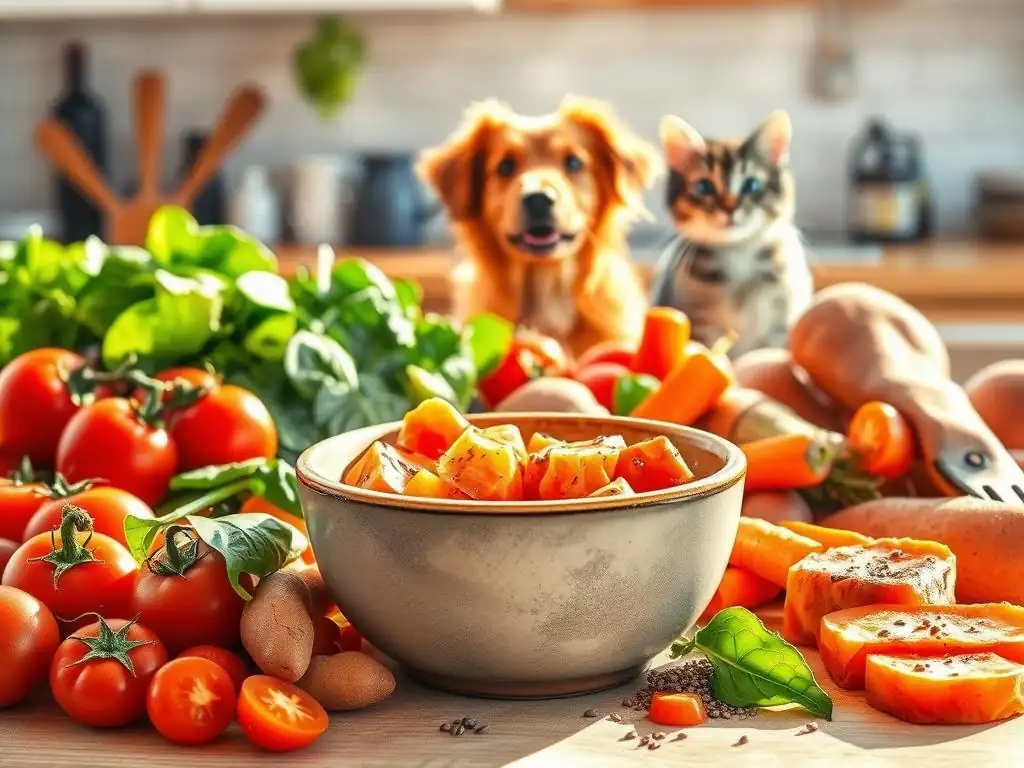
Crafting a balanced homemade pet food diet requires meticulous attention to detail. While you can provide many essential nutrients through carefully selected ingredients, supplementing your pet's homemade food is often crucial to ensure complete nutritional coverage and address specific health needs. This section explores the best pet food supplements to enhance your homemade recipes and promote optimal health for your furry, feathered, or scaled friend.
Finding the right supplements can be challenging, so we'll delve into selecting the appropriate ones for your pet's unique requirements. Remember, always consult your veterinarian before making significant changes to your pet's diet, especially if they have pre-existing health conditions. This information is for educational purposes and should not replace professional veterinary advice.
Selecting Supplements Based on Breed, Age, and Health Conditions
The "best" pet food supplements are highly individualized. A Great Dane puppy will have vastly different nutritional needs than a senior Chihuahua with kidney disease. Therefore, supplement selection must consider several key factors:
- Breed: Certain breeds are predisposed to specific health issues. For example, large breeds are more prone to hip dysplasia, requiring supplements that support joint health like glucosamine and chondroitin. Smaller breeds might be susceptible to dental problems, benefitting from dental chews or supplements promoting oral hygiene.
- Age: Puppies and kittens require higher levels of protein and certain vitamins for growth. Senior pets often need supplements to support their aging organs and maintain mobility, such as antioxidants and joint support supplements. Geriatric pets may also require supplements to improve digestion and nutrient absorption.
- Health Conditions: Underlying health conditions significantly influence supplement choices. Pets with allergies might need hypoallergenic supplements. Those with kidney disease require supplements carefully formulated to avoid straining their kidneys. Diabetic pets may need supplements that support blood sugar regulation. A comprehensive blood panel from your veterinarian will provide valuable insight into your pet's specific needs.
Consider this example: A senior Golden Retriever with osteoarthritis would benefit from supplements containing glucosamine, chondroitin, and omega-3 fatty acids to support joint health and reduce inflammation. Conversely, a young, healthy Siamese cat might only need a basic multivitamin to ensure a balanced diet. The key is personalization based on individual needs.
Vitamin and Mineral Supplements for Homemade Pet Food
Homemade pet food, while offering control over ingredients, can easily lack crucial vitamins and minerals if not meticulously planned. Supplementation becomes essential to bridge these nutritional gaps and prevent deficiencies.
Common vitamin and mineral deficiencies in homemade pet food can include:
- Vitamin A: Essential for vision, reproduction, and immune function. Deficiency can lead to night blindness and impaired immune response.
- Vitamin D: Crucial for calcium absorption and bone health. Deficiency can cause rickets in young animals and bone softening in adults.
- Vitamin E: A potent antioxidant that protects cells from damage. Deficiency can lead to muscle weakness and reproductive problems.
- Vitamin K: Important for blood clotting. Deficiency can cause excessive bleeding.
- Calcium and Phosphorus: Essential for bone health and growth. Imbalance can lead to skeletal problems.
- Iron: Necessary for red blood cell production. Deficiency can cause anemia.
Many commercially available pet multivitamins address these deficiencies, but always check the ingredient list to ensure it aligns with your pet's specific needs and age. Some supplements are formulated for specific species (e.g., feline vs. canine) and life stages (e.g., puppy vs. adult). Be mindful of potential interactions between supplements and always consult your veterinarian before administering any new supplement.
Omega-3 and Omega-6 Fatty Acid Supplements for Skin and Coat Health
Omega-3 and omega-6 fatty acids are essential fatty acids, meaning your pet's body cannot produce them and must obtain them through their diet. These fatty acids play a vital role in skin and coat health, reducing inflammation, and promoting a glossy, healthy coat. While some ingredients in homemade diets might contain these fatty acids, supplementation can ensure adequate levels.
Common sources of omega-3 and omega-6 fatty acids include:
- Fish oil: Rich in EPA and DHA, omega-3 fatty acids known for their anti-inflammatory properties.
- Flaxseed oil: A good source of ALA, an omega-3 fatty acid that the body can convert to EPA and DHA, although the conversion rate is not always efficient.
- Salmon oil: Another excellent source of omega-3 fatty acids with added benefits for heart health.
- Evening primrose oil: Contains gamma-linolenic acid (GLA), an omega-6 fatty acid that supports skin health.
Supplementing with fish oil or flaxseed oil can improve skin conditions like dryness, itching, and dandruff. It can also contribute to a shinier, healthier coat. However, excessive omega-6 intake can be pro-inflammatory, so maintaining a balance between omega-3 and omega-6 is crucial. Always follow the recommended dosage on the product label and consult your vet if you have any concerns. They can help you determine the appropriate dosage based on your pet's size, breed, and health status. Remember that achieving the best results often involves a holistic approach, combining a balanced homemade diet with the appropriate supplements.
Probiotic Supplements for Improved Digestive Health

Probiotic supplements are crucial for bolstering your pet's digestive health, especially when feeding them a homemade diet. Unlike commercial foods that often contain stabilizers and preservatives, homemade pet food can sometimes lack the naturally occurring beneficial bacteria that contribute to a healthy gut. Probiotics introduce live microorganisms, primarily various strains of Lactobacillus and Bifidobacterium, directly into the digestive tract. These "good" bacteria help maintain a balanced gut flora, improving digestion and nutrient absorption.
A balanced gut microbiome is also vital for strengthening the immune system, as a significant portion of a pet's immune response is generated within the gastrointestinal tract. Choosing a high-quality probiotic specifically formulated for your pet's species and age is vital. Look for products with guaranteed colony-forming units (CFUs) to ensure potency. Remember to introduce probiotics gradually to avoid digestive upset.
Some pets may experience minor gas or loose stools initially, but this usually subsides quickly. Always consult your veterinarian before adding any new supplements, especially if your pet has pre-existing health conditions. They can help you select the appropriate probiotic strain and dosage for your pet's specific needs and ensure there are no contraindications with other medications or supplements they may be taking. For example, a dog with pancreatitis might require a different probiotic formulation than a cat with inflammatory bowel disease (IBD).
Prebiotic Supplements to Support Gut Microbiota
While probiotics introduce beneficial bacteria directly, prebiotics act as food for these bacteria, fostering their growth and activity within the gut. Prebiotics are typically non-digestible fibers, such as fructooligosaccharides (FOS) and inulin, that selectively nourish the beneficial bacteria already present in your pet's gut. This selective feeding process helps to create a more robust and diverse microbiome, further enhancing digestive health and nutrient absorption. Supplementing with prebiotics alongside probiotics creates a synergistic effect, maximizing the benefits for your pet's digestive system.
The improved gut health translates to better overall well-being, stronger immunity, and potentially reduced occurrences of digestive upset. When selecting a prebiotic supplement, ensure it's specifically formulated for animals and is free from harmful additives or fillers. Just as with probiotics, introduce prebiotics gradually to allow your pet's digestive system to adapt.
Monitoring your pet's stool consistency is crucial; changes in bowel movements can indicate an adverse reaction or the need for dosage adjustment. Always consult your veterinarian to determine the appropriate type and amount of prebiotic supplement for your pet, considering their individual dietary needs and any underlying health conditions. For example, a senior dog with reduced digestive function might require a different prebiotic formulation than a young, healthy cat.
The Role of Digestive Enzymes in Homemade Pet Food
Digestive enzymes play a crucial role in breaking down food into smaller molecules that your pet's body can easily absorb. Homemade diets, while offering control over ingredients, can sometimes lack the enzyme levels present in commercially manufactured pet foods. These enzymes, such as amylase (for carbohydrates), protease (for proteins), and lipase (for fats), facilitate the efficient digestion and utilization of nutrients. Supplementing with digestive enzymes can be particularly beneficial for pets with digestive sensitivities, older pets with decreased enzyme production, or those recovering from illness.
Adding digestive enzymes to homemade pet food can improve nutrient absorption, reduce digestive discomfort, and potentially alleviate symptoms associated with food allergies or intolerances. When choosing digestive enzyme supplements, look for products that contain a blend of enzymes appropriate for your pet's diet. The specific blend should complement the ingredients you are using in your homemade food. For example, a diet rich in protein might benefit from a supplement with higher protease activity.
Dosage should be carefully considered and adjusted based on your pet's size, age, and the specific enzyme formulation. Over-supplementation can lead to digestive upset, so it's essential to follow the manufacturer's instructions or consult your veterinarian for guidance. Always start with a low dose and gradually increase it as needed, closely monitoring your pet's response. Consider that some pets, especially those with sensitive stomachs, might need a gradual introduction of digestive enzymes to avoid any adverse reactions.
Homemade Pet Food Recipes with Added Supplements
This section provides detailed recipes for homemade pet food, incorporating essential supplements to ensure nutritional completeness. Remember, always consult your veterinarian before making significant dietary changes for your pet, especially if they have pre-existing health conditions. Finding the best pet food supplements homemade requires careful consideration of your pet's specific needs and age.
Balanced Homemade Dog Food with Added Supplements: Chicken and Brown Rice Recipe
This recipe provides a balanced diet for adult dogs, incorporating lean protein, complex carbohydrates, and crucial supplements. It's crucial to use high-quality ingredients and measure precisely to maintain the correct nutrient ratios. This recipe is designed for a medium-sized dog; adjust quantities proportionally for smaller or larger breeds.
Ingredients:
- 1 lb boneless, skinless chicken breast, cooked and shredded
- 1 cup brown rice, cooked
- ½ cup cooked sweet potatoes, mashed
- ¼ cup cooked green beans, chopped
- 2 tbsp plain, unsweetened yogurt (probiotic source)
- 1 tsp fish oil (omega-3 fatty acids)
- ½ tsp kelp powder (source of iodine and minerals)
- ⅛ tsp turmeric powder (anti-inflammatory properties) 1
Instructions:
- Thoroughly mix all ingredients in a large bowl.
- Divide into portions and store in airtight containers in the refrigerator for up to 3 days or freeze for longer storage. Always thaw completely before serving.
- Monitor your dog's stool consistency; adjustments to the recipe may be necessary based on their individual digestive response.
Nutritional Considerations: This recipe provides a good source of protein, carbohydrates, and fiber. The added supplements enhance the nutritional profile, providing probiotics for gut health, omega-3s for coat and joint health, and minerals and antioxidants for overall well-being. However, it's vital to remember that this recipe might not contain all the nutrients a dog needs, and regular veterinary checkups are necessary to ensure your dog remains healthy. Always consider supplementing with a high-quality commercial supplement if you are concerned about nutrient deficiencies.
Homemade Cat Food Recipe with Nutritional Boosters: Salmon and Sweet Potato Recipe
Cats have specific nutritional requirements, notably a high protein intake and taurine. This recipe addresses these needs while incorporating additional supplements for a nutritional boost. This recipe is suitable for adult cats; adjust portion sizes according to your cat's weight and activity level. Always consult your veterinarian before making changes to your cat's diet.
Ingredients:
- 1 can (5 oz) wild-caught salmon, drained and flaked
- ½ cup cooked sweet potato, mashed
- ¼ cup cooked green beans, finely chopped
- 1 tbsp cooked chicken liver, finely minced (excellent source of iron and other vitamins)
- 1 tsp taurine powder (essential amino acid for cats)
- ½ tsp spirulina powder (rich in vitamins and antioxidants)
- ⅛ tsp catnip (optional, for palatability)
Instructions:
- Gently mix all ingredients in a bowl.
- Serve immediately or store in airtight containers in the refrigerator for up to 2 days.
Nutritional Considerations: Salmon provides high-quality protein and omega-3 fatty acids. Sweet potato offers fiber and vitamins. The addition of taurine is crucial for feline heart and eye health. Spirulina boosts the nutritional value with additional vitamins and antioxidants. Chicken liver provides essential nutrients. This recipe, like the dog food recipe, should be viewed as a supplemental food and not a complete replacement for a commercial diet unless explicitly approved by a veterinarian.
Supplementing Homemade Food for Senior Cats
Senior cats often have different nutritional needs than younger cats. Their metabolism slows down, and they may have decreased appetite or digestive issues. Supplementing homemade food for senior cats requires careful attention to detail.
- Joint Support: Consider adding glucosamine and chondroitin supplements to support joint health and mobility. These are commonly available in powder or tablet form and can be easily incorporated into food.
- Digestive Health: Probiotics can improve gut health and digestion, particularly important for senior cats who may experience digestive upset. Plain yogurt (without added sugar) can be a good source of probiotics.
- Kidney Support: If your senior cat has kidney issues, consult your veterinarian about appropriate supplements. Some supplements may not be suitable for cats with kidney disease.
- Cognitive Function: Some supplements, like fish oil, may support cognitive function in older cats. However, always consult your veterinarian before using any supplements intended to boost cognitive function.
- Vitamin and Mineral Balance: A comprehensive senior cat vitamin and mineral supplement can help fill any nutritional gaps in a homemade diet. These supplements are often formulated to address the specific needs of older cats.
Remember, providing a balanced and appropriate diet for your senior cat is crucial for maintaining their health and quality of life. Regular veterinary checkups are essential to monitor their health and adjust their diet as needed. The best pet food supplements homemade for a senior cat will depend on their individual health status and needs. Always prioritize consulting your veterinarian before making any dietary changes.
1 Consult your veterinarian before using turmeric with your dog, especially if they are on any medication.
Safe Handling and Storage of Pet Food Supplements
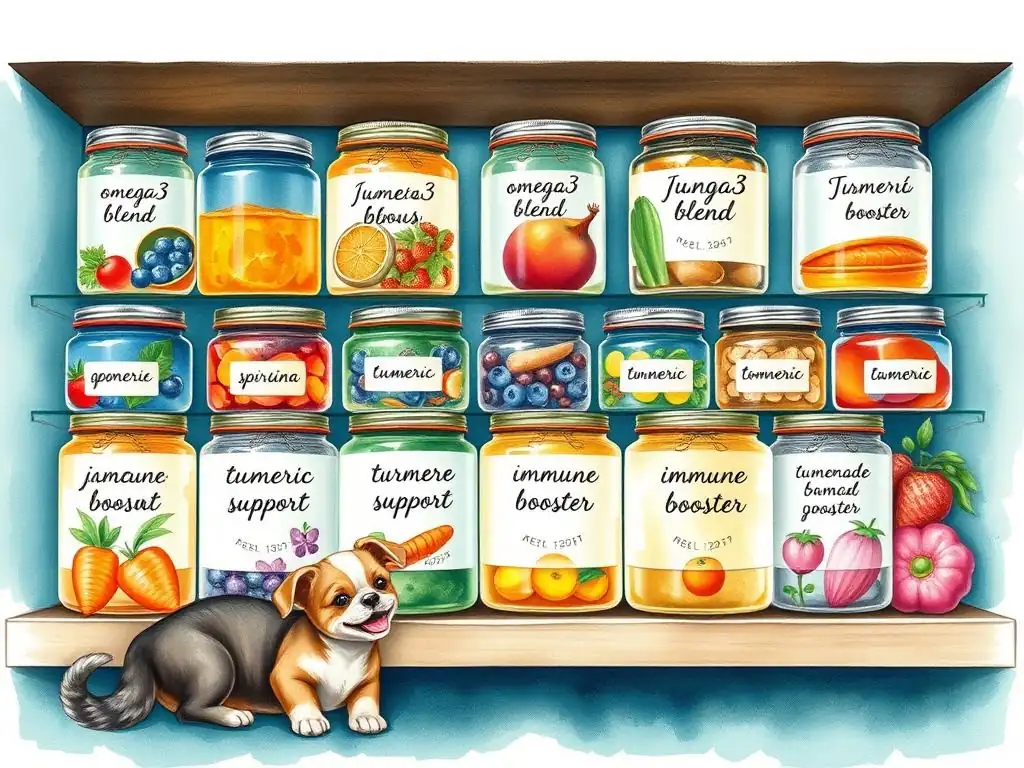
Supplementing your homemade pet food with additional nutrients is a great way to ensure your furry friend receives a balanced diet. However, the effectiveness and safety of these supplements hinge significantly on proper handling and storage. Neglecting these crucial steps can lead to nutrient degradation, contamination, and ultimately, harm to your pet. Choosing the best pet food supplements homemade requires understanding how to maintain their quality.
Proper Storage Techniques to Preserve Supplement Potency
The potency of pet food supplements, whether powdered, liquid, or capsule form, diminishes over time due to exposure to air, light, moisture, and temperature fluctuations. Optimal storage significantly extends their shelf life and ensures your pet receives the intended benefits.
Here's a breakdown of best practices:
- Powdered Supplements: Store in airtight, opaque containers in a cool, dry, and dark place. Avoid areas with high humidity, like bathrooms. Consider using desiccant packs to absorb excess moisture. Always use a clean, dry spoon to measure out the supplement, avoiding contamination.
- Liquid Supplements: Refrigeration is usually necessary for liquid supplements, as indicated on the product label. Check for any separation or changes in color or consistency that might suggest spoilage. Discard any supplements showing signs of deterioration.
- Capsule Supplements: Store in their original container, away from direct sunlight and heat. Keep the container tightly sealed to prevent moisture absorption. Check the expiration date diligently.
Table 1: Storage Recommendations for Common Pet Food Supplements
| Supplement Type | Storage Conditions | Shelf Life (Approximate) | Notes |
|---|---|---|---|
| Powdered Vitamins | Airtight, dark, cool, dry | 6-12 months | Use desiccant packs |
| Liquid Omega-3s | Refrigerated | 3-6 months | Check for separation |
| Capsule Probiotics | Cool, dark, dry | 12-18 months | Check expiration date |
Proper storage is crucial for maintaining the efficacy and safety of your chosen supplements. Remember that even with meticulous storage, supplements eventually lose their potency. Regularly check expiration dates and replace supplements as needed to guarantee your pet's nutritional needs are met consistently. Investing in high-quality, well-preserved supplements is vital for ensuring your pet receives the best pet food supplements homemade.
Preventing Contamination of Homemade Pet Food
Contamination of homemade pet food, particularly when incorporating supplements, can pose serious health risks to your pet. Bacteria, mold, and other harmful microorganisms can thrive in improperly handled food, leading to illness. Preventing contamination requires careful attention to hygiene and proper handling techniques.
Here's a checklist for safe food preparation:
- Cleanliness is Key: Wash your hands thoroughly before and after handling food and supplements. Sanitize all utensils, bowls, and surfaces that come into contact with the food.
- Proper Measuring: Use clean, dedicated measuring tools for each supplement to avoid cross-contamination. Never use the same spoon for different supplements or other ingredients.
- Storage of Homemade Food: Store homemade pet food in airtight containers in the refrigerator. Avoid leaving prepared food at room temperature for extended periods. Discard any leftover food after a day or two.
- Ingredient Quality: Choose high-quality ingredients for both the base food and supplements. Avoid using supplements that show signs of spoilage or contamination.
- Avoid Cross-Contamination: Keep pet food and supplements separate from human food and other potential contaminants. Store them in designated areas to minimize the risk of accidental contamination.
By following these guidelines, you can significantly reduce the risk of contaminating your homemade pet food and ensure that your pet receives safe and nutritious meals. Remember, even small amounts of contamination can have a significant impact on your pet's health. Prioritizing hygiene and safe handling practices is paramount when creating homemade pet food enhanced with the best pet food supplements homemade.
Consulting with a Veterinarian: Ensuring Nutritional Balance
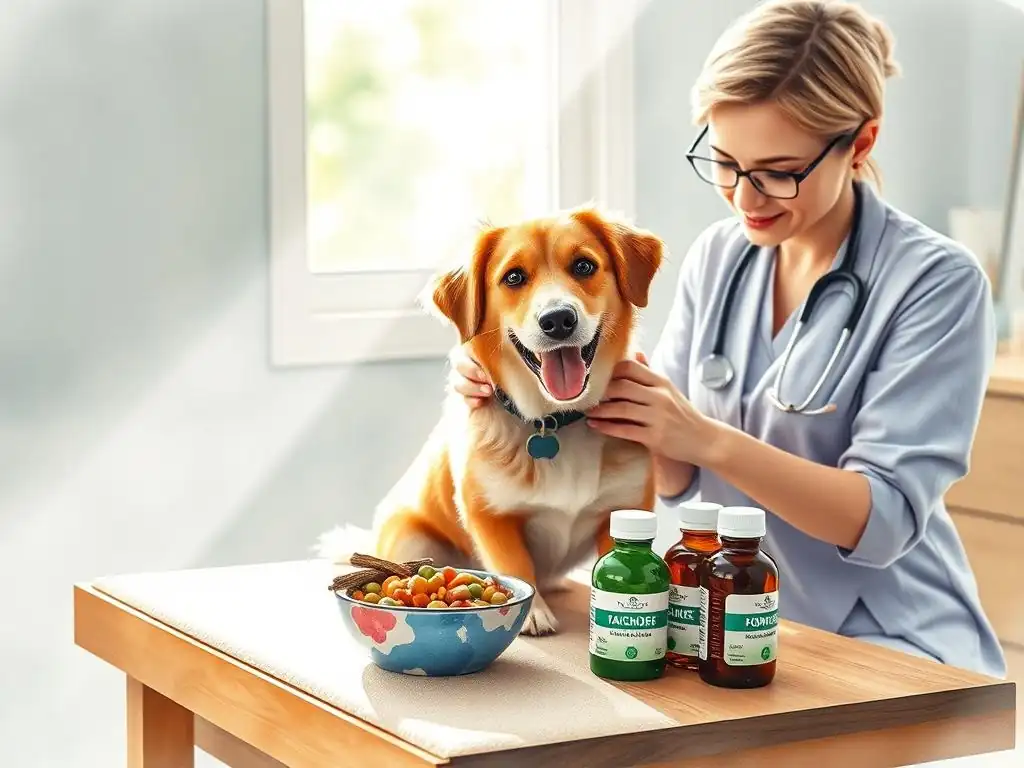
Homemade pet food, while offering the potential for greater control over ingredients, requires careful planning to ensure complete nutritional balance. This is where a veterinarian plays a crucial role. Relying solely on online resources or anecdotal evidence when formulating your pet's diet can be risky, potentially leading to nutritional deficiencies or excesses that negatively impact their health.
A veterinarian possesses the expertise to assess your pet's individual needs, considering factors like age, breed, activity level, and any pre-existing health conditions. They can help you create a balanced homemade diet that meets all the necessary nutritional requirements, minimizing the risk of health problems. The "best pet food supplements homemade" are those recommended and tailored by a professional, ensuring optimal health and well-being.
When Veterinary Consultation is Necessary for Pet Nutrition
Veterinary consultation is not merely advisable; it's essential for several scenarios when creating homemade pet food. It's particularly crucial for:
- Puppies and Kittens: Their rapidly developing bodies have specific nutritional needs that are difficult to meet without professional guidance. Improper nutrition during this crucial growth phase can have lasting consequences.
- Senior Pets: As pets age, their nutritional requirements change. Senior pets often require diets tailored to support their declining organ function and age-related health issues. A veterinarian can help you adjust the homemade food and supplements to meet these changing needs.
- Pets with Pre-existing Conditions: Conditions like diabetes, kidney disease, or allergies necessitate highly specific dietary adjustments. A veterinarian can help you formulate a homemade diet that manages these conditions and supports overall health.
- Pets with Picky Eating Habits: If your pet is a fussy eater, a veterinarian can help you formulate a palatable and nutritionally complete homemade diet, ensuring they receive the necessary nutrients.
- Sudden Changes in Appetite or Weight: Any significant shifts in your pet's eating habits or weight should prompt a veterinary checkup. These changes could indicate underlying health issues that require dietary adjustments.
- Introducing New Ingredients: Before introducing any new ingredients into your pet's homemade diet, it is best practice to consult your veterinarian to rule out potential allergies or sensitivities.
Failing to consult a veterinarian in these situations could lead to serious health consequences for your pet. Remember, the goal is to provide the best pet food supplements homemade while ensuring their complete nutritional well-being.
Collaborating with Your Veterinarian to Develop a Personalized Supplement Plan
Once your veterinarian approves the base of your homemade pet food recipe, the next step often involves supplementing the diet. This isn't simply about adding vitamins; it's about meticulously tailoring a plan based on your pet's individual needs and the nutritional gaps in the homemade food. This collaboration typically involves:
- Nutritional Bloodwork: Your veterinarian might recommend blood tests to assess your pet's current nutritional status and identify any deficiencies. This provides objective data to guide supplement choices.
- Detailed Ingredient Analysis: Your vet can analyze your homemade food recipe to pinpoint any nutritional shortfalls. This analysis often considers the bioavailability of nutrients – how effectively your pet's body absorbs them from the food.
- Supplement Recommendations: Based on the bloodwork and ingredient analysis, your veterinarian will suggest specific supplements to address any deficiencies. This might include vitamins, minerals, fatty acids, or other essential nutrients.
- Dosage and Administration: Proper dosage is crucial for supplement effectiveness and safety. Your veterinarian will provide precise instructions on how much to give your pet and how to administer it.
- Regular Monitoring: Regular veterinary checkups are essential to monitor your pet's response to the homemade diet and supplements. This allows for adjustments to ensure optimal health and well-being.
By actively collaborating with your veterinarian, you can ensure your pet receives the "best pet food supplements homemade," creating a truly personalized and effective nutritional plan. This proactive approach is key to maintaining your pet's long-term health and happiness. Remember, a healthy pet is a happy pet! 🐶🐱🐭🐹🐰🐦🐍
Monitoring Your Pet's Health After Supplementing Homemade Food
Transitioning your pet to a homemade diet, even with careful supplementation, requires vigilant monitoring of their health. This proactive approach ensures your pet receives the optimal nutritional balance and helps identify any potential issues early. The "best pet food supplements homemade" strategy isn't just about adding supplements; it's about observing their impact. Consistent monitoring is crucial for maintaining your pet's well-being.
Recognizing Signs of Nutritional Deficiencies in Pets
Nutritional deficiencies can manifest in various ways, subtly or dramatically impacting your pet's health. Early detection is key to preventing serious complications. Here are some key indicators to watch for:
- Changes in coat and skin: A dull, dry coat, excessive shedding, flaky skin, or recurring skin infections can signal deficiencies in essential fatty acids, vitamins (like A and E), or zinc. For example, a deficiency in omega-3 fatty acids can lead to a dry, itchy coat.
- Digestive issues: Constipation, diarrhea, vomiting, or changes in appetite can indicate problems with digestion, potentially stemming from imbalances in fiber, probiotics, or other digestive enzymes. Chronic diarrhea, for instance, might point to a lack of prebiotics or probiotics.
- Energy levels and behavior: Lethargy, decreased activity levels, behavioral changes (increased aggression or anxiety), or a weakened immune system (frequent illnesses) can be linked to several nutrient deficiencies. A noticeable drop in energy could indicate a deficiency in iron or B vitamins.
- Weight changes: Unexpected weight loss or gain can be a significant warning sign. Sudden weight loss could suggest a protein or calorie deficiency, while unexplained weight gain might indicate an excess of calories or a lack of sufficient exercise.
- Bone and joint problems: Stiffness, lameness, or bone fragility could indicate deficiencies in calcium, phosphorus, or vitamin D, crucial for bone health. These issues are especially important to watch for in growing puppies and kittens.
Remember, these symptoms aren't always indicative of a nutritional deficiency. They can also be caused by other health problems. If you notice any of these changes, consult your veterinarian immediately for a thorough examination and diagnosis. They can help determine if supplementation adjustments are needed or if another underlying health issue is at play.
Indicators of Successful Supplementation in Homemade Pet Food
Successfully supplementing your pet's homemade food is reflected in their overall health and well-being. Positive indicators include:
- Shiny, healthy coat: A vibrant, glossy coat is often a sign that your pet is receiving adequate essential fatty acids, vitamins, and minerals.
- Regular bowel movements: Consistent, well-formed stools suggest proper digestion and balanced gut flora, indicating the right balance of fiber and probiotics.
- High energy levels and playful behavior: A pet with consistent energy, enthusiasm, and normal behavior is a good sign of balanced nutrition.
- Strong immune system: Reduced frequency of illnesses and a quick recovery from minor ailments can indicate a robust immune system, supported by appropriate vitamins and minerals.
- Healthy weight maintenance: Maintaining a healthy weight range, according to your pet's breed and age, confirms the caloric needs are being met.
- Improved skin and coat condition: If your pet previously had skin issues, improvement in these areas after supplementing indicates effective supplementation.
Adjusting Supplement Levels Based on Your Pet's Response
Based on your observations, you might need to adjust the levels of certain supplements in your pet's homemade food. This process requires careful monitoring and a collaborative approach with your veterinarian.
| Supplement Category | Sign of Deficiency | Sign of Excess | Adjustment Strategy |
|---|---|---|---|
| Omega-3 Fatty Acids | Dry, dull coat; flaky skin | Loose stools; excessive shedding | Reduce dosage if excess; increase if coat remains dry. |
| Calcium & Phosphorus | Bone weakness; lameness | Urinary stones; constipation | Adjust ratio carefully; veterinary guidance crucial. |
| Vitamin D | Muscle weakness; bone pain | Hypercalcemia (high blood calcium) | Careful monitoring; veterinary guidance needed. |
| B Vitamins | Lethargy; poor appetite | [Specific information pending] | Monitor energy levels; adjust based on response. |
Remember, making adjustments should be a gradual process. Sudden, significant changes can disrupt your pet's digestive system. Always consult your veterinarian before making any major changes to your pet's diet or supplement regimen. They can provide personalized recommendations based on your pet's specific needs and health status. The goal is to find the optimal balance that ensures your pet thrives on their homemade diet. Using the "best pet food supplements homemade" effectively requires careful attention and a partnership with your veterinarian.
Frequently Asked Questions
What are the benefits of adding supplements to homemade pet food?
Adding supplements to homemade pet food ensures your pet receives a balanced diet covering all their nutritional needs. This minimizes the risk of deficiencies and supports overall health and well-being.
What are some essential supplements for homemade pet food?
Essential supplements often include omega-3 fatty acids, vitamin E, and probiotics, depending on your pet's specific needs and breed. Always consult your veterinarian for personalized recommendations.
Are there any risks associated with adding supplements to homemade pet food?
Yes, incorrect supplementation can be harmful. Over-supplementation can lead to toxicity, so it’s crucial to follow recommended dosages and consult your vet. Incorrect choices of supplements can also lead to problems.
How do I know which supplements my pet needs?
The best way to determine which supplements your pet needs is by consulting your veterinarian. They can assess your pet's individual requirements and recommend appropriate supplements based on their health and diet.
Where can I find reliable information on pet food supplements?
Reliable information can be found through your veterinarian, reputable pet food manufacturers, and websites like PetCareWorld. Always prioritize information from trusted sources to ensure accuracy and safety.
Final Reflection: Nurturing Wellness: The Ongoing Journey of Homemade Pet Nutrition
The quest for optimal pet health is a continuous journey, and understanding the crucial role of supplements in homemade pet food is paramount for responsible pet ownership. Providing our beloved companions with the best possible nutrition is not just a trend; it's a commitment to their well-being and longevity. The careful balance of nutrients, often overlooked in commercially produced foods, becomes strikingly clear when crafting a homemade diet.
The impact of this mindful approach extends beyond individual pets, shaping a growing movement towards holistic pet care. We are witnessing a shift in the cultural landscape, a conscious effort to understand the intricate nutritional needs of our animal companions. This movement challenges the status quo, demanding transparency and accountability from pet food manufacturers while empowering pet owners to take control of their pet's health. The best thing we can do for our pets is to understand their needs and provide them with the best possible care, which includes a balanced and nutritious diet.
This simple truth underscores the importance of our collective effort to improve pet nutrition.
Now, consider your own pet. What steps can you take today to enhance their diet? Are you ready to delve deeper into the world of pet nutrition, exploring the specific needs of your furry, feathered, or scaled friend? The journey towards a healthier, happier pet begins with informed choices and a commitment to providing the best possible care. Embrace the challenge, and witness the transformative power of a truly nourishing diet.
Unleash Your Pet's Inner Glow: Nourishing Steps to a Healthier Life
Thank you for learning about the vital role of supplements in your pet's homemade food! You've gained valuable knowledge to make informed decisions about their well-being. Ready to put this knowledge into action?
- Craft a personalized supplement plan: Based on your pet's individual needs and the article's guidelines, create a tailored supplement regimen to enhance their diet. This is a crucial step in improving their health!
- Share your experiences: Join our PetCareWorld community forum and share your successes and challenges with homemade pet food and supplementation. Let's learn from each other!
- Explore our extensive recipe collection: Discover a wide array of delicious and nutritious homemade recipes on our site, designed to complement your pet's new supplement plan. We have options for every dietary need and preference.
What exciting new ingredient are you most excited to add to your pet’s next meal? Let's discuss in the comments below!