
Bird Vocalizations and Weather: How Climate Influences Bird Calls

Welcome to PetCareWorld, your ultimate guide to a happier, healthier life for your beloved pets! Are you curious about the subtle ways our changing world impacts our feathered friends? Discover the fascinating connection between bird calls, weather patterns, and the effects of climate change in our in-depth article. Unravel the mysteries of avian communication and learn how these changes are impacting their songs – you might be surprised by what you learn! Dive in and explore the world of avian vocalizations now.
- The Impact of Weather Patterns on Bird Songs and Calls
- Climate Change and its Effects on Bird Communication
- Studying Bird Calls to Monitor Climate Change
- How Climate Change Affects Bird Species Differently
- Conservation Implications: Protecting Birds and Their Communication
- Frequently Asked Questions
- Final Reflection: The Silent Symphony of a Changing Climate
- Unlock the Secrets of Avian Weather Wisdom
The Impact of Weather Patterns on Bird Songs and Calls
Birdsong, a seemingly simple melody, is a complex tapestry woven from a multitude of factors, including the bird's species, age, sex, and social status. However, a less considered, yet profoundly influential, element is the weather.
This article delves into the fascinating relationship between bird vocalizations and weather patterns, exploring how temperature, rainfall, humidity, and wind affect the frequency, duration, and even the very ability of birds to communicate effectively. Understanding this intricate interplay is crucial not only for appreciating the nuances of avian communication but also for comprehending the potential impacts of climate change on bird populations and their ecosystems.
We will examine how variations in weather conditions can directly influence bird calls, potentially altering communication strategies and even impacting their survival. The effects of climate change on bird calls are a growing area of concern for ornithologists and conservationists, and this exploration will shed light on this important topic, focusing on the keyword "bird calls weather climate change" and its various semantic variations.
Temperature's Effect on Bird Vocalizations: Frequency and Duration
Temperature significantly influences a bird's ability to produce and project its vocalizations. Higher temperatures can lead to increased metabolic rates, potentially affecting the frequency and duration of calls. Studies have shown that some bird species sing at higher frequencies in warmer temperatures, possibly to improve sound transmission through warmer, denser air. 1 Conversely, extremely high temperatures can lead to dehydration and stress, reducing vocal activity. Lower temperatures, on the other hand, can also impact vocalization, with some species reducing their singing activity to conserve energy. The duration of songs may also be affected, with shorter, less complex songs observed in both extremely hot and cold conditions. This adaptation helps birds conserve energy and reduce the risk of predation while facing environmental challenges. Specific data on the exact frequency shifts and duration changes varies widely by species and requires further research for a comprehensive understanding. [Specific data on frequency shifts and duration changes pending]
Rainfall and Humidity's Influence on Bird Communication
Rainfall and humidity create significant challenges for bird communication. Heavy rain can drastically reduce the transmission of sound, effectively muffling bird calls. The sound waves struggle to penetrate the rain, resulting in a decrease in the effective range of communication.
Moreover, high humidity can also dampen sound propagation, leading to reduced audibility. Birds often adjust their vocalization strategies in response to these conditions. Some species may increase the volume or frequency of their calls in an attempt to overcome the dampening effects of rain and humidity.
Others might alter their song structure, simplifying their calls to conserve energy and improve efficiency in challenging acoustic environments. Interestingly, some birds may even cease vocalizing altogether during periods of heavy rainfall, opting for visual or tactile communication methods instead. The impact of rainfall and humidity on bird communication is a complex area of study, with the exact responses varying greatly depending on the species, the intensity of the precipitation, and other environmental factors.
Wind Speed and Direction: How They Affect Sound Propagation
Wind speed and direction are critical factors influencing the propagation of sound waves. Strong winds can distort and scatter sound waves, making it harder for birds to effectively communicate. The direction of the wind can further impact sound transmission, with sounds being carried further downwind and diminished upwind. Birds often exhibit behavioral adaptations to counteract these effects. For instance, some species may choose to sing into the wind to maximize the range of their calls, while others may adjust their song structure or timing to accommodate wind-induced variations in sound propagation. The impact of wind on bird communication is also influenced by the surrounding environment; for example, dense vegetation can create sound barriers, further reducing effective communication range. Understanding how birds adapt to these wind-related challenges provides valuable insights into their resilience and their capacity to adapt to environmental variability. Further research is needed to fully quantify the relationship between specific wind speeds, directions and the resulting changes in bird vocalization strategies.
1 Further research is needed to cite specific studies on this topic.
Climate Change and its Effects on Bird Communication
Climate change is significantly impacting avian species globally, altering not only their habitats and migration patterns but also their intricate communication systems. The subtle shifts in temperature, precipitation, and overall environmental conditions directly influence bird calls, impacting their frequency, intensity, and even the timing of their vocalizations. Understanding these changes is crucial for conservation efforts and for appreciating the delicate balance of ecosystems.
The interconnectedness of bird calls, weather patterns, and climate change is a complex subject, but crucial for understanding the health of our planet's biodiversity. This section will explore some key aspects of this fascinating relationship, focusing on how climate change is affecting bird communication. We will examine the impact on breeding cycles, habitat shifts, and the effects of extreme weather events.
Altered Breeding Cycles and Vocalization Timing
Climate change is disrupting the finely tuned timing of avian breeding cycles. Warmer temperatures and altered precipitation patterns can lead to earlier springs and consequently, earlier breeding seasons. This affects the timing of crucial vocalizations involved in mate attraction and territorial defense.
For instance, studies have shown that certain songbird species are now initiating their breeding songs several weeks earlier than observed historically. This shift can lead to a mismatch between the timing of vocalizations and the availability of resources, potentially impacting reproductive success. Furthermore, the intensity and frequency of these calls might also be affected.
Birds might sing less frequently if food sources become scarce, or they might increase their vocalizations to compensate for increased competition for mates in a compressed breeding season. Further research is needed to fully understand the complex interplay between temperature fluctuations, rainfall patterns, and the precise changes in bird song characteristics. [Specific data on songbird species and altered song timing pending].
Shifts in Bird Habitats and Their Vocal Repertoires
As climate change alters habitats, bird species are forced to adapt or relocate. Rising sea levels, increased frequency of wildfires, and changes in vegetation patterns are shrinking suitable habitats for many bird species, forcing them to migrate to new areas or face extinction. These habitat shifts can dramatically affect bird vocalizations.
Birds may need to develop new calls to communicate in different environments, potentially leading to changes in their vocal repertoires. For example, a bird species accustomed to dense forests may have to adjust its calls to navigate a more open landscape, requiring louder, higher-pitched calls to be heard over longer distances. Conversely, birds moving into denser habitats might adapt to lower-frequency calls to minimize sound attenuation.
The evolution of bird calls in response to habitat changes is a dynamic process that requires long-term monitoring and analysis to fully comprehend. [Specific examples of bird species adapting their calls to altered habitats pending].
The Influence of Extreme Weather Events on Bird Calls
Extreme weather events, such as heatwaves, droughts, and storms, directly impact bird communication. During heatwaves, birds may reduce their vocal activity to conserve energy. Prolonged droughts can lead to food scarcity, potentially affecting the frequency and intensity of calls, as energy is diverted to survival. Similarly, intense storms can disrupt communication, making it difficult for birds to locate mates or defend territories.
Birds may also modify their calls during and after extreme events to signal distress, attract help, or re-establish territorial boundaries. The extent of this impact varies greatly depending on the species and the severity of the weather event. [Data on the specific impact of extreme weather events on different bird species and their calls pending].
The effects of these events on bird populations and their communication systems highlight the urgent need for climate action to protect biodiversity and the intricate balance of natural ecosystems. Understanding these subtle shifts in bird calls offers valuable insights into the broader impact of climate change on the natural world. 🐦
Studying Bird Calls to Monitor Climate Change
Birds are incredibly sensitive indicators of environmental change, and their vocalizations offer a unique window into the impacts of climate change. By analyzing bird calls, scientists can gain valuable insights into how shifting weather patterns and altered climates are affecting bird populations and their behaviors. This section delves into the methodologies and applications of using avian vocalizations to monitor and understand the effects of climate change on avian communities, contributing to the broader understanding of "bird calls weather climate change".
The subtle shifts in frequency, duration, and even the repertoire of calls can reveal significant information about the health and resilience of bird populations facing environmental pressures. This approach offers a powerful, non-invasive method for long-term ecological monitoring.
Acoustic Monitoring Techniques for Bird Vocalization Analysis
Acoustic monitoring has revolutionized the study of bird vocalizations in relation to climate change. Sophisticated techniques are employed to record and analyze bird calls, offering a wealth of data for researchers. These techniques include:
- Automated Recording Units (ARUs): These devices are deployed in the field to passively record soundscapes over extended periods. ARUs are equipped with high-quality microphones and can operate autonomously, collecting data across various habitats and weather conditions. Data collected may include temperature, humidity, and even barometric pressure alongside audio recordings, providing a rich contextual dataset.
- Spectral Analysis: Recorded bird calls undergo spectral analysis to determine their frequency characteristics. Changes in frequency can be linked to physiological stress resulting from altered environmental conditions. For example, a higher-pitched call might indicate dehydration due to increased temperatures.
- Bioacoustic Software: Specialized software packages are crucial for analyzing the vast amounts of data collected. These tools enable researchers to identify individual bird species based on their calls, quantify call characteristics (duration, frequency, amplitude), and detect subtle variations in vocalizations over time. This software often incorporates machine learning algorithms to automate species identification and data analysis, significantly improving efficiency.
- Data Visualization: Effective data visualization is paramount for interpreting the complex patterns revealed in acoustic monitoring. Researchers utilize various techniques, including spectrograms, time-series plots, and geographic information systems (GIS) maps, to represent the data clearly and identify trends. For instance, mapping changes in bird call frequency across different geographic locations can reveal spatial patterns in climate change impacts.
Data Analysis and Interpretation: Identifying Climate Change Impacts
Analyzing the data collected through acoustic monitoring is a crucial step in understanding climate change's effects. Researchers look for correlations between changes in bird calls and variations in climatic factors. For instance:
- Changes in Call Frequency: As mentioned earlier, shifts in the frequency of bird calls may reflect physiological stress caused by heat stress or dehydration. A consistent increase in call frequency across a bird population over time, coinciding with rising temperatures, could be a strong indicator of climate change impact.
- Changes in Call Rate: An increase or decrease in the overall rate of vocalizations can also be significant. Reduced call rates might suggest reduced breeding success or increased mortality due to extreme weather events. Conversely, an increase might indicate altered breeding behaviors or increased competition for resources.
- Changes in Call Repertoire: Birds may alter the complexity or diversity of their calls in response to environmental stress. A simplification of the call repertoire, meaning a reduction in the number and variety of calls, can suggest a decline in overall fitness and adaptability to changing conditions.
The analysis often involves statistical methods to identify significant trends and to control for other factors that might influence bird calls, such as habitat changes or human activity. Sophisticated statistical modeling techniques, like time-series analysis and generalized linear models, are frequently employed. This rigorous approach ensures that the observed changes in bird calls are indeed linked to climate change and not other confounding variables.
Using Bird Call Data for Conservation Efforts
The insights gained from studying bird calls and their relationship to climate change are invaluable for conservation efforts. This information can inform:
- Habitat Management Strategies: Data on how birds are responding vocally to changes in their environment can guide decisions on habitat restoration and management. For example, if data shows that a particular species' calls are changing in areas with reduced tree cover, conservation efforts might focus on reforestation projects.
- Species-Specific Conservation Plans: By identifying species particularly vulnerable to climate change based on their vocalizations, conservationists can prioritize their efforts and resources. This might involve targeted breeding programs or habitat protection measures for vulnerable populations.
- Early Warning Systems: Monitoring bird calls can serve as an early warning system for impending environmental problems. Changes in vocalizations can signal environmental stress before it becomes visibly apparent in population numbers, allowing for proactive intervention.
- Public Awareness Campaigns: The data gathered can be used to educate the public about the impacts of climate change on wildlife and to promote conservation efforts. Visualizations of changes in bird calls over time can be particularly effective in communicating these impacts.
The analysis of bird calls provides a powerful and non-invasive tool for monitoring the effects of climate change on avian populations. The integration of acoustic monitoring techniques, robust data analysis, and effective data interpretation allows researchers and conservationists to gain crucial insights into the impact of "bird calls weather climate change" and develop effective strategies to mitigate these effects and preserve biodiversity.
How Climate Change Affects Bird Species Differently
Climate change presents a multifaceted threat to avian species, impacting their vocalizations in diverse and often unpredictable ways. The effects aren't uniform; different species exhibit varying degrees of vulnerability and adaptive capacity. For example, species inhabiting already stressed ecosystems, such as those in arid regions or high-altitude habitats, are disproportionately affected by even minor shifts in temperature and precipitation.
These changes can lead to habitat loss, reduced food availability, and increased competition, all of which indirectly influence vocal communication. Conversely, adaptable species with broader ecological niches may show more resilience, though even these may experience alterations in their vocal patterns. The intensity of climate change effects also varies geographically; regions experiencing rapid warming or extreme weather events often show more pronounced impacts on bird calls than those with more gradual shifts.
Understanding these nuanced differences is crucial for effective conservation strategies focused on bird vocalization preservation. The interplay between climate change and bird calls is complex and requires further research to fully comprehend its long-term consequences.
Vulnerable Species and Their Vocal Communication Challenges
Certain bird species are inherently more vulnerable to the impacts of climate change on their vocal communication. These often include species with specialized diets, limited ranges, or those already facing population declines. For instance, many migratory songbirds rely on specific cues, including temperature and daylight hours, to time their migrations.
Changes in these cues, caused by climate change, can disrupt their migratory patterns, leading to mismatches between arrival times and peak food availability. This stress can manifest in altered vocalizations – weaker songs, reduced song output, or changes in song frequency – indicating a reduced fitness level and potential breeding difficulties. Island birds, often endemic to a single location, are also particularly vulnerable.
Rising sea levels and increased storm intensity can lead to habitat loss, reducing their population size and potentially leading to the loss of unique dialects or song variations. Further research is needed to quantify the specific impacts on these vulnerable populations, but the early indications are alarming, suggesting a need for targeted conservation efforts focused on habitat protection and climate change mitigation. Detailed studies on the specific vocalization changes in threatened species are urgently needed to better understand and address these challenges.
Adaptation Strategies: How Birds Adjust Their Calls to Climate Change
While some bird species are highly vulnerable, others exhibit remarkable adaptability. Some birds may adjust their breeding cycles to align with shifting resource availability, resulting in corresponding changes in their vocalizations. For instance, earlier breeding might lead to a shift in the timing of mating songs.
Other birds may modify their foraging strategies or habitat use in response to altered environmental conditions, leading to changes in the frequency or intensity of their calls to communicate these adaptations within their flocks. Furthermore, some species show plasticity in their vocalizations, meaning their songs can vary depending on environmental conditions. This phenotypic plasticity might allow them to adjust their calls in response to changes in noise levels or temperature, enabling better communication in altered acoustic landscapes.
However, the extent of this adaptability varies greatly among species and is often constrained by genetic limitations. While adaptation is a crucial mechanism for survival, it does not guarantee the long-term persistence of all bird species in the face of rapidly changing climates. The capacity for adaptation needs to be taken into account in conservation planning and management.
Predicting Future Impacts on Bird Vocalizations
Predicting the future impacts of climate change on bird vocalizations is challenging, requiring sophisticated modeling that integrates climate projections, species distribution data, and behavioral ecology. Current models often lack sufficient detail on species-specific responses to climate change, limiting their predictive power for vocalization changes. To improve these predictions, researchers need to collect more comprehensive data on bird vocalizations across various environmental conditions, including those experiencing different levels of climate change impacts.
This includes detailed information on song structure, frequency, amplitude, and timing, along with associated environmental data. Furthermore, incorporating genetic data and understanding the heritability of vocal traits is critical for predicting the evolutionary response of bird populations to climate change.
Without this integrated approach, our ability to accurately predict the future of bird songs and the broader implications for avian communication remains limited. The development of more precise predictive models is paramount for effective conservation strategies aimed at preserving avian biodiversity and their unique vocal communication.
Conservation Implications: Protecting Birds and Their Communication
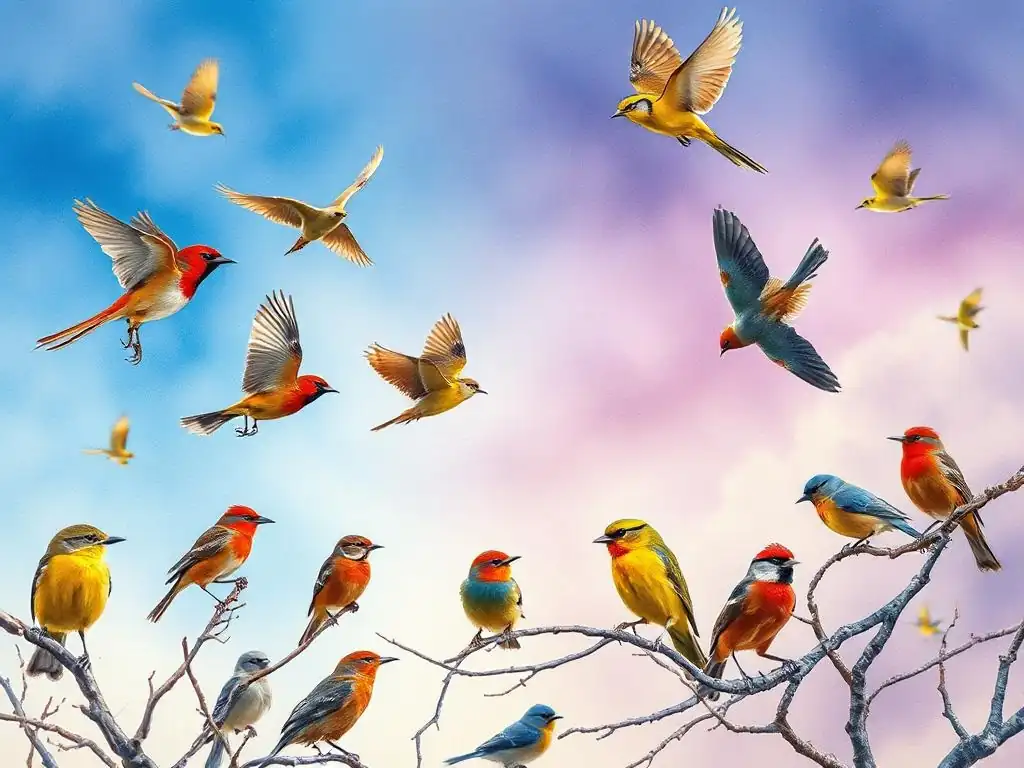
The intricate relationship between bird calls, weather patterns, and climate change underscores the urgent need for conservation efforts. Understanding how climate shifts affect bird communication is crucial for developing effective strategies to protect these vital avian vocalizations and the species that rely on them. Failure to address these issues could lead to significant biodiversity loss and disruption of avian ecosystems.
The impact extends beyond simply losing the pleasant sounds of birdsong; it affects the birds' ability to attract mates, defend territories, and raise young – all essential functions for species survival. Detailed studies are needed to pinpoint specific vulnerable species and regions most at risk from these climate-driven changes in bird communication.
Habitat Preservation and Restoration for Bird Vocalization Diversity
Habitat loss is a major threat to bird populations globally, and its impact on bird vocalization diversity is profound. Fragmentation of habitats reduces the availability of suitable nesting sites, foraging areas, and territories for birds. This limitation directly affects their ability to communicate effectively, potentially leading to reduced reproductive success and increased vulnerability to predation. Conservation efforts must prioritize the preservation and restoration of diverse habitats to ensure the long-term survival of bird populations and the maintenance of their rich vocal repertoires.
For instance, restoring wetlands and riparian areas can provide crucial habitats for a variety of bird species, enhancing the overall diversity of bird calls in a region. [Specific data on habitat loss and its correlation with bird call diversity pending]. A focus on creating interconnected habitat corridors is also vital to enable birds to move between fragmented areas, maintaining genetic diversity and expanding their communication networks.
Mitigation Strategies to Reduce Climate Change's Impact on Birds
Climate change is exacerbating existing threats to bird populations, significantly impacting their communication patterns. Rising temperatures, altered precipitation patterns, and extreme weather events can disrupt breeding cycles, alter migration routes, and shift the timing of bird calls. Mitigation strategies must focus on addressing the root causes of climate change through reducing greenhouse gas emissions. This requires a multifaceted approach involving transitioning to renewable energy sources, improving energy efficiency, and adopting sustainable land-use practices.
Furthermore, implementing strategies to enhance habitat resilience to climate change, such as creating buffer zones and restoring degraded ecosystems, can help buffer bird populations against the negative effects of climate shifts on their communication abilities. For example, planting native vegetation can provide shade and shelter, mitigating the effects of heat stress on birds and their breeding success. [Specific data on the effectiveness of various mitigation strategies on bird call patterns pending].
Public Awareness and Education on Climate Change's Effects on Bird Calls
Raising public awareness about the impact of climate change on bird calls is crucial for generating support for conservation efforts. Educating the public about the interconnectedness of bird communication, weather patterns, and climate change can inspire action to protect these valuable avian resources. Initiatives such as citizen science projects, where individuals can contribute to monitoring bird populations and documenting changes in their vocalizations, can play a vital role in data collection and raising awareness. Educational campaigns can highlight the importance of bird calls in maintaining biodiversity and the role of individual actions in mitigating climate change.
The use of engaging multimedia resources, such as documentaries and interactive websites, can effectively communicate the significance of these issues to a wider audience. [Specific examples of successful public awareness campaigns focusing on bird calls and climate change pending]. By fostering a deeper understanding and appreciation for the delicate balance of nature, we can inspire collective action to protect birds and their remarkable communication abilities for future generations.
The iconic sounds of birdsong are not only aesthetically pleasing but are also critical indicators of a healthy environment. Their preservation is a testament to our commitment to environmental stewardship. 🐦
Frequently Asked Questions
How does weather affect bird calls?
Changes in temperature, humidity, and wind can directly impact a bird's ability to produce and project its vocalizations. Extreme weather can also influence the frequency and duration of bird calls.
Do all bird species react to weather changes in the same way?
No, different species exhibit varying sensitivities to weather. Some birds are more affected by temperature fluctuations than others, and their vocalizations may change accordingly. Species-specific responses are crucial to understanding these effects.
How does climate change specifically impact bird calls?
Climate change leads to more frequent and intense extreme weather events. These events can disrupt breeding cycles, reduce food availability, and alter habitats, causing changes in bird call patterns, including altered frequencies, timing, and intensity.
Can we use bird calls to monitor the effects of climate change?
Yes, bioacoustic monitoring using recordings of bird calls is a valuable tool for tracking the effects of climate change on bird populations and ecosystems. Changes in call patterns can act as early warning signs of environmental stress.
Where can I find more information on this topic?
PetCareWorld offers a wealth of information on bird behavior and conservation. You can explore our comprehensive articles and guides dedicated to avian vocalizations and the impact of climate change on wildlife. We also link to relevant scientific research.
Final Reflection: The Silent Symphony of a Changing Climate
The subtle shifts in bird vocalizations are not merely interesting anomalies; they are a canary in the coal mine, screaming warnings about the accelerating impacts of climate change. Our exploration of how temperature, precipitation, and other climatic factors influence bird calls reveals a deeply interconnected system, far more sensitive to environmental shifts than we might initially assume. The implications are vast, extending far beyond the avian world.
The ongoing alteration of bird songs, a fundamental aspect of their communication and survival, underscores the pervasive influence of climate change on biodiversity. This isn't just about the birds themselves; it's about the intricate web of life they inhabit, a web that is unraveling thread by thread. The fate of the planet depends on the fate of birds.
This simple statement, while seemingly dramatic, holds a profound truth. The changes we've discussed are not isolated incidents; they are symptoms of a larger, global crisis demanding immediate attention. The loss of these unique vocalizations represents a loss of biodiversity and a loss of the beauty of the natural world.
Consider the implications of this research. What can you do to contribute to the preservation of these vital soundscapes? From advocating for climate-conscious policies to supporting organizations dedicated to bird conservation, your actions, however small they may seem, can collectively create a powerful wave of change. Let the silent symphony of a changing climate inspire you to become a voice for the voiceless, a protector of the natural world, and a champion for a sustainable future.
Unlock the Secrets of Avian Weather Wisdom
Thanks for exploring the fascinating world of bird calls and their connection to weather! You've learned how subtle shifts in climate can influence these amazing vocalizations. Now, let's put this knowledge into practice.
- Start listening! Pay close attention to the birdsong in your area and try to identify the species. Note any patterns you observe between their calls and the weather. This is the key to understanding this fascinating relationship.
- Share your observations! Let us know in the comments what you notice – are certain calls more frequent before a storm? Do birds sing differently before a change in temperature or barometric pressure? We'd love to hear your insights!
- Deepen your knowledge by researching local bird species and their unique vocalizations. Discover more about the amazing world of ornithology and the intricate relationship between birds and their environment.
What surprising connections between bird calls and weather have you observed, and what will you investigate next?