
Flight of Fancy: Providing Opportunities for Exercise and Exploration

Welcome to PetCareWorld, your ultimate guide to a happier, healthier life for your beloved companion! Are you ready to unlock the secrets to a thriving avian friend? Discover how enriching your bird's environment can transform their well-being with our expert guide on Bird Flight Cage Enrichment. Learn practical tips and tricks to create a stimulating and engaging space for your feathered friend, ensuring they get the exercise and mental stimulation they deserve. Dive in and unlock the flight of fancy waiting for your bird!
- Understanding the Importance of Bird Flight Cage Enrichment
- Assessing Your Bird's Flight Capabilities and Needs
- Creating a Safe and Stimulating Flight Environment
- Enhancing Flight Time with Interactive Toys and Activities
- Monitoring Your Bird's Flight and Adjusting Accordingly
- Advanced Flight Enrichment Techniques
- Addressing Common Concerns About Bird Flight
- Frequently Asked Questions
- Final Reflection: Soaring Beyond the Bars: The Enduring Power of Enrichment
- Unleash Your Pet's Inner Explorer!
Understanding the Importance of Bird Flight Cage Enrichment
Providing ample opportunities for flight and exploration is crucial for the physical and mental well-being of pet birds. A bird's natural instinct is to fly, and restricting this vital behavior can lead to a range of health problems, behavioral issues, and a significantly reduced quality of life.
This article will explore the multifaceted benefits of incorporating flight into your bird's daily routine, focusing on practical strategies for bird flight cage enrichment that promotes both physical fitness and mental stimulation. We'll delve into the physical advantages of flight, the cognitive benefits of exploration, and how providing these opportunities can help prevent boredom and associated behavioral problems, ultimately leading to a happier, healthier, and more fulfilled feathered friend.
Understanding and addressing your bird's need for flight is not just about providing a larger cage; it's about creating an environment that truly mimics their natural habitat and caters to their inherent instincts. This holistic approach to bird care is key to responsible pet ownership.
The Physical Benefits of Flight for Birds
Flight is integral to a bird's physical health. Think of it as their equivalent of a daily run or vigorous workout for a dog. Regular flight strengthens their wing muscles, improves cardiovascular health, and helps maintain a healthy weight.
A sedentary bird is at a much higher risk of obesity, which can lead to a cascade of health problems, including liver disease, heart disease, and reduced lifespan. The act of flying also helps improve bone density and joint mobility, reducing the risk of arthritis and other musculoskeletal issues common in older birds. The amount of daily flight needed varies depending on the species and the bird's age and health; however, even short bursts of flight throughout the day can significantly contribute to their overall physical fitness.
For example, a small parrot might benefit from several 15-20 minute flight sessions, while larger species may require more extended periods. Observing your bird’s behavior and energy levels will help you determine the optimal flight schedule.
Mental Stimulation Through Flight and Exploration
Beyond the physical benefits, flight plays a critical role in a bird's mental well-being. Exploration is a key component of natural bird behavior, and the act of flying allows them to navigate their environment, discover new things, and engage their curiosity. A confined bird, lacking opportunities for exploration, is more prone to boredom and frustration, which can manifest as feather plucking, excessive screaming, or aggression.
Providing flight opportunities, such as a larger cage with multiple perches and toys at varying heights, or supervised out-of-cage time in a bird-safe room, allows your bird to engage in natural behaviors, stimulating their minds and reducing the likelihood of behavioral problems. Consider incorporating environmental enrichment elements such as climbing structures, foraging toys, and interactive play to further enhance their mental stimulation during flight time. The variety and complexity of their environment are key to keeping them engaged and mentally healthy.
Preventing Boredom and Behavioral Problems with Flight Opportunities
Boredom is a significant contributor to behavioral issues in pet birds. A bird confined to a small cage with limited stimulation will often develop destructive behaviors, such as feather plucking, excessive biting, or screaming. These behaviors are often signs of underlying stress and frustration resulting from a lack of environmental enrichment and opportunities for flight.
By providing ample opportunities for flight and exploration, you can significantly reduce the risk of these problems. This includes ensuring your bird has a spacious cage with plenty of room to maneuver, offering supervised out-of-cage time in a safe environment, and providing a variety of toys and activities to keep them engaged. Remember that a happy bird is an active bird, and providing for their natural instincts – including flight – is a crucial component of responsible pet ownership.
Regular veterinary check-ups are also important to ensure your bird remains healthy and to address any underlying medical conditions that may contribute to behavioral issues. A proactive approach to bird enrichment can significantly improve their quality of life and strengthen the bond between you and your feathered companion.
Assessing Your Bird's Flight Capabilities and Needs
Before diving into bird flight cage enrichment strategies, it's crucial to understand your feathered friend's individual flight capabilities and needs. Not all birds are created equal; some are naturally more agile and adventurous flyers than others. Failing to consider these factors can lead to frustration for both you and your bird, potentially resulting in injuries or a lack of engagement with enrichment activities designed to promote flight.
Determining Appropriate Flight Space for Your Bird
The amount of space required for safe and enjoyable flight varies dramatically depending on the bird's size and species. A small parakeet will obviously need far less space than a large macaw. Consider these factors:
- Wingspan: Measure your bird's wingspan. This provides a crucial baseline for determining minimum flight space. A bird needs enough room to fully extend its wings without hitting obstacles.
- Flight Pattern: Observe your bird's natural flight patterns. Do they tend to fly in straight lines, or do they prefer more acrobatic maneuvers? This influences the shape and size of the ideal flight area. For example, a bird that enjoys looping flights will need more vertical space.
- Energy Levels: Some birds are more energetic than others. A high-energy bird will require a larger area to expend its energy safely. A less active bird may be content with a smaller space.
Let's illustrate with a table:
| Bird Species | Approximate Wingspan | Minimum Flight Area (approx.) | Notes |
|---|---|---|---|
| Budgie | 10-12 cm | 2m x 2m x 2m | Requires less space, but still needs room |
| Cockatiel | 20-25 cm | 3m x 3m x 2.5m | More space needed for longer flights |
| African Grey Parrot | 40-50 cm | 4m x 4m x 3m | Significant space required for safety and exercise |
Remember, these are approximate figures. Always err on the side of caution and provide more space than you think your bird needs. A cramped flight area can lead to stress and injury.
Considering Your Bird's Species and Breed
Species-specific needs are paramount when designing flight enrichment. A conure's flight style and energy level will differ significantly from a lovebird's. Researching your bird's specific breed can provide insights into its natural flight behavior and energy levels. This knowledge informs the type of enrichment activities you can provide. For example:
- Foraging during flight: Consider suspending toys and treats at various heights to encourage your bird to fly and forage. This mimics their natural foraging behavior.
- Obstacle courses: For more agile species, consider incorporating safe obstacles (like branches or perches) to challenge their flight skills.
- Flight toys: Toys that encourage movement and flight are crucial for bird enrichment. A simple swinging toy can be a great way to encourage your bird to fly around their enclosure.
Failing to consider species-specific requirements can lead to unsuitable enrichment activities, potentially resulting in your bird avoiding the intended enrichment altogether.
Evaluating Your Home Environment for Safe Flight
Before allowing your bird to fly freely in your home, carefully assess the environment for potential hazards. A seemingly safe environment might contain hidden dangers for a flying bird. Here's a checklist:
- Open windows and doors: These are obvious hazards, but easily overlooked. Always ensure windows and doors are securely closed or covered.
- Toxic substances: Keep all toxic substances (cleaning products, medications, certain plants) out of reach. Birds are sensitive to many common household chemicals.
- Electrical cords: These pose a significant electrocution risk. Secure or cover any exposed cords.
- Mirrors and glass: Birds may not recognize reflective surfaces, leading to collisions. Cover or remove mirrors and glass surfaces.
- Small objects: Small items like paper clips or buttons can be easily ingested, causing serious harm. Keep these items out of reach.
Creating a safe flight space for your bird is not just about providing a large area; it's about eliminating potential hazards and creating an environment where they can fly freely and confidently, maximizing their enjoyment and overall well-being. Thorough preparation is key to successful bird flight cage enrichment.
Creating a Safe and Stimulating Flight Environment
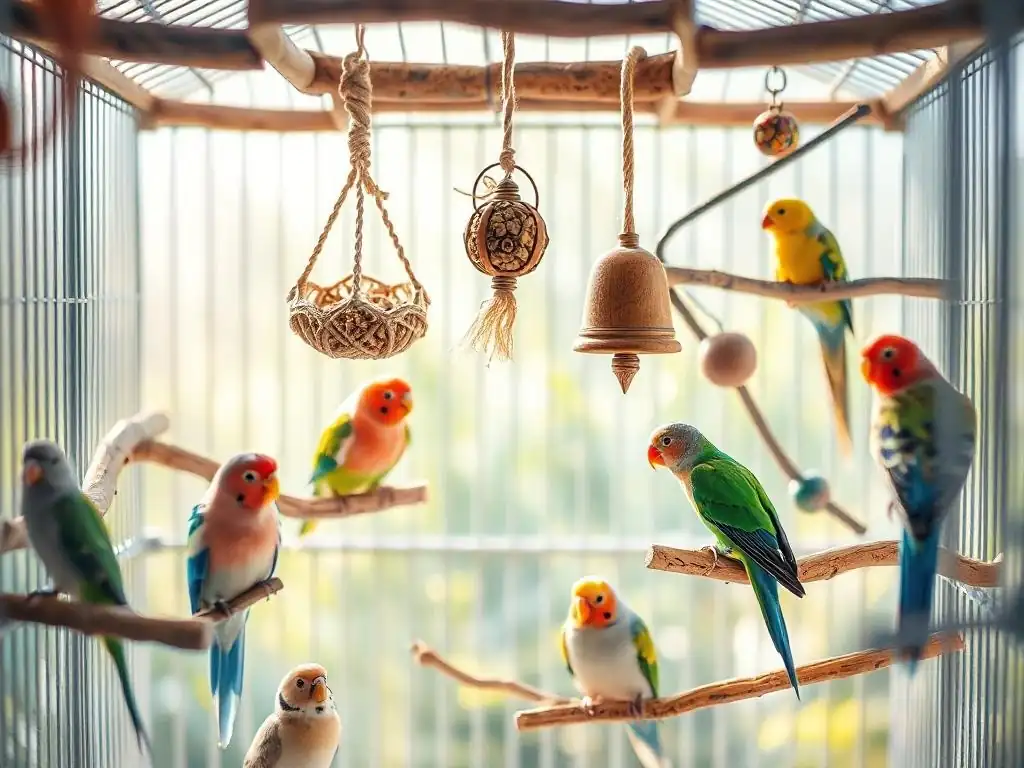
Providing opportunities for flight is crucial for avian well-being. A bored bird is an unhappy bird, and lack of exercise can lead to health problems. However, allowing your bird to fly freely requires careful planning to ensure both their safety and your peace of mind. This section focuses on creating a safe and enriching flight environment for your feathered friend, maximizing opportunities for exercise and exploration while minimizing potential hazards. We'll explore bird flight cage enrichment through environmental modifications and strategic planning.
Bird-Proofing Your Home for Safe Flight
Before unleashing your bird for a flight session, thoroughly bird-proof your home. This is paramount to their safety and prevents potential accidents. Think like a bird – they're curious and will investigate everything!
- Identify and eliminate hazards: Remove poisonous plants (such as lilies, azaleas, and certain types of ivy), cleaning supplies, medications, small objects they could swallow (buttons, beads, rubber bands), and anything potentially toxic. This includes electrical cords – birds are notorious for chewing on them!
- Secure windows and mirrors: Birds can easily injure themselves by flying into windows or mirrors. Apply window decals or films to make them more visible, or close curtains during flight time. Mirrors can also cause confusion and distress.
- Close off unsafe areas: Keep doors to rooms you don't want your bird accessing firmly closed. This includes kitchens (hot stoves, sharp objects), bathrooms (toilets, running water), and areas with potential hazards.
- Cover hazardous surfaces: Protect delicate furniture or surfaces with coverings. Birds can easily scratch or soil furniture.
This meticulous preparation is not just about preventing accidents; it's about creating a safe space for your bird to explore and exercise. Remember, even seemingly harmless items can pose a risk. A proactive approach to bird-proofing will significantly reduce the chance of injury or illness. Consider using visual aids, like checklists, to ensure you haven't missed anything.
Setting Up Designated Flight Zones
While complete free-roaming might be ideal, it's often impractical. Therefore, designating specific flight zones within your home is a practical solution. These zones should be large enough for your bird to comfortably fly and maneuver, yet still contained enough to provide a sense of security.
Consider these factors when choosing flight zones:
| Zone Feature | Description | Importance |
|---|---|---|
| Size | Sufficient space for comfortable flight; depends on bird size and wingspan. | Prevents collisions and promotes healthy exercise. |
| Accessibility | Easy access for your bird and for you to supervise and retrieve them. | Allows for easier supervision and reduces stress for both you and the bird. |
| Environmental Enrichment | Inclusion of perches, toys, and other stimulating elements within the flight zone. | Encourages exploration and prevents boredom during flight sessions. |
| Safety | Free from hazards; thoroughly bird-proofed. | Prioritizes the bird's safety and prevents accidents. |
Establishing clear boundaries for your bird's flight zone will help them learn safe flight patterns and reduce the risk of accidents. A well-defined space also makes supervision easier.
Providing Perches and Resting Areas During Flight
Even during flight, birds need places to rest and perch. This is vital for their physical and mental well-being. Continual flight can be tiring, and providing resting spots prevents exhaustion.
Think about incorporating various types of perches within the flight zone:
- Natural wood perches: Offer varied diameters and textures to stimulate their feet and prevent foot problems.
- Rope perches: Provide a different tactile experience and encourage climbing and exploration.
- Play stands: These offer multiple perches and play areas, providing a central resting and playing hub within the flight zone.
The placement of these perches is crucial. They should be strategically located throughout the flight zone, allowing for easy access and rest after periods of flight. Avoid placing perches too close to windows or other potential hazards. The goal is to create a varied and stimulating environment that encourages both flight and rest, promoting a healthy and happy bird. Remember, a well-designed flight zone contributes significantly to your bird's overall physical and mental health, enhancing their quality of life and fulfilling their natural instincts. 🐦
Enhancing Flight Time with Interactive Toys and Activities
This section focuses on maximizing flight opportunities for your feathered friend through engaging toys and activities designed to encourage natural flight behaviors. Boredom is a significant issue for caged birds, often leading to feather plucking, lethargy, and other behavioral problems. Providing ample opportunities for flight and play is crucial for their physical and mental well-being.
Strategic use of toys can transform your bird's cage into a stimulating environment promoting natural behaviors, including flight. Remember, bird flight cage enrichment is not just about providing toys; it's about creating a stimulating and engaging environment that mimics their natural habitat as much as possible.
Introducing Flight-Encouraging Toys
The right toys can significantly impact your bird's activity levels. Toys that require movement and maneuvering encourage flight, even within the confines of the cage. Consider these options:
- Swinging toys: These encourage your bird to flap its wings to reach and play. Look for toys with varied textures and colors to add extra stimulation.
- Climbing toys: These force your bird to use its wings for balance and movement as it navigates the cage. Consider adding branches of different sizes and textures for variety.
- Puzzle feeders: These require your bird to work for its food, encouraging problem-solving and flight to access different compartments. This type of bird flight cage enrichment is particularly beneficial for mental stimulation.
- Foraging toys: These toys hide food within various compartments or tunnels, requiring your bird to fly and explore to find its treats. This is a great way to provide bird flight cage enrichment and address natural foraging instincts.
Remember to rotate toys regularly to prevent boredom and maintain engagement. A variety of toys addresses different aspects of your bird's physical and mental needs, ensuring they remain active and interested. Consider the size and species of your bird when selecting toys, ensuring they are safe and appropriate.
Incorporating Environmental Enrichment for Flight
Beyond toys, environmental enrichment is key to promoting flight. The layout and design of your bird's cage can significantly influence its activity levels. Think about how you can create a more stimulating environment that encourages natural flight patterns:
- Vertical space: A taller cage provides more vertical space for flying and maneuvering. Birds naturally fly upwards and downwards, so vertical space is essential.
- Branch placement: Strategically placing branches at different heights encourages your bird to fly between them. Vary the thickness and texture of the branches to add interest and challenge.
- Multiple perches: Having perches at varying heights encourages flying between them. Avoid placing perches too close together, as this reduces the need for flight.
- Open space: Ensure there is sufficient open space within the cage to allow for comfortable flight. Avoid overcrowding the cage with toys and accessories.
By creating a cage that encourages movement and exploration, you're essentially providing bird flight cage enrichment that promotes natural flight behaviors and overall well-being. Consider adding natural elements like vines or branches to further enhance the stimulating environment.
Training Your Bird for Safe and Controlled Flight
While a stimulating cage environment encourages flight, supervised free flight outside the cage offers even more benefits. However, it requires careful planning and training:
- Start small: Begin with short supervised flights in a secure, bird-proofed room. This allows your bird to gain confidence and learn to return to its cage.
- Positive reinforcement: Use positive reinforcement techniques, such as treats and praise, to encourage your bird to fly to specific locations.
- Safe environment: Ensure the room is free of hazards, such as open windows, mirrors, and toxic substances. Close all doors and windows securely.
- Recall training: Teach your bird a reliable recall command to ensure it returns to its cage safely. This is a crucial aspect of safe and controlled free flight.
- Patience: Training takes time and patience. Don't rush the process, and always prioritize your bird's safety and comfort.
With consistent training and a safe environment, you can provide your bird with valuable opportunities for free flight, enhancing its physical and mental well-being and providing the ultimate in bird flight cage enrichment. Remember, the goal is to create a balanced environment that combines a stimulating cage with safe, supervised free flight opportunities.
Monitoring Your Bird's Flight and Adjusting Accordingly
Providing ample opportunities for flight is crucial for your bird's physical and mental well-being. However, simply providing a large cage isn't enough; you need to actively monitor your feathered friend's flight activity and make adjustments as needed. This ensures they're getting the right amount of exercise without overexerting themselves, a key component of effective bird flight cage enrichment. Ignoring this aspect can lead to health problems and behavioral issues. Think of it like this: a marathon runner needs a training plan – your bird needs a flight plan, too!
Observing Your Bird's Flight Behavior and Patterns
Regular observation is paramount. Spend dedicated time each day watching your bird in flight. Note the duration of their flights, their flight patterns (do they prefer circling, gliding, or short bursts? ), and their landing spots. Keep a small notebook or use a digital journal to record these observations. Consistency is key; the more data you collect, the better you'll understand your bird's individual needs. For example, a young, energetic cockatoo might fly continuously for 15-20 minutes, while an older budgie might prefer shorter, more frequent flights.
Consider these specific observations:
- Flight duration: How long does your bird fly at a time? Do they take frequent breaks?
- Flight style: Is their flight strong and purposeful, or weak and hesitant? Do they seem to struggle?
- Landing spots: Do they consistently land in the same place? This could indicate a preference or a potential problem (e.g., difficulty reaching perches).
- Post-flight behavior: Do they seem relaxed and content after flying, or agitated and restless? This can be a strong indicator of whether the flight time was appropriate.
Identifying Signs of Fatigue or Stress During Flight
Recognizing signs of fatigue or stress is critical to preventing injuries and ensuring your bird's overall health. These signs can be subtle, so keen observation is essential. Look for changes in flight patterns – a bird becoming unsteady or landing frequently might indicate exhaustion. Other signs include:
- Rapid breathing: Panting or labored breathing after flying is a clear sign of overexertion.
- Lethargy: A bird that seems unusually tired or sluggish after flying might need more rest.
- Changes in behavior: Increased vocalizations, aggression, or feather plucking could be stress-related.
- Physical signs: Look for any injuries, such as bruising or broken feathers.
Remember, even seemingly minor changes in behavior can be indicative of a problem. Don't hesitate to consult an avian veterinarian if you notice anything concerning. Early intervention is crucial for maintaining your bird's health.
Adjusting Flight Time and Environment Based on Observation
Based on your observations, you can adjust your bird's flight opportunities accordingly. If your bird shows signs of fatigue, reduce the flight time or provide more frequent, shorter flights throughout the day. You might also consider enriching the environment with more perches and toys to minimize the need for extended flight periods. Conversely, if your bird seems under-stimulated, you can gradually increase flight time or provide more challenging flight opportunities, such as flying between different rooms or perches.
Consider these adjustments to your bird's flight cage enrichment strategy:
| Adjustment | Reason | Example |
|---|---|---|
| Reduce flight time | Bird shows signs of fatigue or stress | Reduce from 20 minutes to 10 minutes, or increase the number of rest periods |
| Increase rest periods | Bird needs more frequent breaks | Add more perches within the flight area |
| Increase flight opportunities | Bird seems under-stimulated or bored | Allow more out-of-cage flight time, or increase the complexity of the flight area |
| Improve flight environment | Poor cage design or lack of suitable perches | Add more perches of varying sizes and materials |
| Consult an avian veterinarian | Persistent fatigue, stress, or behavioral changes despite adjustments | Professional assessment for underlying medical conditions |
Remember, providing appropriate flight opportunities is an ongoing process of observation, adjustment, and refinement. By paying close attention to your bird's behavior and making necessary changes, you can ensure they enjoy the benefits of flight while staying healthy and happy. This proactive approach is fundamental to successful bird flight cage enrichment and contributes significantly to their overall well-being. 🐦
Advanced Flight Enrichment Techniques
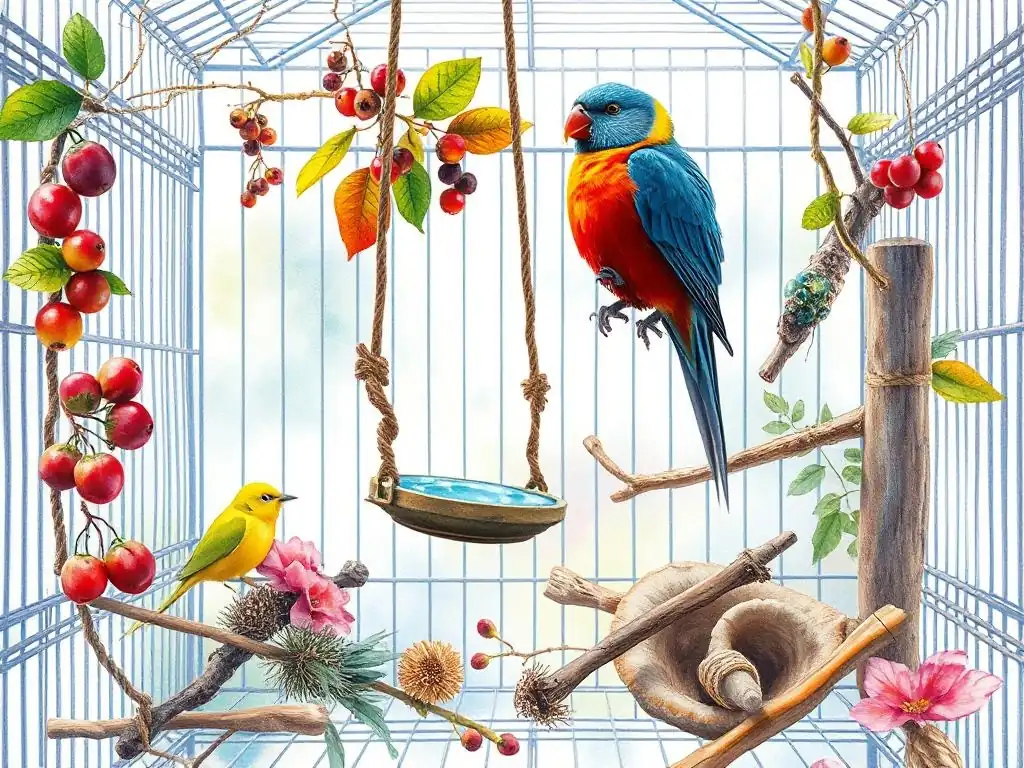
This section delves into sophisticated strategies for enriching your bird's life through flight, going beyond basic cage setups. Providing ample opportunities for flight is crucial for a bird's physical and mental well-being. Neglecting this aspect can lead to behavioral issues such as feather plucking, aggression, and lethargy. Remember, a happy bird is an active bird! We'll explore techniques to maximize flight opportunities, focusing on safety and your bird's individual needs. The key is to gradually introduce new challenges and ensure a positive, rewarding experience for your feathered friend.
Utilizing Outdoor Aviaries for Extended Flight
Outdoor aviaries offer unparalleled opportunities for extended flight and exploration. However, careful planning and preparation are essential to ensure your bird's safety and well-being. The size of the aviary should be substantial, allowing for ample space for your bird to soar without feeling confined. Consider the species of your bird; larger species like macaws require significantly more space than smaller species like finches.
The construction of the aviary is critical. It needs to be robust and secure, preventing escape and protecting your bird from predators. Strong mesh netting, sturdy frames, and secure locking mechanisms are paramount. The aviary should also provide ample shelter from the elements, including shade from direct sunlight and protection from rain and wind. Think of it as a safe, expansive extension of your bird's indoor environment.
Furthermore, consider the placement of the aviary. A location that is protected from strong winds and direct sunlight is ideal. Avoid areas with potential hazards such as power lines or poisonous plants. Regular cleaning and maintenance are crucial to prevent the buildup of waste and maintain a hygienic environment for your bird. Providing perches, toys, and food and water sources within the aviary will further enhance its appeal and ensure your bird has everything it needs for a comfortable and stimulating experience. Careful monitoring is essential, especially during the initial introduction period. Observe your bird's behavior and adjust accordingly.
Remember, safety is paramount. Always supervise your bird during outdoor flights, and gradually increase the time spent outdoors as your bird acclimates to the new environment. A well-designed and properly maintained outdoor aviary can transform your bird's life, providing a level of enrichment that is unmatched by indoor setups.
Implementing Flight Training for Enhanced Control
Flight training, while seeming advanced, can significantly enhance your bond with your bird and provide a structured way to enjoy flight time. This isn't about forcing your bird to perform tricks; instead, it's about building trust and establishing clear communication. It's a process of gentle guidance and positive reinforcement.
Begin by creating a safe and controlled environment. A large, enclosed space is ideal – a spare room or a large, bird-proofed area. Use positive reinforcement techniques, rewarding your bird with treats and praise for desired behaviors. Start with simple commands, such as "come" or "land," gradually increasing the complexity of the training as your bird progresses. Consistency is key; short, frequent training sessions are more effective than long, infrequent ones.
You can use target training, where your bird learns to touch a target stick, to guide its movements. This can be particularly helpful in teaching your bird to land on specific perches or your hand. Remember to be patient and understanding; every bird learns at its own pace. Never force your bird to do anything it's not comfortable with.
The goal is to build trust and create a positive association with flight and training. A well-trained bird will be more confident and comfortable exploring its environment, leading to a happier and healthier life. This process builds a stronger bond and provides a unique way to interact with your avian companion.
Creating Challenging Flight Paths and Obstacles
Once your bird is comfortable flying, you can introduce challenges to keep its mind and body engaged. This aspect of "bird flight cage enrichment" focuses on stimulating your bird's natural instincts and preventing boredom. Think of it as creating a fun and engaging obstacle course in the air.
Simple obstacles can include hanging toys, strategically placed perches at varying heights, and tunnels. These challenge your bird to navigate its environment, encouraging flight and problem-solving. You can increase the difficulty gradually, adding more complex obstacles and varying the layout of the flight space. This could involve creating different flight paths, encouraging your bird to fly around specific objects or through designated areas.
Consider incorporating natural elements, such as branches and vines, to create a more stimulating and naturalistic environment. Remember to prioritize safety; all obstacles should be securely attached and made of bird-safe materials. Regularly change the arrangement of obstacles to prevent your bird from becoming bored with the same routine. The key is to keep your bird mentally engaged and challenged, preventing boredom and promoting physical activity. Observe your bird's behavior and adjust the difficulty of the obstacles accordingly. A stimulated bird is a happy bird, and challenging flight paths contribute significantly to its overall well-being. 🎉
Addressing Common Concerns About Bird Flight
Many bird owners hesitate to allow their feathered friends free flight, primarily due to concerns about safety and mess. However, providing opportunities for flight is crucial for a bird's physical and mental well-being. Understanding and proactively addressing these concerns can help you confidently create a safe and enriching flight environment for your avian companion. This section will delve into common anxieties surrounding bird flight and provide practical solutions to alleviate them. Remember, a happy, healthy bird is an active bird!
Dealing with Accidents and Injuries During Flight
Accidents, while rare, can happen. Birds, especially those new to free flight, might collide with objects, windows, or even suffer minor injuries from clumsy landings. Preparation is key to minimizing risks and effectively responding to any mishaps.
Before allowing your bird to fly freely, thoroughly bird-proof your home. This means securing windows (using window clings or netting), removing hazardous objects (electrical cords, small items they could ingest), and ensuring there are no open spaces where they could escape. Consider designating a specific flight area with clear boundaries.
Should an accident occur, remain calm. Carefully assess the situation. Minor bumps and bruises are common; however, if you notice bleeding, broken bones, or any signs of significant distress (lethargy, labored breathing), immediately contact an avian veterinarian. Having a local avian vet's number readily available is crucial for pet bird owners. Early intervention is essential for optimal recovery. Keep a first-aid kit specifically for birds on hand, including antiseptic wipes and a soft, clean cloth.
Managing Messes and Cleaning Up After Flight
Free flight inevitably leads to increased mess. Feathers, droppings, and the occasional spilled seed are all part of the package. However, effective management can minimize the disruption to your routine.
Regular cleaning is paramount. Sweep or vacuum frequently to remove loose feathers and droppings. Spot clean any soiled areas immediately. Consider using easily washable fabrics and surfaces in your designated flight area. Investing in a good quality vacuum cleaner with a HEPA filter is beneficial for capturing fine dust and dander. For larger messes, a simple solution of mild soap and water often suffices. Remember to thoroughly rinse and dry the area to prevent the growth of bacteria.
Regularly change and clean perches and toys that your bird uses during flight time. This helps to maintain hygiene and prevent the spread of germs. A proactive cleaning schedule will save you from dealing with larger, more difficult-to-clean messes later on. Consider using washable liners or coverings on furniture or surfaces your bird frequents.
While flight is generally beneficial, some birds might display behavioral issues related to their newfound freedom. Understanding these issues and implementing preventative measures is crucial for a positive flight experience.
Some birds, particularly those accustomed to a cage environment, might initially be hesitant to fly. Patience and encouragement are key. Start with short, supervised flight sessions in a smaller, enclosed area and gradually increase the duration and space as your bird gains confidence. Positive reinforcement, such as treats or praise, can motivate your bird and make the experience more enjoyable.
Conversely, some birds might become overly bold or exhibit territorial behavior during flight. This can be managed by providing sufficient enrichment activities within their cage and ensuring they have a safe space to retreat to when they feel overwhelmed. A variety of toys, perches, and foraging opportunities can help to redirect their energy and prevent them from becoming overly stimulated. Never punish your bird for unwanted behaviors; instead, focus on positive reinforcement and redirecting their attention. Consistent training and a well-structured environment are crucial for preventing flight-related behavioral issues and ensuring a harmonious coexistence.
Frequently Asked Questions
What is bird flight cage enrichment?
Bird flight cage enrichment involves providing stimulating activities and environments within a bird's cage to encourage natural behaviors like foraging, climbing, and exploration, preventing boredom and promoting physical and mental well-being. It's crucial for preventing behavioral problems.
Why is flight cage enrichment important for my bird?
Enrichment prevents boredom and stress, leading to a happier, healthier bird. It promotes physical exercise and mental stimulation, crucial for a bird's overall well-being and can even help lengthen their lifespan.
What are some examples of flight cage enrichment?
Consider adding toys that encourage foraging, like puzzle feeders filled with treats. Provide various perches of different textures and sizes, and incorporate climbing structures and swinging toys. Rotating toys regularly keeps things interesting.
How much space does my bird need for adequate flight cage enrichment?
The size of your bird's cage should allow for ample space for flight and movement. There's no one-size-fits-all answer, but a larger cage generally provides more opportunities for enrichment. Consider your bird's size and species when selecting a cage.
How often should I change or add new enrichment items to my bird's cage?
Aim to rotate toys and add new enrichment items at least once a week. This prevents boredom and keeps your bird mentally stimulated. Observe your bird's interaction with toys to identify favorites and adjust accordingly.
Final Reflection: Soaring Beyond the Bars: The Enduring Power of Enrichment
The quest for enriching the lives of captive birds is not merely a matter of providing toys; it's a fundamental commitment to their well-being and a recognition of their inherent intelligence and need for stimulation. Failing to provide adequate enrichment condemns these creatures to a diminished existence, robbing them of the natural behaviors and mental acuity that define their species. This impacts not only their physical health but also their emotional and psychological state.
The impact of thoughtfully designed environments on avian well-being is profound and far-reaching. It's not just about preventing boredom; it's about fostering a sense of agency, encouraging natural behaviors, and ultimately, celebrating the unique spirit of each bird. The greatest discovery of all time is that a person can change his future by merely changing his attitude.
This quote, while not specifically about birds, speaks volumes about the transformative power of providing opportunities for growth and exploration, even within the confines of a cage. The positive changes we observe in enriched environments are a testament to the resilience and adaptability of these remarkable creatures.
Consider the implications of this exploration for your own life. What "bars" – metaphorical or literal – constrain your own potential for growth and exploration? What steps can you take to enrich your own environment, to foster a sense of agency and purpose? Embrace the spirit of "Flight of Fancy" and actively seek opportunities to expand your horizons, to challenge yourself, and to discover the hidden potential within yourself and the world around you.
Unleash Your Pet's Inner Explorer!
Thank you for joining us on this journey into the exciting world of exercise and exploration for your furry friend! We hope you've gained valuable insights into enriching your pet's life. Now, let's put that knowledge into action.
- Create a thrilling obstacle course: Design a fun course in your backyard using household items or purchase pre-made agility equipment—think tunnels, jumps, and ramps! This is a perfect way to combine physical activity with mental stimulation.
- Share your pet's adventures: Capture those amazing moments of play and exploration with photos or videos and share them on PetCareWorld's social media pages! Let's inspire other pet owners to create exciting adventures for their pets!
- Explore new places: Mix up your routine and discover new parks or trails to explore. This not only provides physical exercise but also offers exciting new scents and sights for your pet!
Ready to transform your pet's playtime into an unforgettable adventure? What unique obstacle will you add to your pet's course?