
The Impact of Wrong Terrarium Size on Reptile Behavior

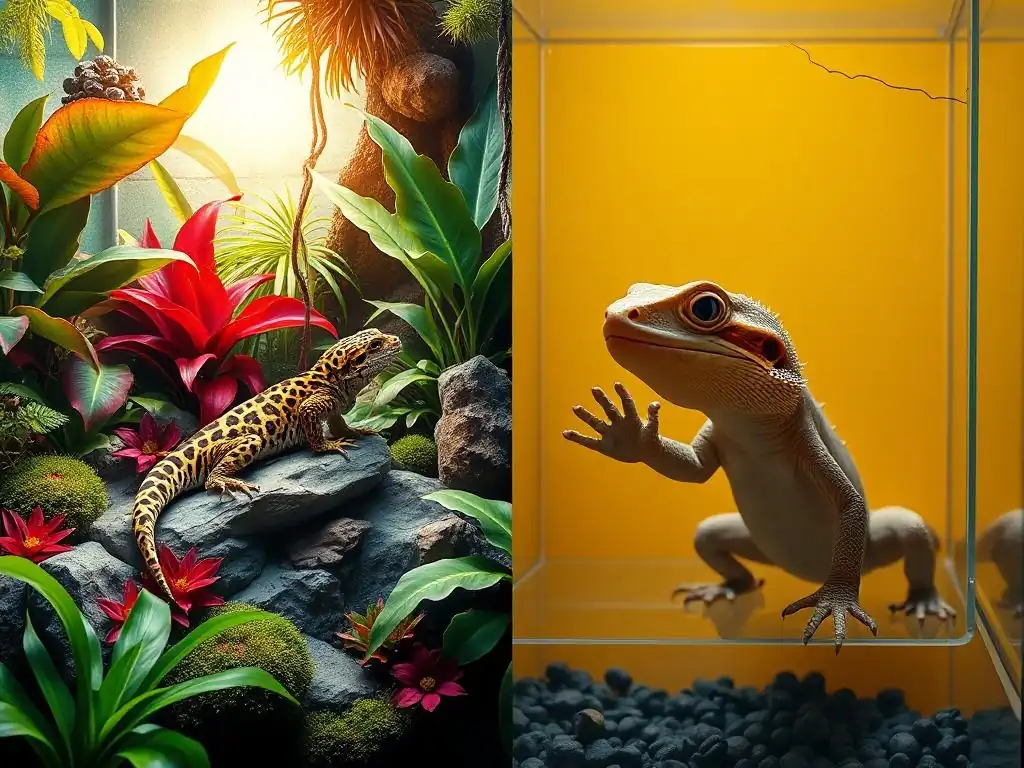
Welcome to PetCareWorld, your ultimate guide to a happier, healthier life for your beloved pets! Are you noticing unusual behavior in your reptile? Discover how the seemingly simple choice of terrarium size can dramatically impact your reptile's well-being and uncover the surprising link between incorrect enclosure dimensions and unexpected behavioral changes in our in-depth article, "The Impact of Wrong Terrarium Size on Reptile Behavior." Dive in and learn how to create the perfect environment for your scaly companion!
- Understanding the Relationship Between Terrarium Size and Reptile Well-being
- Negative Behavioral Changes in Reptiles with Insufficient Space
- How Insufficient Space Affects Reptile Health
- Choosing the Right Terrarium Size for Your Reptile
- Creating a Stimulating Environment in the Right-Sized Terrarium
- Case Studies: Reptiles Affected by Inadequate Terrarium Size
-
Frequently Asked Questions
- What are the common signs of a reptile exhibiting stress due to incorrect terrarium size?
- How does a terrarium that is too small impact a reptile's health?
- What are the ideal terrarium dimensions for different reptile species?
- Can a terrarium that is too large negatively affect a reptile?
- How can I determine the correct terrarium size for my reptile?
- Final Reflection: The Silent Suffering of Missized Habitats
- Unlock Your Reptile's Potential: Create the Perfect Habitat
Understanding the Relationship Between Terrarium Size and Reptile Well-being
Providing the right environment is crucial for the health and happiness of any reptile. A terrarium isn't just a pretty enclosure; it's a miniature ecosystem that must meet the specific needs of its inhabitant. Ignoring the importance of appropriate terrarium size can have severe consequences, significantly impacting a reptile's behavior, physical health, and overall well-being.
This article delves into the crucial relationship between terrarium size and reptile behavior, exploring the space requirements for various species and the telltale signs of stress caused by inadequate housing. Choosing the correct terrarium size is not just about convenience; it's a fundamental aspect of responsible reptile ownership, directly impacting the animal's quality of life and longevity. Understanding this relationship is vital for ensuring your reptile thrives.
The wrong terrarium size can lead to a cascade of negative effects, from behavioral problems to serious health complications, ultimately affecting the bond between you and your scaly companion. Let's examine this vital aspect of reptile care in detail.
Space Requirements for Different Reptile Species
The ideal terrarium size varies drastically depending on the species. A tiny gecko will obviously require far less space than a large monitor lizard. Understanding species-specific needs is paramount. Failing to provide sufficient space can lead to a range of problems, including stunted growth, aggression, and repetitive stereotypies (repetitive, abnormal behaviors).
Here's a simplified table illustrating the general space requirements (these are general guidelines and should be supplemented with species-specific research):
| Reptile Type | Minimum Terrarium Size (approximate) | Considerations |
|---|---|---|
| Leopard Gecko | 10 gallons | Needs climbing structures and hiding places. |
| Bearded Dragon | 40-75 gallons | Requires basking area, UVB lighting, and spaciousness. |
| Corn Snake | 20-40 gallons | Needs multiple hides and branches for climbing. |
| Crested Gecko | 10-20 gallons | Vertical space is more important than floor space. |
| Green Iguana | 120 gallons or larger | Needs significant vertical space and ample branches. |
Remember, these are minimum sizes. Larger is generally better, allowing for more natural behaviors and reducing stress. Always research the specific needs of your chosen reptile species before purchasing a terrarium. Consult reputable herpetological resources and experienced keepers for detailed information.
Impact of Insufficient Space on Reptile Behavior
Insufficient space directly impacts a reptile's natural behaviors. Many reptiles require space to explore, hunt, bask, and hide. Confining them to a cramped environment restricts these essential activities, leading to frustration and stress. This can manifest in several ways:
- Increased Aggression: A stressed reptile might become more aggressive towards tank mates or even its owner.
- Reduced Activity Levels: Instead of exhibiting natural exploratory behavior, the reptile might become lethargic and inactive.
- Repetitive Stereotypies: This includes behaviors such as pacing, swaying, or excessive self-grooming. These are often signs of severe stress and boredom.
- Difficulty Thermoregulating: Lack of space limits the reptile's ability to find its preferred temperature gradient, leading to health issues.
- Impaired Feeding Behavior: A stressed reptile may refuse to eat, leading to malnutrition and potentially fatal consequences.
Providing ample space allows your reptile to engage in its natural behaviors, contributing to its overall health and reducing stress levels.
Signs of Stress in Reptiles Due to Small Terrariums
Recognizing the signs of stress in your reptile is vital for ensuring its well-being. While subtle, these indicators can signal that your reptile's terrarium is too small:
- Lethargy and inactivity: A significant decrease in activity levels compared to its usual behavior.
- Loss of appetite: Refusal to eat or a significant decrease in food intake.
- Changes in defecation: Unusual frequency or consistency of bowel movements.
- Self-mutilation: Excessive scratching or rubbing against objects, potentially leading to skin damage.
- Abnormal posture: Unusual body position, such as hunching or staying in one spot for extended periods.
- Weight loss: A noticeable decrease in body weight.
- Respiratory distress: Open-mouth breathing or rapid breathing.
If you observe any of these signs, carefully evaluate your reptile's terrarium size and environment. Consider upgrading to a larger enclosure and enriching the environment with appropriate hides, branches, and other enrichment items. If the stress persists, consult a veterinarian specializing in reptiles. Early intervention is key to preventing serious health problems.
The Importance of Adequate Space for Natural Behaviors
Providing a reptile with a terrarium of the appropriate size is paramount to its overall well-being and the expression of natural behaviors. A cramped environment severely restricts a reptile's ability to engage in vital activities, leading to stress, behavioral problems, and even health complications. Consider a leopard gecko, for example. These crepuscular creatures naturally spend a significant portion of their day hiding and exploring.
A small terrarium deprives them of the opportunity to exhibit this natural behavior, leading to increased stress levels and a potential decline in their overall health. Similarly, arboreal species like bearded dragons require ample vertical space to climb and bask in their preferred thermal gradients. Confining them to a small enclosure inhibits their natural climbing and basking behaviors, potentially leading to skeletal deformities and metabolic bone disease due to insufficient UVB exposure.
The impact extends beyond simple movement. Adequate space allows for the establishment of thermal gradients – critical for thermoregulation. Reptiles are ectothermic, meaning they rely on external sources of heat to regulate their body temperature. A larger enclosure allows for the creation of warmer and cooler zones, enabling the reptile to choose its preferred temperature based on its needs at any given time. In a small terrarium, this crucial temperature regulation is compromised, forcing the reptile into potentially stressful or even dangerous temperature ranges. This is especially critical for species with specific temperature requirements for digestion, breeding, or shedding.
Furthermore, sufficient space promotes healthy social interactions (where applicable). Some reptile species are naturally social, and inadequate space can lead to increased aggression and competition for resources, such as basking spots or food. This can manifest as territorial disputes, resulting in injuries and stress for the involved reptiles. Even solitary species benefit from having enough space to feel secure and avoid feeling overwhelmed.
A sense of security is crucial for a reptile's overall well-being and contributes to a healthier, less stressed animal. In short, providing adequate space isn't merely about physical comfort; it's about enabling natural behaviors that are essential for a reptile's physical and psychological health. The consequences of ignoring this fundamental need can be severe and far-reaching.
Negative Behavioral Changes in Reptiles with Insufficient Space
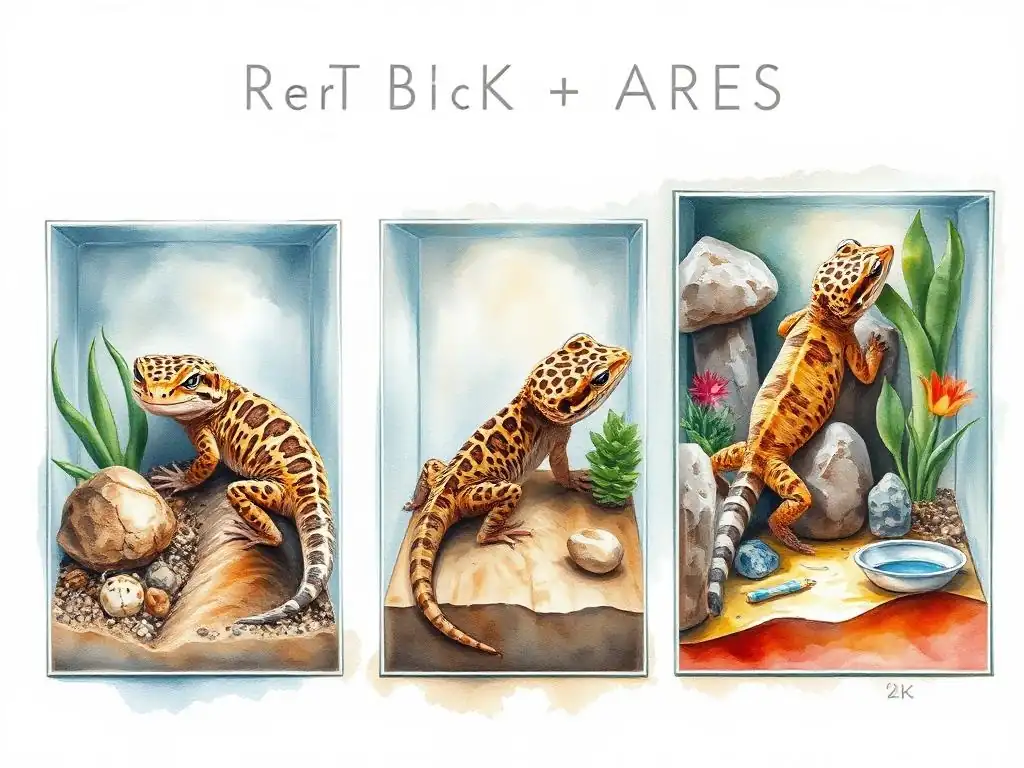
Inadequate terrarium size significantly impacts reptile well-being, often manifesting as a range of undesirable behavioral changes. These changes are not simply inconvenient; they're crucial indicators of stress and a compromised quality of life for your reptile. Understanding these behavioral shifts is paramount to ensuring your reptile thrives. Ignoring these signs can lead to serious health problems and ultimately, reduced lifespan. The keyword "wrong terrarium size reptile behavior" is directly addressed by exploring these crucial behavioral changes.
Increased Aggression and Territoriality in Confined Reptiles
Reptiles, even typically docile species, can exhibit heightened aggression and territoriality when confined to spaces too small for their needs. This is a direct response to stress caused by overcrowding and a lack of personal space. For instance, a leopard gecko, normally a relatively calm reptile, might become more prone to biting or attempting to attack its reflection in the glass if its enclosure is too small.
This behavior is not inherent malice; it's a manifestation of stress and the reptile's instinctive attempt to control its limited environment. The severity of aggression often correlates with the degree of spatial restriction. Larger species, like bearded dragons, might become significantly more aggressive towards each other or even their handlers if housed inappropriately.
This aggression can manifest as biting, tail whipping, and even charging. Providing ample space, along with appropriate environmental enrichment, can drastically reduce these aggressive tendencies. Remember, a larger enclosure doesn't automatically eliminate aggression, but it significantly mitigates the underlying stress that often fuels it.
Stereotypical Behaviors: A Sign of Distress in Reptiles
Stereotypical behaviors, repetitive and seemingly pointless actions, are a clear sign of distress in reptiles housed in inadequate terrariums. These behaviors can include repetitive pacing, excessive climbing, or constant rubbing against the enclosure walls. Think of it as the reptile's equivalent of pacing a cage.
These actions are not normal behaviors; they are coping mechanisms for the stress of confinement. For example, a corn snake kept in a cramped enclosure might constantly circle its enclosure, exhibiting a repetitive behavior pattern. Similarly, a crested gecko might repeatedly rub its body against the sides of its enclosure, potentially causing injury or self-harm.
The frequency and intensity of these stereotypical behaviors are often directly correlated with the severity of spatial restriction. Identifying and addressing these behaviors is crucial for improving the reptile's welfare. Providing ample space, environmental enrichment (more on this later), and appropriate temperature and humidity gradients are key to mitigating these distress signals.
Reduced Exploration and Enrichment Opportunities
Insufficient terrarium size severely limits a reptile's ability to explore and engage in natural behaviors. Exploration is a crucial aspect of a reptile's well-being, providing mental stimulation and reducing stress. A reptile in a small enclosure lacks the space to exhibit natural behaviors such as basking, hunting, or hiding. This lack of stimulation can lead to lethargy, decreased appetite, and a general decline in health.
Consider a juvenile green iguana, a species known for its arboreal nature and need for climbing. Confining it to a small enclosure deprives it of the opportunity to climb, explore, and exercise its natural instincts. This can result in significant physical and psychological stress. Similarly, a species that naturally burrows, like a hognose snake, needs sufficient substrate depth to engage in this natural behavior.
Restricting this essential aspect of their life significantly impacts their well-being. Providing a spacious enclosure with varied terrain, climbing structures, and hiding places significantly improves the reptile’s quality of life and reduces the likelihood of these negative behavioral changes. Remember, a well-designed enclosure is not just a container; it's an environment that supports the reptile's physical and psychological needs.
Impact on Reptile Feeding Habits and Appetite
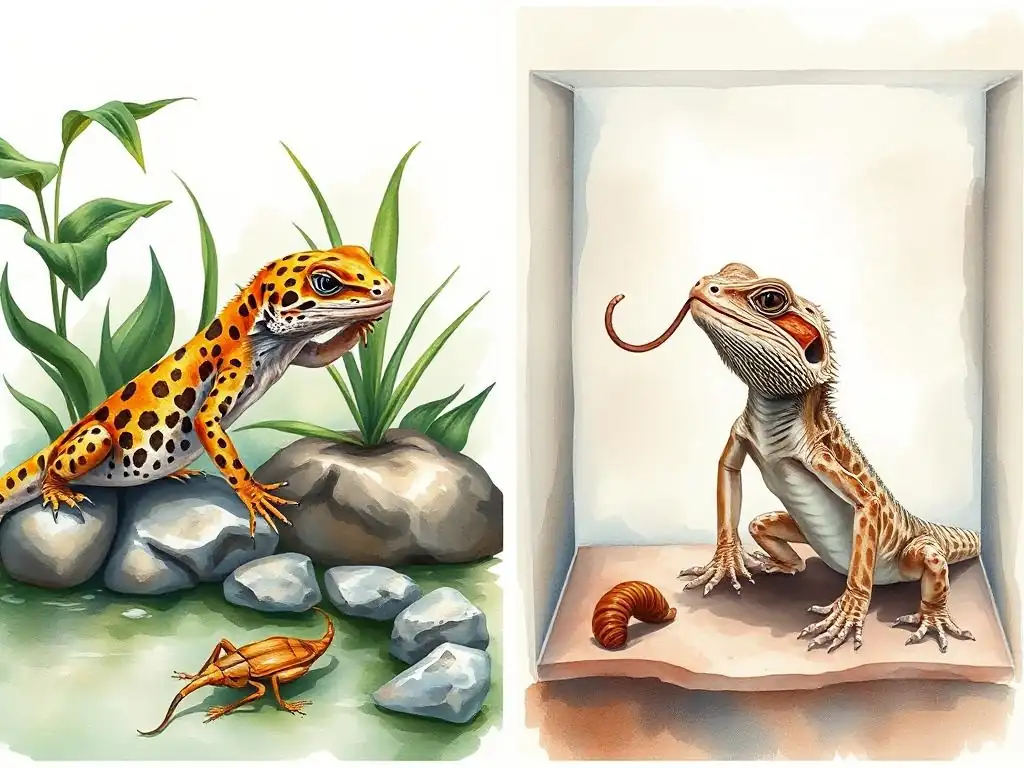
Insufficient terrarium space can significantly impact a reptile's feeding habits and appetite. A cramped environment leads to increased stress levels. Stress, in turn, is a major appetite suppressant in reptiles, just as it is in many other animals. A stressed reptile may refuse food altogether, leading to malnutrition and potentially life-threatening health problems.
This is particularly concerning for growing reptiles who require consistent nutrient intake for proper development. For example, a young bearded dragon kept in a terrarium too small for its size may exhibit a decreased appetite, resulting in stunted growth and weakened immune system. Furthermore, the inability to escape perceived threats within a confined space can further exacerbate stress and contribute to anorexia. Observations have shown that reptiles housed in appropriately sized enclosures generally exhibit more consistent and healthy feeding patterns compared to those in cramped environments.
The availability of appropriate hiding places also plays a crucial role; a reptile feeling secure will be more likely to eat regularly. Therefore, providing ample space is paramount for maintaining a healthy appetite and preventing nutritional deficiencies. Ignoring this can lead to serious health issues and ultimately compromise the reptile's well-being. The link between stress from overcrowding and appetite suppression is well-documented in herpetological literature, highlighting the importance of selecting the right-sized terrarium.
Difficulty in Thermoregulation and its Behavioral Consequences
Maintaining the correct body temperature is crucial for reptile health and survival, as they are ectothermic animals, meaning they rely on external sources of heat to regulate their internal temperature. A terrarium that is too small severely restricts a reptile's ability to thermoregulate effectively. In a cramped space, the temperature gradient—the variation in temperature within the enclosure—is significantly reduced. This limits the reptile's options for finding its preferred optimal temperature zone (POTZ).
If a reptile cannot access its POTZ, it can lead to a range of negative behavioral consequences. For instance, a reptile forced to remain in a consistently too-hot or too-cold area may become lethargic, inactive, and display abnormal behaviors such as excessive basking or hiding. This constant struggle to find the right temperature can lead to chronic stress, weakening the immune system and making the reptile more susceptible to diseases. Furthermore, the inability to thermoregulate properly can disrupt digestion and metabolism, further affecting appetite and overall health.
Consider a leopard gecko kept in a tiny enclosure with only one heat source; it will constantly be forced to choose between an uncomfortably hot spot and a dangerously cold spot, leading to potentially fatal consequences. Providing a spacious enclosure allows for a more natural temperature gradient, enabling the reptile to easily move between different temperature zones to maintain its optimal body temperature, thus promoting healthy behavior and reducing stress. This is a critical aspect of responsible reptile ownership often overlooked.
How Insufficient Space Affects Reptile Health
Providing the correct terrarium size for your reptile is paramount to their overall well-being. A terrarium that's too small significantly impacts a reptile's physical and mental health, leading to a cascade of negative consequences. Understanding these effects is crucial for responsible reptile ownership and ensuring your scaly friend thrives. The wrong terrarium size reptile behavior is often a direct result of these underlying health issues.
Increased Stress and Weakened Immune System
Insufficient space directly contributes to increased stress levels in reptiles. Imagine yourself confined to a tiny room – the lack of space to explore, bask, or escape would be incredibly stressful. Similarly, a cramped terrarium limits natural behaviors like basking, thermoregulation (adjusting body temperature), and exploration. This constant state of confinement triggers the release of stress hormones, suppressing the immune system.
Studies have shown a correlation between chronic stress in reptiles and a higher susceptibility to infections and diseases. For example, a leopard gecko confined to a small enclosure might exhibit signs of stress such as lethargy, loss of appetite, and a dull appearance. These symptoms often precede more serious health problems. Providing ample space allows for natural behaviors, reducing stress and boosting the immune system, ultimately leading to a healthier, happier reptile.
Higher Risk of Injuries from Fights and Poor Environmental Conditions
In species that are not inherently solitary, overcrowding in a small terrarium can lead to increased aggression and territorial disputes. Males, in particular, might fight for dominance, resulting in severe injuries such as bite wounds, scratches, and broken bones. Furthermore, a small terrarium makes it difficult to maintain proper temperature and humidity gradients. Reptiles require specific temperature ranges for digestion, thermoregulation, and overall health.
In a cramped space, it's challenging to create these gradients, leading to thermal stress and potential burns or hypothermia. The lack of adequate hiding places can also exacerbate stress and increase the risk of injury during territorial disputes. Consider the case of bearded dragons: two males housed in a small terrarium will almost certainly engage in aggressive behavior resulting in injuries. Larger enclosures allow for better spatial separation, reducing conflict and promoting a safer environment.
Challenges in Maintaining Proper Hygiene and Waste Management
Maintaining a clean and hygienic environment is crucial for reptile health. However, this becomes significantly more challenging in a small terrarium. Waste accumulation is a major concern in cramped spaces, leading to the build-up of ammonia and other harmful substances.
These toxins can irritate the reptile's skin and respiratory system, causing infections and other health issues. Furthermore, the limited space makes cleaning and disinfecting the terrarium more difficult, creating a breeding ground for bacteria and parasites. Imagine trying to clean a small, cluttered cage versus a larger, more spacious one – the difference in ease and effectiveness is significant.
Adequate space allows for easier cleaning, better waste management, and a cleaner environment, contributing to a healthier reptile. Proper hygiene is essential for preventing disease and ensuring the well-being of your reptile, and this directly relates to the size of its enclosure. The right size terrarium makes maintaining hygiene much simpler and more effective.
The Link Between Small Terrariums and Reproductive Issues
Insufficient space in a terrarium can significantly impact a reptile's reproductive health and success. Reptiles, particularly those with complex mating rituals or those requiring specific nesting sites, are especially vulnerable to reproductive problems in cramped environments. Stress from overcrowding or lack of suitable space for courtship and mating can lead to a complete failure to reproduce. For example, male bearded dragons housed in small terrariums may exhibit aggressive behavior towards females, preventing successful mating. This aggression is often a direct result of territorial stress, exacerbated by the lack of space to establish individual territories.
Furthermore, inadequate space can compromise the female's ability to lay eggs successfully. Many reptiles require specific substrates and ample space to dig nests appropriate for their eggs. A small terrarium restricts this natural behavior, leading to dystocia (difficulty laying eggs), egg binding, and ultimately, the death of the female. This is particularly critical for species that lay large clutches of eggs, such as certain snakes and turtles. The stress of attempting to lay eggs in a confined space can weaken the female, making her more susceptible to infections and other health issues.
The quality of the eggs themselves can also be affected by terrarium size. Chronic stress from overcrowding or insufficient space can lead to smaller, less viable eggs, decreasing the chance of successful hatching. The eggs may also be poorly formed or lack proper shell development, further reducing their viability.
Studies have shown a correlation between smaller terrarium sizes and lower hatching rates across various reptile species. Therefore, providing ample space is crucial not only for the health of the adult reptiles but also for the successful reproduction and survival of their offspring. The long-term impact of inadequate space extends beyond a single breeding season, affecting population dynamics and the conservation of certain species.
Choosing the Right Terrarium Size for Your Reptile
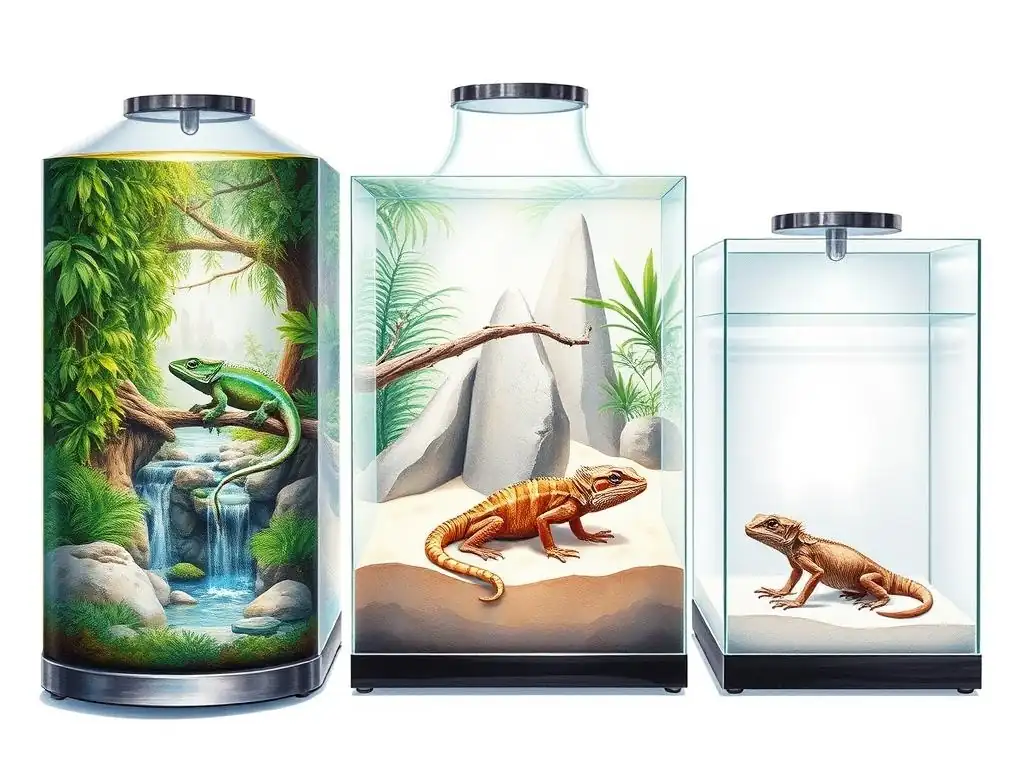
Selecting the appropriate terrarium size is crucial for your reptile's physical and psychological well-being. A terrarium that's too small can lead to stress, behavioral problems, and even health issues, while one that's too large can make maintaining proper temperature and humidity gradients challenging. Understanding your reptile's specific needs is paramount in avoiding the negative impacts of a wrong terrarium size on reptile behavior. This section delves into the key considerations for choosing the right-sized enclosure.
Understanding Your Reptile's Adult Size and Growth Rate
Knowing your reptile's projected adult size is the foundational step in choosing an appropriate terrarium. Different species exhibit vastly different growth rates and final sizes. For instance, a juvenile bearded dragon will require a much smaller enclosure than a mature adult. Failing to account for this growth can result in needing to upgrade the terrarium prematurely, causing unnecessary stress to the reptile during the transition.
Researching your specific reptile species is essential. Reputable sources like herpetological societies and specialized websites provide detailed information on the average adult size and growth rates for various species. Consider consulting multiple sources to ensure accuracy. For example, a green iguana can reach lengths exceeding 6 feet, requiring a significantly large enclosure, whereas a leopard gecko remains relatively small, needing a much more compact setup.
Here's a simplified table to illustrate the concept:
| Reptile Species | Approximate Adult Size | Growth Rate (Years to Maturity) | Terrarium Size Recommendation (Approximate) |
|---|---|---|---|
| Bearded Dragon | 18-24 inches | 1-2 years | 40 gallons minimum |
| Leopard Gecko | 8-10 inches | 1 year | 10-20 gallons |
| Corn Snake | 3-5 feet | 2-3 years | 20-40 gallons |
| Green Iguana | 6+ feet | 3-5 years | 120 gallons or larger |
Remember to always err on the side of caution. Providing a slightly larger enclosure is preferable to one that's too small, as it allows for more space to explore, bask, and hide. This helps in reducing stress and promoting natural behaviors.
Factors to Consider Beyond Just Length and Width
While length and width are important, they aren't the only dimensions to consider when selecting a terrarium. Height is equally vital, particularly for arboreal species (those that spend a significant amount of time climbing and in the upper areas of their enclosure). Furthermore, the wrong terrarium size reptile behavior can be easily triggered by neglecting other important aspects such as substrate depth and the amount of space dedicated to hiding places.
- Substrate Depth: Some reptiles, like burrowing snakes, require a considerable depth of substrate for digging and creating burrows. Ignoring this need can lead to stress and behavioral abnormalities. The minimum substrate depth should be researched for each species.
- Hiding Places: Providing ample hiding places is crucial for reducing stress and promoting natural behaviors. These should be strategically placed to allow the reptile to escape from view if they feel threatened. A lack of sufficient hiding spots can lead to increased anxiety and altered behaviors.
- Branching and Climbing Structures: Arboreal species require vertical space for climbing and basking. The terrarium's height should accommodate their climbing habits. Insufficient vertical space can lead to cramped conditions and restricted movement.
- Ventilation: Proper ventilation is vital for maintaining appropriate humidity and temperature levels, both of which are critical for reptile health and well-being. Insufficient ventilation can lead to respiratory problems and other health issues.
Vertical Space vs. Horizontal Space: Which is Best?
The optimal terrarium configuration—vertical versus horizontal—depends heavily on your reptile's natural behaviors and habitat preferences. A terrestrial species, such as a leopard gecko, will thrive in a horizontal enclosure with ample floor space for exploration. Conversely, an arboreal species like a green tree python will need a taller terrarium to accommodate its climbing habits. Choosing the wrong terrarium size reptile behavior is inevitable if you ignore these preferences.
Choosing the wrong type of space can have significant consequences. For example, forcing an arboreal reptile into a horizontal enclosure can lead to restricted movement, stress, and unnatural behaviors. Similarly, a terrestrial reptile in a tall terrarium might feel exposed and insecure, leading to anxiety and reduced activity.
Consider the following:
- Terrestrial Species: Prefer horizontal enclosures with ample floor space for exploration and basking.
- Arboreal Species: Require tall enclosures with branches and climbing structures to mimic their natural habitat.
- Semi-Arboreal Species: Benefit from a combination of horizontal and vertical space, allowing them to both explore the ground and climb.
Careful consideration of these factors will ensure that your reptile's terrarium meets its specific needs, promoting a healthy and thriving environment, minimizing the risk of wrong terrarium size reptile behavior. Always prioritize your reptile’s well-being by researching their species-specific requirements before purchasing a terrarium.
Environmental Enrichment and Space Requirements
Providing a spacious terrarium isn't just about giving your reptile enough room to move around; it's crucial for their behavioral and psychological well-being. A cramped environment severely limits opportunities for natural behaviors, leading to stress and potential health problems. Reptiles, even seemingly sedentary species, require adequate space to express natural behaviors like basking, exploring, and hiding. Think of it like this: would you be happy living in a closet? The answer is likely no, and the same principle applies to reptiles. A larger enclosure allows for a more complex and stimulating environment, incorporating various climbing structures, hiding places, and temperature gradients.
This variety is key to preventing boredom and encouraging natural behaviors. For instance, a bearded dragon needs ample space to fully extend its body when basking, a behavior essential for proper digestion and thermoregulation. Restricting this space can lead to digestive issues and other health complications. Similarly, a snake needs sufficient space to comfortably shed its skin, a process that can be significantly hindered in a too-small enclosure. The impact of insufficient space on reptile behavior is often subtle but significant, manifesting in lethargy, decreased appetite, and repetitive pacing, all indicators of stress and a poor quality of life. Therefore, choosing the right terrarium size is a crucial step in ensuring your reptile thrives.
Remember, a happy reptile is a healthy reptile, and space plays a vital role in achieving that happiness. The appropriate size should allow for the natural expression of species-specific behaviors, promoting both physical and mental well-being. Consider the adult size of your reptile, its activity level, and its specific behavioral needs when determining the minimum acceptable size for its enclosure. Ignoring these factors can lead to significant behavioral problems and compromise your reptile's overall health. The consequences of a cramped terrarium can be far-reaching, impacting everything from digestion and thermoregulation to stress levels and overall lifespan. Prioritizing appropriate space ensures a happier, healthier, and more naturally behaving reptile.
Creating a Stimulating Environment in the Right-Sized Terrarium
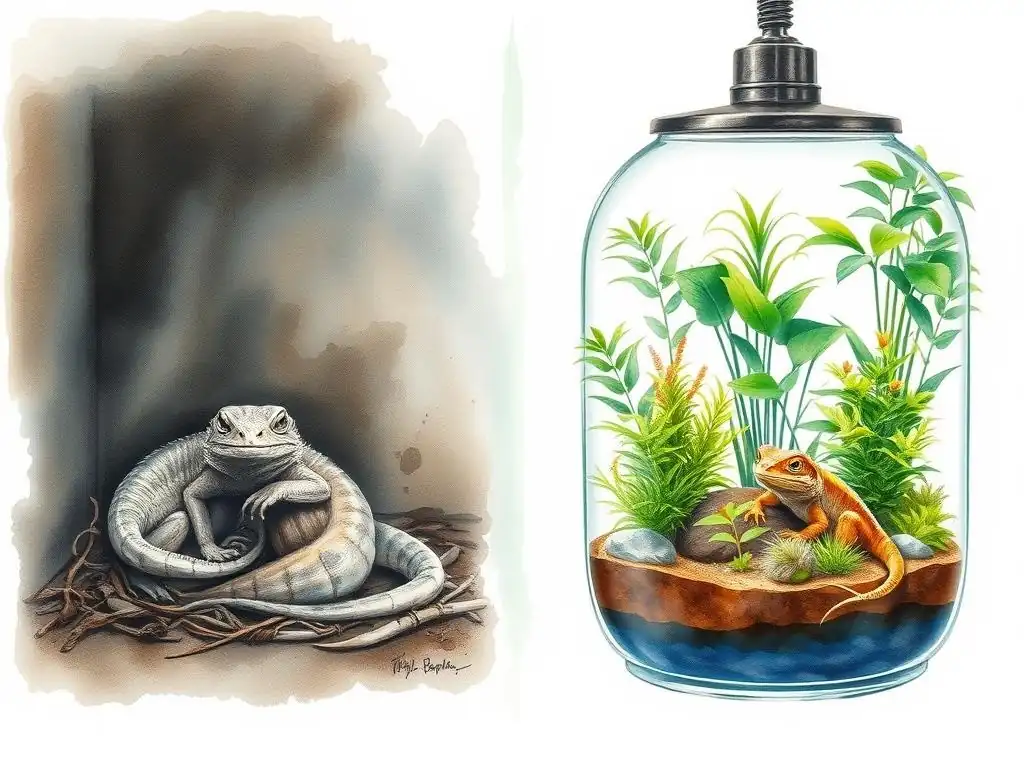
Choosing the correct terrarium size is only the first step in providing optimal care for your reptile. A properly sized enclosure is crucial, but it's equally important to create a stimulating and enriching environment within that space. A cramped terrarium, even if technically large enough based on minimum size recommendations, will negatively impact your reptile's behavior, leading to stress, lethargy, and potential health problems. Conversely, a spacious terrarium, thoughtfully designed, can foster natural behaviors and enhance the overall well-being of your scaled companion.
Understanding the principles of environmental enrichment is key to responsible reptile ownership. This section focuses on creating a stimulating environment within a correctly sized terrarium, minimizing the negative behavioral impacts associated with inadequate space. Remember, even the largest enclosure won't be beneficial if it's not properly furnished.
Providing Hiding Places and Safe Zones
Reptiles, by nature, seek security and refuge. Providing ample hiding places within the terrarium is paramount to reducing stress and promoting natural behaviors. These safe zones should be strategically placed throughout the enclosure, offering a variety of options for your reptile to retreat to. Think about the natural habitat of your specific reptile species. Do they prefer dark, enclosed spaces, or more open, concealed areas?
Consider using different types of hides: half-logs, artificial caves, cork bark, hollowed-out rocks (ensure they are non-toxic and secure). The number of hides should exceed the number of reptiles in the terrarium, offering each individual multiple choices. For example, a bearded dragon terrarium should ideally have at least three hides: one on the warm side, one on the cool side, and one in a more shaded area. This allows the reptile to thermoregulate effectively and escape perceived threats without competition.
A lack of sufficient hiding places can lead to increased aggression, especially among multiple individuals sharing the same enclosure. The appropriate number of hides is also dependent on species; some species are more reclusive than others. It's important to research the specific needs of your reptile.
Incorporating Climbing Structures and Branches
Many reptile species are arboreal or semi-arboreal, meaning they spend a significant portion of their time climbing and exploring vertical space. Providing climbing structures and branches within the terrarium is essential for these species to express their natural behaviors. This is especially important for species like chameleons, geckos, and tree boas. The correct climbing structures will provide enrichment and exercise, preventing boredom and inactivity.
The types of climbing structures you can use vary greatly. You can use real or artificial vines, driftwood, cork bark, rocks, or purpose-built reptile climbing structures. The structures should be securely fastened to prevent them from collapsing and injuring your reptile. The size and spacing of the branches should be appropriate for the size and climbing abilities of your reptile.
For example, a large iguana will need thicker, more robust branches than a small gecko. Insufficient climbing opportunities can lead to muscle atrophy, skeletal problems, and behavioral issues, such as lethargy and repetitive behaviors. Observe your reptile carefully; if it constantly tries to climb the walls of the terrarium, it clearly requires more climbing structures.
Adding Plants and Decorations for Visual Stimulation
Adding plants and decorations to the terrarium provides visual stimulation and enrichment for your reptile. This helps to create a more natural and less sterile environment. Live plants are generally preferred, as they help to regulate humidity and provide a more naturalistic setting. However, ensure that the plants are non-toxic and safe for your reptile.
Consider using a variety of plants with different textures and heights to add visual interest. You can also use artificial plants, but live plants are often better for humidity regulation and provide a more enriching environment. In addition to plants, consider adding other decorations such as rocks, smooth stones, artificial logs, or other non-toxic items to create a more complex and stimulating environment. The goal is to mimic the natural habitat of your reptile as closely as possible, providing a variety of textures, colors, and hiding places.
A visually stimulating environment will reduce stress and encourage natural behaviors, leading to a happier and healthier reptile. Remember to research the specific needs of your reptile species before adding any plants or decorations. Some plants, while visually appealing, could be harmful to certain reptiles.
Maintaining Proper Temperature and Humidity Gradients
Maintaining the correct temperature and humidity gradients within the terrarium is crucial for a reptile's well-being and directly impacts their behavior. A properly sized terrarium allows for the establishment of these gradients more effectively. In a cramped terrarium, it's nearly impossible to create distinct warm and cool zones, leading to behavioral issues.
Reptiles, being ectothermic, rely on external sources to regulate their body temperature. Without a proper thermal gradient, they are forced to constantly seek out the optimal temperature, leading to stress and unnatural behaviors like excessive basking or hiding. This constant search for the "perfect spot" can interfere with their natural feeding, resting, and even shedding patterns.
For instance, a bearded dragon kept in a terrarium that's too small will struggle to thermoregulate. It might excessively bask under the heat lamp, potentially leading to burns or dehydration. Conversely, it may spend too much time in the cool zone, resulting in sluggishness, poor digestion, and a weakened immune system. These behavioral changes are direct consequences of an improperly sized enclosure that prevents the creation of a suitable temperature gradient.
Humidity gradients are equally important, particularly for species requiring higher humidity levels. A small terrarium makes it difficult to maintain consistent humidity, leading to respiratory problems and skin issues. For example, a leopard gecko kept in a small enclosure might experience dry skin shedding difficulties, causing stress and potentially leading to infection.
Larger terrariums allow for better humidity control using various methods such as misting systems or substrates that retain moisture. The ability to create different humidity zones also allows reptiles to select the environment most suitable for their current needs, promoting natural behaviors and reducing stress.
In essence, the size of the terrarium directly impacts the ability to accurately and effectively manage both temperature and humidity, which are fundamental to a reptile's health and natural behavior. A properly sized terrarium is not merely a matter of space; it's fundamental to creating a healthy and stimulating environment that encourages natural behaviors in reptiles.
Case Studies: Reptiles Affected by Inadequate Terrarium Size
This section presents real-world examples illustrating how incorrect terrarium size directly impacts reptile behavior and well-being. Understanding these case studies will highlight the crucial link between appropriate housing and a healthy, happy reptile. Remember, providing the correct terrarium size is fundamental to responsible reptile ownership and contributes significantly to preventing behavioral problems. The wrong terrarium size reptile behavior can manifest in various ways, as these examples demonstrate.
Case Study 1: Bearded Dragon in a Too-Small Enclosure
A juvenile bearded dragon, Pogona vitticeps, was housed in a 20-gallon long terrarium for six months. This enclosure, while seemingly adequate at first glance, proved too small as the dragon grew. The owner observed increasingly aggressive behavior, including frequent tail whipping and attempts to bite when approached. The dragon also exhibited repetitive pacing along the terrarium walls and spent prolonged periods attempting to climb the glass.
This repetitive behavior is a clear indicator of stress caused by confinement. Furthermore, the limited space hindered the dragon's natural basking and thermoregulation behaviors. The dragon struggled to find optimal temperature gradients, leading to potential metabolic issues. Relocating the dragon to a larger, appropriately sized 40-gallon breeder tank resulted in a significant improvement in its behavior.
The pacing ceased, aggression decreased substantially, and the dragon exhibited more natural behaviors, such as exploring its environment and engaging in more relaxed basking. This case underscores the importance of selecting a terrarium size that anticipates the reptile's future growth needs. A juvenile bearded dragon needs a larger space than an adult.
Case Study 2: Leopard Gecko Showing Signs of Stress in a Cramped Habitat
A leopard gecko, Eublepharis macularius, was kept in a 10-gallon terrarium, significantly smaller than the recommended minimum of a 20-gallon long tank. The owner noted a decline in appetite and a general lethargy in the gecko, which was initially attributed to illness. However, a closer examination revealed the gecko exhibited signs of stress, including reduced activity levels, hiding excessively, and a loss of its usual vibrant coloration.
The limited space prevented the gecko from establishing appropriate temperature gradients for thermoregulation and restricted its ability to explore and display natural behaviors. Furthermore, the cramped environment likely contributed to a heightened stress response, suppressing its appetite and weakening its immune system. Transferring the leopard gecko to a larger, appropriately furnished terrarium resulted in a noticeable behavioral improvement.
Its appetite returned, it became more active and alert, and its coloration regained its typical vibrancy. This case highlights how even seemingly minor space limitations can have significant consequences on a reptile's health and well-being. Insufficient space leads to stress and can mask underlying health problems.
Case Study 3: Snake with Impaired Movement Due to Limited Space
A corn snake, Pantherophis guttatus, an adult measuring approximately 4 feet in length, was housed in a 20-gallon long terrarium. This size was insufficient for a snake of this size, resulting in impaired movement and obvious signs of stress. The snake exhibited repetitive circling and rubbing against the terrarium walls, attempting to find additional space. Its ability to shed its skin was also compromised due to the tight confines.
Incomplete shedding can lead to various health problems, including infections and injuries. The snake's overall condition deteriorated, showing signs of stress and poor body condition. After being moved to a larger enclosure, a 40-gallon breeder tank, the snake's behavior improved significantly. The repetitive circling stopped, and the snake exhibited more natural behaviors, such as exploring its environment and resting comfortably in various locations.
The larger space also facilitated successful shedding, improving its overall health. This case demonstrates how inadequate space can physically restrict a reptile's movement, leading to behavioral abnormalities and serious health complications. Adequate space is not merely a comfort; it's a necessity for a reptile's physical and psychological well-being. Providing ample space allows for natural behaviors, preventing stress and health issues associated with confinement.
Frequently Asked Questions
What are the common signs of a reptile exhibiting stress due to incorrect terrarium size?
A reptile in a terrarium that's too small may show signs of increased aggression, restlessness, and reduced appetite. They may also exhibit self-mutilating behaviors like tail-biting.
How does a terrarium that is too small impact a reptile's health?
Insufficient space can lead to stress-related illnesses, difficulty thermoregulating, and an increased risk of infectious diseases due to poor hygiene. Growth may also be stunted.
What are the ideal terrarium dimensions for different reptile species?
There's no one-size-fits-all answer. The ideal size depends on the species, adult size, and the specific needs of the reptile. Researching your specific reptile's requirements is crucial.
Can a terrarium that is too large negatively affect a reptile?
While generally better than one that's too small, an excessively large terrarium can present challenges in maintaining humidity and temperature gradients, leading to difficulty finding suitable basking spots.
How can I determine the correct terrarium size for my reptile?
Consult reliable sources like reptile-specific websites and books, or speak to a veterinarian or experienced reptile keeper. Consider the reptile's adult size, activity level, and environmental needs.
Final Reflection: The Silent Suffering of Missized Habitats
The wrong terrarium size isn't just an inconvenience; it's a silent crisis impacting the wellbeing of millions of captive reptiles. Ignoring the crucial link between habitat size and reptile behavior leads to a cascade of negative consequences, from stunted growth and repetitive behaviors to increased stress and ultimately, reduced lifespan. This isn't simply about aesthetics; it's about ethical responsibility and providing a life worthy of these fascinating creatures.
The impact of inadequate space resonates far beyond the individual reptile. It speaks to our broader understanding of animal welfare and our role as responsible keepers. We must move beyond simply providing the bare minimum and strive for environments that truly mimic the natural habitats these animals evolved in. The greatness of a nation and its moral progress can be judged by the way its animals are treated.
- Mahatma Gandhi. This quote, while broad, highlights the interconnectedness of animal welfare and societal values. Our treatment of captive reptiles reflects our understanding of their needs and our commitment to ethical stewardship.
Consider the implications of this information. Are you providing your reptile with the space it needs to thrive? Take a moment to assess your current setup. Does it allow for natural behaviors like basking, exploration, and hiding? If not, consider making changes, no matter how small. Even a slight increase in space can significantly improve your reptile's quality of life. Let's work together to ensure that every reptile, regardless of species, enjoys a life filled with comfort, enrichment, and the space to truly be themselves.
Unlock Your Reptile's Potential: Create the Perfect Habitat
Thanks for joining us on this reptile care journey! You've already learned how vital the right terrarium size is to your reptile's health and happiness. Now let's put that knowledge to work.
- Design your reptile's ideal habitat: Carefully measure your reptile and research its specific needs to determine the perfect terrarium size. Remember to enrich the environment with appropriate branches, hiding places, and substrate. This is your chance to create a truly thriving habitat!
- Share your terrarium: Show off your amazing creation and inspire others! Post pictures of your finished project on PetCareWorld's community forum (find instructions on how to join in the sidebar).
- Learn more: Explore different terrarium setups designed for various reptile species. Discover the unique enrichment strategies that work best for different reptiles.
Ready to build the perfect home for your scaly companion? What creative enrichment ideas will you include in your design?