
Ferret Housing Essentials: Bedding, Hammocks, and Hideaways

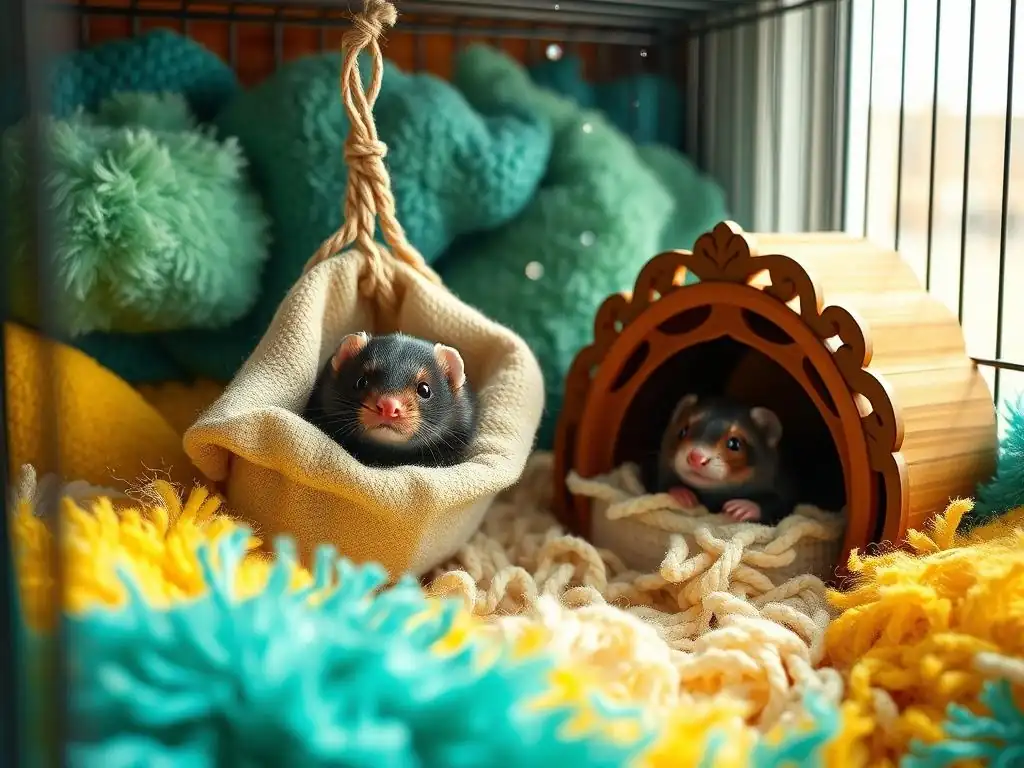
Welcome to PetCareWorld, your ultimate guide to a happier, healthier life for your beloved companions! Are you ready to create the perfect environment for your energetic ferret? Then dive into our expert guide on "Best ferret cage accessories," where we unveil the must-have bedding, hammocks, and hideaways that will transform your ferret's cage into a luxurious haven. Discover the secrets to a thriving ferret and unlock the key to their ultimate comfort and well-being. Let's embark on this enriching journey together!
- Best Ferret Cage Accessories: Creating a Safe and Enriching Environment
- Optimizing Your Ferret's Cage Setup for Maximum Comfort
- Top Ferret Cage Accessory Recommendations and Reviews
- Frequently Asked Questions
- Final Reflection: Creating a Ferret Paradise: More Than Just a Cage
- Unleash Your Ferret's Inner Explorer!
Best Ferret Cage Accessories: Creating a Safe and Enriching Environment

Ferrets, with their playful antics and curious nature, require a stimulating and comfortable living space. Choosing the right ferret cage accessories is crucial for their physical and mental well-being. This guide dives deep into the essentials of ferret housing, focusing on bedding, hammocks, and hideaways – key components in creating a safe and enriching environment for your furry friend. We'll explore the various options available, highlighting factors to consider when selecting the best ferret cage accessories to meet your ferret's specific needs and ensure their happiness and health.
This comprehensive guide will help you create the perfect habitat, helping you rank highly in your search for the "best ferret cage accessories." Providing your ferret with the best possible home is paramount, and this detailed exploration of crucial accessories will empower you to do just that. Let's get started! 🎉
Choosing the Right Bedding for Your Ferret
Selecting appropriate bedding is a cornerstone of responsible ferret care. The wrong bedding can lead to skin irritation, respiratory problems, and even ingestion of harmful materials. Therefore, careful consideration of material, absorbency, and ease of cleaning is crucial.
Types of Ferret Bedding: Paper-Based vs. Fabric Options
Ferret bedding generally falls into two main categories: paper-based and fabric-based options. Paper-based bedding, such as recycled paper pellets or shredded paper, offers excellent absorbency and is generally considered safer for ferrets, minimizing the risk of ingestion and potential harm. Fabric bedding, such as fleece or cotton, can be more comfortable but requires more frequent cleaning to prevent odor buildup and the growth of bacteria. Choosing the right type depends on your ferret’s preferences and your cleaning schedule. Consider your ferret's individual needs and preferences when making your decision.
Absorbency and Odor Control in Ferret Bedding
The absorbency of your chosen bedding directly impacts cage hygiene. High-absorbency bedding helps to minimize ammonia buildup, a common cause of respiratory issues in ferrets. Look for bedding specifically designed for small animals, indicating high absorbency and odor control capabilities. Regularly checking and changing the bedding is vital to maintain a clean and healthy environment. Remember, a clean cage contributes significantly to your ferret’s overall health.
Maintaining Hygiene: Cleaning and Replacing Ferret Bedding
Regular cleaning is non-negotiable. Spot clean your ferret's cage daily, removing soiled bedding immediately. Complete cage cleaning, including a thorough bedding change, should be done at least once a week, or more frequently depending on your ferret's habits and the type of bedding used. Always use pet-safe cleaning products, avoiding harsh chemicals that could harm your ferret. This consistent cleaning routine is essential for preventing disease and maintaining a healthy environment for your pet.
Essential Ferret Hammocks for Comfort and Play
Hammocks provide ferrets with a safe and elevated space to rest, play, and observe their surroundings. They add a vertical dimension to the cage, maximizing space utilization and providing enrichment opportunities.
Benefits of Hammocks for Ferrets: Resting and Enrichment
Ferrets naturally enjoy sleeping in elevated, enclosed spaces. Hammocks mimic these natural sleeping preferences, offering a secure and comfortable resting spot. Beyond rest, hammocks also provide enrichment, encouraging playful exploration and interaction with their environment. This contributes to their overall well-being and mental stimulation.
Selecting the Right Size and Material for Ferret Hammocks
When choosing a hammock, ensure it's appropriately sized for your ferret. Too small, and it will be uncomfortable; too large, and it may not provide the desired sense of security. The material should be durable, washable, and ferret-safe. Avoid materials that could easily be torn or ingested. Consider the hammock’s placement within the cage, ensuring easy access for your ferret.
Placement of Hammocks within the Ferret Cage
Strategic placement of hammocks within the cage is key. Place them in different locations to provide varied resting options and encourage exploration. Avoid placing them directly above food or water bowls to prevent potential accidents. Consider your ferret's behavior and preferences when positioning the hammocks for optimal comfort and usability.
Hideaways: Providing Security and Privacy for Ferrets
Importance of Hideaways for Ferret Well-being
Ferrets, by nature, are curious and playful creatures, but they also possess a strong instinct for seeking security and privacy. Providing adequate hideaways within their cage is crucial for their overall well-being and mental health. A secure hideaway allows your ferret to retreat when feeling stressed, overwhelmed, or simply needing some alone time. This is especially important in multi-ferret households where competition for resources and attention can lead to stress and conflict.
Without sufficient hiding places, ferrets may exhibit signs of stress, such as excessive sleeping, changes in appetite, or increased aggression. A comfortable and secure hideaway contributes significantly to a ferret's emotional balance and reduces the likelihood of behavioral problems. Think of it as their personal sanctuary – a safe haven where they can relax and de-stress.
A lack of this crucial element can negatively impact their quality of life, making the provision of multiple hideaways a non-negotiable aspect of responsible ferret ownership. Remember, a happy ferret is a healthy ferret! 😻
Types of Ferret Hideaways: Tubes, Houses, and Caves
The market offers a variety of ferret hideaways, each with its unique design and benefits. Popular choices include:
- Tubes: These are often made of fabric or plastic and provide a long, enclosed space for ferrets to explore and play. Ferrets love to squeeze through tunnels, and tubes mimic their natural burrowing instincts. Consider tubes of varying diameters to cater to your ferret's preferences. Some tubes even have openings at both ends, allowing for exploration in multiple directions.
- Houses: These are typically small, enclosed structures resembling miniature houses or huts. Houses provide a more enclosed and private space than tubes. They can be made from various materials, such as wood, plastic, or fabric. Ensure any wooden house is made from a non-toxic and safe material, free from splinters or sharp edges.
- Caves: Caves offer a more enclosed and dark environment, providing a sense of security and privacy. These are excellent options for shy or anxious ferrets. Caves can be purchased commercially or creatively crafted from repurposed items (ensure safety and non-toxicity).
A well-equipped cage should ideally offer a diverse range of hideaways, combining tubes, houses, and caves to provide your ferret with a variety of options. This variety caters to their natural instincts and preferences, ensuring they always have a place to retreat when needed. Remember to regularly inspect and clean all hideaways to maintain hygiene and prevent the build-up of bacteria or unpleasant odors.
Creating a Safe and Secure Hideaway Environment for Your Ferret
When selecting or creating a hideaway for your ferret, prioritize safety above all else. Avoid anything that could pose a choking hazard or have small, detachable parts. Ensure the materials are non-toxic and durable. Regularly inspect hideaways for any signs of damage or wear and tear and replace them as needed.
Proper ventilation is also crucial to prevent the build-up of ammonia from urine. Avoid placing hideaways in areas of the cage that are prone to drafts or excessive heat. The ideal placement is in a spot away from the food and water bowls, allowing for a quiet and undisturbed retreat.
Furthermore, consider your ferret's personality. A shy ferret may prefer a darker, more enclosed hideaway, while a more outgoing ferret might enjoy a more open option. Observe your ferret's behavior to determine their preferences and adjust the hideaway options accordingly. Remember, the goal is to create a stimulating and enriching environment that meets your ferret's individual needs, promoting both physical and emotional well-being. Providing a variety of safe and secure hideaways is a crucial step in ensuring your ferret thrives in its cage environment.
Optimizing Your Ferret's Cage Setup for Maximum Comfort

This section focuses on creating a stimulating and comfortable environment for your ferret using the best ferret cage accessories. A happy ferret is a healthy ferret, and providing the right combination of bedding, hammocks, and hideaways is crucial for their well-being. Think of it as designing a luxurious "ferret apartment" – complete with cozy sleeping areas, playful climbing options, and safe spaces for retreat.
Combining Bedding, Hammocks, and Hideaways for a Balanced Cage Setup
Creating a balanced cage setup involves a thoughtful blend of different elements to cater to your ferret's natural instincts. Ferrets are naturally curious and enjoy exploring, climbing, and hiding. Therefore, a mix of bedding, hammocks, and hideaways is essential.
Consider the following ratios as a starting point, always adjusting based on your ferret's individual preferences and cage size:
- Bedding (60%): Choose absorbent, non-toxic bedding materials such as paper-based bedding or fleece. Avoid cedar or pine shavings, as they can be harmful to ferrets. Deep bedding allows for burrowing, a natural behavior that contributes to their comfort and enrichment. Regularly spot-clean and fully change the bedding frequently to maintain hygiene and prevent ammonia buildup. This is vital for preventing respiratory issues.
- Hammocks (20%): Hammocks offer elevated sleeping areas, providing a sense of security and a change of scenery. Opt for sturdy hammocks made from durable, washable fabrics. Multiple hammocks strategically placed throughout the cage offer variety and choice. Consider different styles – some ferrets prefer enclosed hammocks, while others prefer open ones.
- Hideaways (20%): Hideaways are crucial for providing safe spaces where your ferret can retreat when feeling stressed or tired. These can include small, enclosed houses, tunnels, or even cardboard boxes (ensure they are ferret-safe and not easily chewed through). The variety encourages exploration and provides a sense of security, reducing stress and promoting a feeling of safety.
Ensuring Adequate Space and Ventilation in Your Ferret's Cage
The size of your ferret's cage directly impacts their well-being. Insufficient space can lead to stress, boredom, and behavioral problems. Aim for the largest cage you can practically accommodate. Remember, bigger is always better when it comes to ferret housing. Adequate ventilation is equally important to prevent ammonia build-up from urine and feces. Poor ventilation can lead to respiratory problems and other health issues.
Consider these key aspects:
- Space: A general guideline suggests at least 4 square feet of floor space per ferret, but more is always preferable. Consider the cage's height as well, allowing for climbing and exploration.
- Ventilation: Choose a cage with ample ventilation holes or a wire mesh design to ensure good airflow. Avoid cages with solid sides or poor ventilation, as this can create a stuffy and unhealthy environment. Regularly check for any blockages in ventilation areas.
Regular Cage Cleaning and Maintenance for Ferret Health
Maintaining a clean cage is paramount to your ferret's health and well-being. Ammonia from urine is particularly harmful to ferrets' respiratory systems. A regular cleaning schedule is essential to prevent illness and maintain a comfortable living space.
Here's a recommended cleaning routine:
- Daily: Spot-clean soiled areas, removing any feces and urine immediately. This helps prevent the build-up of ammonia and keeps the cage smelling fresh.
- Weekly: A more thorough cleaning is needed weekly. Remove all bedding, hammocks, and toys. Wash all washable items in hot, soapy water and allow them to dry completely before replacing them. Thoroughly clean and disinfect the cage itself using a ferret-safe disinfectant.
- Monthly: A deep clean is recommended monthly. This includes a complete cage disassembly for a thorough scrubbing and sanitizing. This is an opportunity to inspect the cage for any signs of damage or wear and tear.
Remember, providing the best ferret cage accessories and maintaining a clean and comfortable environment is key to ensuring a long, happy, and healthy life for your furry friend. By following these guidelines, you'll be well on your way to creating the perfect home for your beloved ferret. 😻
Top Ferret Cage Accessory Recommendations and Reviews

Choosing the best ferret cage accessories can significantly impact your ferret's happiness and well-being. Ferrets are naturally curious and playful animals requiring an enriched environment to thrive. This section will review some top-rated accessories, focusing on quality, safety, and ferret-specific needs. Remember, always supervise your ferret with new accessories to ensure safe usage.
Where to Buy High-Quality Ferret Cage Accessories
Finding reputable suppliers for high-quality ferret cage accessories is crucial. Look for retailers specializing in small animal supplies, or those with extensive positive customer reviews specifically mentioning ferret products. Avoid bargain retailers that may sell inferior or unsafe products. Reputable online stores and well-stocked pet stores often offer a wider selection and better customer service.
Several factors contribute to the quality of ferret cage accessories. Durable materials are essential; look for sturdy fabrics, strong stitching in hammocks, and non-toxic materials for bedding and toys. Proper sizing is also key; accessories should be appropriately sized for your ferret's age and breed, preventing injury or entrapment. Finally, consider ease of cleaning. Ferrets can be messy, so easily washable and durable accessories are a must. Inspect accessories regularly for damage and replace them promptly if needed. This proactive approach to maintenance ensures a safe and comfortable environment for your ferret.
Budget-Friendly Options for Ferret Cage Accessories
While investing in high-quality ferret cage accessories is beneficial, budget-conscious pet owners can still create a stimulating and safe environment for their ferrets. Smart shopping strategies and DIY options can help reduce costs without compromising your ferret's welfare.
One effective strategy is to compare prices across different retailers. Check both online and brick-and-mortar stores to find the best deals. Look for sales, discounts, and bundle offers. Consider buying in bulk when possible, especially for consumable items like bedding.
Another cost-effective approach is to repurpose household items. For example, old towels can be cut and sewn into simple ferret hammocks, saving money on commercially produced ones. Empty cardboard boxes (ensure they are ferret-safe and free from staples or tape) can serve as temporary hideaways. Remember, safety is paramount; always ensure that any repurposed items are ferret-proof and pose no risk of injury.
Prioritize durable and easily cleanable materials even with budget-friendly options. Creating a stimulating environment doesn't require expensive accessories; creativity and resourcefulness can go a long way. The key is to balance affordability with your ferret's safety and well-being. A well-planned and carefully selected set of accessories, even when budget-conscious, can provide a stimulating and safe environment for your pet.
Frequently Asked Questions
What are the essential accessories for a ferret cage?
The most essential ferret cage accessories include comfortable bedding, such as fleece or shredded paper, multiple hideaways for security and rest, and at least one hammock for climbing and sleeping. These provide enrichment and a safe space.
What type of bedding is best for ferrets?
Avoid cedar or pine shavings as they are toxic. Fleece bedding is easy to clean and soft, while paper-based bedding offers good absorbency. Always supervise your ferret with new bedding materials to check for reactions.
How many hideaways should I have in my ferret cage?
Ferrets are naturally curious and love to explore, but they also need places to feel safe and secure. Aim for at least two or three hideaways of varying sizes and styles, placed strategically throughout the cage.
Are hammocks necessary for ferret cages?
While not strictly necessary, hammocks provide a fun and enriching addition to a ferret's environment. They satisfy ferrets' natural climbing instincts and offer a comfortable place to nap.
Where can I find the best ferret cage accessories?
PetCareWorld recommends researching reputable online and brick-and-mortar pet stores. Look for high-quality, safe materials and consider reading reviews before purchasing accessories specifically designed for ferrets.
Final Reflection: Creating a Ferret Paradise: More Than Just a Cage
Providing the best possible environment for your ferret is not just about meeting basic needs; it's about enriching their lives and fostering their well-being. A happy ferret is a healthy ferret, and understanding their natural instincts and providing appropriate enrichment is crucial for their happiness. This extends far beyond simply providing food and water.
The journey of creating a truly enriching environment for these playful mustelids has profoundly impacted my understanding of responsible pet ownership. It's not just about ticking boxes on a checklist; it's about observing their behavior, understanding their needs, and adapting their space to suit their individual personalities. The best things in life are the people we love, the places we've been, and the memories we've made along the way.
While this quote isn't directly about ferrets, it speaks to the essence of creating a loving and enriching home for any pet, fostering lasting memories and a deep bond.
Now, consider your own ferret's environment. Do they have enough opportunities to explore, to play, to hide, and to simply be themselves? Take a moment to reflect on their cage setup. Are you providing the best possible bedding, a variety of stimulating hammocks and hideaways, and enough space for them to express their natural behaviors? Make a commitment today to enhance your ferret's living space, enriching their lives and strengthening your bond. Remember, a happy ferret is a testament to your dedication and love.
Unleash Your Ferret's Inner Explorer!
Thanks for joining us on this exploration of ferret housing! We hope you've learned how to create a safe and stimulating environment for your furry friend. Now it's time to put your new knowledge into practice.
Here's how you can transform your ferret's living space:
- Design their dream habitat: Begin by rearranging your ferret's cage, incorporating the bedding, hammocks, and hideaways we discussed. Consider adding new textures and levels to provide extra stimulation and mental enrichment.
- Share your creative cage designs!: Take a picture of your ferret's improved home and share it on PetCareWorld's social media! Let's inspire other ferret owners with your creative solutions!
- Explore advanced enrichment ideas: Continue your research to discover new ways to keep your ferret mentally and physically active. Think about puzzle feeders, foraging toys, or even supervised playtime outside their cage (in a safe, ferret-proofed area, of course! ).
Ready to give your ferret the best home possible?