
The Invisible Enemy: Carbon Monoxide and Your Bird's Safety


Welcome to PetCareWorld, your ultimate guide to a happier, healthier life for your beloved companions! Are you aware of the silent threat lurking in your home that could be endangering your feathered friend? Learn about the invisible enemy impacting bird health: bird carbon monoxide poisoning safety. Discover crucial information and preventative measures to ensure your bird's well-being in our comprehensive guide – your journey to a safer home for your avian companion starts now.
- Understanding Carbon Monoxide Poisoning in Birds
- Sources of Carbon Monoxide in Your Home
- Preventing Carbon Monoxide Poisoning in Your Avian Companion
- Emergency Response to Bird Carbon Monoxide Poisoning
- Long-Term Bird Carbon Monoxide Poisoning Prevention Strategies
-
Frequently Asked Questions
- What are the common sources of carbon monoxide in a home that can affect my bird?
- How can I tell if my bird is suffering from carbon monoxide poisoning?
- What is the best way to prevent carbon monoxide poisoning in my bird?
- My bird is showing symptoms. What should I do immediately?
- Are certain bird species more susceptible to carbon monoxide poisoning than others?
- Final Reflection: Breathing Easy: Protecting Our Feathered Friends from the Silent Threat
- Breathe Easy: Protect Your Feathered Friend!
Understanding Carbon Monoxide Poisoning in Birds
Carbon monoxide (CO) poisoning poses a significant, often unseen, threat to the health and well-being of our feathered friends. Unlike many household hazards, CO is odorless, colorless, and tasteless, making it a particularly insidious danger. This article will delve into the specifics of carbon monoxide poisoning in birds, focusing on its causes, symptoms, and the inherent vulnerabilities of avian species.
We aim to equip bird owners with the knowledge necessary to protect their beloved companions from this invisible enemy and ensure their safety. Understanding the unique physiological aspects of birds and their susceptibility to CO poisoning is crucial for effective prevention and timely intervention, ultimately contributing to a longer, healthier life for your avian family member. This guide will provide practical advice and actionable steps to mitigate the risk of CO poisoning in your home, promoting a safer environment for your bird.
The information presented here is designed to enhance your bird's safety and contribute to responsible bird ownership. Remember, proactive measures are key to preventing this potentially fatal condition.
What is Carbon Monoxide and Why is it Dangerous for Birds?
Carbon monoxide is a poisonous gas produced by the incomplete burning of fuels such as natural gas, propane, oil, and wood. Common household appliances like furnaces, water heaters, stoves, and even cars parked in attached garages can be sources of CO leakage. In birds, CO readily binds to hemoglobin, the protein in red blood cells responsible for carrying oxygen.
This binding prevents oxygen from reaching the bird's tissues and organs, leading to hypoxia (oxygen deficiency). Unlike mammals, birds have a higher metabolic rate and therefore require a significantly greater amount of oxygen to maintain their bodily functions. This heightened oxygen demand makes them particularly vulnerable to even low levels of CO exposure.
The effects can range from mild lethargy to severe respiratory distress and ultimately death. The insidious nature of CO poisoning lies in its undetectable nature; birds may show subtle symptoms initially, making diagnosis challenging. Early detection and intervention are critical for a favorable outcome.
Recognizing the Symptoms of Carbon Monoxide Poisoning in Birds
Recognizing the symptoms of CO poisoning in your bird is crucial for prompt veterinary intervention. Early signs can be subtle and easily mistaken for other illnesses. These may include:
- Lethargy and weakness
- Difficulty breathing or rapid breathing (tachypnea)
- Loss of coordination or stumbling
- Head tremors or shaking
- Changes in behavior, such as unusual lethargy or aggression
- Loss of appetite
- Cyanosis (bluish discoloration of the beak, feet, or skin) – though this can be difficult to detect in birds with darker plumage.
More severe symptoms may include:
- Seizures
- Coma
- Death
If you suspect your bird is suffering from CO poisoning, immediate veterinary attention is paramount. Delaying treatment can have dire consequences. A detailed history of recent events, including potential CO sources in the home, should be provided to the veterinarian.
Avian Susceptibility to Carbon Monoxide: Physiological Differences
Birds possess unique physiological characteristics that contribute to their increased vulnerability to CO poisoning compared to mammals. Their high metabolic rate, as mentioned earlier, necessitates a higher oxygen uptake. This means that even relatively low levels of CO can significantly impact their oxygen-carrying capacity. Furthermore, avian hemoglobin has a higher affinity for CO than mammalian hemoglobin.
This means that CO binds more readily to the bird's hemoglobin, displacing oxygen more efficiently and leading to quicker onset and more severe symptoms. Their respiratory system, characterized by air sacs and a more efficient flow-through system, while generally advantageous, may also contribute to the rapid absorption of inhaled CO. Understanding these physiological differences underscores the importance of proactive measures to prevent CO exposure in birds. Regular maintenance of heating systems and CO detectors are essential steps in safeguarding your avian companion.
Sources of Carbon Monoxide in Your Home
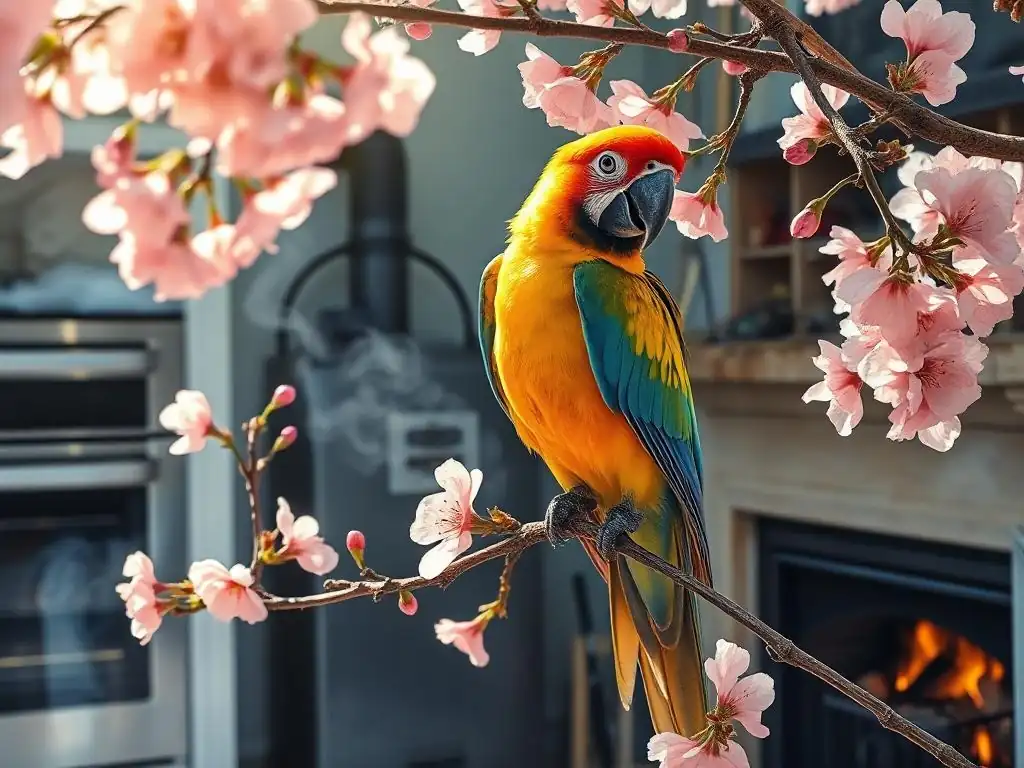
Carbon monoxide (CO), an odorless, colorless, and deadly gas, poses a significant threat to the health and safety of your feathered friend. Understanding the sources of CO in your home is the first step towards protecting your bird from carbon monoxide poisoning. The consequences of CO exposure for birds can be severe, even fatal, underscoring the importance of proactive safety measures.
This section delves into the common culprits responsible for CO build-up in your home, focusing specifically on the dangers they pose to birds. Many sources are often overlooked, highlighting the need for vigilance and preventative measures to ensure your bird's safety.
Common Household Appliances and Carbon Monoxide Risks
Many everyday appliances in your home can produce carbon monoxide as a byproduct of combustion. While these appliances are designed with safety features, malfunctions or improper maintenance can lead to dangerous CO leaks. Here's a breakdown of some common culprits:
- Furnaces and Boilers: These heating systems are major CO sources if not properly maintained. Annual inspections by a qualified technician are crucial. Cracked heat exchangers or blocked vents can significantly increase CO production. Signs of malfunction might include unusual noises, soot buildup, or a pilot light that frequently goes out.
- Gas Stoves and Ovens: Gas appliances, if not properly ventilated, can release dangerous levels of CO. Ensure that your kitchen is well-ventilated, especially when using these appliances. Regular cleaning and maintenance are vital for optimal function and CO prevention.
- Water Heaters: Similar to furnaces and boilers, gas water heaters can produce CO if there's a malfunction. Regular inspection and maintenance are essential to mitigate risks.
- Fireplaces and Wood-Burning Stoves: These traditional heating methods, while charming, can release substantial amounts of CO if not properly vented. Ensure your chimney is regularly cleaned and inspected to avoid blockages that could lead to CO backdrafting into your home.
- Gas-Powered Generators: While less common for everyday use, these devices, often used during power outages, can pose a significant risk if used improperly or in poorly ventilated areas. Never operate a generator indoors or in enclosed spaces.
The table below summarizes the potential CO risks associated with different household appliances:
| Appliance | CO Risk Level | Mitigation Strategies |
|---|---|---|
| Furnaces & Boilers | High | Annual inspection, proper ventilation, prompt repair of issues |
| Gas Stoves & Ovens | Medium | Proper ventilation, regular cleaning, prompt repair of issues |
| Water Heaters | Medium | Regular inspection, prompt repair of issues |
| Fireplaces & Wood Stoves | High | Regular chimney cleaning, proper ventilation |
| Gas-Powered Generators | Very High | Never operate indoors, ensure adequate outdoor ventilation |
Remember, even small CO leaks can accumulate over time and pose a significant threat to your bird's health. Regular maintenance and vigilance are key to preventing CO poisoning.
Detecting Carbon Monoxide Leaks: Practical Identification Strategies
Early detection is crucial in preventing carbon monoxide poisoning. While CO is undetectable by human senses, certain signs can indicate a potential leak. However, birds are far more sensitive to CO than humans, and their reactions might be the first warning sign.
- Bird Behavior Changes: Sudden lethargy, difficulty breathing, loss of coordination, or unusual vocalizations are potential indicators of CO exposure in your bird. These symptoms can manifest quickly, so immediate action is vital.
- Visual Inspection: Check for signs of malfunction in your appliances, such as soot buildup, unusual noises, or a flickering pilot light.
- CO Detectors: Install battery-operated CO detectors on every level of your home, especially near bedrooms and areas where gas appliances are located. These detectors provide an early warning system, alerting you to dangerous CO levels. Test your detectors regularly according to manufacturer instructions. Remember that detectors are designed to protect humans. Birds are more sensitive to CO and may exhibit symptoms before the detector alarms, making bird behavior an even more critical indicator.
- Professional Inspection: If you suspect a CO leak, immediately contact a qualified HVAC technician for a thorough inspection of your home's heating and gas systems. This is crucial for ensuring the safety of both you and your bird. Don't delay – timely action can be life-saving.
The Dangers of Improper Ventilation: Impact on Bird Health
Inadequate ventilation plays a critical role in the accumulation of carbon monoxide within your home. Poor ventilation allows CO to build up, increasing the risk of poisoning for your bird. This section emphasizes the importance of proper ventilation in maintaining a safe and healthy environment for your avian companion.
Birds have a higher metabolic rate than humans, making them significantly more susceptible to the toxic effects of even low levels of CO. This increased sensitivity means that CO levels that might not affect humans can be lethal to birds. The impact of poor ventilation can be devastating, leading to severe health problems or even death.
- Respiratory Issues: CO interferes with the blood's ability to carry oxygen, leading to hypoxia (oxygen deficiency). This is particularly dangerous for birds, whose respiratory systems are already delicate. Symptoms can range from labored breathing to respiratory failure.
- Neurological Damage: CO poisoning can cause severe neurological damage in birds, leading to seizures, paralysis, and coma.
- Cardiovascular Problems: The oxygen deprivation caused by CO poisoning can also severely impact the cardiovascular system, potentially causing heart failure.
- Death: In severe cases, CO poisoning can be fatal to birds. The speed at which CO poisoning progresses in birds necessitates immediate action upon suspicion of exposure.
Maintaining optimal ventilation is crucial for preventing CO buildup. This involves ensuring proper functioning of ventilation systems, regularly checking for blockages, and keeping gas appliances well-ventilated. Prioritizing proper ventilation is a critical aspect of providing a safe and healthy home for your bird, mitigating the risk of this silent killer. A well-ventilated home is a safer home for your feathered friend.
Preventing Carbon Monoxide Poisoning in Your Avian Companion
Carbon monoxide (CO) poisoning is a silent killer, posing a significant threat to your feathered friend. Unlike humans, birds have a higher metabolic rate and respiratory frequency, making them far more susceptible to the effects of even low levels of CO. Understanding the risks and implementing preventative measures is crucial for ensuring your bird's safety and well-being. This section focuses on practical steps you can take to mitigate the risk of CO poisoning in your home, protecting your avian companion from this invisible enemy.
The key is proactive monitoring and maintenance, creating a truly bird-safe environment. Remember, early detection and prevention are paramount in safeguarding your bird's health.
Installing and Maintaining Carbon Monoxide Detectors: Bird-Specific Considerations
Installing carbon monoxide detectors is the first line of defense against CO poisoning. However, simply placing detectors isn't enough; strategic placement is critical for optimal bird safety. While general guidelines recommend placing detectors near sleeping areas, for birds, consider their cage location. Ideally, place a detector inside the room where your bird's cage is situated, not just outside. This ensures quicker detection of even small CO leaks.
Furthermore, choose detectors with a digital display and audible alarm. A digital display provides a precise CO reading, allowing you to monitor levels even when the alarm isn't triggered. Loud alarms are essential, ensuring you are alerted quickly, even if you are not in close proximity to the detector.
Regular maintenance is crucial. Test your detectors monthly and replace the batteries annually, or as recommended by the manufacturer. Replace the entire detector every 5-7 years, regardless of its apparent functionality. A malfunctioning detector is worse than none at all, offering a false sense of security. Consider installing multiple detectors throughout your home, especially near potential CO sources like furnaces, water heaters, and fireplaces. This provides comprehensive coverage and improves the chances of early detection.
Ensuring Proper Ventilation in Your Home: A Bird-Safe Environment
Proper ventilation plays a vital role in preventing CO buildup. CO is an odorless, colorless gas produced by the incomplete combustion of fuels. Ensuring adequate airflow throughout your home helps to dilute any CO that may be present, minimizing the risk of poisoning.
Regularly check and clean your ventilation system. This includes checking vents, chimneys, and exhaust fans for blockages. A blocked vent can significantly reduce airflow and increase the risk of CO buildup. Additionally, ensure your home is properly insulated to prevent drafts that might pull in CO from outside sources.
Never ignore unusual smells or sounds emanating from appliances. A strange odor or unusual noise from your furnace or water heater could indicate incomplete combustion, a leading cause of CO production. Schedule regular professional inspections of your heating and cooling systems to ensure they are operating efficiently and safely. This is a critical step in preventing CO buildup and protecting your bird.
Regularly Inspecting Appliances: Minimizing Carbon Monoxide Production
Regularly inspect all fuel-burning appliances in your home, including furnaces, water heaters, stoves, and fireplaces. Look for signs of soot buildup, cracked vents, or unusual noises during operation. These can indicate incomplete combustion and increased CO production. Schedule annual professional inspections for furnaces and water heaters; these are critical components that require expert attention.
Keep your appliances clean and well-maintained. Soot buildup restricts airflow, leading to incomplete combustion. Regular cleaning helps to prevent this. Always follow the manufacturer's instructions for operation and maintenance. Never attempt repairs yourself unless you are a qualified technician. Improper repairs can exacerbate the problem and increase the risk of CO leaks.
Remember, your bird's safety is paramount. By taking these proactive steps, you significantly reduce the risk of carbon monoxide poisoning, creating a safer and healthier home environment for your beloved avian companion. Proactive maintenance and regular inspections are key to ensuring their long-term health and happiness. A little vigilance goes a long way in protecting your bird from this invisible threat.
Creating a Safe Bird Environment: Proactive Risk Reduction
Creating a safe environment for your feathered friend is paramount in preventing carbon monoxide poisoning. This involves more than just ensuring proper ventilation; it's about a holistic approach to minimizing all potential risks. Regular maintenance and careful consideration of your home's appliances and systems are crucial.
For instance, regularly scheduled inspections of your heating system, including furnaces, boilers, and water heaters, are essential. A malfunctioning system can release deadly carbon monoxide fumes, silently endangering your bird. Ensure these systems are serviced by qualified professionals annually, or even more frequently depending on their age and usage.
Furthermore, consider installing carbon monoxide detectors specifically designed for bird-safe environments, ensuring they are placed strategically throughout your home, particularly near your bird's cage and sleeping areas. These detectors provide an early warning system, giving you time to react and remove your bird from harm's way. Remember, early detection is key to mitigating the potentially fatal effects of carbon monoxide exposure.
Beyond appliance maintenance, consider the placement of your bird's cage. Avoid placing it near fireplaces, gas stoves, or any other potential sources of carbon monoxide emissions. Even seemingly harmless sources like gas-powered generators or vehicles parked near your home can pose a significant threat. Proper ventilation is crucial, but it's equally important to understand how air currents can work.
Ensure that air circulates freely around your bird's cage, preventing the build-up of any potentially harmful gases. This might involve strategically placing fans (avoiding direct drafts on the bird) or simply ensuring that windows are regularly opened to allow for fresh air circulation. Remember, a proactive and multi-faceted approach to environmental safety is the best defense against carbon monoxide poisoning in your avian companion. Regularly reviewing and updating your safety protocols is a crucial aspect of responsible bird ownership.
Emergency Response to Bird Carbon Monoxide Poisoning
Carbon monoxide (CO) poisoning in birds is a serious, life-threatening emergency requiring immediate action. Early intervention is crucial for improving your feathered friend's chances of survival. Recognizing the symptoms quickly is paramount; delayed treatment significantly reduces the likelihood of a positive outcome. Remember, even seemingly minor symptoms warrant immediate attention. This section outlines the critical steps to take if you suspect your bird has been exposed to CO. The speed and effectiveness of your response directly correlate with your bird's prognosis. Don't delay – swift action can save a life.
Immediate Actions to Take if You Suspect Carbon Monoxide Poisoning
If you suspect your bird has been exposed to carbon monoxide, act swiftly. The first step is to immediately remove your bird from the potentially contaminated environment. Open windows and doors to increase ventilation. While moving your bird, handle it gently to minimize stress. Birds already weakened by CO poisoning are extremely vulnerable to further trauma.
Next, assess your bird's condition. Common symptoms of CO poisoning in birds include:
- Lethargy and weakness: Your bird may appear unusually tired, reluctant to move, or perch abnormally.
- Respiratory distress: This can manifest as labored breathing, gasping, or open-mouth breathing. Pay close attention to the rate and depth of their breathing.
- Cyanotic mucous membranes: Look for bluish discoloration of the beak, feet, and/or wattles. This indicates reduced oxygen levels in the blood.
- Neurological signs: These can range from tremors and seizures to disorientation and incoordination.
- Loss of consciousness: In severe cases, your bird may lose consciousness.
Keep a record of the observed symptoms and the time they appeared. This information will be invaluable to your veterinarian. While assessing your bird, maintain a calm demeanor; your bird can sense your anxiety. A calm approach helps minimize further stress.
Finally, prepare for immediate transportation to an avian veterinarian. Have a carrier ready and gather any relevant information, such as the suspected source of CO exposure (e.g., malfunctioning furnace, car exhaust). Time is of the essence. Every minute counts in a CO poisoning emergency. Don't hesitate to call ahead to alert the veterinary clinic of your bird's condition and impending arrival.
Seeking Veterinary Care for Your Bird: Urgent Treatment Protocols
Once you've taken immediate actions, getting your bird to an avian veterinarian experienced in treating toxicities is paramount. The veterinarian will conduct a thorough examination, focusing on the bird's respiratory system, neurological function, and overall condition.
Expect the veterinarian to perform the following:
- Blood tests: These will measure oxygen levels and potentially detect the presence of carboxyhemoglobin (CO bound to hemoglobin).
- Chest X-rays: These can reveal any underlying lung damage caused by CO poisoning.
- Oxygen therapy: Your bird will likely receive supplemental oxygen to help correct low blood oxygen levels. This is often administered in a specialized avian oxygen cage.
- Fluid therapy: Intravenous fluids may be administered to support hydration and help flush toxins from the system.
- Other supportive care: This may include medication to manage secondary complications such as seizures or respiratory distress.
The treatment protocol will be tailored to your bird's specific condition and the severity of the poisoning. Closely follow your veterinarian's instructions and actively participate in your bird's recovery. Remember, consistent monitoring is key.
Post-Exposure Care and Monitoring: Supporting Avian Recovery
Even after successful treatment, post-exposure care is vital for your bird's complete recovery. Your veterinarian will provide detailed instructions on ongoing care, which may include:
- Continued oxygen therapy: Supplemental oxygen may be required for several days or even weeks, depending on the severity of the poisoning.
- Medication: Your bird may require medication to manage any lingering respiratory issues or other complications.
- Dietary adjustments: Your veterinarian might recommend a special diet to support recovery and promote optimal nutrition.
- Environmental modifications: Ensure your home is free from further CO exposure. Regularly check your CO detectors and have your heating system inspected by a qualified professional. Consider air purifiers to improve air quality.
- Close monitoring: Regular checkups with your avian veterinarian are essential to monitor your bird's progress and address any emerging issues. Observe your bird closely for any signs of relapse or recurring symptoms.
Remember, the complete recovery from CO poisoning can take time and requires consistent vigilance. Your active participation in your bird's post-exposure care significantly increases the chance of a full recovery. Patience and perseverance are key elements in this process. Early detection, swift action, and diligent post-exposure care are crucial for mitigating the devastating effects of bird carbon monoxide poisoning and ensuring your beloved companion's long-term well-being. 🐦
Long-Term Bird Carbon Monoxide Poisoning Prevention Strategies
Carbon monoxide (CO) poisoning is a silent killer, posing a significant threat to the health and well-being of your feathered friend. While immediate detection and response are crucial in emergency situations, proactive, long-term prevention strategies are paramount for ensuring your bird's safety and longevity. This section details crucial steps you can take to minimize the risk of CO poisoning in your home, focusing on preventative measures and ongoing vigilance.
Understanding the subtle signs of CO exposure in birds is also vital – lethargy, respiratory distress, and unusual weakness should prompt immediate veterinary attention. Remember, prevention is always better than cure when it comes to bird carbon monoxide poisoning safety.
Regular Maintenance of Home Appliances: A Preventative Approach
Regular maintenance of home appliances is a cornerstone of CO poisoning prevention. Many appliances, including furnaces, water heaters, gas stoves, and fireplaces, can leak CO if not properly maintained. Schedule annual inspections by qualified technicians for all gas-powered appliances. This preventative measure is critical for identifying and rectifying potential leaks before they become a serious threat. Furthermore, promptly address any unusual noises, smells (like rotten eggs), or changes in appliance performance. These could be early warning signs of a malfunction that might produce dangerous levels of CO. A simple checklist, reviewed annually, can ensure consistency:
| Appliance | Maintenance Task | Frequency | Notes |
|---|---|---|---|
| Furnace | Professional inspection and cleaning | Annually | Check for cracks, corrosion, and proper ventilation. |
| Water Heater | Inspection and anode rod replacement | Every 2-3 years | Depending on water hardness; check manufacturer recommendations. |
| Gas Stove | Burner cleaning and inspection | Quarterly | Ensure proper gas connections and burner alignment. |
| Fireplace (Gas) | Professional inspection and cleaning | Annually | Check for proper ventilation and gas leaks. |
| Gas-Powered Generator | Professional inspection and servicing | Annually | Especially crucial if used during power outages; proper ventilation key. |
Remember, neglecting maintenance can lead to increased CO production, putting your bird at considerable risk. The seemingly small cost of regular maintenance is far outweighed by the priceless value of your bird's health and safety.
Creating a Bird-Safe Home Environment: Ongoing Safety Measures
Beyond appliance maintenance, creating a bird-safe home environment involves a multi-faceted approach. This includes ensuring adequate ventilation throughout your home, especially in rooms where your bird spends the most time. Open windows, even slightly, can help to dissipate any accumulated CO. Using CO detectors strategically placed throughout your home is also essential. These detectors should be tested regularly and replaced according to the manufacturer's instructions.
Consider purchasing detectors specifically designed for birds, which may have lower activation thresholds for early warning. Additionally, be mindful of where you place your bird's cage. Avoid areas near potential CO sources like garages or basements, and ensure good air circulation around the cage. This proactive approach to environmental safety significantly reduces the risks associated with bird carbon monoxide poisoning safety.
Regularly inspect your home for any potential CO sources. This includes checking for cracks in walls or chimneys and ensuring proper ventilation in all areas. A simple visual inspection can often identify potential problems before they become serious hazards. Remember, a safe environment is a proactive environment, constantly monitored and maintained for the well-being of your beloved bird.
Educating Yourself and Others: Raising Awareness of Avian Carbon Monoxide Risks
Knowledge is power, particularly when it comes to protecting your bird from unseen dangers like CO poisoning. Staying informed about the risks, symptoms, and preventative measures is crucial. Regularly consult reliable resources on avian health and safety, such as veterinary websites and reputable pet care organizations. Share this vital information with other bird owners, family members, and anyone who may have access to your home. Raising awareness within your community can collectively improve bird carbon monoxide poisoning safety.
Educating yourself goes beyond simply reading articles. Understanding the specific vulnerabilities of birds to CO, the subtle early warning signs, and the importance of rapid veterinary intervention is paramount. The more you know, the better equipped you are to protect your bird. Furthermore, knowing how to respond in an emergency situation, including contacting emergency services and providing necessary information, is crucial. Be prepared, be informed, and be proactive in protecting your avian companion.
Frequently Asked Questions
What are the common sources of carbon monoxide in a home that can affect my bird?
Common sources include faulty furnaces, gas stoves, generators, and car exhaust that can leak into your home. Ensure all appliances are properly maintained and ventilated.
How can I tell if my bird is suffering from carbon monoxide poisoning?
Symptoms include lethargy, difficulty breathing, loss of coordination, and cyanosis (bluish discoloration of the skin). Seek immediate veterinary care if you suspect poisoning.
What is the best way to prevent carbon monoxide poisoning in my bird?
Install carbon monoxide detectors near your bird's cage, and ensure adequate ventilation throughout your home. Regularly inspect appliances and have them serviced professionally.
My bird is showing symptoms. What should I do immediately?
Immediately remove your bird from the potentially dangerous environment and seek veterinary care as soon as possible. Time is critical in treating carbon monoxide poisoning.
Are certain bird species more susceptible to carbon monoxide poisoning than others?
While all birds are vulnerable, smaller birds may be more susceptible due to their higher metabolic rate and smaller lung capacity. Prevention is key for all avian companions.
Final Reflection: Breathing Easy: Protecting Our Feathered Friends from the Silent Threat
The invisible threat of carbon monoxide (CO) poisoning remains a significant danger to our beloved birds, a silent killer lurking in seemingly harmless places. Understanding the sources of CO, recognizing the subtle signs of poisoning in our avian companions, and implementing preventative measures are not just good practices—they are essential for ensuring the well-being of our feathered friends. Ignoring this danger is simply unacceptable.
The pervasive nature of CO, its ability to silently infiltrate our homes and endanger our birds, underscores the importance of constant vigilance and proactive safety measures. This isn't just about preventing a tragedy; it's about fostering a responsible and loving relationship with our avian companions. The greatest danger for most of us is not that our aim is too high and we miss it, but that it is too low and we reach it.
This quote, while not directly about birds, speaks to the importance of setting high standards for their care and safety, exceeding the minimum requirements to ensure their well-being.
Now, consider your own home. Are your CO detectors functioning correctly? Do you regularly check for potential sources of CO leaks? Take a moment to assess your bird's environment, looking for potential hazards. By understanding the risks and taking proactive steps, you can create a safer, healthier, and more enriching environment for your bird, ensuring a long and happy life together. Let's work together to protect our feathered friends from this invisible enemy.
Breathe Easy: Protect Your Feathered Friend!
Thank you for learning about the dangers of carbon monoxide to your beloved bird. We hope you now understand this invisible threat and how to protect your pet. Let's take action!
- Install a carbon monoxide detector: This is the most important step to protect your bird and your family. Ensure it's properly installed and working correctly.
- Schedule annual heating system maintenance: Regular servicing minimizes the risk of carbon monoxide leaks.
- Share this information: Help spread awareness and protect other birds from this unseen danger.
What steps will you take today to keep your bird safe from carbon monoxide?