
Is Your Bird at Risk? Understanding the Causes of Egg Binding

Welcome to PetCareWorld, your ultimate guide to a happier, healthier life for your beloved pets! Are you concerned about your feathered friend? We delve into the critical issue of bird egg binding causes in our latest comprehensive guide, exploring the potential reasons behind this potentially life-threatening condition. Discover the crucial information you need to identify, prevent, and address this serious problem – ensuring your bird's well-being remains a top priority. Let's explore the fascinating world of avian health together!
- Bird Egg Binding Causes: A Comprehensive Overview
- Environmental Factors and Bird Egg Binding
- Preventing Egg Binding in Your Avian Companion
- When to Seek Veterinary Assistance for Egg Binding
- Frequently Asked Questions
- Final Reflection: The Silent Struggle of Egg Binding
- Unlock Your Bird's Health: Take Action Today!
Bird Egg Binding Causes: A Comprehensive Overview
Egg binding, a serious and potentially life-threatening condition, is a significant concern for avian pet owners. This condition, where a bird is unable to lay an egg, can stem from a variety of factors, ranging from nutritional deficiencies to underlying medical issues. Understanding the causes of egg binding is crucial for early detection and intervention, ultimately improving the chances of a positive outcome for your feathered friend.
This comprehensive guide delves into the various factors that contribute to egg binding in birds, providing you with the knowledge to recognize the signs and seek timely veterinary care. We’ll explore common causes, discuss how these causes manifest differently across various bird species, and offer insights into preventative measures. Remember, early intervention is key in managing this potentially fatal condition; this guide empowers you to be a proactive and informed bird owner.
Identifying Egg Binding in Your Bird
Identifying egg binding early is critical for successful treatment. A bird suffering from egg binding will often exhibit noticeable behavioral changes and physical signs. These can include:
- Straining to defecate: You might observe your bird repeatedly straining as if trying to pass stool, but without success. This is a key indicator that something is obstructing the cloaca.
- Swollen abdomen: The abdomen may appear distended and larger than usual, due to the presence of the retained egg.
- Lethargy and weakness: A bird struggling with egg binding will often display lethargy, decreased appetite, and a general lack of energy.
- Loss of balance or coordination: In severe cases, the bird may experience difficulty maintaining balance due to the pressure exerted by the egg.
- Depression and vocalization changes: Your bird might exhibit unusual quietness or changes in its normal vocalizations, reflecting its discomfort.
It's vital to note that not all birds display every symptom. Some may show subtle signs, making regular observation and familiarity with your bird's normal behavior crucial for early detection. If you suspect egg binding, immediate veterinary attention is necessary.
Recognizing the Symptoms of Egg Binding in Different Bird Species
While the underlying causes of egg binding are similar across bird species, the manifestation of symptoms can vary. For instance, larger bird species might exhibit more pronounced abdominal swelling, while smaller birds may show subtle signs of lethargy or straining before more obvious symptoms appear. The following table offers a glimpse into potential species-specific variations, although individual variations within species are possible and professional veterinary assessment is paramount:
| Bird Species | Common Symptoms | Notable Differences |
|---|---|---|
| Parakeets | Lethargy, straining, slightly swollen abdomen | Often subtle symptoms initially; rapid deterioration possible. |
| Cockatiels | Similar to parakeets, but potential for respiratory distress | Respiratory issues may be more prominent due to abdominal pressure. |
| Conures | Swollen abdomen, lethargy, reluctance to move | May show decreased vocalization. |
| Macaws | Significant abdominal swelling, pronounced lethargy | Due to size, symptoms are often more dramatic. |
| Canaries | Subtle straining, decreased egg-laying frequency | Often less noticeable symptoms initially. |
Remember, this table provides general guidance only. The specific symptoms and severity of egg binding can vary significantly depending on the individual bird and the underlying causes. Always consult an avian veterinarian for accurate diagnosis and treatment. Early detection and prompt veterinary care are crucial for improving the chances of a successful outcome.
Underlying Medical Conditions Contributing to Egg Binding
Egg binding, a serious condition where a bird is unable to lay an egg, is often linked to underlying health issues. These conditions can weaken the muscles involved in laying, obstruct the reproductive tract, or otherwise interfere with the natural birthing process. Ignoring these underlying problems can lead to severe complications and even death for the affected bird. Early detection and veterinary intervention are crucial for successful treatment and preventing future occurrences.
It's vital to remember that a single underlying condition might not be the sole cause; frequently, multiple factors contribute to the problem. For instance, a bird might be genetically predisposed to egg binding and further compromised by a nutritional deficiency. A thorough veterinary examination is essential to diagnose the specific cause and develop an appropriate treatment plan.
Calcium Deficiency and its Role in Egg Binding
Calcium is absolutely vital for eggshell formation. A deficiency severely weakens the eggshell, making it difficult or impossible for the bird to pass. Symptoms of calcium deficiency can include soft-shelled or shell-less eggs, lethargy, weakness, and muscle tremors. This deficiency often stems from a poor diet lacking calcium-rich foods like cuttlebone, calcium-supplemented grit, and leafy greens.
Providing a balanced diet with adequate calcium supplementation is crucial for preventing this common cause of egg binding. Veterinary intervention might include calcium injections or other supportive therapies depending on the severity of the deficiency. Regular monitoring of calcium levels through blood tests may be necessary for birds with a history of egg binding.
Reproductive Tract Infections and Egg Binding
Infections within the reproductive tract can significantly impede egg passage. These infections can cause inflammation and swelling, narrowing the cloaca and making egg expulsion difficult or impossible. Bacterial or fungal infections are common culprits. Symptoms might include unusual discharge from the cloaca, lethargy, and difficulty perching or defecating. Treatment involves antibiotics or antifungals prescribed by an avian veterinarian, along with supportive care to manage pain and discomfort. Early diagnosis and prompt treatment are essential to prevent the infection from spreading and causing further complications, such as septicemia (blood poisoning).
Obesity and its Impact on Egg Laying
Obesity can place significant strain on a bird's reproductive system. Excess weight can physically obstruct the passage of eggs, increasing the risk of egg binding. The extra weight also puts stress on the muscles responsible for egg laying, making them less efficient. A proper diet tailored to the bird's species and age, coupled with regular exercise, is critical for weight management. Veterinary guidance is crucial in determining a safe and effective weight loss plan for obese birds, preventing the sudden loss of weight which can have additional health consequences.
Nutritional Deficiencies and Egg Binding Risk
Besides calcium, other nutritional deficiencies can contribute to egg binding. A diet lacking essential vitamins and minerals can weaken the bird's overall health and compromise its reproductive system. Vitamins like Vitamin D3 are crucial for calcium absorption, while other vitamins and minerals play vital roles in maintaining proper muscle function and overall health. A well-balanced diet that includes a variety of fresh fruits, vegetables, and high-quality seeds is essential. Supplementing the diet with commercially available avian vitamin and mineral mixes, under veterinary guidance, can help address potential nutritional gaps.
Genetic Predisposition to Egg Binding Problems
Some bird breeds or lineages may have a higher genetic predisposition to egg binding. This predisposition might involve factors affecting eggshell formation, reproductive tract anatomy, or muscle strength. While we cannot change a bird's genetics, understanding this inherent risk is crucial for proactive care. Birds with a family history of egg binding should be monitored more closely, and preventative measures, such as dietary adjustments and regular veterinary checkups, should be implemented. Careful breeding practices may help reduce the incidence of egg binding in future generations, but this requires careful consideration and expert advice.
Environmental Factors and Bird Egg Binding

Environmental factors play a significant role in the occurrence of egg binding in birds. Understanding these factors is crucial for preventative care and ensuring the well-being of your avian companion. While genetics and underlying health conditions contribute, addressing environmental stressors can significantly reduce the risk of this potentially life-threatening condition. This section will delve into specific environmental triggers contributing to bird egg binding causes.
Stress and its Influence on Egg Laying Difficulties
Stress is a major culprit in bird egg binding causes. Any disruption to a bird's routine or environment can trigger a stress response, leading to hormonal imbalances that interfere with the smooth laying of eggs. This can manifest in various ways, including:
- Sudden changes in environment: Moving a bird's cage, introducing new pets, loud noises, or even a change in household routines can all be significant stressors. A bird's perception of safety and security is paramount for its well-being.
- Lack of appropriate social interaction: Socially interactive birds require companionship. Isolation or insufficient interaction with flockmates (or humans, in the case of bonded birds) can lead to stress and hormonal imbalances. Consider the species-specific social needs of your bird when designing its environment.
- Predation or perceived threat: Even the perception of a threat can trigger a profound stress response. Ensuring a secure and safe environment free from potential predators (both real and perceived) is crucial. This includes securing the cage to prevent escape and providing adequate hiding places within the enclosure.
- Breeding season stress: The breeding season itself, despite being a natural process, can be extremely stressful for birds, particularly if nesting sites are inadequate or if the bird is experiencing breeding difficulties. Providing ample nesting materials and a quiet, secluded space during this time is critical.
The impact of stress on egg-laying is multifaceted. Prolonged stress can lead to a weakening of the uterine muscles, making egg passage difficult. It can also disrupt the hormonal cascade necessary for proper egg formation and expulsion. Observing your bird's behavior for signs of stress – such as ruffled feathers, decreased appetite, or changes in vocalizations – is crucial for early intervention.
Improper Nest Box Conditions and Egg Binding
The quality of the nest box significantly impacts a bird's ability to lay eggs successfully. Suboptimal conditions can directly contribute to bird egg binding causes. This includes:
- Insufficient space: A cramped nest box prevents the bird from comfortably positioning itself for egg laying. This can lead to physical strain and difficulty in expelling the egg. The nest box should be appropriately sized for the bird's species and size.
- Inappropriate nesting material: Using unsuitable nesting materials can make it difficult for the bird to create a comfortable and supportive nest. Sharp or abrasive materials can injure the bird and hinder egg laying. Provide soft, clean, and species-appropriate nesting materials.
- Poor hygiene: A dirty nest box can harbor bacteria and parasites, potentially causing infections that weaken the bird and contribute to egg-binding problems. Regular cleaning and disinfection of the nest box are essential.
- Lack of privacy: A nest box placed in a high-traffic area can increase the bird's stress levels and negatively impact egg laying. Ensure the nest box is placed in a quiet, secluded area where the bird feels safe and undisturbed.
Regular inspection of the nest box is critical to ensure its cleanliness and suitability. Any signs of contamination or damage should be addressed promptly.
Nutritional Imbalances in Bird Diet and Egg Binding
Nutritional deficiencies can significantly impair a bird's reproductive system, making egg binding more likely. A balanced diet is essential for maintaining the health and strength of the reproductive organs and ensuring proper calcium levels, crucial for eggshell formation. Issues related to bird egg binding causes stemming from diet include:
| Nutrient Deficiency | Impact on Egg Laying | Symptoms in Bird |
|---|---|---|
| Calcium | Weak eggshells, difficulty laying, egg binding | Lethargy, brittle bones, muscle weakness |
| Vitamin D3 | Poor calcium absorption, weak eggshells | Similar to calcium deficiency |
| Protein | Reduced egg production, smaller eggs | Weight loss, dull feathers |
| Phosphorus | Impaired calcium metabolism | Similar to calcium deficiency |
Providing a high-quality, species-appropriate diet is crucial. Supplementing with calcium and vitamin D3, especially during the breeding season, can help prevent deficiencies. Consult with an avian veterinarian to determine the appropriate dietary needs for your specific bird species and age. Remember, a balanced diet is a cornerstone of preventing many health issues, including egg binding. Regular veterinary check-ups are crucial to monitor your bird's overall health and nutritional status.
Preventing Egg Binding in Your Avian Companion
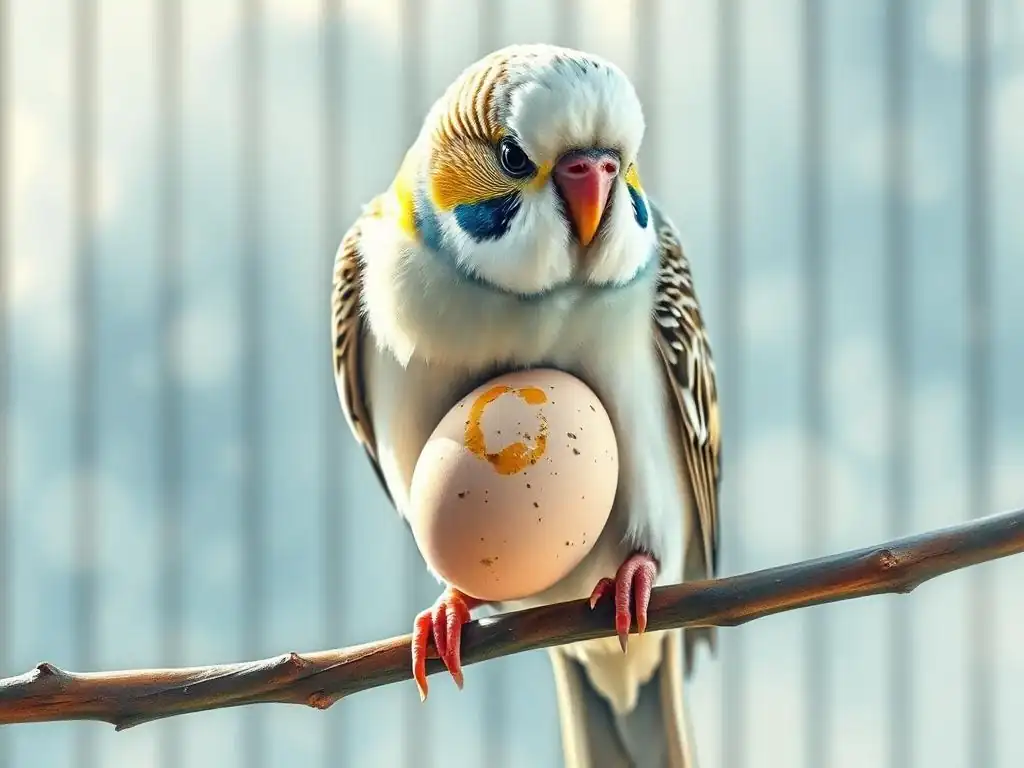
Egg binding, a serious and potentially fatal condition in birds, is often preventable through proactive care. Understanding the underlying causes and implementing preventative measures is crucial for ensuring the well-being of your feathered friend. This section focuses on practical steps you can take to minimize the risk of your bird experiencing this distressing condition. Remember, while these measures significantly reduce the risk, they don't eliminate it entirely. Regular veterinary checkups remain essential for early detection and treatment. The key is proactive care and a vigilant approach to your bird's health.
Maintaining a Balanced and Nutritious Diet for Your Bird
A significant factor contributing to egg binding is nutritional imbalances. A diet lacking in essential vitamins and minerals, particularly calcium, can weaken the eggshell, making it difficult for the bird to lay. Conversely, a diet that's too rich in fat and protein can stimulate excessive egg production, increasing the risk of binding.
Providing a varied and balanced diet is paramount. This includes a high-quality commercial birdseed mix, supplemented with fresh fruits, vegetables, and occasional treats. The specific needs vary depending on the species of bird. For example, a cockatoo's dietary requirements differ greatly from those of a finch.
Here's a sample of nutrient-rich foods beneficial for preventing egg binding:
| Food | Key Nutrients | Notes |
|---|---|---|
| Kale | Calcium, Vitamin K, Vitamin A | Offer in moderation, as excessive amounts can interfere with calcium absorption. |
| Broccoli | Calcium, Vitamin C, Vitamin K | A good source of fiber as well. |
| Spinach | Calcium, Iron, Vitamin A, Vitamin K | Contains oxalates, which can hinder calcium absorption; use sparingly. |
| Cooked Sweet Potato | Vitamin A, Vitamin C, Fiber | Provides energy and essential vitamins. |
| Cuttlebone | Calcium | Essential for calcium supplementation, especially for laying hens. |
Remember to always consult an avian veterinarian for species-specific dietary recommendations. They can help you create a customized plan that meets your bird's unique nutritional needs and minimizes the risk of egg binding. Ignoring dietary needs is a significant risk factor for "Bird egg binding causes."
Providing a Stress-Free Environment for Your Bird
Stress is another major contributor to egg binding. Birds experiencing chronic stress are more prone to hormonal imbalances that can lead to excessive egg laying and increased risk of egg binding. Creating a calm and enriching environment is therefore crucial.
Several factors can contribute to stress in birds:
- Noise: Loud noises, sudden movements, and constant activity can stress your bird.
- Crowding: Overcrowding in the cage can lead to competition and aggression, increasing stress levels.
- Lack of Stimulation: A monotonous environment lacking in toys, perches, and opportunities for exploration can also be stressful.
- Exposure to Predators: Even the perceived presence of predators can trigger a stress response in birds.
To minimize stress:
- Provide a spacious cage with plenty of room to move around.
- Offer a variety of toys and perches to keep your bird entertained and stimulated.
- Maintain a quiet and predictable environment.
- Avoid sudden movements or loud noises near the cage.
- Ensure adequate social interaction, especially for social species. Loneliness can be incredibly stressful for many bird species.
A calm and enriching environment goes a long way in preventing hormonal imbalances that can trigger excessive egg laying and ultimately, egg binding. This is a critical aspect in understanding the various "Bird egg binding causes".
Regular Veterinary Checkups for Early Detection
Even with preventative measures in place, regular veterinary checkups are essential. Early detection of egg binding is crucial for successful treatment. A veterinarian can identify subtle signs of the condition before they become life-threatening.
During checkups, the vet will:
- Assess your bird's overall health and weight.
- Examine the bird's abdomen for signs of egg retention.
- Conduct blood tests to check for any underlying medical conditions.
- Provide advice on diet, enrichment, and other preventative measures.
Regular checkups, ideally every six months or annually depending on your bird's age and health, are a vital component of preventative care and a key step in addressing potential "Bird egg binding causes." Don't hesitate to contact your avian vet if you notice any changes in your bird's behavior, appetite, or droppings. Early intervention is key to a positive outcome.
Supportive Care for Birds Prone to Egg Binding
Supportive care plays a crucial role in preventing egg binding in birds predisposed to this condition. This involves proactive measures to maintain your bird's overall health and well-being, thereby reducing the risk of complications. A healthy bird is less likely to experience egg binding. This preventative approach is significantly more effective than reactive treatment after the onset of the problem.
One key aspect of supportive care is providing a balanced and nutritious diet. A diet deficient in essential nutrients, especially calcium, can significantly increase the risk of egg binding. Ensure your bird's food contains adequate calcium, vitamins, and minerals. Supplementing the diet with cuttlebone or other calcium sources, as recommended by an avian veterinarian, can be beneficial.
Avoid feeding processed foods high in sugars and fats, as these contribute to overall poor health. Always consult with an avian vet to determine the best dietary plan for your specific bird species and age. Remember, a well-nourished bird is a healthier bird, less susceptible to egg binding. 🐦
Regular veterinary check-ups are also paramount. Preventative care includes annual wellness exams, allowing your avian veterinarian to assess your bird's overall health, including bone density and reproductive health. Early detection of potential problems can significantly reduce the risk of egg binding. The vet can identify any underlying health issues that might contribute to egg binding and recommend appropriate treatment or lifestyle adjustments. Think of these check-ups as preventative maintenance for your feathered friend. Early intervention is key!
Furthermore, maintaining a stress-free environment is vital. Stress can significantly impact a bird's reproductive cycle and increase the likelihood of egg binding. Ensure your bird's cage is spacious enough, offering ample opportunities for exercise and play. Reduce noise and sudden movements that could frighten your bird. A calm and enriching environment contributes to a healthy bird, less prone to reproductive complications. Consider providing toys and opportunities for foraging to keep your bird mentally stimulated and engaged. A happy bird is a healthy bird! 🎉
Finally, understanding your bird's breeding cycle is essential. If you are not intending to breed your bird, it's crucial to prevent breeding. This can involve adjusting the light cycle in the cage to discourage hormonal changes, removing nesting materials, and avoiding stimuli that might trigger breeding behavior. Consult your avian veterinarian for guidance on managing your bird's reproductive cycle. Proactive management of your bird's breeding cycle is a crucial aspect of preventing egg binding. Remember, responsible pet ownership includes understanding your bird's needs and taking steps to ensure its health and well-being.
When to Seek Veterinary Assistance for Egg Binding
Recognizing the signs of egg binding in your bird is crucial, but knowing when to seek veterinary intervention is equally important. Delaying treatment can have severe, even fatal, consequences for your feathered friend. While some mild discomfort might resolve on its own, many cases require professional medical care. Understanding the nuances between manageable symptoms and true emergencies is key to ensuring your bird's well-being. This section will help you differentiate between situations that warrant immediate veterinary attention and those that might be monitored at home, with careful observation. Effective management of bird egg binding causes hinges on prompt action.
Emergency Signs Requiring Immediate Veterinary Care
Several signs indicate a life-threatening emergency requiring immediate veterinary attention. These are not simply mild inconveniences; they represent a critical situation demanding swift action. Do not hesitate to contact an avian veterinarian immediately if you observe any of the following:
- Straining excessively and visibly distressed: This goes beyond occasional straining. If your bird is exhibiting prolonged and strenuous efforts to lay an egg, accompanied by clear signs of pain and distress (panting, ruffled feathers, lethargy), seek immediate veterinary help. This is a hallmark of severe egg binding.
- Weakness, lethargy, and collapse: If your bird suddenly becomes weak, lethargic, or collapses, egg binding could be the underlying cause. These are critical signs of internal distress and potential organ damage.
- Greenish or brownish discharge: The presence of greenish or brownish discharge from the cloaca (the vent) suggests a ruptured egg or infection. This is a serious complication requiring immediate veterinary intervention. This necessitates immediate veterinary care to prevent further complications and potentially save your bird's life.
- Abdominal swelling: Significant abdominal swelling indicates a potential problem with the egg's passage or a related complication. The swelling may be accompanied by pain, which your bird will show through changes in posture and behavior.
- Loss of appetite and dehydration: A bird that refuses food and water for an extended period is in serious danger due to dehydration and the risk of further complications from egg binding. This is a significant indicator that the situation requires urgent professional care.
Diagnosis and Treatment Options for Egg Binding
Diagnosing egg binding typically involves a thorough physical examination by an avian veterinarian. The vet will carefully palpate the abdomen to assess the location and size of the egg. In some cases, radiography (X-rays) may be necessary to confirm the diagnosis and rule out other potential causes of abdominal distension. Treatment options vary depending on the severity of the situation and the individual bird's health.
Here's a breakdown of common treatment approaches:
| Treatment Method | Description | Success Rate (Approximate) | Potential Risks |
|---|---|---|---|
| Manual manipulation | Carefully removing the egg manually. | Varies, high with early intervention | Egg damage, cloacal trauma, internal injuries |
| Medication (oxytocin) | Administering oxytocin to stimulate uterine contractions. | Moderate | Allergic reactions, potential for uterine rupture |
| Warm baths and hydration | Soaking the bird in warm water to relax muscles and aid in egg passage. | Low (often used in conjunction with other methods) | Ineffective if egg is impacted too severely |
| Surgical intervention | In severe cases, surgery may be necessary to remove the egg. | High (if performed early) | Surgical risks, anesthesia risks |
Post-Treatment Care and Prevention Strategies
Post-treatment care is crucial for a complete recovery. This involves providing a supportive environment and carefully monitoring the bird's condition. The veterinarian will provide specific instructions based on the treatment received. These may include:
- Dietary adjustments: A balanced diet rich in calcium and other essential nutrients is vital for preventing future egg-laying problems.
- Supportive care: Keeping the bird warm, comfortable, and hydrated is essential for recovery.
- Monitoring: Regularly checking the bird for any signs of complications.
Prevention strategies are equally important. These include:
- Maintaining a healthy diet: Ensure your bird receives a proper diet to avoid nutritional deficiencies that can contribute to egg-binding.
- Providing appropriate lighting: Avoid excessive or inappropriate lighting, which can stimulate egg production.
- Managing stress: Minimize stress factors in the bird's environment.
- Regular veterinary checkups: Regular checkups can help detect and address any potential problems early on. Preventative care is key for avian health.
Remember, early intervention and proper care are critical in managing egg-binding in birds. Don't hesitate to seek professional veterinary help if you suspect your bird is suffering from this condition. The prompt attention of an avian veterinarian significantly increases your bird's chances of a full recovery.
Frequently Asked Questions
What is egg binding in birds?
Egg binding is a serious condition where a bird is unable to lay an egg. This can be due to a variety of factors, including weakness in the muscles, calcium deficiency, or obstructed reproductive tract.
What are the main causes of egg binding in birds?
Several factors contribute to egg binding. These include calcium deficiency, obesity, dehydration, stress, poor diet, and anatomical abnormalities. Age also plays a role.
What are the symptoms of egg binding in my bird?
Symptoms can include straining to lay an egg, lethargy, loss of appetite, sitting hunched over, and abdominal swelling. Seek immediate veterinary care if you suspect egg binding.
How can I prevent egg binding in my bird?
Prevention focuses on providing a balanced diet rich in calcium, ensuring adequate hydration, managing stress levels, and maintaining a healthy weight. Regular veterinary checkups are crucial.
What treatment options are available for egg binding?
Treatment depends on the severity. Options include medication to help relax the muscles, calcium supplements, warm baths, and in severe cases, manual removal of the egg by a veterinarian. Prompt veterinary intervention is essential for a positive outcome.
Final Reflection: The Silent Struggle of Egg Binding
The plight of birds suffering from egg binding remains a tragically under-recognized crisis in avian care. Thousands of birds, from beloved pet parrots to wild songbirds, silently endure this life-threatening condition each year, often without the intervention they desperately need. Understanding the causes, as detailed in this article, is the crucial first step towards preventing this devastating problem.
The emotional toll of witnessing a bird struggle with egg binding is immense; the helplessness felt by owners is palpable. It underscores the profound responsibility we bear towards our feathered companions and the wider avian population. The greatest danger to our planet is the belief that someone else will save it.
– Robert Swan. This quote resonates deeply, highlighting the individual action required to protect these vulnerable creatures. We must all become more aware of the subtle signs and proactive steps we can take to prevent egg binding.
You, the reader, now hold the knowledge to make a difference. Take the time to review the risk factors discussed, implement preventative measures for your own birds, and share this information with others. By educating ourselves and acting responsibly, we can collectively contribute to a future where fewer birds suffer the silent agony of egg binding. Let's work together to ensure the well-being of our avian friends.
Unlock Your Bird's Health: Take Action Today!
Thank you for learning about egg binding in birds. Understanding the causes is the first step to keeping your feathered friend healthy and happy! Now, let's put that knowledge into action.
- Prioritize your bird's well-being: If you suspect egg binding or notice any concerning symptoms, immediately seek veterinary care. Early intervention is crucial for a positive outcome.
- Share this vital information: Help other bird owners protect their beloved pets by sharing this article on social media. Even a small action can make a big difference in a bird's health!
- Join the conversation: Have you successfully helped a bird overcome egg binding? Share your experiences and tips in the comments below. What preventative measures have you found most effective?
Ready to become a proactive bird guardian?