
Seasonal Dog Park Considerations: Adjusting to Weather Conditions

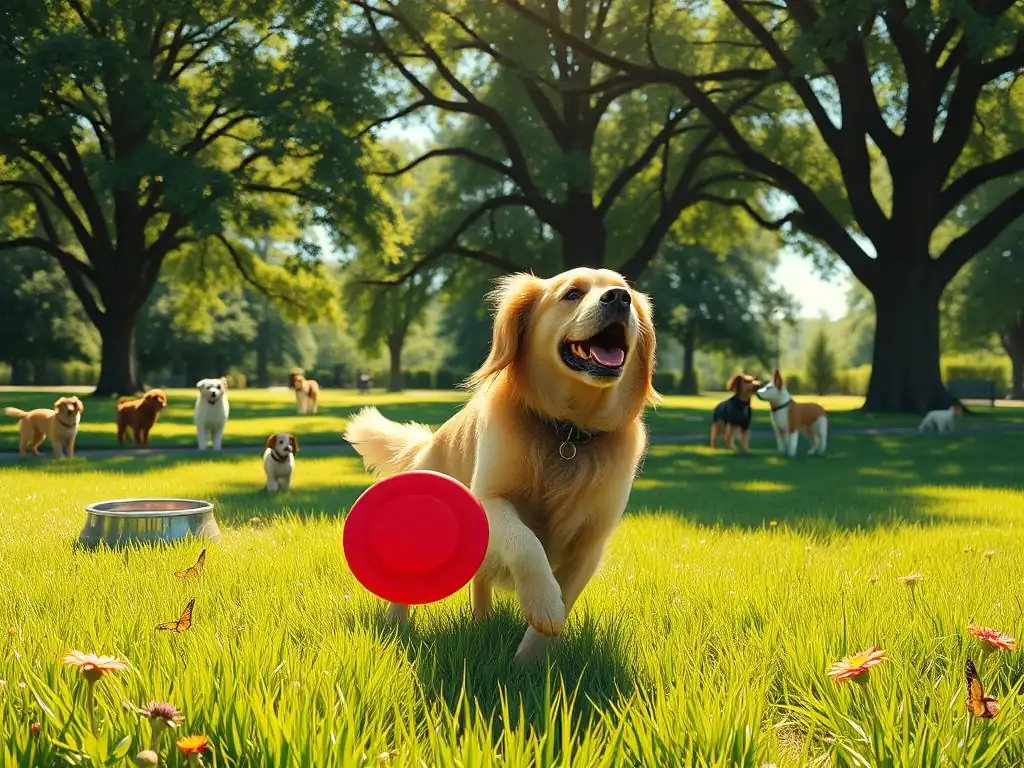
Welcome to PetCareWorld, your ultimate guide to a happier, healthier life for your beloved pet! Are you ready to make the most of summer with your furry friend? Then discover our essential Safe Dog Park Summer Tips – crucial advice to keep your canine companion safe and comfortable during the hottest months. Learn how to beat the heat and ensure a fun and safe experience for both of you. Dive in and explore the world of responsible pet ownership!
-
Safe Dog Park Summer Tips: Heat and Hydration
- Preventing Heatstroke in Dogs at the Dog Park
- Dehydration Prevention: Water Access and Hydration Strategies for Summer Dog Walks
- Recognizing Heatstroke Symptoms in Dogs: Early Detection and Response
- Choosing the Right Time for Summer Dog Park Visits: Avoiding Peak Heat Hours
- Recognizing Signs of Heatstroke in Dogs: Early Detection is Key
- Providing Ample Water and Shade: Essential Dog Park Supplies
-
Winter Dog Park Safety: Cold Weather Precautions
- Hypothermia Prevention in Dogs During Winter Dog Park Visits
- Protecting Paws from Ice and Snow: Paw Protection and Care
- Recognizing Hypothermia Symptoms in Dogs: Early Intervention is Key
- Adjusting Dog Park Visit Duration in Winter: Shorter, Warmer Visits
- Protecting Paws from Ice and Snow: Paw Protection Products
- Spring and Autumn Dog Park Considerations: Seasonal Changes
- Year-Round Dog Park Safety Essentials: Consistent Practices
- Frequently Asked Questions
- Final Reflection: Embracing the Seasons, Ensuring Canine Safety
- Unlock Your Dog's Seasonal Fun: Tailor Your Park Visits!
Safe Dog Park Summer Tips: Heat and Hydration
Summer is a fantastic time to enjoy the outdoors with your canine companion, and dog parks offer a wonderful opportunity for socialization and exercise. However, the soaring temperatures and intense sun of the summer months present unique challenges to your dog's well-being. This guide delves into essential safety precautions to ensure your furry friend stays healthy and happy during those hot summer days at the dog park.
We'll explore practical strategies for preventing heatstroke, maintaining proper hydration, and recognizing the early warning signs of heat-related illness. By understanding and implementing these tips, you can contribute to a safe and enjoyable experience for both you and your dog, keeping "Safe dog park summer tips" top of mind. Remember, responsible pet ownership extends to proactively addressing seasonal hazards.
Preventing Heatstroke in Dogs at the Dog Park
Heatstroke is a serious and potentially life-threatening condition in dogs. Their inability to sweat efficiently makes them highly susceptible to overheating, especially during periods of intense heat and physical activity. Preventing heatstroke requires proactive measures, beginning with careful consideration of the time of day you visit the dog park. Avoid peak sun hours (typically between 10 a.m. and 4 p.m.) when the ground temperature is at its highest. Opt for early morning or late evening visits when temperatures are cooler.
Furthermore, limit your dog's strenuous activity during these hot periods. Short, frequent play sessions with breaks in the shade are preferable to prolonged periods of intense running and playing. Always provide access to plenty of fresh, cool water. Consider bringing a portable water bowl and even a small, lightweight spray bottle to help cool your dog down.
Regularly check your dog's temperature throughout your visit. A normal rectal temperature for a dog is between 101 and 102.5°F (38.3 and 39.2°C). Anything higher warrants immediate attention. Remember, a panting dog isn't necessarily overheated, but excessive panting, lethargy, or bright red gums can indicate a problem.
Dehydration Prevention: Water Access and Hydration Strategies for Summer Dog Walks
Maintaining adequate hydration is crucial for preventing heatstroke and ensuring your dog's overall well-being during hot weather. Always carry a portable water bowl and ensure your dog has access to fresh, cool water at all times, especially during visits to the dog park. The amount of water your dog needs will vary depending on factors such as size, breed, activity level, and the ambient temperature. Monitor your dog's water intake closely. Signs of dehydration include dry gums, sunken eyes, and lethargy.
Beyond simply providing water, you can proactively support hydration by adjusting your dog's diet. Incorporate more water-rich foods into their diet, and remember to avoid excessive salty treats which can dehydrate them. Consider adding a small amount of electrolyte powder to their water, especially after strenuous activity. However, always consult your veterinarian before making significant changes to your dog's diet or hydration plan. Remember, a well-hydrated dog is a happy and healthy dog. Regularly checking your dog's hydration level can prevent serious issues.
Recognizing Heatstroke Symptoms in Dogs: Early Detection and Response
Early detection of heatstroke symptoms is critical for a positive outcome. Recognizing the signs of overheating can be the difference between a minor discomfort and a life-threatening emergency. Watch closely for symptoms such as excessive panting, rapid heartbeat, drooling, vomiting, diarrhea, weakness, staggering gait, seizures, or collapse. If you observe any of these signs, immediately move your dog to a cool, shaded area and begin cooling them down.
Apply cool (not cold) water to their paws, belly, and groin. You can also use a damp towel to cool them down gradually. Offer small amounts of cool water to drink, but avoid forcing it. Do not submerge your dog in cold water, as this can lead to shock. Seek immediate veterinary attention if your dog shows any signs of heatstroke. Time is of the essence in these situations, and prompt veterinary care can significantly improve the chances of a full recovery. Remember, prevention is always better than cure, but knowing how to respond is vital in an emergency.
Choosing the Right Time for Summer Dog Park Visits: Avoiding Peak Heat Hours
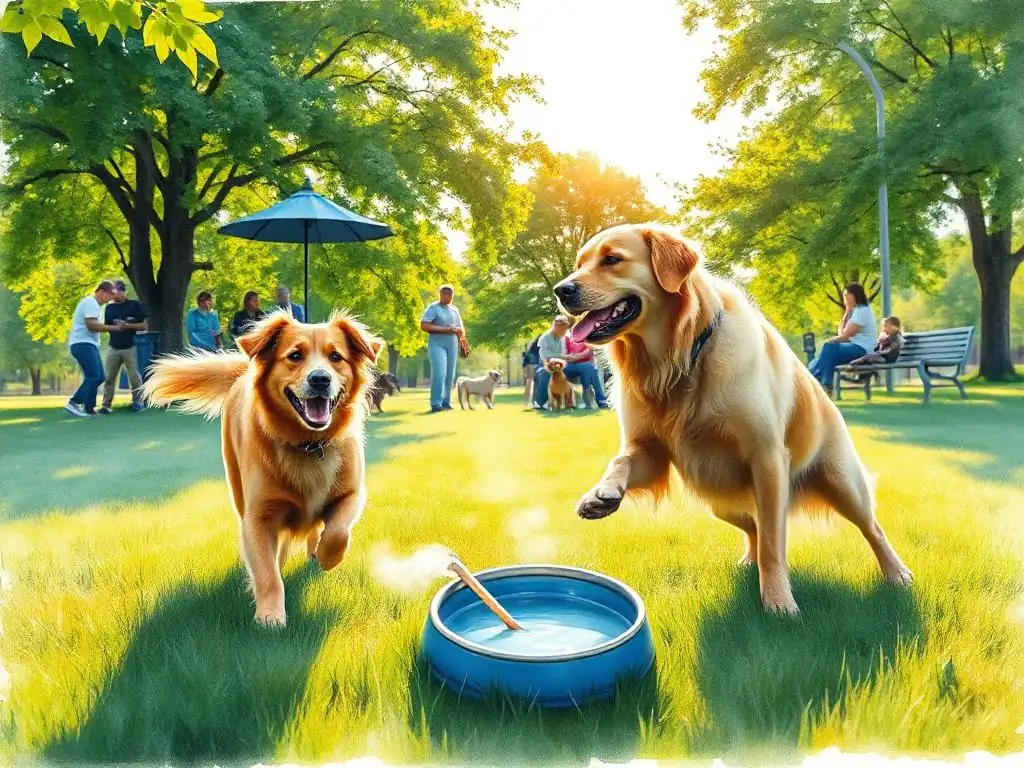
The summer months present unique challenges for dogs enjoying the dog park. The intense heat can quickly lead to overheating and dehydration, even for the fittest breeds. Therefore, timing your visits strategically is crucial for ensuring your canine companion's safety and well-being. The hottest part of the day, typically between 10:00 AM and 4:00 PM, should be avoided entirely. During these peak hours, the pavement can become scorching hot, burning your dog's paws.
The air itself holds significantly more heat, increasing the risk of heatstroke. Instead, consider visiting the dog park early in the morning, before the sun reaches its zenith, or in the late evening, after the temperature has begun to cool. These cooler times offer a safer and more comfortable environment for your furry friend to socialize and play. Remember, even on slightly overcast days, the sun's rays can still be intense enough to cause problems. Observe the temperature and consider postponing your visit if it's excessively hot.
A good rule of thumb is to feel the pavement – if it's too hot for your bare hand, it's definitely too hot for your dog's paws. Prioritizing your dog's safety during the hottest parts of the day will allow for many more enjoyable trips to the dog park throughout the summer. Always prioritize your dog's comfort and safety over convenience. A short, cooler visit is far better than risking heatstroke.
Recognizing Signs of Heatstroke in Dogs: Early Detection is Key
Heatstroke is a serious, potentially life-threatening condition in dogs. Recognizing the symptoms early is paramount to effective treatment. Early signs can be subtle and often overlooked. These include excessive panting, which may seem normal in hot weather, but becomes excessive and labored. Look for unusual drooling or a change in saliva consistency – it might become thicker.
Your dog might seem lethargic, less active than usual, or even collapse. Other signs can include vomiting, diarrhea, and a rapid heartbeat. More severe symptoms include staggering, seizures, and loss of consciousness. If you notice any of these signs, even the milder ones, act quickly. Immediately move your dog to a cool, shaded area, offer cool (not ice-cold) water, and apply cool, wet towels to their body, focusing on their paws, belly, and groin area.
Seek veterinary attention immediately; heatstroke is a medical emergency. Remember, prevention is always better than cure. Careful monitoring of your dog's behavior and body language during summer activities, including dog park visits, is essential for early detection of potential heatstroke. Knowing the signs allows you to intervene promptly and potentially save your dog's life. Regularly checking your dog's temperature, especially during periods of high heat and activity, is also a valuable preventative measure.
Providing Ample Water and Shade: Essential Dog Park Supplies
Ensuring your dog has access to plenty of fresh, cool water is crucial during summer dog park visits. Bring more water than you think you'll need; dehydration can happen quickly in hot weather. A portable water bowl and a water bottle specifically designed for dogs are essential supplies. Consider bringing a small cooler to keep the water extra cold.
Beyond water, providing shade is equally important. While many dog parks offer some shade, it might not be sufficient, especially during peak hours. Bringing a portable dog shade tent or umbrella can provide a much-needed refuge from the sun's intense rays. This will provide a cool and comfortable spot for your dog to rest and recover between bouts of play.
The shade will also help prevent your dog's paws from burning on the hot pavement. Remember, even a few minutes in direct sunlight can significantly increase your dog's body temperature. Planning ahead and bringing essential supplies like water and shade will contribute significantly to a safe and enjoyable dog park experience during the summer months. This proactive approach is a simple yet effective way to prevent heat-related illnesses.
Winter Dog Park Safety: Cold Weather Precautions

Winter presents unique challenges for dogs enjoying the dog park. While the joy of playtime remains, safe dog park summer tips don't directly translate to winter. The cold, ice, and shorter daylight hours necessitate a shift in our approach to ensure our canine companions stay safe and healthy.
This section focuses on crucial safety measures to adopt during winter dog park visits, emphasizing proactive steps to mitigate potential risks. Remember, a well-prepared owner is a responsible owner, especially during the colder months. Prioritizing your dog's well-being is paramount, and understanding the specific dangers winter brings is the first step towards safeguarding their health.
Hypothermia Prevention in Dogs During Winter Dog Park Visits
Hypothermia, a dangerously low body temperature, is a significant threat to dogs during winter. Smaller breeds, puppies, senior dogs, and those with thin coats are particularly vulnerable. Prevention is key. Before heading to the dog park, assess the temperature and wind chill.
If it's excessively cold, consider alternative indoor activities. If you do go, limit the duration of your visit, keeping it shorter than you would during warmer months. Ensure your dog has access to plenty of fresh water – frozen water is ineffective and can even be dangerous if ingested. Consider a dog coat or sweater, especially for vulnerable breeds.
A well-fitting, waterproof coat will provide an extra layer of insulation, helping your dog maintain a healthy body temperature. Remember, even a short period of exposure to extreme cold can lead to hypothermia; be vigilant and observant of your dog's behavior. The use of a dog thermometer can also help monitor their temperature, allowing for early intervention if needed.
Protecting Paws from Ice and Snow: Paw Protection and Care
Ice and snow can cause significant damage to your dog's paws. Sharp ice crystals, salt, and chemical de-icers commonly used on walkways can lead to cuts, abrasions, and painful irritation. Before entering the park, carefully check your dog's paws for any existing injuries. Consider using dog booties to protect their paws from the elements.
Choose booties that are well-fitting, durable, and provide adequate traction. If your dog isn't accustomed to booties, introduce them gradually, allowing your dog time to adjust. After your visit, thoroughly clean and dry your dog's paws, paying close attention to the spaces between their toes. Look for any signs of cuts, redness, or swelling.
If you notice anything unusual, consult your veterinarian immediately. Additionally, consider using a paw balm to moisturize and protect your dog's paws from dryness and cracking, common occurrences during winter. Regular paw care is crucial for maintaining their overall foot health and preventing discomfort.
Recognizing Hypothermia Symptoms in Dogs: Early Intervention is Key
Recognizing the signs of hypothermia in your dog is crucial for prompt intervention. Early detection can significantly improve the chances of a full recovery. Symptoms can vary, but some common indicators include shivering (initially), lethargy, weakness, stiffness, pale gums, slow heart rate, and difficulty breathing. In severe cases, your dog may become unresponsive or lose consciousness.
If you suspect your dog is suffering from hypothermia, immediately move them to a warm, safe place. Wrap them in a warm blanket, but avoid using direct heat sources like heating pads, as this can cause burns. Gradually warm them up, offering warm (not hot) water to drink.
Contact your veterinarian immediately; prompt veterinary care is essential for treating hypothermia and preventing further complications. Remember, prevention is always better than cure, so proactive measures are key to ensuring a safe and enjoyable winter dog park experience. Staying informed about potential hazards and equipping yourself with the knowledge to recognize and respond to hypothermia is crucial for responsible pet ownership during the winter months.
Adjusting Dog Park Visit Duration in Winter: Shorter, Warmer Visits
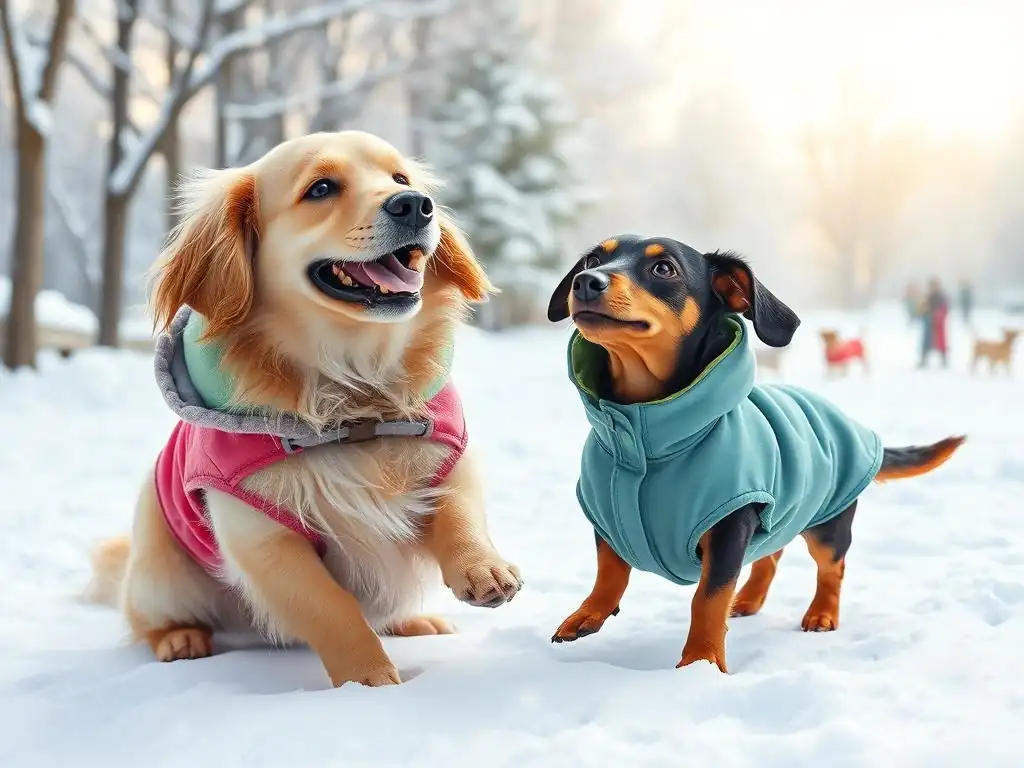
Winter's bite can quickly chill even the most robust canine companion. Unlike summer's extended playtime possibilities, winter dog park visits necessitate a more mindful approach to duration. Instead of aiming for lengthy outings, prioritize shorter, more frequent trips. This strategy allows your dog sufficient exercise without prolonged exposure to freezing temperatures, wind chill, and potentially icy conditions. Think of it as several "mini-adventures" rather than one long excursion.
A 15-20 minute burst of energetic play can be far more beneficial than a shivering hour-long stay. Observe your dog closely; signs of shivering, whining, or lethargy are clear indicators it's time to head home for warmth and a cozy nap. Remember, even breeds known for their cold tolerance can be susceptible to hypothermia if exposed to extreme cold for extended periods. Prioritizing shorter, warmer visits is key to ensuring a safe and enjoyable winter dog park experience.
Consider bringing a thermos of warm water for your dog to sip on during breaks, especially during particularly frigid days. This small addition can significantly improve their comfort levels. The goal is to maximize the fun while minimizing the risk of cold-related issues. Always err on the side of caution; a slightly shorter visit is preferable to risking your dog's health and well-being.
Protecting Paws from Ice and Snow: Paw Protection Products
Winter's icy grip presents a unique challenge for canine paws. Exposure to salt, ice, and snow can cause irritation, dryness, cracking, and even more serious injuries. Proactive paw protection is paramount for maintaining your dog's comfort and preventing painful issues. Several excellent products are available to safeguard your dog's paws during winter dog park visits. Paw balms, often containing natural ingredients like beeswax and shea butter, create a protective barrier against harsh elements, moisturizing and soothing irritated skin.
Paw booties, while initially met with resistance from some dogs, offer a more substantial layer of protection, shielding paws from ice, snow, and salt. Start by introducing booties gradually, rewarding your dog for wearing them with positive reinforcement and treats. Remember to carefully check the fit; snug but not constricting is crucial for comfort and preventing discomfort. If your dog shows signs of paw irritation, such as excessive licking or limping, consult your veterinarian immediately.
They can assess the situation and recommend appropriate treatment, which may include topical ointments or other remedies. Regularly inspect your dog's paws after each dog park visit, paying close attention to any signs of redness, swelling, or cuts. Proactive paw care is a crucial aspect of safe winter dog park visits, ensuring your furry friend enjoys the winter wonderland without compromising their paw health. Investing in appropriate paw protection products is a worthwhile investment in your dog's comfort and well-being.
Spring and Autumn Dog Park Considerations: Seasonal Changes

Spring and autumn present unique challenges and opportunities for dog park visits. While the extreme temperatures of summer and winter are absent, these transitional seasons bring their own set of considerations to ensure a safe and enjoyable experience for your canine companion. Understanding these seasonal shifts and adapting your dog park routine accordingly is crucial for maintaining your dog's health and well-being.
This section focuses on the specific hazards and precautions needed during these shoulder seasons, offering practical advice to keep your furry friend safe and happy at the dog park. We will delve into the specifics of managing springtime allergies, navigating autumn's leaf-filled hazards, and implementing effective pest control strategies.
Springtime Allergies and Dog Park Visits: Managing Allergic Reactions
Spring's arrival brings blooming flowers and vibrant greenery, but also a surge in allergens that can trigger reactions in sensitive dogs. Pollen, grasses, and trees release high concentrations of airborne allergens, leading to symptoms like sneezing, itching, watery eyes, and skin irritation. These allergic reactions can range from mild discomfort to severe distress, impacting your dog's enjoyment of the dog park.
To mitigate these risks, consider these preventative measures:
- Pre-visit assessment: Before heading to the dog park, check pollen counts in your area. High pollen days might necessitate delaying your visit or opting for a shorter playtime.
- Post-visit grooming: Thorough brushing after each dog park visit can remove pollen and other allergens from your dog's coat, reducing the chance of an allergic reaction.
- Allergy medication: Consult your veterinarian about allergy medication or supplements if your dog exhibits frequent or severe allergic reactions. They might recommend antihistamines or other treatments to manage symptoms. Remember, never administer medication without veterinary guidance.
- Hydration: Ensure your dog drinks plenty of water, especially on warmer spring days. Dehydration can exacerbate allergy symptoms.
- Monitoring for symptoms: Pay close attention to your dog's behavior and physical condition after each dog park visit. Signs of an allergic reaction require immediate attention; contact your vet if necessary.
Autumn brings beautiful foliage, but the abundance of fallen leaves in the dog park can pose several hidden dangers. These leaves can conceal sharp objects, such as broken glass or discarded needles, posing injury risks to your dog's paws. Furthermore, mold and mildew can accumulate on damp leaves, potentially leading to respiratory issues or skin irritations.
Here's how to minimize these risks:
- Careful observation: Before letting your dog run free, thoroughly inspect the area for any potential hazards hidden beneath the leaves.
- Paw protection: Consider booties or paw balm to protect your dog's paws from sharp objects and irritants.
- Post-visit cleaning: Check your dog's paws and coat for any debris or burrs after each visit.
- Avoid heavily leaf-covered areas: Opt for less leaf-covered sections of the dog park, especially if they appear damp or moldy.
- Regular vet checkups: Maintain regular veterinary checkups to catch any potential health issues early, including those potentially related to mold exposure.
Seasonal Pests and Parasites: Tick and Flea Prevention in the Dog Park
Autumn and spring are peak seasons for ticks and fleas, increasing the risk of infestation at the dog park. These parasites can transmit diseases harmful to your dog, highlighting the importance of preventative measures. Ticks are known vectors for Lyme disease, Rocky Mountain spotted fever, and other serious illnesses. Fleas can cause intense itching, skin irritation, and even anemia.
Effective prevention strategies include:
- Regular flea and tick preventative medication: Consult your veterinarian to determine the best flea and tick preventative medication for your dog's breed, age, and health status. They can advise on topical treatments, oral medications, or collars.
- Thorough inspection: After each dog park visit, carefully inspect your dog's coat for ticks and fleas. Remove any found ticks correctly, and consult your vet if necessary.
- Grooming: Regular grooming helps remove loose fur and debris, making it easier to spot parasites.
- Environmental control: Treating your home and yard with flea and tick preventative products can further minimize the risk of infestation.
- Awareness of high-risk areas: Be mindful of areas with tall grass or brush, as these are favored habitats for ticks and fleas. Choose well-maintained areas of the dog park whenever possible.
Remember, responsible dog ownership includes adapting to seasonal changes to ensure your dog's safety and well-being. By following these "Safe dog park summer tips" and taking preventative measures, you can significantly reduce the risks associated with seasonal hazards and maintain a happy and healthy dog throughout the year. 🐶
Monitoring Your Dog's Behavior for Seasonal Changes: Adapting to New Conditions
Spring and autumn bring significant shifts in temperature and daylight hours, impacting your dog's energy levels and behavior. Careful observation is crucial for ensuring their safety and well-being at the dog park during these transitional seasons. Changes in behavior can be subtle, so attentive owners are key to a positive experience.
For example, a dog usually brimming with energy might exhibit increased lethargy in the cooler autumn months, or conversely, show heightened excitability during the warmer days of spring. This change in energy levels can impact their interactions with other dogs, potentially leading to increased aggression or anxiety if not carefully managed.
It's vital to look beyond the obvious. Does your normally playful dog seem less interested in socializing? Are they exhibiting signs of discomfort, such as excessive panting or reluctance to run? These could be indicators of underlying health issues exacerbated by the changing weather, or simply a need for adjustment to the new conditions.
Remember, even seemingly minor changes can signify a need for modification in your dog park routine. Perhaps shorter visits are needed, or a change of time to avoid peak sun or cold spells. Pay attention to subtle cues like changes in appetite, sleep patterns, and even their coat condition – all these can reflect how well your dog is adapting to the seasonal shift.
Consider keeping a journal to track your dog's behavior. Note any changes in energy levels, social interactions, and any signs of discomfort. This detailed record will be invaluable in identifying patterns and proactively addressing any potential problems. For instance, if you notice your dog becoming more reactive during autumn evenings, you might need to adjust your dog park visits to earlier in the day, or avoid the park altogether during peak reactive periods.
Careful monitoring and proactive adjustments based on observations are key to ensuring a safe and enjoyable dog park experience for both your dog and others. Remember, prioritizing your dog's comfort and safety is paramount. A happy, well-adjusted dog is a safer dog, both for themselves and for those around them. This proactive approach ensures a positive experience for all during the beautiful, but sometimes unpredictable, spring and autumn months.
Year-Round Dog Park Safety Essentials: Consistent Practices
Maintaining a safe and enjoyable experience at the dog park requires consistent adherence to key safety practices, regardless of the season. While this article focuses on summer safety, remember that these fundamental principles apply throughout the year. Adapting your approach to seasonal changes is crucial for ensuring your dog's well-being and the safety of others. Consistent, responsible dog ownership is the cornerstone of a positive dog park experience for everyone. Let's delve into some year-round essentials.
Proper Leash Handling and Control: Maintaining Safety for All Dogs
Even within a designated off-leash area, responsible leash handling plays a vital role in ensuring safety. Keeping your dog on a leash when entering and exiting the park, and during periods of high activity or potential conflict, is paramount. A sudden surge of excitement, a perceived threat, or even a simple distraction can lead to unexpected behavior. A secure leash provides you with immediate control, preventing potentially dangerous situations.
Consider the type of leash you use. A sturdy, appropriately sized leash is crucial. Avoid retractable leashes in busy dog parks; their length can hinder your ability to react quickly and may increase the risk of entanglement. Always maintain a firm grip on the leash, anticipating your dog's movements and adjusting your position accordingly.
This proactive approach minimizes the chance of your dog getting into altercations or running loose. Remember, responsible leash management is not just about controlling your dog; it's about protecting other dogs and their owners. Think of it as a preventative measure for safe dog park summer tips, and for all seasons.
Observing Dog Interactions and Preventing Conflicts
Careful observation of your dog's interactions with other dogs is essential. Recognizing early warning signs of potential conflict is a critical skill. These signs can include tense body language (stiff posture, bared teeth, whale eye), excessive barking or growling, and attempts to dominate other dogs. Immediate intervention is key to de-escalating a situation before it escalates into a fight.
Remember, not all dogs are equally social. Respect a dog's personal space and don't force interactions. If your dog exhibits signs of stress or discomfort, remove them from the situation immediately. The same applies if you observe aggressive behavior from another dog. Your prompt action can prevent injuries and maintain a harmonious atmosphere within the dog park. Understanding canine body language and knowing when to intervene are crucial aspects of safe dog park summer tips and year-round responsible dog park etiquette.
Cleaning Up After Your Dog: Responsible Dog Ownership in the Dog Park
Cleaning up after your dog is not just a matter of courtesy; it's a crucial aspect of responsible dog ownership and maintaining a hygienic environment for everyone. Always carry poop bags and dispose of waste properly in designated receptacles. Failure to do so can lead to the spread of diseases and create an unpleasant experience for other dog owners.
Beyond waste disposal, consider the overall cleanliness of your dog. If your dog is muddy or excessively shedding, consider limiting their time in the park to prevent spreading dirt or allergens. A clean dog contributes to a safer and more enjoyable environment for all. This simple act of responsible pet ownership is an integral part of practicing safe dog park summer tips and overall dog park etiquette. Remember, a clean and well-maintained dog park benefits everyone. It’s a key component of responsible dog ownership and contributes to a positive experience for all dog park visitors.
Keeping Your Dog's Vaccination Records Up-to-Date: Preventing the Spread of Disease
Maintaining current vaccination records is paramount for your dog's health and the safety of other dogs at the park. Regular vaccinations protect against highly contagious and potentially fatal diseases like canine parvovirus, distemper, and rabies. These diseases can easily spread in environments where multiple dogs interact, such as dog parks.
A dog park, with its close proximity and shared spaces, acts as a breeding ground for the rapid transmission of infectious agents. Failing to vaccinate your dog not only jeopardizes its health but also puts other dogs at risk, potentially leading to outbreaks and serious consequences for the entire dog park community.
Think of vaccinations as a crucial layer of defense in a multi-layered approach to safe dog park visits. Just as you wouldn't enter a public space without practicing basic hygiene, you shouldn't bring an unvaccinated dog to a dog park. The responsibility lies with every owner to ensure their canine companion is protected and doesn't inadvertently become a vector for disease. Regular check-ups with your veterinarian are vital not only for vaccinations but also for early detection of any health issues that could be exacerbated by exposure in a dog park setting.
They can advise on the appropriate vaccination schedule for your dog's age, breed, and overall health. Remember, proactive preventative care is far better than reactive treatment. A small investment in vaccinations offers significant returns in terms of your dog's well-being and the safety of the wider dog park community. Don't compromise on this crucial aspect of responsible dog ownership.
Always carry a copy of your dog's vaccination records, especially during dog park visits, in case any unexpected situations arise. This proactive measure ensures that you’re prepared and can contribute to a safer environment for all. 🐶
Frequently Asked Questions
What are the biggest dangers to dogs in a dog park during summer?
The biggest dangers are heatstroke, dehydration, and sunburn. Ensure your dog has access to plenty of shade and water.
How can I protect my dog from heatstroke at the dog park in summer?
Limit playtime during the hottest parts of the day, provide plenty of fresh water, and watch for signs of overheating like excessive panting or lethargy. Consider a cooling vest for extra protection.
What are some signs of dehydration in dogs?
Signs include dry gums, sunken eyes, and loss of skin elasticity. If you see these signs, get your dog to a cool place and give them water immediately. Seek veterinary attention if necessary.
Are there any specific breeds more susceptible to heatstroke?
Yes, brachycephalic breeds (short-nosed dogs like Bulldogs and Pugs) are particularly vulnerable to heatstroke due to their breathing difficulties. Older dogs and puppies are also at higher risk.
What should I do if I think my dog has heatstroke?
Immediately move your dog to a cool, shaded area. Apply cool (not cold) water to their body, and seek veterinary attention immediately. Heatstroke is a serious condition.
Final Reflection: Embracing the Seasons, Ensuring Canine Safety
The joy of a dog park visit shouldn't be overshadowed by the dangers of extreme weather. Ignoring seasonal changes poses significant risks to our beloved canine companions, potentially leading to heatstroke, hypothermia, or exposure to harmful elements. This is not just about convenience; it's about responsible pet ownership and ensuring the well-being of our furry friends.
The impact of responsible dog park usage extends far beyond individual pet safety; it shapes the overall experience for all dogs and their owners. A shared understanding of seasonal considerations fosters a more inclusive and enjoyable environment for everyone. The best dog park is one where every dog feels safe and comfortable, regardless of the season.
This simple truth underscores the importance of our collective responsibility in creating such spaces. My own experiences with my dog, navigating different weather conditions, have deeply reinforced the need for this awareness and proactive approach to safety.
Consider the impact of your actions. Will you adjust your dog park visits based on the temperature and weather conditions? Will you educate fellow dog owners about the importance of seasonal preparedness? Take the time to reflect on your own practices and commit to making informed decisions that prioritize the safety and well-being of your dog and the entire dog park community. Let's work together to ensure every dog park visit is a happy and safe one, year-round.
Unlock Your Dog's Seasonal Fun: Tailor Your Park Visits!
Thank you for learning how to make your dog park visits safer and more enjoyable year-round! We hope you feel confident in keeping your furry friend happy and healthy, no matter the season.
Ready to put this knowledge into practice? Here's what you can do:
- Develop a Seasonal Dog Park Schedule: Create a calendar outlining ideal visit times based on temperature and weather. Consider visiting early mornings or evenings during extreme heat or cold. This is crucial for your dog's comfort.
- Share your best seasonal dog park tips: Do you have a favorite trick for dealing with hot pavement or winter walks? Share your experience with others in the comments below!
- Explore new dog parks: Discover parks in your area that offer better shade, shelter, or even off-leash water access depending on the season.
What's your top priority when deciding when to visit a dog park, and how does your approach change with the seasons?