
Litter Training Your Rabbit: A StepbyStep Guide to a Clean Home

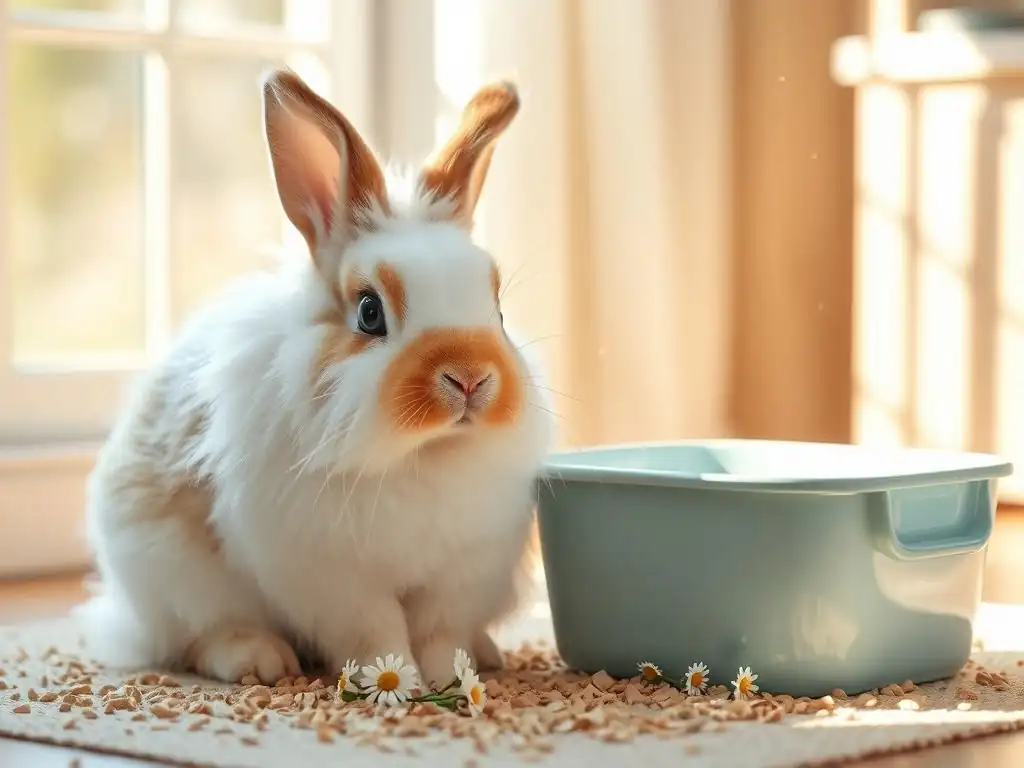
Welcome to PetCareWorld, your ultimate guide to a happier, healthier life for your beloved companions! Are you ready to conquer the challenge of litter box training your rabbit? Our comprehensive Rabbit Litter Box Training Guide provides a step-by-step approach to achieving a clean and harmonious home, transforming frustrating accidents into a thing of the past. Discover the secrets to success and unlock a world of joyful companionship with your furry friend – let's get started!
- Choosing the Right Litter Box for Your Rabbit
- Selecting the Best Litter for Your Rabbit
-
Step-by-Step Rabbit Litter Box Training Process
- Step 1: Introducing Your Rabbit to the Litter Box
- Step 2: Consistent Placement and Positive Reinforcement
- Step 3: Cleaning the Litter Box Regularly: Preventing Accidents and Maintaining Hygiene
- Step 4: Handling Accidents: Cleaning Up and Preventing Future Mistakes
- Step 5: Addressing Stubborn Accidents: Troubleshooting Common Issues
- Step 6: Maintaining Litter Box Training: Long-Term Strategies for Success
- Troubleshooting Common Rabbit Litter Box Training Problems
- Maintaining a Clean and Hygienic Environment for Your Rabbit
- Advanced Techniques for Rabbit Litter Box Training
- Frequently Asked Questions
- Final Reflection: The Enduring Bond Between Us and Our Bunnies
- Unlock Your Rabbit's Clean Home Potential!
Choosing the Right Litter Box for Your Rabbit
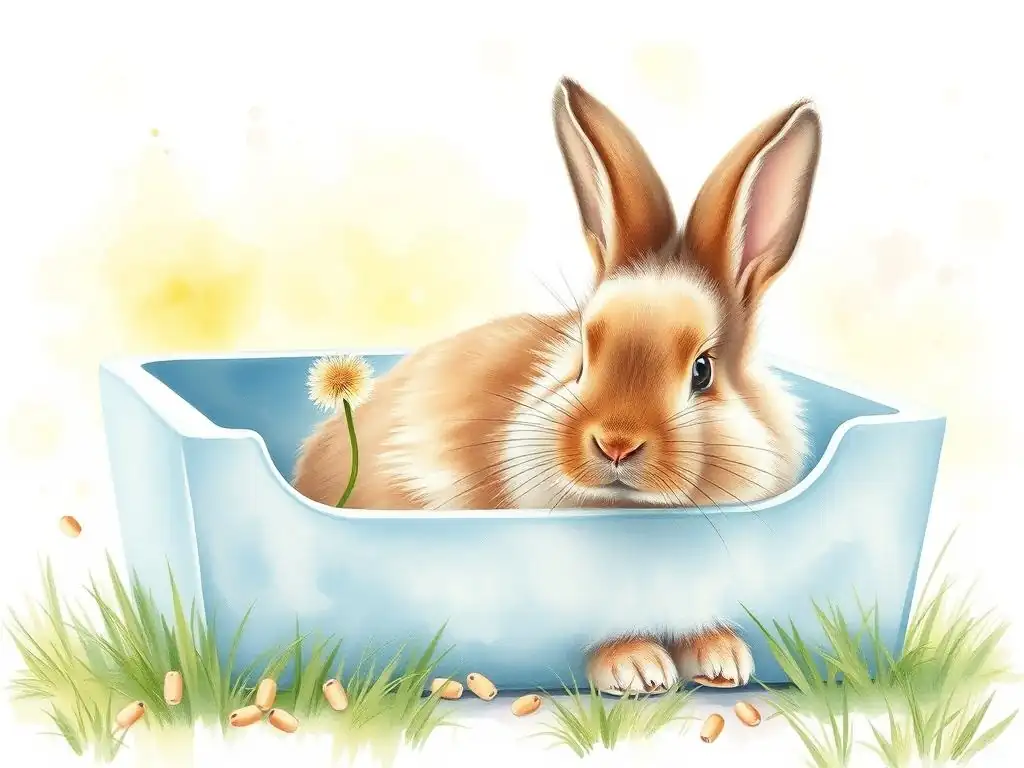
Successfully litter training your rabbit can transform your home from a minefield of droppings into a clean and comfortable space for both you and your furry friend. This comprehensive guide provides a step-by-step approach to rabbit litter box training, covering everything from choosing the right litter box to addressing common challenges. We'll delve into the specifics of selecting appropriate sizes and materials, ideal placement strategies, and troubleshooting tips to ensure your rabbit learns to use its litter box reliably. This guide is specifically designed to help you achieve success with your rabbit's litter training, contributing to a harmonious and healthy co-existence.
Remember, patience and consistency are key! Let's embark on this journey towards a cleaner, happier home for you and your bunny. 🐇
Selecting the Appropriate Size and Type of Litter Box for Rabbits
Choosing the right litter box is crucial for successful rabbit litter training. Rabbits need ample space to comfortably relieve themselves, especially larger breeds. A cramped litter box can lead to accidents outside the designated area. The ideal litter box should be:
- Spacious enough: The general rule of thumb is to select a litter box that is large enough for your rabbit to comfortably turn around in. For smaller rabbits, a shallow, wide box might suffice. Larger breeds will require a larger, potentially deeper, litter box.
- Low-sided: Rabbits are less likely to use a box with high sides, especially if they feel confined. Opt for a low-sided or open-top litter box.
- Easy to clean: Choose a litter box that is easy to clean and maintain. This will make the process of cleaning up after your rabbit much more manageable. Consider materials that are easy to wipe down or wash.
Consider these types of litter boxes:
| Type of Litter Box | Pros | Cons | Suitable for |
|---|---|---|---|
| Corner Litter Box | Space-saving, blends into the corner | May not be large enough for all breeds | Smaller rabbits, space-constrained homes |
| Rectangular Tray | Standard, easy to find, various sizes available | Can be less aesthetically pleasing | Most rabbits |
| Covered Litter Box | Can help contain odor, privacy for rabbits | Can be more challenging to clean, some rabbits dislike them | Some rabbits, but monitor for preferences |
Remember to always supervise your rabbit initially to ensure they understand the purpose of the litter box.
Best Materials for Rabbit Litter Boxes: Pros and Cons
The material of your rabbit's litter box can influence its longevity and ease of cleaning. Here's a breakdown of common materials:
- Plastic: Plastic litter boxes are readily available, affordable, and easy to clean. However, they can be easily chewed by some rabbits, especially if they are not sturdy enough. Look for thick, durable plastic.
- Stainless Steel: Stainless steel litter boxes are durable, chew-resistant, and easy to clean. They are a good option for rabbits that tend to chew on their litter boxes. However, they can be more expensive than plastic alternatives.
- Ceramic: Ceramic litter boxes are also durable and easy to clean. They are generally chew-resistant, but can be heavier and more prone to breaking if dropped.
It's crucial to choose a material that is non-toxic and safe for your rabbit. Avoid materials that contain harmful chemicals or are easily broken down by chewing.
Placement of the Litter Box: Key Considerations for Rabbit Litter Training Success
The placement of the litter box is paramount to successful rabbit litter training. Consider these factors:
- Accessibility: The litter box should be easily accessible to your rabbit at all times. Place it in a quiet, low-traffic area where your rabbit feels safe and comfortable.
- Consistent Location: Once you've chosen a location, avoid moving the litter box unless absolutely necessary. Consistency is key to helping your rabbit learn to associate the box with elimination.
- Avoid High-Traffic Areas: Keep the litter box away from food and water bowls to prevent contamination. Placing it near their sleeping area can also encourage use.
Remember, patience and positive reinforcement are essential. If your rabbit has an accident, clean it thoroughly and avoid scolding your rabbit. Celebrate successes with treats and praise to reinforce positive behavior. A clean home and a happy rabbit are achievable goals with consistent effort and the right approach!
Selecting the Best Litter for Your Rabbit
Choosing the right litter is crucial for successful rabbit litter box training and maintaining a clean, healthy environment for your bunny. The wrong litter can lead to health problems, behavioral issues, and a frustrating cleaning experience for you. This section will guide you through the selection process, helping you find the perfect litter for your rabbit's needs. Understanding your rabbit's individual preferences is key to a successful litter box training experience. This is a critical aspect of your overall Rabbit litter box training guide.
Types of Rabbit Litter: Hay, Paper Pellets, Wood Shavings, and More
Several types of litter are available on the market, each with its own pros and cons. Let's explore some of the most common options:
- Hay: Using hay as litter offers several advantages. It's a natural, digestible fiber that rabbits can safely ingest while grooming themselves. This reduces the risk of digestive issues associated with other litter types. However, hay litter can be messy and requires more frequent cleaning. It's also more expensive than other options. Consider using it in conjunction with another absorbent litter type for optimal results.
- Paper Pellets: These are made from recycled paper and are a popular choice due to their absorbency and dust-free nature. They are generally safe for rabbits, though some rabbits may ingest them, leading to potential digestive upsets if consumed in large quantities. Always supervise your rabbit closely, particularly when introducing a new litter type.
- Wood Shavings: While seemingly cost-effective, wood shavings pose potential health risks to rabbits. Certain wood types, like cedar and pine, contain phenols and aromatic hydrocarbons that can be toxic to rabbits, causing respiratory problems and liver damage. Avoid these at all costs. Aspen shavings are generally considered a safer alternative, but still carry a higher risk of dust and ingestion compared to paper pellets.
- Other Options: You may also find clumping litters specifically designed for rabbits. While offering convenience, these often contain chemical binders which might be harmful if ingested. Always check the ingredient list carefully and opt for natural, rabbit-safe options.
Avoiding Harmful Litters: Toxic Materials to Avoid for Rabbit Health
The health and well-being of your rabbit are paramount. Therefore, selecting a safe litter is non-negotiable. Several materials should be strictly avoided:
| Material | Danger | Alternative |
|---|---|---|
| Cedar Wood Shavings | Phenols and aromatic hydrocarbons; respiratory issues, liver damage | Paper pellets, aspen shavings (with caution) |
| Pine Wood Shavings | Phenols and aromatic hydrocarbons; respiratory issues, liver damage | Hay, paper pellets |
| Clay-based Litters | Dust, potential for ingestion and intestinal blockage | Paper pellets, hay |
| Scented Litters | Artificial fragrances; respiratory irritation | Unscented paper pellets, hay |
Remember, even seemingly harmless materials can pose a risk if ingested in large quantities. Always monitor your rabbit's litter habits and ensure they are not consuming excessive amounts of litter. A healthy rabbit is a happy rabbit!
Determining Litter Preferences: How to Find What Works Best for Your Bunny
Every rabbit is unique, and what works for one may not work for another. Finding the right litter often involves a process of trial and error. Here's a step-by-step guide:
- Start with a small amount: Introduce a new litter type gradually, mixing it with the rabbit's current litter. This helps them adjust to the change in texture and scent.
- Observe their behavior: Pay close attention to how your rabbit interacts with the new litter. Do they readily use the litter box? Do they seem hesitant or avoid it? Do they show any signs of respiratory distress, such as sneezing or labored breathing?
- Cleanliness is key: Regularly clean the litter box to maintain a hygienic environment. A dirty litter box can discourage your rabbit from using it.
- Be patient: Litter training takes time and patience. Don't get discouraged if your rabbit doesn't immediately adapt to the new litter. Consistent positive reinforcement will help.
- Consult your veterinarian: If you notice any health issues, such as digestive problems or respiratory difficulties, consult your veterinarian immediately. They can help determine if the litter is contributing to the problem.
By carefully considering these factors and remaining observant, you can find the perfect litter to keep your rabbit happy, healthy, and your home clean. This contributes significantly to a successful Rabbit litter box training guide. Remember, patience and observation are key to a positive outcome!
Step-by-Step Rabbit Litter Box Training Process
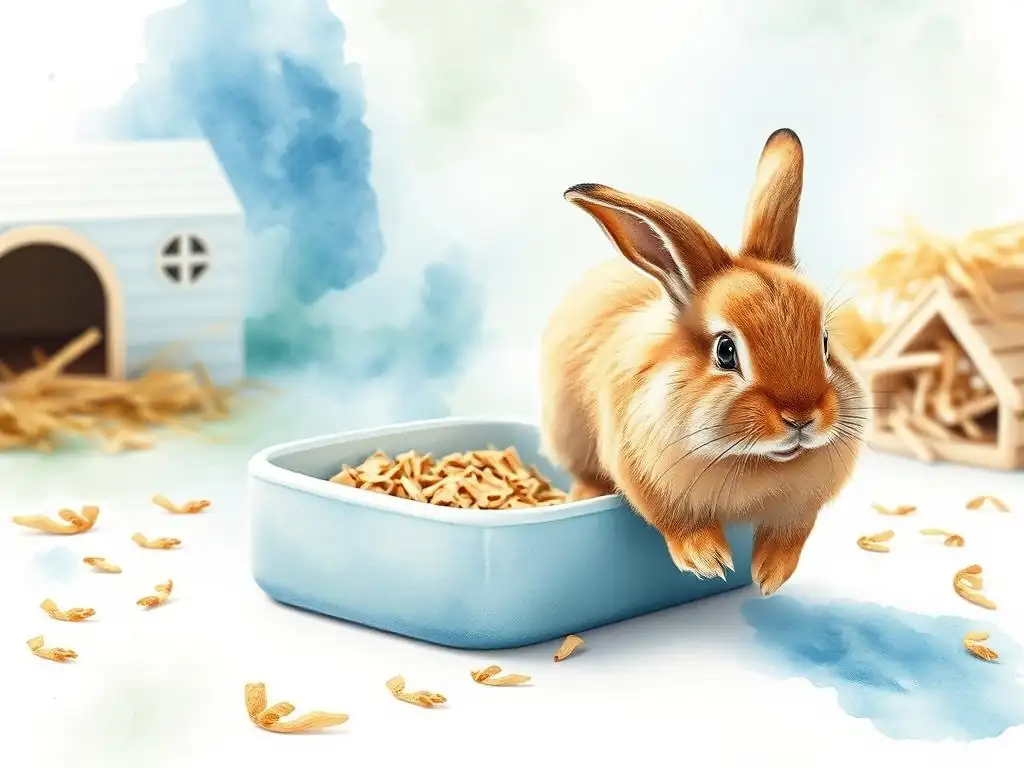
This section details a proven, step-by-step approach to successfully litter train your rabbit. Remember, patience and consistency are key! Success in rabbit litter box training hinges on understanding your bunny's behavior and responding appropriately. This guide provides the tools and knowledge to achieve a clean and harmonious home environment for both you and your furry companion. We'll explore the process from initial introduction to ongoing maintenance, addressing common challenges along the way. This comprehensive rabbit litter box training guide will empower you to navigate this essential aspect of rabbit care effectively.
Step 1: Introducing Your Rabbit to the Litter Box
Begin by selecting a suitable litter box. Larger is generally better, allowing ample space for your rabbit to comfortably relieve themselves. Avoid overly deep boxes, as some rabbits may feel insecure or unable to easily access the litter. A shallow, wide box is ideal. The material of the box is less crucial; plastic, ceramic, or even a sturdy cardboard box will suffice.
Next, choose the right litter. Many commercially available rabbit litters are made from paper, wood pulp, or recycled materials. Avoid cedar or pine shavings, as these contain phenols that can be harmful to your rabbit's respiratory system. Experiment with different litter types to find one your rabbit prefers; some rabbits are more particular than others! Pay attention to their reactions; do they avoid certain litters? Do they seem comfortable using others?
Place the litter box in a quiet, easily accessible corner of your rabbit's living space. Rabbits often prefer to relieve themselves in a secluded area, away from their eating and sleeping areas. Avoid placing the box near their food or water bowls. Initially, you may want to place the litter box in multiple locations to observe where your rabbit naturally chooses to eliminate.
Step 2: Consistent Placement and Positive Reinforcement
Once you've identified a preferred location, consistently keep the litter box in that spot. Moving it frequently will confuse your rabbit and hinder the training process. Consistency is crucial for success in rabbit litter box training. Think of it as establishing a routine; this predictability benefits your rabbit and makes the training easier.
Positive reinforcement is essential. Whenever your rabbit uses the litter box successfully, immediately reward them with a small treat, praise, or gentle petting. This positive association will encourage them to repeat the desired behavior. Avoid punishment for accidents; this can damage your bond and make your rabbit fearful. Instead, focus on rewarding good behavior. Remember, patience and persistence are vital throughout this process. Some rabbits catch on quickly; others require more time and gentle guidance.
Step 3: Cleaning the Litter Box Regularly: Preventing Accidents and Maintaining Hygiene
Regular cleaning of the litter box is paramount to successful litter training and maintaining a hygienic environment. Aim to clean the box at least once a day, removing solid waste and replacing soiled litter. A completely fresh litter box will encourage your rabbit to continue using it. This routine cleaning also minimizes the risk of unpleasant odors and potential health problems associated with unsanitary conditions.
Consider using an enzymatic cleaner specifically designed for pet waste. These cleaners break down the odor-causing components of urine and feces, leaving the litter box smelling fresh and clean. Avoid harsh chemicals that could harm your rabbit. Always rinse the litter box thoroughly with water before adding fresh litter. Remember, a clean litter box is a happy rabbit and a happy home! This simple step is crucial to prevent accidents and maintain a pleasant environment for both you and your pet. Consistent cleaning is an important part of successful rabbit litter box training and overall pet care.
Remember, every rabbit is an individual. While this guide provides a framework, be prepared to adapt your approach based on your rabbit's unique personality and preferences. With patience, consistency, and positive reinforcement, you can successfully litter train your rabbit and enjoy a clean and harmonious home together. This comprehensive guide provides a solid foundation for achieving success in rabbit litter box training.
Step 4: Handling Accidents: Cleaning Up and Preventing Future Mistakes
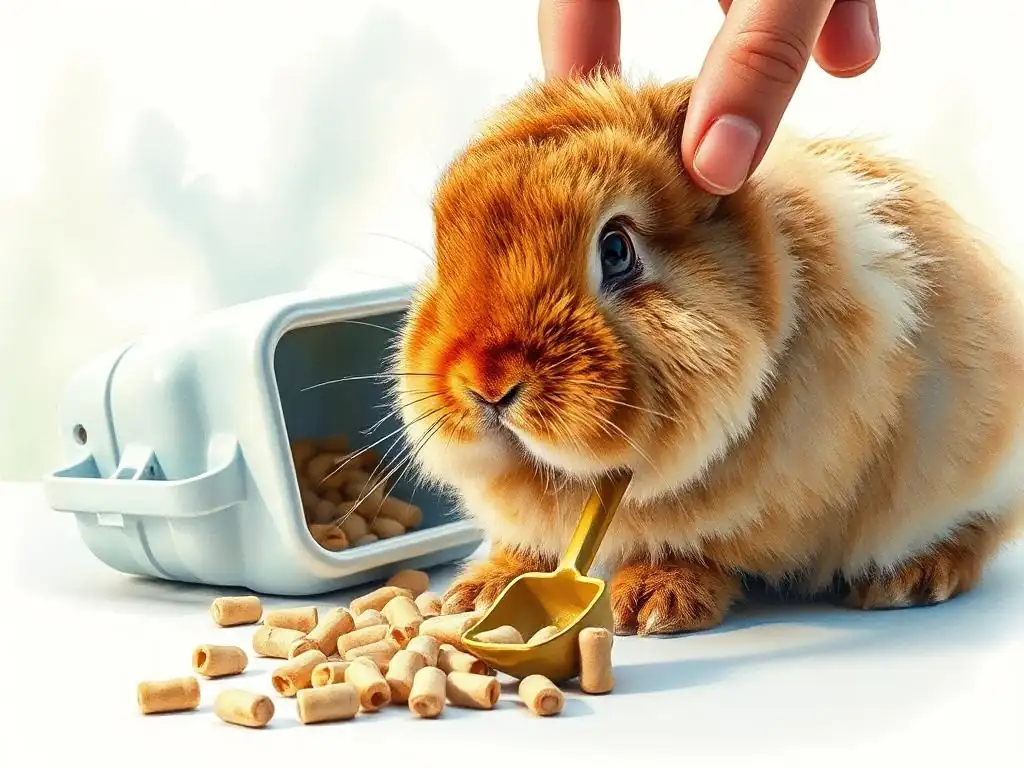
Accidents happen, especially during the initial stages of rabbit litter box training. The key is to react calmly and efficiently. Never punish your rabbit for accidents; this will only create fear and anxiety, hindering the training process. Instead, focus on thorough cleaning and preventative measures. Use an enzymatic cleaner specifically designed for pet stains and odors. Regular household cleaners often only mask the scent, leaving your rabbit unaware that they've soiled an area. Enzymatic cleaners break down the odor molecules, preventing your rabbit from returning to the same spot.
After cleaning, consider placing a small amount of hay or pellets in the litter box to encourage your rabbit to associate it with positive reinforcement. Also, assess the location of the accident. Was it near the litter box? If so, you might need to make the litter box more accessible or consider adding a second litter box in a more convenient location for your rabbit.
Perhaps your current litter box is too small or the litter itself is unappealing to your rabbit. Experiment with different litter types and box sizes to find what works best. Regularly inspect the litter box for cleanliness; rabbits, like humans, prefer a clean toilet. A dirty litter box will lead to accidents outside the designated area.
Step 5: Addressing Stubborn Accidents: Troubleshooting Common Issues
Even with diligent effort, some rabbits prove more challenging to litter train than others. If you're facing persistent accidents, it's time to troubleshoot. First, rule out any underlying medical issues. Urinary tract infections or other health problems can cause increased urination or accidents outside the litter box. A vet check is crucial if you suspect a medical problem.
Next, examine your rabbit's environment. Is there sufficient space? Are there any stressful factors, such as loud noises or unfamiliar people? Stress can significantly impact a rabbit's behavior, including litter box habits. Ensure your rabbit feels secure and comfortable in their environment. Consider providing more hiding places, such as tunnels or cardboard boxes.
Another common issue is an inappropriate litter box location. Rabbits are naturally clean animals but may avoid using a litter box that's in a high-traffic area, near their food or water bowls, or in a place that feels exposed. Relocating the litter box to a quieter, more secluded corner could make a significant difference. Finally, try different types of litter. Some rabbits are particular about texture and scent. Experimenting with different options can help you find the perfect match for your bunny.
Step 6: Maintaining Litter Box Training: Long-Term Strategies for Success
Once your rabbit is reliably using the litter box, maintaining this behavior requires consistent effort. Regular cleaning is essential; aim to scoop the litter box at least once a day, and completely change the litter weekly. This prevents the build-up of ammonia and unpleasant odors, keeping your rabbit happy and encouraging continued use of the litter box.
Continue to monitor your rabbit's behavior for any changes. Dietary changes, environmental shifts, or even seasonal fluctuations can affect their litter box habits. Regular veterinary checkups are also crucial to detect any underlying health problems that might contribute to accidents.
Remember, positive reinforcement is key. Reward your rabbit with treats or praise whenever they use the litter box correctly. This positive association strengthens the desired behavior and makes litter box training a positive experience for both you and your furry friend. Consistent effort, patience, and attention to detail will ensure long-term success in maintaining your rabbit's litter box training. 🎉
Troubleshooting Common Rabbit Litter Box Training Problems
This section addresses common challenges faced during rabbit litter box training. Remember, patience and consistency are key to success. Even the most well-trained rabbits might have occasional accidents. Understanding the underlying causes can help you correct the behavior and maintain a clean home. This guide focuses on practical solutions for a successful rabbit litter box training experience, addressing the keyword "Rabbit litter box training guide" with detailed advice.
My Rabbit Won't Use the Litter Box: Identifying and Solving Underlying Issues
Many reasons can explain why a rabbit refuses its litter box. Let's explore some common causes and effective solutions:
- Inappropriate Litter Box Location: Rabbits are meticulous about cleanliness. If the litter box is in a high-traffic area, near food, or in a location your rabbit perceives as unsafe, it might avoid it. Try relocating the litter box to a quiet, easily accessible corner, away from food and water sources. Observe your rabbit's behavior to determine its preferred areas and adjust accordingly.
- Unpleasant Litter: Rabbits have sensitive noses. If the litter is dusty, scented, or otherwise unpleasant, your rabbit might refuse to use it. Experiment with different litters to find one your rabbit prefers. Paper-based litters, wood shavings (ensure they're safe for rabbits! ), or even recycled paper pellets are good options. Avoid cedar or pine shavings, as they are toxic to rabbits.
- Insufficient Litter Boxes: One litter box might not suffice, especially for larger spaces or multiple rabbits. The general rule is one litter box per rabbit, plus one extra. Strategically place litter boxes throughout the rabbit's territory to ensure easy access.
- Medical Issues: Urinary tract infections or other health problems can cause rabbits to urinate outside the litter box. If your rabbit suddenly starts having accidents despite previous success, consult a veterinarian to rule out any medical issues. Early detection is crucial for effective treatment.
- Stress and Anxiety: Changes in the environment, new pets, or loud noises can stress your rabbit, leading to accidents. Provide a safe and secure environment, minimizing disruptions and offering plenty of hiding places. Consider enrichment activities to reduce stress and boredom.
Dealing with Frequent Accidents: Strategies for Habit Correction
Even with proper setup and consistent training, accidents might occur. Here are some strategies to address frequent accidents and reinforce positive behavior:
- Clean Thoroughly: Rabbits are very sensitive to scent. Thoroughly clean any soiled areas with an enzymatic cleaner designed to eliminate pet odors. This prevents your rabbit from associating the area with elimination. Regular cleaning is a crucial part of a successful rabbit litter box training guide.
- Positive Reinforcement: Reward your rabbit immediately after successful litter box use with treats, praise, or gentle petting. Positive reinforcement is more effective than punishment.
- Confinement (If Necessary): If accidents persist, consider confining your rabbit to a smaller area with a litter box for a short period to help them associate the litter box with elimination. Gradually expand the area as they improve.
- Consistent Routine: Maintain a consistent feeding and cleaning schedule. Rabbits thrive on routine, and predictable habits can help reduce accidents.
- Observe and Analyze: Keep a log of accidents, noting the time, location, and any potential triggers. This can help identify patterns and adjust your training approach accordingly. This detailed approach is vital for a successful rabbit litter box training guide.
Understanding Rabbit Behavior: Why Accidents Happen and How to Prevent Them
Understanding rabbit behavior is crucial for successful litter box training. Rabbits mark territory through urine spraying and droppings. Accidents might result from:
- Territorial Marking: Rabbits might urinate or defecate outside the litter box to mark their territory, particularly in areas they consider their own. Providing multiple litter boxes and ensuring the rabbit feels safe and secure can help mitigate this behavior.
- Spraying: Male rabbits, in particular, might spray urine to mark their territory. Neutering can significantly reduce this behavior.
- Lack of Sufficient Space: If your rabbit feels confined or lacks enough space to explore, it might resort to accidents to signal its discomfort. Ensure your rabbit has ample space to roam, play, and explore.
- Underlying Medical Conditions: As previously mentioned, underlying health issues can cause changes in urination and defecation habits. Regular veterinary checkups are essential for maintaining your rabbit's health.
By understanding these behavioral aspects and implementing the strategies outlined above, you'll significantly increase your chances of successful rabbit litter box training. Remember, patience and a positive approach are your best allies in this journey. A comprehensive rabbit litter box training guide requires understanding not only the practical steps but also the underlying psychology of your rabbit.
Maintaining a Clean and Hygienic Environment for Your Rabbit

Maintaining a clean environment is crucial for your rabbit's health and happiness. A neglected litter box can lead to ammonia buildup, respiratory problems, and even urinary tract infections. This section focuses on practical strategies for keeping your rabbit's living space sanitary, minimizing odors, and preventing health issues related to poor hygiene. Remember, a happy bunny is a clean bunny! This guide will help you achieve that balance, contributing to your rabbit's overall well-being. Proper litter box management is a cornerstone of successful rabbit litter box training.
Regular Cleaning Schedule for Rabbit Litter Boxes and Surrounding Areas
Establishing a consistent cleaning routine is paramount for successful rabbit litter box training. Failing to clean regularly can lead to your rabbit rejecting the litter box altogether. Here's a recommended schedule:
- Daily: Spot clean the litter box. Remove any solid waste and wet spots immediately. This prevents ammonia buildup and keeps the box inviting for your rabbit. Think of it as a quick tidy-up, not a full-scale cleaning operation. A small scoop is all you need.
- Weekly: A more thorough cleaning is necessary. Empty the entire litter box, wash it with warm soapy water (avoid harsh chemicals! ), rinse thoroughly, and let it dry completely before refilling with fresh litter. Also, clean the surrounding area, removing any stray droppings or urine. This prevents the spread of bacteria and keeps the area fresh.
- Monthly: Disinfect the litter box and surrounding area with a pet-safe disinfectant. Follow the product instructions carefully. Thorough monthly disinfection helps prevent the build-up of harmful bacteria and parasites.
Consider the size of your rabbit and the number of litter boxes you provide. Larger rabbits or multiple rabbits will require more frequent cleaning. Always use a pet-safe cleaner to avoid harming your rabbit. Regular cleaning is an investment in your rabbit's health and your peace of mind.
Rabbit-Proofing Your Home: Preventing Accidents Outside the Litter Box
Even with diligent litter box training, accidents can happen. Rabbit-proofing your home minimizes these incidents and reduces the overall cleaning burden. This involves identifying and eliminating potential areas where your rabbit might choose to relieve itself outside the designated litter box.
Here are some key strategies:
- Identify high-risk areas: Rabbits often choose corners, under furniture, or near their food and water bowls for elimination. Observe your rabbit's behavior to pinpoint these areas.
- Restrict access: Use barriers like baby gates or cardboard to restrict your rabbit's access to these areas. This helps contain them to designated areas where the litter box is readily available.
- Clean thoroughly: If an accident does occur, clean the affected area immediately with an enzymatic cleaner. These cleaners break down the odor-causing components of urine and feces, discouraging repeat offenses. Regular cleaning is key to dissuading your rabbit from using these areas again.
- Provide sufficient litter boxes: The general rule of thumb is one litter box per rabbit, plus one extra. Multiple litter boxes placed strategically around the house can reduce the likelihood of accidents. This makes it easier for your rabbit to access a toilet when they need it.
Remember, consistency is key. By actively preventing accidents, you can create a cleaner and more harmonious home environment for both you and your rabbit.
Essential Cleaning Supplies for Rabbit Litter Box Maintenance
Having the right cleaning supplies on hand simplifies the process and ensures you're always prepared to maintain a clean environment for your rabbit. Here's a list of essentials:
| Supply | Purpose | Notes |
|---|---|---|
| Litter scoop | For daily spot cleaning | Choose a scoop that's comfortable to use and fits your litter box. |
| Pet-safe enzymatic cleaner | Removes odors and stains from urine and feces | Essential for eliminating odors and discouraging repeat accidents. |
| Warm water and mild soap | For washing the litter box | Avoid harsh chemicals that can harm your rabbit. |
| Pet-safe disinfectant | For monthly disinfection of the litter box and surrounding areas | Follow product instructions carefully. |
| Paper towels or cleaning cloths | For wiping up spills and cleaning the litter box | Disposable options are convenient for quick cleanups. |
| Fresh rabbit litter | Essential for maintaining a clean and absorbent environment in the litter box | Choose a litter that is dust-free and safe for rabbits. |
Having these supplies readily available makes maintaining a clean environment for your rabbit easier and contributes to a more pleasant experience for both you and your furry friend. Remember, proactive cleaning minimizes odor and promotes a healthy living space for your rabbit.
Advanced Techniques for Rabbit Litter Box Training
This section delves into more sophisticated methods to enhance your rabbit's litter box training success, building upon the foundational steps already covered. We'll explore strategies beyond the basics, focusing on techniques that address common challenges and optimize your rabbit's learning process. Remember, patience and consistency are key to achieving a clean and harmonious home environment with your furry friend. This advanced guide for rabbit litter box training will help you troubleshoot common problems and achieve success.
Using Positive Reinforcement Effectively: Rewards and Motivators
Positive reinforcement is crucial for successful rabbit litter box training. It's about rewarding desired behaviors (using the litter box) rather than punishing unwanted ones (urinating or defecating outside the box). The key is to identify what motivates your rabbit. Some rabbits are highly motivated by food rewards, while others might prefer petting, praise, or even a favorite toy.
Experiment with different rewards to determine what works best for your rabbit. Small, healthy treats like parsley, banana slices (in moderation), or even a few pellets of their regular food can be highly effective. Timing is also critical; reward your rabbit immediately after they use the litter box. This creates a strong association between the action and the reward. Delaying the reward even slightly can diminish its effectiveness.
Avoid using punishment; this can lead to fear and anxiety, hindering the training process and potentially damaging your bond with your rabbit. Instead, focus on reinforcing positive behaviors consistently. A consistent reward system will significantly improve your rabbit's understanding and cooperation. Consider keeping a training journal to track your rabbit's progress and adjust your approach as needed. This detailed record will help you identify patterns and refine your strategy for optimal results in your rabbit litter box training.
Creating a Consistent Routine: Building Good Habits in Your Rabbit
Rabbits thrive on routine. A predictable schedule for feeding, playtime, and litter box cleaning can significantly improve their litter box habits. Consistency is paramount; try to stick to the same routine as much as possible.
For example, take your rabbit to its litter box immediately after waking up, after meals, and before bedtime. This consistent association with the litter box will reinforce its purpose. Also, maintain a regular litter box cleaning schedule. Rabbits are sensitive to cleanliness, and a dirty litter box can lead to them choosing alternative locations. Aim to scoop the litter box daily and completely change the litter at least once a week. This consistent approach to hygiene is key to successful rabbit litter box training.
Furthermore, consider the placement of the litter box. Choose a location that's easily accessible to your rabbit and relatively quiet. Avoid placing the litter box near food or water bowls, as rabbits may associate these areas with elimination. A consistent location and routine will create a positive association with the litter box, improving the chances of success in your rabbit litter box training journey. Remember, consistency is key.
Addressing Medical Issues that May Affect Litter Box Training
Changes in litter box habits can sometimes indicate underlying medical problems. If your previously well-trained rabbit suddenly starts urinating or defecating outside the litter box, it’s crucial to rule out any health issues. Several medical conditions can affect bladder and bowel control, including urinary tract infections (UTIs), kidney disease, and gastrointestinal problems.
Symptoms to watch out for include increased frequency of urination, straining to urinate, blood in the urine, changes in stool consistency or frequency, lethargy, and loss of appetite. If you notice any of these signs, consult your veterinarian immediately. Early diagnosis and treatment are essential for your rabbit's health and well-being.
Ignoring these signs could lead to more serious complications. A vet visit can help rule out any medical reasons behind changes in litter box usage and help you develop a more effective training plan. Remember, a healthy rabbit is more likely to be a well-trained rabbit when it comes to litter box usage.
Frequently Asked Questions
How long does it take to litter train a rabbit?
It varies, but most rabbits learn to use a litter box within a few weeks. Consistency and patience are key. Some rabbits may take longer.
What type of litter is best for rabbits?
Avoid cedar and pine shavings, as they are toxic. Paper-based litters, hay, or wood pulp pellets are generally safe and absorbent choices.
My rabbit is peeing outside the litter box. What should I do?
Try cleaning the soiled areas thoroughly with an enzymatic cleaner. Ensure the litter box is large enough, easily accessible, and in a quiet location. Consider adding more litter boxes.
What if my rabbit refuses to use the litter box?
Consult a veterinarian to rule out any underlying medical issues. Re-evaluate your litter box setup and cleaning routine. Positive reinforcement with treats can help.
How often should I clean my rabbit's litter box?
Daily spot cleaning is essential. You should completely change the litter at least once a week, or more frequently depending on the size of the box and your rabbit.
Final Reflection: The Enduring Bond Between Us and Our Bunnies
Successfully litter training your rabbit isn't just about a clean home; it's about fostering a deeper, more harmonious relationship with your furry companion. A well-trained rabbit is a happy rabbit, and a happy rabbit brings immeasurable joy to its human family. This understanding forms the bedrock of responsible pet ownership.
The journey of litter training highlights the unique intelligence and sensitivity of rabbits. Their capacity to learn and adapt, when approached with patience and understanding, is truly remarkable. The rabbit is a creature of habit, and once a routine is established, it will generally stick to it.
This quote underscores the importance of consistency and positive reinforcement in the training process, mirroring the broader human-animal bond built on mutual respect and understanding. It's a testament to the rewarding experience of connecting with these often misunderstood creatures.
Now, consider your own relationship with your rabbit, or perhaps the potential bond waiting to be formed. Will you embrace the challenge of understanding their needs, adapting your approach to their unique personalities, and celebrating their successes? Take the time to observe your rabbit's behavior, to anticipate their needs, and to build a relationship based on trust and mutual respect. The reward – a clean home and a thriving bond – is well worth the effort.
Unlock Your Rabbit's Clean Home Potential!
Thank you for learning about litter training your bunny! We hope this guide has given you the tools to create a cleaner, happier home for both you and your pet. Now it's time to put your new knowledge into practice.
- Establish a consistent litter box routine: Begin by regularly placing your rabbit in its designated litter box area after meals and naps. This is crucial for successful litter training.
- Clean up accidents promptly and thoroughly. Positive reinforcement is vital—reward your rabbit generously for using the litter box.
- Share your experiences—both successes and challenges—with our PetCareWorld community in the comments below. Let's support each other in creating spotless homes!
Ready to transform your home into a rabbit-friendly sanctuary? What's your biggest hurdle, and what innovative solutions are you employing?