
Exotic Pet Handling for Beginners: Essential Tips and Techniques

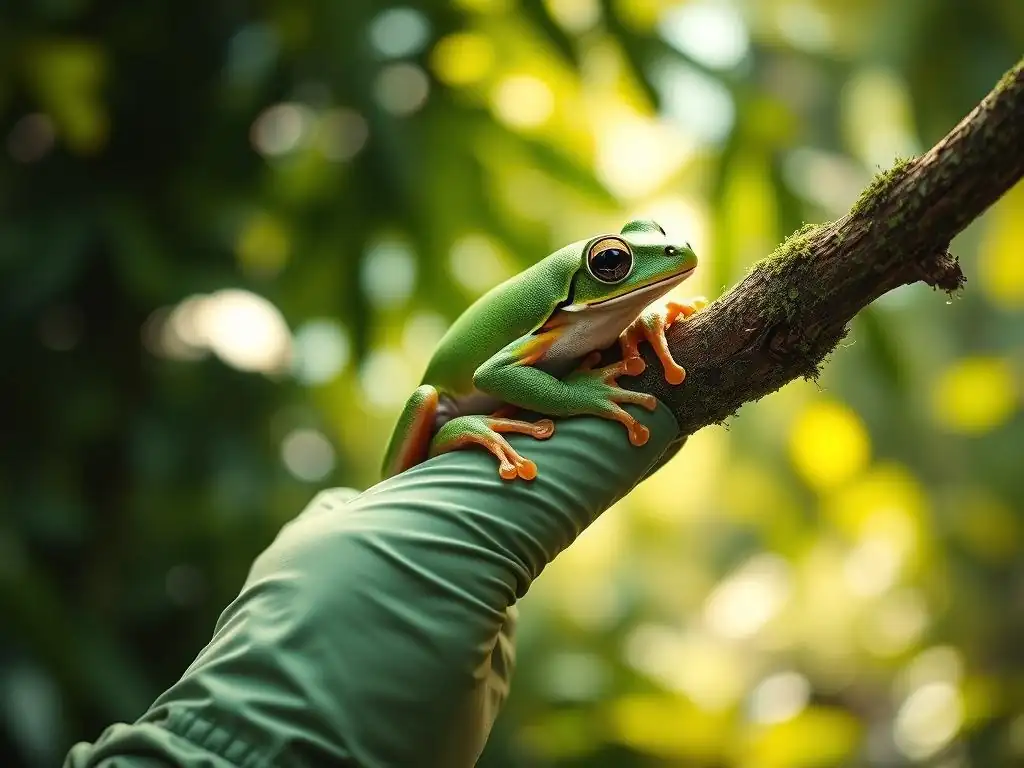
Welcome to PetCareWorld, your ultimate guide to the wonderful world of pet ownership! Are you ready to embark on an exciting journey with a unique companion? Then dive into our expert advice on Beginner exotic pet handling tips, crucial for ensuring both your safety and the well-being of your scaly, feathered, or furry friend. Discover the essential techniques and build a strong, trusting bond with your exotic pet – explore our Reptiles & Exotic Pets section now and unlock the secrets to responsible exotic pet care!
- Understanding the Unique Needs of Exotic Pets
- Safe and Effective Handling Techniques for Beginners
- Preventing Bites and Scratches: Safety First
- Post-Handling Care for Your Exotic Pet
- Resources for Further Learning on Exotic Pet Handling
-
Frequently Asked Questions
- What are the most important safety precautions when handling exotic pets?
- How do I choose the right exotic pet for a beginner?
- What are some basic handling techniques for exotic pets?
- How can I tell if my exotic pet is stressed or uncomfortable during handling?
- Where can I find more information on safe and responsible exotic pet handling?
- Final Reflection: The Enduring Bond: Responsible Exotic Pet Ownership
- Unlock the Secrets of Exotic Pet Care!
Understanding the Unique Needs of Exotic Pets
Embarking on the journey of exotic pet ownership is a rewarding experience, filled with unique challenges and immense satisfaction. Successfully caring for these fascinating creatures requires a deep understanding of their specific needs, far beyond the general knowledge applicable to more common pets like cats and dogs. This guide focuses on providing beginner exotic pet handlers with essential tips and techniques to ensure both the safety and well-being of their animals.
We will explore crucial aspects of handling, focusing on recognizing stress signals, understanding individual temperaments, and employing species-specific techniques. Mastering these skills is paramount for building a positive and trusting relationship with your exotic companion, fostering a healthy and enriching environment for years to come. Remember, responsible exotic pet ownership begins with understanding and respecting the unique characteristics of each species.
This article will help you navigate the complexities of handling, empowering you to become a confident and capable exotic pet caregiver. Learning to handle your exotic pet correctly isn't just about safety; it's about building a bond based on mutual trust and respect.
Assessing Your Pet's Temperament and Behavior
Before even attempting to handle your exotic pet, careful observation is key. Each animal possesses a unique personality, influencing its response to handling. Some animals are naturally more docile, while others are more skittish or prone to defensive behaviors. Regular observation allows you to identify individual quirks and preferences.
For instance, a leopard gecko might be comfortable with gentle handling after a period of acclimation, whereas a ball python might require a more patient approach. Creating a detailed behavioral profile of your pet will inform your handling techniques and help you anticipate potential reactions. Note the time of day when your pet seems most active or relaxed, and identify any triggers that might elicit stress or aggression.
This knowledge will enable you to handle your pet at the most opportune times, minimizing stress for both you and your animal. Keep a detailed log of your observations, noting any changes in behavior that might signal illness or discomfort. Remember, consistency in your approach is essential; sudden changes in handling can disrupt your pet's sense of security.
Identifying Stress Signals in Ball Pythons
Ball pythons, popular among reptile enthusiasts, exhibit specific stress signals that require careful attention. Understanding these signals is crucial for responsible handling. These can include:
- Tucking their heads: A ball python tucking its head into its body is a clear sign of discomfort or fear.
- Hissing: A hissing sound indicates a defensive posture and a warning to back off.
- Muscle tension: A stiff or rigid body suggests stress and anxiety.
- Rapid breathing: Increased respiratory rate can be a sign of stress or underlying health issues.
- Gaping mouth: This is often a defensive display, intended to intimidate potential threats.
Ignoring these signals can lead to a negative handling experience, potentially harming the animal and damaging the bond between you and your pet. Always approach your ball python slowly and calmly, observing its body language before initiating any interaction. If you observe any stress signals, immediately cease handling and provide your pet with a quiet and secure environment to recover.
Regular, gentle handling sessions, performed only when your pet is receptive, will help build trust and reduce stress over time. Remember, patience and understanding are essential when interacting with a ball python or any exotic pet exhibiting signs of stress.
Species-Specific Handling Techniques: Snakes, Leopard Geckos, Sugar Gliders
Handling techniques vary significantly across different exotic pet species. What works well for a snake might be entirely inappropriate for a sugar glider. Here's a brief overview:
| Species | Handling Technique | Considerations |
|---|---|---|
| Snakes (e.g., Ball Pythons) | Support the body along its entire length, avoiding sudden movements or pressure points. | Avoid grabbing the tail; always support the body. Be aware of potential defensive bites. |
| Leopard Geckos | Gently scoop them up, supporting their body. Avoid grabbing their tail. | They are relatively docile but can drop their tails as a defense mechanism. |
| Sugar Gliders | Use a soft, secure pouch or cup. Handle gently and avoid sudden movements. | They are delicate and prone to injury if handled roughly. |
It is crucial to research the specific needs of your chosen exotic pet species before attempting any handling. Consult reputable sources such as veterinary professionals or experienced exotic pet breeders for detailed guidance. Remember, responsible handling ensures the well-being of your exotic pet and fosters a strong, positive relationship. Improper handling can cause significant stress, injury, or even death. Always prioritize the safety and comfort of your animal.
Safe and Effective Handling Techniques for Beginners
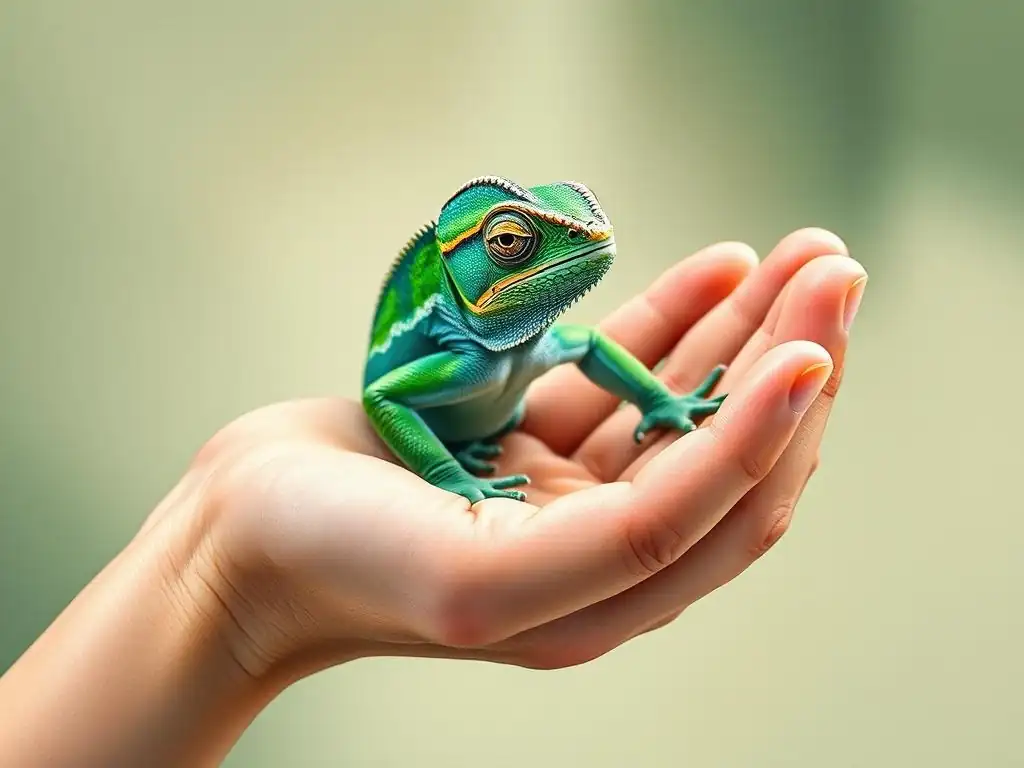
This section delves into practical, safe handling techniques specifically designed for beginner exotic pet owners. Mastering these techniques is crucial for both your safety and the well-being of your exotic companion. Remember, each species has unique handling requirements, so always research your specific pet's needs before attempting any handling. This guide offers general principles applicable to many common exotic pets, but individual species-specific considerations are paramount.
Beginner Exotic Pet Handling Tips: A Step-by-Step Guide
Approaching exotic pet handling requires a methodical, step-by-step approach. Rushing the process can lead to injury for both you and your pet. Here's a suggested sequence:
- Preparation is Key: Before even thinking about touching your pet, ensure your handling area is safe and secure. This includes removing any potential hazards like sharp objects, loose wires, or escape routes. Have all necessary equipment readily available (see the next section on equipment). Consider having a second person present, especially when handling larger or more unpredictable animals.
- Visual Assessment: Before direct contact, observe your pet's behavior. Is it relaxed, stressed, or exhibiting any signs of illness? A stressed animal is much more likely to bite or scratch. Postpone handling if your pet seems unwell or agitated.
- Gentle Approach: Slowly and calmly approach your pet, avoiding sudden movements or loud noises. Speak in a soft, soothing voice to help calm your pet. Let your pet see and smell you before attempting any physical interaction.
- Support and Control: When picking up your pet, provide ample support to prevent falls or injury. Use both hands to gently cradle your pet, distributing its weight evenly. Avoid squeezing or applying excessive pressure. The specific technique will vary depending on the species; for example, a snake requires a different approach than a lizard.
- Observe Body Language: Pay close attention to your pet's body language throughout the handling process. Signs of stress include hissing, puffing up, tail whipping, or rapid breathing. If you observe any of these signs, immediately cease handling and return your pet to its enclosure.
- Minimize Handling Time: Keep handling sessions short, especially in the beginning. Prolonged handling can stress even the most docile animals. End the session before your pet shows signs of discomfort.
- Post-Handling Care: After handling, always thoroughly clean and disinfect your hands. Return your pet to its enclosure calmly and safely.
The Importance of a Calm and Controlled Approach
A calm and controlled demeanor is paramount when handling exotic pets. Your pet can sense your anxiety or nervousness, which can trigger defensive behaviors. Practicing mindfulness and deep breathing techniques before handling can help you maintain a calm and reassuring presence. Remember, your pet's safety and well-being depend on your ability to remain calm and patient, even during unexpected situations.
Stress in the animal can manifest in various ways, including increased aggression, escape attempts, or even illness. Therefore, controlling your own stress levels is a crucial aspect of responsible exotic pet handling. Consider practicing handling techniques with a less reactive pet initially, if possible, to build confidence and experience.
Using Appropriate Handling Equipment: Leather Gloves, Soft Towels, Secure Containers
The right equipment can significantly enhance safety and reduce stress during handling. Leather gloves offer protection against bites and scratches, especially from larger or more aggressive species. However, remember that gloves can reduce your sensitivity and make it harder to control your pet gently. Soft towels provide a secure and comfortable surface for smaller, more delicate animals.
Secure containers, such as appropriately sized tubs or carriers, are essential for transporting your pet safely and preventing escapes. Always ensure that the container is well-ventilated and provides enough space for your pet to move comfortably. The type of equipment needed will vary greatly based on the species and size of your exotic pet. For example, handling a large snake might require specialized hooks and tongs, while a small gecko might only need a soft towel.
It is crucial to research the specific handling requirements of your pet before attempting to handle it. Improper equipment can lead to injury or escape, so always prioritize safety and comfort. Consider investing in specialized equipment designed for the specific type of exotic pet you own.
Positioning Your Pet for Safe Handling
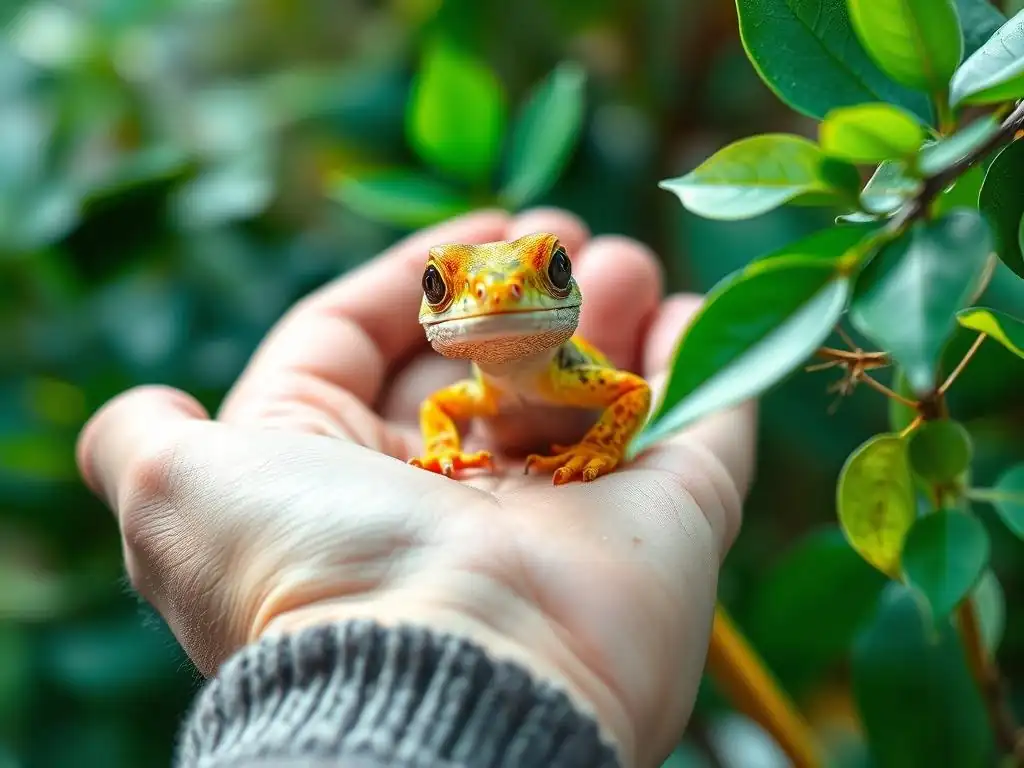
Proper positioning is paramount when handling exotic pets, minimizing the risk of injury to both you and your animal companion. Different species require different approaches. For example, handling a large lizard like a bearded dragon involves supporting its entire body, preventing falls and ensuring its comfort. This means gently cupping its body with one hand, supporting its belly and hind legs, while the other hand gently guides its head and neck.
Avoid squeezing too tightly, as this can cause stress and injury. Smaller lizards, like geckos, might require a more delicate approach, using only one or two fingers to carefully support their bodies. Always ensure that you have a secure grip, preventing any sudden movements or escapes.
The environment also plays a significant role; handling should ideally occur in a secure, enclosed area to prevent escapes and reduce stress. For snakes, always support their entire body, preventing them from coiling tightly or feeling trapped. Never hold a snake by its tail, as this can cause injury and significant distress.
Consider the size and weight of your exotic pet. Larger animals will require more support to prevent injury. It's crucial to understand your pet's temperament, as some are more docile than others. A timid animal may require a slower, more gentle approach, while a more assertive animal may need firm but gentle handling.
Observe your pet's body language; signs of stress such as hissing, puffing up, or rapid movements indicate a need to adjust your handling technique or cease handling altogether. Remember, consistent, positive interactions will help your pet become more comfortable with handling over time. Always prioritize the safety and well-being of your animal; if you are unsure about any aspect of handling, consult with a veterinarian or experienced exotic pet handler. Practice makes perfect – the more you handle your pet, the more confident and adept you'll become.
Minimizing Stress During Handling
Minimizing stress during handling is crucial for the well-being of your exotic pet. Stressed animals are more prone to injury and can exhibit unpredictable behavior. Before you even attempt to handle your pet, create a calm and quiet environment. Loud noises, sudden movements, and bright lights can all increase stress levels. Handling should be performed in a controlled area, preferably in a familiar enclosure where your pet feels secure. Use slow and deliberate movements; jerky or fast movements can startle your pet and trigger a defensive response. Gentle, consistent touch is key.
Speak softly and calmly to your pet throughout the handling process. Your voice can have a calming effect, helping to reduce anxiety. The duration of handling is also important; shorter, more frequent interactions are generally less stressful than long handling sessions. Observe your pet's body language closely. Signs of stress can include rapid breathing, dilated pupils, hissing, or attempting to escape.
If you notice any signs of stress, immediately stop handling and return your pet to its enclosure. Avoid handling your pet when it's eating, sleeping, or shedding. These are sensitive times, and handling during these periods can be particularly stressful. Respect your pet's boundaries; if it seems reluctant to be handled, don't force it.
Remember, consistent positive interactions are key to building trust and reducing stress during handling. Patience and understanding are essential when working with exotic pets. Regular, short, positive handling sessions will gradually acclimate your pet to human interaction, minimizing stress over time. If you're unsure about any aspect of handling, seeking advice from a veterinarian or experienced exotic pet handler is always recommended.
Preventing Bites and Scratches: Safety First
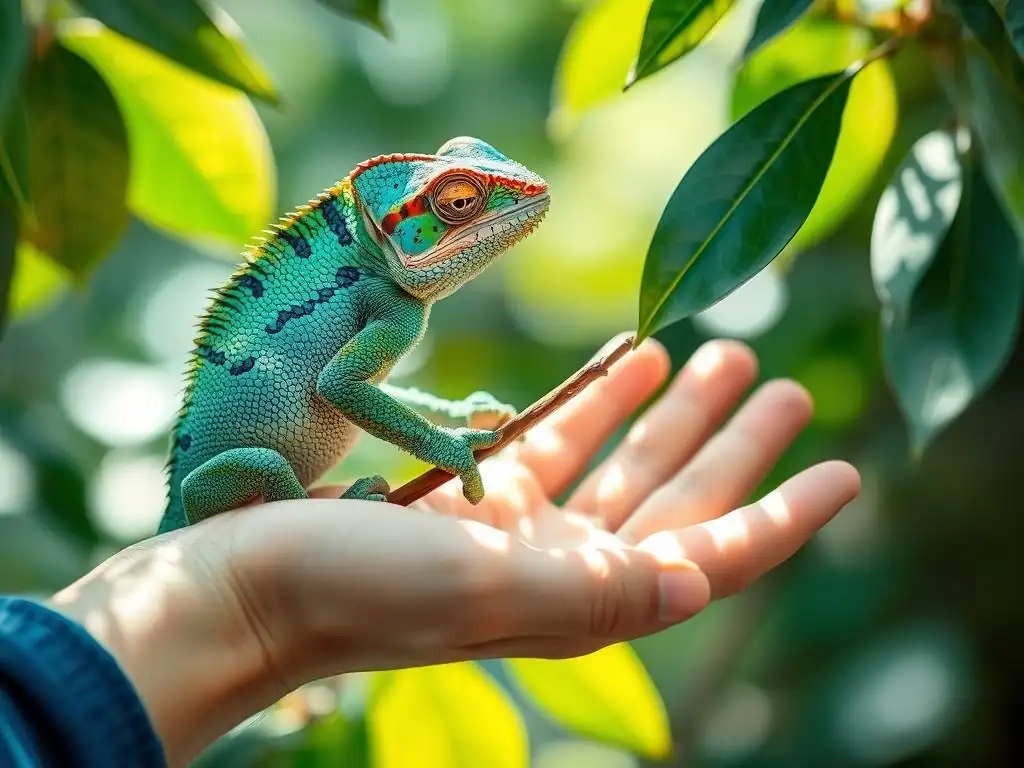
This section focuses on proactive measures to minimize the risk of bites and scratches when handling exotic pets, a crucial aspect of beginner exotic pet handling tips. Understanding your pet's temperament and employing safe handling techniques are paramount. Remember, even the most docile animal can bite or scratch if startled or feels threatened.
Understanding Your Pet's Defensive Mechanisms
Every exotic pet species possesses unique defensive mechanisms. Understanding these is critical for preventing injuries. For instance, a gecko might drop its tail as a distraction, while a snake might strike if cornered. Understanding these natural behaviors allows for a more respectful and safer approach. Consider the following examples:
- Snakes: Many snakes will strike if they feel threatened or cornered. Avoid sudden movements and provide ample space for them to move away. Always support their body weight during handling to prevent injury to both you and the snake.
- Lizards: Some lizards, like bearded dragons, possess sharp claws and may bite if handled improperly or roughly. Gentle movements and a calm demeanor are key. Understanding their body language (discussed in the next section) is crucial.
- Insects: Even seemingly harmless insects like stick insects can pinch or scratch with their legs. Gentle handling and avoiding sudden movements are essential.
Proper handling techniques vary greatly depending on the species. Researching species-specific handling guidelines before acquiring a pet is essential. Lack of preparation is a major contributor to accidents. Always prioritize the animal's safety and comfort. Remember, a stressed animal is more likely to bite or scratch.
Body Language: Recognizing Warning Signs in Bearded Dragons
Bearded dragons, popular beginner exotic pets, exhibit clear body language signals before resorting to biting or scratching. Learning to recognize these warning signs is a vital beginner exotic pet handling tip. These indicators can range from subtle changes in posture to more overt displays of aggression.
For instance, a bearded dragon exhibiting stress may:
- Darken its beard: This is often a sign of stress or aggression. A dark beard should be a clear signal to cease handling.
- Puff up its body: This makes the dragon appear larger and more intimidating.
- Open its mouth: This is a direct warning sign, indicating that the dragon feels threatened and might bite.
- Hiss: While not all bearded dragons hiss, it's a clear indication of distress.
- Whip its tail: This might be a warning before a bite or a scratch.
Understanding these warning signs allows you to react appropriately, preventing escalation and potential injury. If you observe any of these signs, gently return the dragon to its enclosure and give it space.
Creating a Safe Handling Environment
A safe handling environment minimizes risks for both you and your pet. This includes factors beyond just the immediate handling interaction.
- Proper Enclosure: A secure enclosure prevents escapes and provides a safe haven for your pet when not being handled. Ensure the enclosure is escape-proof and provides adequate space and enrichment.
- Cleanliness: A clean enclosure reduces stress and minimizes the risk of disease transmission. Regular cleaning is crucial for maintaining a healthy and safe environment.
- Appropriate Lighting and Temperature: Maintaining proper temperature and lighting is crucial for your pet's health and well-being. Stress from inappropriate environmental conditions can increase the likelihood of defensive behaviors.
- Designated Handling Area: Choose a well-lit, clutter-free area for handling. Avoid handling your pet near loud noises or other distractions.
By following these beginner exotic pet handling tips and creating a safe environment, you can significantly reduce the risk of bites and scratches while fostering a positive and enriching relationship with your exotic pet. Remember, patience, respect, and careful observation are key to successful and safe handling. Always prioritize the animal's well-being.
First Aid for Bites and Scratches: Treatment for Common Exotic Pet Injuries
Handling exotic pets, even with careful precautions, can sometimes result in minor injuries like bites and scratches. Knowing how to administer first aid is crucial for both your safety and the well-being of your pet. The severity of the injury will dictate the necessary response. A small scratch from a gecko might only require cleaning, while a bite from a larger reptile could necessitate more extensive care. Always prioritize cleaning the wound thoroughly to prevent infection.
For minor scratches, gently wash the affected area with mild soap and lukewarm water. Rinse thoroughly and apply a thin layer of antibiotic ointment. Cover the wound with a clean bandage to protect it from further contamination. Monitor the area closely for signs of infection, such as increased redness, swelling, pus, or increased pain. If any of these symptoms appear, seek immediate veterinary attention. Remember, even seemingly minor wounds can become infected if not properly cared for. Regularly changing the bandage is also essential to maintain cleanliness and promote healing.
More serious bites or scratches, especially those that break the skin deeply or involve bleeding, require immediate and more thorough action. Control any bleeding by applying direct pressure to the wound with a clean cloth. Elevate the injured limb if possible to help reduce swelling. After controlling the bleeding, thoroughly clean the wound with soap and water, again being sure to rinse well.
Apply a clean bandage. It's crucial to seek professional medical attention promptly after a significant bite or scratch from an exotic pet. Some exotic pets carry bacteria or pathogens that can cause serious infections, necessitating professional medical evaluation and treatment. This is especially critical if the wound is deep, shows signs of infection, or if you experience any symptoms beyond local pain and swelling, such as fever or chills.
Don't hesitate to contact your doctor or seek emergency medical care if needed. Your health and safety are paramount. Remember to always keep a record of your pet's veterinary history and vaccination status, as this information may be helpful in determining the appropriate course of treatment.
Post-Handling Care for Your Exotic Pet
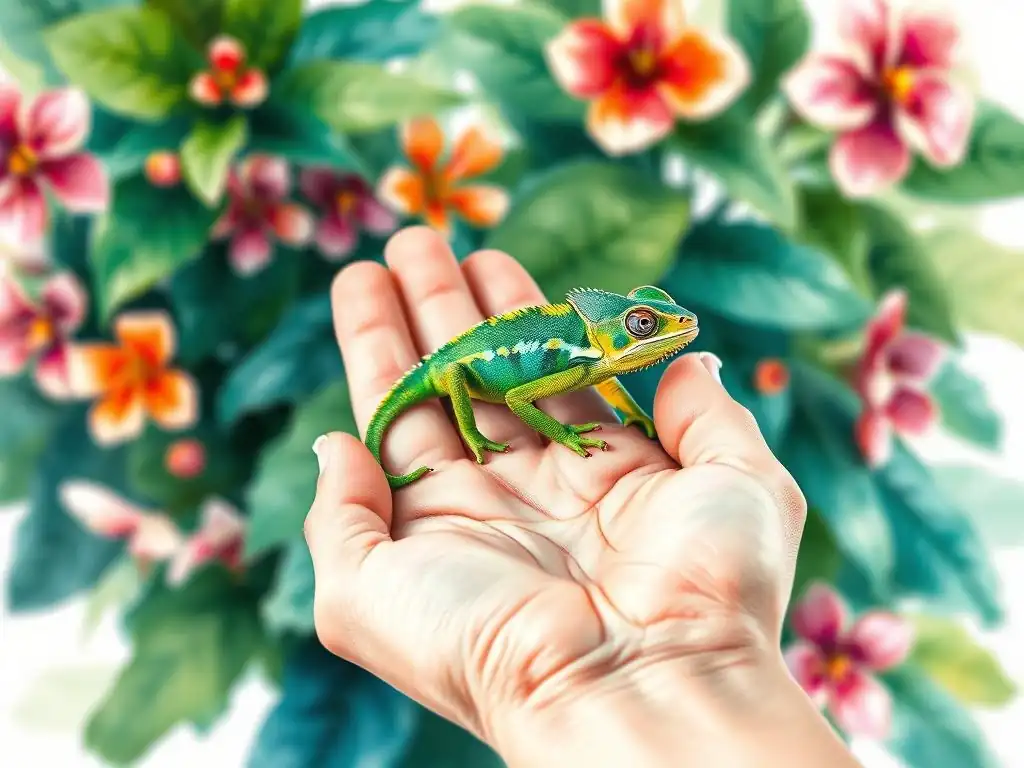
After handling your exotic pet, it's crucial to ensure their safe return to their habitat and monitor them for any signs of stress. Proper post-handling care is vital for maintaining their well-being and building trust. Neglecting this step can lead to unnecessary anxiety and even health problems for your pet. Remember, gentle and respectful handling is key to a positive experience for both you and your exotic companion. This section focuses on best practices for post-handling care, a critical aspect of responsible exotic pet ownership. Let's delve into the specifics.
Returning Your Pet to its Habitat Safely
Returning your exotic pet to its enclosure should be a slow and deliberate process. Avoid sudden movements or dropping your pet back into the habitat, which can cause injury or further stress. Instead, gently place your pet on a stable surface within the enclosure. Observe their behavior for a few minutes to ensure they are settling in comfortably. Consider the following steps for a smooth transition:
- Gradual Introduction: If your pet is particularly anxious, consider slowly lowering them towards the substrate, allowing them to explore their surroundings at their own pace.
- Familiar Scents: The presence of familiar scents within the enclosure can help to ease your pet's transition. Avoid introducing new scents immediately after handling.
- Quiet Environment: Ensure the surrounding environment is calm and quiet, minimizing any potential sources of stress.
- Food and Water Accessibility: Confirm that food and water sources are readily available and easily accessible.
Remember, each species has unique needs. For instance, arboreal species might require assistance in climbing back to their preferred perches, while terrestrial species might need a gentle nudge towards their hiding spots. Always prioritize your pet's safety and comfort.
Monitoring Your Pet for Stress After Handling
Even with careful handling, some exotic pets may exhibit signs of stress after being handled. Recognizing these signs is crucial for prompt intervention. Common indicators of stress include:
- Increased Respiration Rate: Observe your pet's breathing; rapid or shallow breathing could indicate stress.
- Changes in Behavior: Changes in appetite, activity levels, or sleeping patterns can be indicators of stress. Some pets might become lethargic, while others might become more agitated.
- Physical Manifestations: In some cases, stress can manifest physically, such as shedding or changes in skin coloration. [Specific information pending on observable stress symptoms for various exotic pet species].
- Defensive Postures: Some species might adopt defensive postures, such as hissing, puffing up, or tail whipping.
It's essential to provide a quiet and undisturbed environment for your pet to recover after handling. Avoid further interaction until they appear calm and relaxed. If you notice prolonged or severe stress symptoms, consult a veterinarian specializing in exotic pets immediately. Early intervention is key to preventing more significant health issues. Proactive monitoring is a key aspect of responsible exotic pet handling.
Cleaning and Disinfecting Handling Equipment
Maintaining hygiene is paramount to prevent the spread of diseases and parasites among your exotic pets. After each handling session, thoroughly clean and disinfect all equipment used, such as gloves, towels, and any surfaces that came into contact with your pet. This preventative measure significantly reduces the risk of cross-contamination. Here's a step-by-step guide:
- Thorough Cleaning: Begin by removing any visible debris or waste from the equipment using warm, soapy water.
- Disinfection: Next, use a suitable disinfectant solution specifically designed for reptile and exotic pet enclosures. [Specific information pending on recommended disinfectants and their application for various materials]. Always follow the manufacturer's instructions.
- Drying: Allow the equipment to air dry completely before storing. Damp equipment can promote the growth of bacteria and fungi.
- Regular Replacement: Regularly replace disposable items like paper towels to maintain optimal hygiene.
By diligently following these cleaning protocols, you contribute significantly to the health and well-being of your exotic pet. Remember, prevention is always better than cure when it comes to maintaining a healthy environment for your beloved companion. Regular cleaning reduces the risk of bacterial or fungal infections, ensuring a safe and comfortable habitat for your exotic pet. This proactive approach demonstrates responsible ownership and contributes to the longevity and happiness of your pet.
Resources for Further Learning on Exotic Pet Handling
This section provides valuable resources to expand your knowledge and skills in exotic pet handling beyond the beginner's tips outlined earlier. Mastering exotic pet handling requires ongoing learning and engagement with the community. Remember, responsible ownership is key to ensuring the well-being of your exotic companion.
Recommended Books and Online Resources
Investing in reputable books and online resources is crucial for responsible exotic pet ownership. These resources provide detailed information on species-specific care, handling techniques, and potential health issues. Remember to always cross-reference information from multiple sources to ensure accuracy and avoid misinformation.
Here are some examples of valuable resources you might consider:
- Books: Look for books focusing on specific exotic pet species you own or plan to own. Titles focusing on husbandry, behavior, and health are particularly beneficial. Check reviews before purchasing to ensure the book’s credibility and relevance. For example, books focusing on the specific needs of bearded dragons, snakes, or geckos offer detailed care guides tailored to those species' unique requirements. Pay close attention to the publication date to ensure the information is up-to-date with current best practices.
- Reputable Websites and Online Forums: While online forums can be a great source of information and community support, be discerning about the sources you trust. Look for websites and forums moderated by experts or affiliated with recognized animal welfare organizations. Always verify information from multiple sources before implementing any advice, especially regarding medication or treatment. Remember that anecdotal evidence should not replace professional veterinary guidance. The quality of information varies greatly online; therefore, critical evaluation is essential.
- Educational Videos: High-quality educational videos, often produced by reputable organizations or experts in the field, can provide visual demonstrations of proper handling techniques and other aspects of exotic pet care. Look for videos that emphasize gentle and respectful handling methods, prioritizing the animal's safety and well-being. Always be wary of videos that promote unsafe or outdated practices.
Finding a Qualified Exotic Pet Veterinarian
Finding a veterinarian experienced with exotic pets is paramount. Many general practice veterinarians may lack the specialized knowledge to treat exotic animals effectively. A qualified exotic pet veterinarian will possess the expertise to diagnose and treat illnesses and injuries unique to these species.
Locating a qualified veterinarian requires proactive research. Here's how to approach this crucial step:
- Online Search: Use online search engines to locate exotic animal veterinarians in your area. Specify the type of exotic pet you own (e.g., "reptile veterinarian near me"). Look for veterinarians with certifications or memberships in relevant professional organizations.
- Local Animal Shelters and Rescue Organizations: Animal shelters and rescue organizations often have connections with veterinarians experienced in caring for exotic pets. Contacting them can provide valuable referrals and recommendations.
- Veterinary Specialty Hospitals: Some larger veterinary hospitals have dedicated exotic animal departments or specialists. These facilities often offer advanced diagnostic and treatment options.
- Professional Organizations: Check the websites of professional veterinary organizations for directories of exotic animal specialists. These organizations often maintain lists of certified veterinarians specializing in exotic pet care.
Joining Exotic Pet Owner Communities
Connecting with other exotic pet owners is a fantastic way to learn, share experiences, and build a support network. These communities can provide valuable insights, practical advice, and emotional support. However, it's important to choose reputable and responsible communities.
Engaging with the community can be achieved through:
- Local Reptile or Exotic Pet Clubs: These clubs often organize meetings, workshops, and breeding events, providing opportunities to learn from experienced keepers and connect with fellow enthusiasts. Many clubs also offer mentorship programs for new owners.
- Online Forums and Social Media Groups: Be selective when choosing online forums and social media groups. Look for groups that are moderated and focus on responsible pet ownership. Active participation can lead to valuable learning experiences and the development of strong relationships.
- Exotic Pet Shows and Expos: These events offer opportunities to observe different species, meet breeders and keepers, and learn about the latest advancements in exotic pet care. They can also be a great place to meet other passionate owners.
Remember, responsible exotic pet ownership involves continuous learning and dedication to your pet's well-being. By utilizing these resources and actively engaging with the community, you can become a more knowledgeable and confident exotic pet owner. 🐾
Frequently Asked Questions
What are the most important safety precautions when handling exotic pets?
Always prioritize safety for both yourself and the animal. Wash your hands thoroughly before and after handling, and approach the pet calmly and slowly. Never handle an animal that seems aggressive or stressed.
How do I choose the right exotic pet for a beginner?
Select a species known for its docile temperament and relatively easy care requirements. Research thoroughly before committing to any pet, and consider your lifestyle and experience level. Species like certain types of geckos or small snakes are often recommended for beginners.
What are some basic handling techniques for exotic pets?
Support the animal's entire body to prevent injury. Avoid sudden movements or loud noises. Learn about the animal's specific needs and preferences to ensure a comfortable and safe handling experience. Gently restrain if necessary but always avoid causing it stress or pain.
How can I tell if my exotic pet is stressed or uncomfortable during handling?
Look for signs such as rapid breathing, dilated pupils, hissing, or attempts to escape. If you observe any of these signs, stop handling immediately and provide the pet with a quiet and safe space.
Where can I find more information on safe and responsible exotic pet handling?
PetCareWorld offers many in-depth guides and resources on exotic pet care, including detailed instructions on handling. Consult with a veterinarian specializing in exotic animals for personalized advice and to discuss any concerns you might have.
Final Reflection: The Enduring Bond: Responsible Exotic Pet Ownership
The responsible handling of exotic pets is not merely a hobby; it's a commitment to the well-being of a creature vastly different from our everyday companions. This commitment demands knowledge, patience, and a deep respect for the animal's unique needs. Ignoring these crucial elements can have devastating consequences, both for the animal and for the owner.
The impact of exotic pet ownership on both the individual and the wider ecosystem is profound. The choices we make – from sourcing our pets ethically to ensuring their proper care – ripple outwards, influencing conservation efforts and shaping public perception of these often misunderstood animals. The greatest danger to our planet is the belief that someone else will save it.
– Robert Swan. This quote underscores the individual responsibility we each bear in ensuring the ethical and sustainable keeping of exotic pets. We must actively participate in responsible ownership, not just for our own satisfaction, but for the future of these incredible creatures.
Now, consider your own relationship with the natural world. What steps can you take to become a more informed and responsible pet owner? Perhaps it's researching the specific needs of a species before acquiring it, or actively supporting ethical breeders and sanctuaries. Maybe it's simply educating yourself and others about the realities of exotic pet ownership. The journey towards responsible exotic pet handling begins with a single step – a commitment to learning, understanding, and acting with compassion. Embrace this journey, and together, we can create a brighter future for both exotic animals and their human companions.
Unlock the Secrets of Exotic Pet Care!
Thank you for exploring the fascinating world of exotic pet care with us! We hope you've gained valuable insights into safe and responsible handling. Ready to deepen your knowledge?
- Practice gentle handling techniques with your pet. Patience and positive reinforcement are crucial for a positive experience.
- Share this article with fellow exotic pet enthusiasts—let's build a supportive community of responsible owners!
- Consider specialized training courses or workshops to further develop your skills and confidence in handling exotic pets.
What unique challenges or joys have you encountered while caring for your exotic pet? Share your experiences in the comments below!