
Hamster Cage Location: Choosing the Best Spot in Your Home PetCareWorld

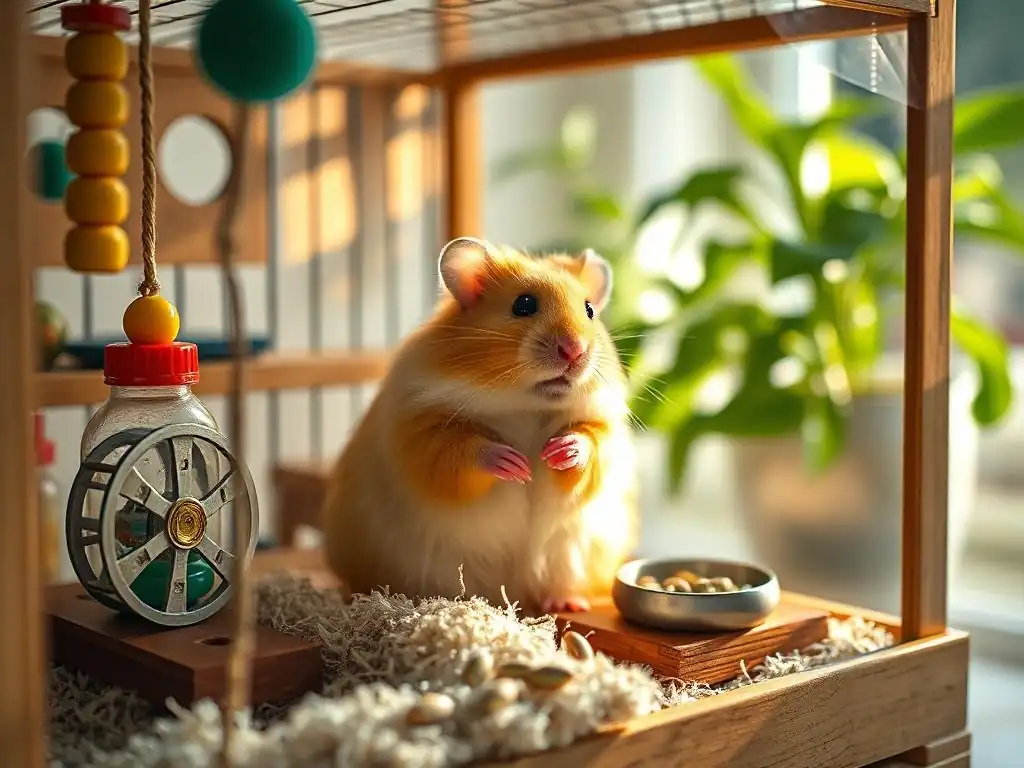
Welcome to PetCareWorld, your ultimate guide to happy and healthy pets! Are you ready to create the perfect haven for your furry, feathered, or scaled friend? We know finding the best hamster cage location can be tricky, so we've compiled expert advice to ensure your little companion thrives. Discover the secrets to a stress-free and enriching environment – let's dive into the world of optimal hamster habitats!
- Finding the Ideal Hamster Habitat: Key Considerations for Best Hamster Cage Placement
- Best Hamster Cage Location: Room Selection and Placement Strategies
- Optimizing Your Hamster's Environment: Enhancing Cage Location with Accessories
- Common Mistakes to Avoid When Positioning a Hamster Cage
- Frequently Asked Questions
- Final Reflection: Finding the Perfect Home for Your Tiny Friend
- Ready to Create Your Hamster's Perfect Haven?
Finding the Ideal Hamster Habitat: Key Considerations for Best Hamster Cage Placement
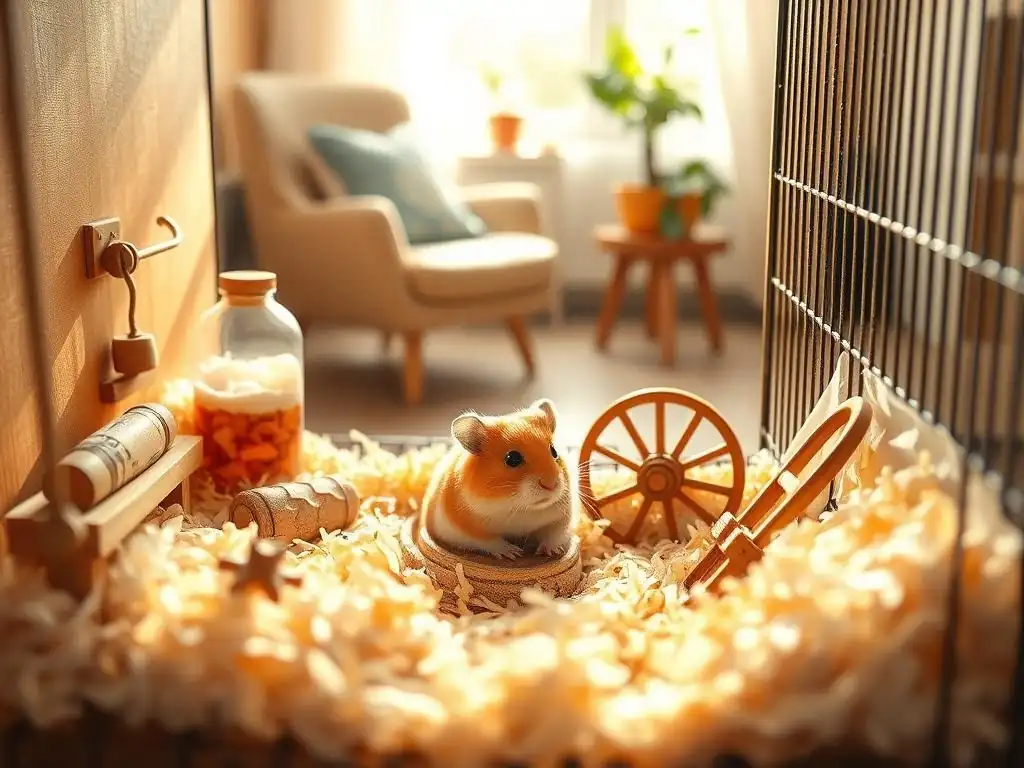
Finding the perfect spot for your hamster's cage is crucial for their health and happiness. A well-chosen location minimizes stress, ensures a comfortable temperature, and protects your furry friend from potential hazards. This guide will walk you through the key factors to consider when deciding where to place your hamster cage, ultimately helping you create the best possible environment for your small pet.
Choosing the right location is about more than just convenience; it's about ensuring your hamster thrives in a safe and stimulating environment, contributing significantly to their overall well-being and longevity. We’ll explore the ideal temperature range, the importance of avoiding drafts and direct sunlight, and the need for a quiet and peaceful corner of your home.
Remember, a happy hamster is a healthy hamster, and a well-placed cage is a significant step towards achieving that goal. Let's delve into the specifics to find the best hamster cage location for your little companion.
Avoiding Extreme Temperatures: Ideal Room Temperature for Hamster Cages
Hamsters are sensitive to temperature fluctuations. Extreme heat or cold can lead to stress, illness, and even death. The ideal room temperature for your hamster's cage should be between 65°F and 75°F (18°C and 24°C). Avoid placing the cage near heating vents, fireplaces, or direct sunlight, as these areas can experience rapid temperature swings. Similarly, keep the cage away from drafty windows or exterior walls, which can become significantly colder during winter months.
Regularly monitor the temperature of the room using a thermometer to ensure it remains within the optimal range. Consistent monitoring is key to preventing temperature-related health issues for your hamster. Consider using a thermometer specifically designed for reptile or small animal enclosures to ensure accurate readings. Remember, even slight deviations from the ideal temperature can negatively impact your hamster's health and comfort. 📈
Protecting Your Hamster from Drafts and Direct Sunlight: Optimal Cage Placement for Hamster Well-being
Drafts and direct sunlight pose significant risks to your hamster's health. Drafts can cause chilling, leading to respiratory problems and other illnesses. Direct sunlight can overheat the cage, creating an uncomfortably warm and potentially dangerous environment. Therefore, it's crucial to position the cage away from windows, doors, and air conditioning vents. A location away from these potential sources of drafts is essential for maintaining a stable temperature.
Furthermore, avoid placing the cage in direct sunlight, as this can lead to overheating and dehydration. The ideal spot would be in a relatively stable-temperature area away from these hazards. Observe your hamster's behavior; if they seem lethargic or are excessively panting, it's a sign that the cage's location might need adjusting. Prioritizing a draft-free and shaded location will significantly improve your hamster's overall well-being. ☀️➡️🚫
Minimizing Noise and Stress: Quiet Zones for Happy Hamsters
Hamsters are crepuscular animals, meaning they are most active during dawn and dusk. They also require a quiet and peaceful environment to thrive. Loud noises, sudden movements, and excessive activity can stress your hamster, potentially leading to health problems and behavioral issues. Therefore, choose a location away from high-traffic areas, such as hallways or living rooms where there's a lot of activity. A quieter bedroom or a less-used part of your home might be ideal.
Avoid placing the cage near televisions, stereos, or other sources of loud noise. Remember, a calm and quiet environment is essential for your hamster's mental and emotional well-being, promoting a healthy and happy life. Consider the overall ambiance of the room; a peaceful and serene atmosphere will contribute to your hamster's stress levels. A happy hamster is a healthy hamster! 🤫
Best Hamster Cage Location: Room Selection and Placement Strategies
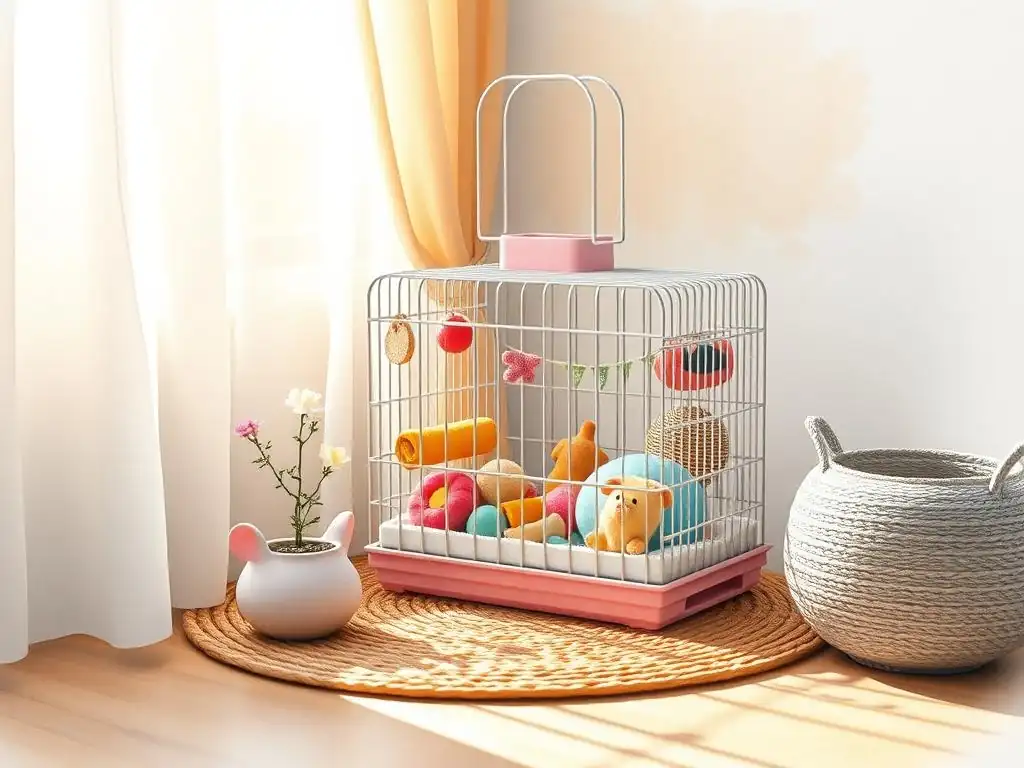
Finding the best hamster cage location is crucial for your pet's health and happiness. A poorly chosen spot can lead to stress, illness, and even a shorter lifespan for your furry friend. This section will explore optimal room selection and placement strategies to ensure your hamster thrives. Careful consideration of environmental factors like temperature, noise levels, and light exposure are paramount in creating a safe and comfortable habitat. Remember, a happy hamster is a healthy hamster!
Bedroom Placement: Pros and Cons for Hamster Cage Location
Placing your hamster cage in the bedroom presents both advantages and disadvantages. Let's analyze them carefully:
Pros:
- Quieter Environment: Bedrooms generally offer a quieter environment compared to other areas of the home, minimizing stress for your sensitive hamster. Sudden loud noises can startle hamsters, leading to anxiety.
- Temperature Control: Bedrooms often maintain a more stable temperature range than other rooms, crucial for preventing temperature fluctuations that could harm your hamster's health. Hamsters are sensitive to extreme temperatures.
- Closer Monitoring: Keeping the cage in your bedroom allows for easier monitoring of your hamster's behavior and health. You can quickly notice any changes and address potential issues promptly.
Cons:
- Potential for Disturbance: While generally quieter, a bedroom is still susceptible to disturbances, especially if you have children or other pets. Consider the potential for accidental cage tipping or disruption during sleep.
- Limited Ventilation: Poor ventilation in a bedroom could lead to a build-up of ammonia from hamster waste, potentially impacting your hamster's respiratory health. Ensure adequate ventilation in your chosen location.
- Light Exposure: The light cycle in a bedroom might not be ideal for a hamster's natural sleep-wake cycle. Ensure the cage isn't exposed to excessive light at night or complete darkness during the day.
Living Room Placement: Considerations for Hamster Cage Location in High-Traffic Areas
The living room, a high-traffic area, presents unique challenges for hamster cage placement. Careful planning is essential to minimize stress and ensure safety:
- Noise Levels: The living room is often noisier than a bedroom. Consider placing the cage in a quieter corner, away from the television or stereo. Excessive noise can negatively impact your hamster's well-being.
- Direct Sunlight: Avoid placing the cage in direct sunlight, as this can lead to overheating. Hamsters are susceptible to heatstroke.
- Foot Traffic: Position the cage in a location with minimal foot traffic to prevent accidental knocks or disturbances. Children and other pets should be taught to respect the hamster's space.
- Vibrations: Appliances like washing machines or dryers can cause vibrations that might stress your hamster. Choose a location far from these appliances.
Kitchen Placement: Why Avoiding the Kitchen is Crucial for Hamster Health
The kitchen is definitively not a suitable location for a hamster cage. Several factors make it a hazardous environment:
- Food Safety: Hamsters are prone to ingesting food scraps or spills, which can lead to gastrointestinal problems or poisoning. The kitchen's constant activity increases the risk of accidental ingestion of harmful substances.
- Cleaning Chemicals: The presence of cleaning chemicals and sprays in the kitchen poses a serious risk to your hamster's health. Even the fumes from these products can be harmful.
- Temperature Fluctuations: The kitchen is often subject to significant temperature fluctuations due to cooking and appliances. These fluctuations can be detrimental to your hamster's health.
- Pest Control: The kitchen is more susceptible to pests, which could pose a threat to your hamster. Insects and rodents can carry diseases that could infect your pet.
Choosing the right location for your hamster's cage is a key element of responsible pet ownership. By carefully considering the factors outlined above, you can create a safe, comfortable, and enriching environment for your small friend, ensuring they live a long and happy life. Remember, a well-placed cage is an investment in your hamster's overall well-being. 🐭
Other Room Considerations: Finding the Perfect Spot for Your Hamster Cage
Choosing the right room for your hamster's cage is only half the battle. Even within a suitable room, certain locations are better than others. Consider these factors when selecting the perfect spot for your furry friend's home:
Temperature and Drafts: Hamsters are sensitive to temperature fluctuations and drafts. Avoid placing the cage near windows, doors, or air vents where temperatures might drop significantly at night or be affected by strong breezes. Consistent temperatures between 65-75°F (18-24°C) are ideal for hamster well-being. A sudden drop in temperature can lead to illness, while consistently high temperatures can cause heat stress.
Monitoring the temperature near the cage's location with a thermometer is highly recommended, especially during seasonal changes. Remember to check the temperature in the cage itself as well, as it may differ slightly from the room temperature. Consider using a small thermometer placed inside the cage for accurate monitoring.
Noise Levels and Vibrations: Hamsters are crepuscular, meaning they are most active during dawn and dusk. Excessive noise, especially loud or jarring sounds, can disrupt their sleep cycle and cause unnecessary stress. Avoid placing the cage in high-traffic areas of the house, near loud appliances (like washing machines or dishwashers), or in rooms where loud music or television is frequently played.
Similarly, excessive vibrations from nearby appliances can also be unsettling for your hamster. A quiet corner in a less-used room is often the best option for minimizing noise and vibration exposure. Observe your hamster's behavior to gauge their response to the surrounding noise levels; if they seem agitated or restless, consider relocating the cage.
Sunlight Exposure: While hamsters appreciate a natural light cycle, direct sunlight can overheat their cage quickly. Avoid placing the cage in direct sunlight, which can cause excessively high temperatures and potentially harm your hamster. Indirect sunlight is generally acceptable, but it's crucial to monitor the temperature within the cage to ensure it remains within the safe range.
Consider using curtains or blinds to regulate the amount of sunlight the cage receives. Too little light, however, can also be detrimental to their circadian rhythm, so a balance is key. Experiment with different locations to find the spot that provides the optimal amount of indirect natural light.
Accessibility and Cleaning: Think practically! Choose a location that allows for easy access to the cage for cleaning and maintenance. A spot that’s easily reachable without having to move furniture or maneuver around obstacles will make routine cage cleaning much simpler and less stressful for both you and your hamster.
Consider the weight of the cage and the ease with which you can move it when cleaning. A location that allows for easy access to water and cleaning supplies will also save you time and effort in the long run. Remember, regular cage cleaning is essential for maintaining a healthy environment for your hamster.
Optimizing Your Hamster's Environment: Enhancing Cage Location with Accessories
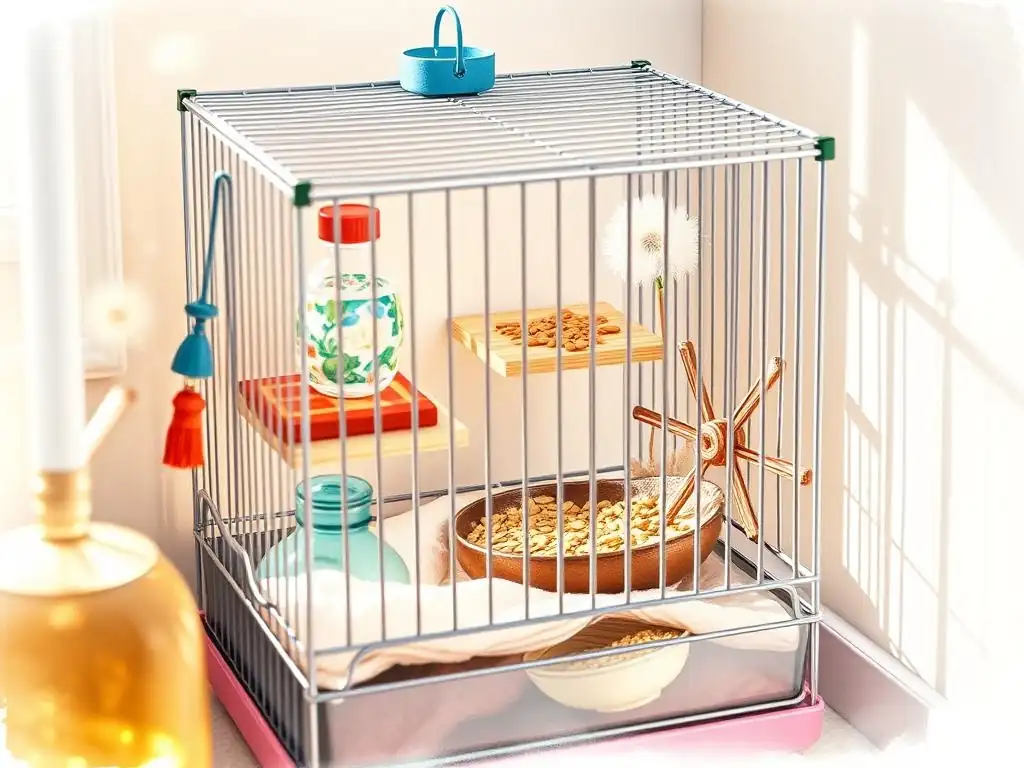
Choosing the best hamster cage location isn't just about finding a spot free from drafts; it's about creating a stimulating and safe environment for your furry friend. Strategic placement of accessories significantly impacts your hamster's well-being and happiness. Consider these factors when optimizing your hamster's habitat:
Enrichment and Play: Positioning Toys and Accessories for Hamster Engagement
Providing ample opportunities for exploration and play is crucial for a hamster's physical and mental health. The placement of toys and accessories within the cage, and in relation to the cage's location, influences how much your hamster interacts with them.
Think of your hamster's cage as a miniature landscape. Varying levels and textures within the cage encourage natural foraging behaviors. For example, placing a water bottle on a higher level forces your hamster to climb, providing exercise. Similarly, scattering food throughout the cage, rather than just placing it in a bowl, encourages exploration and prevents boredom. This is especially important if your hamster's cage is located in a less stimulating area of your home.
Here's a suggested layout for optimal toy placement:
| Accessory Type | Placement Suggestion | Rationale |
|---|---|---|
| Exercise Wheel | Away from food and water, on a flat surface | Prevents accidental injury and keeps the wheel clean |
| Hiding Places (Houses) | Varied locations, including high and low spots | Offers choices for different activities and security |
| Chewing Toys | Scattered throughout the cage, replacing regularly | Provides essential dental wear and mental stimulation; prevents over-reliance on one spot |
| Tunnels and Tubes | Connecting different areas of the cage | Encourages exploration and provides a sense of security |
Consider the ambient light levels in the room when placing toys. Avoid placing toys directly under bright lights which may overheat. A quiet corner, away from loud noises and high-traffic areas, is ideal for placing enrichment items such as a sand bath or a small hammock. This promotes relaxation and reduces stress. Remember to rotate toys regularly to maintain your hamster's interest and prevent boredom. A bored hamster is a less active and potentially unhealthy hamster. 🎉
Cleaning and Maintenance: Accessibility for Easy Hamster Cage Cleaning
The location of the hamster cage significantly impacts the ease of cleaning. A location that allows for easy access is vital for maintaining a hygienic environment and preventing the build-up of ammonia, which can be harmful to your pet.
Choosing a location near an electrical outlet can be beneficial if you use a specialized hamster cage cleaner. However, ensure the electrical cord is safely managed to prevent chewing hazards. Avoid placing the cage in a location that requires you to move a lot of furniture to access it. A dedicated cleaning area nearby will also help streamline the cleaning process. This could be a designated space on a countertop or shelf.
Regular cage cleaning is not just about tidiness; it's essential for preventing disease and ensuring your hamster's health. A clean cage is a happy hamster cage! 🧼 Remember to always use hamster-safe cleaning products and thoroughly rinse the cage before returning your hamster. Adequate airflow is also important, so avoid placing the cage in a cramped corner where air circulation is limited. The best location will provide easy access for cleaning while also ensuring a comfortable and safe environment for your hamster.
Common Mistakes to Avoid When Positioning a Hamster Cage

Finding the best hamster cage location is crucial for your pet's well-being. Many seemingly innocuous placement choices can significantly impact your hamster's health and happiness. Avoid these common pitfalls to ensure your furry friend thrives in a safe and comfortable environment. Remember, a happy hamster is a healthy hamster!
Incorrect Room Temperature and Its Impact on Hamster Health
Hamsters are sensitive to temperature fluctuations. Extreme heat or cold can lead to serious health problems, even death. The ideal temperature range for a hamster's habitat is between 65°F (18°C) and 75°F (24°C). Placing the cage near a radiator, fireplace, or in direct sunlight will cause overheating, leading to heatstroke, dehydration, and respiratory distress.
Conversely, positioning the cage in a drafty area or near an air conditioner can result in hypothermia, lethargy, and susceptibility to illness. Monitoring the temperature regularly with a thermometer placed inside the cage is essential. Consider using a thermostat to maintain a consistent temperature, particularly during seasonal changes. Think of it as providing optimal climate control for your tiny, furry friend – just like you would for a more demanding pet, such as a reptile.
Choosing a location away from direct sunlight and drafts is paramount. Observe the room throughout the day to identify areas with consistent, moderate temperatures. Avoid rooms with significant temperature swings, such as those with poor insulation or those frequently opened to the outside. Remember, even slight temperature inconsistencies can negatively affect your hamster's delicate system. Consistent monitoring and proactive adjustments to the environment are key to ensuring your hamster stays healthy and comfortable.
Ignoring Noise Levels and Their Effect on Hamster Stress
Hamsters are crepuscular animals, meaning they are most active during dawn and dusk. While they can tolerate some ambient noise, excessive or loud noises can significantly stress them. A constantly noisy environment can lead to anxiety, sleep disturbances, and even aggression. The best hamster cage location minimizes exposure to loud noises like televisions, stereos, or busy household traffic. Consider placing the cage in a quieter area of the house, such as a bedroom or a home office, where noise levels are generally lower.
A quiet environment promotes relaxation and allows your hamster to exhibit natural behaviors without feeling constantly threatened or on edge. Providing a calm and peaceful habitat is a crucial aspect of responsible hamster ownership. This contributes significantly to their overall health and well-being. Avoid placing the cage near areas with frequent activity, such as hallways or living rooms with regular foot traffic.
Think about the typical sounds in your home. Are there any particularly noisy appliances or activities that could disturb your hamster? A little planning and consideration can make a world of difference in creating a stress-free environment for your pet. Remember, a stressed hamster is more prone to illness and behavioral problems.
Placement Near Other Pets: Preventing Hamster Cage Interactions
Never place a hamster cage near other pets, especially cats and dogs. Even seemingly docile animals can pose a significant threat to a hamster, which is a small and vulnerable creature. Cats, in particular, may view a hamster as prey, leading to potentially fatal consequences. Dogs, while often well-intentioned, may unintentionally injure a hamster through rough play or accidental stepping. Even small pets, such as rabbits or ferrets, can pose a risk. Maintaining a safe distance between your hamster's cage and other pets prevents accidental injuries and reduces stress for all animals involved.
Consider the physical limitations of your home. If you have multiple pets, carefully plan the placement of the hamster cage to ensure maximum separation. Remember, preventing access is crucial; even a small opening can allow a predator access to your hamster. The safest approach is often to place the hamster cage in a completely separate room, or at least in an area inaccessible to other pets. Prioritize your hamster's safety and well-being by proactively eliminating any potential risks. This will ensure that your pet enjoys a long and healthy life, free from the dangers of unwanted interactions.
Frequently Asked Questions
What is the best location for a hamster cage?
A quiet, low-traffic area away from direct sunlight, heat sources, and drafts is ideal. Consider a bedroom or a quiet corner of a living room.
Should I place the hamster cage near other pets?
No, it's best to keep the hamster cage separate from other pets to prevent stress and potential harm to your hamster.
How much space does a hamster need around its cage?
Hamsters need adequate space around their cage for easy access for cleaning and for you to interact with them. Avoid placing it in tight corners.
Is it okay to put a hamster cage in the bathroom?
While possible, avoid placing a hamster cage in the bathroom due to potential exposure to harmful chemicals from cleaning products. The temperature and humidity can also fluctuate.
What about placing the hamster cage near a window?
Avoid placing the cage near a window because of temperature fluctuations, potential drafts, and direct sunlight which can overheat the cage.
Final Reflection: Finding the Perfect Home for Your Tiny Friend
The ideal hamster habitat isn't just about square footage; it's about creating a safe, comfortable, and enriching environment that promotes your pet's well-being. Finding the perfect spot in your home significantly impacts your hamster's health and happiness, influencing everything from sleep cycles to stress levels. This seemingly small decision has a surprisingly large impact on your furry companion's life.
Choosing the right location for your hamster's cage is a continuous act of care, a testament to the bond we share with our pets. It's about understanding their needs beyond the basics of food and water, recognizing their sensitivity to noise, temperature fluctuations, and even the subtle energy of a busy household. The greatest gift you can give your pet is a happy home.
This simple statement holds profound truth, particularly when considering the often-overlooked details of habitat placement. The quiet corner, the gentle breeze, the absence of harsh light – these seemingly minor factors contribute to a richer, more fulfilling life for your hamster.
Consider the lessons learned in this article. Think about your hamster's cage location. Is it truly the best spot you can offer? Take a moment to reassess your hamster's environment, making adjustments to create a haven of peace and comfort. By prioritizing their well-being through thoughtful placement, you're not just providing a cage; you're offering a home, a sanctuary where your tiny friend can thrive. Let's all strive to be better hamster parents, starting with the simple act of choosing the perfect spot for their cage.
Ready to Create Your Hamster's Perfect Haven?
Thank you for learning about the best places to set up your hamster's home! We hope you feel confident choosing a location that ensures your furry friend's comfort and safety. Now, let's put that knowledge into action!
- Choose your hamster's ideal location today! Consider the factors discussed—a quiet area, away from direct sunlight and drafts—and select the perfect spot in your home.
- Share your chosen location with our community! Inspire others and get inspired by their setups in the comments below.
- Add extra enrichment! Think about fun extras—a new wheel, a cozy hideout, or other toys—that your hamster will enjoy in its new, perfectly placed home.
What creative solutions have you discovered to make your hamster's living space the best it can be? Let's discuss!