
Bird Beak and Nail Overgrowth: The Essential Care Guide

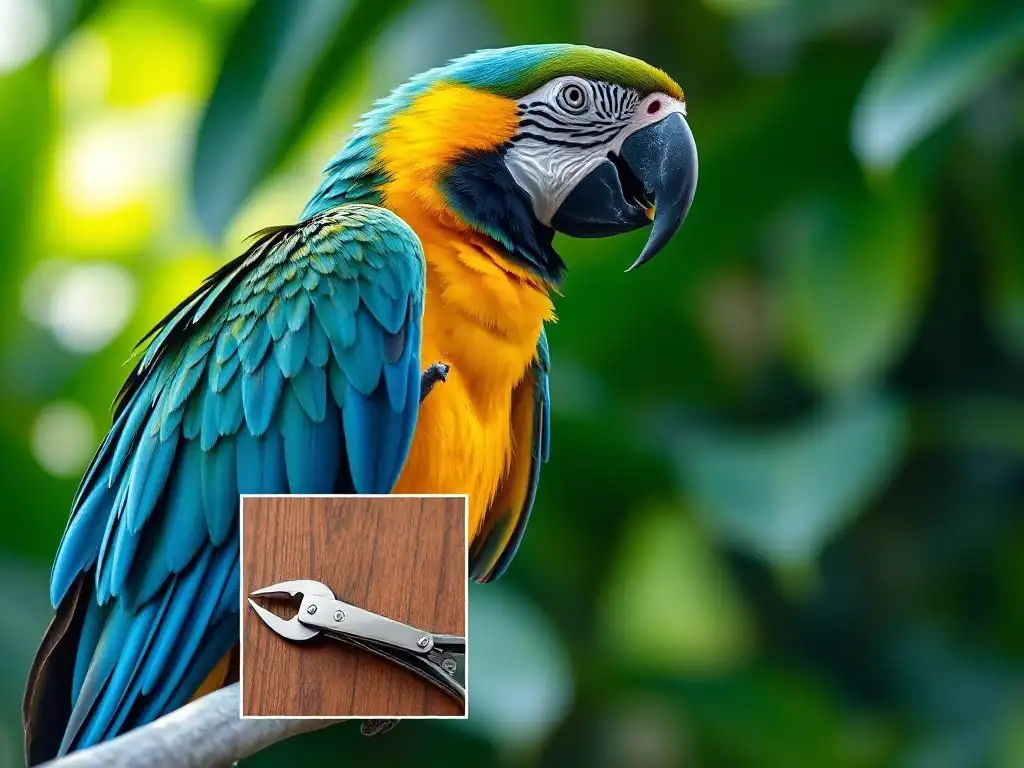
Welcome to PetCareWorld, your ultimate guide to a happier, healthier life for your beloved companion! Are you ready to master the art of avian care? We've got you covered. Learn the secrets to successfully tackling a common challenge: bird beak and nail overgrowth. Our comprehensive Bird beak nail trimming guide will equip you with the knowledge and confidence to keep your feathered friend in top condition. Dive in and discover the essential techniques for safe and effective trimming – ensuring your bird’s comfort and well-being for years to come.
- Understanding Bird Beak and Nail Growth
- Causes of Bird Beak and Nail Overgrowth
- Bird Beak and Nail Trimming Guide: A Step-by-Step Approach
- Preventing Beak and Nail Overgrowth in Birds
- When to Seek Veterinary Care for Beak and Nail Issues
-
Common Myths and Realities about Bird Beak and Nail Trimming
- Myth 1: You can trim your bird's beak and nails at home without any training.
- Reality 1: Improper trimming can cause serious injury and requires proper training and knowledge of avian anatomy.
- Myth 2: All birds need regular beak and nail trimming.
- Reality 2: Regular trimming depends on the species, diet, and activity level of the bird.
- Frequently Asked Questions
- Final Reflection: The Unsung Symphony of Avian Well-being
- Unlock Your Pet's Comfort: Take Action Today!
Understanding Bird Beak and Nail Growth
Maintaining your feathered friend's health involves more than just providing nutritious food and a clean cage. Regularly checking and, when necessary, trimming your bird's beak and nails is crucial for their overall well-being. Untreated beak and nail overgrowth can lead to significant discomfort, impacting their ability to eat, perch, and even fly.
This comprehensive guide provides essential information on identifying signs of overgrowth and safely managing this common avian health issue. We'll delve into the natural growth patterns of different bird species, helping you understand what constitutes normal growth versus problematic overgrowth, and equipping you with the knowledge to provide the best possible care for your beloved bird.
This guide focuses on providing practical, step-by-step instructions – a vital resource for all bird owners aiming to ensure their pet's comfort and health. Remember, always consult with an avian veterinarian if you have any concerns or are unsure about any aspect of beak and nail trimming.
Normal Beak and Nail Growth in Different Bird Species
Bird beak and nail growth varies significantly depending on the species, diet, and overall health. Some species naturally have faster growth rates than others. For example, larger parrots often require more frequent beak and nail trims than smaller finches. Understanding the typical growth patterns of your specific bird species is essential for early detection of overgrowth.
Here's a table summarizing the general growth patterns (note: these are generalizations, individual variations exist):
| Bird Species | Beak Growth Rate | Nail Growth Rate |
|---|---|---|
| Large Parrots (e.g., Macaws) | Relatively Fast | Relatively Fast |
| Small Parrots (e.g., Budgies) | Moderate | Moderate |
| Finches | Slow | Slow |
| Canaries | Slow | Slow |
Factors influencing growth rate include diet (a diet lacking in essential minerals can affect growth), genetics, and overall health. A bird suffering from illness or nutritional deficiencies may exhibit abnormal beak and nail growth. Regular veterinary check-ups are vital for early diagnosis and treatment of underlying health issues. Furthermore, providing appropriate perches and toys can help naturally wear down beaks and nails.
Identifying Signs of Beak Overgrowth
Overgrown beaks can manifest in several ways, significantly impacting your bird's quality of life. Early detection is key to preventing serious complications. Look out for these telltale signs:
- Difficulty eating: An overgrown beak can make it difficult for your bird to crack seeds, grasp food, or even eat soft foods. You might observe them struggling to eat or dropping food frequently.
- Abnormal beak shape: The beak may appear excessively long, curved, or uneven. Noticeable deformities or asymmetry should raise concerns.
- Bleeding or cracks: Overgrown beaks can become cracked or bleed, leading to pain and infection. Inspect the beak regularly for any signs of damage.
- Changes in behavior: Your bird might become lethargic, withdrawn, or exhibit changes in vocalizations due to discomfort.
Remember, even subtle changes in your bird’s eating habits or beak appearance warrant a visit to an avian veterinarian. Early intervention is crucial for preventing more severe problems.
Identifying Signs of Nail Overgrowth
Similar to beak overgrowth, overgrown nails can also cause significant discomfort and mobility issues. Here are some signs to watch for:
-
Difficulty perching: Overgrown nails can make it difficult for your bird to grip its perch securely, leading to falls and injuries. Observe your bird's perching habits closely.
-
Curved or excessively long nails: Nails that are disproportionately long or curved are a clear indication of overgrowth.
-
Bleeding or catching: Overgrown nails can catch on cage bars or fabrics, leading to bleeding or injuries. Regular nail inspections are essential.
-
Changes in gait: Your bird might exhibit an unusual gait or limp due to discomfort from overgrown nails. Changes in their normal behavior are often indicators of underlying issues.
Again, if you notice any of these signs, consult an avian veterinarian immediately. They can provide a professional assessment and recommend the appropriate course of action, which may include trimming or other necessary treatments.
Dangers of Untreated Beak and Nail Overgrowth
Untreated beak and nail overgrowth in birds can lead to a cascade of serious health problems, significantly impacting their quality of life and potentially even resulting in death. The consequences are multifaceted and depend on the severity of the overgrowth and the specific bird species. For example, excessively long beaks can interfere with a bird's ability to eat, leading to malnutrition and weight loss.
This is particularly dangerous for smaller species where even a slight impediment to feeding can have severe repercussions. Imagine a tiny finch unable to crack seeds because its beak is too overgrown – starvation becomes a very real threat.
Furthermore, overgrown beaks can cause pain and discomfort. The beak is a sensitive organ, and constantly rubbing against food bowls, perches, or even the bird's own body can lead to sores, infections, and inflammation. These sores can become infected, leading to more significant health issues requiring veterinary intervention. The pain associated with this can also lead to behavioral changes, such as lethargy, decreased appetite, and aggression. This makes it even more difficult for the bird to care for itself, creating a vicious cycle.
Overgrown nails present a different set of dangers. Excessively long nails can become caught on cage bars or perches, causing injuries ranging from minor scrapes to severe fractures. This is especially true for birds who are active and spend a lot of time climbing and exploring. The trauma of a caught nail can be incredibly stressful for the bird, possibly leading to further health complications. In addition, long nails can make it difficult for the bird to maintain its balance, increasing the risk of falls and injuries.
Beyond physical dangers, untreated beak and nail overgrowth can also impact a bird's psychological well-being. The pain, discomfort, and inability to perform natural behaviors can lead to stress, anxiety, and depression. This can manifest in behavioral changes such as feather plucking, self-mutilation, and aggression. Addressing the underlying physical issue of overgrown beaks and nails is often crucial to improving the bird's overall mental and emotional health. A happy, healthy bird is one whose physical needs are met, including regular beak and nail trimming. Ignoring these issues can have devastating consequences for your feathered friend.
Causes of Bird Beak and Nail Overgrowth
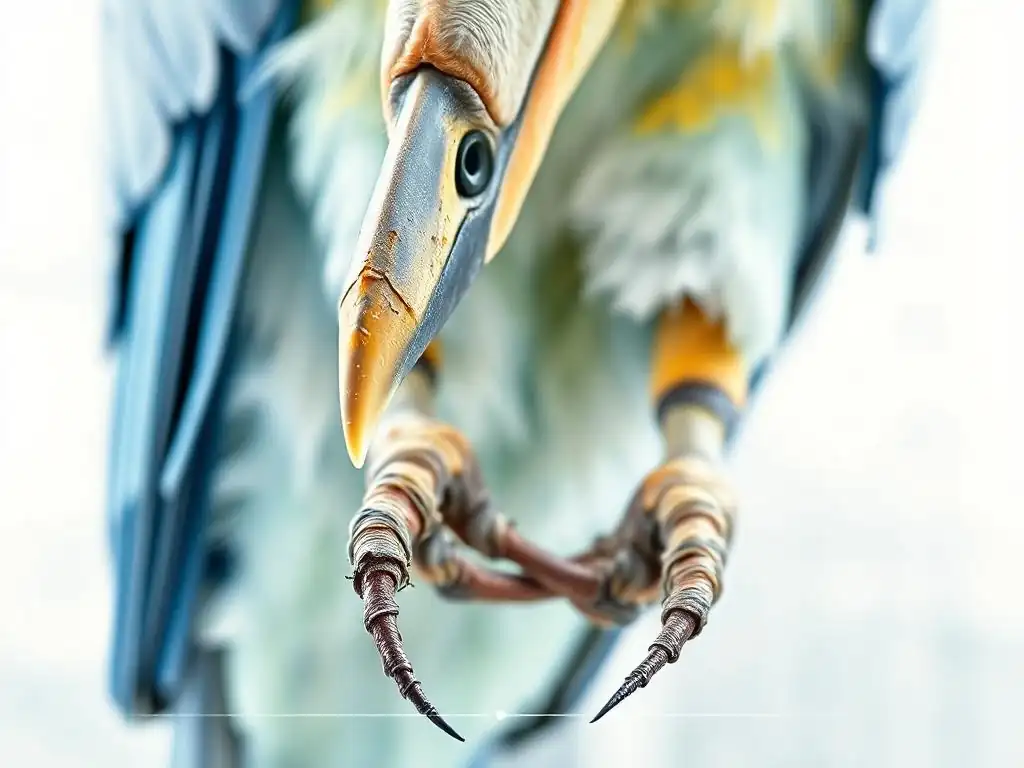
Understanding the root cause of beak and nail overgrowth in your avian companion is crucial for effective treatment and prevention. Ignoring the underlying issue can lead to further complications and discomfort for your bird. This section delves into the primary factors contributing to this common avian health problem. Remember, this guide provides information; always consult an avian veterinarian for diagnosis and treatment.
Nutritional Deficiencies and Imbalances
Improper nutrition is a significant contributor to beak and nail overgrowth. A diet lacking essential vitamins and minerals, particularly calcium and vitamin D3, can disrupt normal beak and nail growth. This imbalance can lead to excessively long, weak, and misshapen beaks and nails.
For example, a diet solely consisting of seeds, while convenient, often lacks the necessary nutrients for balanced growth. Seeds are high in fat and low in calcium, which is vital for strong beak and nail structure. This deficiency can manifest as soft, brittle beaks prone to cracking, and overgrown nails that are easily damaged.
To combat this, ensure your bird's diet incorporates a variety of fresh fruits and vegetables, pellets formulated for your bird's species, and occasional healthy treats. Consider supplementing with a calcium and vitamin D3 powder, always following the instructions carefully, to prevent over-supplementation. A balanced diet is fundamental for maintaining healthy beak and nail growth. Remember to consult your avian vet for specific dietary recommendations based on your bird's breed, age, and health status.
Underlying Medical Conditions
Several medical conditions can indirectly cause or exacerbate beak and nail overgrowth. These conditions often disrupt the bird's natural metabolic processes, affecting the growth rate of beak and nails.
For instance, liver disease can interfere with the body's ability to process nutrients, leading to deficiencies that impact beak and nail health. Similarly, hormonal imbalances, such as hypothyroidism, can affect growth regulation, resulting in abnormal beak and nail development. Kidney disease can also contribute to this issue.
Recognizing these underlying medical conditions is paramount. Symptoms might include lethargy, changes in appetite, feather plucking, or unusual droppings. If you observe any of these symptoms alongside beak and nail overgrowth, immediately schedule a visit with an avian veterinarian for a thorough examination and diagnosis. Early detection and treatment are crucial for improving your bird's overall health and well-being.
Genetic Predisposition
Genetic factors can also play a role in beak and nail overgrowth. Certain bird breeds might be genetically predisposed to this condition, exhibiting a higher likelihood of experiencing abnormal beak and nail growth compared to other breeds. This predisposition might be linked to inherent metabolic differences or variations in gene expression influencing growth regulation.
While there's limited research specifically on genetic predisposition for beak and nail overgrowth in birds, anecdotal evidence from avian veterinarians and breeders suggests a correlation in certain breeds. However, more research is needed to definitively identify specific genes or breeds with a higher risk. This highlights the importance of responsible breeding practices to minimize the occurrence of this and other genetic health issues. Careful selection of breeding pairs can contribute to improving overall bird health. If you are a breeder, consulting with an avian veterinarian and genetic experts is advised.
Dietary Imbalances
Nutritional deficiencies play a significant role in beak and nail overgrowth in birds. A diet lacking essential vitamins and minerals, particularly calcium and vitamin D3, can directly impact the growth and development of keratin, the protein that makes up beaks and nails. This deficiency weakens the structure, leading to abnormal growth patterns.
For instance, a diet overly reliant on seeds, without sufficient supplementation of fruits, vegetables, and pellets, can lead to a calcium deficiency, resulting in softer, more brittle beaks and nails that are prone to overgrowth. This is because seeds, while providing some nutrients, lack the balanced nutritional profile a bird requires for optimal health. The resulting overgrowth often manifests as excessively long, curved, or misshapen beaks and nails, which can interfere with the bird's ability to eat, preen, and perch comfortably.
It's crucial to provide a varied and nutritionally complete diet tailored to the specific species of bird. Failing to do so can contribute to various health problems, including beak and nail overgrowth, making regular veterinary checkups and dietary consultations essential for proactive bird care. Providing cuttlebone, a natural source of calcium, and ensuring access to mineral blocks can also help mitigate this issue.
Genetic Predisposition
Some bird breeds are genetically predisposed to beak and nail overgrowth. This inherent predisposition means that certain birds are simply more likely to experience this condition than others. While the exact genetic mechanisms aren't fully understood in all cases, breed-specific tendencies have been observed by avian veterinarians.
For example, certain parrot breeds might show a higher incidence of beak overgrowth compared to others. This genetic factor doesn't eliminate the importance of proper nutrition and environmental enrichment, but it does highlight the need for increased vigilance and proactive care in these predisposed birds. Owners of birds known to have a genetic predisposition should work closely with their avian veterinarian to develop a preventative care plan that might include more frequent beak and nail trims, or specialized dietary supplements.
Early detection and intervention are key to managing this condition effectively. Further research is needed to fully elucidate the genetic basis of beak and nail overgrowth across different bird species.
Hormonal Imbalances
Hormonal imbalances can significantly influence beak and nail growth in birds. Disruptions in the endocrine system, which regulates hormone production, can lead to abnormal growth patterns. While the specific hormonal pathways involved are complex and species-dependent, conditions like hypothyroidism (underactive thyroid) have been linked to altered keratin production, potentially resulting in overgrowth.
Similarly, certain tumors or other endocrine disorders can also disrupt the delicate balance of hormones, influencing beak and nail development. Diagnosing hormonal imbalances requires veterinary intervention, often involving blood tests to assess hormone levels. Treatment typically focuses on addressing the underlying hormonal issue, which might involve medication or other therapeutic interventions.
In some cases, managing the hormonal imbalance can directly improve beak and nail growth, reducing the need for frequent trimming. Early diagnosis and appropriate veterinary care are crucial for effective management of beak and nail overgrowth associated with hormonal problems. The prognosis varies depending on the underlying cause and severity of the hormonal imbalance.
Bird Beak and Nail Trimming Guide: A Step-by-Step Approach
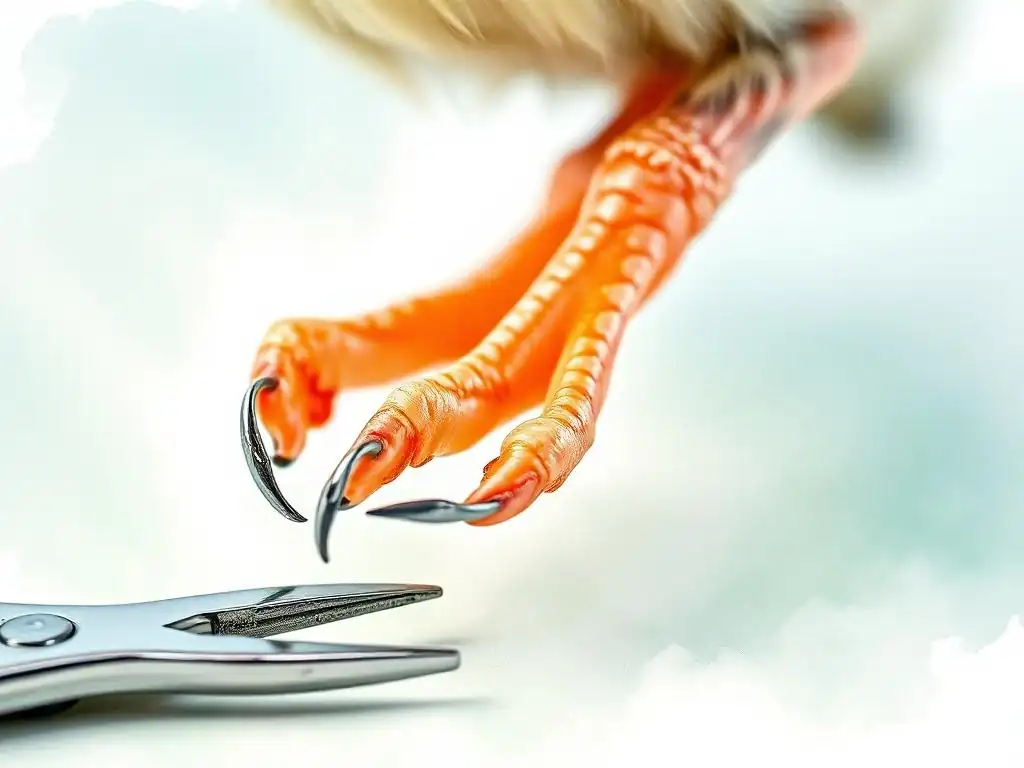
This section provides a detailed, step-by-step guide on how to safely and effectively trim your bird's beak and nails. Remember, improper trimming can cause serious injury, so if you are uncomfortable performing this task, consult an avian veterinarian. This guide is for informational purposes only and should not replace professional veterinary advice.
Gathering Your Supplies
Before you begin trimming your bird's beak and nails, it's crucial to gather all necessary supplies. Having everything readily available will minimize stress for both you and your feathered friend. Proper preparation is key to a successful and safe nail and beak trim for your pet bird.
- Sharp, high-quality avian nail clippers: These are specifically designed for birds' beaks and nails. Avoid using human nail clippers, as they can crush or damage the quick (the pink part containing blood vessels and nerves). Look for clippers with a guillotine or scissor-type design.
- Styptic powder or pencil: This is essential to stop any bleeding should you accidentally cut into the quick. Keep it within easy reach.
- Small towel or soft cloth: This will help to gently restrain your bird if necessary, ensuring their safety and preventing them from injuring themselves during the process.
- Treats: Positive reinforcement is crucial! Reward your bird with their favorite treats throughout the process to create a positive association with beak and nail trimming.
- Bright light source: Good lighting is essential to clearly see the blood vessels in the quick to avoid accidental injury. A desk lamp or even natural sunlight can be helpful.
- A comfortable, stable surface: Choose a stable, flat surface where you can comfortably work with your bird. A table or countertop works well.
Assessing Your Bird's Beak and Nails
Before you begin trimming, carefully examine your bird's beak and nails. This assessment is crucial for determining how much needs to be trimmed. Understanding the anatomy of your bird's beak and nails will ensure a safe and successful trimming.
This step involves identifying the quick in both the beak and the nails. The quick is the living tissue containing blood vessels and nerves. Cutting into the quick will cause bleeding and pain for your bird. In the beak, the quick is usually visible as a pinkish area near the base of the upper and lower mandibles. In the nails, the quick is usually the pink part extending from the base of the nail. The quick's visibility will vary depending on your bird's breed and color.
Observe the overall shape and length of your bird's beak and nails. Is the beak overgrown, interfering with eating or preening? Are the nails excessively long, causing difficulty with perching or movement? Consider taking photos of your bird's beak and nails before the trimming to compare the before-and-after results. This is a great technique to visually track changes.
Trimming Your Bird's Beak Safely and Effectively
Once you have assessed your bird's beak and nails, you can begin the trimming process. Remember to work slowly and carefully. Your bird's safety and comfort should be your top priority throughout this procedure. Patience is key!
Trimming the Beak: Use your sharp avian beak clippers to carefully trim small sections of the beak at a time. Avoid cutting too much at once, and always trim in the direction of the beak's natural growth. Focus on removing only the overgrown portions, maintaining the natural shape of the beak. If you are unsure about how much to trim, it's always best to err on the side of caution and trim less rather than more.
Trimming the Nails: Similarly, trim your bird's nails in small increments using your avian nail clippers. Avoid cutting into the quick. If you accidentally cut into the quick, apply styptic powder immediately to stop the bleeding. Hold the nail clipper firmly and trim straight across the nail, avoiding any angled cuts which could weaken the nail. Maintain the natural shape of the nails.
Post-Trimming Care: After trimming your bird's beak and nails, offer plenty of praise and rewards. Observe your bird closely for any signs of discomfort or bleeding. If bleeding occurs, apply styptic powder. If you notice any unusual behavior or bleeding that doesn't stop, contact your avian veterinarian immediately. Regular beak and nail trims, typically every few weeks, are essential for maintaining your bird's health and well-being. The frequency will depend on your bird's individual growth rate. Remember, prevention is better than cure. Regular monitoring can help prevent serious problems. 🐦
Trimming Your Bird's Nails Safely and Effectively
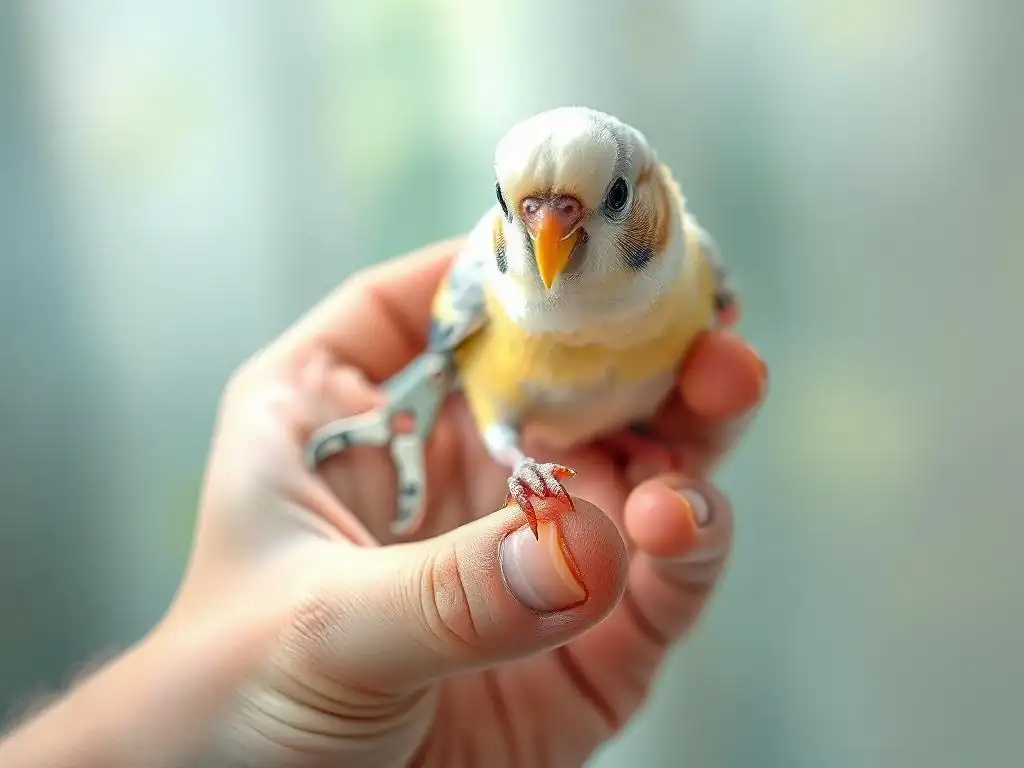
Trimming your bird's nails might seem daunting, but with the right approach and tools, it can be a safe and straightforward process. The key is patience and a gentle touch. Never rush the process, as a sudden movement could frighten your bird and lead to injury.
Before you begin, gather your supplies: a pair of sharp, high-quality avian nail clippers (guillotine-style clippers are generally preferred for birds), a styptic powder (to stop bleeding if you accidentally cut the quick), and a soft, comfortable towel. It's also helpful to have a treat or two on hand to reward your bird for their cooperation.
Start by gently holding your bird securely but comfortably. Some birds are more comfortable being wrapped in a towel, while others prefer to sit on a perch. The goal is to minimize stress and maximize control. Carefully examine your bird's nails. The quick, the pink part containing blood vessels and nerves, is visible in most bird nails. You want to trim only the clear, hard portion of the nail, avoiding the quick. If you're unsure where to cut, it's always best to err on the side of caution and trim less rather than more.
Use the clippers to make a clean, swift cut, aiming to trim just the tip of the nail. Avoid jagged or uneven cuts. If you accidentally cut into the quick, don't panic. Immediately apply styptic powder to the affected area to stop the bleeding. Most minor bleeds will stop within a few minutes.
If the bleeding is excessive or doesn't stop, contact your avian veterinarian immediately. Throughout the process, talk to your bird in a calm, reassuring voice. Positive reinforcement goes a long way in making nail trimming a less stressful experience for both you and your feathered friend. Remember, regular, short trimming sessions are less stressful than infrequent, large trims. This approach minimizes the risk of accidentally cutting the quick and allows your bird to adjust to the procedure gradually.
Remember, practice makes perfect. If you're nervous, consider having your veterinarian or an experienced bird handler demonstrate the proper technique. They can also provide personalized advice based on your bird's specific needs and breed. With patience and the right tools, you can master this essential aspect of bird care and ensure your bird's nails remain healthy and properly trimmed. Always prioritize safety and comfort for your bird. A well-trimmed bird is a happy and healthy bird!
Post-Trimming Care
After trimming your bird's nails, it's crucial to provide proper post-trimming care to ensure their comfort and prevent any potential complications. First, reward your bird with a favorite treat! This positive reinforcement will help associate nail trimming with positive experiences, making future sessions easier. Carefully examine your bird's nails once more, checking for any signs of bleeding or irritation. If you notice any bleeding, reapply the styptic powder as needed.
Observe your bird closely for any signs of discomfort or limping. If your bird seems unusually lethargic or is exhibiting any other unusual behavior, contact your avian veterinarian immediately. This is particularly important if you accidentally cut the quick, even if the bleeding has stopped. The quick is sensitive, and your bird may experience some discomfort for a short period.
Keep a close eye on your bird's nails in the days following the trimming. If you notice any signs of infection, such as swelling, redness, or discharge, contact your avian veterinarian promptly. Regular nail trims are essential for maintaining your bird's overall health and well-being. The frequency of trimming will depend on your bird's species and growth rate. For some birds, you might need to trim their nails every few weeks, while others may only require trimming every few months.
Consult your avian veterinarian for guidance on the ideal trimming schedule for your specific bird. By following these post-trimming care guidelines, you can ensure your bird remains healthy and happy after their nail trimming session. Remember, a happy bird is a healthy bird! 🐦
Preventing Beak and Nail Overgrowth in Birds
Preventing beak and nail overgrowth in your avian companion is crucial for their overall health and well-being. Untreated overgrowth can lead to significant discomfort, difficulty eating, and even infections. Proactive measures are far more effective than reactive treatments, saving your bird from potential pain and you from costly veterinary bills. This section focuses on proactive strategies to minimize the risk of overgrown beaks and nails in your feathered friend. Remember, consistent care is key to maintaining your bird's healthy beak and nails.
Maintaining a Balanced Diet
A balanced diet plays a pivotal role in preventing beak and nail overgrowth. Nutritional deficiencies can directly impact beak and nail growth, leading to abnormalities. A diet lacking in essential vitamins and minerals can result in softer, more prone-to-overgrowth beaks and nails. Conversely, a well-balanced diet strengthens these structures, making them less susceptible to excessive growth.
For example, a deficiency in Vitamin A can lead to weakened beaks and nails, making them more likely to overgrow and become brittle. Similarly, calcium deficiency can cause soft, deformed beaks and nails. Therefore, providing a diet rich in these essential nutrients is paramount.
Here's a breakdown of dietary considerations:
- High-quality birdseed mix: Choose a mix specifically formulated for your bird's species, ensuring a balanced blend of seeds, grains, and legumes. Avoid mixes with excessive amounts of sunflower seeds, which are high in fat and can contribute to obesity.
- Fresh fruits and vegetables: Offer a variety of fresh produce daily. Leafy greens like kale and spinach are excellent sources of vitamins and minerals. Berries, carrots, and apples provide additional nutrients and antioxidants.
- Commercial pellets: Pellets are a great way to ensure your bird receives a complete and balanced diet. They are formulated to meet the specific nutritional needs of different bird species.
- Supplements: In some cases, your veterinarian may recommend supplemental vitamins and minerals, especially if your bird has a history of beak or nail problems. Never administer supplements without consulting your avian vet.
Providing Environmental Enrichment
Environmental enrichment is often overlooked but is incredibly important in preventing beak and nail overgrowth. Birds naturally wear down their beaks and nails through foraging, chewing, and climbing. A stimulating environment mimics their natural habitat, encouraging these behaviors and preventing overgrowth.
Consider these enrichment strategies:
- Variety of perches: Provide perches of different sizes, shapes, and textures. Natural wood perches are ideal, as they allow for natural wear on the beak and nails. Avoid smooth, plastic perches.
- Foraging toys: Foraging toys encourage your bird to work for its food, stimulating natural behaviors and providing mental stimulation. These toys can include puzzle feeders, treat balls, and foraging baskets.
- Chew toys: Provide a variety of safe chew toys made of wood, natural fibers, or other appropriate materials. These toys allow your bird to naturally wear down its beak. Avoid toys made of toxic materials.
- Climbing structures: Create a multi-level environment with ladders, ropes, and branches to encourage climbing and exercise. Climbing helps your bird naturally wear down its claws.
Regular Veterinary Check-ups
Regular veterinary check-ups are essential for early detection and prevention of beak and nail overgrowth. Your avian veterinarian can assess your bird's overall health, identify any potential nutritional deficiencies, and detect early signs of overgrowth. Early intervention is crucial to prevent more serious problems.
During check-ups, your vet will examine your bird's beak and nails, checking for any signs of overgrowth, deformities, or infections. They can also provide guidance on proper diet, enrichment, and overall bird care. Consider scheduling check-ups at least once a year, or more frequently if your bird has a history of beak or nail issues. A proactive approach with regular veterinary care is a cornerstone of responsible bird ownership and significantly reduces the risk of beak and nail overgrowth. Early detection and intervention are key to ensuring your bird's comfort and health. 🐦
When to Seek Veterinary Care for Beak and Nail Issues
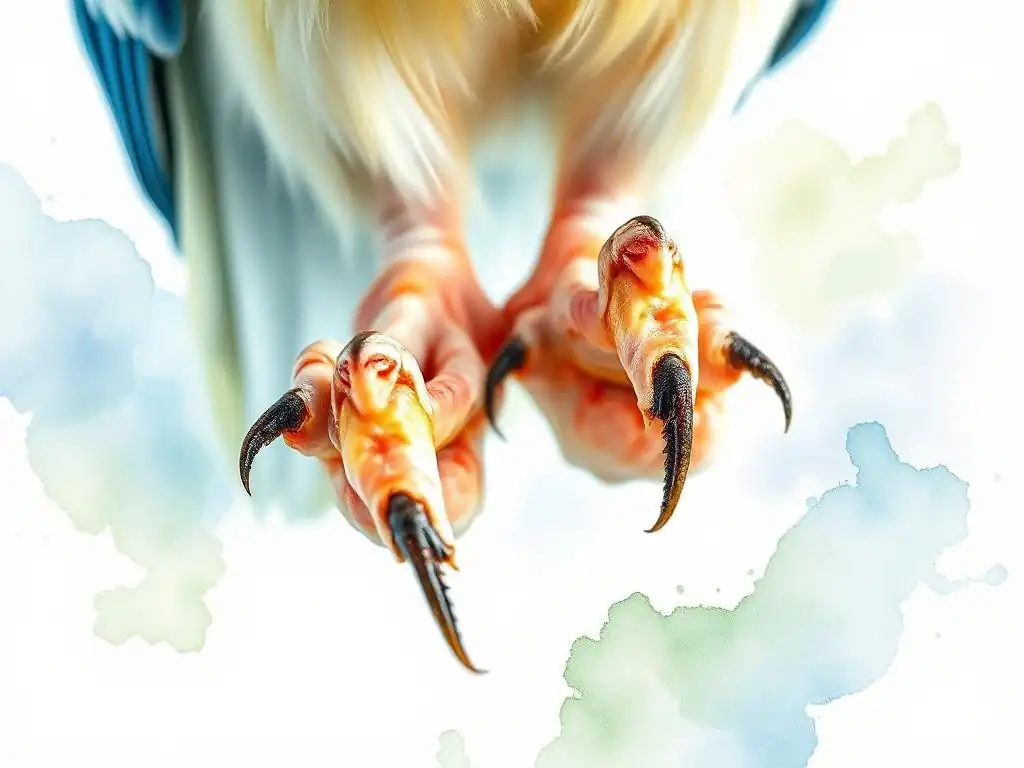
Overgrown beaks and nails in birds are common issues, but knowing when professional veterinary intervention is necessary is crucial for your feathered friend's health and well-being. While routine trimming is often manageable at home (following proper guidance, of course! ), certain situations demand immediate veterinary attention. Ignoring these warning signs can lead to serious complications, impacting your bird's ability to eat, preen, and even fly.
This section will outline key indicators that necessitate a visit to an avian veterinarian. Remember, prevention is key, and regular monitoring of your bird's beak and nails is essential for early detection of potential problems. Early intervention often leads to less invasive and more effective treatment.
Recognizing Emergency Situations
Several situations constitute emergencies requiring immediate veterinary attention. These are not simply cases of slightly overgrown nails or beaks; these are conditions that threaten your bird's immediate health and survival. Prompt action is paramount.
- Bleeding: Any significant bleeding from the beak or nail requires immediate veterinary care. Even minor bleeding can become problematic if not addressed correctly, potentially leading to infection or significant blood loss. Apply gentle pressure with a clean cloth if bleeding occurs, but seek professional help without delay. 💔
- Severe Pain or Distress: If your bird exhibits signs of intense pain, such as vocalizing excessively, exhibiting lethargy, or refusing food and water, it's a critical situation. Pain associated with overgrown beaks or nails can be excruciating. An emergency visit is needed to alleviate the suffering and identify the underlying issue.
- Infection: Noticeable swelling, redness, pus, or foul odor around the beak or nails suggests a potential infection. Infections can spread quickly, becoming life-threatening if left untreated. Your avian veterinarian can prescribe appropriate antibiotics or other treatments to combat the infection effectively.
- Inability to Eat or Drink: An overgrown beak can significantly hinder a bird's ability to eat and drink, leading to dehydration and malnutrition. This is a life-threatening condition requiring immediate veterinary intervention. Your bird needs prompt care to restore its ability to consume food and water.
- Deformities: Severe beak or nail deformities that interfere with normal functioning – such as a severely crooked beak preventing proper feeding – are serious and require professional assessment and treatment. These deformities might need specialized surgical correction.
Finding a Qualified Avian Veterinarian
Locating a veterinarian experienced in avian care is essential for addressing your bird's beak and nail problems effectively. Regular avian vets are not created equal; some have more experience and expertise than others. Finding a specialist in avian medicine ensures your bird receives the best possible care. Do not settle for a general practitioner unless absolutely necessary; a specialized avian vet possesses the knowledge and tools to diagnose and treat unique bird-related health issues.
Avian veterinarians possess in-depth knowledge of avian anatomy, physiology, and disease. They are equipped to perform necessary procedures, such as beak and nail trimming, under safe and controlled conditions. They can also diagnose and treat underlying medical conditions that may contribute to beak and nail overgrowth, such as nutritional deficiencies or metabolic disorders.
When searching for an avian veterinarian, consider the following:
- Ask for Recommendations: Seek recommendations from other bird owners, breeders, or local avian rescue organizations. Word-of-mouth referrals often lead to reliable and trustworthy practitioners.
- Check Credentials: Ensure the veterinarian is board-certified or has extensive experience in avian medicine. Look for certifications or affiliations with relevant professional organizations.
- Review Online Reviews: Read online reviews to gain insights into other clients' experiences with the veterinarian. Pay attention to comments regarding the veterinarian's communication style, professionalism, and level of care.
- Schedule a Consultation: Schedule a consultation even if your bird's condition isn't urgent. This allows you to assess the veterinarian's expertise and comfort level with your bird's specific needs before entrusting them with more complex procedures. A good vet-bird relationship is crucial for successful treatment.
Remember, responsible bird ownership includes proactive care and seeking professional help when needed. By understanding when to seek veterinary care, you can ensure your bird receives the best possible treatment and maintains optimal health and well-being. Regular check-ups and proactive monitoring are key elements in preventing serious complications associated with beak and nail overgrowth.
Common Myths and Realities about Bird Beak and Nail Trimming
This section will dispel common misconceptions surrounding bird beak and nail trimming, providing a realistic understanding of the process and its importance for avian health. Proper beak and nail maintenance is crucial for your feathered friend's well-being, but misinformation can lead to accidental harm. Let's address some prevalent myths.
Myth 1: You can trim your bird's beak and nails at home without any training.
This is a dangerous misconception. While it might seem like a simple task, trimming a bird's beak and nails requires a precise understanding of avian anatomy, including the location of blood vessels (quick) within the beak and nails. Improper trimming can easily lead to severe bleeding, infection, and even permanent damage. Many bird owners, lacking the necessary training and experience, accidentally injure their pets. Think of it like this: would you attempt complex surgery on yourself without medical training?
The same principle applies to avian beak and nail trimming. Professional avian veterinarians or experienced handlers possess the expertise to perform this procedure safely and effectively. They understand the delicate structure of a bird's beak and nails, and know how to avoid causing harm. Attempting to trim your bird's beak and nails without proper training puts your bird at significant risk. Always prioritize your bird's safety and seek professional help.
Reality 1: Improper trimming can cause serious injury and requires proper training and knowledge of avian anatomy.
Incorrect beak and nail trimming can result in various complications, some with severe consequences. The quick, the blood vessel running through the beak and nail, is particularly vulnerable. Cutting into the quick causes significant bleeding, which can be challenging to control in birds.
This bleeding can lead to anemia, shock, and potentially even death if left untreated. Beyond bleeding, an improperly trimmed nail can be painful and hinder the bird's ability to perch and move normally, leading to discomfort and potential behavioral issues. Infection is another serious risk; a cut can easily become infected, requiring veterinary intervention and potentially antibiotic treatment.
In severe cases, improper trimming can cause permanent damage to the beak or nails, affecting the bird's ability to eat and interact with its environment. To reiterate, professional help is essential to avoid these potentially devastating outcomes. The cost of professional trimming is far outweighed by the potential costs (both financial and emotional) of an accident.
Myth 2: All birds need regular beak and nail trimming.
While many birds benefit from occasional beak and nail trimming, it's not a universal necessity. Some birds naturally wear down their beaks and nails through their normal activities, such as chewing on hard toys or perching on rough surfaces. The frequency of trimming depends on the bird's species, diet, and activity level. For example, birds with softer diets might require more frequent trimming than those with harder foods that help naturally wear down their beaks.
Similarly, birds that spend a lot of time chewing on wood or other hard materials will often need less frequent trimming. Regular observation is key. If you notice your bird's beak or nails are becoming excessively long or overgrown, interfering with their ability to eat, perch, or groom themselves, then it's time to seek professional help.
Ignoring the issue can lead to the problems discussed in Reality 1. A veterinarian or experienced bird handler can assess your bird's individual needs and determine the appropriate trimming schedule, if any. Don't assume your bird needs trimming simply because you've heard it's a routine procedure; individual needs vary significantly.
Reality 2: Regular trimming depends on the species, diet, and activity level of the bird.
The frequency of beak and nail trimming for your feathered friend isn't a one-size-fits-all scenario. Several factors significantly influence how often your bird needs this essential maintenance. Understanding these variations is crucial for responsible pet ownership and preventing accidental injuries during trimming.
Firstly, species plays a major role. Larger bird species, like macaws, often require more frequent trimming than smaller species, such as finches. This is due to their generally faster growth rates and the size of their beaks and nails. For example, a macaw's beak might need attention every 4-6 weeks, while a finch might only require trimming every few months. Always research the specific needs of your bird's breed to establish a baseline.
Secondly, diet significantly impacts beak and nail growth. A diet lacking in essential minerals and vitamins can lead to abnormal growth, potentially requiring more frequent trimming. Conversely, a well-balanced diet, rich in nutrients, often results in healthier, slower-growing beaks and nails. Providing your bird with a varied diet that includes appropriate fruits, vegetables, and formulated birdseed is essential. Consult with an avian veterinarian to determine the best dietary plan for your bird's specific needs. They can help identify any nutritional deficiencies that might be contributing to excessive beak or nail growth.
Finally, activity level is another key factor. Birds that are highly active and spend a significant amount of time using their beaks and nails for climbing, foraging, and preening will often naturally wear them down more. This can reduce the frequency of necessary trims. Conversely, birds that spend most of their time in a cage with limited opportunities for natural wear might require more frequent attention.
Enriching your bird's environment with toys and opportunities for physical activity can help promote natural wear and tear, thereby reducing the need for frequent trimming. Consider adding climbing structures, foraging toys, and interactive activities to stimulate natural behaviors and reduce the risk of overgrowth. Remember, a happy, active bird is a healthy bird!
Frequently Asked Questions
How often should I trim my bird's beak and nails?
This depends on your bird's species and growth rate. Regularly inspect them; some birds need trimming every few weeks, others less frequently. Consult your avian veterinarian for a personalized schedule.
What tools do I need to trim my bird's beak and nails?
You'll need sharp, avian-specific nail clippers and possibly beak trimmers. Avoid using human nail clippers. Having styptic powder on hand to stop bleeding is also crucial.
How can I tell if my bird's beak or nails are overgrown?
Overgrown beaks appear long, uneven, or misshapen, interfering with eating or preening. Overgrown nails are excessively long and curved, potentially causing discomfort or injury.
What should I do if I accidentally cut into the quick?
If you cut into the quick (the pink part of the nail or beak), apply styptic powder immediately to stop the bleeding. If bleeding is profuse or doesn't stop, contact your avian veterinarian immediately.
My bird is resisting beak and nail trimming. What can I do?
Positive reinforcement is key. Start by handling your bird frequently, rewarding calm behavior with treats. Make trimming sessions short and positive. If you're struggling, seek professional help from an avian veterinarian or experienced bird handler.
Final Reflection: The Unsung Symphony of Avian Well-being
The health of our feathered companions hinges on the seemingly small details, and among these, proper beak and nail care stands as a cornerstone of responsible bird ownership. Neglecting this crucial aspect can lead to significant discomfort and even life-threatening complications for our beloved birds. This underscores the vital importance of understanding and consistently practicing the techniques outlined in this guide.
The impact of proper beak and nail trimming extends far beyond mere aesthetics; it's about ensuring the overall well-being and quality of life for our avian friends. Their ability to eat, perch, and navigate their environment comfortably is directly tied to the condition of their beaks and nails. As we strive to provide the best possible care, we must remember that our actions directly reflect their happiness and health. The care of a pet is a sacred trust.
This simple statement encapsulates the profound responsibility we undertake when welcoming a bird into our lives.
Now, consider the knowledge you've gained. Take a moment to reflect on the practical steps detailed within this guide. Are you ready to confidently and compassionately care for your bird's beak and nails? Remember, consistent attention and gentle handling are key. By incorporating these practices into your routine, you'll not only prevent potential problems but also strengthen the bond you share with your feathered companion, ensuring a long and happy life together.
Unlock Your Pet's Comfort: Take Action Today!
Thank you for learning about bird beak and nail overgrowth. We hope this guide provided valuable insights into keeping your feathered friend healthy and happy. Now, let's put that knowledge into practice!
- Schedule a beak and nail trim appointment with your avian veterinarian. This is crucial for your bird's comfort and preventing potential health problems.
- Provide plenty of appropriate toys. Chewing and foraging helps naturally wear down your bird's beak and nails, preventing overgrowth.
- Share your bird care experiences and tips with other PetCareWorld members in the comments below! Let's build a supportive community for bird lovers.
Ready to give your feathered friend the best possible care? What will you do today to improve your bird's well-being?