
Bird Feather Care for Beginners: Essential Tips for New Bird Owners

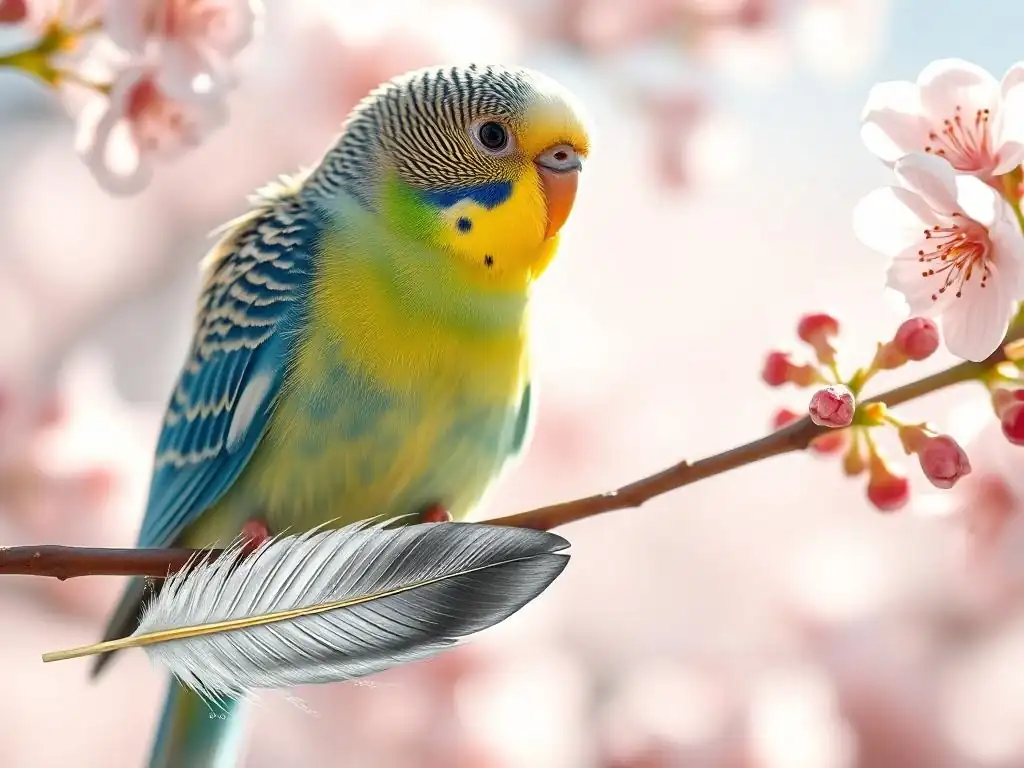
Welcome to PetCareWorld, your ultimate guide to a happier, healthier life for your beloved pet! Are you a new bird owner eager to learn the secrets to keeping your feathered friend's plumage pristine? Then you've come to the right place. Dive into our expert Beginner bird feather care tips, packed with practical advice and essential insights to ensure your bird thrives. Discover the simple yet effective techniques that will keep your avian companion looking and feeling its best. Let's unlock the key to a brilliantly healthy bird together!
- Understanding Your Bird's Feathers: A Beginner's Guide
- Essential Bird Feather Care Tips for Beginners
- Maintaining Feather Health Through Proper Bird Handling
- Advanced Bird Feather Care Techniques
- Creating a Bird-Friendly Environment for Healthy Feathers
- Addressing Common Feather Problems: Solutions and Prevention
- Resources for Further Learning and Expert Advice
- Frequently Asked Questions
- Final Reflection: The Enduring Beauty of a Bird's Feather
- Ready to Give Your Feathered Friend the Best Care?
Understanding Your Bird's Feathers: A Beginner's Guide
Owning a bird is a rewarding experience, filled with joy, companionship, and the delightful chirping of your feathered friend. However, responsible bird ownership extends beyond providing food and a comfortable cage. A crucial aspect often overlooked by new bird owners is proper feather care. This comprehensive guide will equip you with essential knowledge and practical tips for maintaining your bird's plumage, ensuring its health, beauty, and overall well-being.
We'll cover everything from identifying different feather types to recognizing signs of feather problems, empowering you to become a confident and knowledgeable bird caregiver. This guide focuses on providing beginner bird feather care tips, helping you navigate the intricacies of avian plumage and promoting a happy, healthy life for your pet. Let's dive into the fascinating world of bird feathers! 🎉
Identifying Different Feather Types and Their Functions
Birds possess a variety of feathers, each with a specific function contributing to their flight, insulation, and overall health. Understanding these differences is key to recognizing potential problems. Let's explore the main types:
- Contour Feathers: These are the outermost feathers, providing the bird's shape and streamlining its body for flight. They are often brightly colored and contribute significantly to the bird's appearance. Damage to contour feathers can affect flight and insulation.
- Down Feathers: Located beneath the contour feathers, these soft, fluffy feathers provide excellent insulation, trapping warm air close to the bird's body. They are crucial for thermoregulation, especially in colder environments.
- Flight Feathers: These long, stiff feathers on the wings and tail are essential for flight. Damage to flight feathers can severely impair a bird's ability to fly. Careful observation of these feathers is crucial.
- Filoplume Feathers: These are thin, hair-like feathers found scattered throughout the plumage. Their exact function isn't fully understood, but they may play a role in sensory perception or feather maintenance.
Understanding the function of each feather type allows you to better assess your bird's overall health and identify any potential issues early on. Regular observation is key! 🧐
Assessing Feather Health: What to Look For
Regularly inspecting your bird's feathers is crucial for early detection of potential problems. Here's what to look for:
- Shiny and Smooth: Healthy feathers should have a natural sheen and be smooth to the touch. Dull, brittle, or broken feathers could indicate a nutritional deficiency, illness, or stress.
- Even Feather Distribution: Examine the feather distribution across the bird's body. Patches of missing feathers or uneven feather growth could point towards feather plucking, parasites, or underlying health issues.
- No Parasites: Carefully check for any signs of mites, lice, or other parasites. These can cause significant feather damage and discomfort for your bird.
- Proper Molting: Birds molt (shed their feathers) regularly. While some feather loss is normal during molting, excessive or prolonged feather loss warrants veterinary attention.
Remember, early detection is key to effective treatment. If you notice any abnormalities, consult an avian veterinarian immediately. Early intervention can often prevent serious complications. Don't hesitate to seek professional help! 🐦
Common Feather Problems in Pet Birds
Several common problems can affect a bird's feathers. Recognizing these issues is crucial for providing appropriate care:
- Feather Plucking: This is a behavioral problem where birds repeatedly pluck their own feathers, often due to stress, boredom, or underlying medical conditions. Addressing the underlying cause is vital.
- Parasites: Mites and lice are common external parasites that can infest a bird's feathers, causing irritation, feather damage, and potential health problems. Treatment usually involves veterinary-prescribed medications.
- Nutritional Deficiencies: A poor diet can lead to dull, brittle feathers and impaired feather growth. Ensuring your bird receives a balanced and nutritious diet is essential.
- Stress and Illness: Stress and illness can significantly impact feather health. Providing a safe, stimulating environment and addressing any underlying health issues is crucial.
Addressing these common problems requires careful observation, a balanced approach, and, when necessary, professional veterinary care. Remember, a healthy bird is a happy bird! ✨
Essential Bird Feather Care Tips for Beginners
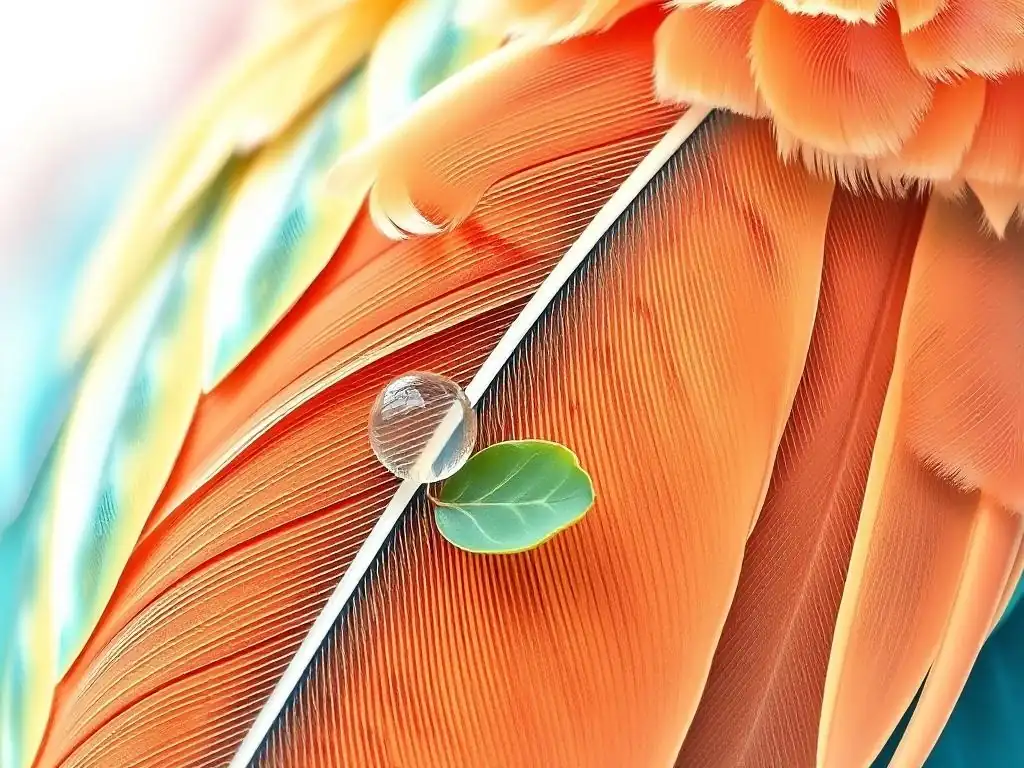
This section provides crucial beginner bird feather care tips to ensure your feathered friend maintains healthy, vibrant plumage. Proper feather care is vital for your bird's overall health and well-being, impacting everything from thermoregulation to flight capabilities. Neglecting feather care can lead to various health problems, so proactive maintenance is key. This guide focuses on practical steps you can take to promote healthy feathers in your avian companion. Remember, always consult an avian veterinarian for any concerns regarding your bird's health.
Regular Feather Inspections: A Crucial First Step
Regularly inspecting your bird's feathers is paramount for early detection of potential problems. A quick visual check several times a week can reveal signs of feather damage, parasites, or underlying health issues. Look for:
- Broken or damaged feathers: Note any feathers that are broken, frayed, or missing barbs. This could indicate injury, stress, or a nutritional deficiency.
- Abnormal feather growth: Unusual feather growth patterns, such as excessively slow growth or oddly shaped feathers, may point to health problems.
- Parasites: Carefully examine the feathers for signs of mites or lice. These tiny parasites can cause significant feather damage and discomfort for your bird. Look for small moving specks or unusual debris clinging to the feathers.
- Changes in feather color or texture: Significant changes in feather color or texture could signal a nutritional deficiency, illness, or stress. A dull, faded appearance can be a warning sign.
Remember, early detection is crucial. If you notice anything unusual, consult an avian veterinarian immediately. Consistent monitoring allows for prompt intervention, improving your bird's chances of a speedy recovery. Think of it as a regular health check-up, but focused solely on their plumage. This proactive approach is a cornerstone of responsible bird ownership. Even seemingly minor issues can escalate quickly if left untreated.
Safe and Effective Bird Bathing Techniques
Bathing is a crucial aspect of bird feather care. It helps remove dust, dirt, and parasites, keeping feathers clean and healthy. However, improper bathing techniques can stress your bird and even damage its feathers. Here's how to bathe your bird safely and effectively:
- Choose the right method: Some birds enjoy a shallow dish of water for bathing, while others prefer a gentle misting with lukewarm water from a spray bottle. Observe your bird's preferences and adapt your approach accordingly. Never force a bath on a resistant bird.
- Water temperature: Always use lukewarm water – never hot or cold. Extreme temperatures can shock your bird and cause discomfort.
- Supervision: Always supervise your bird during bath time. Ensure the water is shallow enough to prevent drowning and that the environment is safe and secure.
- Drying: After bathing, gently towel-dry your bird's feathers or allow it to air dry in a warm, draft-free location.
Consider the species of your bird when determining the best bathing method. Some species require more frequent baths than others. For example, smaller birds may need more frequent baths than larger parrots. Always prioritize your bird's comfort and safety. A happy and relaxed bird is more likely to enjoy bath time. Remember, a clean bird is a healthy bird! 🚿
Providing a Suitable Bird Environment for Healthy Feathers
Your bird's environment plays a significant role in maintaining healthy feathers. Providing a clean, stimulating, and appropriate environment is crucial for promoting healthy plumage. Key factors include:
- Cleanliness: Regularly clean your bird's cage, removing droppings, food scraps, and soiled bedding. A dirty cage can harbor bacteria and parasites, negatively impacting feather health. This includes cleaning perches and toys regularly as well.
- Proper diet: A balanced diet rich in essential nutrients is vital for healthy feather growth. Ensure your bird's diet includes a variety of fresh fruits, vegetables, and a high-quality birdseed mix. Nutritional deficiencies can manifest as dull, brittle feathers.
- Adequate humidity: Maintaining appropriate humidity levels is crucial for preventing dry, brittle feathers. Use a humidifier, especially during dry seasons, to ensure the air is sufficiently moist. However, avoid excessive humidity, which can encourage the growth of mold and bacteria.
- Stress reduction: Stress can negatively impact feather health. Provide a stimulating environment with plenty of toys, perches, and opportunities for social interaction. A stressed bird is more prone to feather plucking and other behavioral issues.
Creating a positive and enriching environment significantly contributes to your bird's overall well-being, including the health of its feathers. By paying attention to these environmental factors, you can support healthy feather growth and maintain your bird's vibrant plumage. Remember, a happy bird is a healthy bird! 😊
Nutritional Support for Vibrant Feathers: Diet and Supplements
Maintaining a bird's vibrant plumage starts from within. A balanced and nutritious diet is paramount for healthy feather growth and overall well-being. Nutritional deficiencies can directly impact feather quality, leading to dullness, breakage, and even feather loss. Therefore, understanding your bird's specific dietary needs is crucial. Different species have different requirements, so researching your bird's breed is the first step.
For instance, seed-only diets are often insufficient for many bird species. While seeds provide some nutrients, they lack the essential vitamins, minerals, and amino acids necessary for optimal feather health. A well-rounded diet should include a high-quality pellet mix formulated for your bird's species, supplemented with fresh fruits, vegetables, and occasionally, cooked grains. This variety ensures a broader spectrum of nutrients is absorbed. Remember to always offer food in appropriate quantities, adjusting based on your bird's size, age, and activity level. Overfeeding can lead to obesity, which can negatively impact feather condition.
In addition to a balanced diet, consider supplementing your bird's nutrition with vitamins and minerals specifically designed for avian species. These supplements can help fill any nutritional gaps in their diet and promote healthy feather growth. However, it's crucial to consult with an avian veterinarian before introducing any supplements. They can assess your bird's individual needs and recommend the appropriate dosage and type of supplement to avoid potential overdosing or adverse reactions. Always follow the manufacturer's instructions carefully.
Remember that supplements should complement a healthy diet, not replace it. A holistic approach is key to ensuring your feathered friend boasts beautiful, healthy feathers. Think of it like this: just as a balanced human diet supports healthy hair and skin, a balanced bird diet supports healthy feathers. Prioritizing nutrition is a fundamental aspect of beginner bird feather care.
Think of it like this: Just as a balanced human diet supports healthy hair and skin, a balanced bird diet supports healthy feathers. Prioritizing nutrition is a fundamental aspect of beginner bird feather care. Don't neglect this vital element of maintaining your bird's beautiful plumage! 🐦✨
Maintaining Feather Health Through Proper Bird Handling
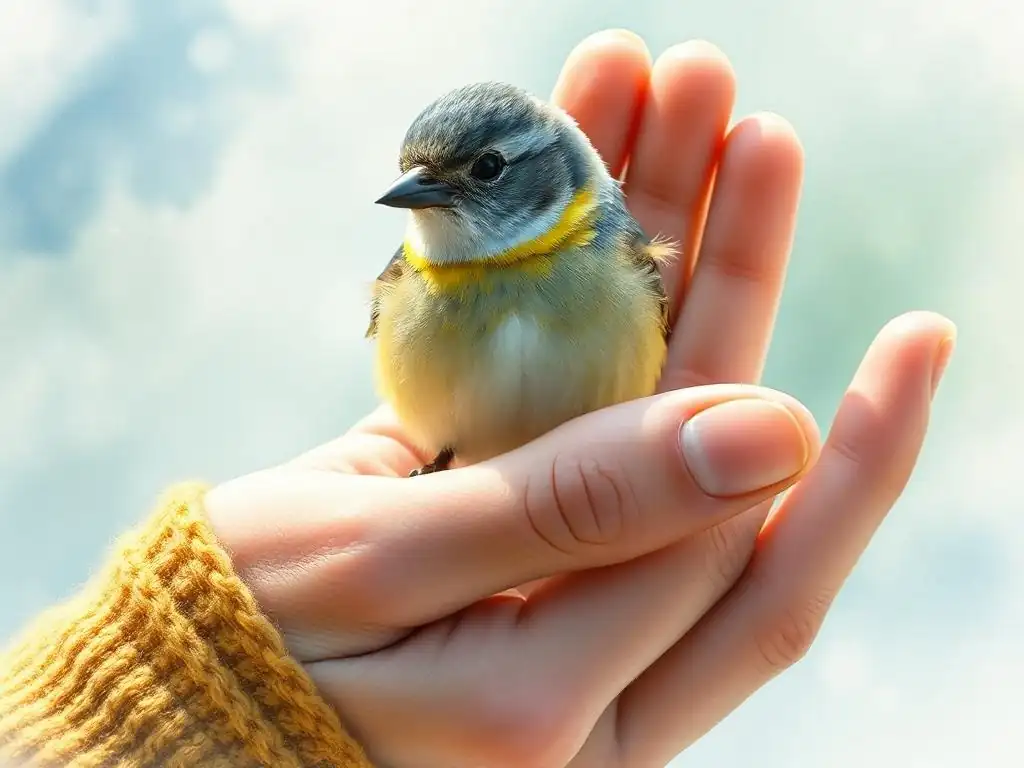
Proper handling is paramount to maintaining the health and beauty of your bird's feathers. Rough or clumsy handling can easily damage delicate feathers, leading to stress, discomfort, and even infection. Gentle and respectful interaction is key to a happy and healthy feathered friend. This section focuses on best practices for minimizing handling-related feather damage, a critical component of beginner bird feather care.
Gentle Handling Techniques to Avoid Feather Damage
Approaching your bird should always be slow and deliberate. Avoid sudden movements or loud noises that might startle them. Before attempting to handle your bird, ensure your hands are clean and free of any potentially harmful substances like lotions, perfumes, or cleaning products. These can irritate your bird's sensitive skin and feathers.
When picking up your bird, support their body weight evenly. Never grab them by their wings, legs, or tail. Instead, gently cup your hand under their breastbone, offering support to their body. Allow your bird to step onto your hand rather than forcing them. Some birds may be more comfortable perched on a finger. Observe your bird's body language; if they seem tense or fearful, postpone handling.
Remember, patience is key. Building trust with your bird takes time. Regular, gentle interactions, even without physical handling, will help your bird become more comfortable with your presence. Frequent positive interactions, such as talking softly to your bird or offering a favorite treat, will foster a bond of trust. This will make future handling sessions smoother and less stressful for both you and your bird. Consistent, gentle handling is a cornerstone of beginner bird feather care.
Preventing Feather Plucking and Destructive Behaviors
Feather plucking, a common problem in pet birds, often stems from underlying stress or boredom. Recognizing and addressing the root cause is crucial for preventing this damaging behavior. It's important to remember that feather plucking isn't just a cosmetic issue; it can lead to skin infections and other health problems.
Several factors can contribute to feather plucking. These include:
- Boredom: Birds are intelligent creatures that need mental and physical stimulation. A lack of enrichment can lead to frustration and destructive behaviors.
- Stress: Changes in environment, loud noises, or even the presence of other pets can cause stress, leading to feather plucking.
- Nutritional deficiencies: A diet lacking essential nutrients can also contribute to feather problems.
- Medical conditions: Underlying medical conditions can sometimes manifest as feather plucking.
To prevent feather plucking, ensure your bird has plenty of toys, opportunities for exercise, and a stimulating environment. Provide a variety of toys to keep them mentally engaged and prevent boredom. A balanced diet rich in essential nutrients is also crucial. Regular veterinary check-ups will help rule out any underlying medical conditions. Addressing the root cause of stress is vital for preventing feather plucking, a key aspect of beginner bird feather care tips.
Recognizing and Addressing Stress in Birds
Recognizing the signs of stress in your bird is crucial for maintaining their overall well-being and preventing feather problems. Stressed birds may exhibit various behavioral changes, including:
- Feather plucking: As mentioned earlier, this is a significant indicator of stress.
- Changes in vocalizations: Your bird may become quieter or more vocal than usual.
- Changes in eating habits: They may eat less or more than usual.
- Increased aggression or fearfulness: They may become more bitey or fearful of interaction.
- Lethargy and ruffled feathers: A lack of energy and unkempt feathers are also signs of stress.
Addressing stress involves creating a calm and enriching environment. This includes providing a safe and secure cage, minimizing noise and sudden movements, and providing plenty of opportunities for exercise and play. A consistent routine can also help reduce stress. If you suspect your bird is stressed, consult an avian veterinarian. They can help rule out any underlying medical conditions and recommend strategies for reducing stress. Understanding and managing your bird's stress is fundamental to beginner bird feather care and their overall happiness. 🐦
Advanced Bird Feather Care Techniques
This section delves into more advanced techniques for maintaining your bird's feather health, moving beyond the basics of regular cleaning and preening. Proper feather care is crucial for your bird's overall health and well-being, impacting everything from flight and thermoregulation to their immune system. Neglecting advanced care can lead to serious complications. Remember, always prioritize your bird's safety and comfort. If you are ever unsure about a procedure, consult with an avian veterinarian.
Trimming Your Bird's Claws and Beaks Safely
Regularly trimming your bird's claws and beak is a vital aspect of advanced bird feather care. Overgrown claws can hinder their mobility and cause discomfort, while an overgrown beak can interfere with eating and even lead to infections. However, improper trimming can cause serious injury. Therefore, it's crucial to understand the correct techniques.
Before you begin, gather the necessary tools: a high-quality avian nail trimmer (guillotine or scissor type), styptic powder (to stop bleeding if you accidentally cut a quick), and a soft towel to wrap your bird securely (but not too tightly!). It's advisable to practice on a less sensitive area, like a piece of hard plastic, before attempting to trim your bird's claws.
- Claws: Carefully examine your bird's claws. The quick, the pink part containing blood vessels and nerves, should be clearly visible. Trim only the clear, hard part of the claw, avoiding the quick. If you accidentally cut into the quick, apply styptic powder immediately to stop the bleeding.
- Beaks: Trimming a beak requires even more caution. The beak's structure is complex, and improper trimming can cause irreversible damage. Only trim the overgrown, sharp edges, carefully avoiding the sensitive inner parts. If unsure, consult an avian veterinarian for guidance. A veterinarian can provide professional beak trimming service and offer valuable advice on the proper technique.
Remember, patience and gentle handling are essential. If your bird becomes stressed or agitated, stop the procedure and try again later. Frequent, short trimming sessions are preferable to infrequent, longer ones. Regular monitoring is key to preventing overgrown claws and beaks. Always prioritize safety – a small mistake can have significant consequences.
Using Bird-Safe Grooming Products
Choosing the right grooming products is crucial for maintaining your bird's feather health. Not all products are bird-safe; many human shampoos and conditioners contain chemicals that can be toxic to birds. Always opt for products specifically formulated for avian use.
When selecting grooming products, look for labels clearly stating they are "bird-safe" or "avian-safe." Avoid products containing harsh chemicals, fragrances, or dyes. Natural, organic products are generally safer, but always check the ingredient list to ensure they are non-toxic to birds.
Some bird owners use specialized bird shampoos for bathing, while others prefer a simple warm water rinse. A gentle, bird-safe shampoo can be beneficial for birds with particularly oily or dirty feathers, but over-bathing can strip their feathers of essential oils, leaving them dry and brittle. Therefore, moderation is key.
Consider the following factors when choosing bird-safe grooming products:
| Feature | Description |
|---|---|
| Type | Shampoo, conditioner, spray-on detangler, or simply water |
| Ingredients | Look for natural, organic ingredients; avoid harsh chemicals, fragrances, and dyes. |
| Application | Easy to use and apply without causing stress to the bird |
| Frequency | Use sparingly; over-use can be detrimental to feather health |
Remember, a healthy diet and a clean environment contribute significantly to healthy feathers. Supplementing your bird's diet with appropriate vitamins and minerals can also promote healthy feather growth.
When to Seek Professional Avian Veterinary Care for Feather Issues
Even with diligent care, feather problems can occur. Recognizing when to seek professional help is crucial for your bird's health. Several feather issues require the expertise of an avian veterinarian.
Some signs indicating a need for professional veterinary care include:
- Feather plucking or excessive preening: This can be a symptom of underlying medical conditions, stress, or behavioral issues.
- Abnormal feather growth or shedding: Unusual feather loss, changes in feather texture, or abnormal feather growth patterns require veterinary attention.
- Feather breakage or damage: Extensive feather breakage, particularly if accompanied by other symptoms, suggests a possible health problem.
- Presence of parasites: Mites, lice, or other parasites can cause significant feather damage and should be addressed by a veterinarian.
- Changes in behavior or appetite: If your bird exhibits behavioral changes (lethargy, aggression) or appetite changes in conjunction with feather problems, immediate veterinary attention is crucial.
Don't hesitate to contact an avian veterinarian if you notice any unusual changes in your bird's feathers or behavior. Early intervention can often prevent more serious complications. Early detection and treatment are key to successful outcomes in avian feather health issues. Regular check-ups with an avian vet can also help prevent problems before they arise. 🐦
Creating a Bird-Friendly Environment for Healthy Feathers
A bird's environment significantly impacts feather health. A stimulating, clean, and safe habitat is crucial for preventing feather problems and promoting healthy plumage. Neglecting environmental factors can lead to stress, behavioral issues, and consequently, feather plucking or damage. This section will explore key aspects of creating an ideal environment for your feathered friend. Remember, proactive care is key to preventing many common feather problems in beginner bird owners.
Providing Appropriate Perches and Toys
Providing a variety of perches is essential for maintaining healthy feet and preventing feather damage. Birds naturally perch and climb, and inappropriate perches can lead to pressure sores on their feet, affecting their posture and potentially leading to feather damage around the legs and tail. Aim for a mix of textures and diameters:
- Natural Wood Perches: These are ideal, providing a good grip and natural texture. Avoid treated wood.
- Mineral Perches: These help keep beaks trimmed and offer a different tactile experience.
- Rope Perches: These add variety and can be particularly beneficial for larger birds.
Avoid using only smooth, round perches, as these provide insufficient grip and can lead to foot problems. The ideal perch diameter should vary depending on the bird's size; a perch that's too small or too large can lead to discomfort and potential feather issues.
Toys are equally important for mental and physical stimulation. Boredom can lead to feather plucking, so ensure a diverse range of toys, including:
- Foraging Toys: These encourage natural behaviors and prevent boredom.
- Chew Toys: These keep beaks trimmed and provide mental stimulation.
- Swinging Toys: These provide physical activity and entertainment.
Regularly rotate toys to keep your bird engaged and prevent them from becoming overly focused on a single item. This diversity helps prevent repetitive behaviors that might damage feathers. Remember to always supervise your bird with new toys to ensure they are safe and appropriate.
Maintaining a Clean and Hygienic Bird Cage
Maintaining a clean cage is paramount for preventing bacterial and fungal infections that can negatively impact feather condition. Regular cleaning prevents the buildup of harmful bacteria and parasites that can irritate the skin and lead to feather damage. The frequency of cleaning depends on the size of your bird and the type of cage, but a thorough cleaning at least once a week is recommended. This includes:
- Spot cleaning daily: Remove droppings and soiled food daily to maintain a hygienic environment.
- Complete cage cleaning weekly: Remove all perches, toys, and food and water dishes. Wash these thoroughly with a bird-safe disinfectant.
- Cage disinfection: Disinfect the cage itself using a bird-safe disinfectant, ensuring it's completely rinsed before replacing items. Avoid using harsh chemicals.
Regular cleaning prevents the accumulation of dust and debris that can irritate your bird's skin and feathers. Always use bird-safe cleaning products; many household cleaners are toxic to birds. Observe your bird's droppings for any changes in consistency or color, as this can indicate health problems that may affect feather condition. A healthy bird will have well-formed, solid droppings.
Preventing Parasites and External Feather Damage
Parasites like mites and lice can cause significant feather damage and skin irritation. Regularly inspect your bird for any signs of infestation, such as excessive scratching, feather loss, or unusual skin conditions. Early detection is crucial for effective treatment. Prevention is key:
- Regular inspections: Regularly check your bird's feathers for any signs of parasites.
- Quarantine new birds: Always quarantine new birds before introducing them to existing birds to prevent the spread of parasites.
- Maintain hygiene: A clean cage and environment significantly reduces the risk of parasite infestation.
If you suspect a parasite infestation, consult an avian veterinarian immediately. They can diagnose the problem and prescribe appropriate treatment. Never attempt to treat parasites yourself without professional guidance, as improper treatment can harm your bird. Remember, a healthy bird is less susceptible to parasites, emphasizing the importance of a balanced diet, clean environment, and regular veterinary checkups. Addressing these factors contributes significantly to the overall health and beauty of your bird's feathers, making your "beginner bird feather care tips" journey smoother and more successful.
Addressing Common Feather Problems: Solutions and Prevention
This section focuses on practical solutions and preventative measures for common feather problems encountered by beginner bird owners. Understanding these issues is crucial for maintaining your feathered friend's health and beautiful plumage. Remember, prompt attention to any feather abnormalities is key to preventing more serious complications. Consistent, gentle care is the cornerstone of healthy bird feather maintenance.
Dealing with Damaged or Broken Feathers
Damaged or broken feathers are a relatively common occurrence, especially with active birds. Accidents happen! However, understanding the causes and appropriate responses can minimize further damage and promote regrowth. Causes range from minor scrapes against cage bars to more serious injuries from fights or falls.
Several factors contribute to feather damage. Poorly maintained cages with sharp edges or rough surfaces can easily snag delicate feathers. Insufficient space for flight and play can lead to increased stress and accidental self-inflicted damage. Nutritional deficiencies can also impact feather quality, making them more brittle and prone to breakage.
Recognizing the Problem: Look for obvious signs of damage, such as:
- Split or frayed barbs
- Missing barbs or entire sections of the feather vane
- Broken rachis (the central shaft of the feather)
- Bleeding (in case of serious injury)
Treatment & Prevention:
- Minor Damage: For minor fraying, gently smooth the barbs together using your fingers or tweezers. This often restores the feather's appearance.
- Significant Damage: Severely damaged feathers usually require professional veterinary attention. A veterinarian can assess the extent of the damage and provide appropriate treatment.
- Preventative Measures: Regular cage cleaning, providing ample space for flight and play, and ensuring a balanced diet are crucial preventative measures. Regularly inspect your bird's cage for any sharp edges or potentially hazardous materials.
The frequency of feather damage can be a useful indicator of your bird's overall well-being. Increased instances of damaged feathers might signal underlying health issues or environmental problems that require immediate attention. Always monitor your bird closely and don't hesitate to consult an avian veterinarian if you have any concerns.
Treating Feather Infections and Parasites
Feather infections and parasites are serious concerns that can significantly impact a bird's health and feather quality. Early detection and prompt treatment are vital to prevent further complications. These issues can range from minor irritations to life-threatening conditions if left untreated.
Common Feather Parasites: Mites and lice are the most common external parasites affecting birds. They feed on skin and feathers, causing irritation, itching, and feather damage. Signs of infestation include excessive preening, feather loss, and visible parasites on the skin or feathers.
Signs of Feather Infections: Infections often manifest as discoloration, swelling, or crusting around the feather follicles. Your bird might also exhibit signs of discomfort, such as excessive preening or scratching.
Treatment: Treatment depends on the specific parasite or infection. Veterinary intervention is essential for accurate diagnosis and appropriate treatment. Medications, such as topical creams or oral antibiotics, might be prescribed to address the underlying issue. In some cases, specialized shampoos or dips may be recommended to eliminate external parasites.
Prevention: Maintaining a clean cage, providing fresh food and water, and regularly inspecting your bird for signs of parasites or infections are crucial preventative measures. Quarantining new birds before introducing them to your existing flock can help prevent the spread of infections. Regular veterinary check-ups are also recommended to detect potential problems early.
Reversing Feather Plucking Behavior: A Holistic Approach
Feather plucking, also known as psittacosis, is a complex behavioral problem that can be challenging to address. It's often a sign of underlying stress, boredom, or medical issues. A holistic approach, combining environmental enrichment, behavioral modification, and veterinary care, is often necessary for successful treatment.
Understanding the Root Cause: Several factors can contribute to feather plucking. These include:
- Stress: Changes in environment, interactions with other birds, or loud noises can trigger stress and lead to feather plucking.
- Boredom: Lack of mental stimulation and insufficient opportunities for play can lead to frustration and self-destructive behaviors.
- Medical Conditions: Underlying medical issues, such as skin allergies or hormonal imbalances, can also contribute to feather plucking.
- Nutritional Deficiencies: Inadequate nutrition can impact feather quality and contribute to plucking behavior.
Strategies for Reversal:
- Environmental Enrichment: Provide a stimulating environment with plenty of toys, perches, and opportunities for exploration. Rotate toys regularly to keep your bird engaged and prevent boredom.
- Behavioral Modification: Positive reinforcement techniques, such as rewarding desirable behaviors, can help redirect your bird's attention away from plucking.
- Veterinary Care: A veterinary examination is crucial to rule out any underlying medical conditions that might be contributing to the problem.
- Dietary Adjustments: Ensure a balanced diet that provides all the necessary nutrients for healthy feather growth.
Reversing feather plucking requires patience, consistency, and a comprehensive approach. Working closely with an avian veterinarian and a certified avian behaviorist can significantly improve the chances of success. Remember, early intervention is key to preventing the development of chronic feather plucking habits.
Resources for Further Learning and Expert Advice
This section provides valuable resources to deepen your understanding of beginner bird feather care and to address any specific concerns you may encounter. Remember, consistent and informed care is crucial for your feathered friend's health and happiness. Mastering beginner bird feather care tips is a journey, not a destination!
Recommended Books and Online Resources on Bird Feather Care
Finding reliable information on bird feather care can sometimes feel overwhelming. To help you navigate this, we've compiled a list of reputable resources that offer in-depth knowledge and practical guidance. These resources go beyond the beginner bird feather care tips and delve into more advanced techniques and troubleshooting.
- Books: Look for titles specifically focusing on avian health and grooming. Many veterinary authors publish comprehensive guides covering various aspects of bird care, including detailed sections on feather maintenance. Keywords to search for include "avian health," "parrot care," "bird grooming," and "exotic bird care." Pay attention to publication dates to ensure the information is current and reflects the latest veterinary practices.
- Online Resources: Reputable avian veterinary websites and organizations often provide excellent educational materials. These resources might include articles, FAQs, videos, and even online forums where you can connect with experienced bird owners and professionals. Always verify the credibility of online sources by checking for affiliations with recognized avian veterinary organizations or institutions. Be wary of information from unverified sources, as incorrect practices can harm your bird.
Remember to always cross-reference information from multiple sources to ensure accuracy and consistency in your approach to bird feather care. Using a combination of books and verified online resources will provide you with a well-rounded understanding of this essential aspect of bird ownership. 📚
Finding a Qualified Avian Veterinarian in Your Area
Finding a veterinarian experienced with birds is paramount for your bird's well-being. Regular check-ups are essential for early detection of any potential feather problems or underlying health issues. Avian veterinarians possess specialized knowledge and skills to diagnose and treat conditions unique to birds. Neglecting routine check-ups can lead to potentially serious complications that could have been easily prevented with early intervention.
Your avian veterinarian will be your primary resource for expert advice on all aspects of your bird's health, including feather care. They can provide personalized guidance based on your bird's species, age, and overall health status. They can also help you identify and address any problems early, preventing them from escalating into more serious conditions. Think of your avian vet as your feathered friend's primary healthcare provider. ⚕️
Finding a qualified avian veterinarian might require some research. You can start by contacting your local animal hospitals or veterinary associations. Many online directories specialize in connecting pet owners with avian specialists in their area. Don't hesitate to call several veterinarians to inquire about their experience and expertise in avian care before making a decision. Choosing the right avian vet is an important step in providing optimal care for your bird.
Joining Bird Owner Communities and Support Groups
Connecting with other bird owners offers invaluable support and learning opportunities. Sharing experiences and knowledge within a community can significantly enhance your bird care skills, particularly regarding beginner bird feather care tips. These communities often provide a supportive environment where you can ask questions, share concerns, and learn from others' experiences.
- Online Forums: Numerous online forums and social media groups cater specifically to bird owners. These platforms offer a space to connect with individuals who share your passion for birds and can offer advice and support. Remember to be discerning about the information you receive and always verify information with reputable sources.
- Local Bird Clubs: Consider joining a local bird club or association. These groups often organize meetings, workshops, and events where you can interact with experienced bird owners and learn from experts. These face-to-face interactions can be particularly helpful in learning practical techniques for bird feather care.
- Social Media Groups: Facebook groups and other social media platforms host many bird-owner communities. These can be a great place to ask questions, share photos, and engage in discussions about various aspects of bird care. However, remember to always critically evaluate the information you encounter online.
Engaging with these communities will not only help you improve your bird feather care skills but also enrich your overall bird ownership experience. The collective knowledge and support available within these networks are invaluable resources for any bird owner. 🦜
Frequently Asked Questions
What are the most important tools for basic bird feather care?
You'll primarily need soft, blunt-ended scissors for trimming overgrown feathers (only if absolutely necessary and you're comfortable doing so, otherwise consult an avian vet), a soft bristled brush, and possibly a feather duster. Avoid anything sharp or harsh.
How often should I groom my bird's feathers?
The frequency depends on your bird's species and feather type, but a gentle brushing 1-2 times a week is generally recommended. This helps remove dust, debris, and preens loose feathers.
My bird has a few broken feathers. What should I do?
Minor breaks often heal on their own. Keep the area clean and avoid touching it excessively. If it's severe, or doesn't improve, consult an avian veterinarian immediately.
What are the signs of a bird with feather problems?
Look for dull, brittle feathers, excessive preening, feather plucking, bald patches, or unusual feather growth. These can indicate underlying health issues requiring professional attention.
How can I provide a healthy environment to support my bird's feather health?
A balanced diet, clean environment, and appropriate humidity levels are crucial. Ensure adequate sunlight or a full-spectrum light source to support vitamin D production, essential for healthy feather growth.
Final Reflection: The Enduring Beauty of a Bird's Feather
The health of a bird's feathers is not merely aesthetic; it's a direct reflection of its overall well-being. A vibrant, healthy plumage speaks volumes about the care and attention a bird receives, impacting its ability to thrive and even survive. Understanding the basics of feather care is crucial for responsible bird ownership, ensuring our feathered companions live long, happy lives.
The journey into bird ownership is a deeply rewarding one, filled with the joy of connection and the wonder of observing these incredible creatures. Learning about their unique needs, like proper feather care, strengthens this bond. It's a continuous learning process, a testament to the responsibility we undertake when welcoming a bird into our homes. The care of a bird is a privilege, not a burden; it's an opportunity to witness the beauty and wonder of nature up close.
This sentiment underscores the importance of our commitment to their health and happiness.
Now, consider your own bird, or the birds you've encountered. What small act of care, inspired by this article, can you implement today? Perhaps it's a more thorough cleaning of the bird's cage, a careful examination of its feathers for any signs of damage, or simply a moment of quiet observation to appreciate the intricate beauty of its plumage. Remember, every small step contributes to a bigger picture of responsible and loving bird ownership. Let's work together to ensure the well-being of these magnificent creatures, one feather at a time.
Ready to Give Your Feathered Friend the Best Care?
Thank you for learning about bird feather care! We hope you found this information helpful in keeping your avian companion healthy and happy. Now, let's put that knowledge into practice.
Here's what you can do next:
- Prioritize regular feather inspections: Begin checking your bird's feathers daily for any signs of damage or abnormalities. Early detection is crucial for preventing more serious problems.
- Share your feather-care journey: We'd love to hear about your experiences in the comments below! What challenges have you encountered, and what solutions have you found most effective?
- Explore our other bird care resources: Discover more tips and tricks to ensure a long and healthy life for your feathered friend!
Ready to improve your bird's feather care routine? What small step will you take today to enhance your bird's well-being?