
The Power of Probiotics for Birds: Improving Gut Health Naturally

Welcome to PetCareWorld, your ultimate guide to a happier, healthier life for your beloved pets! Are you looking for ways to naturally support your feathered friend's well-being? Then discover the transformative power of probiotics and how they can revolutionize your bird's gut health. Dive into our in-depth article, "The Power of Probiotics for Birds: Improving Gut Health Naturally," and unlock the secrets to a thriving, vibrant companion. Learn about the best probiotics for bird gut health and embark on a journey towards optimal avian wellness!
- Understanding Avian Gut Health and the Role of Probiotics
- Best Probiotics for Bird Gut Health: A Comprehensive Guide
- Boosting Bird Gut Health with Natural Probiotics
- Probiotics for Specific Bird Health Concerns
- Potential Side Effects and Precautions When Using Probiotics for Birds
- Maintaining Optimal Gut Health in Birds: Beyond Probiotics
- Frequently Asked Questions
- Final Reflection: Cultivating Avian Wellness Through Gut Health
- Unlock Your Bird's Inner Glow: Boost Gut Health Today!
Understanding Avian Gut Health and the Role of Probiotics
Maintaining optimal health in our feathered friends requires a holistic approach, and a crucial element often overlooked is their gut health. Avian digestive systems are complex and delicate, playing a vital role not only in nutrient absorption but also in overall immunity. This article delves into the power of probiotics for birds, exploring how these beneficial bacteria can naturally improve gut health and contribute to a happier, healthier bird.
We will examine the signs of an unhealthy gut, the benefits of probiotic supplementation, and ultimately help you choose the best probiotics for bird gut health, empowering you to make informed decisions about your bird's well-being. Understanding the intricate relationship between gut flora and overall health is key to responsible bird ownership, and this guide will equip you with the knowledge to support your bird's digestive system effectively.
Finding the right probiotic can significantly impact your bird's quality of life, contributing to improved digestion, stronger immunity, and a brighter, more energetic companion. Let's explore the fascinating world of avian gut health and the remarkable benefits of probiotics.
The Importance of a Healthy Digestive System in Birds
A bird's digestive system is a marvel of efficiency, designed to extract maximum nutrients from a varied diet. However, this intricate system is also susceptible to imbalances. A healthy digestive tract is crucial for several reasons:
- Efficient Nutrient Absorption: A balanced gut microbiome ensures the effective breakdown and absorption of essential nutrients like vitamins, minerals, and proteins. This directly translates to energy levels, feather quality, and overall vitality. Poor digestion leads to nutrient deficiencies, manifesting in various health problems.
- Stronger Immune System: Approximately 70% of a bird's immune system resides in its gut. A diverse and thriving population of beneficial bacteria helps crowd out harmful pathogens, preventing infections and supporting a robust immune response. A compromised gut microbiome leaves birds vulnerable to illness.
- Improved Waste Elimination: A healthy gut facilitates the efficient processing and elimination of waste products. Consistent, well-formed droppings are an indicator of good digestive health. Problems with waste elimination can point to underlying digestive issues.
- Enhanced Behavior and Mood: Gut health is intrinsically linked to overall well-being. Birds with healthy digestive systems tend to be more active, playful, and exhibit better mental health. Digestive distress can lead to lethargy, irritability, and decreased appetite.
The intricate balance within a bird's gut is easily disrupted by various factors including diet changes, stress, illness, and the use of antibiotics. Maintaining this balance is crucial for a long and healthy life for your avian companion.
Identifying Signs of Poor Gut Health in Birds
Recognizing the warning signs of poor gut health is paramount for timely intervention. While some symptoms might be subtle, others are more readily apparent. Keep a close eye on your bird for these indicators:
- Changes in Droppings: This is often the first and most noticeable sign. Look for changes in consistency (watery, excessively firm), color (unusual discoloration), or frequency (more or less frequent than normal). [Specific examples of abnormal droppings pending - e.g., color charts, consistency descriptions].
- Lethargy and Weakness: A bird struggling with digestive issues might exhibit decreased activity levels, appearing lethargic and less energetic than usual.
- Loss of Appetite or Changes in Eating Habits: A sudden decrease in food intake or changes in preferred foods can signal digestive discomfort.
- Weight Loss: Unexplained weight loss is a serious concern and often indicates a problem with nutrient absorption.
- Ruffled Feathers: Birds often fluff their feathers when they are feeling unwell, including when experiencing digestive problems.
- Regurgitation: Frequent regurgitation of food can be a sign of digestive upset or a more serious underlying condition.
If you observe any of these symptoms, consult an avian veterinarian immediately. Early diagnosis and treatment are crucial for the best possible outcome. Remember, proactive monitoring of your bird's health is essential for preventing more serious problems.
How Probiotics Benefit Bird Digestion and Immunity
Probiotics, live microorganisms that provide health benefits when administered in adequate amounts, are increasingly recognized for their ability to improve avian gut health. These beneficial bacteria work in several ways:
- Restoring Microbial Balance: Probiotics help restore a healthy balance of gut flora, crowding out harmful bacteria and promoting the growth of beneficial strains. This helps prevent the overgrowth of pathogenic organisms that can cause digestive problems.
- Improving Nutrient Absorption: By enhancing the efficiency of digestion, probiotics facilitate better absorption of essential nutrients, leading to improved overall health and vitality.
- Strengthening the Immune System: Probiotics stimulate the immune system, making birds more resistant to infections and illnesses. They help regulate the immune response, reducing inflammation and promoting a healthy gut barrier.
- Reducing Inflammation: Probiotics can help reduce inflammation in the digestive tract, alleviating discomfort and promoting healing.
- Improving Feather Quality: Better nutrient absorption, thanks to improved digestion, often results in healthier, shinier feathers.
Choosing the best probiotics for bird gut health requires careful consideration. [Specific information pending: types of probiotics, dosages, and administration methods]. Always consult with an avian veterinarian before introducing any new supplements to your bird's diet. They can help you determine the appropriate type and dosage based on your bird's species, age, and health status. Remember, a healthy gut is the foundation of a healthy bird.
Best Probiotics for Bird Gut Health: A Comprehensive Guide
This section delves into the specifics of choosing and using probiotics to optimize your bird's gut health. Finding the best probiotics for your feathered friend requires careful consideration of several factors, ensuring you select a supplement that is both safe and effective. Understanding these nuances is crucial for maximizing the benefits of probiotic supplementation and supporting your bird's overall well-being. We'll explore species-specific needs, key factors in selecting a quality product, and the top probiotic strains known for their effectiveness in avian digestive systems.
Selecting the Right Probiotic for Your Bird Species
Not all probiotics are created equal, and what works wonders for one bird species might not be suitable for another. The bacterial strains present in a probiotic formula should be carefully matched to the specific gut microbiome of your bird. For example, a probiotic formulated for a large parrot might not be ideal for a smaller finch due to differences in their digestive systems and bacterial flora.
Consider these points when selecting a species-appropriate probiotic:
- Species-Specific Formulas: Look for probiotics explicitly designed for birds, ideally specifying the target species (e.g., "probiotic for parrots," "probiotic for canaries"). These formulas often contain strains known to thrive in the digestive tracts of those specific avian species.
- Gut Microbiome Research: Reputable manufacturers will often cite research supporting the efficacy of their chosen strains in avian species. Look for this scientific backing to ensure the probiotic's effectiveness.
- Consult an Avian Veterinarian: If you have concerns or uncertainties about which probiotic is best for your bird, always consult with an avian veterinarian. They can provide personalized recommendations based on your bird's species, age, health status, and any existing dietary or health conditions. They can also help determine if probiotic supplementation is even necessary for your particular bird.
Key Factors to Consider When Choosing a Probiotic Supplement
Beyond species-specific considerations, several other factors are paramount when selecting a probiotic supplement for your bird:
- Strain Specificity: The strain of bacteria, not just the species, matters significantly. For example, Lactobacillus acidophilus is a species, but there are many different strains within that species, each with varying effects. A high-quality product will clearly list the specific strains included.
- CFU Count: CFU stands for Colony-Forming Units, indicating the number of live bacteria in the product. A higher CFU count generally signifies a more potent probiotic, although the optimal CFU count will vary depending on the bird species and its size. Always check the CFU count at the time of manufacture, as the number of live bacteria can decrease over time.
- Form and Administration: Probiotics for birds come in various forms, including powders, liquids, and capsules. Powders can be easily mixed into food, while liquids might be easier to administer to picky eaters. Capsules may be suitable for larger birds. The best form depends on your bird's preferences and your ability to administer the supplement effectively.
- Ingredients: Avoid probiotics containing unnecessary fillers, artificial sweeteners, or other potentially harmful additives. Opt for products with simple, all-natural ingredients. Check for any potential allergens that could affect your bird.
- Storage and Shelf Life: Probiotics need to be stored correctly to maintain their potency. Follow the manufacturer’s instructions carefully regarding storage temperature and shelf life. Expired probiotics are far less effective.
Top Probiotic Strains for Avian Digestive Support
While many strains show promise, certain probiotic strains are frequently used and researched for their beneficial effects on avian gut health. These include:
| Strain | Potential Benefits | Notes |
|---|---|---|
| Bacillus subtilis | Improved digestion, enhanced immunity, reduced pathogen load | Often used in avian probiotics due to its resilience and effectiveness |
| Lactobacillus acidophilus | Improved gut flora balance, enhanced nutrient absorption | Different strains show varying effectiveness; check for strain specifics |
| Enterococcus faecium | Improved gut health, immune modulation | Should only be used under veterinary guidance |
| Bifidobacterium spp. | Supports gut health and immune function | Species-specific selection is crucial |
Remember, the information provided here is for educational purposes only and should not be considered veterinary advice. Always consult with an avian veterinarian before starting any new supplement regimen for your bird. They can help you determine if probiotics are appropriate for your bird's specific needs and recommend the best product for optimal gut health. 🐦
Understanding Probiotic Dosage and Administration for Birds
Administering probiotics correctly is crucial for maximizing their benefits and ensuring your bird's gut health improves. Dosage varies significantly depending on several factors, including the bird species, its size, age, and overall health. Unfortunately, there isn't a universally applicable "one-size-fits-all" dosage for avian probiotics. Always consult with an avian veterinarian before starting any probiotic regimen for your feathered friend. They can assess your bird's individual needs and recommend the appropriate probiotic product and dosage.
Many commercially available avian probiotic products provide detailed instructions on their packaging, specifying the recommended dosage based on weight or age. However, these are general guidelines, and individual needs may differ. For example, a young, growing bird may require a higher dosage than an adult bird of the same species. Similarly, a bird recovering from illness might benefit from a temporary increase in the probiotic dosage under veterinary supervision.
The method of administration also matters. Some probiotics are available in powder form, which can be easily mixed into your bird's food or water. Others come in liquid or capsule form. Liquids are often easier to administer, especially for picky eaters, while capsules might need to be carefully opened and the contents mixed with food. Never force a bird to consume medication; if your bird refuses the probiotic, consult your vet for alternative methods or formulations.
It's essential to observe your bird closely after starting a probiotic supplement. Monitor their droppings for any changes in consistency or color, and watch for any signs of digestive upset, such as lethargy, loss of appetite, or vomiting. These could indicate an adverse reaction, and you should immediately contact your avian veterinarian. Remember, consistency is key.
Probiotics work best when administered regularly, as directed by your vet, to maintain a healthy gut microbiome. Don't expect immediate results; it often takes time to see significant improvements in gut health. Patience and consistent administration are vital components of successful probiotic therapy for birds. The long-term benefits of improved digestion, enhanced immunity, and overall well-being far outweigh the effort required for proper administration.
Boosting Bird Gut Health with Natural Probiotics
The gut microbiome plays a crucial role in a bird's overall health and well-being. A balanced gut flora ensures efficient digestion, nutrient absorption, and a robust immune system, protecting against various illnesses. Introducing beneficial bacteria, through probiotics, can significantly enhance this delicate ecosystem. Finding the best probiotics for bird gut health isn't about a single magic bullet, but rather a holistic approach combining dietary choices and, in some cases, supplemental probiotics under veterinary guidance.
This section focuses on leveraging natural sources to improve your feathered friend's digestive health. Remember, always consult your avian veterinarian before making significant changes to your bird's diet or introducing supplements. Their expertise will ensure you're providing the best possible care tailored to your bird's specific needs and breed.
Incorporating Probiotic-Rich Foods into Your Bird's Diet
Integrating probiotic-rich foods into your bird's diet is a natural and effective way to support gut health. These foods provide beneficial bacteria that colonize the gut, outcompeting harmful microorganisms and improving digestion. The key is to introduce these foods gradually to avoid digestive upset. Start with small amounts and monitor your bird's reaction before increasing the quantity.
Signs of digestive distress include diarrhea, lethargy, or changes in appetite. If you observe any of these symptoms, immediately discontinue the new food and consult your veterinarian. A gradual introduction minimizes the risk of adverse reactions and allows your bird's digestive system to adapt smoothly.
Probiotic-Rich Foods for Birds
Several readily available foods can contribute to a healthy gut microbiome in birds. These are not necessarily "probiotic supplements" in the sense of commercially prepared products but are naturally rich in beneficial bacteria or prebiotics (foods that feed beneficial bacteria):
- Plain, Unsweetened Yogurt (in moderation): Provides beneficial bacteria strains like Lactobacillus and Bifidobacterium. Ensure it's plain and unsweetened to avoid added sugars that can be detrimental to bird health. Offer only small amounts as a treat.
- Kefir: Similar to yogurt, kefir is a fermented milk drink containing various probiotic strains. Again, ensure it's unsweetened and offer in very small quantities.
- Kimchi (in tiny amounts): This fermented Korean dish is rich in beneficial bacteria, but should be introduced extremely cautiously due to the high salt content and potential for other ingredients to be harmful to birds. Only a tiny amount, as a rare treat, should ever be considered.
- Certain Fruits and Vegetables: While not direct probiotics, some fruits and vegetables contain prebiotics – substances that feed the good bacteria already present in the gut. Examples include:
- Apples (with skin)
- Blueberries
- Bananas (in moderation)
- Carrots
- Broccoli (cooked and chopped)
Remember, variety is key to a balanced diet. Don't rely solely on these foods but incorporate them as part of a diverse and nutritious eating plan.
Preparing Probiotic-Enriched Food for Your Bird
Preparing probiotic-enriched food for your bird requires careful attention to hygiene and food safety. Contamination can negate the benefits and potentially introduce harmful bacteria. Here are some important considerations:
- Hygiene is Paramount: Thoroughly wash your hands, utensils, and preparation surfaces before handling any food intended for your bird. Use clean, separate cutting boards and knives to avoid cross-contamination.
- Food Safety: Choose fresh, high-quality ingredients free from pesticides and other harmful chemicals. Avoid using expired or spoiled food.
- Storage: Store prepared probiotic foods appropriately to maintain their freshness and prevent bacterial growth. Refrigerate any perishable items and use them within a reasonable timeframe.
- Introduction: Always introduce new foods gradually, monitoring your bird for any signs of digestive upset. Start with small portions and increase the amount only if your bird tolerates it well.
By following these guidelines and carefully selecting probiotic-rich foods, you can contribute to a thriving gut microbiome for your bird, supporting their overall health and well-being. Remember that maintaining a diverse and balanced diet is crucial for optimal gut health, and consistent veterinary check-ups are essential.
Probiotics for Specific Bird Health Concerns
This section delves into the targeted use of probiotics to address specific health challenges commonly encountered in avian companions. Understanding how probiotics can support your bird's well-being in various situations is crucial for responsible pet ownership. Choosing the best probiotics for bird gut health often involves considering the specific needs of your feathered friend.
Probiotics for Treating Digestive Upsets in Birds
Digestive issues, such as diarrhea, are common in birds and can be caused by a variety of factors, including dietary changes, bacterial infections, or stress. Probiotics can play a vital role in restoring gut flora balance and alleviating these symptoms. The beneficial bacteria in probiotics help to crowd out harmful bacteria, reducing inflammation and promoting healthy digestion.
Several studies have shown positive results using specific probiotic strains in treating avian digestive upsets. For instance, research suggests that strains of Lactobacillus and Bifidobacterium are particularly effective in improving gut health and reducing the duration of diarrhea in birds. The administration method can vary, with some probiotics available in powdered form to be mixed with food, while others are offered in liquid or capsule form (always following veterinary guidance on dosage and administration).
It's crucial to note that while probiotics are a valuable tool, they are not a replacement for veterinary care. If your bird is experiencing persistent or severe digestive problems, a consultation with an avian veterinarian is essential to rule out underlying medical conditions. They can help determine the root cause and recommend the most appropriate course of treatment, which may include probiotics as a supportive therapy. Remember to always follow your avian vet's instructions carefully regarding probiotic use.
Probiotics to Support Birds Recovering from Illness
Birds recovering from illness, such as infections or surgery, often experience compromised immune systems and disrupted gut flora. Probiotics can be instrumental in supporting their recovery by strengthening their immune response and restoring the balance of beneficial bacteria in their digestive tract. This is particularly important because a compromised gut can hinder nutrient absorption, impacting the overall healing process.
The selection of the best probiotics for bird gut health during recovery should be guided by veterinary advice. The veterinarian will consider the specific illness, the bird's overall health status, and potential drug interactions before recommending a probiotic supplement. Some probiotics may contain strains specifically formulated to support immune function, offering additional benefits during the recovery period.
Monitoring your bird's response to the probiotic is crucial. Observe their appetite, stool consistency, energy levels, and overall behavior. Any adverse reactions should be reported to your veterinarian immediately. Remember, patience and consistent care are vital components of successful recovery, and probiotics can play a supportive role in this process.
Probiotics to Improve Feather Quality and Overall Health
While often associated with digestive health, probiotics also indirectly influence feather quality and overall well-being. A healthy gut promotes efficient nutrient absorption, providing the building blocks necessary for healthy feather growth and maintenance. Nutrient deficiencies can manifest as dull, brittle feathers, and probiotics can play a role in preventing such deficiencies.
Furthermore, a balanced gut microbiome is linked to a robust immune system, reducing the bird's susceptibility to infections that can negatively impact feather condition. A strong immune system helps the bird fight off illnesses that can lead to feather loss or damage. Probiotics are not a miracle cure for poor feather condition, but they can be a valuable part of a holistic approach to maintaining optimal bird health, which includes a balanced diet, appropriate environmental conditions, and regular veterinary check-ups.
The proper selection of the best probiotics for bird gut health can contribute significantly to your bird's radiant plumage and overall vitality. Always consult with an avian vet before adding any supplements to your bird's diet.
A summary table highlighting key benefits:
| Probiotic Use Case | Key Benefits | Important Considerations |
|---|---|---|
| Digestive Upsets | Restores gut flora balance, reduces inflammation | Veterinary consultation for persistent issues |
| Post-Illness Recovery | Strengthens immunity, improves nutrient absorption | Vet guidance on strain selection and dosage |
| Feather Quality & Overall Health | Promotes nutrient absorption, supports immune function | Part of a holistic approach to bird health and care |
Remember, responsible pet ownership includes seeking professional veterinary advice before introducing any new supplements to your bird's diet. The information provided here is for educational purposes only and should not be considered a substitute for professional veterinary care.
Potential Side Effects and Precautions When Using Probiotics for Birds
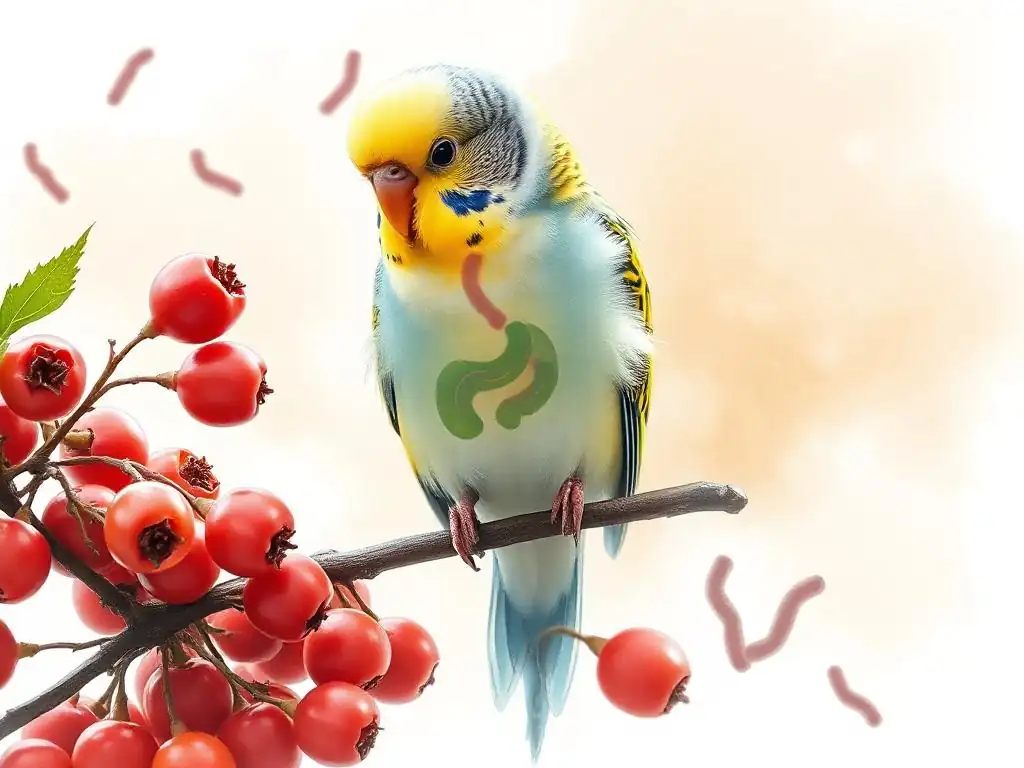
While probiotics are generally considered safe and beneficial for bird gut health, it's crucial to understand that potential side effects exist, albeit rare. Responsible probiotic use involves careful monitoring and, in some cases, veterinary consultation. Finding the best probiotics for bird gut health requires a balanced approach that considers both benefits and potential drawbacks.
Potential Side Effects of Probiotic Use in Birds
Although uncommon, some birds may experience mild gastrointestinal upset after starting a probiotic supplement. This might manifest as temporary diarrhea, increased gassiness, or changes in stool consistency. These symptoms are usually transient and resolve within a day or two as the bird's gut microbiota adjusts to the new bacteria. However, more severe reactions are extremely rare. Documented cases often involve pre-existing conditions or inappropriate probiotic strains.
It's important to note that the severity of any potential side effects can depend on several factors:
- The specific probiotic strain: Different strains of bacteria have varying effects. Some strains are better tolerated than others. Research on specific strains and their efficacy in avian species is ongoing, highlighting the need for careful product selection.
- Dosage: Administering an excessive amount of probiotics can overwhelm the bird's digestive system, potentially leading to more pronounced side effects. Always follow the recommended dosage on the product label, or as directed by an avian veterinarian.
- Underlying health conditions: Birds with pre-existing digestive issues or compromised immune systems may be more susceptible to adverse reactions. Probiotics should be used cautiously in such cases, ideally under veterinary supervision.
Consulting an Avian Veterinarian Before Using Probiotics
Before introducing any probiotic supplement to your bird's diet, especially if your bird has a history of health problems or is currently undergoing treatment, it's highly recommended to consult an avian veterinarian. They can assess your bird's individual needs, considering factors like species, age, diet, and health status. A vet can help determine the most appropriate probiotic strain, dosage, and administration method, maximizing benefits while minimizing risks.
This proactive approach is essential for ensuring the safe and effective use of probiotics for improving your bird's gut health. Remember, selecting the best probiotics for bird gut health is a personalized process.
Monitoring Your Bird's Response to Probiotic Supplements
Once you've started giving your bird probiotics, close monitoring is key. Pay close attention to changes in your bird's behavior, appetite, and droppings. Any significant changes, such as persistent diarrhea, lethargy, or a decrease in appetite, should prompt immediate consultation with your avian veterinarian. Keep detailed records of your bird's probiotic intake and any observed changes, which can be invaluable information for your vet.
This diligent monitoring allows for early detection of any adverse reactions and timely intervention, ensuring your bird's continued well-being. Early detection is crucial in effectively managing any potential side effects and maintaining the overall health benefits associated with probiotic supplementation. This careful approach will help you harness the power of probiotics to promote optimal gut health in your feathered friend.
Maintaining Optimal Gut Health in Birds: Beyond Probiotics
This section delves into crucial aspects of maintaining a healthy avian digestive system, highlighting that while probiotics play a beneficial role, they are just one piece of a larger puzzle. A holistic approach encompassing nutrition, hygiene, and preventative veterinary care is essential for achieving and sustaining optimal gut health in your feathered friend. Ignoring these foundational elements can significantly undermine the effectiveness of any probiotic supplement, no matter how high-quality. The best probiotics for bird gut health are only part of a comprehensive strategy.
Importance of Balanced Nutrition for Avian Gut Health
A balanced and species-appropriate diet forms the cornerstone of a healthy gut. Different bird species have varying nutritional requirements; a diet deficient in essential nutrients can severely compromise gut flora and overall digestive health. For example, seed-only diets, common for some bird owners, often lack sufficient vitamins, minerals, and fiber, leading to imbalances that can pave the way for digestive problems. These deficiencies can manifest as decreased nutrient absorption, weakened immunity, and increased susceptibility to bacterial or parasitic infections.
Providing a varied diet rich in fresh fruits, vegetables, and high-quality commercial pellets specifically formulated for your bird's species is crucial. For instance, a cockatoo's diet should include a higher proportion of nuts and seeds than a smaller finch's, which thrives on softer fruits and insects. Remember to always research the specific dietary needs of your bird breed to ensure you're providing the optimal balance of nutrients for thriving gut health.
A well-nourished bird is better equipped to resist infections and maintain a robust gut microbiome. Consider consulting an avian veterinarian or a certified avian nutritionist for personalized dietary recommendations tailored to your bird's age, breed, and health status. This personalized approach is key to maximizing the positive impact of probiotics.
Cleanliness and Hygiene to Prevent Digestive Issues
Maintaining a clean and sanitary environment is paramount in preventing digestive issues in birds. Contaminated food and water are major vectors for harmful bacteria and parasites that can disrupt gut health. Regular cleaning of food and water dishes, cages, and perches is non-negotiable. Using appropriate disinfectants and avoiding harsh chemicals is vital to prevent accidental ingestion by your bird.
Furthermore, proper waste management is crucial. Promptly removing droppings from the cage minimizes exposure to harmful pathogens. The frequency of cleaning depends on the size of the cage and the number of birds, but daily cleaning of food and water dishes is recommended for most birds. A thorough cage cleaning, including disinfection, should be performed at least weekly.
Consider using paper liners that can be easily replaced to simplify the cleaning process. This proactive approach to hygiene significantly reduces the risk of digestive problems and enhances the effectiveness of any probiotic supplementation strategy. A clean environment is the first line of defense against gut health challenges.
Regular Veterinary Checkups for Early Detection of Problems
Regular veterinary checkups are essential for early detection and treatment of potential digestive problems. Even with a balanced diet and meticulous hygiene, unforeseen issues can arise. Annual or biannual checkups allow for early identification of subtle changes in your bird's behavior or physical condition, such as weight loss, changes in droppings consistency, or lethargy—all potential indicators of underlying digestive problems. Early intervention significantly improves the chances of successful treatment and minimizes long-term health complications.
During these checkups, your avian veterinarian can perform physical examinations, fecal tests, and other diagnostic procedures to assess gut health and identify any potential pathogens. This proactive approach allows for prompt treatment, preventing minor digestive issues from escalating into more serious conditions. Don't underestimate the value of regular veterinary care in maintaining the overall well-being of your bird, including its digestive health. It’s a critical component of a comprehensive strategy for achieving the "best probiotics for bird gut health" and ensuring a long, healthy life for your feathered companion.
Frequently Asked Questions
What are probiotics, and why are they important for bird gut health?
Probiotics are beneficial live microorganisms that improve the balance of bacteria in a bird's gut. A healthy gut microbiome is crucial for proper digestion, nutrient absorption, and immune function, preventing illness.
How do probiotics improve my bird's digestive system?
Probiotics help restore the natural balance of gut flora, reducing the growth of harmful bacteria and promoting the growth of beneficial bacteria. This leads to improved digestion, better nutrient uptake, and a stronger immune system. Improved digestion means less digestive upset.
What are the signs of poor gut health in birds?
Signs of poor gut health include diarrhea, lethargy, weight loss, and changes in droppings. If you notice these symptoms, consult an avian veterinarian immediately. Early intervention is key.
Are all probiotics created equal? Which ones are best for birds?
No, not all probiotics are suitable for birds. Look for products specifically formulated for avian species and containing strains proven effective for gut health. Always consult your avian veterinarian before introducing any new supplement.
How do I introduce probiotics into my bird's diet?
Probiotics are often available in powder or liquid form, which can be added directly to your bird's food or water. Follow the instructions on the product label carefully, and monitor your bird for any adverse reactions. Start with a small amount and gradually increase.
Final Reflection: Cultivating Avian Wellness Through Gut Health
The health of our feathered friends is intrinsically linked to the thriving ecosystem within their gut, and understanding this connection is crucial for responsible bird ownership. A balanced gut microbiome, supported by the right probiotics, isn't just about preventing illness; it's about unlocking vibrant health, increased vitality, and a longer lifespan for our beloved birds. This knowledge, once a niche area of avian care, is rapidly becoming essential for every bird owner.
The impact of probiotic research on avian health is undeniable, shifting our understanding of preventative care from reactive treatment to proactive wellness. This journey of discovery has profoundly changed my approach to caring for my own birds, emphasizing the importance of a holistic approach that considers the intricate workings of their digestive systems. The gut is the second brain,
a phrase often used in human health, rings equally true for our avian companions. Understanding and nurturing this vital organ is key to their overall well-being.
Now, consider your own bird. What steps can you take today to improve their gut health? Are you providing a diverse and nutritious diet? Are you considering supplementing with a high-quality probiotic specifically formulated for avian species? Take the time to research and choose wisely, remembering that a healthy gut is the foundation for a happy, healthy bird. Let's work together to cultivate a brighter, healthier future for our feathered friends, one probiotic at a time.
Unlock Your Bird's Inner Glow: Boost Gut Health Today!
Discover the power of probiotics for a healthier, happier bird! Gut health is crucial for your feathered friend's overall well-being, and incorporating probiotics can make a significant difference. Let's explore how to improve your bird's digestive health.
- Choose a High-Quality Probiotic: Begin by researching and selecting a probiotic specifically formulated for birds. Look for products with a proven track record and positive reviews from other bird owners. This is the foundation for a healthier companion.
- Share Your Knowledge: Spread the word! Tell your fellow bird enthusiasts about the benefits of probiotics and share this article on your favorite social media platform to inspire others to prioritize natural bird care.
- Monitor and Adapt: Carefully observe your bird's behavior and droppings. Note any positive changes in their energy levels, feather condition, or droppings consistency. Adjust the probiotic routine as needed to optimize its effectiveness. You might be surprised by the positive effects you see!
Ready to give your bird the gift of vibrant health? Start by incorporating a high-quality avian probiotic into their daily routine and watch for positive changes.