
Parakeet Toys and Accessories: Choosing the Right Items

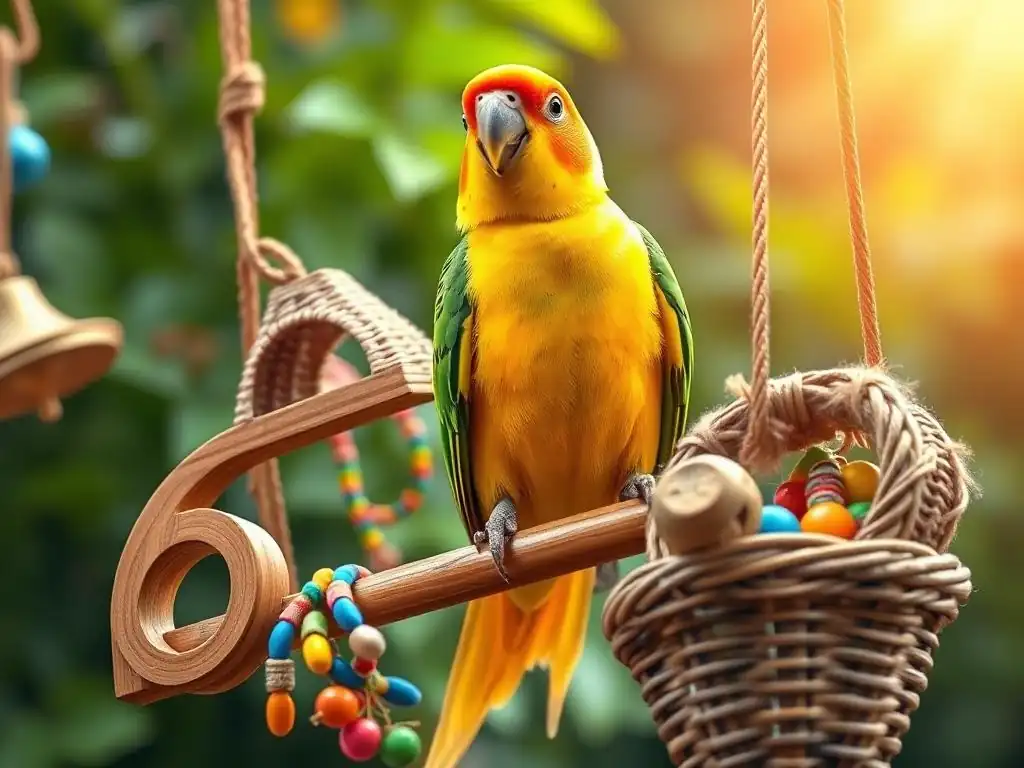
Welcome to PetCareWorld, your ultimate guide to a happier, healthier life for your beloved pets! Are you ready to transform your parakeet's cage into a vibrant paradise? Discover our expert recommendations on the best parakeet toys and accessories to enrich your feathered friend's life and keep them entertained for hours. Dive into our insightful guide and unlock the secrets to choosing the perfect playthings for your little companion – their happiness is just a click away!
- Understanding Your Parakeet's Needs: Toy Selection Criteria
- Essential Parakeet Accessories for a Happy and Healthy Bird
- Best Parakeet Toys and Accessories: Brands and Recommendations
- Enriching Your Parakeet's Environment: Beyond the Basics
- Maintaining Your Parakeet's Toys and Accessories: Cleaning and Replacement
- Frequently Asked Questions
- Final Reflection: Enriching the Lives of Our Feathered Friends
- Unleash Your Parakeet's Inner Explorer!
Understanding Your Parakeet's Needs: Toy Selection Criteria
Choosing the right toys and accessories for your parakeet is crucial for their physical and mental well-being. A stimulating environment prevents boredom, encourages natural behaviors, and contributes significantly to a happy and healthy bird. This guide will help you navigate the world of parakeet toys, focusing on selecting items that promote both physical activity and mental stimulation. We'll explore the best types of parakeet toys, emphasizing safety and durability to ensure your feathered friend enjoys their playtime without risk.
Finding the best parakeet toys and accessories isn't just about providing entertainment; it's about enriching their lives and preventing behavioral problems often associated with boredom and lack of stimulation. This comprehensive guide will cover everything from puzzle toys to climbing structures, helping you create a stimulating and safe environment for your beloved parakeet. Remember, a happy parakeet is an active parakeet! 🦜
Best Parakeet Toys for Mental Stimulation: Puzzles and Foraging Toys
Mental stimulation is just as important as physical activity for your parakeet. Boredom can lead to feather plucking, aggression, and other behavioral issues. Puzzles and foraging toys challenge your bird's intelligence, keeping them engaged and entertained for extended periods. These toys encourage natural foraging instincts, mimicking the activities they'd undertake in the wild. Examples include:
- Food-based puzzles: These toys require your parakeet to work for their treats, encouraging problem-solving skills. Look for toys with compartments that dispense seeds or small pieces of fruit. The level of difficulty should be adjusted to your bird's abilities, gradually increasing the challenge as they master easier puzzles.
- Foraging toys: These toys are designed to mimic natural foraging environments. They might include small bells, wooden blocks, or other items that your parakeet can manipulate to find hidden treats. Variety is key here; rotate toys regularly to prevent boredom.
- Interactive toys: Toys that involve interaction with you, such as small balls or rings that you can toss gently, can also provide mental stimulation and strengthen the bond between you and your bird. Remember to supervise playtime to ensure safe interaction.
The key is to provide a variety of puzzle and foraging toys, rotating them regularly to prevent your parakeet from becoming bored with a single item. Observe your bird's interaction with the toys to determine their preferences and adjust accordingly. This ensures that the toys remain challenging and engaging.
Best Parakeet Toys for Physical Exercise: Climbing Toys and Swing Sets
Parakeets are naturally active birds and require ample opportunities for physical exercise. Climbing toys and swing sets provide essential physical stimulation, strengthening their muscles and preventing obesity. These toys should be sturdy and safe, capable of supporting your parakeet's weight.
- Climbing toys: These toys offer various textures and levels for your parakeet to explore and climb upon. Look for toys made from natural materials like wood or rope, avoiding anything that might be toxic or easily breakable. Consider structures with different levels and platforms, mimicking the branches of a tree.
- Swing sets: Swing sets provide a fun and engaging way for your parakeet to exercise. Ensure the swing is securely attached and made of durable materials. Observe your bird's use of the swing; if they seem uncomfortable or struggle to use it, consider replacing it with a different design.
- Ladders and ropes: Ladders and ropes provide additional climbing opportunities and encourage your parakeet to explore their environment. Make sure they are securely fastened to prevent accidents.
Providing a variety of climbing and swinging opportunities will keep your parakeet active and engaged. Remember to monitor your bird's activity levels and adjust the toys accordingly to maintain their interest and promote overall fitness.
Safe Parakeet Toys: Materials and Construction to Consider
Safety is paramount when choosing toys for your parakeet. Avoid toys made from toxic materials, such as lead-based paints or small, easily swallowed parts. Always supervise your bird during playtime to ensure they are not ingesting any harmful materials.
- Materials: Opt for toys made from natural, non-toxic materials such as wood, cotton rope, and stainless steel. Avoid plastic toys, especially those that might contain BPA or phthalates. Always check the manufacturer's information for details on materials and safety.
- Construction: Toys should be sturdy and well-constructed to withstand your parakeet's playful antics. Avoid toys with small parts that could be easily broken off and swallowed. Regularly inspect toys for damage and replace any that show signs of wear and tear.
- Size: Ensure the toys are appropriately sized for your parakeet. Toys that are too small pose a choking hazard, while those that are too large may be difficult for your bird to manipulate.
By carefully considering the materials and construction of your parakeet's toys, you can ensure a safe and enriching play environment. Remember that regular inspection and timely replacement are crucial for maintaining safety. Prioritizing safety will guarantee your parakeet's enjoyment and well-being.
Choosing the Right Size and Type of Parakeet Toys
Selecting appropriately sized and designed toys is crucial for your parakeet's safety and enjoyment. Parakeets, being relatively small birds, can easily become entangled or injured by toys that are too large or have small, detachable parts they could swallow. Always prioritize toys specifically marketed for parakeets or small birds. Avoid toys with small bells, beads, or other components that could pose a choking hazard.
Inspect toys regularly for any signs of wear and tear; replace any damaged toys immediately to prevent accidents. A good rule of thumb is to choose toys that are roughly the size of your parakeet's head or slightly smaller. This prevents them from getting stuck or becoming overly stressed trying to maneuver larger items.
Consider the different types of toys available to cater to your parakeet's diverse needs. Foraging toys, such as puzzle feeders or treat balls, encourage natural foraging behaviors and provide mental stimulation. These toys are excellent for preventing boredom and keeping your parakeet actively engaged. Swinging toys, ladders, and bells offer physical activity and opportunities for climbing and exploration.
Chew toys, made from safe, durable materials like wood or natural fibers, help to satisfy your parakeet's natural instinct to chew, keeping their beaks trimmed and preventing destructive chewing on furniture or other household items. Remember, variety is key! Offering a range of toy types ensures your parakeet remains stimulated and entertained. A diverse selection prevents boredom and promotes a happy, healthy bird.
Rotating toys regularly also adds novelty and keeps your parakeet interested. Consider having a few toys available at all times, with a few extras stored away for rotation. This simple change can have a big impact on your parakeet's mental well-being.
Remember to consider the materials used in the construction of the toys. Opt for non-toxic, durable materials that can withstand your parakeet's enthusiastic play. Avoid toys made from painted wood or materials that could easily break into small pieces. Always check the manufacturer's recommendations and ensure the toys are specifically designed for birds.
Natural wood toys, for example, are generally a safe and enjoyable option, offering opportunities for chewing and exploring. Rope toys, provided they are strong and free of loose fibers, offer another good choice for chewing and climbing. However, always supervise your parakeet's playtime to ensure their safety and identify any potential hazards early on.
Regular inspection is vital to maintain a safe and enriching environment for your feathered friend. A proactive approach to toy selection and maintenance will contribute significantly to your parakeet's overall health and happiness. Providing a stimulating environment is essential for a thriving parakeet, making toy selection a critical aspect of responsible pet ownership.
Essential Parakeet Accessories for a Happy and Healthy Bird
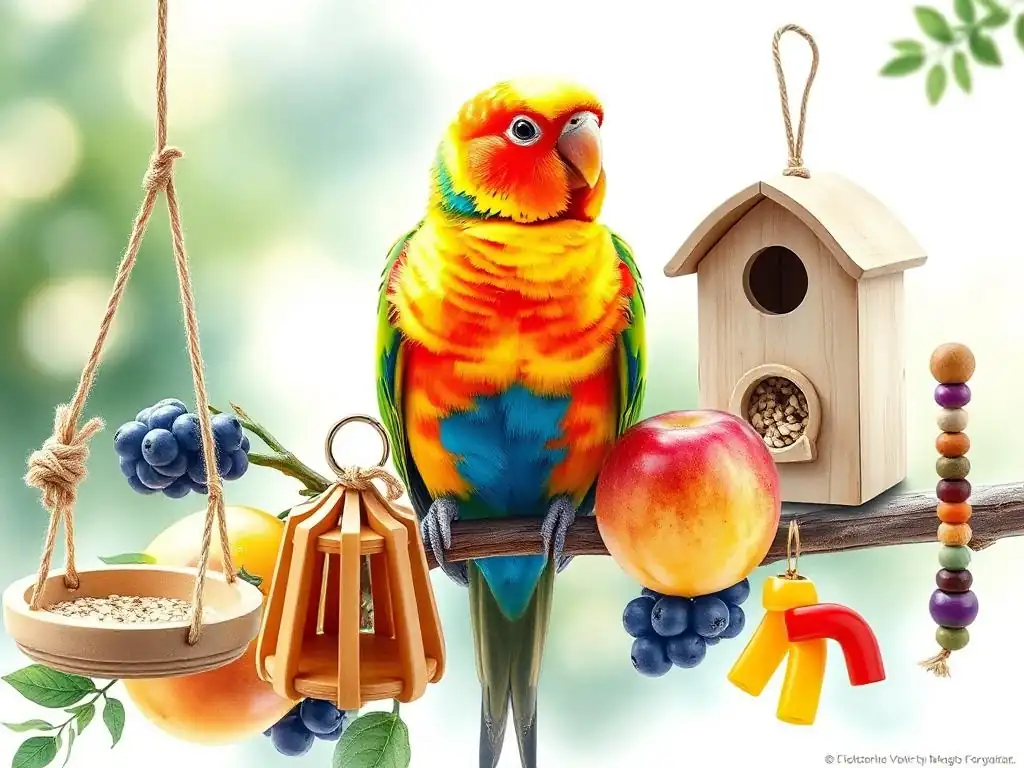
This section focuses on the fundamental accessories needed to ensure your parakeet thrives. Choosing the right items is crucial for your feathered friend's physical and mental well-being. Providing a stimulating and safe environment is key to preventing boredom and promoting a long, happy life for your parakeet. Remember, a happy parakeet is a healthy parakeet! This section will cover essential accessories, focusing on those that contribute most to your parakeet's overall health and happiness. We'll explore the best options for cages, food and water dishes, and perches, all vital components of a thriving parakeet's environment.
High-Quality Parakeet Cages and Habitats
Selecting the appropriate cage is paramount. A cramped cage leads to stress, impacting your parakeet's health and behavior negatively. Aim for a cage that's spacious enough to allow your parakeet to comfortably spread its wings, climb, and play without feeling restricted. Consider the following factors when choosing a cage:
- Size: Larger is generally better. A minimum cage size of 18" x 18" x 24" is recommended for a single parakeet, but bigger is always better! Multiple parakeets require significantly larger cages.
- Spacing: Ensure the bar spacing is narrow enough (less than ½ inch) to prevent your parakeet from escaping or getting its head stuck.
- Material: Stainless steel or powder-coated wire are durable and easy to clean. Avoid cages made of materials that can be easily chewed and damaged.
- Features: Look for cages with multiple perches, food and water dishes, and toys. Consider cages with pull-out trays for easy cleaning.
Remember, a well-designed cage is more than just a place to sleep; it's the foundation of your parakeet's safe and comfortable environment. Investing in a high-quality cage is a significant step towards ensuring your parakeet's happiness and well-being. Providing ample space for flight and exploration is crucial for their physical and mental health. Consider adding climbing toys and branches to further enhance the cage's appeal.
Parakeet Food and Water Dishes: Types and Considerations
The type of food and water dishes you choose can significantly impact your parakeet's eating and drinking habits. While seemingly minor, these seemingly small details contribute to a comfortable and hygienic environment. Here's what to consider:
- Material: Stainless steel or ceramic are the best options as they are easy to clean and durable. Avoid plastic, which can be easily chewed and may harbor bacteria.
- Size and Shape: Choose dishes that are appropriately sized for your parakeet. Shallow dishes are generally preferred for food, while deeper dishes might be better for water. Consider the shape; some parakeets prefer certain shapes over others.
- Placement: Place food and water dishes in easily accessible locations within the cage, away from droppings and toys.
- Multiple Dishes: Providing multiple dishes allows for easier cleaning and reduces competition between multiple birds, if applicable.
Regular cleaning of food and water dishes is crucial to prevent the buildup of bacteria and ensure your parakeet's health. Aim to clean and refill them daily. Providing fresh, clean water is essential for hydration and overall well-being.
Perches for Parakeets: Size, Material, and Placement
Perches are essential for your parakeet's comfort and foot health. Providing a variety of perches with different diameters and materials encourages natural foot exercises, preventing foot problems. Consider these factors when selecting perches:
- Size and Diameter: Offer a variety of perch sizes and diameters. This helps strengthen their feet and prevents bumblefoot.
- Material: Natural wood perches are best, offering a more natural feel and texture. Avoid smooth, slippery materials. Consider branches from safe, untreated trees.
- Placement: Place perches at different heights and locations within the cage to allow your parakeet to move around freely and comfortably. Avoid placing perches directly above food and water dishes.
- Number of Perches: Multiple perches are essential; ideally, aim for at least three perches of different sizes and materials.
Providing a variety of perches is not just about comfort; it’s a crucial aspect of maintaining your parakeet’s foot health and preventing potential problems. The diversity in size and texture helps stimulate their feet and keeps them strong and healthy. Regularly check the perches for wear and tear and replace them as needed. A well-equipped cage with diverse perches contributes to a happier and healthier parakeet.
Parakeet Bedding and Cage Liners: Maintaining Hygiene
Maintaining a clean cage is crucial for your parakeet's health and well-being. Parakeet bedding and cage liners play a significant role in this process. Choosing the right materials is essential to prevent bacterial growth and ensure your feathered friend's comfort. Avoid using cedar or pine shavings, as the oils in these woods can be harmful to your parakeet's respiratory system. Instead, opt for paper-based bedding, such as recycled paper pellets or shredded paper. These are absorbent, readily available, and relatively inexpensive. They also decompose easily, making cleanup less troublesome.
Another excellent option is natural fiber liners, such as hemp or sisal. These are durable, absorbent, and provide a more textured surface for your parakeet to interact with, stimulating natural foraging behaviors. However, they are typically more expensive than paper-based alternatives. Remember to change the bedding frequently, ideally every 2-3 days, or more often if necessary, depending on the level of soiling.
A soiled cage can quickly become a breeding ground for bacteria and parasites, potentially leading to illness in your pet. Regular cleaning is a key component of responsible parakeet ownership and contributes significantly to their overall health. Furthermore, consider using cage liners that are easy to remove and replace, simplifying the cleaning process and minimizing disruption to your parakeet.
This will make routine cage maintenance far less stressful for both you and your bird. The frequency of cleaning also depends on your parakeet's habits and the type of bedding you use; always prioritize your bird's health and comfort when deciding on a cleaning schedule. Finally, always thoroughly wash your hands before and after handling your parakeet and its cage to maintain proper hygiene standards and prevent the spread of germs.
Best Parakeet Toys and Accessories: Brands and Recommendations
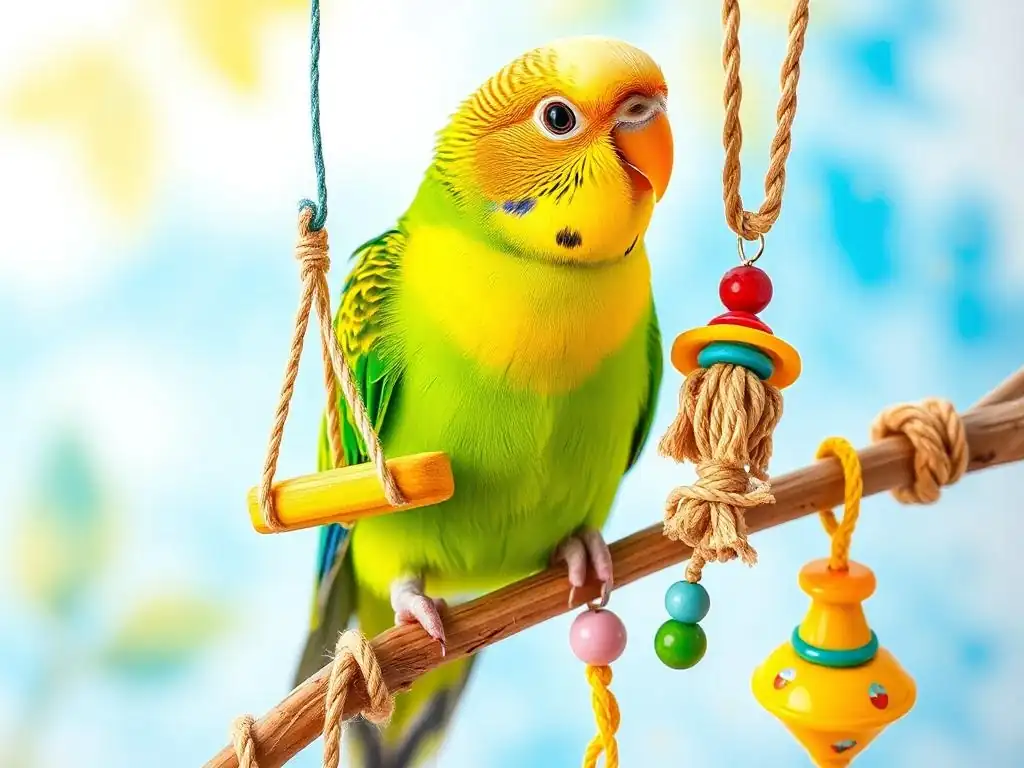
This section dives into the world of parakeet toys and accessories, offering recommendations based on quality, safety, and engagement. Choosing the right toys is crucial for your parakeet's physical and mental well-being. A stimulating environment prevents boredom and encourages natural behaviors, leading to a happier, healthier bird. Let's explore some top choices to enhance your feathered friend's life.
Top-Rated Parakeet Toy Brands: A Review
Selecting high-quality parakeet toys is paramount. Cheap, poorly made toys can pose safety hazards, such as small parts that could be ingested, or materials that may be toxic. Here's a review of some top-rated brands known for their safety and durability:
- Brand A: Known for its innovative designs and use of natural, non-toxic materials. Their toys often incorporate foraging elements, encouraging natural behaviors. Many owners praise their durability, reporting that the toys withstand considerable chewing and play. Price point is generally mid-range.
- Brand B: A budget-friendly option that still prioritizes safety. They offer a wide variety of toys, from simple bells and swings to more complex puzzles. While not as durable as Brand A, they provide good value for the price and are frequently replaced due to wear and tear.
- Brand C: This brand focuses on natural wood toys and foraging activities. Their toys are generally more expensive but are known for their longevity and contribution to a parakeet's natural instincts. Many owners appreciate the lack of plastic and the emphasis on sustainable materials.
| Brand | Price Range | Material Focus | Durability Rating | Safety Features |
|---|---|---|---|---|
| Brand A | Mid-Range | Natural, Non-Toxic | ⭐⭐⭐⭐⭐ | Thoroughly inspected |
| Brand B | Budget-Friendly | Variety, Some Plastic | ⭐⭐⭐ | Meets safety standards |
| Brand C | High-End | Natural Wood | ⭐⭐⭐⭐ | Natural Materials |
Choosing a brand depends on your budget and your parakeet's preferences. Observe your bird's interaction with different toys to determine what they enjoy most. Remember to always supervise playtime and regularly inspect toys for damage.
Where to Buy Parakeet Toys and Accessories Online and In-Store
Finding the perfect toys and accessories for your parakeet is easier than ever, with numerous options available both online and in physical stores.
Online retailers offer a vast selection, often with detailed product descriptions and customer reviews. This allows you to compare prices and features before making a purchase. However, it's essential to check the seller's reputation and ensure secure payment methods.
Local pet stores offer the advantage of seeing and touching the products before buying. You can also ask staff for recommendations based on your parakeet's age, breed, and personality. The downside is often a more limited selection compared to online retailers.
Consider these factors when choosing where to buy:
- Selection: Online stores generally have a wider selection.
- Price: Compare prices across different platforms.
- Shipping costs: Factor in shipping costs when buying online.
- Customer service: Check the retailer's return policy.
- Convenience: Local stores offer immediate access to products.
Budget-Friendly Parakeet Toys and Accessories
Providing a stimulating environment for your parakeet doesn't require breaking the bank. Many affordable options can keep your bird entertained and engaged.
- DIY Toys: Get creative and make your own toys using safe materials like untreated wood, cardboard tubes, and natural fibers. Supervision is key to ensure safety. This is a great way to personalize your parakeet's play area.
- Repurposed Items: Household items can be transformed into engaging toys. For example, a clean, empty toilet paper roll can become a foraging toy.
- Natural Branches: Offer branches from safe, untreated trees for chewing and climbing. Always thoroughly wash and inspect them before giving them to your bird.
Remember, even simple toys can be incredibly enriching for your parakeet. Prioritize safety and always supervise your bird during playtime. Regularly rotate toys to keep things fresh and exciting. A happy parakeet is a healthy parakeet! 🦜
Enriching Your Parakeet's Environment: Beyond the Basics
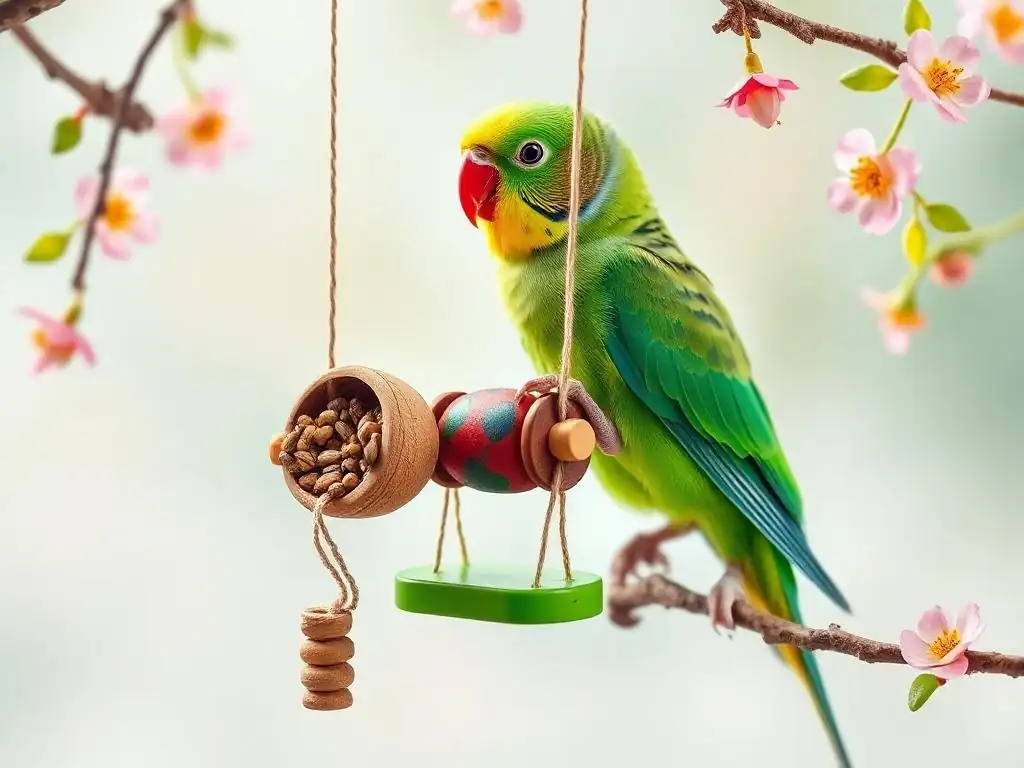
Finding the best parakeet toys and accessories isn't just about providing entertainment; it's about enriching your feathered friend's life and promoting their physical and mental well-being. A stimulating environment prevents boredom, reduces stress, and encourages natural behaviors like foraging, climbing, and chewing. Neglecting this crucial aspect of parakeet care can lead to behavioral problems such as feather plucking, excessive vocalization, or lethargy.
Providing a diverse range of toys and accessories is essential for a happy and healthy parakeet. Remember, a parakeet's cage is their entire world, so making it engaging is paramount. Consider the size of your parakeet's cage when selecting toys; overcrowding can negate the positive effects.
DIY Parakeet Toys: Simple and Safe Projects
Creating your own parakeet toys is a rewarding and cost-effective way to ensure your bird has a constantly rotating selection of stimulating items. Remember safety is key! Avoid using materials that could be toxic if ingested, such as treated wood, or materials that could easily unravel and create choking hazards. Natural materials are ideal.
Here are a few simple DIY project ideas:
- Toilet Paper Roll Toys: Simply stuff a toilet paper roll with safe, crinkly paper, shredded newspaper (ensure no ink is present! ), or small pieces of soft cloth. Secure the ends with a little bit of non-toxic glue or even a small piece of natural twine. Your parakeet will love exploring and shredding it.
- Wooden Blocks and Beads: Unscented, untreated wooden blocks and large beads (ensure they are too large to be swallowed) can be strung together with natural twine or strong, untreated cotton string to create a fun chewing and climbing toy. Supervise your bird initially to ensure they don't try to ingest the string.
- Paper Chain Surprise: Create a simple paper chain using colorful, non-toxic paper. Hang it in the cage, allowing your parakeet to explore and shred the paper. You can even add small, lightweight, safe treats inside the links for added excitement!
Remember to always supervise your parakeet when introducing new toys and promptly remove any damaged or potentially hazardous pieces. Regularly inspect all toys for wear and tear.
Creating a Stimulating Parakeet Play Area
Beyond individual toys, consider creating a stimulating play area within your parakeet's cage. This involves strategically placing toys at different heights and locations to encourage exploration and climbing. Think about creating vertical space with perches at varying heights and angles.
Here are some tips for maximizing play area stimulation:
- Variety of Perches: Offer a variety of perches—different shapes, sizes, and textures—to provide varied foot exercises and prevent foot problems. Natural wood perches are often preferred.
- Climbing Structures: Incorporate branches or small, safe wooden structures that allow your parakeet to climb and explore. Ensure they are securely fastened to prevent accidents.
- Foraging Opportunities: Hide small treats within toys or create foraging puzzles to encourage natural foraging behaviors. This mental stimulation is crucial for a happy parakeet.
- Visual Stimulation: Include brightly colored toys and mirrors (used sparingly to avoid overstimulation and potential aggression). Rotate these elements regularly to maintain interest.
By creating a well-designed play area, you can significantly enhance your parakeet’s quality of life. A happy parakeet is an active parakeet!
Rotating Toys and Accessories to Prevent Boredom
Just like humans, parakeets can get bored with the same old toys. Rotating toys regularly is vital to keep your parakeet engaged and prevent behavioral problems associated with boredom. Aim to rotate at least 25% of the toys every week. This means storing some toys away and bringing out fresh ones.
Here's a practical approach to toy rotation:
| Day of the Week | Action | Number of Toys Rotated |
|---|---|---|
| Monday | Remove 2 old toys, add 2 new toys | 2 |
| Thursday | Remove 2 different old toys, add 2 new toys | 2 |
| Sunday | Full cage cleaning and toy inspection | All |
This system ensures a constant supply of novel stimulation. Store away the removed toys in a clean, dry place, free from dust and pests. This allows you to reintroduce them later, giving your parakeet the feeling of discovering something new again. This simple strategy significantly contributes to your parakeet's overall happiness and well-being, ultimately contributing to a stronger bond between you and your feathered companion. Remember, a stimulated parakeet is a healthy parakeet! 🐦
Maintaining Your Parakeet's Toys and Accessories: Cleaning and Replacement
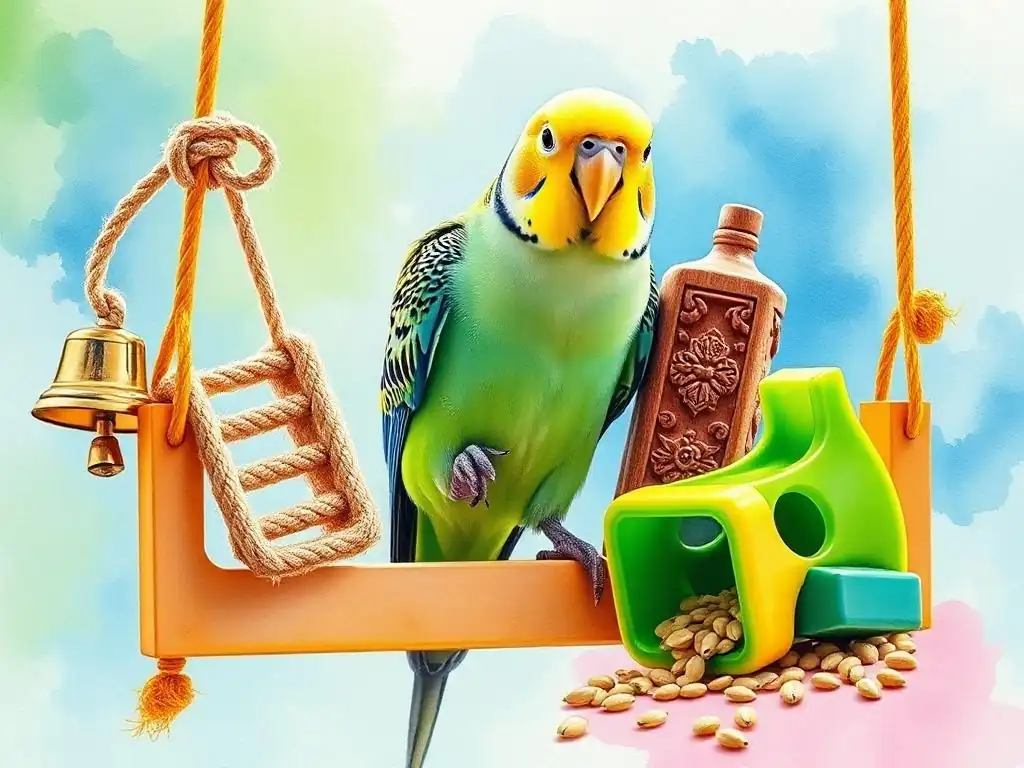
Maintaining a hygienic and stimulating environment for your parakeet is crucial for their health and happiness. This involves more than just providing fresh food and water; it also includes regularly cleaning and replacing their toys and accessories. Neglecting this aspect can lead to the spread of bacteria, the accumulation of harmful substances, and a decrease in the overall enrichment your parakeet receives from their playthings. Choosing the best parakeet toys and accessories also means understanding how to properly care for them.
Regular Cleaning of Parakeet Toys and Accessories
Regular cleaning of your parakeet's toys and accessories is essential to prevent the buildup of bacteria and maintain a healthy environment. How often you clean depends on the type of toy and how frequently your parakeet interacts with it. Wooden toys, for example, may require more frequent cleaning than plastic ones due to their porous nature.
Ideally, you should aim to clean your parakeet's toys at least once a week. This involves a thorough cleaning process:
- Step 1: Removal: Carefully remove all toys and accessories from the cage.
- Step 2: Pre-soak (Optional): For heavily soiled toys, pre-soaking in warm, soapy water can help loosen dirt and debris.
- Step 3: Washing: Wash the toys thoroughly using a pet-safe detergent and warm water. Scrub gently to remove any stuck-on food or droppings. Rinse thoroughly to remove all traces of soap.
- Step 4: Drying: Allow the toys to air dry completely before returning them to the cage. Avoid using a machine dryer as the high heat can damage some materials.
- Step 5: Cage Cleaning: While the toys are drying, thoroughly clean the cage itself, ensuring all surfaces are free from droppings and debris. This integrated approach ensures a consistently clean environment.
Remember to always supervise your parakeet during playtime to ensure they are not ingesting any harmful substances. A clean and stimulating environment contributes significantly to a happy and healthy parakeet. This is a key aspect of choosing the best parakeet toys and accessories for your feathered friend.
Recognizing When to Replace Worn-Out Parakeet Toys
Even with regular cleaning, parakeet toys will eventually wear out. Recognizing when a toy needs replacing is crucial for your bird's safety. Signs that a toy needs to be replaced include:
- Significant Damage: Look for cracks, splinters, broken pieces, or frayed materials. These can pose a choking hazard or cause injury to your parakeet.
- Excessive Wear: If a toy is significantly worn down, even without visible damage, it may no longer provide sufficient stimulation or be structurally sound.
- Loss of Interest: If your parakeet consistently ignores a particular toy, it might be time to replace it with something new and exciting. Parakeets, like all pets, appreciate novelty and variety in their toys.
- Material Degradation: Some materials degrade over time, even with proper care. Look for signs of discoloration, brittleness, or unusual smells.
Replacing worn-out toys not only ensures your parakeet's safety but also maintains their interest and engagement. A rotating selection of toys helps prevent boredom and promotes a healthy, active lifestyle. This is an important consideration when thinking about the best parakeet toys and accessories to provide.
Safe Cleaning Products for Parakeet Toys and Accessories
Using the wrong cleaning products can be harmful to your parakeet. Always choose pet-safe, non-toxic options. Avoid harsh chemicals, bleaches, and strong disinfectants. These can leave behind residues that are potentially dangerous if ingested by your bird.
Here are some safe cleaning options:
| Cleaning Product | Effectiveness | Safety Rating | Notes |
|---|---|---|---|
| Warm Water & Soap | Moderate | Excellent | Use a mild, pet-safe dish soap. Rinse thoroughly. |
| White Vinegar (diluted) | Moderate to Good | Good | Dilute with water (1:1 ratio). Rinse thoroughly. Avoid prolonged exposure. |
| Pet-Safe Disinfectant | Good to Excellent | Good | Always follow the manufacturer's instructions carefully. |
Remember to always rinse toys thoroughly after cleaning to remove any residue. Thorough rinsing is crucial to ensure your parakeet’s safety. Choosing the right cleaning products is a vital aspect of maintaining the best parakeet toys and accessories. 🐦
Frequently Asked Questions
What types of toys are best for parakeets?
Parakeets enjoy a variety of toys, including chewing toys (wood, cardboard), foraging toys (puzzle feeders), swinging toys, and bells or mirrors. Offer a mix to keep them stimulated.
How often should I replace my parakeet's toys?
Replace toys every few months, or sooner if they become damaged or excessively soiled. Regular replacement prevents boredom and ensures safety.
What are some essential parakeet accessories?
Essential accessories include a high-quality cage, food and water bowls, perches of varying sizes and textures, and a cuttlebone for beak maintenance.
Are there any toys I should avoid giving my parakeet?
Avoid toys made of toxic materials like lead paint or small parts that could be swallowed. Never give your parakeet toys intended for other animals.
Where can I find the best parakeet toys and accessories?
PetCareWorld recommends checking reputable pet stores, both online and brick-and-mortar, for a wide selection of safe and engaging parakeet toys and accessories. Look for reviews and recommendations before purchasing.
Final Reflection: Enriching the Lives of Our Feathered Friends
The choices we make regarding our parakeets' enrichment directly impact their well-being and happiness. A seemingly simple decision—selecting the right toys and accessories—can profoundly affect the quality of life for these intelligent and sensitive creatures. Ignoring this responsibility risks compromising their physical and mental health, leading to boredom, stress, and even illness.
The impact of providing stimulating environments for parakeets extends beyond the individual bird. It fosters a deeper connection between pet and owner, enriching the human-animal bond in ways we often underestimate. This connection transcends mere companionship; it's a shared experience built on mutual respect and understanding. The bond with a pet is one of the purest and most fulfilling relationships a human can have.
This quote, while not specifically about parakeets, speaks to the profound impact of responsible pet ownership and the joy it brings.
So, as you consider the information presented in this article, I urge you to take a moment to reflect on your own parakeet's environment. Are you providing sufficient opportunities for exploration, play, and mental stimulation? Are you actively engaging with your bird, fostering a strong bond built on trust and understanding? Take the time to make informed choices, selecting toys and accessories that cater to your parakeet's unique needs and personality. By doing so, you'll not only enhance their lives but also deepen your own connection with these remarkable creatures, creating a lasting legacy of care and companionship.
Unleash Your Parakeet's Inner Explorer!
Thank you for exploring the world of parakeet enrichment! We hope you feel confident in selecting toys and accessories that will keep your feathered friend happy and stimulated. Ready to put your new knowledge into practice?
- Create a rotating toy collection: Develop a weekly schedule to introduce new toys and maintain your parakeet's engagement. This prevents boredom and encourages exploration!
- Share your parakeet's favorite discoveries: Post a picture of your parakeet enjoying its new toy on social media using #PetCareWorldParakeets – let's build a community of happy birds!
- Seek out unique and stimulating toys: Don't limit yourself to the usual options! Explore unusual items that can be safely repurposed for your parakeet's playtime.
What exciting new toys will you introduce to your parakeet this week?