
Bored Bird? Discover Easy DIY Toys for Mental Stimulation

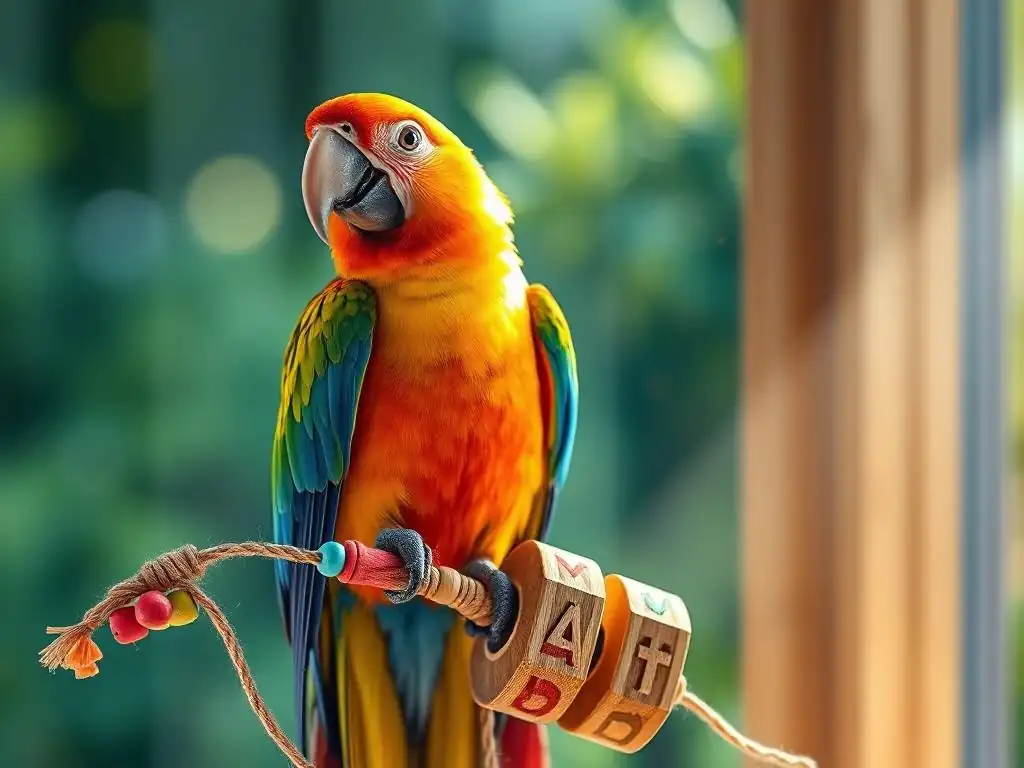
Welcome to PetCareWorld, your ultimate guide to a happier, healthier life for your beloved pets! Are you looking for ways to keep your feathered friend entertained and engaged? Then you've come to the right place. Discover the secrets to combating boredom with our expert guide on DIY bird toys for boredom relief, and unlock a world of enriching activities for your avian companion. Learn how simple, inexpensive materials can transform into stimulating playthings that will keep your bird mentally and physically active. Let's dive in and explore the creative solutions that await!
- Understanding Your Bird's Boredom: Signs and Solutions
- Easy DIY Bird Toys for Boredom Relief: A Step-by-Step Guide
- Advanced DIY Bird Toys for Experienced Crafters
- Safety First: Essential Considerations for DIY Bird Toys
- Enhancing Your Bird's Environment Beyond Toys
- Frequently Asked Questions
- Final Reflection: Enriching Avian Lives, One Toy at a Time
- Unleash Your Bird's Inner Genius: Craft a Fun, Enriching Life!
Understanding Your Bird's Boredom: Signs and Solutions
Is your feathered friend exhibiting unusual behaviors? Are they plucking their feathers excessively, engaging in repetitive actions, or simply seeming lethargic and listless? These could be tell-tale signs of boredom, a surprisingly common problem among pet birds. A bored bird is an unhappy bird, and addressing this issue is crucial for their physical and mental well-being. This article will guide you through recognizing the signs of boredom in your avian companion and provide practical, cost-effective solutions – focusing on the creation of stimulating DIY bird toys to combat boredom and promote a happier, healthier life for your bird. We'll explore simple DIY projects that provide mental enrichment, preventing behavioral problems often associated with a lack of stimulation. This is a crucial aspect of responsible bird ownership, and by the end of this guide, you'll have the tools and knowledge to create a vibrant and engaging environment for your beloved pet.
Recognizing Boredom in Birds: Behavioral Signs
Birds, much like humans, require mental stimulation to thrive. A lack of this stimulation can manifest in various behavioral problems. Recognizing these signs early is key to preventing more serious issues. Some common indicators of boredom in birds include:
- Feather plucking: This is a serious sign of distress and can be linked to boredom, stress, or underlying medical conditions.
- Excessive preening: While preening is a natural behavior, excessive preening can indicate underlying anxiety or boredom.
- Restlessness and pacing: Constantly moving around the cage without engaging in any activity.
- Repetitive behaviors: This could include rocking, swaying, or other repetitive movements.
- Lethargy and decreased activity: A significant drop in normal playful behavior.
- Aggression or screaming: Frustration stemming from lack of stimulation can lead to aggressive behaviors.
- Loss of appetite: Boredom can affect a bird's appetite, leading to weight loss.
Understanding these behavioral cues is the first step in providing your bird with the enrichment they need. Observing your bird's daily routine and noting any changes in their behavior will help you identify potential problems early on. Remember, a happy bird is an active bird! 🐦
The Importance of Mental Enrichment for Birds
Mental enrichment is just as vital as physical care for your bird. A stimulating environment prevents boredom and promotes a healthier, happier bird. Enrichment activities challenge your bird's natural instincts, keeping them mentally alert and engaged. This can lead to:
- Reduced stress and anxiety: A stimulating environment helps to reduce stress and anxiety levels.
- Improved feather condition: A happy bird is less likely to engage in feather plucking.
- Increased lifespan: A mentally stimulated bird is likely to have a longer, healthier life.
- Stronger bond with owner: Engaging with your bird through play and enrichment strengthens your bond.
- Prevention of behavioral problems: Proactive enrichment minimizes the chances of developing behavioral issues.
Providing mental stimulation for your bird doesn't require expensive toys or elaborate setups. Simple, DIY solutions can be incredibly effective and rewarding, both for you and your feathered friend.
DIY Bird Toys: A Cost-Effective Boredom Buster
Creating DIY bird toys is a fun and rewarding way to provide mental enrichment for your bird. It allows you to tailor the toys to your bird's specific interests and preferences, ensuring maximum engagement. Here are some ideas to get you started:
- Shredding toys: Provide natural materials like untreated wood, paper, cardboard tubes, and safe, untreated branches for your bird to shred. This satisfies their natural instinct to forage and explore.
- Puzzle feeders: Hide treats inside puzzle feeders or create your own by using empty toilet paper rolls, cardboard boxes, and safe, edible treats.
- Foraging toys: Scatter food throughout the cage or in various hiding spots to encourage foraging behavior. This mimics their natural foraging instincts.
- Swinging toys: Simple swings made from natural materials provide both physical and mental stimulation.
- Sensory toys: Include toys with different textures, colors, and sounds to stimulate your bird's senses.
Remember always to supervise your bird while they play with new toys and ensure that all materials used are bird-safe and non-toxic. By dedicating time to crafting these enriching toys, you're not just providing entertainment; you're contributing significantly to your bird's overall health and happiness. The joy on their face (or rather, the enthusiastic chirps!) will be the best reward. 🎉
Easy DIY Bird Toys for Boredom Relief: A Step-by-Step Guide
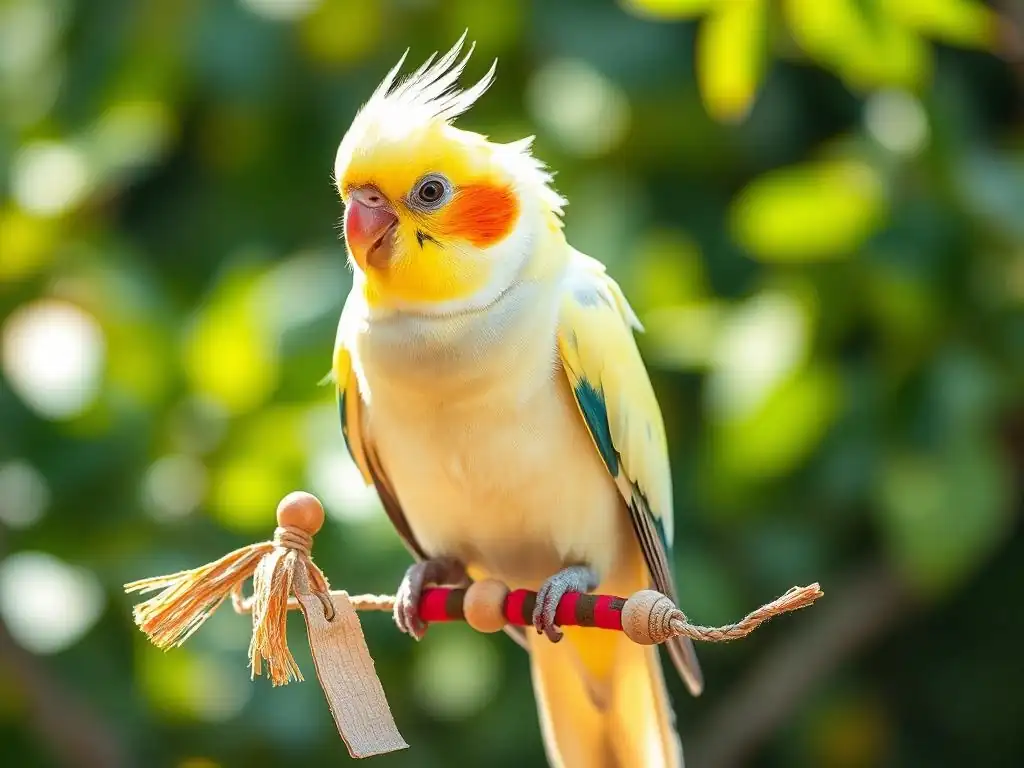
This section provides detailed instructions for creating two simple yet engaging DIY bird toys designed to alleviate boredom and stimulate your feathered friend's mind. These toys are perfect for combating the lethargy often associated with a lack of mental stimulation, ultimately contributing to a happier and healthier bird. Remember to always supervise your bird with new toys and ensure the materials used are safe and non-toxic. Providing enriching activities is crucial for preventing behavioral issues stemming from boredom in pet birds, a common problem addressed by the keyword "DIY bird toys boredom relief".
DIY Bird Toy #1: The Foraging Puzzle Feeder
This foraging puzzle feeder encourages natural foraging behaviors, a key aspect of bird enrichment. It challenges your bird to work for its food, providing both mental and physical stimulation. This is a particularly effective approach to combatting boredom and promoting a more active lifestyle for your pet.
Materials Needed for Foraging Puzzle Feeder
- Empty toilet paper roll (or paper towel roll, cut in half)
- Small pieces of cardboard (cereal boxes work well)
- Bird-safe treats (seeds, pellets, small pieces of fruit or vegetables)
- Non-toxic glue (ensure it's completely dry before giving to your bird)
- Optional: Small bells or safe, non-toxic paint for decoration (use only if completely dry and bird-safe)
Step-by-Step Instructions for Foraging Puzzle Feeder
- Cut the cardboard into small strips, approximately 1-2 inches wide and varying lengths.
- Apply a small amount of glue to one end of each cardboard strip.
- Carefully weave the cardboard strips through the toilet paper roll, creating a maze-like structure. Leave gaps for treats to fall through.
- Place a few bird-safe treats inside the toilet paper roll and between the cardboard strips.
- Allow the glue to dry completely before giving the toy to your bird. This is crucial to ensure the safety of your pet.
- Observe your bird interacting with the toy. Adjust the difficulty by changing the spacing of the cardboard strips or using different sizes of toilet paper rolls to enhance the challenge and maintain engagement. You can also experiment with different types of treats to keep things exciting!
DIY Bird Toy #2: The Paper Shredding Toy
Birds naturally enjoy shredding and tearing materials. This toy caters to this instinct, providing a satisfying sensory experience and a chance to engage in a natural behavior. This simple toy is inexpensive and easy to make, providing a fantastic solution for addressing boredom in your bird, especially relevant when searching for "DIY bird toys boredom relief".
Materials Needed for Paper Shredding Toy
- Unbleached, organic paper (avoid colored or chemically treated paper)
- Safe, non-toxic string or twine (optional, for hanging)
Step-by-Step Instructions for Paper Shredding Toy
- Tear the paper into strips of varying sizes and thicknesses. The more variety, the more engaging the toy will be for your bird.
- You can loosely braid or twist the strips together for a more complex toy, or simply leave them as separate strips.
- If desired, tie the ends of the paper strips together with string or twine to create a hanging toy. Ensure the string is securely fastened and cannot be easily ingested by your bird.
- Hang the paper shredding toy in your bird's cage, ensuring it's securely fastened and cannot pose a choking hazard.
- Observe your bird's interaction with the toy. Replace the toy with fresh paper strips regularly, as your bird will likely shred it quickly. This provides ongoing enrichment and addresses the need for continuous mental stimulation, a crucial factor in preventing boredom-related behavioral issues in birds. Remember, regular replacement is key to keeping your bird engaged and happy, a core aspect of the keyword "DIY bird toys boredom relief".
DIY Bird Toy #3: The Natural Branch Swing
This simple yet enriching toy provides a fun and stimulating activity for your feathered friend. Birds instinctively love to perch and swing, and a natural branch swing offers a fantastic opportunity for exercise and mental stimulation. The natural texture and scent of the wood also add to the toy's appeal, providing a more engaging experience than many commercially available toys. This project is incredibly easy and requires minimal materials, making it a perfect choice for even the most novice DIY enthusiast. Remember, the key to a successful branch swing is choosing the right branch and securing it safely.
Sourcing Safe Branches for Bird Toys
Choosing the right branch is crucial for the safety and well-being of your bird. Avoid branches from treated or painted wood, as these can contain harmful chemicals. Similarly, avoid branches from trees that have been sprayed with pesticides or herbicides. Ideally, source branches from hardwood trees known for their strength and durability, such as oak, maple, or birch.
Before using any branch, thoroughly inspect it for any signs of insect infestation, disease, or splinters. A good rule of thumb is to choose branches that are free from knots and have a smooth, even surface. Always wash the branch thoroughly with warm water and mild soap, rinsing it well before allowing it to completely dry before attaching it to the cage. Never use branches from fruit trees, as these often contain pesticides.
Attaching the Branch to the Cage Safely
Once you've selected a suitable branch, the next step is to securely attach it to your bird's cage. You'll need strong, bird-safe materials for this. Avoid using anything that could be chewed or ingested by your bird.
Heavy-duty, stainless steel or non-toxic rope is a good choice. The branch should be attached in a way that allows your bird to easily swing and perch without the risk of the branch falling or breaking. Consider the size and weight of your bird when selecting the branch and the attachment method.
A smaller bird will require a smaller, lighter branch, while a larger bird will need a sturdier branch capable of supporting its weight. Never use wire or anything that could potentially injure your bird. The ideal placement of the swing is within the cage where your bird will be able to access it easily and safely, without causing any obstruction or hazard within the cage itself.
Ensuring Safety and Durability of DIY Bird Toys
Safety is paramount when creating DIY bird toys. Always supervise your bird when it's interacting with any new toy, particularly in the initial stages. Check the toy regularly for any signs of wear and tear, and replace it if necessary. Regularly inspect the branch for splintering or any other damage. A damaged branch poses a significant hazard to your bird, so prompt replacement is essential.
Remember that even natural materials can degrade over time, so routine inspections are crucial for maintaining a safe and enriching environment for your feathered companion. By following these safety guidelines, you can ensure that your DIY bird toys provide hours of safe and enriching entertainment for your bird, relieving boredom and promoting their overall well-being. This proactive approach to safety contributes significantly to your bird's happiness and health. 🐦
Advanced DIY Bird Toys for Experienced Crafters
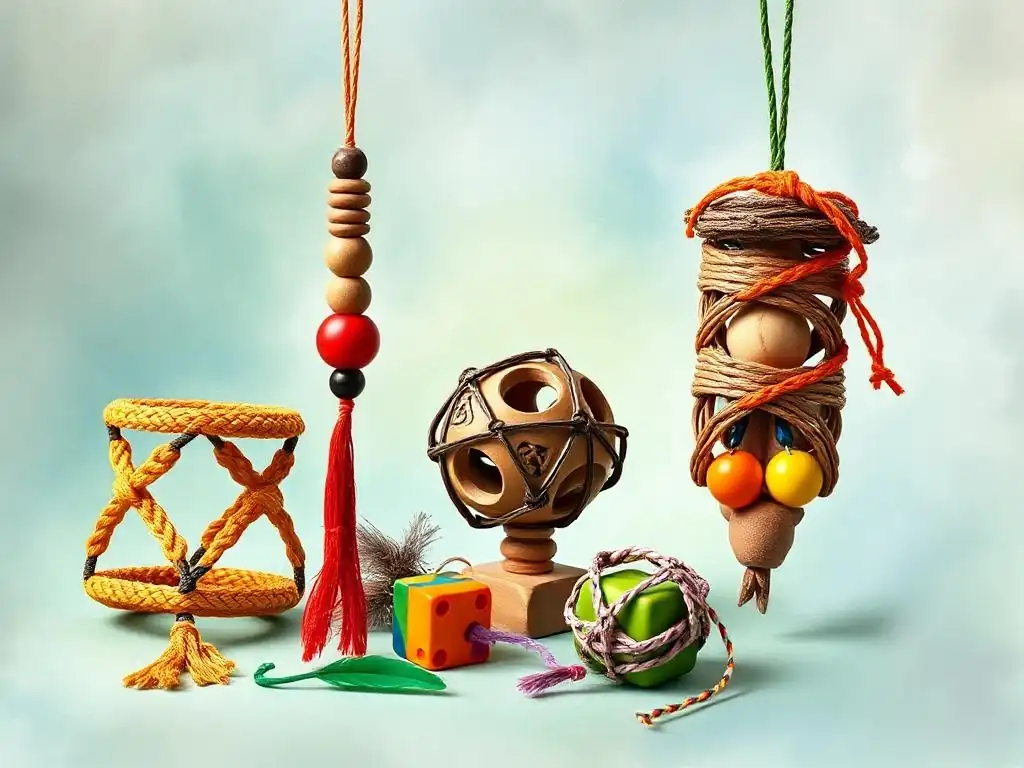
This section delves into more complex DIY bird toys, perfect for experienced crafters who want to provide their feathered friends with truly stimulating enrichment. These projects require more time, skill, and material sourcing, but the rewards—a highly engaged and mentally stimulated bird—are well worth the effort. Remember, always supervise your bird during playtime with any new toy to ensure its safety and prevent accidental ingestion of small parts. Safety first! 🐦
DIY Bird Toy #4: The Multi-Chamber Treat Dispenser
This challenging toy provides a prolonged foraging experience, keeping your bird mentally occupied for extended periods. The design incorporates multiple chambers and varying access points, demanding problem-solving skills from your avian companion. This is ideal for intelligent birds who quickly master simpler toys.
Materials Needed for Multi-Chamber Treat Dispenser
- Wooden dowels (various diameters)
- Small wooden boxes or containers (different sizes)
- Strong, non-toxic glue (suitable for wood and bird-safe)
- Small bells (optional, for auditory stimulation)
- Variety of safe treats (seeds, nuts, pellets, etc.)
- Sandpaper (to smooth any rough edges)
- Drill with various sized drill bits
- Measuring tape
- Screws (small, bird-safe)
Advanced Construction Techniques for Treat Dispenser
- Chamber Construction: Begin by assembling the individual treat chambers. You can use small wooden boxes, repurposed containers, or even create your own compartments from wood scraps. Ensure each chamber has a secure lid or closing mechanism.
- Connecting Chambers: Use wooden dowels to connect the chambers. Drill holes of appropriate size through the walls of the chambers and insert the dowels, securing them with glue and small screws. Vary the dowel sizes and angles to increase the complexity.
- Access Points: Create varying access points to the chambers. This could involve drilling holes of different sizes, creating small sliding doors, or using small tubes. The more varied the access, the more challenging the toy.
- Finishing Touches: Once assembled, thoroughly sand all surfaces to eliminate any sharp edges or splinters. Apply a bird-safe sealant if desired. Add bells to selected chambers for additional sensory stimulation. Remember to regularly inspect the toy for any signs of damage or wear.
DIY Bird Toy #5: The Puzzle Foraging Box
This toy takes foraging to a new level, presenting your bird with a series of puzzles to solve in order to access its treats. The design and complexity can be tailored to your bird's skill level, making it adaptable for both novice and expert crafters. The key is to create a challenging yet achievable puzzle that keeps your bird engaged and entertained.
Designing a Challenging Puzzle Foraging Box
The design possibilities are endless! Consider incorporating:
- Sliding compartments
- Rotating disks with hidden treat wells
- Maze-like pathways
- Lifting flaps
- Hidden levers
- Different types of latches and closures.
The more intricate the puzzle, the greater the mental stimulation for your bird. However, ensure the puzzle remains solvable to avoid frustration. Start with a simpler design and gradually increase the complexity as your bird masters each stage. Observe your bird's interaction with the toy and adjust accordingly.
Material Selection for Puzzle Foraging Box
The materials used should be durable, non-toxic, and safe for your bird. Consider:
- Untreated wood (avoid pressure-treated lumber)
- Bird-safe paints and stains (ensure they are non-toxic and dry completely before use)
- Natural fibers (e.g., sisal rope, cotton rope)
- Food-safe containers for treat compartments
- Strong, non-toxic glue
Remember to always prioritize your bird's safety. Regularly inspect the toy for any signs of damage or wear and replace it if necessary. Providing your bird with a variety of stimulating toys is crucial for its overall well-being and happiness. 🎉
Safety First: Essential Considerations for DIY Bird Toys
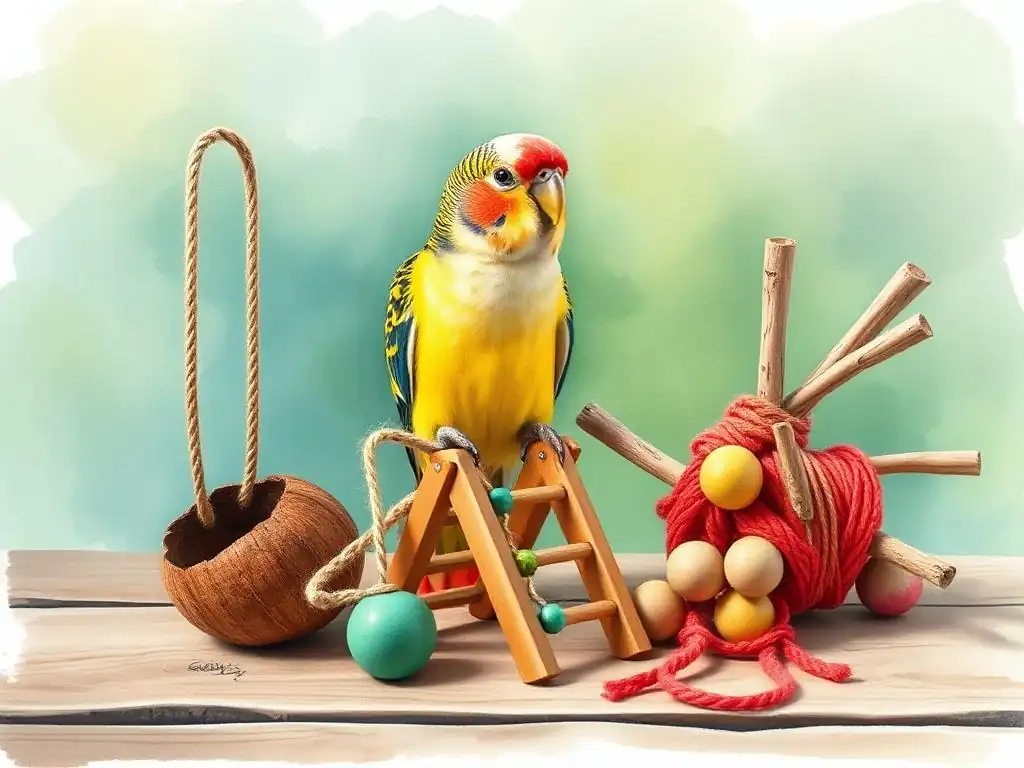
Creating engaging DIY bird toys is a rewarding experience, offering both enrichment for your feathered friend and a chance to connect with them. However, ensuring the safety of your bird must always be the top priority. Improperly constructed toys can lead to injury, illness, or even death. This section outlines crucial safety measures to guarantee your bird's well-being while enjoying their handmade enrichment. Remember, a little extra care goes a long way in providing a safe and stimulating environment for your beloved companion. The goal is safe DIY bird toy boredom relief.
Choosing Safe Materials for Bird Toys
The materials used in constructing DIY bird toys are paramount to your bird's safety. Avoid anything potentially toxic or easily ingested. Here's a breakdown of safe and unsafe options:
Safe Materials:
- Natural Wood: Untreated, hardwood dowels, branches (ensure they are from non-toxic trees and free of pesticides), and even untreated wooden beads are excellent choices. Always thoroughly wash and dry any wood before use.
- Seagrass: A natural and durable material perfect for weaving or creating foraging toys.
- Cotton Rope: Thick, untreated cotton rope is safe for chewing and playing. Avoid thin ropes that could easily be swallowed.
- Paper: Recycled cardboard, newspaper (ensure it's non-toxic ink), and paper towel tubes can be incorporated into more complex toys.
- Stainless Steel: Stainless steel bells or small hardware (like appropriately sized bolts and nuts) are safe, durable, and easy to clean.
Unsafe Materials:
- Treated Wood: Any wood treated with chemicals (pressure-treated lumber, for example) is extremely toxic to birds and should never be used.
- Plastic: Many plastics are not bird-safe and can contain harmful chemicals. Avoid using plastic unless it's specifically designed for bird toys.
- Painted or Varnished Wood/Materials: Paints and varnishes often contain lead and other toxins that are lethal to birds. Never use painted or varnished materials.
- Rubber Bands: These can easily be swallowed and cause blockages.
- Small Beads or Objects: Anything small enough to be swallowed poses a significant choking hazard.
Remember to thoroughly wash and dry all materials before assembling your bird's toy. Always supervise your bird during playtime with new toys.
Avoiding Toxic Materials in DIY Bird Toys
Many common household items are surprisingly toxic to birds. Even seemingly harmless materials can contain chemicals that are dangerous when ingested or inhaled. Here are some specific examples of materials to completely avoid when making DIY bird toys:
| Toxic Material | Danger to Birds | Safe Alternatives |
|---|---|---|
| Lead-based Paint | Lead poisoning, severe illness, and death | Untreated wood, natural dyes |
| Certain Plastics | Ingestion of harmful chemicals, digestive issues | Seagrass, cotton rope |
| Zinc-coated Hardware | Zinc toxicity, digestive problems | Stainless steel hardware |
| Essential Oils | Respiratory irritation, toxicity | Natural herbs (in moderation) |
| Fabric Softeners | Respiratory irritation, potential toxicity | Untreated cotton fabrics |
It's crucial to research the specific composition of any material before using it in a bird toy. When in doubt, err on the side of caution and choose a different material. Your bird’s health is priceless.
Regularly Inspecting and Replacing Bird Toys
Even the safest DIY bird toys require regular inspection and replacement. Birds are naturally destructive, and over time, toys can become damaged or pose a hazard. Here's a schedule to follow:
- Daily Inspection: Check for any loose parts, frayed ropes, or broken pieces that could be ingested. Remove any damaged components immediately.
- Weekly Cleaning: Thoroughly clean toys to remove droppings and debris. Use a bird-safe disinfectant if needed.
- Monthly Replacement: Replace worn-out or damaged toys with new ones to maintain enrichment and prevent hazards.
Regular inspection and timely replacement are crucial aspects of responsible bird ownership and contribute to a safe and stimulating environment for your avian companion. This proactive approach ensures your bird's continued enjoyment and safety while playing with their DIY toys, promoting a happier and healthier life. This is vital for effective DIY bird toy boredom relief and promoting a safe environment.
Enhancing Your Bird's Environment Beyond Toys
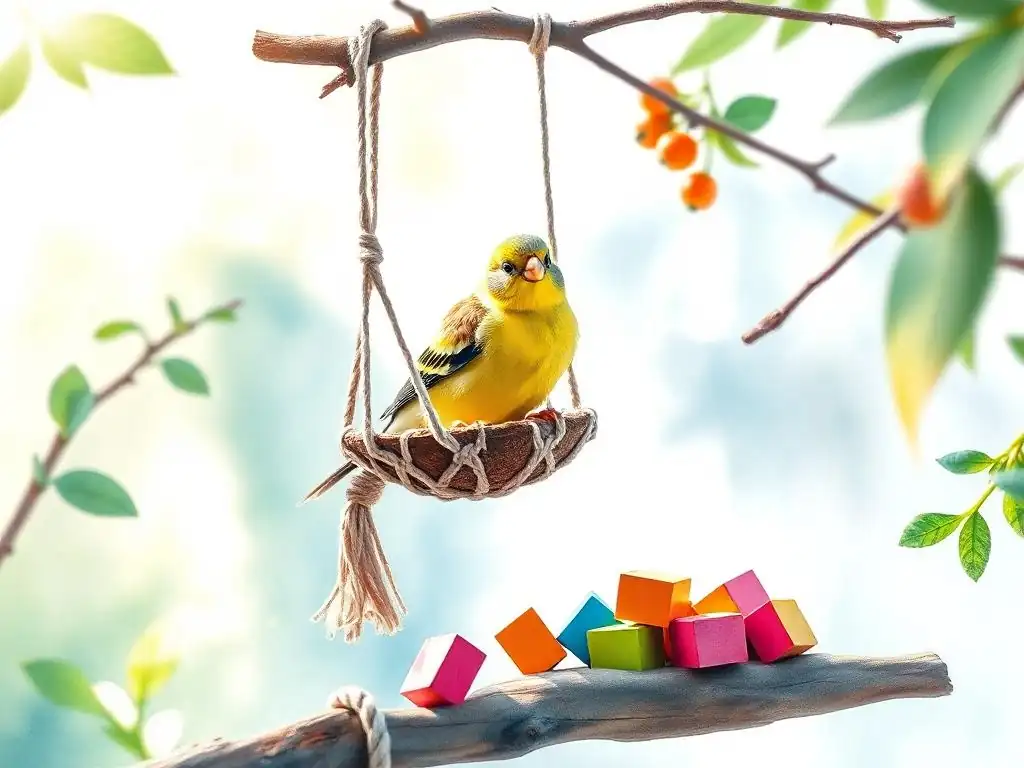
Providing a Stimulating Cage Environment
A stimulating cage environment is crucial for combating boredom in birds, even with the addition of DIY bird toys. Think of the cage as their entire world; making it engaging is key to their mental and physical well-being. A simple rearrangement of perches can significantly impact a bird's daily routine. Instead of placing perches uniformly, try varying their heights, thicknesses, and materials. This encourages climbing, stretching, and different gripping exercises, all contributing to physical and mental stimulation.
Consider adding natural branches of varying sizes and textures. These provide a more natural and engaging climbing experience than standard plastic perches. Ensure the branches are from non-toxic trees and thoroughly cleaned before placing them in the cage. Remember to supervise your bird initially to ensure they don't try to eat any potentially harmful parts of the branch. Apple wood, willow, and birch are generally safe options, but always double-check before introducing new materials.
Beyond perches, incorporate different textures into the cage environment. This can include natural materials like sisal rope, woven seagrass mats, or even small, safe pieces of untreated wood. These textures provide tactile enrichment, allowing your bird to explore different sensations. The placement of these items is also important; try creating different "zones" within the cage – a sleeping area, a play area, and a feeding area – to mimic a more natural environment.
This spatial variety reduces monotony and encourages exploration. Remember to regularly rotate and replace these items to maintain novelty and prevent boredom. This simple act of environmental enrichment can significantly contribute to your bird's overall happiness and reduce the need for constant toy replacement. Regularly cleaning and disinfecting the cage and its contents is essential for maintaining hygiene and the health of your feathered friend.
Interactive Play with Your Bird
Interactive play is a fantastic way to combat boredom and strengthen the bond between you and your bird. While DIY toys provide independent entertainment, dedicated playtime allows for direct interaction and mental stimulation. Simple games like hide-and-seek with treats or playing with safe, interactive toys can be highly beneficial. For example, you can hide small pieces of fruit or vegetables around the cage and let your bird find them, mimicking their natural foraging behavior. This activity addresses the core of "DIY bird toys boredom relief" by stimulating their natural instincts.
Another engaging activity involves using foraging toys specifically designed for interactive play. These toys require your bird to actively work to obtain a reward, providing both mental and physical stimulation. These toys can range from simple puzzle feeders to more complex mazes. Observe your bird's preferences and adjust the difficulty of the puzzle accordingly. Starting with easier puzzles and gradually increasing the complexity keeps the challenge stimulating and prevents frustration. Remember to always supervise playtime to ensure the safety of both you and your bird.
Remember that the key to successful interactive play is variety. Avoid repeating the same games every day. Introduce new games and activities regularly to keep your bird engaged and prevent boredom. This could include simple things like tossing a small, safe toy across the room for your bird to retrieve, or allowing them to interact with safe, age-appropriate household items under close supervision. The goal is to provide enriching experiences that mimic their natural behaviors and build a stronger bond between you and your feathered companion. The more varied and engaging the interaction, the better the relief from boredom.
Social interaction is paramount for a bird's well-being. Even the most engaging DIY bird toys and stimulating environments cannot fully replace the benefits of companionship. Birds are social creatures and thrive on interaction with their flock (which, in a domestic setting, includes you). Lack of social interaction can lead to depression, anxiety, and behavioral problems, exacerbating boredom.
If you only have one bird, dedicate significant time each day to interacting with it. This can involve talking to your bird, singing to it, or simply spending time near its cage. Providing your bird with opportunities for physical contact, such as gentle petting or scratching, can also strengthen your bond and provide comfort. Remember to always approach your bird calmly and respectfully, avoiding sudden movements or loud noises that might frighten it. Positive reinforcement techniques, such as rewarding desired behaviors with treats or praise, can strengthen the positive association with human interaction.
Consider providing your bird with a mirror or a companion bird, if appropriate. A mirror can provide visual stimulation and a sense of companionship, although it's important to note that excessive reliance on mirrors can lead to issues. A companion bird, on the other hand, can provide a more complete social experience, particularly for species that are naturally social. However, carefully research the compatibility of different bird species before introducing a new bird to your existing flock.
Ensure that the cage is large enough to accommodate both birds comfortably and that they have enough space to avoid conflict. Thorough research and careful planning are crucial for successful integration. The goal is to create a supportive and enriching social environment that helps to alleviate boredom and promote overall well-being.
Frequently Asked Questions
What materials are safe for making DIY bird toys?
Many natural materials are safe, such as untreated wood, cardboard tubes, cotton rope, and sisal. Avoid anything treated with chemicals, paints, or dyes. Always supervise your bird when it plays with new toys.
How can I make sure my DIY bird toy is safe for my bird?
Ensure all materials are non-toxic and securely fastened to prevent small parts from being swallowed. Avoid using anything that could be easily shredded and ingested, causing potential harm. Regular inspection is crucial.
What are some easy DIY bird toy ideas for boredom relief?
Simple toys include a toilet paper tube filled with treats, a woven rope ladder, or a wooden block with foraged branches securely attached. Focus on providing texture and stimulation.
How often should I replace or refresh my bird's DIY toys?
Regularly inspect toys for wear and tear. Replace or refresh toys every few weeks, or sooner if damaged or soiled, to maintain stimulation and prevent boredom.
My bird isn't interested in the DIY toys I made. What should I do?
Try different materials, textures, and designs. Experiment with different foraging methods such as hiding treats within the toy. Observe your bird's preferences and adjust accordingly. Consider offering a variety of toys to keep things interesting.
Final Reflection: Enriching Avian Lives, One Toy at a Time
The simple act of crafting a DIY bird toy transcends mere entertainment; it's a powerful demonstration of empathy and a commitment to enriching the lives of our feathered companions. Our increasingly urbanized world often limits the natural foraging and exploration opportunities vital for a bird's mental and physical well-being. Providing stimulating toys combats boredom, preventing destructive behaviors and fostering a happier, healthier bird.
The impact of environmental enrichment on avian welfare is undeniable. Witnessing the joy and engagement a simple, handcrafted toy brings to a bird is profoundly rewarding. A bird's intelligence is often underestimated. Providing mental stimulation is as crucial to their health as providing nutritious food and clean water.
This quote underscores the importance of our role in ensuring our birds thrive, not just survive. The creativity involved in DIY toy-making allows us to connect with our birds on a deeper level, fostering a stronger bond built on understanding and care.
Now, consider your own bird. What small act of creativity can you undertake today to brighten their day? Perhaps it's repurposing household items into a new foraging toy, or simply spending extra time interacting with your feathered friend. Remember, the effort you invest in creating a stimulating environment isn't just about preventing boredom; it's about nurturing a vibrant, joyful life for your beloved companion. Let's continue to explore and innovate, ensuring our birds experience the richness and wonder they deserve.
Unleash Your Bird's Inner Genius: Craft a Fun, Enriching Life!
Thank you for exploring ways to enrich your feathered friend's life! We hope you've discovered valuable ideas for creating stimulating toys. Now, let's put that knowledge into practice!
- Create your bird's first DIY toy today! Gather household items and let your creativity soar. Even simple modifications can significantly improve your bird's environment.
- Share your creations and inspire other bird lovers! Post pictures of your DIY toys on our PetCareWorld social media pages. Let's build a thriving community of creative bird owners!
- Explore our website for more helpful articles on bird care and enrichment. Discover new ways to keep your pet happy and healthy.
What exciting new toy will you create for your beloved companion today?