
Gingivitis Gone Wild: How to Protect Your Dog's Gums

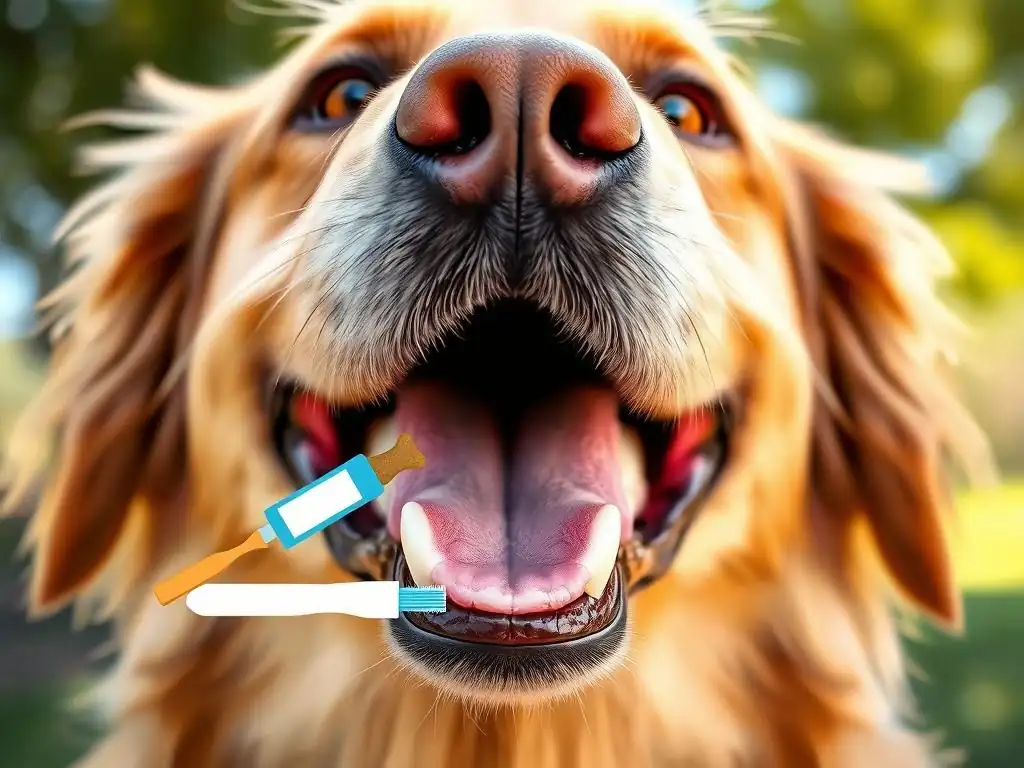
Welcome to PetCareWorld, your ultimate guide to a happier, healthier life for your beloved companion! Are you concerned about your canine friend's dental health? Then you've come to the right place. Our comprehensive Dog gum disease prevention guide will equip you with the knowledge and strategies to combat gingivitis and keep your dog's smile bright and healthy for years to come. Discover the secrets to preventing this common yet often overlooked issue – and learn how to give your furry friend the best possible oral care. Let's dive in!
- Understanding Canine Gum Disease: A Dog Gum Disease Prevention Guide
- Prevention is Key: A Proactive Approach to Dog Gum Health
- Home Remedies and Natural Approaches for Dog Gum Health
- Advanced Canine Gum Disease: Treatment and Management
- Creating a Comprehensive Dog Gum Disease Prevention Plan
- Frequently Asked Questions
- Final Reflection: A Pawsitive Outlook on Canine Gum Health
- Unlock Your Pup's Sparkling Smile: Take Action Now!
Understanding Canine Gum Disease: A Dog Gum Disease Prevention Guide
Canine gum disease, or gingivitis, is a prevalent and often underestimated health concern affecting a significant portion of the dog population. This comprehensive guide, your ultimate "Dog gum disease prevention guide," will equip you with the knowledge and strategies to protect your furry friend from the discomfort and potential health complications associated with this condition. We'll delve into the early warning signs, the serious consequences of neglecting treatment, and the key risk factors that can predispose your dog to gum disease. Understanding these aspects is crucial for proactive prevention and maintaining your dog's overall oral and systemic health.
Ignoring early signs can lead to severe periodontal disease, impacting not only your dog's mouth but potentially their heart, kidneys, and liver. Let's embark on this journey to ensure your canine companion enjoys a lifetime of healthy smiles! 🎉
Recognizing the Early Signs of Gingivitis in Dogs
Early detection is key to successful treatment and prevention of advanced gum disease. Gingivitis, the initial stage of gum disease, often presents subtly. Be vigilant in observing your dog's mouth for these telltale signs:
- Red, swollen gums: A noticeable change in gum color from a healthy pink to a deep red or inflamed appearance is a major red flag.
- Bleeding gums: Gums that bleed easily during chewing or brushing are indicative of inflammation and infection.
- Bad breath (halitosis): While dogs naturally have some breath odor, a persistently foul smell can point towards oral problems.
- Plaque and tartar buildup: A yellowish or brownish film (plaque) accumulating along the gum line, eventually hardening into tartar, is a clear sign of poor oral hygiene.
- Receding gum line: In more advanced stages, the gums may recede, exposing the tooth roots and making them vulnerable to infection.
Regularly examining your dog's mouth, ideally during playtime or while administering medication, will allow you to identify these subtle changes early on. Don't hesitate to consult your veterinarian if you notice any of these symptoms. Early intervention can prevent the progression to more severe and potentially life-threatening conditions.
The Dangers of Untreated Canine Gingivitis and Periodontitis
Untreated gingivitis progresses to periodontitis, a far more serious condition characterized by the destruction of the tissues supporting the teeth. This can lead to a cascade of detrimental effects:
- Tooth loss: Severe periodontal disease weakens the attachment of teeth, resulting in loosening and eventual loss.
- Pain and discomfort: Inflamed gums and infected teeth cause significant pain, affecting your dog's ability to eat and chew comfortably. This can lead to weight loss and nutritional deficiencies.
- Infection: Bacteria from infected gums can enter the bloodstream, potentially affecting vital organs such as the heart, kidneys, and liver. Studies have shown a correlation between periodontal disease and these systemic issues. [Specific study data pending]
- Jawbone damage: The infection can spread to the jawbone, leading to bone loss and structural damage.
- Halitosis: The persistent bad breath associated with periodontitis becomes significantly worse as the infection progresses.
Addressing gingivitis promptly is crucial to preventing the development of periodontitis and its associated health risks. Regular veterinary checkups and proactive dental care are essential for maintaining your dog's oral health.
Risk Factors for Gum Disease in Dogs: Breed, Age, and Diet
Several factors influence a dog's susceptibility to gum disease. Understanding these risk factors can help you implement preventive measures:
- Breed: Certain breeds are predisposed to gum disease due to their dental anatomy or genetic factors. Brachycephalic breeds (those with short noses, like Bulldogs and Pugs), for example, often have crowded teeth, making cleaning more challenging. [Specific breed data pending]
- Age: Older dogs are more prone to gum disease due to age-related changes in their immune system and oral health. [Specific age-related data pending]
- Diet: A diet high in carbohydrates can contribute to plaque buildup, increasing the risk of gum disease. A balanced diet with appropriate chews can help maintain oral hygiene.
- Genetics: A family history of gum disease can increase a dog's risk. [Specific genetic data pending]
By considering these risk factors, you can tailor your preventive strategies to your dog's specific needs. A balanced diet, regular dental care, and vigilant monitoring are crucial for minimizing the risk of gum disease. Remember, proactive care is the best defense against this common and potentially serious canine health problem.
Prevention is Key: A Proactive Approach to Dog Gum Health

Protecting your canine companion from gum disease requires a proactive and multifaceted approach. A "Dog gum disease prevention guide" isn't just about reacting to problems; it's about establishing a robust preventative dental hygiene routine from puppyhood. Early intervention significantly reduces the risk of severe periodontal disease later in life.
This section will explore practical strategies to maintain healthy gums and teeth in your dog, minimizing the likelihood of gingivitis and other oral health issues. Remember, regular veterinary check-ups are crucial, forming the cornerstone of any effective preventative strategy. These check-ups allow for early detection of any developing problems, enabling timely intervention and preventing escalation.
Daily Dental Care for Dogs: Brushing Techniques and Toothpaste Choices
Daily brushing is paramount in preventing dog gum disease. However, it's not simply about grabbing any toothbrush and toothpaste; the right technique and products are essential. Many dogs initially resist brushing, so introducing the process gradually is key. Start by gently touching their teeth and gums with your finger, rewarding them with treats and praise. Gradually introduce a finger brush, then a pet toothbrush. Use a toothpaste specifically formulated for dogs; human toothpaste contains ingredients toxic to canines. Look for enzymatic toothpastes that help break down plaque.
The brushing technique itself should be gentle yet thorough. Lift the lip and use small, circular motions to clean each tooth individually. Focus on the gum line, where plaque and tartar accumulate most readily. Aim for at least a minute of brushing, ideally twice daily. Consistency is more important than duration initially; even a short, daily brushing session is more effective than infrequent, longer ones. Consider using a dental wipe if your dog is particularly resistant to brushing. These wipes can still remove some surface debris, offering a supplemental cleaning approach.
Dental Chews and Toys: Effective Tools for Plaque and Tartar Control
While brushing remains the gold standard, dental chews and toys offer valuable supplemental support in your dog gum disease prevention guide. These products are designed to mechanically scrub teeth and gums as your dog chews, helping to remove plaque and tartar buildup. However, not all chews are created equal. Choose durable, long-lasting chews that encourage vigorous chewing. Avoid soft, easily digestible treats that won't provide sufficient abrasion.
Look for chews made from durable materials such as nylon or rubber, and avoid those containing harmful artificial sweeteners like xylitol. Veterinarians often recommend dental chews specifically designed to promote oral health, often with added ingredients to further support dental hygiene. Dental toys, designed with textured surfaces and nubs, can also contribute to plaque removal. Rotate your dog's toys regularly to maintain interest and prevent boredom. Remember to monitor your dog while they are chewing, ensuring they don't swallow large pieces of the chew that could pose a choking hazard.
Dietary Considerations: Foods that Support Healthy Gums and Teeth
Nutrition plays a significant role in maintaining oral health. A balanced diet can contribute to stronger teeth and healthier gums, reducing susceptibility to disease. Choose dog foods that contain ingredients known to support dental health. Some kibble formulations are specifically designed with a texture that helps to scrub teeth as your dog chews. These kibbles are often larger and harder than standard kibble.
While rawhide chews were once popular, they are now considered controversial due to potential choking hazards and digestive issues. If you opt for rawhide, choose only those that are properly processed and supervise your dog carefully while they are chewing. Incorporating crunchy vegetables, such as carrots and green beans, into your dog's diet can also contribute to dental cleaning. These provide a natural abrasive action, helping to remove surface debris.
Always consult with your veterinarian before making significant changes to your dog's diet, particularly if they have any pre-existing health conditions. A holistic approach, combining proper brushing, appropriate chews, and a nutritious diet, provides the best defense against dog gum disease. 🐕🦺
Professional Dental Cleanings: Importance and Frequency
Regular professional dental cleanings are crucial for maintaining your dog's gum health and preventing gingivitis. Unlike at-home brushing, which primarily focuses on surface cleaning, professional cleanings address the buildup of tartar and plaque below the gum line, areas inaccessible with a toothbrush. This subgingival plaque is a major contributor to periodontal disease, leading to gum inflammation, receding gums, and even tooth loss.
A veterinarian or veterinary technician will use specialized tools to thoroughly remove tartar and plaque, polishing the teeth to a smooth surface that is less likely to attract further buildup. They can also assess the overall health of your dog's teeth and gums, identifying any potential problems early on.
The frequency of professional dental cleanings depends on your dog's breed, age, and overall oral hygiene. For dogs with a predisposition to dental issues, or those already showing signs of gingivitis, more frequent cleanings—perhaps every six months—may be necessary. For dogs with excellent at-home oral hygiene habits, annual cleanings might suffice. However, it's always best to consult with your veterinarian to determine the optimal cleaning schedule for your individual dog.
They can assess your dog's dental health during routine checkups and advise on the appropriate frequency of professional cleanings. Remember, early detection and intervention are key to preventing more serious and costly dental problems down the line. Ignoring regular professional cleanings can lead to significantly more extensive and expensive treatments later, including extractions.
The investment in preventative care far outweighs the cost of treating advanced gum disease. Think of it as an investment in your dog's long-term health and comfort. A healthy mouth contributes to overall well-being, impacting everything from appetite and digestion to their overall quality of life.
Home Remedies and Natural Approaches for Dog Gum Health

Maintaining your dog's gum health is crucial for their overall well-being. While professional veterinary care is essential, incorporating home remedies and natural approaches can significantly contribute to preventing and managing gum disease. Remember, however, that these methods should complement, not replace, regular veterinary checkups and professional cleanings. This "Dog gum disease prevention guide" section will explore some safe and effective options.
Safe and Effective Home Dental Rinses for Dogs
Several natural ingredients possess antibacterial and anti-inflammatory properties beneficial for canine oral health. However, it's crucial to use these cautiously and in appropriate dilutions. Never use human mouthwash on your dog; many contain ingredients toxic to animals.
Here are a few options, always consulting your vet before introducing anything new to your dog's routine:
- Plain Water: Believe it or not, rinsing your dog's mouth with plain, clean water after meals can help remove food particles and reduce plaque buildup. This is a simple yet effective first step.
- Chamomile Tea Rinse (diluted): Chamomile has mild anti-inflammatory properties. Brew a strong chamomile tea, let it cool completely, and then dilute it significantly with water before using it to rinse your dog's mouth. Never use undiluted tea.
- Aloe Vera Gel (diluted): Aloe vera is known for its soothing and healing properties. A tiny amount of pure aloe vera gel diluted with water can be gently applied to inflamed gums. Again, dilution is key.
Important Considerations:
- Never force a rinse: Gentle encouragement is key. If your dog resists, don't force it.
- Observe for reactions: Watch for any signs of irritation or allergic reactions after using any rinse.
- Frequency: Rinsing should be part of a comprehensive oral hygiene routine, not a standalone solution.
Natural Chews and Treats to Promote Gum Health
Providing your dog with appropriate chews and treats can help naturally clean their teeth and massage their gums. The abrasive action helps remove plaque and tartar, stimulating healthy gum tissue. However, not all chews are created equal. Avoid hard bones or treats that could chip or break teeth.
Here are some options to consider:
| Chew Type | Benefits | Cautions |
|---|---|---|
| Dental Chews | Specifically formulated to clean teeth. | Check ingredients for artificial additives. |
| Rawhide Alternatives (e.g., bully sticks) | Durable and help clean teeth. | Supervise your dog to prevent choking. |
| Carrot Sticks | Crunchy and help clean teeth. | Offer in moderation, as they can be calorie-dense. |
| Apple Slices | Crunchy and help clean teeth. | Remove seeds and core before offering. |
Remember to always supervise your dog while they are chewing to prevent choking hazards. The size and hardness of the chew should be appropriate for your dog's breed and size.
When to Seek Veterinary Intervention for Dog Gum Problems
While home remedies can be helpful, they are not a substitute for professional veterinary care. If you notice any of the following signs, it's crucial to schedule an appointment with your veterinarian immediately:
- Bleeding gums: Persistent bleeding is a clear indication of gum disease.
- Swollen or red gums: Inflammation often signifies infection or irritation.
- Receding gum line: This exposes the tooth roots, making them vulnerable to infection.
- Bad breath (halitosis): While some bad breath is normal, excessive or persistent bad breath can indicate an underlying dental problem.
- Loose teeth: Loose teeth need immediate veterinary attention.
- Loss of appetite or difficulty eating: This could be a sign of severe oral pain.
- Excessive drooling: This can be a symptom of oral discomfort.
Early detection and intervention are vital in preventing severe gum disease and its potential complications. Don't hesitate to seek professional help if you have any concerns about your dog's gum health. This proactive approach is a key part of any effective "Dog gum disease prevention guide." 🐕
Advanced Canine Gum Disease: Treatment and Management
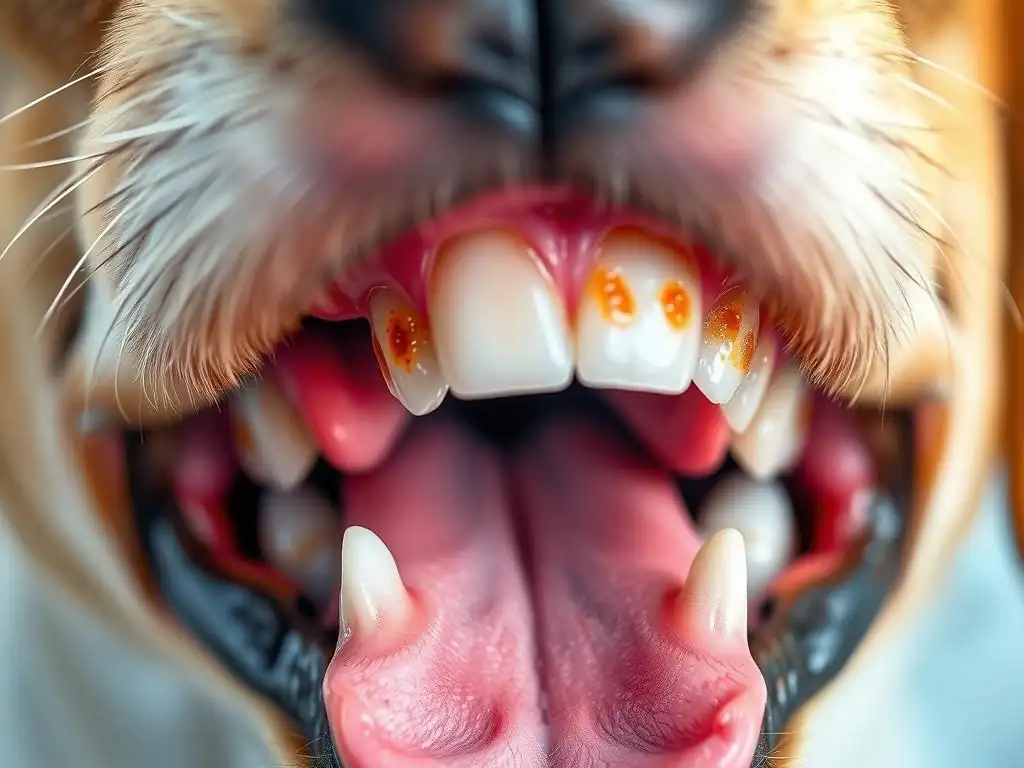
This section delves into the complexities of managing advanced canine gum disease, focusing on severe gingivitis and periodontitis. Early intervention is crucial, but when the disease progresses, more intensive treatment becomes necessary to prevent further damage and maintain your dog's overall health. This guide provides crucial information for understanding treatment options and long-term care strategies for your canine companion.
Remember, this information is for educational purposes and should not replace professional veterinary advice. Always consult your veterinarian for a proper diagnosis and personalized treatment plan. A proactive approach to your dog's dental health is key to preventing the need for advanced treatments.
Veterinary Treatment Options for Severe Gingivitis and Periodontitis
Severe gingivitis and periodontitis require professional veterinary intervention. The specific treatment plan will depend on the severity of the disease and your dog's overall health. Common procedures include:
- Professional Dental Cleaning: This involves a thorough scaling and polishing of the teeth under anesthesia to remove plaque and tartar buildup below the gum line. This is often the first step in managing advanced gum disease. The procedure may also involve the extraction of severely damaged teeth.
- Antibiotics: Systemic or topical antibiotics may be prescribed to combat bacterial infections associated with periodontitis. The choice of antibiotic and dosage will be tailored to your dog's individual needs and the type of bacteria identified. Careful monitoring for side effects is essential.
- Surgical Procedures: In advanced cases, surgical intervention might be necessary. This could include:
- Gingivectomy: Surgical removal of inflamed gum tissue.
- Periodontal Flap Surgery: A more involved procedure to access and clean the deeper parts of the periodontal pockets.
- Tooth Extraction: Extraction of teeth that are severely damaged or beyond repair. This is sometimes necessary to prevent further infection and pain.
- Other Therapies: Depending on the specific situation, additional therapies might be recommended, such as laser therapy to reduce inflammation or bone grafts to regenerate lost bone tissue. The effectiveness of these treatments varies depending on the case.
The following table summarizes the common treatment options, their purpose, and potential risks:
| Treatment Option | Purpose | Potential Risks |
|---|---|---|
| Professional Dental Cleaning | Removal of plaque and tartar | Anesthesia risks, potential for minor bleeding |
| Antibiotics | Combat bacterial infection | Gastrointestinal upset, allergic reactions |
| Gingivectomy | Removal of inflamed gum tissue | Post-operative swelling, discomfort |
| Periodontal Flap Surgery | Deep cleaning of periodontal pockets | Increased risk of infection, longer recovery time |
| Tooth Extraction | Removal of severely damaged or infected teeth | Post-operative pain, potential for dry socket |
The cost of treatment can vary significantly based on the severity of the disease, the extent of the procedures required, and your veterinary clinic's fees. It is always advisable to discuss the cost upfront with your veterinarian. Remember that prevention is always cheaper and less stressful than treatment.
Post-Treatment Care and Monitoring for Long-Term Gum Health
Post-treatment care is crucial for successful management of advanced canine gum disease and preventing recurrence. Your veterinarian will provide specific instructions tailored to your dog's needs. Generally, this includes:
- Pain Management: Your veterinarian may prescribe pain relievers to manage any discomfort after procedures such as extractions or surgery. Careful monitoring of your dog's pain levels is essential.
- Antibiotics (Continued): Antibiotics may be continued for a period after the initial treatment to ensure complete eradication of the infection.
- Oral Hygiene: Maintaining excellent oral hygiene at home is critical. This includes regular brushing with an enzymatic toothpaste specifically formulated for dogs, and the potential use of dental chews or other approved dental cleaning products. This is a crucial element of a comprehensive Dog gum disease prevention guide.
- Dietary Changes: Your veterinarian might recommend dietary modifications to support healing and promote healthy gums. This might involve switching to a dental diet or adding supplements.
- Regular Veterinary Checkups: Regular dental checkups are essential for long-term monitoring and early detection of any recurrence or new problems. Preventative care is paramount. Schedule regular professional cleanings as recommended by your veterinarian.
Following your veterinarian's recommendations diligently will significantly improve your dog's chances of maintaining long-term gum health. Early detection and proactive management are key to preventing the development of severe gum disease. Remember, a healthy mouth contributes to a healthy dog! 🐶
Creating a Comprehensive Dog Gum Disease Prevention Plan
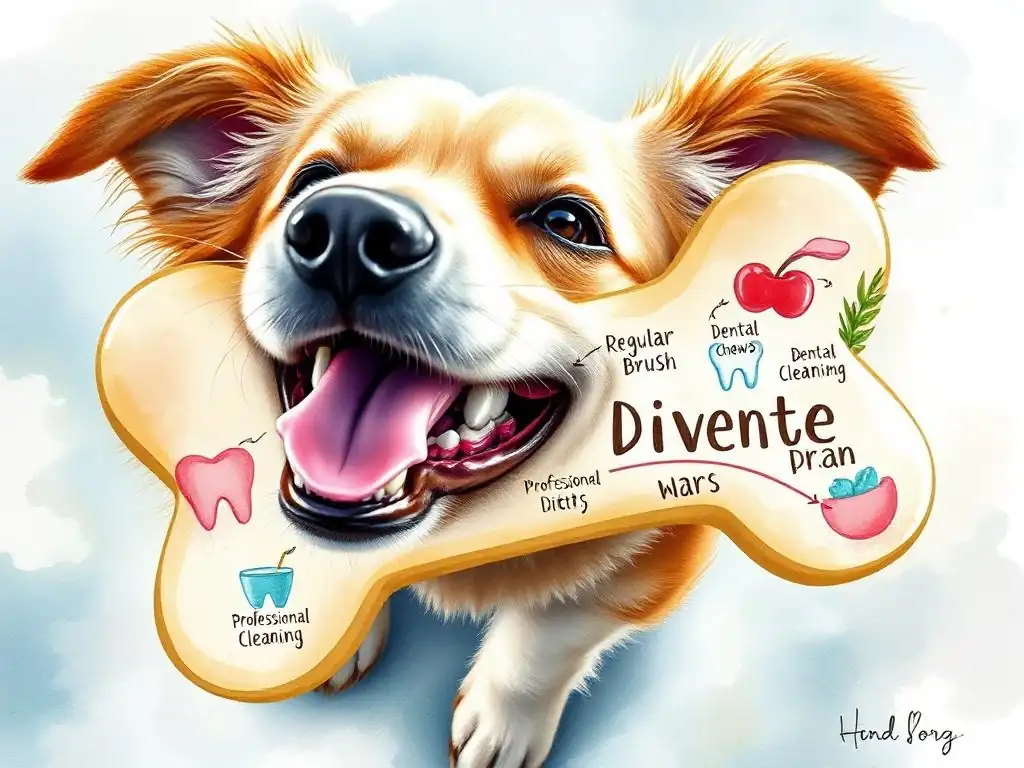
A proactive approach to canine oral health is paramount in preventing gingivitis and the more serious consequences of periodontal disease. This isn't just about occasional brushing; it's about establishing a holistic preventative plan that addresses multiple aspects of your dog's oral well-being. Think of it as a multi-pronged attack against plaque and tartar buildup – the primary culprits behind gum disease in dogs. A successful plan incorporates dietary choices, regular professional cleanings, and attentive home care. Ignoring any one of these elements significantly weakens the overall effectiveness of your preventative strategy. Let's delve into each component individually.
Putting it All Together: A Step-by-Step Guide to Optimal Canine Oral Hygiene
Optimal canine oral hygiene requires a consistent and multifaceted approach. Think of it as a daily ritual, not a sporadic chore. Here’s a step-by-step guide to help you establish a robust routine:
- Daily Toothbrushing: This is the cornerstone of your prevention plan. Aim for at least once-daily brushing using a dog-specific toothpaste (human toothpaste is toxic to dogs!). Start slowly, introducing the toothbrush gradually to avoid frightening your pet. Positive reinforcement with treats is crucial.
- Dental Chews and Toys: These provide mechanical cleaning action, helping to scrape away plaque and stimulate gum tissue. Choose durable options designed specifically for dental health, avoiding those that can easily break into potentially hazardous pieces. Look for the Veterinary Oral Health Council (VOHC) seal of approval on products for added assurance.
- Dental Diets and Treats: Certain kibble formulations and specialized dental treats are designed to reduce plaque and tartar accumulation. These often have a harder texture or incorporate ingredients that aid in mechanical cleaning. Always consult your veterinarian before making significant dietary changes.
- Regular Veterinary Checkups: Schedule regular checkups with your vet, including professional dental cleanings as recommended. Early detection of gum problems is key to effective treatment and prevention of more severe issues. Your vet can assess your dog's oral health, identify potential issues, and advise on the most suitable preventative measures.
- Monitoring for Signs of Gum Disease: Be vigilant in monitoring your dog's mouth. Look out for signs like red, swollen gums, bad breath (halitosis), excessive drooling, difficulty chewing, or loose teeth. Early detection is crucial for timely intervention. Don't hesitate to contact your veterinarian if you notice any abnormalities.
Long-Term Strategies for Maintaining Healthy Gums in Dogs
Maintaining healthy gums in dogs is an ongoing commitment. It's a marathon, not a sprint. Consistent effort pays off handsomely in the long run, preventing painful and costly dental problems. Here are some long-term strategies to consider:
- Consistency is Key: The success of your dog gum disease prevention plan hinges on consistency. Don't let your routine lapse; even occasional lapses can allow plaque and tartar to build up. Establish a daily routine and stick to it.
- Addressing Underlying Health Conditions: Certain systemic diseases can exacerbate gum disease. Maintaining your dog's overall health through proper nutrition, regular exercise, and veterinary care is essential. Addressing any underlying health concerns can significantly improve their oral health.
- Professional Dental Cleanings: Regular professional cleanings are indispensable. They remove tartar buildup that home care alone can't effectively address. Your vet can advise on the appropriate frequency of professional cleanings based on your dog's individual needs and breed predisposition.
- Breed Predisposition: Certain breeds are more prone to dental problems than others. Understanding your dog's breed-specific predispositions can help you tailor your preventative plan to address potential risks more effectively. For example, smaller breeds with crowded teeth might require more frequent attention.
- Water Fountains: Consider using a pet water fountain. The constant flow of fresh water helps rinse away food particles and reduces the chance of bacteria accumulating in the mouth. This simple addition can make a noticeable difference in your dog's oral hygiene.
The information provided here is for general knowledge and informational purposes only, and does not constitute veterinary advice. Always consult with a veterinarian for any concerns regarding your dog's health. 🐶🐾
Frequently Asked Questions
What is the most common cause of gum disease in dogs?
The most common cause is poor dental hygiene. Plaque and tartar buildup lead to inflammation and infection of the gums (gingivitis), eventually progressing to periodontal disease. Regular brushing is key.
How can I prevent gum disease in my dog?
Daily brushing with a dog-specific toothpaste is crucial. Regular professional dental cleanings by your veterinarian are also recommended. Providing dental chews can help.
What are the signs of gum disease in dogs?
Look for red, swollen, or bleeding gums. Bad breath is a common indicator. Your dog may also show signs of pain when chewing or eating.
My dog has gum disease. What treatments are available?
Treatment options range from professional cleaning under anesthesia to surgical procedures in severe cases. Your vet will determine the best course of action based on your dog's condition.
How often should I brush my dog's teeth?
Ideally, you should brush your dog's teeth daily. However, even brushing two to three times a week is significantly better than never brushing. Consistency is key.
Final Reflection: A Pawsitive Outlook on Canine Gum Health
The alarming rise in canine gum disease necessitates a proactive approach to pet care. Ignoring the early signs of gingivitis can lead to severe, irreversible damage, impacting your dog's overall health and well-being. This isn't just about clean teeth; it's about ensuring a long and happy life for your beloved companion.
The journey to understanding and preventing dog gum disease is a continuous one, deeply intertwined with the bond we share with our furry friends. It's a testament to the responsibility we bear in ensuring their health and comfort. The impact extends beyond the individual pet; responsible pet ownership contributes to a healthier and more compassionate society. The greatness of a nation and its moral progress can be judged by the way its animals are treated.
- Mahatma Gandhi. This quote, while broad, highlights the ethical dimension of caring for our animals, a responsibility that includes diligent attention to their oral health.
Now, consider your own dog. What steps can you take today to improve their gum health? Start small – perhaps incorporate a daily brushing routine, or investigate dental chews designed to promote oral hygiene. Remember, every small action contributes to a significant difference in your dog's life. Make a commitment to proactive care, and witness the rewards of a healthier, happier, and more vibrant companion by your side.
Unlock Your Pup's Sparkling Smile: Take Action Now!
Thanks for learning about canine gum health! We hope you found helpful information on protecting your furry friend from gingivitis. Now, let's put that knowledge to work.
- Schedule a dental checkup: This is the most important step! Call your veterinarian today to schedule a professional cleaning and examination for your dog's teeth.
- Introduce new dental treats: Try some new dental chews or toys designed to improve your dog's oral hygiene—you might find their new favorite!
- Share your knowledge: Spread the word among your fellow pet owners! Share this article on social media to help other dogs achieve optimal gum health.
Ready to give your dog the gift of a healthy smile? What's the first step you'll take today to improve their dental health?