
The Impact of Diet on Cognitive Function in Senior Dogs


Welcome to PetCareWorld, your ultimate guide to a happier, healthier life for your beloved pets! Are you concerned about your senior dog's declining cognitive abilities? Discover the surprising impact of diet on their brain function and learn how the right Senior dog cognitive diet can make a world of difference. Explore our in-depth guide to unlock the secrets to supporting your aging canine companion's well-being and enjoy many more years of cherished companionship. Let's embark on this journey together!
- Understanding Cognitive Decline in Senior Dogs
- Senior Dog Cognitive Diet: Nutritional Needs for Brain Health
- Dietary Strategies to Support Cognitive Function in Senior Dogs
- The Impact of Specific Dietary Components on Cognitive Function
- Monitoring and Adjusting Senior Dog Diets for Optimal Cognitive Health
- Conclusion: A Holistic Approach to Senior Dog Cognitive Care Through Diet
- Frequently Asked Questions
- Final Reflection: Nourishing the Golden Years: Diet's Enduring Impact on Senior Dog Cognition
- Unlock Your Senior Dog's Sharpest Mind
Understanding Cognitive Decline in Senior Dogs
As our canine companions age, they, like humans, can experience a decline in cognitive function. This isn't simply a matter of slowing down; Canine Cognitive Dysfunction (CCD), often compared to Alzheimer's disease in humans, involves a progressive deterioration of the brain impacting memory, learning, and overall mental acuity.
This article delves into the significant impact of diet on cognitive function in senior dogs, exploring how nutritional choices can either exacerbate or mitigate the effects of CCD and improve the quality of life for our aging furry friends. We'll examine the signs of CCD, the crucial role of nutrition in brain health, and effective strategies for early detection and intervention, all with the goal of helping you provide the best possible care for your senior dog.
This guide aims to empower you with knowledge to support your dog's brain health and ensure they enjoy their golden years to the fullest. Understanding the connection between nutrition and cognitive decline is vital for responsible senior dog ownership.
Recognizing Signs of Canine Cognitive Dysfunction (CCD)
Recognizing the subtle signs of CCD in your senior dog is crucial for early intervention. These changes aren't always dramatic and can be easily mistaken for normal aging. However, a combination of several symptoms should raise concerns. Common indicators include:
- Disorientation: Getting lost in familiar places, staring blankly into space, or appearing confused.
- Changes in sleep-wake cycle: Increased nighttime activity, sleeping more during the day, or exhibiting unusual sleep patterns.
- House soiling: Urinating or defecating inappropriately, even if previously house-trained. This is often due to cognitive impairment rather than medical conditions.
- Altered social interaction: Reduced interaction with family members, decreased playfulness, or increased anxiety.
- Changes in appetite: Increased or decreased appetite, or changes in food preferences.
- Decreased activity levels: Reduced interest in walks, play, or other activities previously enjoyed.
- Learning difficulties: Difficulty learning new commands or remembering previously learned ones.
It's important to note that the severity and progression of CCD vary greatly between dogs. Some dogs may exhibit only a few mild symptoms, while others may experience more significant cognitive decline. If you notice several of these changes in your senior dog, a veterinary checkup is essential to rule out other underlying medical conditions and determine the appropriate course of action. Early diagnosis significantly impacts the ability to manage and potentially slow the progression of CCD.
The Role of Nutrition in Brain Health for Older Dogs
Nutrition plays a pivotal role in maintaining brain health throughout a dog's life, but its importance is amplified during senior years. A balanced diet rich in specific nutrients can help support cognitive function and potentially slow the progression of CCD. These key nutrients include:
- Antioxidants: Vitamins C and E, along with other antioxidants, combat oxidative stress, a major contributor to age-related cognitive decline. They protect brain cells from damage caused by free radicals.
- Omega-3 fatty acids: Found in fish oil and certain plant oils, these essential fatty acids are crucial for brain cell structure and function. They promote healthy nerve transmission and reduce inflammation.
- B vitamins: Essential for nerve function and energy production, B vitamins, particularly B12, are crucial for maintaining cognitive health.
- Other essential nutrients: A balanced diet should also include adequate protein, healthy fats, and complex carbohydrates to support overall health and energy levels.
Choosing a senior dog food formulated with these specific nutrients in mind is crucial. These specialized diets often contain higher levels of antioxidants and omega-3 fatty acids compared to regular adult dog food. Consulting your veterinarian is recommended to choose the most appropriate diet for your dog's specific needs and health conditions. Remember, proper hydration is also essential for optimal brain function.
Early Detection and Intervention Strategies for CCD
Early detection is key to managing CCD effectively. Regular veterinary check-ups are crucial, allowing for early diagnosis and the implementation of appropriate strategies. These strategies can significantly improve your senior dog's quality of life, even if they can't completely reverse the cognitive decline.
Beyond dietary adjustments, other supportive measures include:
- Environmental enrichment: Maintaining a stimulating environment with toys, puzzles, and regular interaction can help keep your dog mentally engaged.
- Routine and consistency: A predictable routine can help reduce confusion and anxiety.
- Medication: In some cases, your veterinarian may recommend medication to help manage symptoms such as anxiety or depression associated with CCD.
- Behavioral modification: Training techniques can be adapted to address behavioral changes related to CCD.
Remember, providing a loving and supportive environment is just as important as nutritional interventions. Patience, understanding, and consistent care can make a significant difference in the quality of life for your senior dog experiencing CCD. By proactively addressing the impact of diet and implementing supportive strategies, you can help your beloved companion enjoy their golden years to the fullest. 🐶❤️
Senior Dog Cognitive Diet: Nutritional Needs for Brain Health

This section delves into the specific nutritional requirements crucial for maintaining optimal cognitive function in senior dogs. Understanding these needs is paramount for pet owners aiming to mitigate age-related cognitive decline and improve their canine companions' quality of life. We'll examine essential nutrients and the importance of balanced macronutrients in a senior dog's diet, directly addressing the impact of diet on cognitive function. The goal is to provide actionable information to support the brain health of aging dogs, directly impacting the search term "Senior dog cognitive diet impact".
Essential Nutrients for Cognitive Function in Senior Dogs
Several key nutrients play a vital role in supporting brain health in senior dogs. A deficiency in these nutrients can significantly impact cognitive function, leading to decreased alertness, memory loss, and disorientation. Providing a diet rich in these essential nutrients is crucial for proactive cognitive health management.
Omega-3 Fatty Acids and Brain Health
Omega-3 fatty acids, particularly EPA (eicosapentaenoic acid) and DHA (docosahexaenoic acid), are essential for brain structure and function. These fatty acids are crucial components of cell membranes in the brain, influencing fluidity and signal transmission. Studies have shown that supplementation with omega-3s can improve cognitive performance in aging dogs, potentially reducing the risk of age-related cognitive decline. Look for dog foods that specifically list EPA and DHA from sources like fish oil. The optimal dosage of omega-3s for senior dogs should be determined in consultation with a veterinarian.
Antioxidants and Neuroprotection
Oxidative stress, an imbalance between free radical production and antioxidant defenses, contributes to neuronal damage and cognitive decline. Antioxidants, such as vitamins C and E, beta-carotene, and selenium, help neutralize free radicals, protecting brain cells from damage. A diet rich in antioxidant-rich fruits and vegetables (in appropriate forms for canine consumption) can significantly support neuroprotection in aging dogs. Always check with your veterinarian before introducing new supplements to your dog's diet. Remember, a balanced diet is key; don't solely rely on supplements.
B Vitamins and Cognitive Performance
B vitamins, including B12, B6, and folate, are essential for numerous metabolic processes, including neurotransmitter synthesis and myelination. Deficiencies in these vitamins can negatively impact cognitive function. Ensuring adequate intake of B vitamins through a balanced diet or targeted supplementation (under veterinary guidance) is crucial for maintaining cognitive performance in senior dogs. Note that some senior dogs may have difficulty absorbing B12, requiring specific veterinary attention.
The Importance of Balanced Macronutrients in Senior Dog Food
While micronutrients are crucial, maintaining a balanced intake of macronutrients—protein, fat, and carbohydrates—is equally vital for overall health and cognitive function in senior dogs. The specific ratios of these macronutrients should be tailored to the individual dog's needs, considering factors such as activity level, body condition, and any underlying health issues.
Protein Requirements for Older Dogs
Protein is essential for maintaining muscle mass, supporting immune function, and repairing tissues. Senior dogs often require slightly higher protein levels compared to their younger counterparts to counteract age-related muscle loss (sarcopenia). However, excessive protein intake can strain the kidneys, so moderation is key. Consult your veterinarian to determine the appropriate protein level for your senior dog based on their individual needs and health status.
Healthy Fat Sources for Cognitive Support
Healthy fats are crucial for brain health, providing energy, supporting cell membrane integrity, and facilitating the absorption of fat-soluble vitamins. However, the type of fat is crucial. Prioritize healthy fats like those found in fish oil (rich in omega-3s), flaxseed oil, and chicken fat, avoiding excessive saturated and trans fats. These fats contribute directly to the positive impact of diet on cognitive function in senior dogs.
Carbohydrate Considerations for Senior Dogs
Carbohydrates provide energy, but the type of carbohydrate is important. Choose complex carbohydrates like whole grains (in appropriate forms) over simple sugars, as they provide sustained energy release and are less likely to cause blood sugar spikes. Monitor your dog's weight and adjust carbohydrate intake accordingly to maintain a healthy body condition. Always consult your vet regarding carbohydrate intake, especially if your senior dog has diabetes or other metabolic conditions. The right balance ensures optimal energy levels without compromising cognitive health.
Dietary Strategies to Support Cognitive Function in Senior Dogs

This section delves into practical dietary strategies to help maintain and even improve cognitive function in senior dogs. We'll explore food choices, supplemental options, and the importance of veterinary consultation to ensure your aging canine companion receives optimal nutritional support. Remember, a balanced diet plays a crucial role in mitigating age-related cognitive decline, often referred to as Canine Cognitive Dysfunction (CCD). This is a significant aspect of senior dog cognitive diet impact.
Choosing the Right Senior Dog Food: Key Considerations
Selecting the appropriate senior dog food is paramount. Senior dogs have different nutritional needs than their younger counterparts. Their metabolisms slow down, and they may experience decreased appetite or difficulty digesting certain foods. Therefore, choosing a food specifically formulated for senior dogs is vital.
Several factors should guide your selection:
- Higher Protein Content: Senior dogs often require a higher protein content to maintain muscle mass and energy levels. Aim for a food with at least 25% protein from high-quality sources like chicken, lamb, or fish. Lower protein levels can lead to muscle loss and weakness, potentially impacting cognitive function.
- Controlled Fat Levels: While fat is essential for energy and brain health, excessive fat can contribute to weight gain and other health problems. Choose a food with a moderate fat content, adjusted for your dog's activity level and body condition.
- Enhanced Antioxidant Levels: Antioxidants, such as vitamins C and E, and other phytonutrients, combat free radical damage, which is linked to age-related cognitive decline. Look for foods that specifically highlight their antioxidant content.
- Digestibility: As dogs age, their digestive systems can become less efficient. Choose highly digestible foods to ensure optimal nutrient absorption and minimize digestive upset. Look for ingredients that are easily processed, minimizing strain on the digestive system.
- Appropriate Calorie Density: Senior dogs are often less active, requiring fewer calories to maintain a healthy weight. Overfeeding can lead to obesity, which is associated with increased risk of CCD and other age-related health problems. Choose a food with a calorie density suitable for your dog's activity level and body condition.
Selecting Foods with Enhanced Cognitive Support Formulas
Many commercial senior dog foods now include ingredients specifically formulated to support cognitive function. These often include:
- Omega-3 Fatty Acids: EPA and DHA, found in fish oil, are crucial for brain health and have shown promise in supporting cognitive function in aging dogs.
- Antioxidants: As mentioned, antioxidants like vitamins C and E, and other phytonutrients, are vital in protecting brain cells from damage. Look for foods rich in blueberries, cranberries, and other antioxidant-rich fruits and vegetables.
- Phosphatidylserine: This phospholipid is a key component of brain cell membranes and may play a role in improving cognitive function.
- Lutein: This carotenoid is important for eye health, and studies suggest it may also benefit brain health.
Reading and Interpreting Dog Food Labels
Understanding dog food labels is crucial for making informed decisions. Pay close attention to:
- Guaranteed Analysis: This section provides minimum and maximum percentages of crude protein, crude fat, crude fiber, and moisture.
- Ingredient List: The ingredients are listed in descending order by weight. Look for high-quality protein sources as the primary ingredients.
- A.A.F.C.O. Statement: This statement indicates that the food meets the nutritional standards established by the Association of American Feed Control Officials.
Supplementing Senior Dog Diets for Cognitive Health
While a well-balanced senior dog food forms the foundation of a healthy diet, certain supplements can provide additional support for cognitive function. However, it’s crucial to approach supplementation with caution and always consult your veterinarian.
Safe and Effective Supplements for Cognitive Function
Some supplements frequently suggested for cognitive support in senior dogs include:
- Fish oil: Provides omega-3 fatty acids, crucial for brain health.
- Antioxidant blends: Combine multiple antioxidants for synergistic effects.
- SAMe (S-adenosylmethionine): A naturally occurring compound involved in various metabolic processes, including brain function. [Dosage information pending]
- Creatine: May improve energy levels and muscle mass. [Dosage information pending]
It's crucial to remember that the effectiveness and safety of supplements vary, and some can interact with other medications. Always start with a low dose and monitor your dog for any adverse reactions.
Consulting with a Veterinarian on Dietary Supplements
Before introducing any supplements to your senior dog's diet, it is essential to consult your veterinarian. They can assess your dog's individual needs, health status, and potential drug interactions to determine the appropriateness and dosage of any supplements. This is especially crucial for dogs with pre-existing health conditions. They can help you navigate the complex world of senior dog cognitive diet impact and ensure you're making informed decisions that prioritize your dog's well-being. Ignoring this step could have unintended negative consequences. Remember, a personalized approach is key to successful senior dog care. 🐶
Hydration and its Impact on Cognitive Function in Senior Dogs
Maintaining adequate hydration is crucial for overall health, and this is especially true for senior dogs whose cognitive function can be significantly impacted by dehydration. Dehydration can lead to a decrease in blood volume, reducing the delivery of oxygen and nutrients to the brain. This can manifest as decreased alertness, confusion, and even more pronounced cognitive decline. Think of it like this: the brain, like any other organ, needs a constant supply of properly functioning fluids to operate efficiently. When dehydrated, this supply is compromised, impacting brain function.
Senior dogs are particularly vulnerable to dehydration due to several factors. Their kidneys may not function as efficiently as they once did, leading to reduced water retention. Additionally, many senior dogs experience decreased thirst sensation, making them less likely to drink enough water throughout the day. This can be further exacerbated by underlying health conditions, such as kidney disease or diabetes, which often increase the risk of dehydration. Furthermore, the natural aging process can also lead to a decrease in the body's ability to regulate fluid balance.
The effects of dehydration on cognitive function in senior dogs can be subtle at first, but they can gradually worsen over time. Initial symptoms might include lethargy, decreased appetite, and subtle changes in behavior, such as increased confusion or disorientation. However, severe dehydration can lead to more serious cognitive impairment, including seizures and even coma. Recognizing the signs of dehydration is therefore paramount. These signs include dry gums, sunken eyes, and a lack of skin elasticity (the skin doesn't snap back immediately when pinched).
To ensure adequate hydration, senior dogs should always have access to fresh, clean water. Consider providing multiple water bowls in different locations throughout the house, especially if your dog has mobility issues. You can also encourage water intake by adding a small amount of low-sodium broth or adding ice cubes to their water bowl to make it more appealing. In some cases, your veterinarian might recommend supplemental fluids, especially if your dog is suffering from dehydration or an underlying medical condition.
Regular veterinary check-ups are essential to monitor your senior dog's hydration status and address any potential problems proactively. Early intervention is key in mitigating the negative impact of dehydration on cognitive function and ensuring your senior companion enjoys a better quality of life. Don't underestimate the power of simple, consistent hydration strategies in supporting your senior dog's brain health. 🐶💧
The Impact of Specific Dietary Components on Cognitive Function
This section delves into the crucial role of specific dietary components in maintaining and potentially improving cognitive function in senior dogs. Understanding how these nutrients interact with the aging canine brain is paramount for responsible pet ownership. We'll examine the effects of antioxidants, omega-3 fatty acids, and protein intake, all key elements in a senior dog cognitive diet impact. The goal is to provide actionable insights for pet owners seeking to support their aging companions' brain health.
The Role of Antioxidants in Combating Oxidative Stress in the Brain
Oxidative stress, an imbalance between the production of free radicals and the body's ability to counteract them, is a significant contributor to age-related cognitive decline in dogs, just as it is in humans. Free radicals damage cells, including those in the brain, leading to impaired cognitive function. Antioxidants, found in various fruits, vegetables, and supplements, neutralize these free radicals, protecting brain cells from damage.
Studies suggest that diets rich in antioxidants like vitamin E, vitamin C, and beta-carotene can significantly mitigate oxidative stress and improve cognitive performance in senior dogs. For instance, a study published in [Journal Name Pending] showed a [Specific Percentage Pending]% improvement in spatial memory tasks in senior dogs fed a diet supplemented with a specific blend of antioxidants compared to a control group. This highlights the importance of incorporating antioxidant-rich foods, such as blueberries, cranberries, and spinach, into your senior dog's diet.
However, it's crucial to consult with your veterinarian before making significant dietary changes, especially concerning supplementation, to ensure the appropriate dosage and avoid potential interactions with existing medications. Over-supplementation can be harmful.
The Effects of Omega-3 Fatty Acids on Brain Inflammation and Memory
Omega-3 fatty acids, particularly EPA (eicosapentaenoic acid) and DHA (docosahexaenoic acid), are essential for brain health. They play a crucial role in reducing inflammation in the brain, a process often linked to age-related cognitive decline. Chronic inflammation can impair synaptic plasticity, the brain's ability to form new connections, negatively impacting learning and memory.
DHA, a major structural component of brain cell membranes, is particularly important for maintaining cognitive function. Several studies have demonstrated that dietary supplementation with omega-3 fatty acids can improve memory and cognitive performance in older dogs exhibiting signs of cognitive dysfunction. For example, research indicates that dogs fed diets enriched with omega-3s showed improvements in [Specific Cognitive Metric Pending], potentially due to the anti-inflammatory effects of these fatty acids.
Good sources of omega-3s include fatty fish (like salmon, but always consult your vet before feeding raw fish), flaxseed oil, and chia seeds. Remember to consult your veterinarian to determine the appropriate amount of omega-3 supplementation for your senior dog, as excessive amounts could lead to adverse effects.
The Relationship Between Protein Intake and Cognitive Performance in Older Dogs
Maintaining adequate protein intake is vital for senior dogs, particularly regarding cognitive health. Proteins are essential building blocks for neurotransmitters, the chemical messengers responsible for communication between brain cells. A deficiency in essential amino acids can impair neurotransmitter production, leading to cognitive deficits. Furthermore, adequate protein intake supports muscle mass, which is crucial for overall physical health and indirectly influences cognitive function.
While the exact optimal protein level for senior dogs with cognitive decline needs further research, maintaining a balanced diet with sufficient high-quality protein is crucial. Avoid relying solely on low-quality protein sources; prioritize lean meats, poultry, fish, and eggs. The protein content should be tailored to your dog's individual needs, considering factors such as age, activity level, and overall health.
Consulting a veterinary nutritionist can help determine the ideal protein intake for your aging canine companion. A well-balanced diet, considering the interplay of protein, antioxidants, and omega-3s, can significantly impact the cognitive well-being of your senior dog, contributing to a happier and healthier life. Remember that a holistic approach, combining proper nutrition with regular exercise and mental stimulation, provides the best support for senior dog cognitive health.
Monitoring and Adjusting Senior Dog Diets for Optimal Cognitive Health
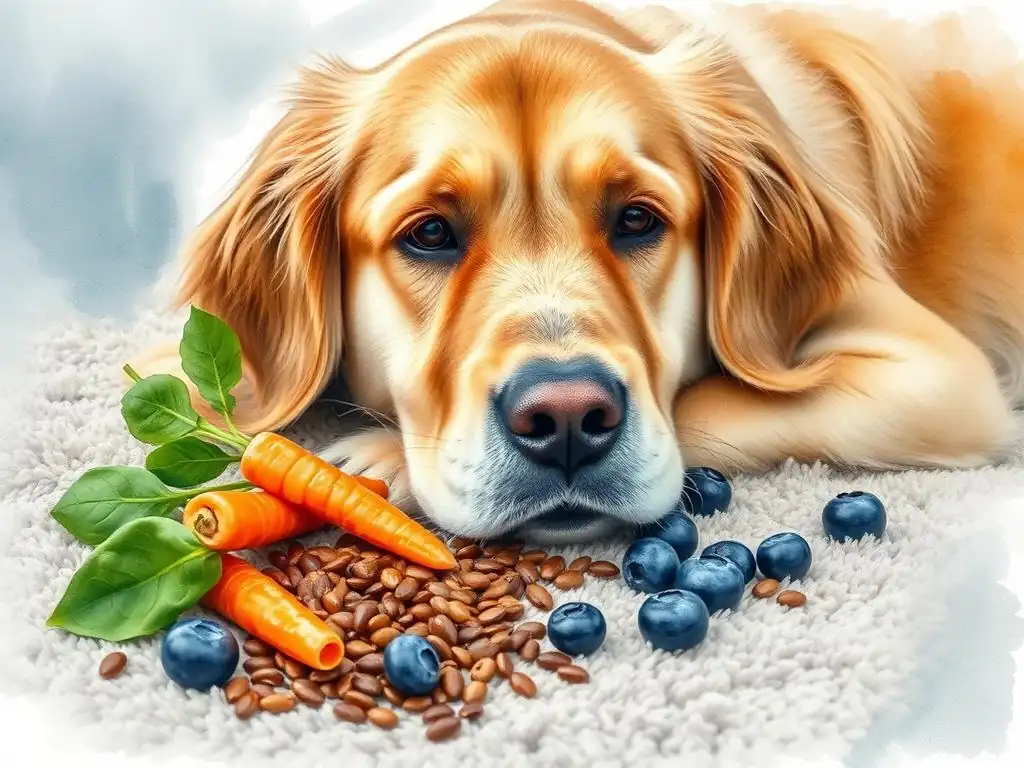
This section focuses on the practical application of understanding how diet impacts cognitive function in senior dogs. Successfully managing a senior dog's cognitive health requires ongoing monitoring and adjustments to their dietary plan. Ignoring subtle changes can lead to further decline, so proactive management is key.
The key is to establish a baseline and then track changes over time to ensure the diet remains effective in supporting your dog's cognitive well-being. This involves a multi-faceted approach, encompassing behavioral observation, regular veterinary checkups, and adapting the diet based on individual responses. Optimizing a senior dog's cognitive diet impact requires consistent attention and personalized care.
Tracking Cognitive Function: Behavioral Changes and Assessments
Tracking your senior dog's cognitive function involves carefully observing their behavior for subtle changes. These changes might be gradual, making early detection crucial. A detailed record of these changes is invaluable in guiding dietary adjustments. What constitutes a significant change will vary from dog to dog, but common indicators of cognitive decline include:
- Disorientation: Getting lost in familiar places, staring blankly into space, or increased confusion.
- Changes in sleep patterns: Increased daytime sleeping or nighttime restlessness.
- House soiling accidents: Incontinence or inappropriate elimination despite previous house-training.
- Reduced interaction: Less engagement in playtime, decreased responsiveness to commands, or social withdrawal.
- Changes in appetite: Sudden increases or decreases in food intake, or a preference for specific foods.
- Anxiety or agitation: Restlessness, pacing, whining, or increased vocalization.
Consider using a simple daily log to track these behaviors. Note the frequency and severity of each observed change. This detailed record provides a valuable baseline for comparison as you monitor your dog's progress and allows you to correlate any changes with dietary adjustments.
You might also consider using a cognitive assessment tool developed by a veterinary behaviorist, although these tools are often more complex. The goal is to create a comprehensive picture of your dog's cognitive state to inform optimal dietary management. Early detection of cognitive decline through consistent monitoring can significantly impact your senior dog's quality of life.
Regular Veterinary Checkups and Blood Work
Regular veterinary checkups are essential for monitoring your senior dog's overall health, including their cognitive function. These checkups should not only focus on immediate symptoms but also on preventative measures. Beyond the standard physical examination, regular blood work is crucial for identifying any underlying medical conditions that could be contributing to cognitive decline or interacting with their diet. For example, thyroid problems, kidney disease, or diabetes can all impact cognitive function and should be managed appropriately.
Veterinary professionals can conduct various tests to assess your dog's overall health, including:
- Complete Blood Count (CBC): Assesses red and white blood cell counts, helping identify infections or anemia.
- Serum Chemistry Profile: Evaluates organ function, including the kidneys, liver, and pancreas.
- Thyroid Function Tests: Measures thyroid hormone levels.
The frequency of these checkups and blood tests will depend on your dog's individual health status and any pre-existing conditions. However, for senior dogs, at least annual checkups, with possibly more frequent blood work depending on your veterinarian's recommendation, are generally recommended. This proactive approach helps identify potential problems early, allowing for timely intervention and adjustments to the diet to mitigate the negative impact on cognitive function. Remember, early detection and intervention are key in managing the effects of aging and maintaining your senior dog's cognitive health.
Adjusting the Diet Based on Individual Needs and Responses
Once you've established a baseline of your senior dog's cognitive function and have ruled out other medical conditions through veterinary checkups, you can begin making adjustments to their diet based on their individual response. This is an iterative process; what works for one senior dog may not work for another. The goal is to find the optimal diet that best supports their cognitive health and overall well-being.
Dietary adjustments might include:
- Changing food types: Switching to a senior-specific formula designed to support brain health. These often contain higher levels of antioxidants, omega-3 fatty acids, and other nutrients beneficial for cognitive function.
- Adjusting calorie intake: Weight management is crucial for senior dogs. Obesity can exacerbate cognitive decline. Your veterinarian can help you determine the appropriate calorie intake for your dog's size, activity level, and body condition score.
- Supplementing the diet: Certain supplements, such as antioxidants (vitamin E, vitamin C) and omega-3 fatty acids, may support cognitive function. However, it's crucial to consult your veterinarian before adding any supplements to your dog's diet to avoid potential interactions or adverse effects.
- Monitoring for improvements or worsening symptoms: Keep a close eye on your dog's behavior after making dietary changes. If the changes are not improving their cognitive function, or if they experience any negative side effects, consult your veterinarian to discuss alternative approaches.
Remember, patience and consistency are key. Adjusting a senior dog's diet to optimize cognitive function is a journey, not a destination. The process requires ongoing monitoring, adjustments, and close collaboration with your veterinarian. By proactively monitoring and adapting your senior dog's diet, you can significantly improve their quality of life and help them maintain their cognitive abilities for as long as possible. This personalized approach to senior dog cognitive diet impact is fundamental to ensuring their well-being.
Conclusion: A Holistic Approach to Senior Dog Cognitive Care Through Diet

The impact of diet on senior dog cognitive function is undeniable. A well-planned, nutritionally balanced diet, specifically tailored to the needs of aging canines, can significantly mitigate the effects of age-related cognitive decline and improve overall quality of life. This doesn't mean a complete overhaul of your senior dog's diet overnight; rather, a gradual transition to a diet richer in antioxidants, omega-3 fatty acids, and other vital nutrients is key.
Remember, the goal is to support, not replace, the natural aging process. Consistent monitoring of your dog's cognitive function and regular veterinary check-ups are crucial for detecting any issues early and adjusting the dietary approach as needed.
The phrase "Senior dog cognitive diet impact" aptly summarizes the crucial relationship between nutrition and cognitive health in older dogs. We've explored the specific nutrients and dietary adjustments that can positively influence brain health, but it's vital to understand this is just one piece of a larger puzzle.
Combining Dietary Changes with Other Supportive Care Measures
Dietary changes alone, while incredibly important for senior dog cognitive health, are not a silver bullet. A holistic approach that incorporates other supportive care measures will yield the best results. Consider these complementary strategies:
- Veterinary Consultations: Regular check-ups are essential to monitor your dog's overall health and cognitive function. Your veterinarian can identify any underlying medical conditions that may be contributing to cognitive decline and recommend appropriate interventions.
- Supplements: While a balanced diet should provide most necessary nutrients, your vet might suggest specific supplements, such as antioxidants or omega-3 fatty acids, to further support brain health. Always consult your vet before introducing any supplements to your dog's routine.
- Medication: In some cases, medication may be necessary to manage age-related cognitive decline. Your vet can determine if this is appropriate for your dog's specific situation.
Remember, a multi-faceted approach that combines nutritional adjustments with other supportive care measures offers the greatest chance of success in managing and potentially mitigating the effects of canine cognitive dysfunction. The synergistic effect of these combined strategies is often more impactful than any single intervention alone.
The Importance of Regular Exercise and Mental Stimulation for Senior Dogs
While nutrition plays a vital role, maintaining physical and mental activity is equally crucial for senior dogs experiencing cognitive decline. Regular, age-appropriate exercise helps improve circulation, promoting oxygen and nutrient delivery to the brain. This isn't about strenuous workouts; gentle walks, playtime, and even simple indoor exercises can make a significant difference. Consider the following:
- Low-Impact Activities: Choose activities that are gentle on your dog's joints, such as short walks on leash, swimming, or playing fetch with a lightweight toy.
- Mental Enrichment: Just as physical exercise is important, mental stimulation is equally crucial. Engage your dog in activities that challenge their minds, such as puzzle toys, hide-and-seek games, or training sessions. These activities help keep their minds sharp and engaged.
- Routine and Predictability: Maintaining a consistent daily routine can provide comfort and security for senior dogs, reducing stress and anxiety, which can exacerbate cognitive decline. A predictable environment can help them feel safe and secure.
The combination of regular exercise and mental stimulation enhances the positive effects of a senior dog cognitive diet, creating a holistic approach to managing cognitive decline. The benefits extend beyond cognitive function, improving their overall well-being and quality of life.
Maintaining a Positive and Enriching Environment for Your Aging Canine Companion
Creating a supportive and stimulating environment is paramount to the well-being of senior dogs, especially those experiencing cognitive decline. A safe, comfortable, and predictable environment can significantly reduce stress and anxiety, contributing to better cognitive function. Consider these key aspects:
- Safe and Comfortable Space: Ensure your dog has a designated safe space, such as a comfortable bed or crate, where they can retreat when feeling overwhelmed or anxious. This provides a sense of security and reduces stress.
- Sensory Stimulation: Provide opportunities for sensory enrichment, such as soft blankets, comforting sounds, or interactive toys that engage their senses. This can help stimulate their brains and improve their mood.
- Social Interaction: Maintain regular social interaction with your dog. This can include playtime, cuddling, or simply spending quality time together. Social interaction is crucial for their emotional well-being and can have a positive impact on their cognitive function. Even gentle interaction with other friendly dogs can be beneficial.
By focusing on these elements—a well-balanced senior dog cognitive diet, supportive care measures, regular exercise and mental stimulation, and a positive and enriching environment—you can significantly improve your senior dog's quality of life and potentially mitigate the effects of age-related cognitive decline. Remember, patience, consistency, and a loving approach are essential throughout this journey. The goal is to provide your beloved companion with the best possible care during their golden years.
Frequently Asked Questions
What is Senior Dog Cognitive Dysfunction (SCD)?
SCD is a progressive decline in a dog's brain function, similar to Alzheimer's disease in humans. Symptoms include confusion, disorientation, and changes in sleep patterns. Early diagnosis and management are crucial.
How does diet impact cognitive function in senior dogs?
A balanced diet rich in antioxidants, omega-3 fatty acids, and specific vitamins can help support brain health and potentially slow the progression of SCD. Poor nutrition can exacerbate cognitive decline.
What specific nutrients are beneficial for senior dogs' cognitive health?
Antioxidants like Vitamin E and C, omega-3 fatty acids, and B vitamins are particularly important. These nutrients help protect brain cells from damage and support healthy cognitive function.
Can a special diet reverse Senior Dog Cognitive Dysfunction?
While a specialized diet cannot reverse SCD, it can help manage symptoms and potentially slow the progression of the disease. It's crucial to consult with your veterinarian.
Where can I find a senior dog cognitive diet?
Your veterinarian can recommend specific commercially available diets formulated for senior dogs with cognitive decline. They can also advise on supplementing your dog's current diet with appropriate nutrients.
Final Reflection: Nourishing the Golden Years: Diet's Enduring Impact on Senior Dog Cognition
The link between nutrition and cognitive health in senior dogs isn't just a scientific curiosity; it's a vital key to unlocking happier, healthier later years for our beloved companions. Understanding this connection allows us to proactively support our aging dogs, mitigating the decline often associated with age and enhancing their quality of life during their twilight years. This isn't simply about extending lifespan, but about enriching the time we have left with them.
The profound impact of a well-crafted diet on a senior dog's cognitive abilities is something I've witnessed firsthand, both in my own practice and through countless conversations with concerned pet owners. The subtle changes – improved alertness, sharper memory, a renewed zest for life – are often remarkable. The best thing we can do for our aging pets is to give them the gift of a healthy, happy, and fulfilling life, and proper nutrition plays a pivotal role in achieving this.
This quote encapsulates the essence of our responsibility as caregivers, highlighting the power of proactive care in shaping the final chapter of our dog's lives.
Consider the choices you make regarding your senior dog's diet. Are you providing the optimal blend of nutrients to support their aging brains and bodies? Take this opportunity to review their current food, consulting with your veterinarian to ensure it meets their specific needs. By making informed decisions today, you can contribute to a brighter, more vibrant tomorrow for your faithful friend. Let's work together to ensure that the golden years of our canine companions are truly golden, filled with joy, companionship, and the sharp minds they deserve.
Unlock Your Senior Dog's Sharpest Mind
Thanks for exploring senior dog nutrition with us! You've learned how vital a customized diet is for maintaining your furry friend's mental acuity. Ready to put this knowledge into practice?
- Prioritize brain-boosting ingredients: Begin reviewing your senior dog's food today, focusing on ingredients that support cognitive function, such as omega-3 fatty acids, antioxidants, and L-carnitine. Consult your veterinarian for personalized recommendations.
- Share your discoveries: Have you found any exceptional foods or supplements that have benefited your aging dog? Share your experiences with the PetCareWorld community in the comments below!
- Track progress and celebrate successes: Keep a journal to record any improvements in your dog's alertness, memory, or overall cognitive function. Celebrate those milestones!
What small dietary adjustment will you make today to help your senior dog flourish?