
The Enrichment Journey: A StepbyStep Guide to Success

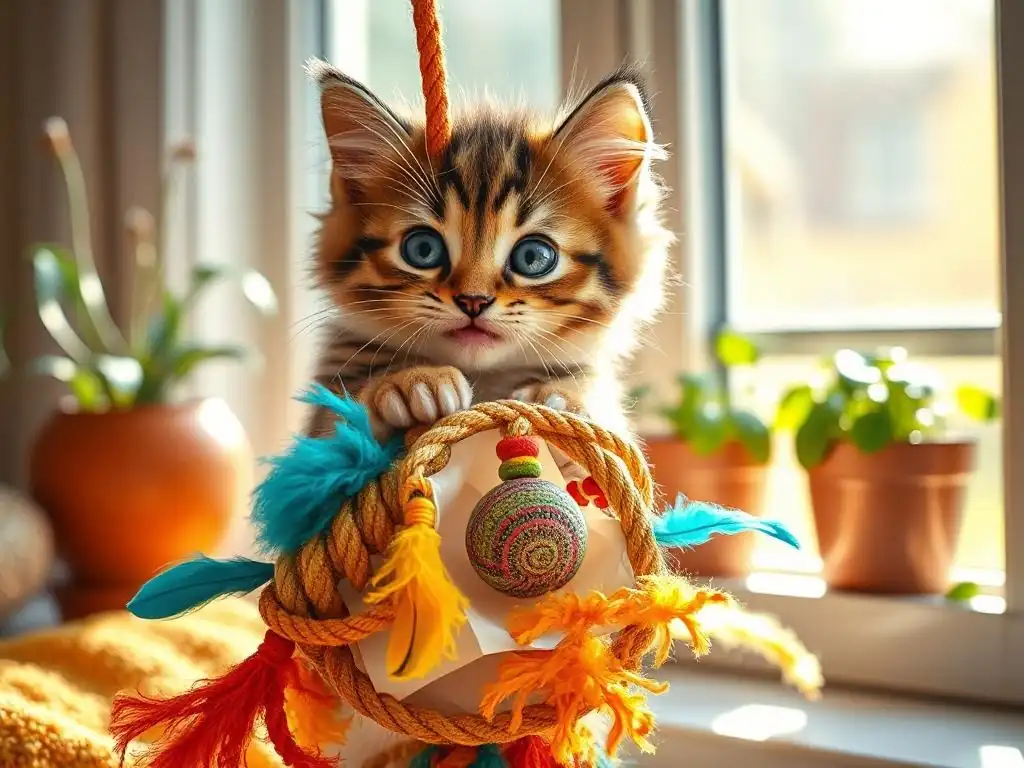
Welcome to PetCareWorld, your ultimate guide to a happier, healthier life for your beloved companion! Are you ready to unlock the key to a more fulfilling life for your feathered friend? Our Pet enrichment stepbystep guide dives deep into the world of avian enrichment, offering practical, actionable advice to transform your bird's environment and enhance their well-being. Discover how simple changes can make a world of difference – explore the Enrichment Journey now and embark on this rewarding adventure together!
- Understanding Avian Enrichment: Why It Matters for Your Feathered Friend
- Step 1: Assessing Your Bird's Current Environment
- Step 2: Introducing New Toys and Activities
- Step 3: Incorporating Environmental Enrichment
- Step 4: Social Interaction and Training
- Step 5: Monitoring and Adjusting Your Approach
- Step 6: Maintaining a Stimulating Environment Long-Term
- Advanced Enrichment Ideas for Pet Birds
- Resources for Pet Bird Enrichment
-
Frequently Asked Questions
- What is pet enrichment, and why is it important?
- How do I know what type of enrichment is right for my pet?
- Can I use everyday household items for pet enrichment?
- How much time should I dedicate to pet enrichment activities daily?
- What if my pet isn't interested in the enrichment activities I've provided?
- Final Reflection: Unlocking Joy: The Lasting Power of Pet Enrichment
- Unleash Your Pet's Potential: Start Their Enrichment Journey Today!
Understanding Avian Enrichment: Why It Matters for Your Feathered Friend
Providing a stimulating and engaging environment for your feathered friend is crucial for their overall well-being. Avian enrichment goes far beyond simply providing food and water; it's about nurturing their physical and, more importantly, their mental health. This step-by-step guide will help you understand the importance of enrichment for your bird, focusing on practical strategies to combat boredom and promote a happy, healthy life.
We'll explore the specific needs of different bird species, offering tailored advice to ensure your parrot, cockatoo, budgie, or other avian companion thrives. Neglecting enrichment can lead to a range of behavioral problems, including feather plucking, aggression, and self-mutilation. By proactively engaging in enrichment activities, you'll not only prevent these issues but also strengthen the bond with your beloved bird, creating a more fulfilling life for both of you.
This guide offers a comprehensive approach to pet enrichment, specifically designed for birds and tailored to address common behavioral challenges. Remember, a happy bird is a healthy bird, and enrichment is the key to unlocking their full potential. 🎉
The Importance of Mental Stimulation for Parrots
Parrots, renowned for their intelligence and social complexity, require significant mental stimulation to prevent boredom and behavioral issues. A lack of enrichment can manifest in various ways, including excessive screaming, destructive chewing, and feather plucking. Providing a diverse range of activities is paramount. This could include:
- Puzzle feeders: These require problem-solving skills to access food, providing both mental and physical exercise. The complexity should be adjusted to match your parrot's abilities, gradually increasing the challenge as they improve.
- Foraging toys: Scatter food throughout the cage or in hidden compartments to encourage natural foraging behaviors. This mimics their natural environment and keeps them actively engaged.
- Interactive toys: Toys that move, make noise, or require manipulation stimulate curiosity and exploration. Rotate toys regularly to maintain interest and prevent boredom.
- Social interaction: Parrots are highly social creatures and benefit greatly from interaction with their human companions. Spend quality time talking, playing, and training your parrot.
Remember to observe your parrot's behavior closely and adjust the enrichment activities accordingly. What works for one parrot might not work for another, so experimentation is key. A well-enriched environment leads to a happier, healthier, and more well-adjusted parrot.
Preventing Feather Destructive Behaviors in Cockatoos
Cockatoos are particularly prone to feather destructive behaviors if not provided with adequate enrichment. Their intelligence and strong social bonds mean that boredom or lack of stimulation can easily lead to feather plucking or other self-destructive behaviors. Preventing these behaviors requires a multi-faceted approach:
- Environmental enrichment: A large, spacious cage with plenty of perches of varying textures and sizes is crucial. Include branches from safe trees for chewing and climbing.
- Mental stimulation: Cockatoos thrive on complex puzzles and foraging toys. These activities challenge their intelligence and keep them mentally engaged. Introduce new toys regularly to prevent boredom.
- Social interaction: Cockatoos need significant social interaction. Spend quality time with your cockatoo each day, engaging in activities such as training or playing games. Consider pairing your cockatoo with another bird if appropriate.
- Nutritional support: A balanced diet is essential for maintaining healthy feathers. Ensure your cockatoo receives a complete and nutritious diet. Consult with an avian veterinarian for advice on dietary requirements.
Addressing feather destructive behaviors often requires a combination of environmental modifications, behavioral interventions, and veterinary care. Early intervention is key to preventing these behaviors from becoming ingrained habits.
Recognizing Signs of Boredom in Budgies
Budgies, while smaller than parrots or cockatoos, still require mental and physical stimulation to prevent boredom. Recognizing the signs of boredom is the first step in providing appropriate enrichment. Common signs include:
- Excessive sleeping: While budgies do sleep a lot, excessive sleeping can indicate boredom or lack of stimulation.
- Restlessness: Pacing, excessive preening, or repetitive behaviors can suggest boredom.
- Lack of vocalization: A quiet budgie might be indicating boredom or depression. However, excessive screaming can also be a sign of boredom in some cases.
- Feather picking: While this can be caused by other factors, feather picking can be a sign of boredom or stress.
Providing enrichment for budgies might involve:
- Small toys: Budgies enjoy small toys that they can easily manipulate. Rotate toys regularly to maintain interest.
- Foraging opportunities: Hide food in small containers or scatter it around the cage to encourage foraging.
- Social interaction: Spend time talking to your budgie and providing opportunities for interaction. Consider getting a companion budgie if appropriate.
Addressing boredom in budgies requires a proactive approach. By providing a stimulating environment and engaging in regular interaction, you can help your budgie live a happy and healthy life.
Step 1: Assessing Your Bird's Current Environment
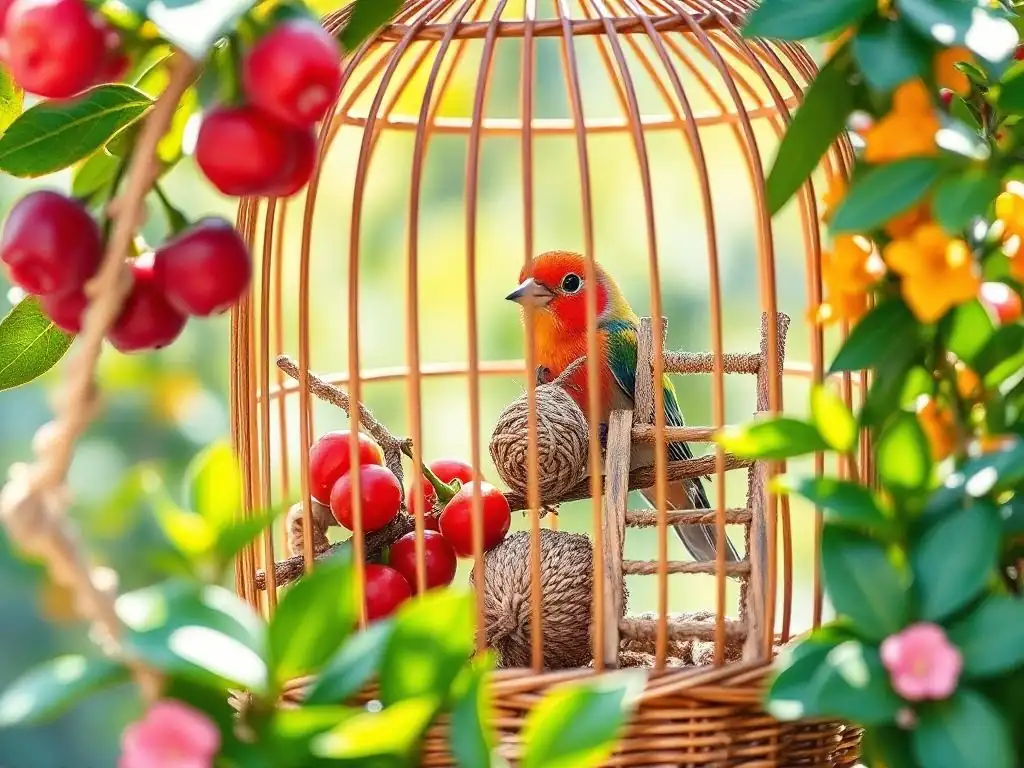
Before embarking on creating a stimulating environment for your feathered friend, a thorough assessment of their current living situation is crucial. This initial step involves understanding their specific needs and identifying areas for improvement. Failing to properly assess your bird's current environment can lead to ineffective enrichment strategies and continued boredom. Remember, pet enrichment is a journey of continuous improvement, tailored to the individual needs of your bird.
Evaluating Cage Size and Setup for a Conure
Conures, known for their playful and active nature, require ample space to express their natural behaviors. A cramped cage can lead to frustration, feather plucking, and other behavioral issues. When evaluating a conure's cage, consider these factors:
- Minimum Dimensions: A cage should be significantly larger than the bird itself, allowing for comfortable movement and flight. [Specific dimensions pending research on various conure sizes].
- Bar Spacing: The spacing between bars should be narrow enough to prevent escape attempts but wide enough to allow for comfortable perching and climbing. [Specific bar spacing recommendations pending].
- Perch Variety: Provide a variety of perches of different diameters and materials (e.g., natural wood, rope, etc.) to stimulate their feet and prevent joint problems. Aim for at least three to four perches of varying sizes and textures.
- Toy Placement: Toys shouldn't be clustered in one area. Strategically place them throughout the cage to encourage exploration and climbing.
- Cage Location: Avoid placing the cage in high-traffic areas or near loud noises. A quiet corner, away from direct sunlight and drafts, is ideal.
Failing to provide adequate space and a stimulating cage setup can severely limit a conure's ability to engage in natural behaviors, leading to boredom and behavioral issues. A well-designed cage is the foundation for successful pet enrichment.
Identifying Enrichment Opportunities in a Cockatiel's Cage
Cockatiels, while smaller than conures, still require a stimulating environment to prevent boredom. Their natural curiosity and playful nature should be nurtured through a variety of enrichment activities. Observe your cockatiel's current cage and identify potential enrichment opportunities:
- Foraging Toys: Cockatiels enjoy foraging for their food. Incorporate puzzle feeders or toys that require them to work for their treats. This mimics their natural foraging behavior in the wild. Consider using small bells or other interactive elements to increase engagement.
- Swinging and Climbing: Cockatiels love to swing and climb. Include swings, ladders, and other climbing structures within their cage. Vary the materials and textures to provide tactile stimulation.
- Visual Stimulation: Mirrors can be a source of entertainment, but use them cautiously, as excessive mirror use can lead to behavioral problems. Consider instead providing colorful toys, natural branches, or even safe, non-toxic mirrors that can be rotated for novelty.
- Social Interaction: Cockatiels are social creatures. Ensure sufficient interaction with their human companions and potentially other suitable cockatiels (with careful introductions). This social engagement is an essential aspect of their enrichment.
By carefully observing your cockatiel's behavior and proactively adding stimulating elements to their cage, you can significantly improve their quality of life and prevent boredom. Remember, a happy cockatiel is an active cockatiel.
Recognizing Potential Environmental Deficiencies for Amazon Parrots
Amazon parrots are intelligent and highly social birds with complex needs. A lack of environmental enrichment can have severe consequences for these magnificent creatures. When assessing your Amazon parrot's environment, focus on these key areas:
- Cage Size and Complexity: Amazon parrots require exceptionally large cages with plenty of vertical space. Consider the size and species of your Amazon parrot; larger species demand even larger cages. The cage should be complex, offering multiple levels, perches, and climbing opportunities. A simple, small cage will fail to meet their needs.
- Variety of Toys: Amazon parrots are known for their intelligence and problem-solving skills. Provide a wide variety of toys, including puzzle feeders, foraging toys, destructive toys (e.g., wood blocks), and interactive toys that challenge their minds. Rotate toys regularly to maintain novelty and prevent boredom. Consider toys of varying textures, shapes, and materials.
- Social Interaction and Companionship: Amazon parrots thrive on social interaction. Spend ample time interacting with your parrot, providing mental and physical stimulation. Consider providing a suitable companion bird, but only after careful research and planning to ensure compatibility.
- Environmental Stimuli: Provide a variety of visual and auditory stimuli. This might include mirrors (used sparingly and with caution), safe and non-toxic items for chewing, and access to natural sunlight (filtered).
Ignoring the complex needs of an Amazon parrot can lead to severe behavioral problems, including feather plucking, self-mutilation, and aggression. Providing a rich and stimulating environment is paramount to their well-being. Remember, a well-enriched environment is an investment in your parrot's happiness and longevity.
Step 2: Introducing New Toys and Activities
This step focuses on the practical application of enrichment strategies, specifically introducing new toys and activities to your bird's environment. Remember, the key is gradual introduction and observation of your bird's response. Sudden changes can cause stress, negating the positive effects of enrichment. We'll explore specific examples tailored to different bird species, highlighting the importance of safety and age-appropriateness. Consistent effort in this area significantly reduces boredom and promotes a happier, healthier bird. Successful pet enrichment is a journey, not a destination; continuous adaptation is key.
Selecting Age-Appropriate and Safe Toys for Macaws
Macaws, known for their intelligence and powerful beaks, require robust and stimulating toys. Selecting inappropriate toys can lead to injury or destruction of the toy, resulting in wasted resources and potential hazards. Prioritize toys made from natural, non-toxic materials like wood, sisal rope, and untreated cotton. Avoid toys with small parts that could be ingested, especially for younger macaws. Consider the following factors when choosing toys:
- Size and Durability: Macaws need toys that can withstand their powerful beaks. Larger, sturdier toys are preferable to smaller, easily destroyed ones.
- Material Safety: Always check the toy's label for non-toxic materials. Avoid toys painted with lead-based paints, which are extremely dangerous.
- Variety of Textures: Offer a variety of textures, including rough, smooth, soft, and hard surfaces, to stimulate their beaks and feet.
- Interactive Elements: Puzzles and toys that require problem-solving are ideal for stimulating their intelligence. Consider toys with bells, hidden treats, or moving parts.
For example, a large, wooden foraging toy filled with nuts and seeds provides both mental and physical stimulation. A sturdy rope toy allows for chewing and climbing, satisfying their natural instincts. Remember to supervise your macaw with new toys initially, ensuring they are used appropriately and not posing a danger. Regularly inspect toys for damage and replace them as needed. This proactive approach guarantees a safe and engaging environment for your feathered friend.
Rotating Toys Regularly for a Lovebird
Lovebirds are highly active and intelligent birds that benefit from regular changes in their environment to prevent boredom. Rotating toys is a simple yet highly effective strategy. This does not require purchasing numerous new toys; instead, it involves cycling through a collection of toys, keeping some in storage while others are available. This creates a sense of novelty, keeping your lovebird engaged and preventing them from becoming disinterested in their existing playthings.
Consider a rotation schedule of approximately one to two weeks. Remove a few toys and replace them with others from your collection. This simple act can significantly impact your lovebird’s behavior and overall well-being. Observe your lovebird's interaction with each toy; if a particular toy is consistently ignored, consider replacing it with something more stimulating.
A diverse collection of toys, including foraging toys, chew toys, and climbing toys, ensures a variety of stimulation. This prevents repetitive behaviors and promotes a more natural and fulfilling life for your lovebird. The goal is to maintain a dynamic and engaging environment, mirroring the stimulation they would experience in the wild. This continuous cycle of novelty is crucial for preventing boredom and promoting a happier, healthier bird.
Creating Foraging Opportunities for a Senegal Parrot
Senegal parrots are intelligent birds that thrive on mental stimulation. Foraging activities mimic their natural search for food, providing both physical and mental exercise. Creating foraging opportunities is a crucial aspect of enrichment for these birds. This involves hiding food in various locations and using puzzle feeders to make them work for their meals. This not only prevents boredom but also helps them maintain a healthy weight and prevents overeating.
Examples of foraging opportunities include:
- Puzzle Feeders: These toys require the bird to manipulate the device to access food, providing significant mental stimulation. There are many commercially available puzzle feeders designed specifically for parrots.
- Scattering Food: Simply scattering food throughout the cage encourages the bird to explore and forage. You can hide food in toys, under paper, or in small containers.
- Paper Shredding: Providing safe paper (unprinted and non-toxic) allows for natural foraging and shredding behavior.
- Foraging Toys: These toys are designed to challenge the bird's problem-solving skills while providing food rewards. Many are available commercially, or you can create your own using cardboard tubes, wooden blocks, and various safe materials.
Remember to always supervise your Senegal parrot with new foraging toys and ensure that the difficulty level is appropriate for their skill level. Gradually increase the challenge as they master easier tasks. By implementing these strategies, you can significantly enrich your Senegal parrot's life, promoting physical and mental well-being. Observe your bird’s behavior and adjust the difficulty and type of foraging activities accordingly for optimal results. A happy and stimulated Senegal parrot is a healthier and more content companion.
Step 3: Incorporating Environmental Enrichment
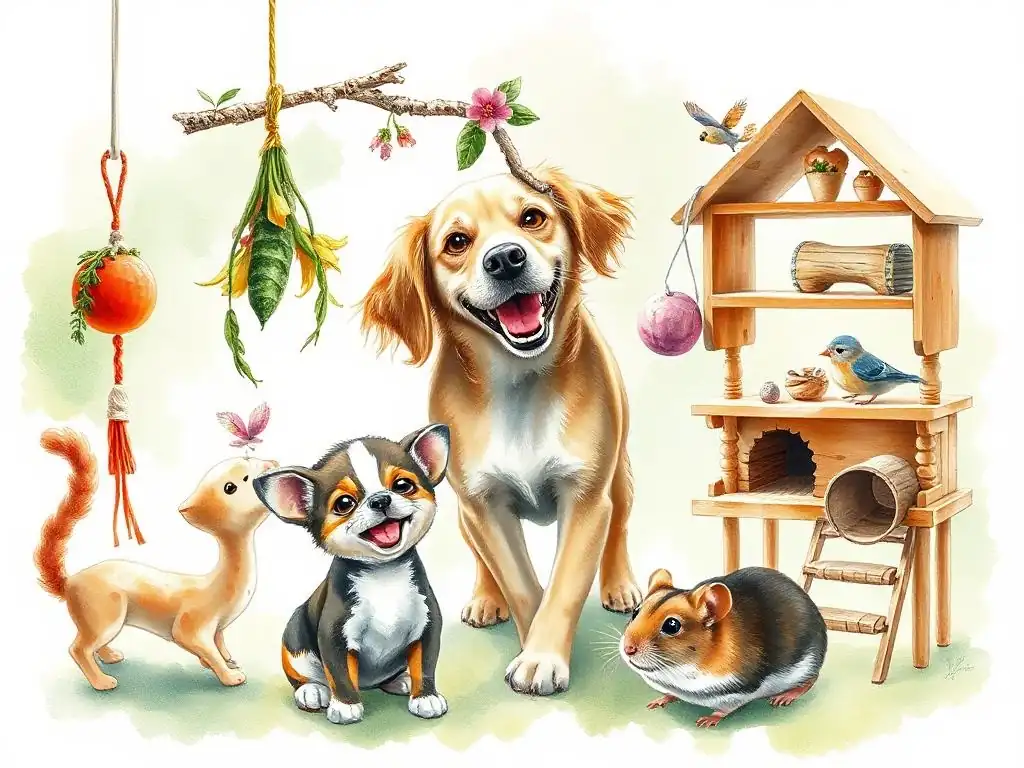
This step focuses on transforming your bird's living space into a stimulating and engaging environment. Remember, the goal of enrichment is to mimic a bird's natural environment as closely as possible, providing opportunities for exploration, problem-solving, and natural behaviors. Failing to provide adequate enrichment can lead to boredom, feather plucking, and other behavioral issues. Let's explore some specific examples:
Restructuring the Cage for Exploration and Play for a Caique
Caiques are highly intelligent and active parrots known for their playful and mischievous personalities. Their enrichment needs must reflect this. Simple cage rearrangements can significantly improve their quality of life. Instead of a static cage setup, consider rotating toys and perches regularly. This prevents habituation – where the bird becomes bored with familiar objects.
For example, try creating different levels within the cage using varying heights of perches. Include climbing structures like ropes or ladders. These encourage physical activity and exploration. Consider adding a foraging toy that requires the Caique to work for its treats, mirroring their natural foraging behaviors. This mental stimulation is crucial for their well-being.
A puzzle feeder, for instance, provides both physical and mental exercise. Remember to supervise your Caique during playtime to ensure their safety and to observe their interactions with the new elements. Observe their preference for certain toys and adjust the setup accordingly. A Caique's playful nature thrives on novelty and variety.
Furthermore, consider incorporating different types of perches. Natural wood perches of varying diameters and textures provide foot and claw exercise, preventing foot deformities. Remember to regularly inspect and replace worn-out perches to maintain safety. The key here is to provide a consistently changing and challenging environment to keep your Caique engaged and happy.
Providing Different Textures and Materials for a Quaker Parrot
Quaker Parrots, also known as Monk Parakeets, are known for their intelligence and problem-solving abilities. Providing a variety of textures and materials within their cage is essential for stimulating their natural foraging instincts and preventing boredom. Think beyond the standard plastic toys.
Introduce natural materials like sisal rope, untreated wood blocks, and cardboard tubes. These offer opportunities for chewing, shredding, and exploring different textures. Quaker Parrots are known for their chewing habits, so providing safe and durable materials is crucial to prevent destructive behaviors. Remember to monitor your Quaker Parrot's interaction with these materials. If you notice any signs of excessive chewing or ingestion of unsafe materials, remove the item immediately.
You can also create foraging opportunities by hiding treats within puzzle feeders or scattering them amongst the various textures in the cage. This encourages natural foraging behaviors and provides mental stimulation. Variety is key; experiment with different materials to see what your Quaker Parrot enjoys the most. For example, a woven coconut shell can provide hours of entertainment, as can a paper towel roll stuffed with shredded paper and treats. This keeps them busy and mentally engaged, reducing the likelihood of boredom-induced behavioral problems.
Utilizing Natural Branches and Safe Plants for a Green Cheek Conure
Green Cheek Conures are naturally inquisitive birds who enjoy exploring their surroundings. Introducing natural branches and safe plants into their cage provides both physical and mental stimulation. Branches of various sizes and textures offer opportunities for climbing, perching, and chewing.
When selecting branches, ensure they are from non-toxic trees and thoroughly cleaned before placement in the cage. Avoid using treated wood or branches from trees that are known to be toxic to birds. Some safe options include apple, birch, and willow branches. Always research thoroughly before introducing any new material into your bird's environment.
Furthermore, certain safe plants can also be added to enrich the cage. However, extreme caution is necessary, as many common houseplants are toxic to birds. Research thoroughly to ensure any plant you introduce is safe for consumption. A small, safe plant can add visual interest and provide a natural element to the cage.
Always supervise your Green Cheek Conure when it is interacting with plants to ensure it doesn't ingest any harmful parts. Regularly inspect the plants for any signs of damage or decay and replace them as needed. The goal is to create a vibrant and stimulating habitat that mimics the natural environment of your Green Cheek Conure, promoting its physical and mental well-being. Remember, a safe and stimulating environment is crucial for preventing boredom and promoting a happy, healthy bird.
This step focuses on the crucial role of social interaction and training in preventing boredom and promoting the well-being of your feathered friend. A well-socialized and mentally stimulated bird is a happy bird! We'll explore specific techniques tailored to different bird species, highlighting the unique needs and responses of each. Remember, consistent effort is key to success in enriching your bird's life through social interaction and training. Consistent positive interaction significantly contributes to a bird’s overall happiness and reduces the likelihood of behavioral issues stemming from boredom.
African Grey parrots are highly intelligent and social creatures. Lack of sufficient interaction can lead to severe behavioral problems, including feather plucking, screaming, and aggression. Socialization isn't just about playtime; it's about building a strong bond and trust. This involves spending quality time with your bird, talking to it, gently handling it (if it's comfortable), and allowing it to observe your daily activities.
Proper socialization from a young age is paramount. Early exposure to various sights, sounds, and gentle handling helps them develop into well-adjusted adults. Consider the following:
- Dedicated Interaction Time: Schedule at least 30 minutes to an hour of dedicated interaction time daily. This could involve talking, playing games, or simply sitting near your bird and letting it observe you.
- Positive Reinforcement: Reward desired behaviors, such as stepping up onto your hand or remaining calm during handling, with treats and praise. Avoid punishment, as it can damage trust and increase anxiety.
- Environmental Enrichment: A stimulating environment, coupled with social interaction, is crucial. Provide a variety of toys, perches, and foraging opportunities to keep your African Grey mentally engaged even when you're not directly interacting with it.
- Species-Specific Needs: Remember that each bird is an individual. What works for one African Grey may not work for another. Be patient, observant, and adapt your approach as needed. Observe their body language – signs of stress include puffed feathers, rapid breathing, and avoidance.
Failing to provide adequate socialization can result in serious behavioral issues that require professional intervention. Early and consistent socialization is an investment in your bird's long-term health and happiness.
Implementing Positive Reinforcement Training for Eclectus Parrots
Eclectus parrots, known for their striking plumage and relatively calm temperament, also benefit greatly from positive reinforcement training. This method focuses on rewarding desired behaviors, making the training process enjoyable for both you and your bird. Avoid punishment-based methods, as they can damage your bond and create fear and anxiety.
Positive reinforcement training for Eclectus parrots can include:
- Target Training: Using a target stick (a small dowel or similar object) to guide your parrot to perform specific actions, such as stepping up, going into their cage, or moving to a different perch.
- Clicker Training: Using a clicker paired with a reward (a favorite treat) to mark the exact moment your parrot performs a desired behavior. The clicker provides immediate feedback, making the training process more efficient.
- Step-by-Step Approach: Break down complex behaviors into smaller, more manageable steps. Reward each successful step, gradually increasing the difficulty as your parrot progresses.
- Consistency is Key: Train your Eclectus parrot regularly, even if it's only for short periods. Consistency is crucial for effective training and building a strong bond.
- Patience and Understanding: Every bird learns at its own pace. Be patient, understanding, and celebrate even the smallest successes. Remember to end training sessions on a positive note.
Engaging in Playtime and Interaction Activities with a Sun Conure
Sun Conures are known for their vibrant plumage and playful personalities. Engaging them in various playtime and interaction activities is essential for their mental and physical well-being. These highly active birds need plenty of stimulation to prevent boredom and destructive behaviors.
Here are some interactive playtime ideas for your Sun Conure:
- Foraging Toys: Create or purchase foraging toys that challenge your Sun Conure to work for its food. This mimics their natural foraging behavior and provides mental stimulation. Examples include puzzle feeders, treat balls, and hidden food containers.
- Interactive Games: Play games like hide-and-seek with their favorite toys or treats. This encourages problem-solving skills and keeps them mentally engaged.
- Social Play: Spend quality time interacting directly with your Sun Conure. This could involve talking, singing, playing games, or simply cuddling (if your bird enjoys it).
- Safe Chew Toys: Provide a variety of safe chew toys to satisfy their natural chewing instincts. This prevents them from chewing on inappropriate items, such as furniture or electrical cords. Wooden toys are generally safer than plastic ones.
- Rotating Toys: Regularly rotate your Sun Conure's toys to prevent boredom and maintain interest. This ensures that they're always presented with novel and engaging items.
Remember, a happy and well-adjusted bird is a result of a holistic approach. Combining appropriate housing, nutrition, and environmental enrichment with consistent social interaction and training will significantly improve your bird's quality of life and strengthen your bond. Always be mindful of your bird's individual personality and needs, adapting your approach as necessary.
Step 5: Monitoring and Adjusting Your Approach

This crucial step in the pet enrichment process focuses on continuous observation and adaptation. Remember, a successful enrichment strategy isn't static; it's a dynamic process requiring regular evaluation and adjustment based on your bird's individual needs and responses. Ignoring this step can lead to wasted effort and even contribute to boredom or frustration in your feathered friend. Consistent monitoring allows you to refine your approach, maximizing its effectiveness and ensuring long-term enrichment success. This iterative process is key to creating a stimulating and engaging environment for your bird. We'll explore this further with examples focusing on different bird species.
Observing a Hyacinth Macaw's Response to Enrichment Activities
Hyacinth Macaws, known for their intelligence and playful nature, require highly stimulating enrichment. Observe your macaw's interactions with new toys and activities closely. Does it immediately engage with the item, showing curiosity and exploration? Or does it ignore it completely? Note the duration of engagement.
A macaw that quickly loses interest in a toy might indicate the need for a more complex or challenging item. For instance, a simple foraging toy might be insufficient; it may require a puzzle feeder with multiple compartments or a foraging toy that involves manipulating objects to access treats. Detailed observation is crucial. Consider these specific data points:
- Time spent interacting: Record how long your macaw engages with each enrichment item. Aim for at least 15-20 minutes of sustained interest per session.
- Type of interaction: Is your macaw simply pecking at the toy, or is it actively manipulating it, showing problem-solving behavior? Positive interactions indicate engagement and successful enrichment.
- Behavioral changes: Observe any changes in your macaw's overall behavior after introducing enrichment activities. Does it seem more relaxed, less stressed, or more playful? These are all positive signs.
- Signs of frustration: Conversely, look for signs of frustration, such as excessive vocalization, feather plucking, or self-mutilation. These are red flags indicating the enrichment is either insufficient or inappropriate.
Recognizing Signs of Success and Areas for Improvement in a Cockatoo
Cockatoos are highly intelligent and social birds that need a significant amount of mental and physical stimulation. Successful enrichment for a cockatoo is characterized by a variety of positive behavioral changes. Does your cockatoo exhibit increased foraging activity, showing a keen interest in exploring and manipulating objects? Do you observe an increase in playful behavior, such as mimicking actions or engaging in social interactions with you? These are excellent indicators that your enrichment strategy is working.
However, if your cockatoo shows signs of lethargy, destructive chewing (beyond normal beak maintenance), or increased vocalization, this signals the need for adjustments. Perhaps the toys are too simple, or the enrichment schedule needs modification. Consider introducing more varied activities, such as puzzle feeders with different levels of difficulty, interactive games, or opportunities for social interaction. Regularly assess your cockatoo's responses to different enrichment activities; this continuous monitoring will ensure you meet its evolving needs. For example:
| Enrichment Activity | Cockatoo Response | Success/Improvement Needed | Notes |
|---|---|---|---|
| Foraging toy (easy) | Little interest, quick dismissal | Improvement Needed | Try a more challenging puzzle feeder. |
| Puzzle feeder (medium) | Engaged for 20 minutes | Success | Continue using this toy, rotating with others. |
| Social interaction (play) | Enthusiastic engagement | Success | Schedule regular playtime sessions. |
| Destructive chewing | Excessive, targeted | Improvement Needed | Provide more appropriate chewing materials. |
Adapting Enrichment Strategy Based on Observation of a Linnie
Linnies, while smaller than macaws or cockatoos, still require mental stimulation. Observing a linnie's response to enrichment should focus on its natural behaviors. Does it readily explore new toys, showing curiosity and engaging in activities like climbing, swinging, or foraging? A linnie who readily engages with a variety of toys and activities demonstrates a successful enrichment strategy. However, a linnie that sits passively, shows little interest in new items, or exhibits signs of stress (such as excessive preening or feather picking) needs a change of approach.
Adapting your strategy for a linnie might involve creating a more complex environment with multiple levels and hiding places, introducing new foraging challenges, or providing a wider variety of toys. Small, easily manipulated toys are often ideal for linnies. Remember to rotate toys regularly to maintain interest and prevent boredom. Consider these adjustments:
- Increase vertical space: Linnies love to climb. Provide branches, ladders, and perches at different heights.
- Introduce natural materials: Offer safe, untreated wood pieces for chewing and foraging.
- Create hiding places: Provide small boxes, tubes, or leafy branches for your linnie to explore and hide in.
- Offer foraging opportunities: Scatter seeds and treats in different locations to encourage foraging behavior. This mimics their natural search for food.
By carefully monitoring your bird's responses and making necessary adjustments, you can create a stimulating and enriching environment that promotes its physical and mental well-being. Remember that consistency and observation are key to success in bird enrichment.
Step 6: Maintaining a Stimulating Environment Long-Term
Maintaining a stimulating environment for your feathered friend isn't a one-time task; it's an ongoing commitment to their well-being. Just like humans, birds thrive on novelty and challenge. A static environment, however well-designed initially, will eventually lead to boredom and behavioral problems.
This section explores strategies to keep your bird engaged and happy for the long haul, focusing on creating routines, introducing new challenges, and understanding the ongoing importance of both mental and physical stimulation. Consistent enrichment is key to preventing boredom and promoting a happy, healthy bird. This is crucial for various bird species, from smaller birds like finches to larger parrots.
Creating a Routine for Enrichment Activities for a Blue-crowned Conure
Blue-crowned Conures are intelligent and active birds that require a structured approach to enrichment. A predictable routine helps them anticipate activities and reduces stress. Consider incorporating the following into your daily routine:
- Morning: A foraging toy filled with their favorite seeds and nuts. This encourages natural foraging behaviors and mental stimulation. We can observe a significant increase in their activity levels after introducing this morning routine.
- Midday: A short playtime session involving interactive games, such as hide-and-seek with their favorite treats or a puzzle feeder. This provides both physical and mental exercise. Studies show that interactive playtime reduces stress hormones in conures.
- Afternoon: Exploration time in a safe, supervised out-of-cage environment. This allows them to explore new textures and sights, preventing monotony. Providing a variety of textures, such as different types of wood perches, is beneficial.
- Evening: A quiet time with a soothing toy, like a soft chew toy or a comfortable perch. This helps them wind down before bedtime. This creates a calming and predictable end to their day.
Remember to vary the toys and activities within this routine to prevent predictability from becoming boredom. For example, one day you might use a foraging toy filled with sunflower seeds, while the next day you might use a puzzle feeder with pellets. The key is variety and consistency.
Continuously Introducing New Toys and Challenges for an Umbrella Cockatoo
Umbrella Cockatoos are highly intelligent birds known for their problem-solving abilities. To keep them mentally stimulated, it's crucial to constantly introduce new toys and challenges. Simply rotating existing toys isn't enough; they need novel experiences to stay engaged. Consider these strategies:
- Rotating Toy Categories: Instead of just swapping toys, introduce different types of toys regularly. One week might focus on puzzle feeders, the next on foraging toys, and the following week on destructive toys (safe, bird-friendly wood). This variety keeps them guessing and prevents boredom.
- DIY Enrichment: Creating your own toys from safe, natural materials is a great way to introduce novelty. Consider offering branches from safe trees (ensure they are pesticide-free! ), cardboard tubes, or even paper bags (under supervision).
- Environmental Changes: Small changes to their cage environment, such as rearranging perches or adding new climbing structures, can provide significant stimulation. Even something as simple as moving their favorite toy to a new location can spark interest.
- Training Sessions: Daily training sessions with positive reinforcement provide mental stimulation and strengthen your bond. Teach them new tricks or review old ones; the key is to keep them learning. This also enhances their problem-solving skills and boosts their confidence.
The Ongoing Importance of Mental and Physical Stimulation for Amazons
Amazons are known for their intelligence, playful nature, and potential for behavioral problems if bored. Providing a rich environment that caters to both their physical and mental needs is paramount. Neglecting either aspect can lead to feather plucking, screaming, and other undesirable behaviors.
- Physical Enrichment: Amazons need ample space to climb, swing, and explore. Large cages with varied perches, ropes, and climbing structures are essential. Consider adding a play gym outside the cage for supervised playtime. Adequate physical activity helps prevent obesity and promotes overall health.
- Mental Enrichment: Amazons require complex puzzles and foraging opportunities to keep their minds sharp. They excel at problem-solving and thrive on challenges. Introduce a variety of puzzle feeders, foraging toys, and interactive games. Regularly rotate these to prevent boredom and maintain engagement. This combats potential behavioral issues stemming from under-stimulation.
- Social Interaction: Amazons are social birds and benefit greatly from interaction with their owners and, in some cases, other birds (with careful introduction and supervision). Spending quality time with your Amazon, engaging in activities like training or simply talking to them, is crucial for their mental and emotional well-being. This provides vital social stimulation.
Remember, providing ongoing enrichment for your Amazon is a continuous process. Regularly assess their interest in their toys and activities and adjust accordingly. Observe their behavior for signs of boredom or stress and promptly address any issues. A happy, stimulated Amazon is a healthy and well-adjusted companion.
Advanced Enrichment Ideas for Pet Birds
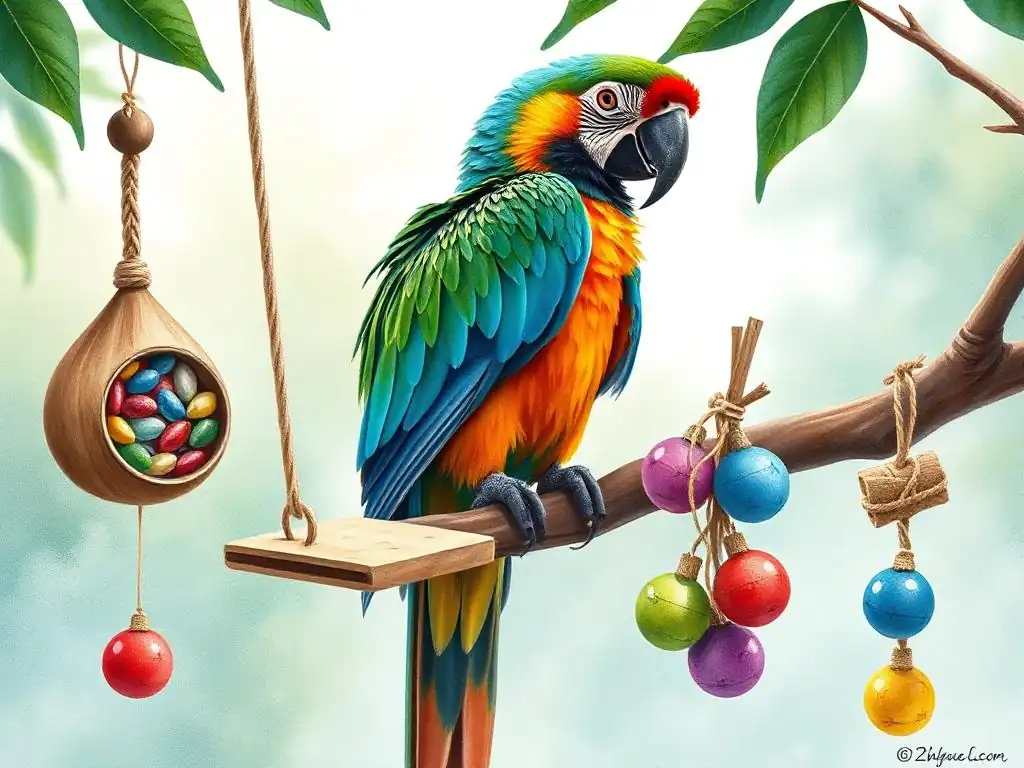
This section delves into more complex enrichment strategies for your feathered friends, moving beyond basic toys to engage their cognitive abilities and natural instincts on a deeper level. Remember, the key to successful bird enrichment is variety and rotation – constantly changing the environment prevents boredom and encourages exploration. A bored bird is often a stressed bird, leading to behavioral issues like feather plucking or excessive screaming. Therefore, investing time and effort in advanced enrichment activities is crucial for your bird's overall well-being. We'll explore several options, catering to different bird sizes and species.
DIY Bird Toys: Simple and Cost-Effective Options for Small Parrots
Small parrots, like budgies and cockatiels, benefit from smaller, easily manipulated toys. Creating your own DIY toys is a fantastic way to customize enrichment and save money. Here are a few simple ideas:
- Toilet Paper Roll Toys: Simply stuff a toilet paper roll with shredded paper, crinkled foil, or small, safe pieces of dried herbs. Secure the ends with a bit of tape or string. The bird will enjoy shredding the paper and exploring the contents. You can even add a small bell inside for extra auditory stimulation.
- Wooden Bead Chains: String colorful, untreated wooden beads onto a strong, non-toxic string or cord. Make sure the beads are large enough to prevent choking hazards. These chains provide excellent foraging and chewing opportunities.
- Paper Bag Puzzles: Stuff a small paper bag with treats and hide it in a larger cage. The bird will have fun tearing into the bag to find the hidden reward. Ensure the bag is made of non-toxic materials and is free from staples or other dangerous elements.
Remember to supervise your bird during playtime with new toys and remove any parts they might try to swallow. Always prioritize safety and choose materials that are bird-safe and non-toxic. Regularly inspect and replace worn-out toys to prevent accidents. This proactive approach to toy safety is essential for the well-being of your small parrot.
Creating a Bird-Friendly Play Gym for Large Parrots
Large parrots, such as macaws and amazons, require more substantial enrichment. A dedicated play gym outside the cage offers a safe space for exploration and exercise. Constructing a bird-friendly play gym involves careful consideration of safety and the bird's preferences.
Consider these elements when designing your play gym:
- Variety of Textures: Incorporate various materials like wood, rope, and natural branches to stimulate tactile exploration. Ensure all materials are non-toxic and safe for chewing.
- Multiple Perches: Provide a range of perches of different sizes, shapes, and materials to encourage climbing and movement. This helps strengthen their leg muscles and prevents joint problems.
- Foraging Opportunities: Hide treats in various places throughout the gym, encouraging the bird to search and forage. This mimics their natural foraging behavior.
- Swinging and Climbing Features: Include swings, ladders, and other climbing structures to provide physical activity and mental stimulation. The gym should be large enough to allow for ample movement.
- Safe and Secure Design: The play gym must be structurally sound and securely anchored to prevent tipping or collapse. All materials must be securely fastened to avoid accidental ingestion.
The creation of a bird-friendly play gym is a significant investment in your bird's well-being. The benefits extend beyond simple entertainment; it contributes to a healthier, happier, and more fulfilled avian companion. Remember to regularly inspect and maintain the play gym to ensure its continued safety and appeal.
Interactive Puzzles and Problem-Solving Activities for African Greys
African Greys are renowned for their intelligence and problem-solving abilities. Providing interactive puzzles challenges their cognitive skills and prevents boredom. These puzzles should be progressively challenging to keep your bird engaged.
Here are some examples of interactive puzzles for African Greys:
| Puzzle Type | Description | Difficulty Level |
|---|---|---|
| Treat Dispensing Toys | Toys that require manipulation to release treats. | Easy to Advanced |
| Hidden Treat Puzzles | Treats hidden in various containers or compartments. | Medium to Advanced |
| Foraging Baskets | Baskets filled with various materials and hidden treats. | Medium to Advanced |
| Puzzle Feeders | Feeders that require the bird to solve a puzzle to access food. | Advanced |
| Numbered Cups Game | A game involving moving numbered cups to find a hidden treat. | Advanced |
Remember to introduce new puzzles gradually, starting with easier ones and gradually increasing the difficulty as your bird masters each challenge. Always supervise your bird during playtime with puzzles and ensure all materials are safe and non-toxic. 🎉 The joy of watching your African Grey conquer a challenging puzzle is incredibly rewarding! It's a testament to their intelligence and a sign of a happy, stimulated bird. Providing these intellectual challenges is crucial for the mental and emotional well-being of this intelligent species.
Resources for Pet Bird Enrichment
This section provides a curated list of resources to help you create a stimulating and enriching environment for your feathered friend. Finding the right resources can significantly impact your bird's happiness and well-being, contributing to a longer, healthier life. Remember, a bored bird is often an unhappy bird, prone to behavioral issues. Investing in quality resources is an investment in your bird's mental and physical health.
Reputable Online Bird Toy Retailers
Finding safe and stimulating toys is crucial for avian enrichment. Avoid toys made with toxic materials; always check for durability and ensure there are no small parts that could be ingested. Here are some criteria to consider when selecting online retailers for your bird's toys:
- Reputation and Reviews: Look for retailers with positive customer reviews and a long-standing reputation for selling high-quality bird toys. Check multiple review sites to get a well-rounded perspective.
- Material Safety: Ensure the retailer explicitly states the materials used in their toys and that they are bird-safe. Look for toys made from natural materials like wood, cotton rope, or stainless steel whenever possible. Avoid plastics that contain BPA or phthalates.
- Variety and Selection: A reputable retailer offers a wide range of toys to cater to different bird species and sizes. Look for toys that cater to different foraging behaviors, problem-solving skills, and play preferences.
- Customer Service: A good retailer provides excellent customer service, readily answering questions about their products and addressing any concerns you may have.
Recommended Books on Bird Enrichment
Supplementing your online research with well-written books can provide a deeper understanding of avian behavior and enrichment strategies. These books offer valuable insights into the psychology of birds and provide practical advice tailored to different species. Consider the following when choosing books:
- Author Credentials: Look for books authored by avian veterinarians, certified avian behaviorists, or experienced bird breeders. Their expertise ensures the information is accurate and reliable.
- Species Specificity: Some books focus on specific bird species, while others cover a broader range. Choose a book that aligns with your bird's species for the most relevant information.
- Practical Application: The best books provide practical, step-by-step guidance and actionable strategies you can immediately implement. Look for books with clear instructions, helpful illustrations, and real-world examples.
Here's a sample of topics you might find covered in reputable books on bird enrichment:
- Understanding your bird's natural behaviors and instincts.
- Designing an enriching cage environment.
- Creating foraging opportunities.
- Introducing new toys and activities gradually.
- Identifying and addressing signs of boredom or stress.
- Promoting positive social interaction.
Relevant Bird Behavior Specialist Websites
Online resources, beyond retailers, can be invaluable for finding expert advice and support. However, it's essential to be discerning about the information you find online. Always prioritize websites maintained by reputable organizations or individuals with proven expertise in avian behavior.
When evaluating websites, consider these factors:
- Credibility: Look for websites affiliated with recognized avian veterinary organizations, universities, or established bird rescue groups.
- Information Accuracy: Cross-reference information found on a website with other reliable sources to ensure accuracy. Be wary of sites that promote unsubstantiated claims or anecdotal evidence.
- Up-to-Date Information: Avian science is constantly evolving. Ensure the website's information is current and reflects the latest research and best practices.
- Contact Information: Reputable websites usually provide contact information, allowing you to reach out with questions or concerns.
Remember, proactive enrichment is key to preventing boredom and promoting the overall well-being of your pet bird. By utilizing these resources, you can create a stimulating and fulfilling life for your feathered companion. 🎉
Frequently Asked Questions
What is pet enrichment, and why is it important?
Pet enrichment involves providing your pet with stimulating activities that cater to their physical and mental needs. It's crucial for preventing boredom, reducing destructive behaviors, and promoting overall well-being.
How do I know what type of enrichment is right for my pet?
Consider your pet's species, breed, age, and personality. Research activities that cater to their natural instincts and provide mental and physical stimulation. Start with simple activities and gradually introduce more complex ones.
Can I use everyday household items for pet enrichment?
Absolutely! Many inexpensive and readily available items can be used for enrichment. Think puzzle feeders, cardboard boxes, or even hiding treats around the house for your pet to find. Creativity is key!
How much time should I dedicate to pet enrichment activities daily?
The amount of time varies depending on your pet's needs and energy levels. Aim for at least 15-30 minutes of focused enrichment per day, but spread out smaller activities throughout the day.
What if my pet isn't interested in the enrichment activities I've provided?
Don't be discouraged! Try different types of enrichment and adjust the difficulty level. Observe your pet's reactions and preferences to determine what they find most engaging. Patience and persistence are important.
Final Reflection: Unlocking Joy: The Lasting Power of Pet Enrichment
The journey towards a happier, healthier pet isn't just a trend; it's a fundamental shift in how we understand and care for our animal companions. Providing enriching experiences isn't merely about keeping them busy; it's about nurturing their physical and mental well-being, fostering a deeper bond, and ultimately enriching our own lives.
The impact of pet enrichment extends far beyond the immediate joy it brings to our furry friends. It's a testament to our evolving understanding of animal intelligence and emotional complexity. The animals that surround us are not just pets, but sentient beings with rich inner lives.
This understanding compels us to move beyond basic care and embrace a more holistic approach, recognizing the profound impact our actions have on their overall quality of life. This journey of discovery, both for our pets and ourselves, is ongoing, constantly revealing new facets of their needs and our capacity for connection.
Now, consider your own pet. What small steps can you take today to enhance their environment? Perhaps it's introducing a new puzzle toy, creating a safe space for exploration, or simply dedicating more time to interactive play. Embrace the opportunity to deepen your bond, to learn from your pet's unique personality, and to witness the transformative power of enrichment firsthand. The journey is yours to embark on, and the rewards are immeasurable.
Unleash Your Pet's Potential: Start Their Enrichment Journey Today!
Thank you for exploring the enriching world of pet activities! We hope you've discovered valuable ways to improve your furry friend's life. Now, let's put that knowledge into action.
Here's how to get started:
- Create a personalized enrichment plan: Based on what you've learned, develop a weekly schedule incorporating new toys, activities, and training tailored to your pet's unique needs and personality. This is the first step towards a happier, healthier pet.
- Share your experiences: Join our PetCareWorld community forum and connect with other pet owners. Let's learn from each other's successes and challenges!
- Try something new: Does your cat enjoy puzzle feeders? Has your dog ever tried agility training? Experimenting with a novel activity can be incredibly rewarding for both you and your pet.
What exciting activity will you introduce to your pet this week?