
Hamster Interaction and Bonding: Building a Strong Connection PetCareWorld


Welcome to PetCareWorld, your ultimate guide to the wonderful world of pet care! Are you ready to unlock the secrets to a thriving relationship with your furry, scaled, or feathered friend? We're diving deep into the fascinating world of small animals, and our latest article reveals the best way to bond with your hamster. Discover the simple yet effective techniques that will transform your bond and create a truly enriching experience for both of you. Explore the secrets to a happier, healthier, and more connected life with your pet – start reading now!
- Understanding Your Hamster's Behavior: Key to Successful Bonding
- Best Way to Bond with Your Hamster: A Step-by-Step Guide
- Enhancing the Bonding Experience: Activities and Enrichment
- Troubleshooting Common Bonding Challenges: Addressing Problems
- Maintaining a Strong Bond with Your Hamster: Long-Term Strategies
- Frequently Asked Questions
- Final Reflection: The Unbreakable Thread of Hamster Connection
- Unlock Your Hamster's Heart: Strengthen Your Bond Today!
Understanding Your Hamster's Behavior: Key to Successful Bonding
Building a strong bond with your hamster requires patience, understanding, and a keen eye for their unique behaviors. This comprehensive guide will delve into the best ways to connect with your furry friend, focusing on recognizing their communication styles and creating an environment conducive to trust and companionship. Successfully bonding with a hamster isn't about forcing interaction, but rather about creating a positive and enriching experience that allows your hamster to feel safe and comfortable in your presence. This will not only strengthen your bond but also contribute to your hamster's overall well-being and happiness.
The best way to bond with a hamster involves understanding their needs and respecting their boundaries. Ignoring these crucial aspects can lead to stress for your pet and hinder the bonding process. Let's explore the key elements to fostering a wonderful relationship with your hamster.
Deciphering Hamster Body Language: Signs of Comfort and Stress
Understanding your hamster's body language is paramount to successful bonding. Hamsters communicate primarily through subtle cues, often missed by inexperienced owners. Recognizing these signs allows you to identify when your hamster feels comfortable, stressed, or even afraid. For example, a relaxed hamster will typically have a calm posture, with smooth fur and relaxed whiskers. They might engage in natural behaviors like grooming or exploring their environment. Conversely, a stressed hamster may exhibit signs like flattened ears, hunched posture, rapid breathing, or excessive grooming.
They might also become more reclusive or attempt to hide. Observe your hamster carefully during interactions. Do they readily approach you, or do they freeze or flee? Do they accept treats from your hand, or do they seem hesitant or fearful? These observations provide valuable insights into their comfort level and help you adjust your approach accordingly. A detailed log of your observations over several days can be incredibly helpful in understanding your hamster's individual personality and communication style.
Remember, every hamster is unique, and learning to interpret their specific signals is crucial for building trust. Consider keeping a small notebook to track your observations – noting specific behaviors and the context in which they occur. For example, you could note: "10/26/23 – 7:00 PM: Offered sunflower seed from hand. Hamster approached cautiously, then ate from my hand. Whiskers relaxed." This type of detailed record will help you pinpoint patterns and better understand your hamster's responses.
Identifying Your Hamster's Personality Traits
Just like humans, hamsters possess distinct personalities. Some are naturally more curious and outgoing, while others are more shy and cautious. Recognizing your hamster's individual temperament is crucial for adapting your bonding strategies. A shy hamster will require a more gentle and patient approach than an outgoing one. Avoid forcing interaction; instead, focus on creating a positive association with your presence.
Offer treats from a distance initially, gradually decreasing the distance as your hamster shows signs of comfort. Spend time near the cage, talking softly and allowing your hamster to observe you. Avoid sudden movements or loud noises, which can startle a timid hamster. Observe their reactions to different stimuli. Do they respond positively to gentle strokes, or do they prefer to be left alone?
Do they explore new objects readily, or are they hesitant? Understanding these preferences will help you tailor your interactions to your hamster's personality. For example, if your hamster seems particularly fond of a specific type of treat, using that treat during your interactions can establish a positive association. Similarly, if they enjoy exploring, introducing new, safe toys can help stimulate their engagement and reduce their fear of interaction.
Creating a Safe and Enriching Habitat
A safe and enriching habitat is fundamental to a successful bonding experience. A cramped, barren cage will only increase your hamster's stress levels, making bonding significantly more difficult. Provide ample space for exploration, hiding, and exercise. Include plenty of bedding materials, such as shredded paper or wood shavings, for burrowing and nesting.
Offer a variety of toys, such as tunnels, wheels, chew toys, and hiding places, to keep your hamster mentally and physically stimulated. A hamster wheel is crucial for exercise and can also help them burn off excess energy, leading to a calmer demeanor during interactions. Ensure the cage is clean and free of harmful substances. Regular cleaning not only maintains hygiene but also reduces stress for your hamster by providing a predictable and comfortable environment.
A clean, spacious, and engaging habitat will create a positive and secure environment, making your hamster more receptive to interaction and fostering a stronger bond between you. Remember that a happy and healthy hamster is more likely to be receptive to bonding activities. Think of their cage as their sanctuary and ensure it provides everything they need to thrive.
Best Way to Bond with Your Hamster: A Step-by-Step Guide
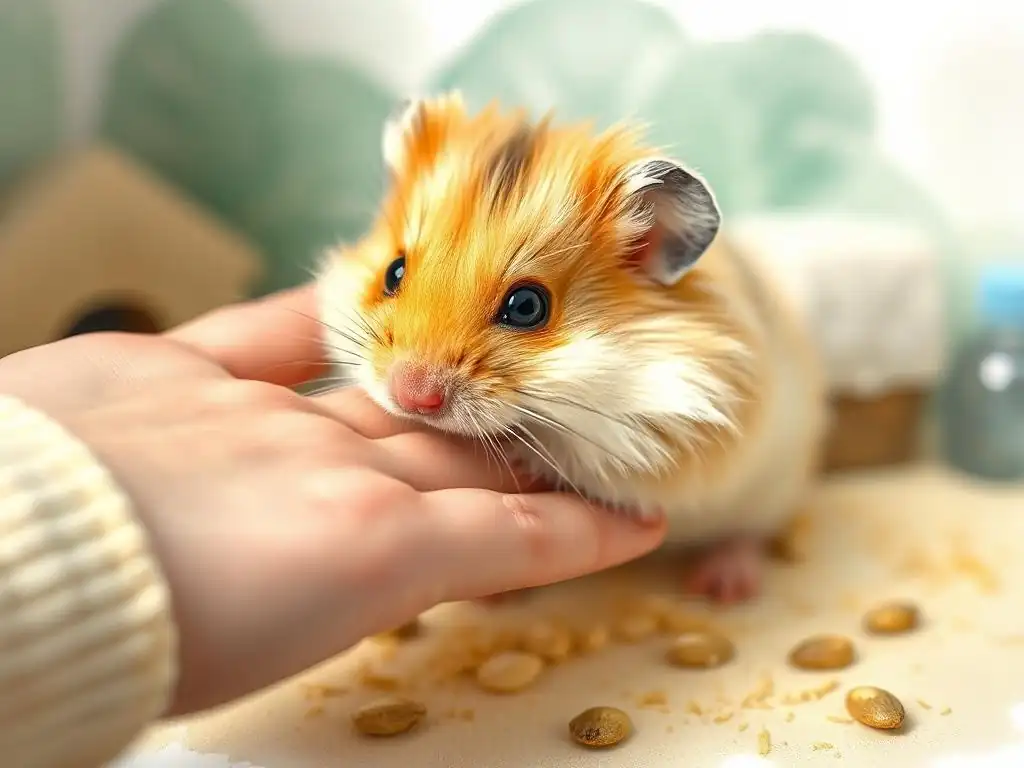
This section details the best approach to building a strong, trusting relationship with your hamster. Remember, hamsters are prey animals, and building trust takes time, patience, and a gentle approach. The goal is to create a positive association with your presence, transforming you from a potential threat into a source of comfort and security. Finding the best way to bond with your hamster is a rewarding experience for both you and your furry friend.
The Importance of Gradual Introduction
The initial interaction between you and your new hamster is crucial. A sudden, overwhelming approach can scare your tiny companion, potentially hindering the bonding process for weeks, even months. Instead, prioritize a gradual introduction, allowing your hamster to acclimate to your presence at its own pace. Avoid reaching into the cage immediately. Instead, spend several days simply observing your hamster from a distance. Note its activity patterns, favorite sleeping spots, and overall demeanor. This helps you understand its personality and anticipate its reactions.
Many new hamster owners make the mistake of immediately trying to handle their hamster. This can be highly stressful for the animal and can damage the potential for bonding. Instead, start by speaking to your hamster in a calm, soothing voice. This helps familiarize it with your sound and presence without causing alarm.
Gradually decrease the distance over a few days. Spend more time observing your hamster, possibly reading a book nearby, so it gets used to your presence without direct interaction. The key is to establish a routine and make your presence a normal part of its environment. This lays the foundation for a positive and trusting relationship.
Hand-Taming Your Hamster: Patience and Positive Reinforcement
Once your hamster seems comfortable with your presence near its cage, you can begin the hand-taming process. This involves slowly introducing your hand into the cage, offering treats like sunflower seeds or small pieces of fruits and vegetables. Avoid reaching in suddenly; instead, gently place your hand inside, near its favorite spots, allowing it to investigate at its own pace. If it approaches your hand, reward it with a treat and gentle praise.
If it runs away, don't chase it. Simply remove your hand and try again later. Consistency is key. Short, frequent sessions (5-10 minutes) are more effective than long, infrequent ones.
Remember, patience is paramount. Some hamsters warm up quickly; others take considerably longer. Never force interaction. Forcing a hamster to interact will only breed fear and distrust. Positive reinforcement, through treats and gentle handling, is the most effective method. Over time, your hamster will associate your presence with positive experiences, making it more likely to approach and accept handling. This process requires dedication, but the resulting bond is incredibly rewarding. Think of it as building a relationship based on mutual trust and respect. This is the best way to bond with your hamster and have a happy, healthy companion.
Building Trust Through Gentle Handling
Once your hamster readily accepts treats from your hand, you can begin gently handling it. Support its entire body, avoiding squeezing or applying excessive pressure. Let it explore your hand, allowing it to sniff and investigate at its own pace. Keep handling sessions short, especially in the beginning. A few minutes of gentle interaction is far more beneficial than a longer, stressful session.
Observe your hamster's body language. If it seems tense, stiff, or tries to escape, stop immediately. Respect its boundaries. This demonstrates to your hamster that you respect its needs and will not force interaction. Signs of a comfortable hamster include relaxed posture, gentle sniffing, and perhaps even exploring your hand more confidently. These are indicators that the bonding process is progressing well. Remember, building trust is a gradual process. Celebrate small victories and remember that every positive interaction strengthens the bond between you and your hamster. Enjoy this rewarding journey of connection with your furry friend!
Rewarding Positive Interactions
Positive reinforcement is key to building a strong bond with your hamster. Hamsters, like many animals, respond well to rewards. Instead of punishment for unwanted behaviors (which can actually damage trust and make your hamster fearful), focus on rewarding the positive actions you want to encourage. This approach builds a positive association between you and enjoyable experiences, strengthening your bond.
For example, if your hamster approaches your hand willingly, immediately offer a small, healthy treat like a sunflower seed (in moderation, of course!). This creates a positive feedback loop: approaching your hand equals a tasty reward. Consistency is crucial here; always reward positive interactions promptly and reliably. Over time, your hamster will learn that being near you is a positive and rewarding experience.
This positive reinforcement will increase their willingness to interact and build a stronger, more trusting relationship. Remember to vary the rewards to keep things interesting; a small piece of fresh fruit or a tiny bit of cooked, plain pasta can also be rewarding treats. Avoid sugary or processed foods.
It's important to note that some hamsters may be slower to warm up than others. Patience is essential. Don't get discouraged if your hamster doesn't immediately rush towards your hand. Continue offering treats and spending quiet time near their cage, allowing them to get used to your presence. The key is to create a safe and predictable environment where your hamster feels comfortable and secure.
Gradually, your hamster will learn to associate your presence with positive experiences, leading to a more confident and trusting relationship. Remember, the goal isn't to force interaction but to gently encourage it through positive reinforcement. The best way to bond with a hamster is through patience, understanding, and consistent positive reinforcement. Even small, seemingly insignificant interactions, rewarded consistently, will significantly contribute to building trust and a strong bond.
Enhancing the Bonding Experience: Activities and Enrichment
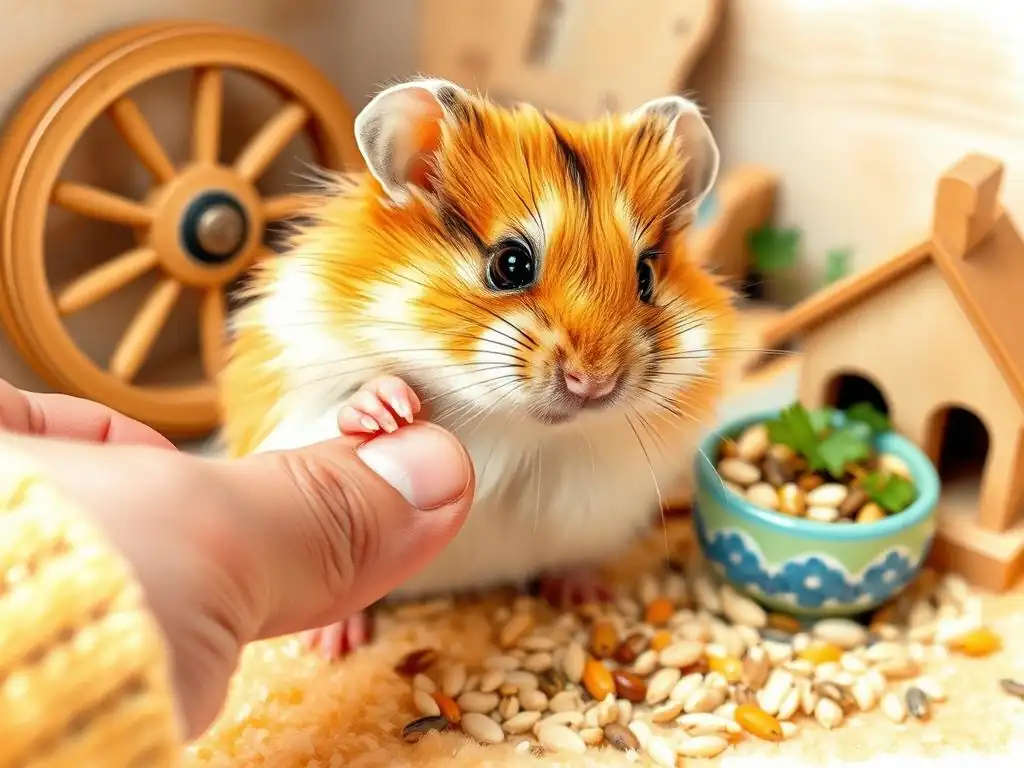
Building a strong bond with your hamster isn't just about handling; it's about creating a positive and enriching environment that fosters trust and companionship. The best way to bond with a hamster involves understanding their natural behaviors and providing opportunities for interaction that align with their preferences. This section explores activities and enrichment strategies that will significantly improve your relationship with your furry friend.
Interactive Playtime: Safe Toys and Activities
Interactive playtime is crucial for strengthening the bond between you and your hamster. However, safety is paramount. Avoid small objects that could be ingested, and always supervise playtime to prevent accidents. Here are some safe and engaging activities:
- Exercise Wheels: A large, solid-surface wheel is essential for a hamster's physical and mental well-being. The wheel provides crucial exercise, preventing boredom and promoting a healthy lifestyle. Observe your hamster's activity on the wheel; excessive use might indicate insufficient environmental enrichment.
- Tunnels and Tubes: Hamsters are naturally curious and love to explore. Tunnels and tubes provide a stimulating environment for them to hide, play, and investigate. Consider creating a maze-like system with various tunnels and hiding places.
- Chew Toys: Providing safe chew toys is essential for dental health and mental stimulation. Wooden chew toys, specifically those made from untreated wood, are excellent choices. Avoid toxic materials like plastic and rubber.
- Sand Baths: Hamsters enjoy sand baths for grooming and hygiene. Provide a shallow dish filled with chinchilla sand (not dust), ensuring it's kept clean and replenished regularly. This activity can become a bonding opportunity as you observe your hamster enjoying their bath.
- Supervised Free Roam: Allowing your hamster supervised free roam in a safe, hamster-proofed area provides valuable bonding time. This allows your hamster to explore a larger space and interact with you in a less confined setting. Remember to always monitor your hamster closely to prevent escapes.
Providing Mental Stimulation: Puzzles and Foraging
Hamsters are intelligent creatures that thrive on mental stimulation. Providing puzzles and foraging opportunities will not only keep them entertained but also strengthen your bond by encouraging interaction.
- Treat Puzzles: These commercially available toys challenge your hamster to solve puzzles to access treats. This encourages problem-solving skills and offers a rewarding experience.
- Foraging Toys: Fill a toilet paper tube with bedding and hide treats inside. Your hamster will enjoy the process of discovering and retrieving the hidden treats. This mimics their natural foraging behavior.
- DIY Enrichment: Create your own foraging toys using cardboard boxes, paper tubes, and safe, natural materials. This allows for customization and creativity, tailoring the enrichment to your hamster's preferences.
- Varying the Environment: Regularly rearranging your hamster's cage stimulates their exploration instincts. Change the position of their food bowl, water bottle, and toys to create a new and exciting environment. This simple act can significantly improve their mental well-being and enhance your bonding experience.
Remember, providing a variety of mentally stimulating activities helps prevent boredom and enriches your hamster’s life, ultimately leading to a stronger bond with you. Observe your hamster's reactions to different activities to determine their preferences and tailor the enrichment accordingly.
Multi-Hamster Housing Considerations
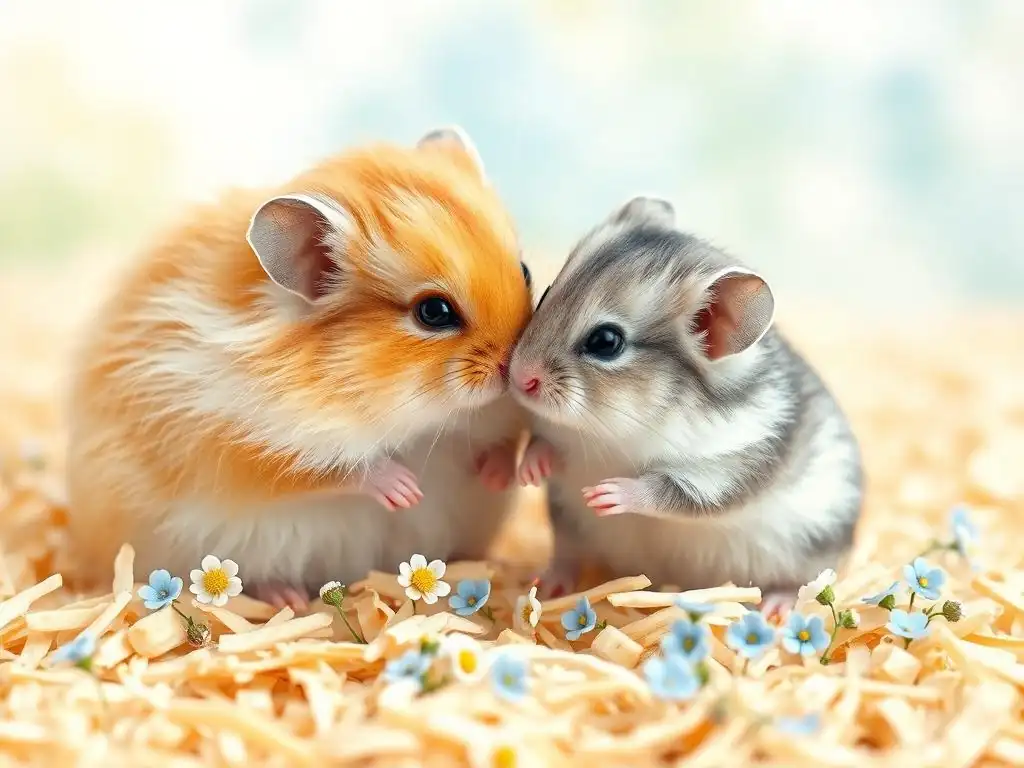
While some hamster species are social and can live together, many are solitary creatures and should not be housed with other hamsters. Attempting to bond two hamsters can lead to aggression, injury, and even death. The best way to bond with a hamster is often to focus on a one-on-one relationship. Even with species known for being social, introducing them requires careful planning and monitoring to avoid conflict.
- Species Compatibility: Not all hamster species are compatible. Syrian hamsters (golden hamsters), for example, are highly territorial and should never be housed together. Dwarf hamster species might tolerate cohabitation with careful introduction, but even then, aggression can occur. Thorough research into the specific species of hamster is crucial before considering multi-hamster housing.
- Careful Introductions: If considering introducing two compatible dwarf hamsters, a slow and methodical approach is necessary. This involves using a neutral territory, allowing the hamsters to smell each other through a divider, and gradually increasing interaction under close supervision. Even with the most careful introduction, separation might be necessary if aggression develops.
- Signs of Aggression: Be vigilant for signs of aggression, such as hissing, biting, chasing, or fighting. These are clear indicators that the hamsters are not compatible and should be separated immediately. Ignoring these signs can have severe consequences.
- Separate Housing: The safest approach for most hamster species is to provide individual housing. This eliminates the risk of territorial disputes and ensures each hamster has enough space, resources, and enrichment. This focus on individual well-being is far more beneficial to the hamster's overall health and well-being than attempting to force cohabitation. Providing appropriate enrichment for a single hamster is far more effective for bonding than risking the lives of two hamsters through potentially dangerous cohabitation.
Tailoring Interactions to Individual Preferences
Hamsters, despite their small size, possess unique personalities. Understanding your hamster's individual preferences is crucial for building a strong bond. Some hamsters are naturally more outgoing and curious, readily approaching their human companions and exploring new environments. Others might be more shy and cautious, requiring a gentler, more patient approach. Forcing interaction on a timid hamster will likely result in fear and stress, hindering the bonding process.
Observe your hamster's behavior closely. Does it readily accept treats from your hand? Does it freeze or run away when you approach its cage? Does it explore new toys readily or avoid them? These subtle cues provide valuable insights into its personality and preferred interaction style.
For the outgoing hamster, gentle handling, supervised playtime outside the cage in a safe, hamster-proof area, and interactive games like hiding treats for them to find are excellent bonding experiences. Remember to always supervise playtime to prevent escapes and ensure your hamster's safety. Offer a variety of toys and activities to stimulate its natural curiosity and keep it engaged. A wheel, tunnels, and chew toys will all contribute to a happy and enriched environment, further strengthening your bond.
Conversely, for the shy hamster, a slower, more gradual approach is essential. Start by simply talking to your hamster gently and spending quiet time near its cage. Offer treats through the cage bars, allowing it to approach you at its own pace. Avoid sudden movements or loud noises that might frighten it. Gradually introduce your hand into the cage, allowing your hamster to sniff and investigate it before attempting to handle it. Even brief, respectful interactions are valuable in building trust.
Remember, patience is key. Building trust with a shy hamster takes time and consistent, gentle interaction. Celebrating even small successes, like your hamster taking a treat from your hand, can reinforce positive associations. Focusing on creating a calm and predictable environment will also contribute to building confidence. Avoid making sudden changes to its cage setup or routine. Consistency is key to building a positive bond.
Troubleshooting Common Bonding Challenges: Addressing Problems
Building a strong bond with your hamster takes patience and understanding. While many hamsters readily accept gentle handling, some present unique challenges. Successfully bonding with your hamster hinges on recognizing and addressing these issues proactively. Remember, a stressed or unwell hamster is less likely to bond with you. Patience and consistent positive interactions are key to success. This section focuses on the best way to bond with a hamster exhibiting problematic behaviors.
Dealing with Fearful or Aggressive Hamsters
Fear and aggression in hamsters often stem from negative past experiences or a lack of proper socialization. A hamster that hisses, bites, or freezes when approached needs a different approach than one that is curious and playful. The best way to bond with a fearful hamster is through slow, gradual introduction. Avoid sudden movements or loud noises. Start by simply spending time near their cage, talking softly, and offering treats through the bars. Let them see you as a source of positive experiences.
Gradually increase your interaction. After a few days of this, try gently placing your hand in the cage, allowing them to investigate at their own pace. Never force interaction. If they show signs of fear (flattening ears, freezing, rapid movements), withdraw your hand immediately and give them space. Consistency is crucial.
Repeat this process daily, extending the interaction time as your hamster becomes more comfortable. Positive reinforcement, such as offering small, healthy treats like sunflower seeds (in moderation! ), can significantly aid in building trust. It's essential to recognize that some hamsters might always retain a degree of shyness, and that's perfectly acceptable. The goal is to build a relationship based on mutual respect and trust, not forcing affection.
Overcoming Biting Issues
Biting, while a common concern, is rarely a sign of inherent malice. Hamsters bite when they feel threatened, scared, or are simply startled. Understanding the underlying cause is crucial to resolving biting issues. Sometimes, even a gentle approach can be perceived as threatening by a frightened hamster.
Addressing biting involves careful observation of your hamster's behavior. Does biting occur only when you handle them, or in specific situations? Is it a quick nip or a more aggressive bite? The severity and context of the bite will influence the best approach. For example, a quick nip might indicate a startled reaction, requiring more gentle and predictable handling. More aggressive biting usually points to fear or stress.
If your hamster bites, avoid reacting with fear or anger. A calm response is essential. Immediately remove your hand, but don't punish the hamster. Punishment will only increase fear and aggression. Instead, focus on improving handling techniques and creating a more positive interaction experience.
Always wash your hands before handling to avoid transferring scents that might upset your hamster. Remember, consistency is key. Regular, gentle interactions, even if brief, will help your hamster learn to associate your presence with positive experiences. Consider using a small, soft brush to gently groom your hamster, which can be a calming and bonding experience.
Recognizing Signs of Illness or Stress
Before focusing on bonding, ensure your hamster is healthy and stress-free. A sick or stressed hamster will be less receptive to interaction and may exhibit aggressive behavior as a result. Recognizing the signs of illness or stress is vital for successful bonding.
Observe your hamster's behavior, appearance, and activity levels. Signs of illness might include lethargy, loss of appetite, unusual droppings, labored breathing, or changes in fur condition. Stress can manifest as excessive grooming, hiding, teeth grinding, or changes in sleeping patterns. If you notice any of these symptoms, consult a veterinarian immediately.
Addressing underlying health issues is paramount before attempting to strengthen the bond. A healthy hamster is a happy hamster, and a happy hamster is much more likely to bond with you. Providing a clean, spacious cage, appropriate enrichment, and a consistent routine will contribute to a reduced stress level and a happier, more approachable hamster. Remember, a healthy and relaxed hamster is more likely to respond positively to your efforts to bond.
Building a Strong Bond Over Time
Building a strong bond with your hamster takes patience and consistency. It's not a race; it's a marathon. Don't expect instant results. Some hamsters are naturally more sociable than others, and their personalities will influence how quickly they warm up to you. Remember that even the shyest hamster can learn to trust and enjoy interaction with a patient owner.
One effective strategy is to establish a consistent daily routine. This could involve spending 15-20 minutes each day near the cage, talking softly to your hamster, and offering treats through the bars. This predictability helps your hamster feel safe and secure, reducing their stress levels and making them more receptive to interaction. Avoid sudden movements or loud noises near the cage, as these can frighten your hamster and hinder the bonding process.
Gradually increase the frequency and duration of your interaction. Once your hamster seems comfortable with your presence near the cage, you can try offering treats from your hand. Do this slowly and gently, avoiding any sudden movements that might startle them. If your hamster hesitates, don't force the interaction. Simply withdraw your hand and try again later. Positive reinforcement is key; rewarding your hamster for approaching your hand will encourage them to continue interacting with you.
Remember to observe your hamster's body language. Signs of comfort include relaxed posture, gentle sniffing, and accepting treats from your hand. Signs of stress or fear include rapid breathing, freezing, hiding, or running away. Always respect your hamster's boundaries and never force interaction. If your hamster displays signs of stress, back off and try again another time.
Consistency and patience are the cornerstones of successful hamster bonding. Building trust takes time, and it's a process that requires understanding and sensitivity to your hamster's individual needs and personality. The reward of a happy, trusting hamster who enjoys your company is well worth the effort. It's a beautiful connection to build and cherish. The best way to bond with your hamster is to create a positive, predictable, and respectful environment where they feel safe and secure. 🎉
Maintaining a Strong Bond with Your Hamster: Long-Term Strategies
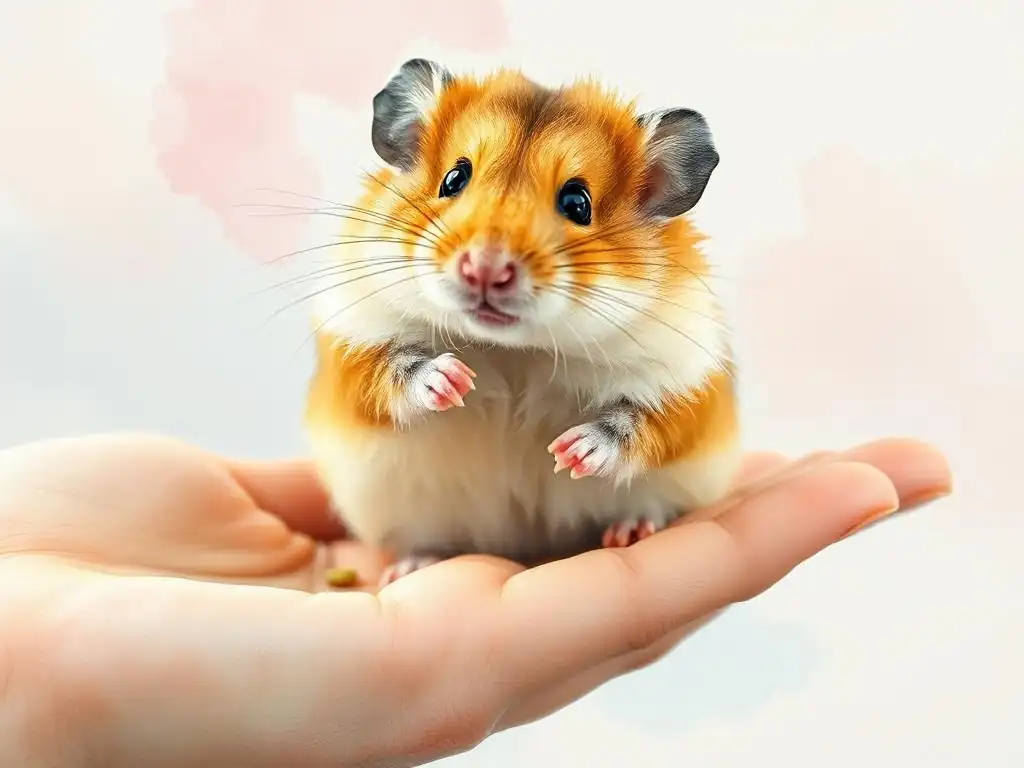
Building a strong bond with your hamster isn't a one-time event; it's an ongoing process requiring consistent effort and understanding. The best way to bond with a hamster involves patience and a commitment to providing a stimulating and secure environment. This section focuses on long-term strategies to maintain and strengthen your relationship with your furry friend, ensuring a happy and healthy life together. Remember, every hamster has a unique personality, so adapt these strategies to suit your individual pet's preferences.
Consistent Daily Interaction
Daily interaction is crucial for building trust and strengthening the bond with your hamster. Aim for at least 15-20 minutes of supervised playtime outside their cage each day. This allows them to explore a new environment and interact with you. Avoid forcing interaction; let your hamster approach you at its own pace. Gentle handling is key.
Support their body while holding them to prevent them from feeling scared or threatened. Offer treats like sunflower seeds or small pieces of fruits (in moderation!) to positively reinforce positive interactions. Observe their body language; a relaxed hamster will typically have a calm posture, with its whiskers relaxed and its eyes open and curious. Conversely, a stressed hamster might flatten its body, tense its muscles, or exhibit rapid movements.
Respect their boundaries, and if they seem anxious, gently return them to their cage. Consistent positive interactions over time will significantly improve your bond. Remember, patience is paramount; some hamsters are naturally more timid than others. Don't get discouraged if it takes time; the rewards of a strong bond are well worth the effort.
Enrichment and Routine
A stimulating environment plays a pivotal role in a hamster's well-being and your ability to bond with them. A bored hamster is more likely to be fearful and less receptive to interaction. Provide ample opportunities for exploration and play within their cage. This includes:
- Tunnels and Tubes: These provide opportunities for exploration and hiding, mimicking their natural burrowing instincts.
- Chew Toys: Hamsters need to chew to keep their teeth healthy. Offer a variety of safe chew toys made from wood or cardboard.
- Exercise Wheel: A silent spinning wheel is essential for physical activity and mental stimulation.
- Sand Baths: Chinchilla sand baths are vital for keeping their fur clean and healthy.
- Hiding Places: Offer various hiding spots, such as small houses or tubes, to provide a sense of security.
Establishing a routine also helps your hamster feel safe and secure. Feeding at consistent times, cleaning the cage on a regular schedule, and providing interaction at approximately the same time each day helps create predictability and reduces stress. This predictability can significantly improve your ability to bond with your hamster, as they will associate you with positive experiences. A predictable routine contributes to a happier, healthier hamster, ultimately strengthening your connection. Think of it as building a sense of trust and companionship through consistency and care.
Recognizing Changes in Behavior
Changes in your hamster's behavior can be subtle indicators of underlying issues or a weakening bond. It's crucial to learn to recognize these changes. For instance, a sudden decrease in activity, changes in eating habits (increased or decreased appetite), excessive hiding, or aggression could indicate stress, illness, or an uncomfortable environment.
If you notice any significant changes, consult a veterinarian immediately. Early detection and intervention are critical for maintaining your hamster's health and well-being. Monitoring their behavior is a key aspect of responsible hamster ownership and essential for maintaining a strong bond.
A healthy, happy hamster will be more receptive to interaction and will contribute to a more positive relationship. Paying close attention to their behavior allows you to proactively address any issues, strengthening your bond and ensuring their overall well-being. This proactive approach is the best way to bond with a hamster in the long run, fostering a strong and trusting relationship.
The Importance of Veterinary Care
Regular veterinary check-ups are crucial for maintaining your hamster's health and, consequently, strengthening your bond. A healthy hamster is a happy hamster, and a happy hamster is more likely to engage in positive interactions with you. Ignoring potential health issues can lead to behavioral changes, such as lethargy or aggression, which can significantly impact your ability to bond. Early detection of illnesses, through routine examinations, allows for prompt treatment, preventing the development of more serious conditions that could affect your hamster's quality of life and your ability to interact comfortably.
Preventative care is just as important as reactive care. Your veterinarian can advise on appropriate vaccinations (if applicable to your hamster's breed), parasite prevention, and dietary recommendations to ensure your hamster receives optimal nutrition, contributing to their overall well-being and making them more receptive to interaction. For example, a hamster suffering from dental problems may be less inclined to interact due to pain and discomfort.
Regular check-ups can help identify and address such issues before they escalate. Remember, a healthy hamster is a more playful and interactive hamster, leading to a stronger bond between you and your furry friend. Don't hesitate to contact your veterinarian if you notice any changes in your hamster's behavior, appetite, or appearance; these could be indicators of underlying health problems.
Proactive veterinary care is an investment in your hamster's well-being and your relationship with them. It’s a key component of the "best way to bond with a hamster."
Frequently Asked Questions
How can I best bond with my new hamster?
Start by slow introductions. Spend time near the cage, talking softly. Once comfortable, offer treats through the bars. Patience is key; forcing interaction can be counterproductive.
What are the best ways to interact with my hamster?
Offer supervised out-of-cage time in a safe, hamster-proof area. Engage them with safe toys and treats, focusing on positive reinforcement. Avoid sudden movements or loud noises.
My hamster seems scared of me. What should I do?
Respect their space and avoid forcing interaction. Continue offering treats and talking gently from a distance. Consistency and patience are crucial for building trust.
How often should I handle my hamster?
Start with short, infrequent handling sessions, gradually increasing duration as your hamster becomes more comfortable. Always support their body gently. Observe their body language; if they seem stressed, stop.
What are signs of a strong bond with my hamster?
A strong bond is indicated by your hamster willingly approaching you, taking treats from your hand, and exhibiting relaxed body language (no freezing or rapid movements) during handling.
Final Reflection: The Unbreakable Thread of Hamster Connection
The simple act of providing a safe, enriching environment and consistent, gentle interaction is not merely pet care; it's the foundation of a profound and rewarding bond with your hamster. These tiny creatures, often underestimated, possess a capacity for connection that can deeply enrich our lives. Their quiet presence and unique personalities offer a surprising depth of companionship, challenging our preconceived notions about what constitutes a meaningful relationship with an animal.
Building trust with a hamster is a journey of patience and understanding, a testament to the power of observation and responsive care. It's about recognizing their subtle cues, respecting their boundaries, and appreciating their individual quirks. As the renowned ethologist Konrad Lorenz once said, The bond between a human and an animal is one of the most beautiful and profound relationships that can exist.
This sentiment rings especially true when considering the often overlooked emotional depth of our interactions with hamsters. Their tiny paws, twitching noses, and curious explorations reveal a world of personality waiting to be discovered, fostering a connection that transcends the simple owner-pet dynamic.
Consider the lessons learned within these pages. Think about the ways you can enhance your hamster's life, not just through providing food and water, but through creating a stimulating environment and engaging in respectful, enriching interactions. You have the power to foster a truly unique and meaningful bond with your furry friend. Take the time to observe, learn, and connect. Embrace the quiet joy of sharing your life with a creature so small yet capable of such profound impact. The rewards of this journey are immeasurable.
Unlock Your Hamster's Heart: Strengthen Your Bond Today!
Thank you for learning more about connecting with your furry friend! We hope you've gained valuable insights into the wonderful world of hamster interaction. Now it's time to put that knowledge into practice.
- Dedicate 15 minutes of playtime to your hamster today. Focus on gentle handling, offering favorite treats, and observing their behavior. This is key to building trust and a deeper connection.
- Introduce a new enrichment activity for your hamster – perhaps a tiny obstacle course using household items, a new chew toy made of safe materials, or even a simple rearrangement of their cage. This keeps them stimulated and provides new opportunities for interaction.
- Share your hamster bonding experiences and tips with other PetCareWorld members in the comments below! Let's build a supportive community of hamster lovers.
Ready to see the amazing results of dedicated interaction with your hamster? What new activity will you try today to strengthen your bond?