
Ball Python Adult Care: Maintaining Their Health and Wellbeing

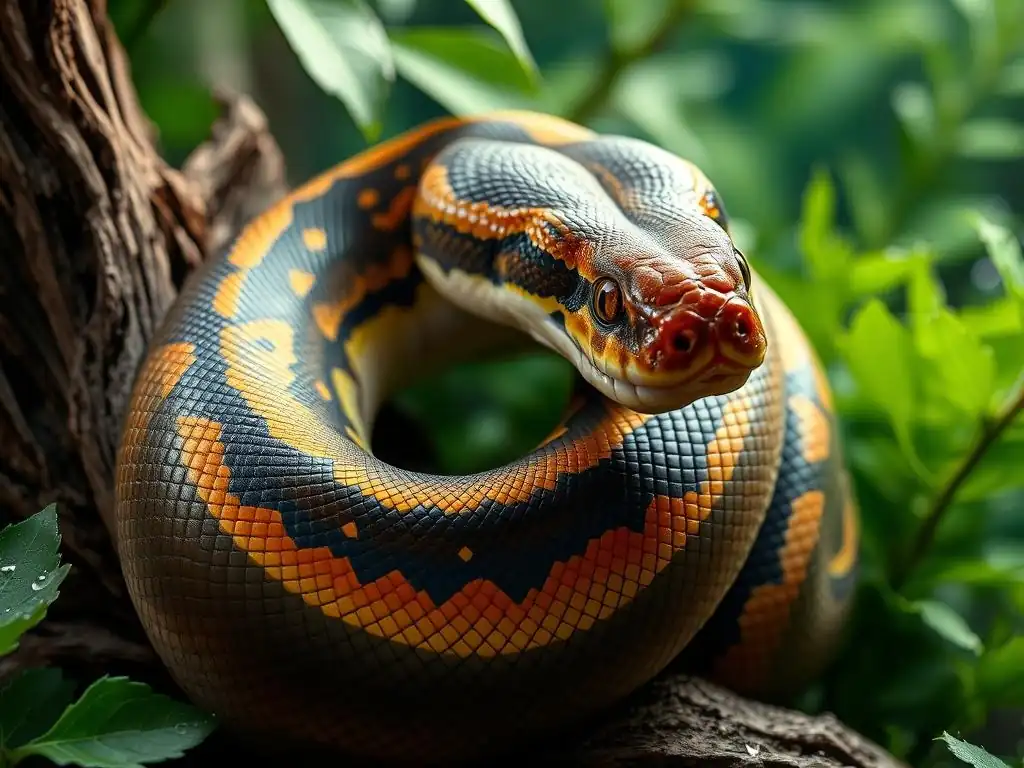
Welcome to PetCareWorld, your ultimate guide to a happier, healthier life for your beloved companions! Are you ready to unlock the secrets to thriving adult ball python care? Our comprehensive Adult Ball Python Care Guide delves into the essential aspects of maintaining their well-being, from dietary needs and habitat enrichment to recognizing and addressing potential health concerns. Dive in and discover the knowledge you need to ensure your scaly friend enjoys a long and vibrant life.
- Adult Ball Python Housing Requirements: Creating the Ideal Habitat
- Adult Ball Python Feeding Guide: A Nutritional Approach
- Adult Ball Python Health Monitoring: Recognizing Signs of Illness
-
Handling and Interaction with Adult Ball Pythons: Building Trust and Safety
- Safe Handling Techniques for Adult Ball Pythons
- Identifying and Avoiding Aggressive Behavior in Adult Ball Pythons
- Building a Bond with Your Adult Ball Python
- Understanding Ball Python Temperament
- Safe Handling Techniques for Adult Ball Pythons
- Recognizing Signs of Stress and Distress in Adult Ball Pythons
- Adult Ball Python Breeding Considerations
- Troubleshooting Common Problems in Adult Ball Python Care: Addressing Challenges
- Resources and Further Reading: Continuing Your Learning Journey
- Frequently Asked Questions
- Final Reflection: The Enduring Bond with Our Ball Python Companions
- Unlock Your Ball Python's Full Potential!
Adult Ball Python Housing Requirements: Creating the Ideal Habitat
Adult ball pythons, known for their docile nature and stunning patterns, require a carefully planned and maintained environment to thrive. This comprehensive guide focuses on the essential aspects of adult ball python care, providing detailed information on housing, feeding, and health maintenance to ensure your snake lives a long and healthy life. Understanding the specific needs of an adult ball python is crucial for responsible ownership, preventing potential health issues and ensuring their overall well-being.
This guide will equip you with the knowledge to provide optimal care, helping your adult ball python flourish in its captive environment. We'll cover everything from selecting the right substrate to maintaining appropriate temperature and humidity levels, ensuring your reptile companion enjoys a comfortable and stimulating home.
Proper adult ball python care is not just about survival; it's about promoting a high quality of life for these fascinating creatures. Let's dive into creating the ideal habitat for your adult ball python.
Substrate Selection for Adult Ball Pythons
Choosing the right substrate is paramount for maintaining hygiene and preventing respiratory issues in your adult ball python's enclosure. Avoid cedar and pine shavings, as their aromatic oils can be harmful to your snake. Instead, consider these options:
- Aspen shavings: A popular and readily available choice, aspen shavings offer good absorbency and are generally safe for ball pythons. They provide a natural-looking substrate and are easy to clean.
- Paper towels: A simple and hygienic option, especially for quarantine or during cleaning. Paper towels are easily replaceable and prevent the buildup of bacteria.
- Reptile carpet: This synthetic material is durable, easy to clean, and can create a more natural-looking enclosure. However, ensure it's a high-quality, non-toxic option specifically designed for reptiles.
Remember to regularly spot clean the enclosure and completely change the substrate every 2-4 weeks, or more frequently if necessary, to maintain a clean and healthy environment for your ball python. Failure to maintain substrate hygiene can lead to bacterial or fungal infections. The choice of substrate will depend on your personal preference and cleaning routine, but prioritizing hygiene is key.
Temperature and Humidity Control for Adult Ball Pythons
Maintaining the correct temperature and humidity levels is critical for the health and well-being of your adult ball python. Ball pythons are sensitive to temperature fluctuations, and improper humidity can lead to skin problems or respiratory infections.
- Temperature Gradient: Provide a thermal gradient within the enclosure, using a combination of under-tank heaters (UTHs) and heat lamps to create a basking spot with a temperature of approximately 88-92°F (31-33°C) and a cooler side around 78-82°F (26-28°C). Always use a reliable thermometer to monitor temperatures accurately. A digital thermometer with a probe is recommended for accurate readings.
- Humidity: Adult ball pythons require a humidity level of 50-60%. You can achieve this using a water bowl, regular misting, or a humidifier. A hygrometer is essential for monitoring humidity levels. Regular monitoring and adjustments are crucial to maintain optimal humidity. Low humidity can lead to shedding difficulties, while excessively high humidity can encourage the growth of mold and bacteria.
Accurate temperature and humidity monitoring is crucial. Invest in quality equipment and regularly check readings to ensure your ball python's environment remains within the optimal range. Consistent monitoring and prompt adjustments are vital for preventing health problems.
Enclosure Size and Setup for Adult Ball Pythons
Adult ball pythons require a spacious enclosure to thrive. A minimum enclosure size of 4ft x 2ft x 2ft (122cm x 61cm x 61cm) is generally recommended for a single adult. Larger enclosures are always preferable, providing more space for exploration and reducing stress.
- Enclosure Type: Glass terrariums or PVC enclosures are suitable choices. Ensure the enclosure is securely sealed to prevent escapes and maintain humidity.
- Hide Boxes: Provide at least two hide boxes: one on the warm side and one on the cool side. These provide security and a sense of safety for your ball python. The hide boxes should be large enough for your snake to comfortably fit inside.
- Water Bowl: A large, shallow water bowl should always be available, providing a source of drinking water and aiding in humidity regulation. The water should be changed daily to prevent contamination.
- Enrichment: While ball pythons are generally not active snakes, providing some form of enrichment such as branches or rocks can help stimulate natural behaviors and reduce stress. Avoid sharp objects or anything that could potentially injure your snake.
The appropriate setup of your adult ball python's enclosure is crucial for its overall health and well-being. Providing a spacious, secure, and stimulating environment ensures a happy and healthy snake.
Enrichment and Environmental Stimulation for Adult Ball Pythons
Adult ball pythons, while seemingly low-maintenance, benefit significantly from environmental enrichment. A stimulating environment prevents boredom and promotes natural behaviors, contributing to their overall well-being and reducing stress. This is crucial for maintaining a healthy and happy adult ball python. A lack of stimulation can lead to lethargy, refusal to eat, and even illness.
One key aspect of enrichment is providing hiding places. Ball pythons are naturally shy and secretive creatures. Offering multiple secure hides of varying sizes and materials allows them to choose their preferred refuge based on temperature, humidity, and their mood. These hides should be placed at different temperature gradients within the enclosure to allow the snake to thermoregulate effectively. Examples include commercially available reptile hides made of cork bark, ceramic, or plastic, as well as natural materials like half-logs or appropriately sized flower pots (ensure no sharp edges). Avoid using materials that could easily be chewed and ingested.
Beyond hiding places, providing climbing structures can add another layer of complexity and stimulation. This isn't essential for all ball pythons, but some individuals enjoy exploring vertically. Branches, rocks, or specially designed climbing structures can be incorporated, but ensure they are secure and won't collapse under the snake's weight. The substrate should be deep enough to prevent injury from falls.
Finally, consider introducing visual and tactile stimulation. While ball pythons are not highly visual animals, introducing non-toxic, safe plants (such as pothos or snake plants – always research plant toxicity for reptiles!) can add visual interest and create a more naturalistic environment. Similarly, carefully selected smooth, non-porous rocks can provide tactile enrichment. Always prioritize safety; avoid anything that could be ingested or cause injury.
Remember that less is often more when it comes to enrichment; avoid overcrowding the enclosure. The goal is to provide stimulating elements without overwhelming the snake. Regular observation will help you determine what your individual ball python enjoys and what should be adjusted or removed. A well-enriched environment is a crucial component of responsible adult ball python care, contributing to a longer, healthier life for your pet.
Adult Ball Python Feeding Guide: A Nutritional Approach
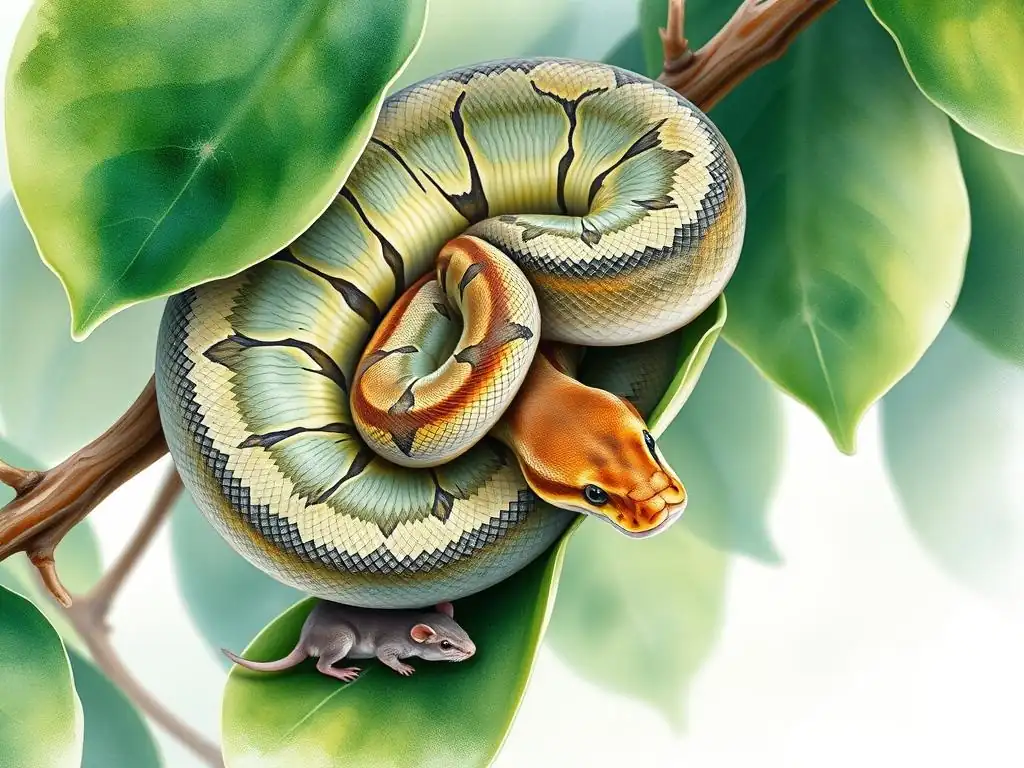
This section delves into the crucial aspect of nutrition for your adult ball python, a key component of an effective adult ball python care guide. Proper feeding ensures your snake thrives, preventing health issues and promoting longevity. Remember, an adult ball python's dietary needs differ from those of juveniles.
Choosing the Right Prey for Adult Ball Pythons
Adult ball pythons are constrictors, and their diet consists primarily of rodents. The size of the prey is paramount. A good rule of thumb is to offer prey that is roughly the size of the widest part of your snake's body. Offering prey that is too large can lead to regurgitation, stress, and even injury. Conversely, prey that is too small provides insufficient nutrition and won't satisfy their caloric needs.
For adult ball pythons, appropriately sized mice and rats are the most common food sources. The specific size will vary depending on the individual snake's size and weight. Larger adult ball pythons might require larger rats, while smaller adults might still do well with larger mice. Always prioritize appropriately sized prey to avoid digestive problems. Consider using a feeding chart to track your snake's growth and adjust prey size accordingly. This meticulous approach is crucial for successful adult ball python care. Never offer frozen prey directly from the freezer; thaw it completely and carefully before feeding.
Feeding Frequency for Adult Ball Pythons
The feeding frequency for adult ball pythons is generally less frequent than for younger snakes. Most adult ball pythons will only need to be fed once every 7-14 days. The exact frequency can depend on several factors, including the snake's size, weight, activity level, and metabolism. Some adult ball pythons might prefer to eat less frequently, while others might eat more often.
Observing your snake's behavior is crucial. If your ball python consistently refuses food for several feeding attempts, it’s essential to consult a veterinarian specializing in reptiles. This could indicate an underlying health issue. Conversely, if your snake consistently appears hungry and eager to eat, you might need to slightly increase the feeding frequency, while always maintaining the appropriate prey size. Regular weight monitoring is a critical part of responsible adult ball python care, allowing you to adjust the feeding schedule as needed.
Safe Handling and Feeding Techniques for Adult Ball Pythons
Handling your ball python during and after feeding should be approached with caution. Avoid handling your snake for at least 24-48 hours after feeding to minimize the risk of regurgitation. Regurgitation can be detrimental to your snake's health and is a sign that something is amiss in their care routine.
When feeding, use tongs or long-handled forceps to present the prey. Never handle the snake directly while it is feeding or immediately after, as this can cause stress and potentially lead to the snake biting you. Always ensure the feeding enclosure is clean and free of clutter to avoid potential accidents or injuries.
A calm and quiet environment is crucial during feeding time. Remember, a calm and confident approach to feeding will contribute significantly to the overall well-being of your adult ball python. Consistent application of these safe handling and feeding techniques is a hallmark of expert adult ball python care.
Adult ball pythons, while generally hardy, can exhibit signs of illness directly linked to their diet. Recognizing these subtle cues early is crucial for prompt veterinary intervention and a better prognosis. A seemingly minor issue, if left untreated, can quickly escalate into a serious health problem. Therefore, diligent observation of your snake's eating habits and overall health is paramount.
One of the most noticeable signs is a change in feeding behavior. A healthy adult ball python will generally exhibit a consistent appetite, readily consuming appropriately sized prey items offered at regular intervals. Any sudden refusal to eat, especially if persistent, should raise a red flag. This could indicate various underlying issues, including digestive problems, parasites, or even stress. It's important to differentiate between temporary refusal (perhaps due to a recent shed) and a prolonged lack of interest in food. Keep detailed records of feeding dates and prey consumed to detect any significant changes.
Furthermore, look out for vomiting or regurgitation. Occasional regurgitation can occur, especially after consuming overly large prey, but frequent episodes warrant immediate attention. This could signal problems with digestion, possibly due to an unsuitable diet or underlying health conditions. The consistency and appearance of the regurgitated matter can provide clues to the underlying problem. For example, undigested food might suggest a digestive enzyme deficiency, while the presence of blood could indicate a more severe issue.
Weight loss is another clear indicator of dietary problems. Regularly weighing your ball python using a gram scale is essential to monitor its growth and overall health. Consistent and significant weight loss, despite a seemingly normal appetite, might suggest malabsorption or parasitic infestation. This requires immediate veterinary evaluation to determine the cause and implement appropriate treatment. Remember to always weigh your snake on the same scale to maintain consistency in your measurements.
Finally, observe your ball python's stool consistency and frequency. Healthy adult ball pythons typically produce well-formed, dark brown or black feces. Changes in the frequency, color, or consistency of their droppings (e.g., watery stool, pale or bloody feces) could indicate digestive issues, internal parasites, or other health complications directly or indirectly related to their diet. Maintaining a record of your snake's bowel movements can help you detect subtle changes and potentially prevent serious problems.
The combination of these observations, along with a detailed feeding record, will allow a veterinarian to diagnose and treat any dietary-related issues effectively. Don't hesitate to seek veterinary assistance at the first sign of any abnormality in your ball python's health. Early intervention significantly improves the chances of a full recovery.
Adult Ball Python Health Monitoring: Recognizing Signs of Illness
Adult ball pythons, while generally hardy, are susceptible to certain health problems. Proactive monitoring is crucial for early detection and treatment, improving the chances of a positive outcome. A healthy adult ball python will exhibit vibrant coloration, clear eyes, and a sleek, firm body. Any deviation from this norm warrants attention. Regular observation is key to mastering adult ball python care. This section focuses on identifying potential health issues in your adult ball python.
Common Health Issues in Adult Ball Pythons
Several health concerns commonly affect adult ball pythons. These include:
- Respiratory Infections: Symptoms often include labored breathing, wheezing, or nasal discharge. These infections can be bacterial, viral, or fungal and require veterinary intervention. Early detection is paramount for successful treatment. A lethargic or unusually quiet snake could also be displaying early signs of a respiratory infection.
- Parasites: Internal and external parasites can significantly impact an adult ball python's health. Internal parasites, like nematodes, may cause weight loss, lethargy, and digestive issues. External parasites, such as mites, can cause skin irritation and secondary infections. Regular fecal examinations are recommended to detect internal parasites. Visible mites often present as small, moving specks on the skin.
- Dysecdysis (Shedding Problems): Difficulty shedding can be a sign of underlying health issues like dehydration, metabolic bone disease (MBD), or nutritional deficiencies. A retained shed can restrict movement and lead to secondary infections. Proper humidity levels are essential for successful shedding. If you notice retained shed, carefully assess the humidity and temperature gradient within the enclosure.
- Metabolic Bone Disease (MBD): MBD, caused by calcium and vitamin D3 deficiencies, can lead to skeletal deformities, weakened bones, and paralysis. Providing a balanced diet and appropriate UVB lighting is crucial for preventing MBD. Symptoms can include a soft or deformed jaw, tremors, and difficulty moving.
- Infections: Bacterial and fungal infections can affect various parts of the body, manifesting in different ways. These infections often require immediate veterinary care. Watch for any unusual swelling, discoloration, or discharge. A change in appetite or behavior can also signal an infection.
Regularly inspecting your ball python for these issues is a critical aspect of responsible adult ball python care. Remember, early detection significantly improves treatment success rates. Early detection is key to preventing more serious health problems and ensuring the longevity of your pet.
Regular Veterinary Check-ups for Adult Ball Pythons
While proactive home monitoring is essential, regular veterinary check-ups are crucial for maintaining your adult ball python's health. Annual check-ups are recommended, even in the absence of noticeable symptoms. These check-ups allow for proactive identification of potential issues before they become serious. The vet can assess your snake's overall health, perform fecal examinations to detect parasites, and provide guidance on diet and husbandry. A thorough annual examination forms a strong foundation for preventing many common ailments. Don't hesitate to contact a veterinarian specializing in reptiles if you notice any changes in your ball python's behavior or appearance.
Understanding Ball Python Body Language
Learning to interpret your ball python's body language is essential for detecting subtle signs of illness or distress. A healthy ball python will typically exhibit calm and relaxed behavior. However, changes in behavior can indicate underlying problems.
| Behavior | Possible Indication |
|---|---|
| Lethargy | Illness, stress, or poor husbandry |
| Loss of Appetite | Illness, stress, or improper temperature gradient |
| Hiding excessively | Stress, illness, or feeling insecure |
| Open-mouth breathing | Respiratory infection, stress, or overheating |
| Tremors | Neurological issues, MBD, or stress |
| Unusual posture | Pain, injury, or illness |
| Aggression | Stress, feeling threatened, or illness |
Understanding these subtle cues allows you to identify potential problems early on. If you observe any unusual behavior, consult a veterinarian experienced in reptile care. Careful observation of your ball python's behavior is a proactive approach to ensuring its well-being. Remember that even subtle changes warrant attention. This detailed understanding of adult ball python behavior is crucial for responsible pet ownership.
Treating Common Ailments in Adult Ball Pythons
Treating illnesses in adult ball pythons requires a swift and informed response. Early detection is crucial for successful treatment, as many conditions can rapidly deteriorate if left unaddressed. This section will highlight some common ailments and their treatment approaches. Remember: It is absolutely vital to seek professional veterinary care from a reptile specialist immediately upon suspecting your ball python is unwell. Do not attempt self-treatment.
Adult ball pythons, like all reptiles, are susceptible to various infections and parasites. Bacterial infections, often manifesting as respiratory issues (such as wheezing or open-mouth breathing), require antibiotic therapy prescribed by a veterinarian. The specific antibiotic and dosage will depend on the type of bacteria identified through diagnostic testing, which may include cultures and sensitivity testing. Treatment typically involves injections or oral medications administered under professional guidance. Improper medication can be harmful, even fatal.
Parasites, including internal and external, are another common concern. Internal parasites, such as nematodes and coccidians, can cause weight loss, lethargy, and digestive problems. External parasites, such as mites, can lead to skin irritation and secondary infections. Veterinary diagnosis is crucial to identify the specific parasite and determine the appropriate treatment.
This often involves deworming medications tailored to the identified parasite. Careful monitoring of your ball python's weight and stool consistency is key to early parasite detection. Regular fecal examinations are recommended, especially for adult ball pythons kept in communal enclosures or with a history of exposure to other reptiles.
Metabolic bone disease (MBD) is a serious condition often stemming from improper calcium and vitamin D3 levels in the diet. Symptoms can include lethargy, bone deformities, and weakened bones. Treatment involves correcting dietary deficiencies, providing appropriate UVB and heat gradients, and in severe cases, supplemental calcium and vitamin D3 injections administered by a veterinarian. Prevention is key, focusing on a balanced diet and proper environmental enrichment.
Regurgitation, while sometimes caused by stress or improper feeding techniques, can also indicate underlying health issues. Repeated regurgitation requires immediate veterinary attention to rule out more serious problems such as impaction, infection, or internal parasites. The veterinarian will conduct a thorough examination and may recommend diagnostic tests such as radiographs to pinpoint the cause.
Remember, this information is for educational purposes only. The treatment of any illness in your ball python should be overseen by a qualified and experienced reptile veterinarian. Early detection and prompt veterinary intervention dramatically increase the chances of a successful outcome and ensure the well-being of your pet. 🧐 Always prioritize professional care for your adult ball python's health.
Handling and Interaction with Adult Ball Pythons: Building Trust and Safety
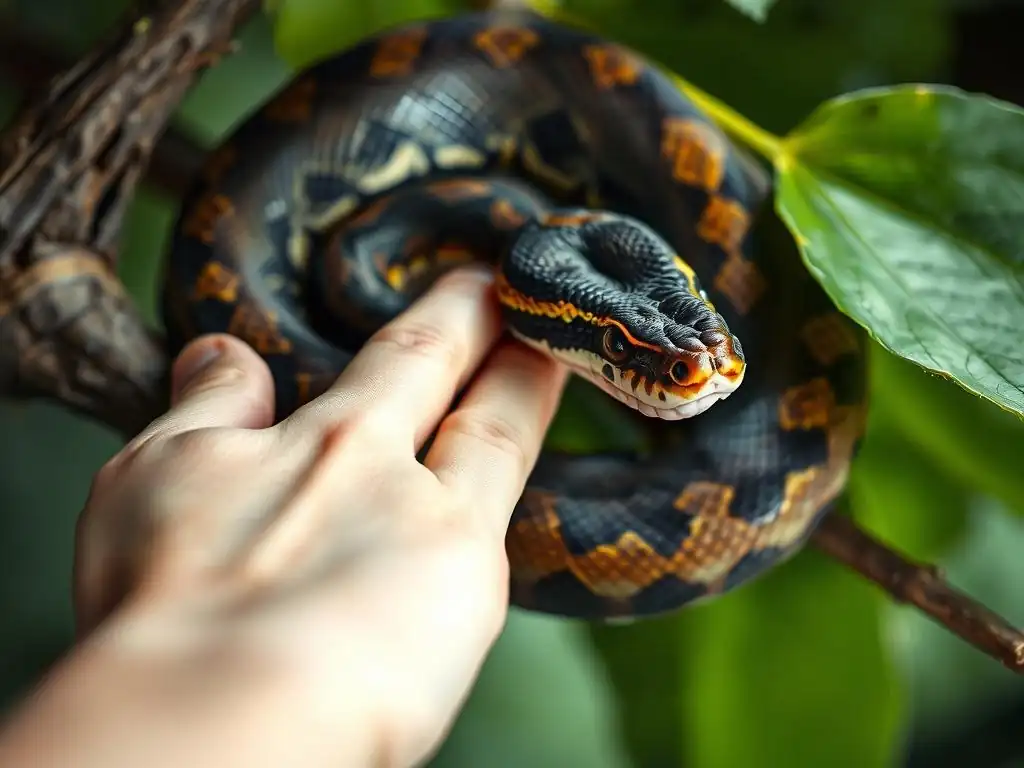
Adult ball pythons, while generally docile, require respectful and careful handling. Improper handling can lead to stress, injury to both the snake and handler, and even the development of defensive behaviors. This section focuses on establishing safe and positive interactions with your adult ball python, fostering a trusting relationship, and minimizing the risk of stressful encounters. Understanding your snake's body language is paramount in adult ball python care.
Safe Handling Techniques for Adult Ball Pythons
Handling your adult ball python should be a calm and controlled process. Avoid sudden movements or loud noises that might startle it. Always support the snake's entire body weight, preventing falls or injury. Here's a step-by-step guide:
- Prepare your environment: Ensure the handling area is clean, free of obstacles, and at a comfortable temperature for your snake (ideally within its preferred temperature range of 80-88°F).
- Gentle approach: Slowly approach the enclosure and allow your snake to see and smell you before attempting to handle it. Avoid reaching in suddenly.
- Support the body: Use both hands to support the snake's body. One hand should be gently under the snake's body, near the midsection, and the other hand should support the tail, preventing it from whipping around.
- Controlled movements: Keep your movements slow and deliberate. Avoid jerky motions or sudden changes in direction.
- Observe body language: Pay close attention to your snake's body language. A relaxed snake will have a relatively smooth body posture. If it tenses up, coils tightly, or hisses, put it back in its enclosure immediately.
- Duration of handling: Keep handling sessions relatively short, especially in the beginning. Gradually increase the duration as your snake becomes more comfortable with you. Overhandling can stress the snake.
- Post-handling: After handling, gently return your snake to its enclosure. Ensure its enclosure is secure and maintained at the correct temperature and humidity.
Remember, consistency is key. Regular, gentle handling sessions will help your ball python become more comfortable with your presence. However, respect your snake's boundaries. If it shows signs of stress, end the handling session immediately.
Identifying and Avoiding Aggressive Behavior in Adult Ball Pythons
While ball pythons are generally docile, certain situations can trigger defensive behaviors. Understanding these triggers is crucial for preventing bites and ensuring the safety of both you and your pet. Aggressive behavior might manifest as:
- Hissing: A loud hiss is a clear warning sign that your snake feels threatened.
- Muscles tensing: Your snake's body will become rigid and tense.
- Coiling: It may coil itself tightly, preparing to strike.
- Striking: In extreme cases, the snake may strike out to defend itself.
Several factors can increase the likelihood of aggressive behavior:
- Improper handling: Rough or forceful handling is a primary cause of aggression.
- Stress: Changes in environment, temperature fluctuations, or illness can stress a snake and make it more prone to aggression.
- Hunger: A hungry snake may be more irritable and reactive.
- Mating season: During mating season, male ball pythons can become more territorial and aggressive.
To avoid aggressive behavior:
- Handle with care: Always handle your snake gently and respectfully.
- Minimize stress: Maintain a stable and comfortable environment for your snake.
- Regular feeding: Ensure your snake is well-fed.
- Avoid handling during mating season: If possible, limit handling during the mating season.
Building a Bond with Your Adult Ball Python
Building a strong bond with your adult ball python takes time, patience, and understanding. It's a gradual process that involves consistent positive interactions.
- Regular handling: Consistent, gentle handling sessions are essential for building trust.
- Positive reinforcement: Reward calm behavior with gentle praise and a return to its enclosure.
- Environmental enrichment: Provide a stimulating environment with hiding places, climbing structures, and appropriate substrate to reduce stress and boredom. A happy snake is a more confident snake.
- Observe body language: Learn to recognize your snake's subtle cues and respond accordingly. This shows respect for its needs and will build trust.
- Patience is key: Don't expect immediate results. Building a bond takes time and consistent effort. Some adult ball pythons may be naturally more shy or reserved than others.
By following these guidelines, you can create a positive and enriching relationship with your adult ball python, ensuring its well-being and fostering a strong bond based on mutual respect and understanding. Remember, a well-cared-for and handled ball python is a happy and healthy ball python. This contributes significantly to their longevity and overall quality of life.
Understanding Ball Python Temperament
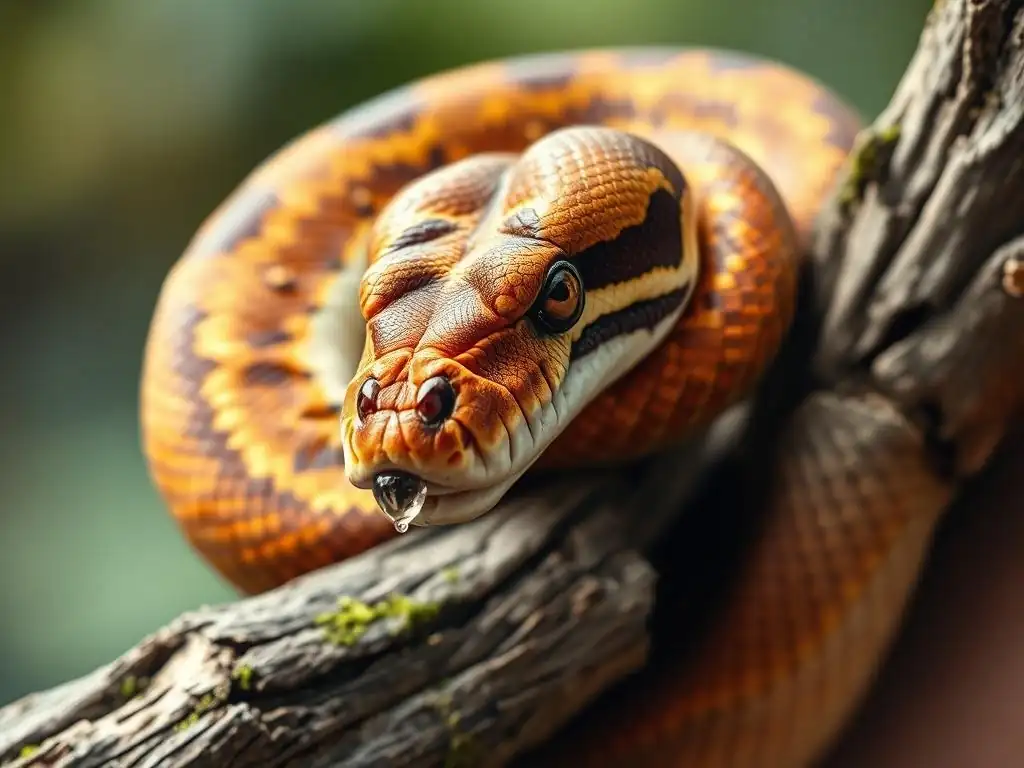
Adult ball pythons are generally docile and calm snakes, making them popular choices for reptile keepers, even beginners. However, it's crucial to understand that "docile" doesn't equate to "tame." Their temperament is naturally shy and reclusive; they prefer quiet, dark environments and tend to avoid unnecessary interaction. While they rarely bite unless provoked or feeling threatened, a startled or stressed ball python might strike defensively. This defensive behavior is instinctual, not malicious.
Understanding this inherent shyness is key to building a positive relationship and ensuring safe handling. Their temperament can also be influenced by individual personality and past experiences. Some adult ball pythons might be more tolerant of handling than others, while some might remain consistently shy, preferring to stay hidden in their enclosures. Respecting their preferences and avoiding forceful interaction is crucial for both their well-being and your safety.
Safe Handling Techniques for Adult Ball Pythons
Proper handling techniques are paramount to minimizing stress for the snake and preventing accidents. Before handling your adult ball python, ensure your hands are clean and free of strong scents like perfumes or lotions, which can irritate the snake's sensitive skin. Always support the snake's entire body, avoiding squeezing or constricting its movement. A gentle, supportive grip around the middle of the body is usually sufficient.
Never lift a ball python by its tail; this can cause injury and distress. Handling sessions should be brief and infrequent, especially for less tolerant individuals. Aim for short interactions, perhaps 10-15 minutes at a time, and observe your snake's body language.
If it appears stressed (e.g., gaping its mouth, hissing, or attempting to escape), gently return it to its enclosure. Consistent, gentle handling from a young age can help acclimate the snake to human interaction, but forcing interaction is counterproductive and can lead to fear and aggression. Always be mindful of your surroundings; ensure the handling area is clean, free of obstacles, and safe for both you and your snake.
Recognizing Signs of Stress and Distress in Adult Ball Pythons
Learning to recognize signs of stress or distress in your adult ball python is crucial for responsible ownership. A stressed ball python may exhibit several behavioral and physical cues. These can include gaping its mouth, hissing, forcefully attempting to escape, or exhibiting rapid movements. Physiological signs might include increased shedding frequency or changes in appetite. Changes in defecation patterns could also be an indicator.
If you observe any of these signs, immediately cease handling and return the snake to its enclosure. Provide a quiet, dark environment to allow it to recover. Persistent stress can negatively impact your ball python's health, leading to a weakened immune system and increased susceptibility to illness. Addressing the underlying cause of stress, such as improper handling or environmental factors, is vital for the snake's well-being. If stress persists despite your efforts, consult a veterinarian specializing in reptiles to rule out any underlying medical conditions.
Adult Ball Python Breeding Considerations
This section delves into the crucial aspects of breeding adult ball pythons, a complex undertaking requiring significant preparation, knowledge, and commitment. Responsible breeding practices are paramount to ensuring the health and well-being of both parents and offspring. This guide focuses on preparing for breeding, understanding the breeding season, and providing proper post-breeding care. Remember, ethical breeding practices should always prioritize the health and welfare of the snakes above all else. Irresponsible breeding contributes to overpopulation and can negatively impact the species.
Preparing for Breeding
Before even considering breeding your adult ball pythons, thorough preparation is essential. This involves assessing the health and condition of both the male and female. A comprehensive veterinary check-up is crucial to rule out any underlying health issues that could compromise the breeding process or the health of the offspring. This examination should include parasite checks, a fecal exam, and a general assessment of their overall physical condition. Underweight or unhealthy snakes should never be bred.
Furthermore, proper environmental conditions are key. This means providing spacious enclosures with appropriate temperature gradients (ideally using under-tank heaters and heat mats to maintain a thermal gradient), humidity levels (typically 50-60%), and secure hiding places. The diet should also be optimized; adult ball pythons should be consistently fed a diet of appropriately sized rodents, ensuring they are in peak physical condition before breeding.
A healthy, well-nourished female is crucial for successful reproduction and the health of the eggs. The frequency and size of feedings should be adjusted based on the individual snake's weight and condition, consulting with a reptile veterinarian for guidance.
Finally, it's vital to understand the genetic background of your snakes. Breeding closely related snakes can increase the risk of genetic defects in the offspring. Keeping detailed records of your snakes' lineage is crucial to avoid inbreeding and maintain genetic diversity within your breeding program. This meticulous record-keeping is a hallmark of responsible breeding practices.
Breeding Season and Considerations
Ball pythons typically breed during the cooler months, usually between late fall and early spring. However, the exact timing can vary depending on factors such as ambient temperature, photoperiod (light cycle), and the individual snake's physiology. It's important to carefully monitor your snakes for signs of readiness, such as increased activity, changes in feeding behavior, and the female's receptiveness to the male.
The breeding process itself involves introducing the male and female into a suitable enclosure. Close monitoring is crucial during this phase to prevent aggression or injury. Successful mating is often indicated by the male's characteristic "locking" behavior during copulation. However, it's important to note that even with successful mating, not all females will produce eggs. Several factors, including stress, poor nutrition, and underlying health issues, can affect fertility.
Successful breeding of adult ball pythons requires a deep understanding of their reproductive biology. This includes recognizing the signs of impending ovulation in the female and understanding the optimal conditions for successful fertilization. Consult reputable sources and experienced breeders for in-depth information on these intricacies. Remember, patience is key; rushing the process can have detrimental consequences.
Post-Breeding Care
Post-breeding care is equally as important as pre-breeding preparation. After mating, the female's nutritional needs increase significantly to support egg development. She will require a more frequent and substantial diet, carefully monitored to avoid overfeeding. The enclosure should remain undisturbed, providing a quiet, stress-free environment. Any unnecessary handling should be avoided to minimize stress.
Once the female lays her eggs, careful incubation is crucial. This involves maintaining consistent temperature and humidity levels within the incubator. The eggs should be monitored regularly for signs of fungal growth or other issues. The incubation period typically lasts around 55-70 days, but it can vary. During this crucial period, maintaining optimal conditions is vital for the development of healthy hatchlings.
The successful hatching of healthy offspring is the culmination of meticulous planning and care throughout the entire breeding process. Remember that even with optimal care, not all eggs may hatch successfully. This is a natural occurrence in reptile reproduction. The successful incubation of the eggs and the subsequent hatching of healthy young is a testament to careful planning and consistent, diligent care.
Troubleshooting Common Problems in Adult Ball Python Care: Addressing Challenges
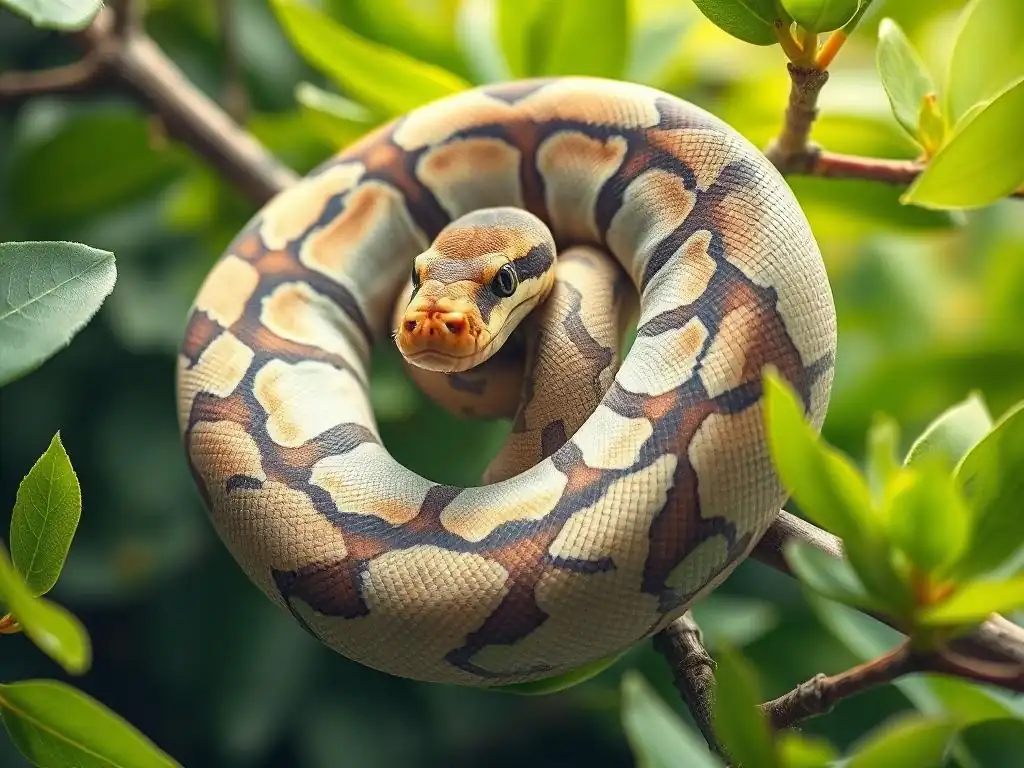
Adult ball python care, while generally straightforward, can present challenges. Understanding and proactively addressing potential issues is crucial for maintaining your snake's health and longevity. This section focuses on common problems and practical solutions, providing an essential component of your adult ball python care guide. Proper husbandry is key to preventing many of these difficulties.
Dealing with Shedding Issues in Adult Ball Pythons
Shedding problems are a common issue in ball pythons, often stemming from humidity levels. An adult ball python should shed its skin smoothly and completely every 4-8 weeks, depending on factors such as age, health, and temperature. Difficulty shedding, or dysecdysis, can manifest as retained eye caps (stuck shed around the eyes), stuck shed on the body, or incomplete shedding.
Several factors contribute to shedding problems. Insufficient humidity is the most frequent culprit. A hygrometer is essential to monitor humidity levels, ideally maintaining a range of 60-70%. If humidity is low, increasing it through misting, a humid hide, or a larger water bowl can help. However, excessively high humidity can also be problematic, leading to fungal infections. Therefore, maintaining a balanced humidity level is paramount.
Another contributing factor is substrate type. Aspen shavings or paper towels are generally preferred over substrates that retain too much moisture, which can hinder shedding. Finally, underlying health problems can also cause shedding difficulties. If your ball python consistently struggles with shedding despite optimal environmental conditions, a veterinary checkup is necessary to rule out any underlying medical issues. Consistent monitoring and proactive adjustments to husbandry are key in preventing and managing this adult ball python care concern.
Addressing Anorexia in Adult Ball Pythons
Anorexia, or refusal to eat, is a serious concern in ball pythons. While adult ball pythons can go extended periods without eating (especially during brumation), prolonged anorexia requires immediate attention. Several factors can cause anorexia, including:
- Stress: Changes in environment, handling, or tank mates can induce stress, leading to refusal to feed.
- Temperature Issues: Inconsistent or inappropriate temperatures can negatively impact appetite.
- Underlying Medical Conditions: Parasites, infections, or metabolic bone disease can suppress appetite.
- Improper Prey: Offering prey that is too large, too small, or unsuitable can result in feeding refusal. Live prey should be appropriately sized and carefully observed.
Diagnosing the cause of anorexia requires careful observation and potentially veterinary intervention. First, ensure the enclosure maintains proper temperature and humidity gradients. Assess your handling practices – minimizing stress is critical. If you suspect a medical issue, a veterinary examination is crucial. Veterinarians can perform fecal exams to check for parasites and other diagnostic tests to determine the underlying cause. Treatment will vary depending on the root cause, ranging from medication to environmental adjustments. Remember, prompt attention to anorexia is crucial in successful adult ball python care.
Resolving Behavioral Issues in Adult Ball Pythons
Behavioral issues in adult ball pythons are often linked to environmental factors or underlying health problems. Common behavioral problems include:
- Excessive Hiding: While ball pythons are naturally secretive, excessive hiding can signal stress or illness. Check for environmental stressors like inadequate heating, poor humidity, or a lack of secure hiding places.
- Aggression: Ball pythons are generally docile, but can become defensive if stressed or mishandled. Avoid unnecessary handling, especially during shedding or periods of inactivity. Gentle and infrequent handling can help socialize your snake.
- Lethargy: Persistent lethargy can indicate illness or a metabolic problem. If your ball python is unusually inactive, a veterinary consultation is recommended.
Addressing behavioral issues involves careful observation and environmental adjustments. Providing a secure and enriching environment with appropriate temperature gradients, humidity levels, and hiding places can significantly improve behavior. Avoid unnecessary handling, and handle your snake gently and respectfully if interaction is needed. If behavioral changes persist, consider consulting a reptile veterinarian to rule out any underlying health concerns. A proactive approach to adult ball python care involves recognizing and addressing these potential behavioral challenges. Remember, a healthy and well-cared-for ball python will exhibit normal, predictable behaviors.
Resources and Further Reading: Continuing Your Learning Journey
This section provides you with additional resources to deepen your understanding of adult ball python care and ensure your snake thrives. We understand that owning a ball python is a significant commitment, and ongoing learning is key to responsible pet ownership. This guide aims to be comprehensive, but continuous education empowers you to provide the best possible care. Remember, every ball python is an individual, and adapting your care routine based on your snake's specific needs is crucial.
Recommended Reading on Adult Ball Python Care
Beyond this comprehensive guide on adult ball python care, several excellent resources can further enhance your knowledge and expertise. These resources offer diverse perspectives and in-depth explorations of specific aspects of ball python health and husbandry. Exploring these materials will help you become a more confident and informed ball python owner.
- Books: Look for books specifically focused on ball python care, authored by reputable herpetologists or experienced breeders. Pay attention to publication dates, ensuring the information is current and aligned with the latest scientific understanding. Consider titles focusing on advanced husbandry techniques, disease prevention, and breeding (if applicable).
- Scientific Journals: While potentially more technical, scientific journals often publish research on reptile health, nutrition, and behavior. This can be an invaluable source of evidence-based information for addressing specific challenges. Look for keywords like " Python regius," "reptilian husbandry," and "snake health" in your searches.
- Online Forums and Communities: Engage with responsible online communities dedicated to ball pythons. These forums provide opportunities to ask questions, share experiences, and learn from other keepers. However, always critically evaluate the information you find online, prioritizing advice from experienced keepers and verified experts. Be wary of misinformation.
- Reptile Specialist Websites: Many websites are dedicated to reptile keeping, providing valuable information on various aspects of care. Ensure the website's information is credible and backed by scientific evidence, avoiding sites that promote outdated or harmful practices.
Remember to always cross-reference information from multiple sources to ensure accuracy and consistency in your approach to adult ball python care. The more you learn, the better you can care for your beloved reptile.
Reputable Ball Python Breeders and Veterinarians
Finding a reputable breeder and veterinarian specializing in reptiles is crucial for the long-term health and well-being of your adult ball python. A good breeder will provide you with a healthy snake with a clear history, while a knowledgeable veterinarian can offer timely diagnosis and treatment should any health issues arise.
Building a strong relationship with both is essential. Here's what to consider when searching:
- Breeders: Look for breeders who prioritize the health and welfare of their animals, offering transparent information about their breeding practices and the lineage of their snakes. Avoid breeders who prioritize profit over animal well-being. Ask about their quarantine protocols and health checks for their snakes. A responsible breeder will be happy to answer your questions and provide references.
- Veterinarians: Not all veterinarians have extensive experience with reptiles. Finding a veterinarian specializing in herpetology or exotic animals is essential. Ask your breeder for recommendations, or search online for local reptile specialists. A good veterinarian will be knowledgeable about ball python-specific health issues and able to provide appropriate care. Consider factors like availability, proximity, and their communication style when choosing a vet.
Remember that proactive care is far better than reactive treatment. Regular veterinary checkups, even for seemingly healthy snakes, are essential for early detection of potential problems. A healthy adult ball python, with proper care and a strong support system, can live a long and fulfilling life. 🐍
Frequently Asked Questions
What are the basic housing requirements for an adult ball python?
Adult ball pythons need a secure enclosure, at least 4ft x 2ft x 2ft, with appropriate substrate, like aspen shavings. Maintain a temperature gradient of 80-90°F (warm side) and 70-80°F (cool side), and provide a hide box on each side.
How often should I feed my adult ball python?
Adult ball pythons typically eat once every 7-10 days, depending on size and activity level. Offer appropriately sized frozen-thawed rodents.
What are the common health problems in adult ball pythons?
Dysecdysis (difficulty shedding), parasites, and obesity are common issues. Regular veterinary checkups are crucial for early detection.
How can I tell if my adult ball python is healthy?
A healthy ball python will have bright eyes, clear skin, and be active and responsive to handling. Note any changes in eating habits or behavior.
What is the best way to handle my adult ball python?
Handle your ball python gently and calmly to minimize stress. Support its body and avoid sudden movements. Always wash your hands before and after handling.
Final Reflection: The Enduring Bond with Our Ball Python Companions
The responsible care of adult ball pythons is not merely a checklist of tasks; it's a commitment to the wellbeing of a sentient creature. Understanding their specific needs, from temperature gradients to enrichment opportunities, directly impacts their quality of life and longevity. Ignoring these crucial aspects can lead to preventable health issues and a diminished experience for both the snake and its owner.
The journey of caring for an adult ball python is a deeply rewarding one, fostering a unique connection between human and reptile. It challenges us to step outside our anthropocentric views and appreciate the subtle nuances of another species' needs. This understanding extends beyond the confines of a terrarium; it cultivates a sense of responsibility and respect for the natural world. The greatness of a nation and its moral progress can be judged by the way its animals are treated.
- Mahatma Gandhi. This quote, while broadly applied, speaks to the ethical considerations inherent in responsible pet ownership, a principle that resonates profoundly when caring for a creature as fascinating and unique as a ball python.
Now, consider your own relationship with the natural world. How can you apply the principles of careful observation, meticulous attention to detail, and unwavering commitment to wellbeing, learned from caring for your ball python, to other aspects of your life? Embrace the responsibility, cherish the connection, and continue learning – for the benefit of your ball python and for your own personal growth. The journey of responsible pet ownership is a continuous one, filled with learning, adaptation, and the profound satisfaction of nurturing a life entrusted to your care.
Unlock Your Ball Python's Full Potential!
Thank you for learning about caring for adult ball pythons! You've gained valuable insights into keeping your snake healthy and happy. Now, let's put that knowledge into practice.
- Create the Ideal Ball Python Habitat: Review your setup to ensure it meets all the essential requirements. Consider how you can further refine the environment to suit your python's individual needs. Are there any adjustments or upgrades you can make?
- Share Your Experiences: Join our PetCareWorld community forums to share your experiences, tips, and any questions you may have. Let's learn from each other!
- Maintain a Detailed Care Record: Keep a journal to track your ball python's eating habits, shedding cycles, and overall activity. This detailed record will help you identify any potential health problems early on.
Ready to embark on this exciting journey of responsible reptile ownership? What small improvement will you make today to enhance your ball python's well-being?