
Traveling with Service Dogs: Understanding Rights and Responsibilities

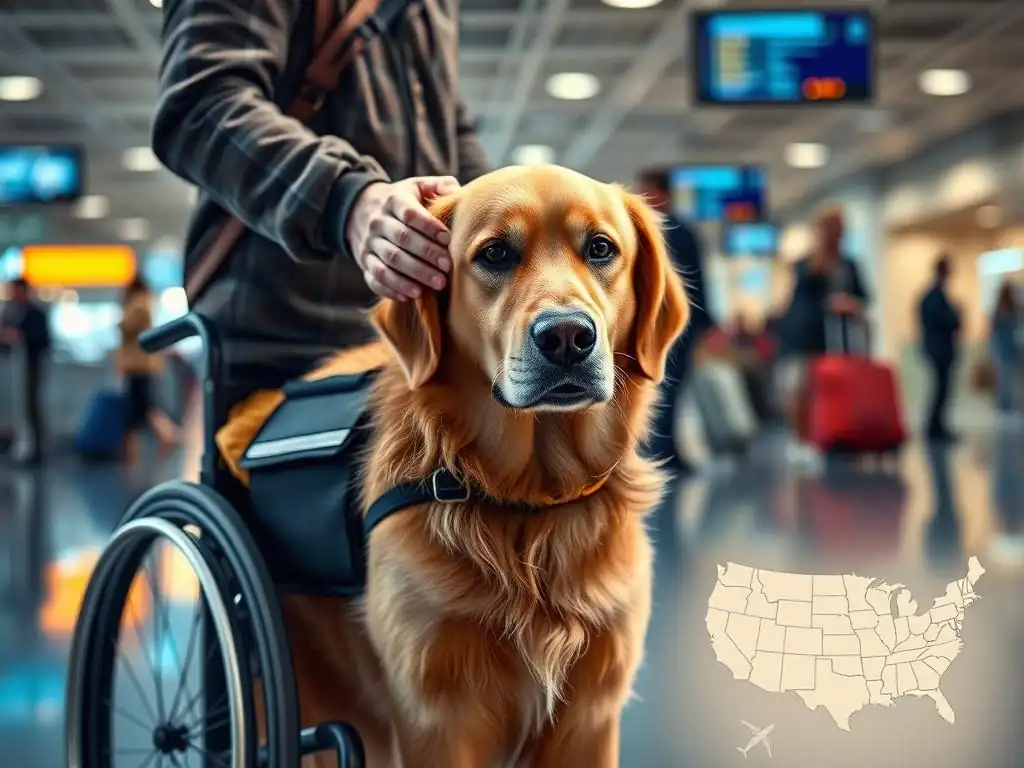
Welcome to PetCareWorld, your ultimate guide to the wonderful world of pet ownership! Are you planning a trip with your furry, feathered, or scaled companion? Then understanding Service dog travel regulations is crucial. We'll unravel the complexities of air travel, public transportation, and lodging accommodations for service animals, ensuring a smooth and stress-free journey for both you and your loyal friend. Dive in and discover the essential information you need to make travel plans with confidence!
- Understanding Service Dog Laws and Air Travel Regulations
- Ground Transportation and Service Dog Accessibility
- Accommodations and Service Dog Access
- Responsible Service Dog Travel: Minimizing Disruptions
- Service Dog Travel Insurance and Emergency Plans
-
Frequently Asked Questions
- What are my rights when traveling with my service dog?
- Are there any restrictions on where my service dog can go with me?
- What documentation should I bring when traveling with my service dog?
- What are my responsibilities as a service dog handler while traveling?
- What should I do if I encounter problems while traveling with my service dog?
- Final Reflection: Embracing Inclusion: The Journey Ahead for Service Dog Travel
- Unlock a World of Adventure: Empowering Your Service Dog Journey
Understanding Service Dog Laws and Air Travel Regulations
Traveling with your service dog can be a rewarding experience, allowing you to maintain your independence and companionship while exploring new places. However, navigating the complexities of service dog travel regulations requires careful planning and understanding of your rights and responsibilities. This comprehensive guide will delve into the essential legal frameworks governing service animal air travel, focusing on the key aspects that every service dog handler needs to know to ensure a smooth and stress-free journey.
We'll cover everything from your rights under the Air Carrier Access Act to practical tips for preparing your service dog for the unique challenges of air travel. Understanding these regulations is crucial for responsible pet ownership and ensures a positive experience for both you and your canine companion.
Successfully navigating service dog travel regulations contributes to a more inclusive and accessible world for individuals relying on these incredible animals. Remember, responsible preparation and knowledge are key to a successful trip.
Air Carrier Access Act (ACAA): Your Rights as a Service Dog Handler
The Air Carrier Access Act (ACAA) is a cornerstone of service animal air travel rights in the United States. This federal law prohibits airlines from refusing transportation to individuals traveling with service animals, unless specific, limited exceptions apply. The ACAA mandates that airlines must allow service dogs to travel in the cabin with their handlers, free of charge, and generally without requiring additional documentation beyond verification of the dog’s status as a service animal. However, it's crucial to understand that the ACAA's protections specifically apply to service animals, not emotional support animals or other types of companion animals.
The definition of a service animal under the ACAA is a dog that is individually trained to do work or perform tasks for an individual with a disability. This work or task must mitigate the effects of a disability. Airlines are permitted to ask two questions to verify the animal's status as a service animal: 1) Is the dog a service animal required because of a disability? and 2) What work or task has the dog been trained to perform?
Airlines cannot ask about the nature of the disability. Failure to comply with the ACAA can result in significant penalties for the airline. Understanding your rights under the ACAA is paramount to ensuring a successful and legally protected journey. It empowers you to advocate for yourself and your service dog and to challenge any discriminatory practices.
Service Dog Documentation: What Airlines Require
While the ACAA doesn't mandate extensive documentation, some airlines may request proof of the service dog's training and health. This often involves a letter from a healthcare professional or a trainer attesting to the dog's training and its role in assisting the handler. While not always required, having such documentation can significantly streamline the check-in process and prevent potential delays or misunderstandings.
The specific requirements can vary between airlines, so it's advisable to contact your chosen airline well in advance of your trip to clarify their specific policies and any necessary documentation they might request. It's crucial to keep this documentation readily available during your travel, ensuring a smooth and efficient boarding process. Consider carrying a copy of the documentation both in physical and digital formats for added security.
Proactive communication with the airline is key to avoiding any last-minute surprises and ensuring a hassle-free journey. Remember, preparation is key to a successful trip with your service animal.
Preparing Your Service Dog for Air Travel: Tips and Strategies
Air travel can be stressful for both handlers and service dogs. Thorough preparation is crucial for a smooth and comfortable journey. This includes ensuring your dog is well-trained and accustomed to being in various environments, including confined spaces. Prior to travel, practice crate training (if necessary) and acclimate your dog to the sounds and sensations associated with air travel.
Pack appropriate supplies, including food, water, bowls, medications, waste bags, and any comfort items your dog might need. Remember to keep your dog’s harness or vest readily accessible and ensure it’s comfortable and secure. During the flight, remain calm and provide reassurance to your dog. Frequent breaks during layovers are advisable to allow your dog to stretch, relieve themselves, and rehydrate.
Remember to check the airline's policies regarding the size and type of crate allowed, if any. By proactively addressing these aspects, you can significantly reduce stress for both you and your service dog, ensuring a much more pleasant travel experience. Remember, a well-prepared journey means a more enjoyable experience for everyone involved. 🐶✈️
Emotional Support Animals vs. Service Dogs: Key Differences in Travel Regulations
Emotional support animals (ESAs) and service dogs are often confused, but they have vastly different legal protections, especially concerning travel. Understanding this distinction is crucial for navigating service dog travel regulations effectively. The key difference lies in their function and the legal framework surrounding them. Service dogs are specifically trained to perform tasks that mitigate their handler's disability. These tasks can range from retrieving medication to providing physical support or alerting to an oncoming seizure. In contrast, ESAs provide comfort and emotional support through their presence, but they lack the specialized training of a service dog.
This fundamental difference significantly impacts air travel. While airlines previously accommodated ESAs with minimal documentation, this has changed significantly. Many airlines now prohibit ESAs on flights due to concerns about inconsistent documentation and potential disruptions. Airlines have tightened their policies to focus on service animals only, requiring thorough documentation and proof of training.
This means that while a service dog, with proper documentation, generally enjoys the right to travel with its handler in the cabin, an ESA is unlikely to be permitted. The stricter regulations surrounding service animal travel aim to ensure the safety and well-being of all passengers while acknowledging the vital role service dogs play in the lives of their handlers. The onus is on the handler to provide sufficient documentation and be prepared to explain their service dog's tasks. Failure to do so might result in refusal of boarding.
The shift in airline policies reflects a growing awareness of the distinction between service dogs and ESAs and the need for responsible pet ownership in air travel. The focus is now firmly on ensuring that only genuinely working service dogs are accommodated, rather than broadly interpreting the allowances previously given to ESAs. This clarification has led to improved clarity in service dog travel regulations and a more consistent application of rules across different airlines.
Ground Transportation and Service Dog Accessibility
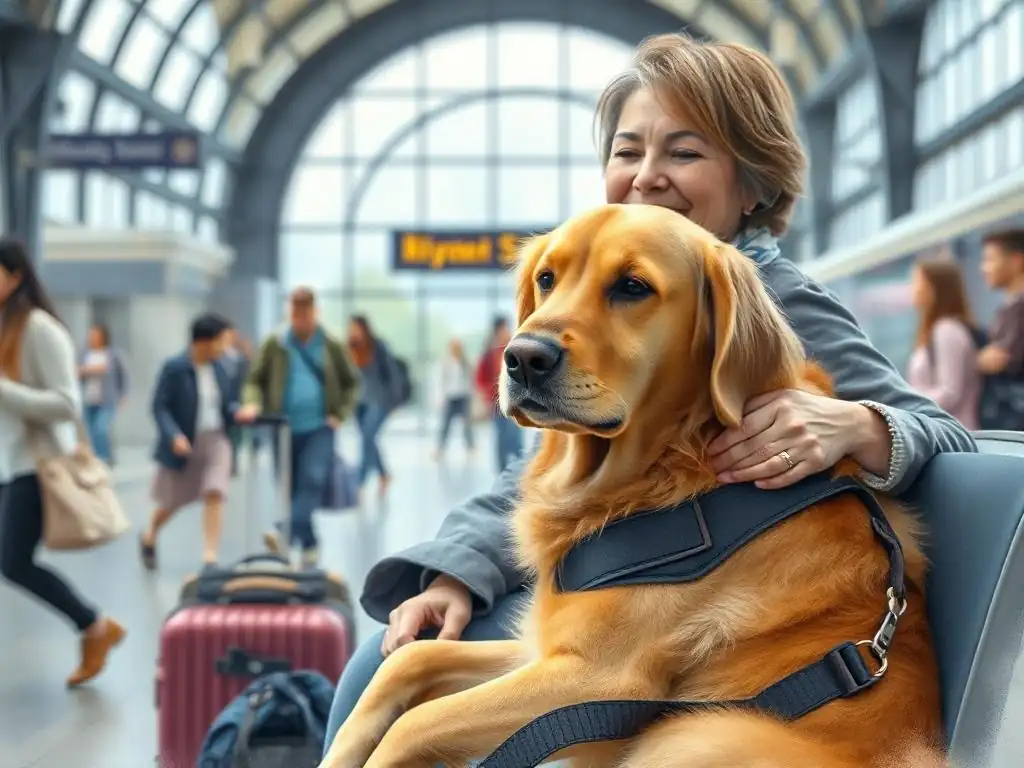
Traveling with a service dog via ground transportation presents unique challenges and considerations. Understanding the specific regulations and policies governing service animal access on trains, buses, and in private vehicles is crucial for a smooth and safe journey. This section will delve into the practical aspects of each mode of ground transportation, focusing on ensuring both your comfort and your service dog's well-being.
Proper planning and awareness of your rights and responsibilities are paramount when navigating these travel scenarios. Remember, responsible service dog ownership extends to all aspects of life, including travel. The keyword "Service dog travel regulations" is central to understanding these complexities.
Train travel with a service dog requires advance planning and adherence to specific guidelines. While the Americans with Disabilities Act (ADA) protects your right to travel with your service animal, individual railway companies may have additional policies. It's vital to contact the specific railway company well in advance of your trip to understand their requirements. This may include providing documentation verifying your service dog's training and your disability. Some railways may require advance notice of your intention to travel with a service animal.
Consider these points when planning your train journey:
- Advance booking: Reserve your seats well in advance, especially during peak travel times, to ensure you have adequate space for you and your service dog.
- Designated areas: Inquire about designated areas on the train that are suitable for service animals, to minimize disruption to other passengers.
- Accommodation for needs: Discuss any specific needs your service dog may have, such as access to water or designated relief areas.
- Potential for refusal: While rare, understand that a railway company may refuse service if your service dog poses a direct threat to the safety or health of others. This is a highly regulated area, and the burden of proof usually lies with the railway company.
Remember to always keep your service dog under your control and ensure they are well-behaved throughout the journey. This demonstrates responsible ownership and fosters a positive experience for everyone.
Bus Travel with Service Dogs: Considerations for Accessible Transportation
Bus travel with a service dog presents similar challenges to train travel, but with its own unique considerations. Similar to train travel, the ADA protects your right to travel with your service dog on buses, but individual bus companies may have specific requirements. Contacting the bus company beforehand is essential. They may have specific policies regarding the size or breed of the service dog or require advance notification of your travel plans.
Key things to consider:
- Accessibility: Ensure the bus you are traveling on is accessible to service dogs, with enough space for your dog to comfortably sit or lie down next to you.
- Onboard environment: The bus environment can be stressful for some dogs. Prepare your dog with training and desensitization exercises prior to travel.
- Relief breaks: Plan for regular relief breaks during the journey. Inquire about designated stops or facilities where your service dog can relieve themselves.
- Potential for refusal (rare): Similar to train travel, the possibility of refusal exists if your dog poses a direct threat, but this is highly uncommon and subject to legal oversight.
Responsible service dog handling and proactive communication with the bus company can significantly improve the travel experience.
Driving with Your Service Dog: Safety and Comfort Tips
Driving with your service dog requires prioritizing both your safety and your dog's comfort. While seemingly straightforward, ensuring a safe and comfortable journey requires careful planning and attention to detail. This includes considering your dog's temperament, the length of the trip, and any potential challenges along the way.
Here's a guide to safe and comfortable car travel with your service dog:
- Secure transportation: Use a pet car seat, harness, or other restraint system to keep your dog secure during the drive. This prevents distractions for the driver and protects your dog in case of an accident.
- Regular breaks: Plan frequent stops to allow your service dog to stretch their legs, relieve themselves, and receive water and food.
- Climate control: Maintain a comfortable temperature inside the vehicle, avoiding extreme heat or cold. Ensure adequate ventilation.
- Emergency kit: Pack a comprehensive emergency kit containing water, food, waste bags, first-aid supplies for both you and your service dog, and any necessary medications.
- Familiar items: Bring your service dog's familiar toys, bedding, or other comfort items to minimize stress during the journey.
Remember, responsible service dog ownership means ensuring their well-being and safety in all situations, including car travel. Proper planning and preparation can make a significant difference.
Accommodations and Service Dog Access
This section delves into the specifics of accessing accommodations and public spaces with your service dog, focusing on understanding your rights and navigating potential challenges related to Service dog travel regulations. Navigating travel with a service animal requires careful planning and awareness of your legal rights. While the Americans with Disabilities Act (ADA) provides significant protections, understanding the nuances of these laws is crucial for a smooth journey.
Hotel Policies Regarding Service Dogs: Understanding Your Rights
Hotel policies regarding service animals can vary, but the ADA generally dictates that hotels must accommodate service animals, regardless of breed or other factors, without charging extra fees. 1 However, hotels can inquire whether the dog is a service animal required because of a disability. They are not allowed to ask about the nature of the disability. This is a critical distinction.
It's advisable to contact the hotel in advance of your stay to confirm their policies and ensure a seamless check-in. Providing documentation of your service dog's training (if available) can be helpful, though not legally required in most cases. Keep in mind that the ADA defines a service animal as a dog that is individually trained to do work or perform tasks for an individual with a disability. This training is key, and simply having a pet that provides emotional support is not enough to qualify for access under the ADA.
Remember to be prepared to address any concerns the hotel staff may have politely and professionally. A positive and informative approach can often resolve misunderstandings quickly. It's also wise to be prepared for potential situations where the hotel may be misinterpreting the ADA's provisions, so familiarizing yourself with the relevant sections of the law is highly recommended.
The ADA extends to restaurants and other food service establishments, guaranteeing access for individuals with service animals. Similar to hotels, restaurants cannot charge extra fees or deny entry based on the presence of a service animal. 2 However, just as with hotels, restaurants can ask whether the dog is a service animal required because of a disability, but they cannot ask about the nature of the disability.
Restaurants must allow service dogs in all areas where customers are generally allowed, including dining areas. While restaurants are not required to allow pets, service dogs are an exception to this rule. This includes both indoor and outdoor seating areas. Again, proactive communication with the restaurant prior to your visit is beneficial, especially if the establishment is smaller or less familiar with ADA guidelines.
It's important to be mindful of maintaining a clean and safe environment for both your dog and other patrons. Ensure your service dog is well-behaved and under your control at all times. Any incidents involving your dog should be addressed promptly and responsibly.
While the ADA provides broad protections, navigating public spaces with a service dog can present unique challenges. Understanding your rights and responsibilities is paramount. Public transportation (buses, trains, and airplanes) generally must allow service dogs, but specific airline policies may require advance notification. 3 Always check with the specific transportation provider well in advance.
Other public spaces, such as stores and shops, also must accommodate service animals under the ADA. However, the specific interpretation and enforcement of these regulations can vary depending on location and individual business policies. It is important to remember that you are entitled to access, but you are also responsible for ensuring your service dog behaves appropriately and does not disrupt other patrons or create safety hazards.
Remember, effective communication and a proactive approach are key to ensuring a positive experience for everyone. Carrying a copy of relevant sections of the ADA or a concise summary of your rights can be helpful in addressing any misunderstandings or challenges that may arise. Knowing your rights, while being considerate of others, is the best approach to navigating Service dog travel regulations successfully.
1 Further details on specific ADA requirements for hotels are pending. 2 Further clarification on specific ADA regulations for restaurants is needed. 3 Specific airline policies regarding service animals are subject to change and should be verified directly with the airline.
Responsible Service Dog Travel: Minimizing Disruptions
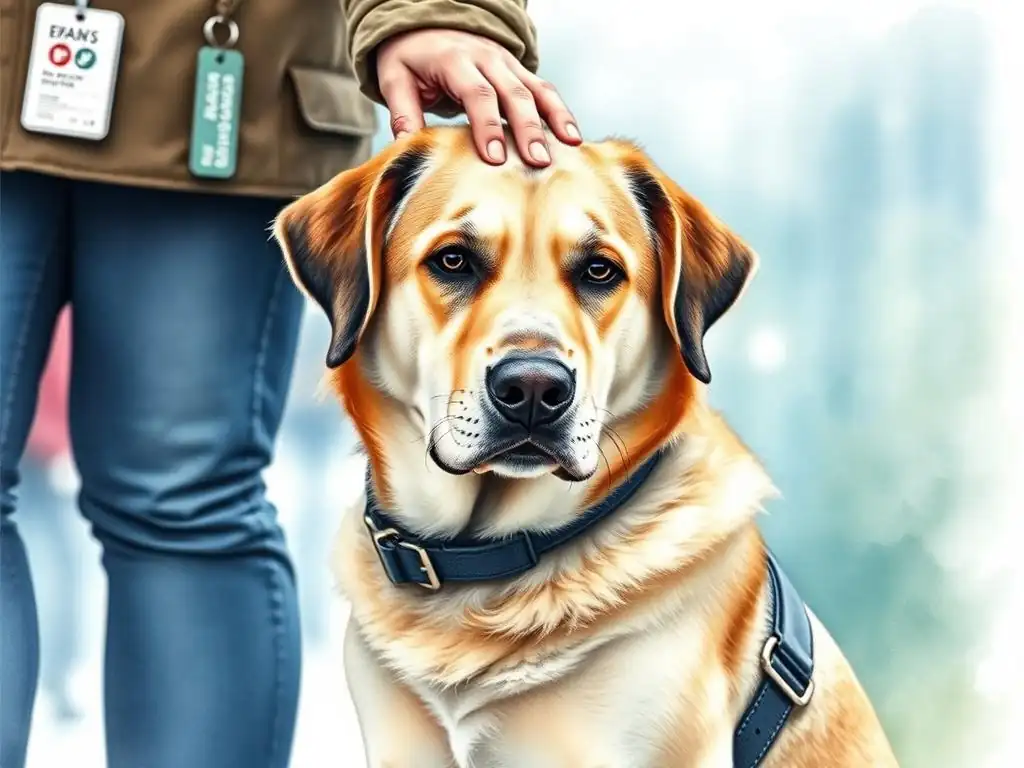
Traveling with a service dog requires meticulous planning and preparation to ensure a smooth journey for both you and your canine companion. Successful service dog travel hinges on proactive measures to minimize disruptions and potential problems. Understanding and adhering to service dog travel regulations is paramount, but equally crucial is anticipating and mitigating potential challenges. This section focuses on practical strategies to achieve this.
Accidents, while infrequent, can significantly impact your travel experience. Proactive measures can drastically reduce the likelihood of such incidents. For example, ensuring your service dog is properly harnessed and leashed at all times in public spaces is crucial. This prevents accidental escapes, which can be stressful for both you and your dog, and potentially disruptive to other travelers. Furthermore, familiarizing yourself with the accessibility features of your chosen mode of transportation is key.
Knowing the location of designated service animal relief areas beforehand can prevent accidents and ensure a more comfortable journey. Consider carrying extra supplies, such as cleaning materials and waste bags, to handle unexpected situations effectively. Proactive planning, coupled with careful attention to your dog's behavior and needs, is the cornerstone of preventing service dog-related incidents during travel. Remember, a well-prepared journey is a less stressful journey.
Managing Your Service Dog's Needs During Travel: Food, Water, and Rest
Maintaining your service dog's routine is vital for their well-being and performance throughout the journey. This includes providing access to fresh water frequently, especially during long trips. Dehydration can significantly impact a service dog's ability to perform their duties. Pack sufficient quantities of your dog's usual food to prevent any dietary disruptions.
Sudden changes in diet can cause gastrointestinal upset, which is undesirable during travel. Plan regular rest stops, especially on long car journeys or flights. These breaks allow your service dog to relieve themselves, stretch their legs, and have a moment of relaxation, preventing fatigue and stress. Remember, a well-rested service dog is a more effective service dog.
Consider bringing familiar comfort items, such as their bed or a favorite toy, to help reduce anxiety during travel. Prioritize your service dog's needs; their well-being directly impacts your travel experience. Consider bringing a collapsible water bowl and portable food containers for easy transport and access.
Training Your Service Dog for Travel: Preparation and Practice
Adequate training is crucial for a positive travel experience with your service dog. Begin training well in advance of your trip, gradually exposing your dog to the various aspects of travel. This could involve short car rides, practice with carrying their harness and leash, and exposure to different environments such as airports or train stations. Desensitize your dog to the sounds and sights associated with travel to minimize anxiety.
Practice commands consistently, such as "stay," "come," and "leave it," to ensure reliable obedience during the journey. Reward positive behavior with treats and praise to reinforce good habits. Consider investing in a travel crate or carrier that is comfortable and secure for your dog, allowing them a safe and familiar space during transport. The goal is to build your dog's confidence and ensure they are well-prepared for the challenges of travel.
Remember, a well-trained service dog is a confident service dog, leading to a smoother and more enjoyable trip for both of you. The more practice, the better your dog will handle the travel experience. 🐶
Service Dog Travel Insurance and Emergency Plans
Traveling with a service dog requires meticulous planning, and a crucial aspect often overlooked is insurance and emergency preparedness. Protecting your invaluable canine companion during travel is paramount, ensuring both their well-being and your peace of mind. This section delves into the importance of service dog travel insurance and crafting comprehensive emergency plans.
Protecting Your Investment: Insurance for Service Dogs During Travel
Your service dog is more than a pet; they are an integral part of your life, providing invaluable assistance and support. Their health and well-being are therefore a significant investment. Securing appropriate insurance coverage before embarking on any journey is crucial. Standard pet insurance policies may not adequately cover the specific needs of a service dog, particularly concerning their specialized training and potential work-related injuries.
Consider policies that cover:
- Veterinary care: This should include emergency treatment, hospitalization, surgery, and medication, potentially with higher coverage limits than standard pet insurance. Specific coverage for conditions related to their service work is beneficial.
- Lost dog coverage: The risk of a service dog getting lost during travel is significant. A robust policy should cover the costs associated with locating and recovering your dog.
- Liability: This protects you against financial responsibility for any accidental injuries or damages caused by your service dog while traveling.
- Replacement cost: In the unfortunate event of your service dog's death or permanent incapacitation, consider policies that offer coverage for the costs associated with training and acquiring a replacement service dog. This is a substantial expense often not covered by standard policies.
When searching for a suitable policy, carefully review the fine print, paying close attention to exclusions and limitations. Obtain quotes from multiple providers to compare coverage options and pricing. Remember to provide complete details about your service dog's training and role during the application process. This ensures accurate risk assessment and appropriate coverage. Documentation of your service dog's certification and training is essential.
Emergency Preparedness: Creating a Travel Plan for Unexpected Situations
Even with meticulous planning, unexpected situations can arise during travel. Creating a comprehensive emergency plan is crucial for mitigating potential problems and ensuring your service dog's safety. This plan should include:
- Veterinary contacts: Compile a list of veterinary clinics along your planned route and at your destination. Include their contact information, hours of operation, and emergency services availability. Consider contacting clinics in advance to inquire about their experience with service dogs and their capacity to handle potential emergencies.
- Emergency kit: Pack a well-stocked emergency kit specifically designed for your service dog. This should include their medication, food, water, bowls, leash, harness, identification tags (with your contact information and a clear indication that they are a service dog), and any other essential items. Consider including a first-aid kit for both your dog and yourself.
- Backup plan: Develop a contingency plan in case of unexpected delays, cancellations, or unforeseen circumstances. This could involve alternative transportation, accommodation options, or contact information for trusted individuals who can assist you if needed.
- Communication strategy: Establish clear communication protocols with family, friends, or support networks in case of an emergency. Ensure they know your travel plans and have access to your emergency contact information.
- Service dog identification: Always ensure your service dog is clearly identified as a service animal with appropriate documentation. This may be crucial in case of any misunderstandings or challenges.
Preparing for potential emergencies through comprehensive insurance and a well-defined plan will significantly reduce stress and ensure a smoother and safer journey for both you and your service dog. Remember that proactive measures are key to responsible service dog travel. The peace of mind that comes with preparedness is invaluable.
Frequently Asked Questions
What are my rights when traveling with my service dog?
Under the Air Carrier Access Act (ACAA) and the Americans with Disabilities Act (ADA), you have the right to travel with your service dog on airplanes and other forms of public transportation without paying extra fees. Airlines may request documentation confirming the dog's service animal status.
Are there any restrictions on where my service dog can go with me?
While service dogs have access to most public places, there are some exceptions, such as sterile medical environments. Always check the specific establishment's policies beforehand. Private businesses have more leeway in setting restrictions than public transportation.
What documentation should I bring when traveling with my service dog?
While not always legally required, carrying official documentation from your veterinarian or a professional trainer verifying your dog's status as a service animal is recommended. This can help prevent misunderstandings and delays. A health certificate is also usually helpful for travel.
What are my responsibilities as a service dog handler while traveling?
You are responsible for maintaining your service dog's good behavior and ensuring it doesn't pose a threat to others. You must keep your dog leashed or otherwise under control at all times. Cleaning up after your dog is also essential.
What should I do if I encounter problems while traveling with my service dog?
If you encounter discrimination or difficulties, document the incident and contact the relevant authorities, such as the Department of Transportation or the airline's customer service. You can also seek legal advice if necessary.
Final Reflection: Embracing Inclusion: The Journey Ahead for Service Dog Travel
The right to travel with a service dog is not merely a legal privilege; it's a fundamental aspect of accessibility and inclusion for millions. This right, however, is constantly evolving, shaped by evolving legislation, shifting public understanding, and the ongoing need for clear communication and responsible practices. The complexities surrounding service animal travel highlight a crucial societal need for empathy and understanding.
The journey towards seamless travel for service dog handlers is far from over. The impact of well-trained service dogs on the lives of their partners is profound, offering independence and a level of normalcy often taken for granted. A service dog is more than just a dog; it's a lifeline, a partner, and a key to unlocking a world of possibilities.
This sentiment underscores the emotional and practical significance of these partnerships, and the importance of fostering a supportive environment for them. The ongoing struggle for clear and consistent regulations reflects a broader societal conversation about disability rights and the integration of individuals with disabilities into all aspects of life.
Now, consider your own role in this evolving landscape. Are you prepared to engage respectfully and knowledgeably with service dog teams you encounter? Will you advocate for clearer and more consistent regulations in your community? The future of accessible travel for service dog handlers depends not only on legislative action but also on the collective commitment of individuals to foster a culture of understanding and acceptance. Let us work together to ensure that every journey, for every handler and their service dog, is one of freedom, dignity, and respect.
Unlock a World of Adventure: Empowering Your Service Dog Journey
Thank you for learning about the joys and responsibilities of traveling with your service dog! We hope this article has given you the confidence to navigate airports, hotels, and other travel situations. Now it's time to put your new knowledge into practice!
- Plan your next adventure! Research accessible travel options and map out your ideal trip, prioritizing your service dog's needs. This is your chance to create unforgettable memories together.
- Share your experiences! We'd love to hear about your successful travels. Share your tips and tricks in the comments below – you might inspire another service dog owner to embark on their own adventure!
- Go beyond the basics: Research local laws and regulations regarding service animals at your destination. This proactive approach will ensure a smoother, more enjoyable trip for both you and your canine companion.
Ready to start planning your next unforgettable adventure? Where will you and your loyal companion explore next?