
Potty Training Positively: Gentle Methods for a StressFree Experience

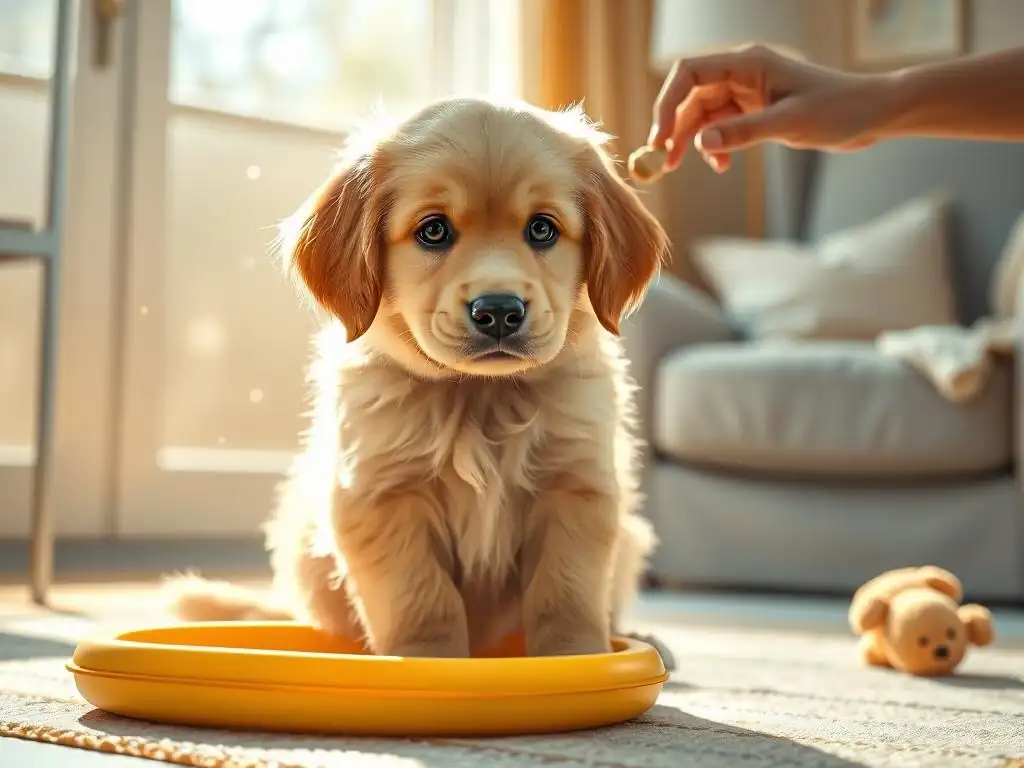
Welcome to PetCareWorld, your ultimate guide to a happier, healthier life with your beloved pets! Are you ready to embark on a journey of positive reinforcement and achieve stress-free potty training? Discover our expert advice on gentle dog potty training tips and unlock the secrets to a harmonious relationship with your canine companion. Dive in and learn how to transform potty training from a challenge into a rewarding experience for both you and your furry friend.
- Understanding Your Puppy's Elimination Needs: Essential First Steps for Gentle Dog Potty Training
- Creating a Positive Potty Training Environment: Setting Up for Success with Gentle Dog Potty Training Tips
-
Step-by-Step Guide to Gentle Dog Potty Training: A Practical Approach
- Acclimating Your Puppy to Their Potty Area: Early Exposure and Familiarization
- Supervising Your Puppy: Preventing Accidents and Catching Signals
- Rewarding Success: Consistent Positive Reinforcement for Eliminating Outside
- Handling Accidents: Cleaning Up Without Punishment and Maintaining a Positive Atmosphere
- Nighttime Potty Training: Strategies for Overnight Success
- Gradually Increasing Time Between Potty Breaks: Building Independence and Reliability
- Addressing Common Potty Training Challenges: Troubleshooting Tips for Gentle Dog Potty Training
- Maintaining Potty Training Success: Long-Term Strategies and Tips
- Frequently Asked Questions
- Final Reflection: Nurturing the Bond Through Potty Training
- Unlock Your Puppy's Potty Training Potential!
Understanding Your Puppy's Elimination Needs: Essential First Steps for Gentle Dog Potty Training
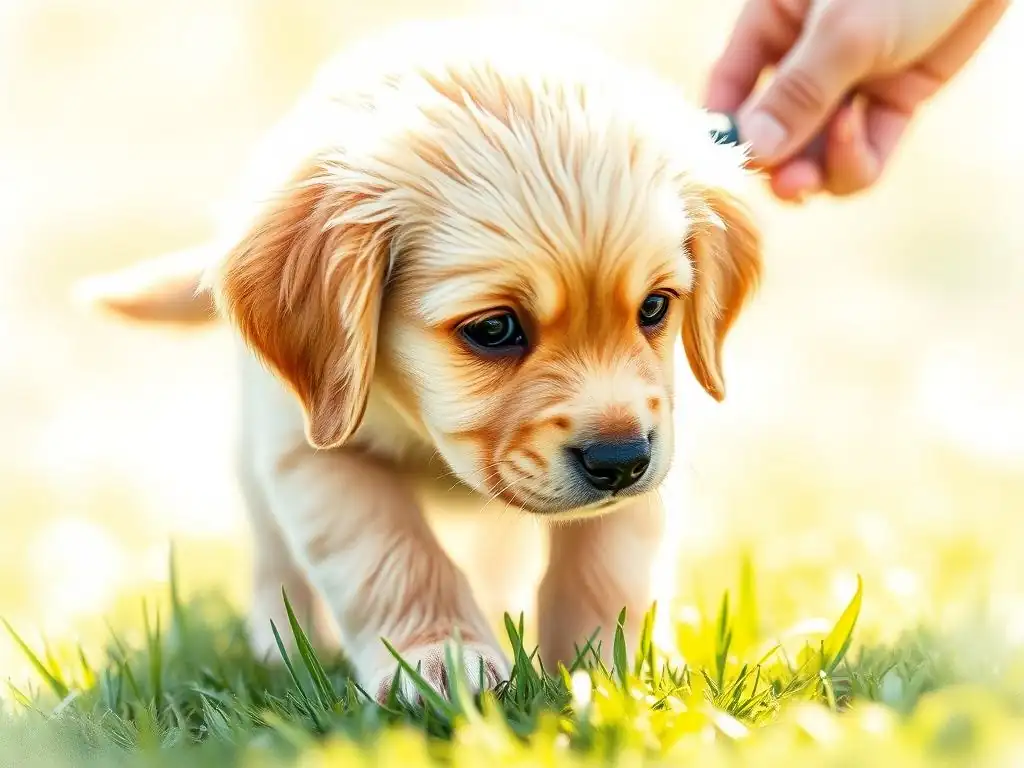
House training a new puppy or dog can be challenging, but with a gentle and patient approach, using positive reinforcement techniques, you can achieve success without resorting to harsh methods. This guide focuses on providing you with "gentle dog potty training tips" to make the process as stress-free as possible for both you and your furry friend. We'll explore crucial aspects of understanding your dog's elimination needs, establishing a consistent routine, and creating a positive association with potty breaks.
Remember, patience and consistency are key to achieving a happily house-trained canine companion. The goal is not just to eliminate accidents, but to build a strong, trusting bond with your dog based on mutual understanding and positive reinforcement. This process is far more effective in the long run than punitive methods, leading to a happier, better-behaved dog.
Recognizing Potty Signals: Early Detection for Successful Training
Before accidents even happen, learning to recognize your dog's potty signals is paramount. Puppies, in particular, often exhibit subtle cues before needing to eliminate. These signals can vary from dog to dog, but some common indicators include:
- Restlessness: Pacing, whining, sniffing the ground excessively, or circling.
- Squatting or lowering: A clear indication that elimination is imminent.
- Sudden changes in behavior: A previously playful pup suddenly becoming quiet or withdrawn.
- Whining or barking: Sometimes, dogs will vocalize to communicate their need to go outside.
Understanding these signals allows you to quickly interrupt any potential accidents and guide your dog to their designated potty area. Rewarding them immediately upon successful elimination reinforces the positive association with the chosen spot. For example, if you see your puppy sniffing around intently, immediately grab the leash and head outside. Success followed by immediate praise and a small treat will solidify the connection.
Keep in mind that puppies have smaller bladders and need to eliminate more frequently than adult dogs. Frequent observation and prompt responses are crucial during the initial stages of training. The more you pay attention and learn your dog's individual signals, the more successful your training will be.
Establishing a Consistent Potty Schedule: Frequency and Timing for Puppies and Adult Dogs
A consistent potty schedule is vital for successful potty training. This involves taking your dog out regularly to eliminate, regardless of whether they show any signs of needing to go. For puppies, this typically means every 1-2 hours, especially after waking up, playing, and eating. Adult dogs generally need to go out less frequently, but a consistent schedule (e.g., every 4-6 hours) is still important.
| Age Group | Approximate Elimination Frequency | Considerations |
|---|---|---|
| Puppies (8-12 weeks) | Every 1-2 hours | Very frequent potty breaks are essential. |
| Puppies (3-6 months) | Every 2-3 hours | Gradually increase the time between potty breaks. |
| Adult Dogs | Every 4-6 hours (or as needed) | Individual needs vary; observe your dog's habits. |
Remember to always supervise your puppy closely, especially during the initial training phase. Accidents will happen, but consistent effort and positive reinforcement will lead to better results over time. Consistency is key; sticking to the schedule, even on weekends or holidays, will help your dog learn to associate specific times with potty breaks. This structured approach minimizes accidents and makes the entire process much smoother.
Choosing the Right Potty Spot: Indoor vs. Outdoor Training Areas
Selecting an appropriate potty spot is crucial. Ideally, this should be a designated area that is easily accessible and consistently used. For outdoor training, choose a spot that is away from high-traffic areas and is easy to clean. For indoor training (in case of inclement weather or limited outdoor access), designate a specific area, like a bathroom or a designated potty pad area. Consistency is vital here; always take your dog to the same spot to eliminate.
Tips for choosing the right potty spot:
- Easy access for both you and your dog.
- Away from high-traffic areas.
- Easy to clean and maintain.
- Consider using an enzymatic cleaner to eliminate odors.
The key is to create a positive association with the chosen spot. Always praise and reward your dog immediately after they successfully eliminate in their designated area. Avoid punishing accidents; instead, focus on preventing them through consistent scheduling and supervision. The goal is to create a stress-free environment where your dog feels comfortable and confident in eliminating in the appropriate place. By following these guidelines, you'll be well on your way to successful and stress-free potty training.
Creating a Positive Potty Training Environment: Setting Up for Success with Gentle Dog Potty Training Tips
This section focuses on establishing a supportive environment conducive to successful potty training using gentle dog potty training tips. Remember, a positive atmosphere is crucial for your dog's learning and emotional well-being. We'll explore key elements to create this ideal setting.
Positive Reinforcement Techniques: Rewards and Praise for Good Behavior
Positive reinforcement is the cornerstone of gentle dog potty training. Instead of punishment, focus on rewarding desired behaviors. This involves immediately praising and rewarding your dog when they eliminate outside in the designated potty area. The timing is critical; reward them as they are finishing their business.
Here's a breakdown of effective reward strategies:
- High-Value Treats: Use small, tasty treats your dog absolutely loves. These act as powerful motivators. Consider training-specific treats that are easily digestible and won't upset their stomach.
- Verbal Praise: Enthusiastic praise, like "Good dog!" or "Yes! ", paired with a happy tone, reinforces positive associations with potty breaks.
- Toys: Introduce favorite toys as rewards after successful potty trips. This adds variety to your reinforcement strategy.
- Consistency is Key: Reward consistently for every successful potty trip, no matter how small the amount. Inconsistency can confuse your dog.
Think of it like this: every time your dog successfully eliminates outside, it's a small victory. Celebrate these wins with enthusiastic praise and a tasty treat! 🎉
Avoiding Punishment: The Importance of Gentle Methods in Potty Training
Punishment is counterproductive in potty training and can severely damage your dog's trust and confidence. Harsh methods create fear and anxiety, potentially leading to behavioral issues, such as submissive urination or accidents out of fear. Gentle dog potty training tips prioritize positive reinforcement over punishment.
Instead of punishing accidents, focus on preventing them. This involves careful supervision, frequent potty breaks, and creating a safe, comfortable environment. If an accident does occur, calmly clean it up without scolding your dog. Your dog likely won't connect the punishment to the past accident.
Consider this scenario: a dog has an accident inside. Scolding them hours later achieves nothing; the dog will only associate the scolding with your current mood, not the past accident. Instead, focus on preventing future accidents through proactive measures.
Setting Up a Safe and Comfortable Potty Area: Minimizing Accidents
A designated potty area is crucial for successful potty training. This area should be easily accessible, safe, and free from distractions. For puppies, this might be a small, confined area in your yard. For adult dogs, it could be a larger area or even specific spots within your yard.
Here are some tips for setting up a suitable potty area:
- Easy Access: Ensure the area is easily accessible from your home, reducing the time your dog spends holding it.
- Safe and Secure: The area should be fenced or otherwise secured to prevent your dog from wandering off.
- Comfortable Surface: Provide a comfortable surface for your dog to eliminate on, especially in cold or wet weather. Consider using grass or artificial turf.
- Minimize Distractions: Keep the potty area free from distractions like toys or other animals. This helps your dog focus on eliminating.
- Consistent Location: Always take your dog to the same designated potty area to build a strong association between the location and eliminating.
Remember, patience and consistency are key to successful potty training. By focusing on positive reinforcement, avoiding punishment, and creating a supportive environment, you can ensure a stress-free and positive experience for both you and your dog. Gentle dog potty training tips emphasize building a strong bond based on trust and mutual understanding.
Step-by-Step Guide to Gentle Dog Potty Training: A Practical Approach
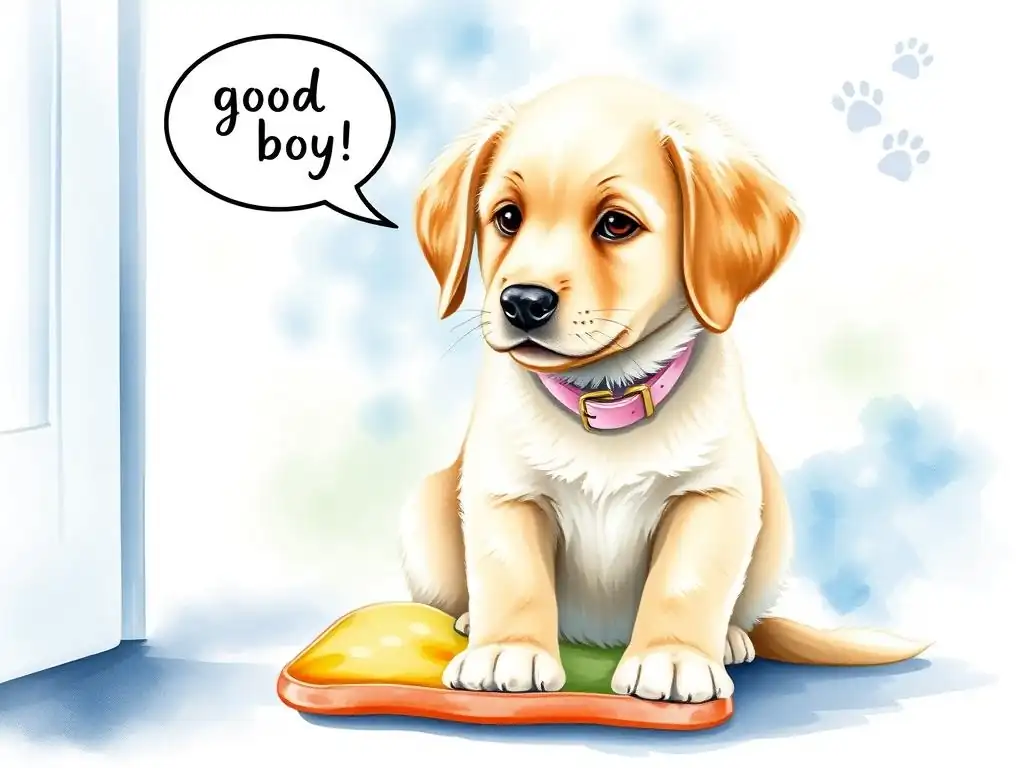
This section details a practical, positive reinforcement approach to dog potty training, focusing on gentle methods that build a strong bond between you and your canine companion. Remember, patience and consistency are key! These gentle dog potty training tips prioritize your puppy's comfort and well-being while achieving successful house training.
Acclimating Your Puppy to Their Potty Area: Early Exposure and Familiarization
Early exposure to their designated potty spot is crucial for successful potty training. Don't wait until an accident happens; proactively introduce your puppy to the area you've chosen. This could be a patch of grass in your yard, a designated spot on your balcony, or even a puppy pad indoors.
The key is to make it a positive experience. Bring your puppy to the area frequently, even if they don't need to eliminate. Let them sniff around, explore, and get comfortable. Use positive verbal reinforcement, like saying "Go potty!" in an upbeat tone. Avoid harsh words or punishments, as this will only create fear and anxiety, hindering the training process.
Consider adding enticing scents to the area, such as a small amount of dried grass from a previously used potty spot (if available) or a commercially available scent attractant designed for puppies. This helps to associate the area with elimination. Remember, the goal is to create a positive association, transforming the potty area into a safe and comfortable place for your puppy. Consistency is key; the more frequently you bring your puppy to this spot, the quicker they will learn to associate it with their bathroom needs.
Supervising Your Puppy: Preventing Accidents and Catching Signals
Constant supervision, especially in the early stages, is paramount. Young puppies have small bladders and limited control, making accidents inevitable. However, close monitoring allows you to identify early signs of needing to eliminate. These signals might include:
- Restlessness
- Sniffing around excessively
- Circling
- Squatting
The moment you observe any of these cues, immediately grab your puppy and rush them to their designated potty area. If they successfully eliminate, immediately praise them enthusiastically with a cheerful "Good dog!" and a high-value reward, such as a small piece of cooked chicken or a tiny bit of their favorite treat. This positive reinforcement strengthens the desired behavior.
If an accident does happen, remain calm. Avoid scolding or rubbing their nose in it – this is counterproductive and can damage your relationship. Simply clean the mess thoroughly with an enzymatic cleaner designed to eliminate odors that might entice your puppy to repeat the accident. Then, immediately take your puppy to their designated potty area. Even if they don't eliminate at that point, the quick transfer helps them associate the correct place with their needs. Remember that accidents are a normal part of the learning process.
Rewarding Success: Consistent Positive Reinforcement for Eliminating Outside
Consistent positive reinforcement is the cornerstone of gentle dog potty training. Every time your puppy successfully eliminates outside, reward them immediately with enthusiastic praise, a high-value treat, and a playful interaction. This positive association makes potty training a rewarding experience for both you and your puppy.
Consider using a clicker for training. The clicker provides a clear, consistent marker signaling the exact moment your puppy performs the desired behavior. Pair the click with an immediate reward to further reinforce the connection. The clicker helps to improve timing and consistency in your positive reinforcement.
Remember, timing is crucial. The reward must be given immediately after your puppy finishes eliminating. Delayed rewards are less effective and might not create the desired association. Consistency in your approach is paramount. Stick to your routine and reward your puppy consistently to maximize the effectiveness of your training efforts. This consistent positive reinforcement will help your puppy quickly learn to associate eliminating outside with positive rewards, making potty training a positive and enjoyable experience for both of you. 🐶
Handling Accidents: Cleaning Up Without Punishment and Maintaining a Positive Atmosphere
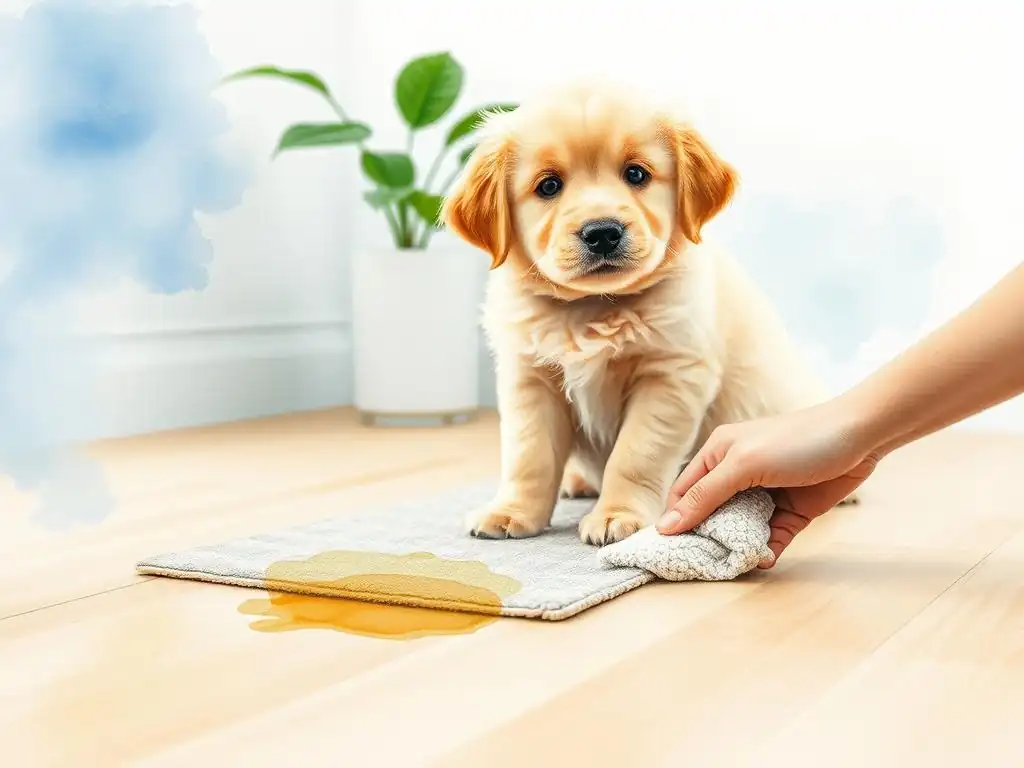
Accidents happen, especially during the initial stages of potty training. The key is to react calmly and avoid punishment. Scolding or rubbing your dog's nose in the mess will only create fear and anxiety, hindering the training process. Instead, focus on cleaning the accident efficiently and without emotional outbursts.
Use an enzymatic cleaner designed to eliminate pet odors; residual scents can encourage repeat accidents in the same spot. Remember, your dog doesn't understand the connection between the accident and your anger; it only understands your emotional state. A calm and reassuring demeanor will be far more effective in preventing future accidents. After cleaning, immediately take your dog outside to its designated potty spot, praising it enthusiastically if it eliminates there.
This reinforces the desired behavior. Positive reinforcement, such as treats and praise, is crucial in building confidence and associating the correct behavior with positive rewards. Even if your dog doesn't eliminate outside immediately after an accident, still provide positive reinforcement for going outside, to further associate the action with positive feelings. This consistent positive approach will be far more effective than punishment.
Nighttime Potty Training: Strategies for Overnight Success
Nighttime potty training often presents unique challenges. Puppies, in particular, have smaller bladders and may need to eliminate during the night. Restricting water intake an hour or two before bedtime can help, but don't deprive your dog of water entirely, as dehydration can be harmful. Consider creating a designated potty area near your bedroom door for easier access during nighttime potty breaks. Start by waking your dog every 2-3 hours during the night to take it outside.
Use a consistent wake-up phrase, such as "Time for potty," to create a clear signal. Even if your dog doesn't urinate or defecate, praise it for waking up and going outside. Gradually increase the time between nighttime potty breaks as your dog demonstrates improved bladder control. A crate can be helpful for nighttime training, as dogs generally avoid soiling their sleeping area.
However, ensure the crate is appropriately sized and not used as a punishment tool. Never leave your dog crated for excessively long periods without a potty break, as this is inhumane and counterproductive to the training. Monitor your dog's behavior for signs it needs to go, such as restlessness or whining. Patience and consistency are key to achieving overnight success.
Gradually Increasing Time Between Potty Breaks: Building Independence and Reliability
Once your dog demonstrates consistent success with frequent potty breaks, you can gradually increase the time between them. Start by adding 15-30 minutes to the intervals between potty breaks. Closely observe your dog's behavior for signs of needing to eliminate, such as sniffing, circling, or squatting. If you notice these signs, immediately take your dog outside to its designated potty spot.
Reward every successful elimination with enthusiastic praise and treats. If an accident occurs, don't punish your dog; simply clean it up calmly and return to the regular potty break schedule. Slowly and systematically increase the time between potty breaks over several weeks or months, depending on your dog's age, breed, and individual learning pace. Remember, every dog learns at its own pace.
Avoid rushing the process, as it can lead to setbacks and frustration for both you and your furry friend. Celebrate milestones and maintain a positive and encouraging atmosphere throughout the entire training process. Consistency and patience are crucial in building your dog's independence and reliability in potty training. 🎉
Addressing Common Potty Training Challenges: Troubleshooting Tips for Gentle Dog Potty Training
This section focuses on troubleshooting common issues encountered during gentle dog potty training, offering practical solutions rooted in positive reinforcement. Remember, consistency and patience are key to success. Even the most well-intentioned pup may experience setbacks; understanding these challenges and addressing them constructively is crucial for a stress-free potty training journey. We'll explore how to manage accidents, excitement urination, and stubbornness – all with kindness and positive reinforcement at the heart of our approach.
Dealing with Accidents: Maintaining Patience and Positive Reinforcement
Accidents happen, even with the most diligent training. Instead of punishment, which can damage your bond and hinder progress, focus on prevention and redirection. First, identify why the accident occurred. Was your dog left unsupervised for too long? Were there distractions? Was the potty break schedule inadequate? Analyzing the situation helps you adjust your approach.
For example, if accidents occur when you’re away, consider increasing the frequency of potty breaks or using a crate to prevent access to areas where accidents are likely. Remember, a crate should never be used as punishment; it's a safe and secure space for your dog. If accidents happen due to excitement, implement the strategies detailed in the next section.
Once an accident occurs, clean the area thoroughly with an enzymatic cleaner to eliminate the scent. Avoid scolding; instead, calmly redirect your dog outside to their designated potty spot. Upon successful elimination, lavish them with praise, treats, and positive reinforcement. This positive association helps them understand the desired behavior. Keep a log of accidents, noting the time, location, and potential contributing factors. This data-driven approach allows you to identify patterns and refine your training plan. The goal is not to eliminate accidents overnight, but to gradually reduce their frequency through consistent, patient effort.
Managing Excitement Urination: Strategies for Calming Your Dog
Excitement urination, particularly common in puppies and younger dogs, is often triggered by enthusiastic greetings or highly stimulating situations. It's not a sign of disobedience, but a physiological response that needs management. The key is to teach your dog to manage their excitement.
Several strategies can help. Firstly, minimize overly exuberant greetings upon arrival home. Instead of rushing to pet and cuddle, calmly greet your dog, avoiding direct eye contact initially. Let them approach you at their own pace. Secondly, create a calm and predictable environment, reducing overwhelming stimuli. This might involve limiting interactions with other dogs during training or creating a quiet space for your dog to relax.
Training exercises focusing on "calm" behavior can be remarkably effective. Teach your dog to sit or lie down before greetings or when entering exciting situations. Reward calm behavior with treats and praise. Gradually increase the level of stimulation while maintaining calm behavior. For instance, start with low-key interactions and progressively introduce more exciting scenarios, ensuring your dog remains calm and controlled throughout. If the urination persists, consult with a veterinarian to rule out any underlying medical conditions.
Remember, consistency is key. Celebrate even small victories and remain patient throughout the process. Positive reinforcement, coupled with mindful management of exciting situations, can significantly reduce excitement urination.
Overcoming Stubbornness: Persistent Positive Reinforcement Techniques
Some dogs may seem more resistant to potty training than others. This "stubbornness" is rarely deliberate; it often stems from inconsistent training, lack of clarity, or underlying anxiety. Instead of resorting to harsh methods, which only damage your relationship, double down on positive reinforcement and consistency.
First, ensure you're using clear and consistent signals. Use a specific cue word, such as "potty," consistently every time you take your dog outside. Maintain a regular potty schedule, taking your dog out frequently, particularly after waking up, eating, and playing. Reward every successful elimination, no matter how small. This reinforces the positive association between going potty outside and receiving a reward.
If your dog seems distracted or uninterested in going outside, try making it more appealing. Use high-value treats, engage in a favorite game, or offer a change of scenery. If accidents continue, reassess your training approach. Are you using the correct reward system? Is your schedule appropriate for your dog's age and needs?
Have you ruled out any medical reasons for the difficulty? Consider seeking guidance from a certified professional dog trainer who specializes in positive reinforcement methods. The key is to remain patient, persistent, and positive. With consistent effort and understanding, even the "stubbornest" dog can master potty training.
Transitioning from Crate Training to Free Roaming: A Gradual Approach
Transitioning your dog from crate training to free roaming requires a careful and gradual approach. Rushing this process can undo all the progress you've made and lead to accidents, increased stress for both you and your dog, and setbacks in your gentle potty training efforts. The key is to maintain consistency and positive reinforcement throughout the transition. Remember, the goal isn't just to eliminate accidents, but to build a strong, trusting relationship with your dog based on mutual understanding and respect.
Begin by extending the periods of free roaming gradually. If your dog currently spends 8 hours in the crate overnight and 4 hours during the day, start by increasing the free roaming time by 30 minutes to an hour. Closely monitor your dog during these extended periods. Have a designated potty area easily accessible, and take your dog there frequently, rewarding them immediately and enthusiastically for eliminating outside. Use a consistent verbal cue, such as "Go potty," to associate the action with the reward.
Observe your dog's behavior for signs they need to eliminate. These can include circling, sniffing, whining, or squatting. If you see any of these signs, immediately take your dog to their designated potty spot. Positive reinforcement is crucial here; even if they don't immediately eliminate, praise them for going to the right spot. This reinforces the desired behavior—choosing the correct location—even if the final act of elimination doesn't occur right away.
Consider using a baby gate to restrict your dog's access to certain areas of your home while they are free roaming. This provides a safe and contained space while still offering increased freedom compared to crate confinement. Gradually expand the gated area as your dog demonstrates reliable potty habits.
Remember to remain patient and understanding. Accidents will happen, especially during the transition phase. Avoid punishment; instead, clean up the accident calmly and without showing anger. Focus on reinforcing the positive behaviors, such as eliminating outside, and gradually increase the free roaming time as your dog demonstrates consistent success. This positive approach to potty training will build your dog's confidence and strengthen your bond, ensuring a smoother transition to free roaming. 🎉 Consistency and patience are your best allies in this process. Remember, every dog learns at their own pace.
Maintaining Potty Training Success: Long-Term Strategies and Tips
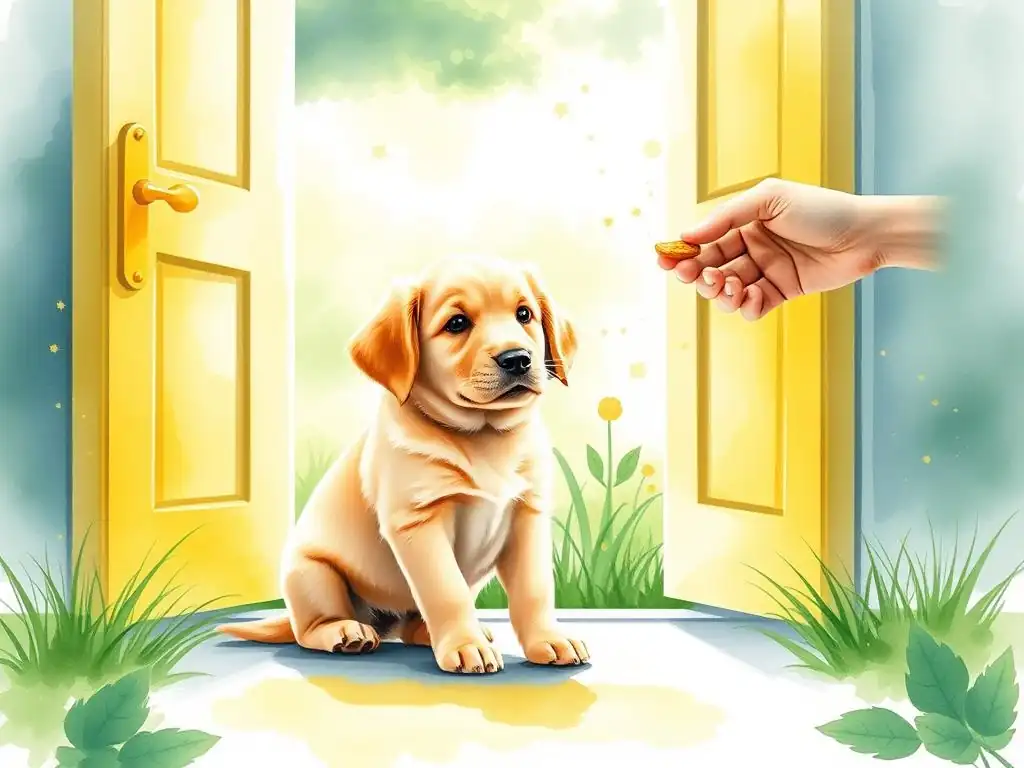
Successfully potty training your dog is a significant achievement, but maintaining that success requires ongoing commitment and consistent effort. Think of it like learning a new language – you wouldn't expect fluency after a single lesson! This section focuses on implementing long-term strategies to ensure your dog continues to eliminate appropriately, even when faced with challenges. We'll explore the importance of routine, how to handle setbacks, and when to seek professional guidance. Remember, gentle dog potty training tips are about building a positive relationship and reinforcing good habits over time.
Consistency is Key: Maintaining the Routine for Long-Term Success
Consistency is paramount in sustaining potty training progress. Even after your dog seems reliably house-trained, maintaining a regular schedule is crucial. This involves sticking to a consistent feeding, watering, and walking routine. Regular feeding times help predict elimination times, making accidents less likely. For instance, if your dog typically needs to eliminate 30 minutes after eating, make sure to take them outside then. This predictability helps solidify the association between going outside and eliminating.
Consider creating a visual schedule – a chart or whiteboard – to track your dog's potty breaks and any accidents. This can help you identify patterns and adjust your routine accordingly. For example, you might notice that your dog tends to have accidents after playtime, suggesting a need for an extra potty break before or after periods of high energy.
Regularity, even on weekends or during holidays, is key to avoiding regressions. Remember, a consistent routine provides structure and predictability for your dog, reducing confusion and anxiety, which are major factors contributing to accidents. This is one of the most effective gentle dog potty training tips for long-term success.
Addressing Setbacks: Handling Regressions and Maintaining a Positive Attitude
Even the best-trained dogs can experience occasional setbacks. Illness, stress, changes in routine (like a new family member or moving house), or even excitement can trigger accidents. The key is to approach these setbacks calmly and avoid punishment. Punishment can damage your relationship with your dog and undermine the positive reinforcement techniques you’ve been using. Instead, focus on understanding the underlying cause of the regression.
For example, if your dog suddenly starts having accidents after a period of perfect house-training, consider potential stressors. Has something changed in their environment? Are they exhibiting other signs of illness or discomfort? If a medical issue is suspected, a veterinary consultation is essential. If stress is the cause, try to identify and mitigate the source. It's important to maintain a positive and encouraging attitude. Continue using positive reinforcement techniques, rewarding successful potty breaks with praise and treats. Celebrate small victories to boost your dog's confidence and reinforce their good behavior. Patience and understanding are crucial during these times.
Seeking Professional Help: When to Consult a Veterinarian or Dog Trainer
While most dogs can be successfully potty trained using gentle methods, some may require additional support. If you've consistently applied positive reinforcement techniques and are still experiencing significant difficulties, consider seeking professional help. Consult a veterinarian to rule out any underlying medical conditions that may be contributing to the problem. Urinary tract infections, kidney disease, and other health issues can affect a dog's ability to control their bladder or bowels. A vet can provide a proper diagnosis and recommend appropriate treatment.
If a medical issue is ruled out, a certified professional dog trainer can provide personalized guidance and support. A trainer can help identify and address any behavioral issues contributing to the potty training challenges. They can also teach you advanced techniques and strategies tailored to your dog's specific needs and temperament.
Remember, seeking professional help is not a sign of failure, but rather a proactive step towards ensuring your dog's well-being and achieving successful house training. Choosing a trainer who emphasizes positive reinforcement methods is essential for maintaining a positive and stress-free training experience for both you and your dog. This aligns perfectly with the gentle dog potty training tips we've discussed throughout this article.
Frequently Asked Questions
How can I start potty training my dog gently?
Start with a consistent schedule, taking your puppy out frequently. Reward positive potty behavior immediately with treats and praise. Establish a designated potty area.
What if my dog has accidents in the house?
Avoid punishment; it can be counterproductive. Clean accidents thoroughly with an enzymatic cleaner. Increase the frequency of potty breaks.
What are some positive reinforcement techniques for potty training?
Use high-value treats and enthusiastic praise immediately after successful potty breaks. Avoid scolding; focus on rewarding good behavior.
How long does gentle dog potty training typically take?
It varies depending on the dog's age, breed, and personality. Be patient and consistent; it could take several weeks or even months. Consistency is key.
My dog seems to understand the commands but still has accidents. What should I do?
Consider underlying medical issues; consult your veterinarian. Re-evaluate your training schedule and ensure consistency. You might need to adjust your approach.
Final Reflection: Nurturing the Bond Through Potty Training
Gentle dog potty training isn't just about housebreaking; it's about building a stronger, more trusting relationship with your canine companion. The methods discussed throughout this article emphasize patience, understanding, and positive reinforcement – crucial elements for a harmonious life together, far beyond the initial potty training phase.
The impact of positive reinforcement extends far beyond the immediate goal of accident-free living. It fosters a deeper connection between dog and owner, built on mutual respect and understanding. The best way to find yourself is to lose yourself in the service of others.
While not directly about dog training, this quote speaks to the profound connection we build through acts of service and patience, mirroring the dedication required for successful, gentle potty training. This process teaches us to truly see our dogs as individuals with unique needs and personalities, enriching our understanding of their behavior and strengthening our bond.
Now, consider your own relationship with your dog. What aspects of gentle potty training can you apply to other areas of your interaction? How can you continue to nurture this bond through consistent positive reinforcement and unwavering patience? Remember, every interaction, every training session, is an opportunity to deepen your connection and create a truly joyful partnership. Embrace the journey, celebrate the small victories, and enjoy the incredible companionship of your furry friend.
Unlock Your Puppy's Potty Training Potential!
Thank you for learning about gentle potty training methods! We hope you found our approach helpful and less stressful. Now let's put that knowledge into practice. Ready to see positive results?
- Follow a consistent potty training schedule. Regular, scheduled potty breaks are key to success.
- Share your potty training successes (and challenges!) in the comments below. We're a supportive community here at PetCareWorld, ready to offer encouragement and advice.
- Positive reinforcement, such as offering small, healthy treats, can significantly improve your puppy's training progress.
Ready to transform potty training from a chore into a joyful experience for both you and your puppy?