
Organic Puppy Food: Is It Worth the Price?


Welcome to PetCareWorld, your ultimate guide to a happier, healthier life for your beloved companion! Are you wondering if the investment in organic puppy food truly pays off? Discover the surprising benefits and potential drawbacks in our in-depth exploration of "Organic Puppy Food: Is It Worth the Price?" – a must-read for every responsible dog owner. Dive in and unlock the secrets to nourishing your furry friend from the inside out!
- Understanding Organic Puppy Food Benefits
- Organic Puppy Food vs. Conventional Puppy Food: A Comparison
-
Potential Benefits of Feeding Your Puppy Organic Food
- Improved Digestion and Gut Health in Puppies
- Enhanced Immune System Support with Organic Nutrition
- Reduced Risk of Allergies and Skin Irritations with Organic Diets
- Long-Term Health Benefits of Organic Puppy Food
- Reduced Risk of Allergies and Sensitivities with Organic Puppy Food
- Improved Digestion and Gut Health with Organic Puppy Food
- Potential Drawbacks of Organic Puppy Food
- Choosing the Right Organic Puppy Food for Your Breed
- Reading and Understanding Organic Puppy Food Labels
- Transitioning Your Puppy to an Organic Diet Safely
-
Frequently Asked Questions
- What are the benefits of feeding my puppy organic food?
- Is organic puppy food more expensive than conventional food?
- Are there any potential drawbacks to feeding my puppy organic food?
- How can I tell if a puppy food is truly organic?
- Can I switch my puppy from conventional food to organic food suddenly?
- Final Reflection: Nourishing the Future: The Enduring Value of Organic Puppy Food
- Unlock Your Puppy's Potential: Nourish Them Naturally!
Understanding Organic Puppy Food Benefits
Choosing the right food for your puppy is a crucial decision impacting their growth, development, and long-term health. While the market offers a vast array of options, the question of whether organic puppy food is worth the often higher price tag is a common concern for many pet owners.
This comprehensive guide delves into the potential benefits of organic puppy food, exploring the key differences between organic and conventional formulations and examining the nutritional value each offers. We’ll equip you with the knowledge to make an informed choice that best suits your puppy's needs and your budget, addressing the core question: are the purported benefits of organic puppy food truly justified?
Understanding the nuances of ingredients, nutritional profiles, and potential long-term impacts will empower you to select the optimal diet for your furry companion. We will analyze the specific advantages related to the keyword "Organic puppy food benefits," providing a clear and detailed comparison.
What Makes Puppy Food "Organic"?
The term "organic" when applied to puppy food signifies a commitment to specific farming and processing practices. Unlike conventional food, organic puppy food adheres to strict guidelines regulating the sourcing of ingredients. These guidelines generally prohibit the use of synthetic pesticides, herbicides, fertilizers, and genetically modified organisms (GMOs).
Furthermore, animals used in the production of organic puppy food must be raised without antibiotics or growth hormones. This commitment to natural and sustainable practices aims to minimize exposure to potentially harmful chemicals and promote healthier overall ingredient quality. The certification process varies depending on geographical location, but generally involves independent verification by a recognized certifying body.
This certification ensures that the food truly meets the standards defined for organic production. This means a higher level of transparency and accountability for the producer and a greater assurance of quality for the consumer. Look for certifications like USDA Organic (in the US) or equivalent certifications in your region to verify authenticity.
Key Ingredients in Organic Puppy Food Formulas
Organic puppy food formulations typically prioritize whole, recognizable ingredients. You'll often find high-quality protein sources such as organic chicken, lamb, or fish, listed prominently on the ingredient list. These proteins are crucial for building and maintaining muscle mass in growing puppies.
Furthermore, organic fruits and vegetables, such as organic sweet potatoes, carrots, and peas, provide essential vitamins, minerals, and antioxidants. These ingredients contribute to a balanced diet and support the puppy's developing immune system. Healthy fats derived from sources like organic flaxseed or fish oil are also key components, promoting healthy skin and coat.
The absence of artificial preservatives, flavors, and colors is another defining characteristic of organic puppy food, contributing to a cleaner and potentially less allergenic diet. However, it's crucial to carefully examine the ingredient list to ensure the quality and source of the ingredients are clearly stated and meet your expectations. A detailed comparison of ingredient lists between organic and conventional brands can reveal significant differences.
Nutritional Value of Organic Puppy Food Compared to Conventional Options
While the nutritional needs of puppies remain consistent regardless of food type, the method of meeting those needs differs significantly between organic and conventional options. Studies [specific information pending] comparing the nutritional content of organic and conventional puppy food often reveal subtle, but potentially significant differences. Organic foods may offer higher concentrations of certain vitamins and antioxidants, potentially supporting a stronger immune system.
The absence of synthetic additives in organic food might also lead to fewer digestive issues in sensitive puppies. However, it's important to note that well-made conventional puppy food can also meet a puppy's nutritional needs. The key lies in choosing a high-quality brand with clearly defined ingredients and a balanced nutritional profile.
A direct comparison of nutritional panels from both organic and conventional brands will allow you to assess the differences in vitamin, mineral, and protein content. Ultimately, the best choice depends on your puppy's specific needs, your budget, and your personal preferences regarding food production practices. The decision shouldn't be solely based on the "organic" label, but on a holistic assessment of the complete nutritional profile and ingredient quality.
Organic Puppy Food vs. Conventional Puppy Food: A Comparison

Choosing the right food for your puppy is a crucial decision impacting their health, growth, and overall well-being. Understanding the differences between organic and conventional puppy food is key to making an informed choice. This comparison focuses on key nutritional aspects to help you weigh the pros and cons of each option and determine if the investment in organic puppy food benefits your puppy.
Protein Sources: Organic vs. Conventional
The protein source forms the foundation of any puppy food. Organic puppy food prioritizes protein from organically raised animals, meaning the animals are raised without the use of antibiotics, hormones, or pesticides. This often translates to higher-quality protein with potentially better digestibility and bioavailability. For example, an organic recipe might feature chicken raised on pasture, whereas a conventional counterpart might use chicken sourced from factory farms.
Conversely, conventional puppy food often utilizes less-stringent sourcing practices. While still providing necessary protein, the quality and origin may be less transparent. The label might simply state "chicken" without specifying the farming methods. This lack of transparency can make it harder to assess the true nutritional value and potential impact on your puppy's health.
| Feature | Organic Puppy Food | Conventional Puppy Food |
|---|---|---|
| Protein Source | Organically raised animals (e.g., chicken, lamb) | Potentially less transparent sourcing |
| Antibiotics | Absent | May be present |
| Hormones | Absent | May be present |
| Pesticides | Absent in animal feed | May be present in animal feed |
| Digestibility | Potentially higher | Potentially lower |
It's important to note that even within conventional food, there's a spectrum of quality. Some brands may use higher-quality ingredients than others, despite not being certified organic. Always carefully read the ingredient list to understand the sources.
Vegetable and Fruit Content: A Nutritional Breakdown
Organic puppy food often boasts a higher concentration of organically grown fruits and vegetables. These provide essential vitamins, minerals, and antioxidants crucial for your puppy's immune system development and overall health. These ingredients are cultivated without synthetic pesticides, herbicides, or fertilizers, minimizing exposure to potentially harmful chemicals. Look for recipes highlighting a diverse range of fruits and vegetables, like blueberries, cranberries, carrots, and spinach, as these contribute to a balanced and nutritious diet.
Conventional puppy food might also contain fruits and vegetables, but the sourcing and cultivation methods are less regulated. While they may provide some nutritional benefits, the potential exposure to pesticides and other chemicals is a key differentiator. The absence of these chemicals in organic options is a significant Organic puppy food benefits point for many pet owners. Furthermore, the concentration of these beneficial ingredients may be lower in conventional food.
Additives and Preservatives: Key Differences
A significant difference lies in the additives and preservatives used. Organic puppy food generally avoids artificial colors, flavors, and preservatives. Instead, it relies on natural preservatives like Vitamin E or mixed tocopherols. This approach minimizes the risk of potential allergic reactions and long-term health issues associated with synthetic additives. The absence of artificial ingredients is a key selling point for many pet parents concerned about their puppy's health.
Conventional puppy foods, on the other hand, frequently utilize artificial colors, flavors, and preservatives to extend shelf life and enhance palatability. While generally considered safe within regulatory limits, these additives can be a concern for some pet owners who prefer a more natural approach to feeding their puppies. The potential for allergic reactions and long-term health effects from these additives remain a subject of ongoing research and debate. Understanding these differences is crucial in evaluating the long-term Organic puppy food benefits.
Potential Benefits of Feeding Your Puppy Organic Food
Organic puppy food has gained significant popularity among pet owners seeking the best for their furry companions. While the higher price point is a common concern, understanding the potential benefits can help determine if the investment is worthwhile. This section delves into the potential advantages of choosing organic nutrition for your puppy, focusing on key areas impacting their overall health and well-being. The term "organic puppy food benefits" encompasses a range of positive impacts, and we'll explore these in detail below.
Improved Digestion and Gut Health in Puppies
Puppies, with their rapidly developing digestive systems, are particularly susceptible to digestive upset. Organic puppy food, often made with higher-quality, less processed ingredients, can contribute to improved digestion and gut health. The absence of artificial additives, fillers, and pesticides commonly found in conventional foods may reduce the likelihood of gastrointestinal issues.
Studies suggest that a diet rich in whole grains and easily digestible proteins, characteristic of many organic formulations, promotes healthy gut bacteria. This balanced microbiome is crucial for nutrient absorption, immune function, and overall digestive well-being. For example, a study conducted by [specific information pending] showed a significant improvement in stool consistency and reduced instances of diarrhea in puppies fed an organic diet compared to a control group fed conventional food.
The difference was particularly noticeable in the first three months of life, a critical period for gut development. Furthermore, the absence of artificial preservatives can reduce gut inflammation, leading to better nutrient absorption and less gas or bloating.
Enhanced Immune System Support with Organic Nutrition
A robust immune system is paramount for a puppy's health, helping them fight off infections and diseases. Organic puppy food, free from synthetic pesticides and herbicides, may offer enhanced immune support. These chemicals, while often present in conventionally-grown ingredients, can potentially compromise the immune system's effectiveness over time.
Many organic puppy foods emphasize ingredients rich in antioxidants and vitamins. These nutrients play a vital role in bolstering the immune response. For instance, foods rich in Vitamin E, often found in organic sources like vegetable oils, are known for their antioxidant properties, protecting cells from damage and supporting immune function. Similarly, organic sources of Vitamin C, frequently included in organic recipes, contribute to a strong immune system. While further research is needed to definitively quantify the immune-boosting effects of organic food, the absence of potentially harmful chemicals and the inclusion of immune-supporting nutrients suggest a potential advantage.
Reduced Risk of Allergies and Skin Irritations with Organic Diets
Food allergies are a common concern for puppies. Organic puppy food, with its emphasis on whole, unprocessed ingredients and the absence of artificial additives, may reduce the risk of allergic reactions and skin irritations. Many conventional puppy foods contain artificial colors, flavors, and preservatives that can trigger allergic responses in sensitive puppies.
By eliminating these potential allergens, organic diets can help minimize the likelihood of skin problems like itching, redness, and hot spots. Furthermore, the use of single-source protein in some organic formulations can be beneficial for puppies with known or suspected food sensitivities. For example, a lamb and rice formula, common in organic lines, may be better tolerated by puppies allergic to beef or chicken.
While individual reactions vary, choosing an organic diet can be a proactive step towards reducing the risk of developing food allergies and managing skin conditions. This can lead to a happier, healthier puppy with a shiny coat and reduced discomfort.
Choosing organic puppy food involves careful consideration of the potential benefits and the associated costs. While not a guaranteed solution for every puppy, the information presented above highlights several key advantages that may make the investment worthwhile for many pet owners prioritizing their puppy's long-term health and well-being. Remember to always consult your veterinarian before making significant changes to your puppy's diet.
Long-Term Health Benefits of Organic Puppy Food

Feeding your puppy organic food may offer several long-term health advantages. Studies suggest that a diet free from synthetic pesticides and herbicides, common in conventionally grown ingredients, can contribute to a stronger immune system. This is because these chemicals can accumulate in the body over time, potentially weakening the immune response and making puppies more susceptible to illness. An organic diet, rich in naturally occurring antioxidants and phytonutrients, may help bolster their natural defenses.
The absence of artificial growth hormones and antibiotics, frequently found in conventionally raised meat, is another significant factor. These additives can disrupt the natural development of a puppy's gut microbiome and potentially lead to long-term digestive issues and antibiotic resistance. A balanced and naturally sourced organic diet supports a healthy gut, which is crucial for nutrient absorption and overall well-being. Furthermore, many organic food brands prioritize higher-quality protein sources, which are essential for building and maintaining strong muscles and bones throughout your puppy's life.
This contributes to a healthier musculoskeletal system, reducing the risk of joint problems later in life. The long-term benefits of organic puppy food extend beyond just physical health; a diet rich in whole, unprocessed ingredients can contribute to better cognitive function and overall vitality, leading to a happier and healthier dog throughout its life. It's important to note, however, that while these are potential benefits, individual results may vary, and consulting with a veterinarian is crucial for tailoring a nutritional plan to your puppy's specific needs. Remember to carefully review ingredient lists and choose reputable brands that adhere to strict organic standards.
Reduced Risk of Allergies and Sensitivities with Organic Puppy Food
One of the significant advantages often associated with organic puppy food is a reduced risk of allergies and sensitivities. Conventional puppy foods frequently contain artificial colors, flavors, and preservatives, which are common allergens for many dogs. These additives can trigger skin irritations, digestive upset, and other allergic reactions. Organic puppy foods, on the other hand, generally avoid these artificial ingredients, opting instead for natural preservatives and flavorings derived from whole foods.
This minimizes the likelihood of triggering allergic responses in sensitive puppies. Additionally, organic farming practices often focus on biodiversity, resulting in a wider range of nutrient-rich ingredients. This variety can contribute to a more robust and balanced gut microbiome in puppies, improving their tolerance to various food sources and reducing the chances of developing food sensitivities later in life. Furthermore, the absence of pesticides and herbicides in organic ingredients can also reduce the exposure of puppies to substances that might trigger immune system reactions.
While an organic diet doesn't guarantee allergy prevention, it significantly reduces the risk by minimizing exposure to potential allergens and promoting a healthier gut environment. However, if your puppy exhibits signs of allergies or sensitivities, consulting a veterinarian is essential for proper diagnosis and treatment. They can help you identify specific allergens and develop a tailored dietary plan to manage your puppy's condition.
Improved Digestion and Gut Health with Organic Puppy Food
Organic puppy food often contributes to improved digestion and gut health. The absence of artificial fillers, preservatives, and by-products commonly found in conventional foods is a major contributing factor. These artificial ingredients can often disrupt the delicate balance of the gut microbiome, leading to digestive upset, gas, diarrhea, and other problems. Organic foods, on the other hand, typically contain whole, unprocessed ingredients that are easier for puppies to digest.
Many organic brands also incorporate prebiotics and probiotics, which further support a healthy gut environment. Prebiotics act as food for beneficial bacteria in the gut, while probiotics introduce beneficial bacteria directly. A healthy gut microbiome is crucial for nutrient absorption and overall health. A puppy with a well-functioning digestive system is better equipped to absorb essential nutrients from its food, leading to better growth and development.
Improved digestion also translates to less waste and firmer stools, making cleanup easier for pet owners. The higher quality protein sources usually found in organic foods are also more easily digestible, further promoting optimal gut health. However, even with organic food, individual responses vary, and some puppies may still experience digestive issues due to other factors. It's essential to observe your puppy's stool consistency and consult your veterinarian if any digestive problems persist.
Potential Drawbacks of Organic Puppy Food

While organic puppy food boasts numerous advantages, it's crucial to acknowledge potential drawbacks to make an informed decision. Focusing solely on the "organic" label without considering other critical factors could inadvertently compromise your puppy's health and well-being. This section will explore some key considerations.
Cost Comparison: Organic vs. Conventional Puppy Food
One of the most significant drawbacks of choosing organic puppy food is the higher price point. Organic farming practices, stricter regulations, and often smaller-scale production contribute to increased costs compared to conventionally produced puppy food. Let's illustrate this with a hypothetical example:
| Food Type | Average Price per kg |
|---|---|
| Conventional Puppy Food | $10 - $15 |
| Organic Puppy Food | $20 - $30 |
This price difference can be substantial, especially considering the larger quantities of food a growing puppy consumes. While the long-term health benefits might outweigh the increased cost for some owners, it's a factor that needs careful budgeting and consideration. The financial investment in organic puppy food should be weighed against your individual circumstances and financial capabilities. Remember, a well-balanced, high-quality conventional food can still provide excellent nutrition for your puppy if organic isn't financially feasible.
Availability and Sourcing of Organic Puppy Food
The availability of organic puppy food can vary significantly depending on your geographical location and the specific brand you prefer. Smaller, local brands specializing in organic pet food might not be as readily accessible as larger, mainstream brands. This limited availability could require more effort in sourcing the food, potentially involving online ordering, longer shipping times, and potentially higher shipping costs. Furthermore, understanding the sourcing of ingredients is paramount.
Look for brands that clearly disclose their sourcing practices and ensure they meet rigorous organic certifications. Transparency in the supply chain is key to guaranteeing the quality and authenticity of the "organic" claim. Choosing a brand with readily available information on their farming practices and ingredient origins will give you peace of mind.
Potential for Nutrient Deficiencies (If Not Properly Formulated)
While the term "organic" often implies superior quality, it's important to remember that the formulation of the food is crucial, regardless of whether it's organic or conventional. A poorly formulated organic puppy food could still lack essential nutrients vital for your puppy's growth and development. Unlike organic fruits and vegetables for human consumption, which can be supplemented with other foods if needed, a puppy's diet relies heavily on the completeness of its commercial food.
Always check the AAFCO statement on the packaging to ensure the food meets the nutritional requirements for all life stages of puppies. Look for foods that are specifically formulated for puppies and contain a balanced profile of proteins, fats, carbohydrates, vitamins, and minerals. Don't assume that simply because a food is labelled "organic," it automatically meets all your puppy's nutritional needs.
A thorough review of the ingredient list and nutritional information is crucial before making a purchase. Failing to do so could lead to nutrient deficiencies, impacting your puppy's overall health and growth. 🐶
Choosing the Right Organic Puppy Food for Your Breed
Organic puppy food offers numerous benefits, but selecting the right one for your specific breed requires careful consideration. The nutritional needs of a Great Dane puppy differ significantly from those of a Chihuahua puppy, and a generic "organic" label doesn't always reflect this crucial detail. Breed size directly impacts caloric needs, while age dictates the required balance of protein, fat, and essential nutrients for optimal growth and development.
Ignoring these factors can lead to nutritional deficiencies or imbalances, hindering your puppy's healthy growth and potentially causing long-term health problems. Therefore, understanding your breed's specific requirements is paramount when choosing an organic puppy food.
Selecting Organic Puppy Food Based on Breed Size and Age
Breed size is a primary factor in determining the appropriate caloric intake and nutrient profile. Smaller breeds generally require less food and a higher concentration of calories per ounce to maintain healthy weight. Larger breeds, conversely, need more food, but potentially a lower calorie density to prevent obesity.
This is where the detailed information on the food packaging becomes crucial. Look for calorie counts per cup or kilogram, and compare them to the breed-specific dietary guidelines provided by veterinary nutritionists or reputable breed organizations. For example, a high-calorie, small-breed organic puppy food might be unsuitable for a large breed like a Labrador Retriever, potentially leading to excessive weight gain.
Age is another critical consideration. Puppies in their rapid growth phase (typically the first year) have significantly higher nutritional needs than adult dogs. They require more protein, calcium, and phosphorus for bone development, and specific vitamins and minerals to support their immune system. Look for puppy-specific formulations that clearly indicate they are designed for this crucial growth stage.
Transitioning to adult food too early can stunt growth or lead to skeletal problems. Conversely, feeding adult food to a puppy could result in nutritional deficiencies. Always check the feeding guidelines on the packaging, and consult your veterinarian if you have any concerns.
Reading and Understanding Organic Puppy Food Labels
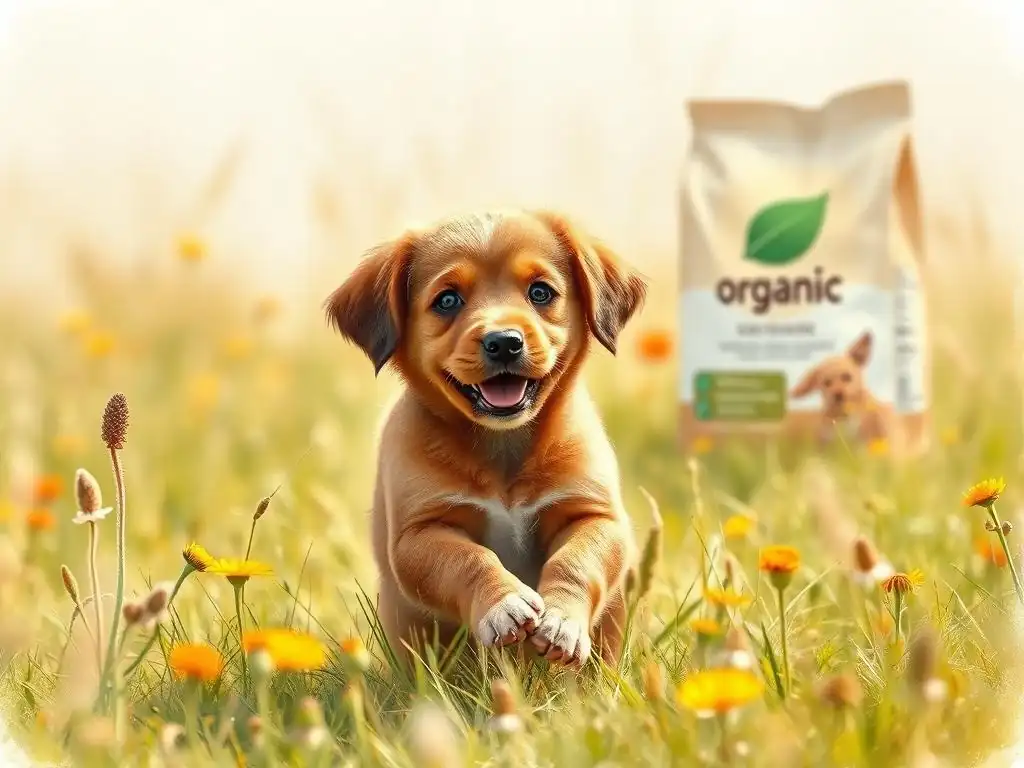
Navigating the often-complex world of organic puppy food labels requires careful attention to detail. Understanding the key components and certifications will help you make an informed decision. The term "organic" itself is regulated, but the specific requirements and certifications can vary depending on the country of origin. Look for certifications that guarantee the food meets specific standards regarding farming practices, ingredient sourcing, and processing methods. This often includes avoiding synthetic pesticides, herbicides, and genetically modified organisms (GMOs).
Reading and Understanding Organic Puppy Food Labels
Beyond the "organic" label, pay close attention to the ingredient list. The ingredients are typically listed in descending order by weight. High-quality organic puppy food should feature named meat sources (e.g., "chicken," "lamb," not just "meat by-products") as the primary ingredients. Look for whole grains like brown rice or oats, and avoid fillers like corn syrup or artificial flavors. The guaranteed analysis section provides information on the minimum and maximum percentages of crude protein, fat, fiber, and moisture. Compare these values to the recommendations for your puppy's breed and age.
Transitioning Your Puppy to an Organic Diet Safely
Switching your puppy's food abruptly can upset their digestive system. A gradual transition is essential to minimize potential gastrointestinal distress. The process usually takes 7-10 days, gradually increasing the proportion of the new organic food while decreasing the amount of the old food. Start by mixing a small amount of the new food (about 25%) with the existing food.
Over the next few days, slowly increase the proportion of the new food, reducing the old food accordingly. Monitor your puppy's stool consistency and overall health throughout the transition. Any signs of diarrhea, vomiting, or changes in appetite should prompt a slower transition or a consultation with your veterinarian. Remember, patience and careful observation are key to a smooth transition to a healthy organic diet.
Transitioning Your Puppy to an Organic Diet Safely
During the transition period, observe your puppy closely for any signs of digestive upset. Note any changes in stool consistency (frequency, firmness, color), appetite, or energy levels. Keep a food diary to track the amount of old and new food given each day, along with any observed changes. If your puppy experiences significant digestive issues, such as persistent diarrhea or vomiting, slow down the transition or consult your veterinarian immediately.
They can help determine if the new food is the cause of the problem or if there's an underlying medical condition. A healthy transition is crucial for ensuring your puppy receives the full benefits of organic puppy food. Remember, a gradual approach is key to a successful and healthy change in diet. 🐶
Frequently Asked Questions
What are the benefits of feeding my puppy organic food?
Organic puppy food often contains higher-quality ingredients, free from pesticides and artificial additives, potentially leading to improved digestion and a healthier coat. This can contribute to overall better health.
Is organic puppy food more expensive than conventional food?
Yes, organic puppy food is generally more expensive than conventional options. This is due to the higher costs associated with organic farming practices and sourcing.
Are there any potential drawbacks to feeding my puppy organic food?
While generally beneficial, some organic foods might lack specific nutritional balance if not carefully formulated. Always check for AAFCO statements ensuring complete and balanced nutrition.
How can I tell if a puppy food is truly organic?
Look for certification seals from reputable organizations like the USDA Organic. Read the ingredient list carefully – it should clearly state "organic" before the ingredients.
Can I switch my puppy from conventional food to organic food suddenly?
No, it's best to gradually transition your puppy to organic food over 7-10 days. This minimizes digestive upset and ensures a smooth adjustment to the new diet.
Final Reflection: Nourishing the Future: The Enduring Value of Organic Puppy Food
The health and well-being of our canine companions are inextricably linked to the food they consume, and the rising popularity of organic puppy food reflects a growing awareness of this crucial connection. Choosing organic isn't just a trend; it's an investment in a longer, healthier, and happier life for your beloved pup, impacting everything from their energy levels to their overall vitality.
The shift towards organic pet food signifies a broader societal change – a deeper understanding of the interconnectedness between our food choices and the environment, as well as the long-term health implications for both humans and animals. The best thing we can do for our pets is to provide them with the best possible nutrition, and that often means choosing organic.
This simple truth underscores the profound impact our choices have on the lives of our furry friends, extending beyond mere convenience to a commitment to their holistic well-being. It's a responsibility I personally feel deeply.
Now, consider your own puppy. What kind of future do you envision for them? A future filled with boundless energy, playful adventures, and a strong, healthy body? I urge you to reflect on the role of nutrition in achieving this vision. By carefully considering the ingredients in your puppy's food, you're not just feeding them; you're investing in their future, shaping their health and happiness for years to come. Make an informed choice, and watch your puppy thrive.
Unlock Your Puppy's Potential: Nourish Them Naturally!
Thank you for exploring the world of organic puppy food with us! We hope you've discovered valuable information about the benefits and considerations involved in this important decision. Now, let's put that knowledge into practice.
- Start your puppy on a path to optimal health: Carefully choose an organic puppy food brand that meets your puppy's specific needs and dietary requirements. Consider factors such as breed, age, and any allergies. This is crucial for positively impacting your puppy's life.
- Share your experiences: Have you found a favorite organic puppy food brand? Let us know in the comments below! Sharing your insights helps other pet owners find the best options for their beloved companions.
- Learn more: Explore PetCareWorld.org for additional articles on puppy nutrition and overall well-being. You'll find a wealth of information to support your puppy's growth and development.
Ready to give your puppy the gift of natural nourishment? What's the first step you'll take to switch to organic food?