
Dog Sports and Personal Growth: Learning and Growing with Your Dog

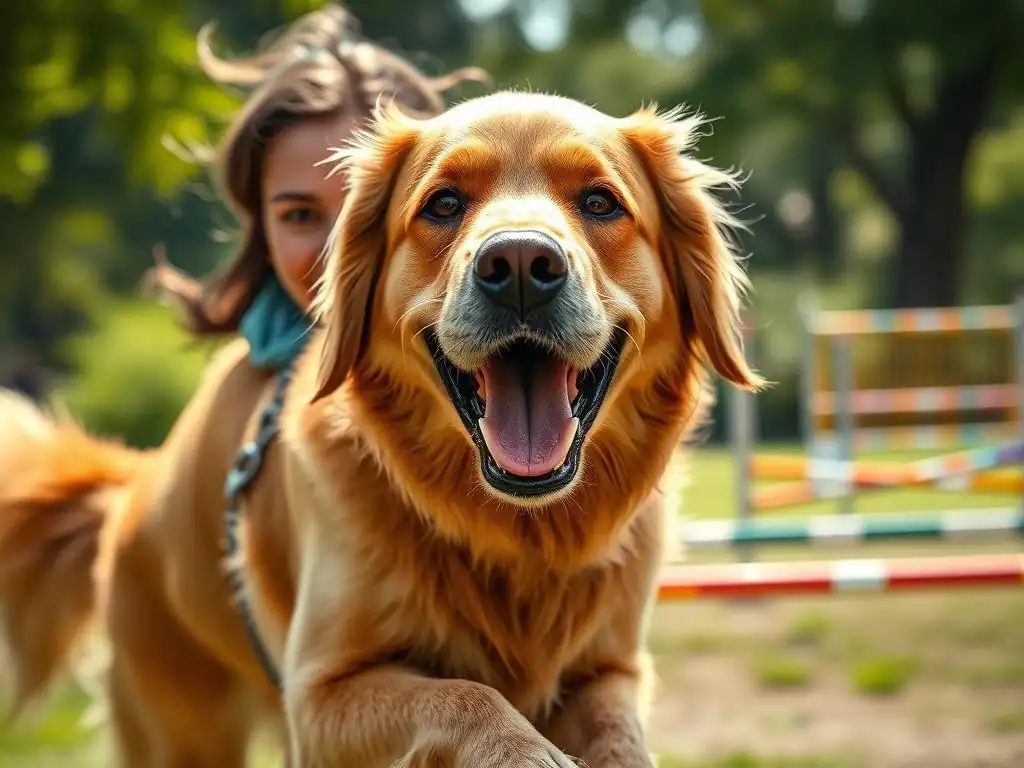
Welcome to PetCareWorld, your ultimate guide to a happier, healthier life with your beloved pet! Are you ready to discover how the exciting world of dog sports can benefit both you and your canine companion? Our in-depth article on "Dog sports personal growth benefits" explores the surprising ways participating in activities like agility or obedience training can foster personal growth and strengthen your bond. Dive in and unlock the incredible potential waiting for you and your furry friend!
- Unveiling the Unexpected Benefits of Dog Sports for Personal Growth
- Choosing the Right Dog Sport for Personal Development
- Strategies for Maximizing Personal Growth Through Dog Sports
- The Bond Between Human and Canine: A Deeper Connection Through Shared Activities
- Beyond the Competition: Life Lessons Learned Through Dog Sports
-
Frequently Asked Questions
- How can dog sports benefit my personal growth?
- What dog sports are best for personal growth?
- Are there age or fitness limitations for participating in dog sports?
- How can I find a dog sport suitable for my dog's breed and temperament?
- What is the most important aspect of dog sports for personal development?
- Final Reflection: The Unbreakable Bond: Growth Through Canine Companionship
- Unlock Your Potential: Level Up Your Life with Canine Companionship
Unveiling the Unexpected Benefits of Dog Sports for Personal Growth
Participating in dog sports offers a unique and rewarding path to personal growth, extending far beyond the simple enjoyment of spending time with your canine companion. This isn't just about winning ribbons; it's about forging a deeper bond with your dog while simultaneously cultivating valuable life skills. Engaging in activities like agility, obedience, flyball, or even canine freestyle provides a surprising array of benefits that positively impact your mental, physical, and emotional well-being.
This article delves into the often-overlooked personal growth aspects of dog sports, exploring how training and competing alongside your furry friend can lead to significant self-improvement and a stronger, more fulfilling relationship. We'll examine how these activities foster self-confidence, discipline, and overall well-being, ultimately enhancing your life in unexpected ways.
The journey of learning and growing alongside your dog is a transformative experience that strengthens the human-animal bond and enriches both your lives. Prepare to discover how your dog can become your partner in personal development, helping you reach new heights and achieve goals you never thought possible.
Enhanced Self-Confidence Through Canine Competitions
Stepping into the competitive arena with your dog can be daunting, but the rewards are substantial. The process of training, preparing, and ultimately competing builds resilience and self-assurance. Successfully navigating the challenges of dog sports, whether it's mastering a complex agility course or executing a precise obedience routine, directly translates into increased self-confidence. Each small victory, each milestone achieved, contributes to a growing sense of accomplishment and self-efficacy.
This isn't just about your dog's performance; it's about your ability to guide, train, and support your partner. The positive reinforcement inherent in dog sports fosters a belief in your own capabilities, extending far beyond the training field. Moreover, the supportive community within many dog sports fosters a sense of belonging and shared accomplishment, further boosting self-esteem.
The feeling of pride in your dog's performance, and in your own role in their success, is incredibly empowering. Witnessing your hard work pay off, seeing your dog shine, cultivates a deep sense of personal satisfaction and boosts your overall confidence levels. This newfound confidence often spills over into other areas of your life, improving your self-perception and your ability to tackle challenges head-on.
Building Discipline and Commitment: The Dog Sport Approach
Dog sports demand commitment and discipline, both from the handler and the canine participant. Consistent training, meticulous preparation, and unwavering dedication are essential for success. This rigorous process cultivates crucial life skills that extend far beyond the realm of canine competitions. The structured nature of training, with its clear goals and incremental progress, teaches valuable time management and organizational skills.
Learning to stick to a training schedule, prioritize tasks, and consistently work towards a long-term objective, builds discipline and perseverance. Furthermore, the challenges encountered in training, such as overcoming setbacks or adapting to unexpected situations, foster resilience and problem-solving abilities. The commitment required to maintain a training regimen also instills a sense of responsibility and accountability.
The partnership with your dog necessitates reliability and consistency, translating into a stronger sense of personal responsibility in other aspects of life. The journey is not always easy; setbacks and disappointments are inevitable. However, learning to navigate these challenges, to learn from mistakes and persevere, is a crucial part of personal growth and builds character.
Improved Physical and Mental Well-being: A Holistic Approach
Participating in dog sports provides a holistic approach to well-being, benefiting both your physical and mental health. The physical activity involved, whether it's running alongside your dog in agility or engaging in rigorous training sessions, improves cardiovascular health, strengthens muscles, and increases overall fitness. The regular exercise also contributes to stress reduction and improved mood, releasing endorphins that have mood-boosting effects. Beyond the physical benefits, dog sports offer significant mental health advantages.
The focus and concentration required during training and competitions provide a mindful escape from daily stressors. The strong bond formed with your dog offers emotional support and reduces feelings of loneliness or isolation. The sense of accomplishment and shared success further contribute to increased self-esteem and a positive outlook on life.
The structured nature of training can also provide a sense of routine and purpose, which can be particularly beneficial for individuals struggling with anxiety or depression. The social interaction inherent in many dog sports also provides opportunities for community building and social connection, further enhancing mental well-being. The combined physical and mental benefits create a synergistic effect, leading to a more balanced and fulfilling life.
Choosing the Right Dog Sport for Personal Development
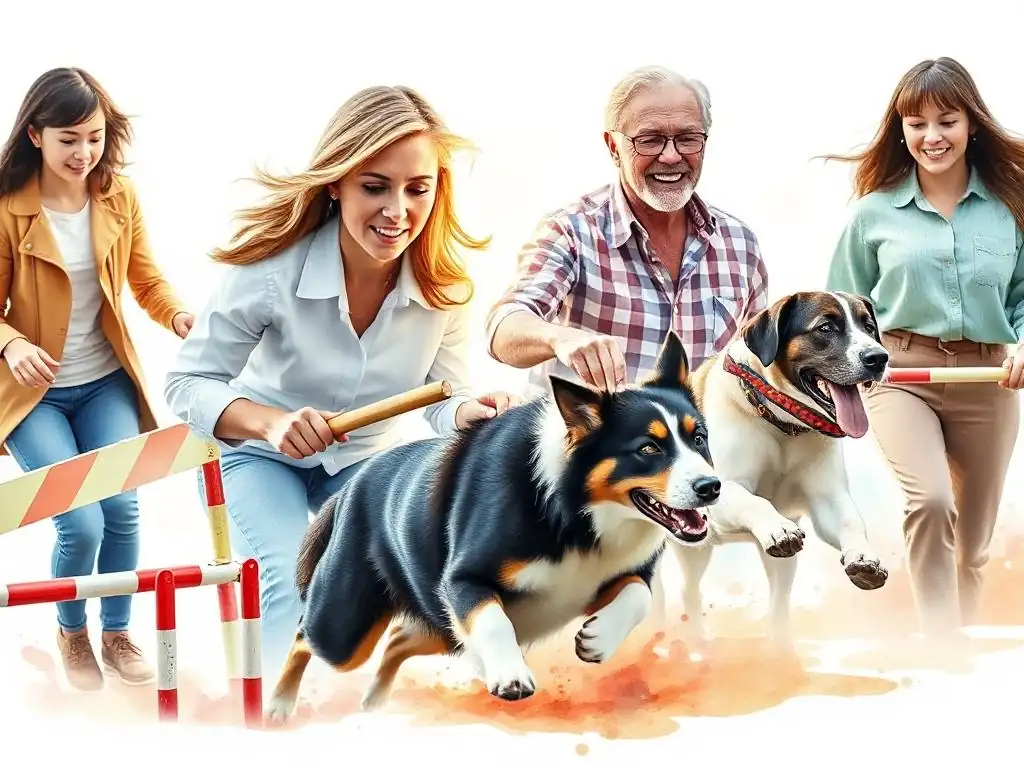
Selecting the appropriate dog sport for personal growth is crucial. It's not just about finding an activity your dog enjoys; it's about identifying a discipline that aligns with your personal strengths and weaknesses, fostering areas you wish to improve. Consider your personality: are you highly organized and detail-oriented, or are you more spontaneous and flexible?
Different dog sports cater to different personality types. For example, the precision required in obedience might suit analytical individuals, while the dynamic nature of agility might appeal to those who thrive on improvisation. Remember, the Dog sports personal growth benefits are maximized when the sport complements your individual needs.
A poorly chosen sport can lead to frustration rather than fulfillment, hindering both your and your canine companion's progress. Start by researching various dog sports, observing training sessions, and even trying introductory classes before committing to a specific discipline. This careful selection process will significantly increase your chances of reaping the significant personal rewards these activities offer.
Agility Training: Fostering Focus and Coordination
Agility training demands intense focus and coordination, both from the handler and the dog. The fast-paced nature of the sport requires quick thinking, precise movements, and the ability to adapt to unexpected challenges. For handlers, this translates to improved hand-eye coordination, enhanced spatial awareness, and a heightened ability to anticipate and react.
The constant need for clear communication with your dog refines your ability to give concise instructions and interpret subtle body language cues. Consider the physical demands: Agility involves running, jumping, and navigating obstacles, which offers significant cardiovascular benefits for the handler. Moreover, the mental challenge of strategizing courses and executing them flawlessly strengthens problem-solving skills and boosts confidence.
For instance, mastering a particularly tricky sequence of obstacles can be incredibly rewarding, fostering a sense of accomplishment that extends beyond the training field. Many agility enthusiasts report improved fitness levels and a sharper mind after consistent participation in the sport.
Obedience Trials: Cultivating Patience and Consistency
Obedience trials are a testament to the power of patience and consistency. Training for these competitions requires meticulous planning, unwavering dedication, and a deep understanding of canine behavior. The process of teaching your dog complex commands and ensuring flawless execution demands immense patience, a trait that often translates to other areas of life.
The emphasis on precision and repetition cultivates discipline and strengthens the handler-dog bond through consistent positive reinforcement. For example, mastering a precise "heel" requires countless repetitions, teaching both patience and the importance of consistent effort. Furthermore, setbacks are inevitable; a missed cue or a dropped stay necessitates a calm and measured response, honing the handler's ability to remain composed under pressure.
The rewards of obedience training extend beyond the competition arena; the improved communication and responsiveness translate into a more harmonious relationship with your dog, enriching daily life. The structured environment and clear goals inherent in obedience training provide a framework for personal growth, fostering self-discipline and attention to detail.
Rally Obedience: Enhancing Communication and Teamwork
Rally obedience offers a unique blend of structured obedience exercises and a more relaxed, enjoyable atmosphere compared to traditional obedience trials. While still demanding precision and consistency, rally obedience emphasizes clear communication and teamwork between handler and dog. The course involves a series of pre-determined signs that guide the handler's actions, fostering a dynamic interaction that strengthens the bond between dog and owner.
This necessitates a deep understanding of your dog's learning style and the ability to adapt your communication to their individual needs. For example, a dog that responds better to visual cues might require different handling techniques than one that is more sensitive to verbal commands. This constant adaptation and refinement of communication skills translate into improved interpersonal relationships outside of the training environment.
The collaborative nature of the sport emphasizes partnership and mutual respect, leading to enhanced understanding and trust between handler and canine companion. The focus on positive reinforcement and clear communication creates a positive and rewarding experience for both participants, nurturing a stronger bond and improving overall well-being. The Dog sports personal growth benefits in rally obedience are often cited as being particularly effective in building confidence and reducing stress levels.
Flyball: Boosting Energy Levels and Camaraderie
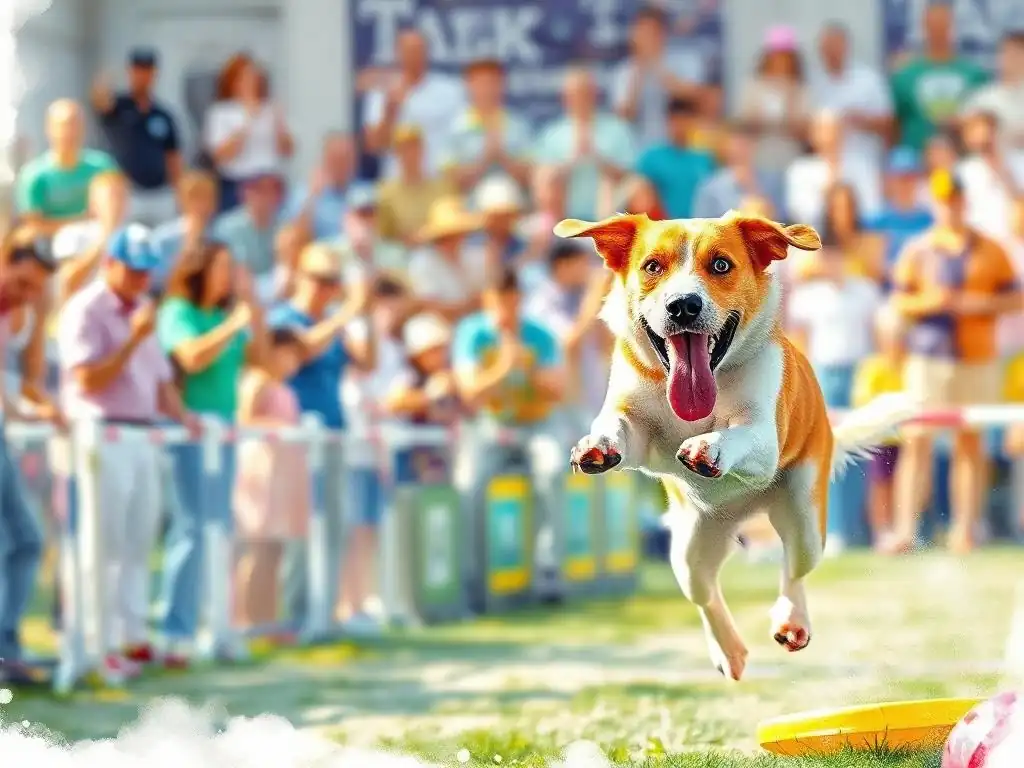
Flyball is a fast-paced, highly energetic dog sport that's incredibly rewarding for both dog and owner. It involves a team of dogs racing over hurdles to retrieve a ball from a box, then returning to their handler. The sport demands intense bursts of speed and agility from the dog, providing a fantastic outlet for their pent-up energy. Many owners report a significant improvement in their dog's overall fitness and behavior after engaging in flyball. A well-trained dog participating in flyball is less likely to exhibit destructive behaviors stemming from boredom or excess energy.
Beyond the physical benefits, flyball fosters a strong bond between dog and owner. The training process requires patience, consistency, and clear communication, strengthening the relationship. The teamwork aspect, both between dog and handler and among team members, cultivates a sense of camaraderie and shared accomplishment.
This collaborative environment is incredibly beneficial for personal growth, teaching valuable lessons in patience, perseverance, and teamwork. Successfully navigating the challenges of flyball training translates to improved problem-solving skills and enhanced communication abilities in other areas of life. The shared joy of success on the field further reinforces the bond and contributes to a sense of mutual accomplishment.
Furthermore, participating in flyball often leads to the formation of strong social connections with other dog owners, expanding one's social network and providing opportunities for support and shared experiences. The positive reinforcement techniques used in flyball training also create a positive and enjoyable learning environment for both the dog and the handler.
Dock Diving: Building Trust and Overcoming Fears
Dock diving, where dogs leap from a dock into a body of water, is a unique dog sport that offers a wealth of personal development opportunities. For many owners, the initial hurdle is overcoming their own fears about their dog's safety and well-being. The process of teaching a dog to jump into water requires careful, positive reinforcement and a deep understanding of canine behavior. This, in turn, builds confidence and trust between owner and dog. Overcoming the initial apprehension strengthens the bond and creates a deeper level of understanding and communication.
The sport also provides a platform for owners to confront their own fears. Many participants begin with hesitant dogs, mirroring their own anxieties. As the dog progresses, so does the owner's confidence.
Witnessing their dog overcome the initial fear of jumping into water often inspires owners to tackle their own fears and insecurities. The rewarding experience of seeing their dog succeed instills a sense of accomplishment and self-efficacy that extends beyond the realm of dog sports. This process fosters resilience and a willingness to step outside of one's comfort zone, which are crucial aspects of personal growth.
Moreover, the focus required during dock diving sessions helps cultivate mindfulness and concentration, allowing both the owner and the dog to be fully present in the moment. The positive feedback loop between dog and owner, where success breeds more success, creates a powerful dynamic that enhances self-esteem and fosters a deep sense of connection. The shared journey of overcoming challenges strengthens the bond and provides a unique opportunity for personal development.
Strategies for Maximizing Personal Growth Through Dog Sports
Participating in dog sports offers a unique opportunity for personal growth, extending far beyond the achievements in the arena. The journey of training and competing with your canine companion provides a fertile ground for self-improvement, fostering resilience, patience, and a deeper understanding of yourself and your capabilities. This section will explore specific strategies to maximize these personal growth benefits.
Understanding how to effectively harness the power of dog sports for self-development will unlock a rewarding and transformative experience for both you and your dog. The key lies in approaching the activities with a mindful and intentional focus on personal growth, alongside the training goals.
Setting Realistic Goals and Tracking Progress
The path to personal growth, much like the path to mastering a dog sport, is paved with incremental progress. Avoid the trap of setting overly ambitious goals initially. Instead, focus on establishing achievable milestones. For example, instead of aiming for a perfect score at your first agility competition, set a goal of completing the course without major errors. This approach prevents discouragement and fosters a sense of accomplishment. Similarly, in obedience training, start with mastering a single command flawlessly before moving on to more complex sequences.
Tracking your progress is crucial. Consider using a journal or a digital tracking system to record your training sessions, noting both successes and challenges. This provides valuable insights into your strengths and weaknesses. Did you find yourself losing patience during a particularly challenging training session? Did you celebrate small victories effectively? Analyzing this data helps you identify areas for improvement, leading to more effective training and a more positive experience overall. Remember, the focus here isn't just on your dog's performance, but on your own personal development.
Embracing Challenges and Learning from Setbacks
Dog sports are inherently challenging. There will be moments of frustration, setbacks, and even outright failure. However, these challenges present invaluable opportunities for personal growth. Learning to navigate these difficulties with grace and resilience is a skill that extends far beyond the dog park. A missed jump in agility or a refusal to obey a command in obedience shouldn't be viewed as personal failures, but as valuable learning experiences.
Analyze the situation objectively. Was the problem technique-related, or was it a result of your own emotional state? Did you allow frustration to cloud your judgment? Learning to identify these patterns and adjust your approach accordingly is key to both your dog's success and your own personal development. Embrace the challenges, view setbacks as opportunities to learn and adapt, and cultivate a mindset of continuous improvement. The ability to bounce back from disappointment is a powerful life skill honed through the rewarding, yet challenging, world of dog sports.
Fostering a Positive Training Environment
A positive training environment is crucial for both your dog's well-being and your own personal growth. Positive reinforcement methods, focusing on rewarding desired behaviors rather than punishing undesired ones, are not only more effective for training but also foster a more positive and enjoyable experience for both you and your dog. This positive approach reduces stress and promotes a more harmonious relationship, leading to a stronger bond and enhanced personal satisfaction.
Furthermore, maintaining a positive environment requires self-awareness and self-regulation. Are you approaching training sessions with patience and empathy? Are you able to manage your own emotions effectively, even when faced with frustration?
A positive training environment is not just about the methods you use, but also about the emotional state you bring to the training sessions. Cultivating patience, empathy, and self-control are invaluable life skills that are honed through this process, resulting in a more fulfilling experience both within the context of dog sports and in your daily life. This mindful approach to training will significantly enhance your personal growth journey alongside your dog's.
The Importance of Patience and Perseverance
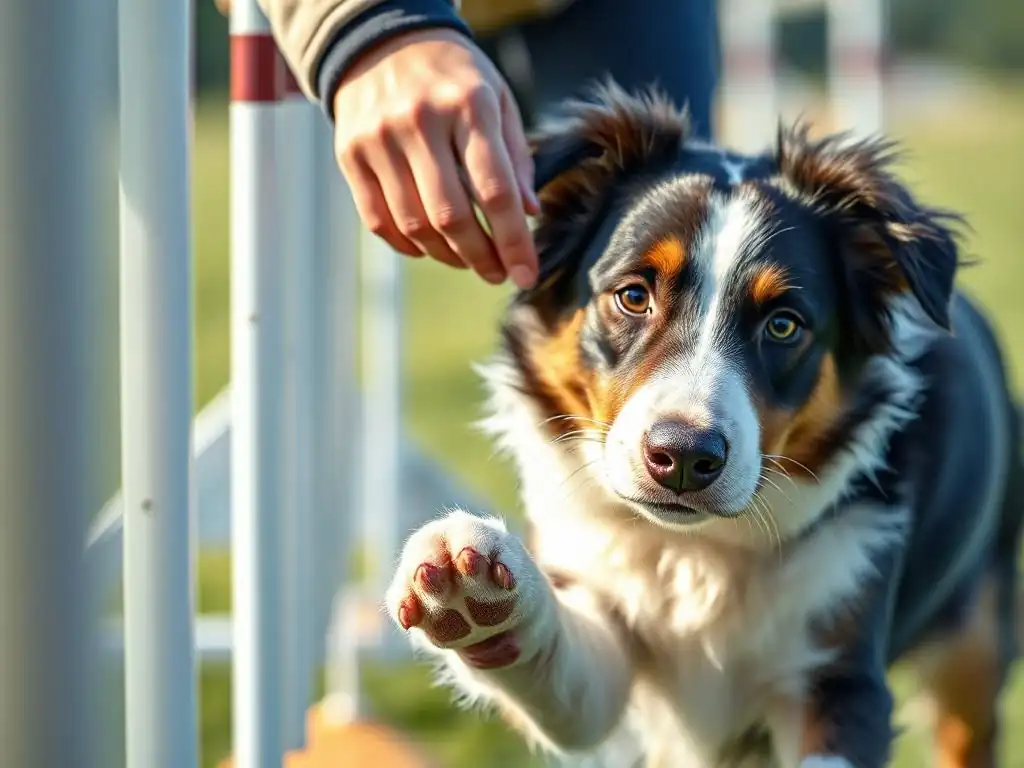
Participating in dog sports requires a significant investment of time, effort, and emotional energy. It's not a sprint; it's a marathon. Both you and your canine companion will face challenges, setbacks, and moments of frustration. A crucial aspect of maximizing personal growth through these activities is cultivating patience and perseverance. This isn't merely about tolerating difficulties; it's about actively learning from them. For example, if your dog struggles with a specific obstacle in agility, instead of becoming discouraged, analyze the issue.
Is it a physical limitation? A lack of understanding of the command? Perhaps a fear response needs addressing. Breaking down the problem into smaller, manageable steps allows for incremental progress and builds resilience in both you and your dog. This process teaches valuable problem-solving skills applicable far beyond the training field.
Remember, the journey is as important as the destination. Each small improvement, each moment of understanding, is a victory in itself. The ability to persevere through challenges, to maintain a positive attitude even when faced with adversity, is a key takeaway from dog sports that strengthens your character and fosters a deeper bond with your four-legged friend. The consistent effort required to improve your dog's skills and your own training abilities builds self-discipline and a strong work ethic. This translates to other areas of life, fostering a greater capacity for tackling complex projects and achieving long-term goals.
Celebrating Successes, Big and Small
The journey in dog sports is filled with milestones, both significant and subtle. It's essential to acknowledge and celebrate these successes, regardless of their scale. Winning a competition is undoubtedly a significant achievement, deserving of enthusiastic celebration. However, equally important are the smaller victories: mastering a new command, successfully navigating a challenging obstacle, or simply having a training session where both you and your dog felt connected and engaged.
These seemingly minor triumphs are crucial building blocks that contribute to overall progress. Celebrating these smaller wins reinforces positive reinforcement techniques, keeps motivation high, and fosters a sense of accomplishment. Consider keeping a training journal to document your progress and highlight your achievements, no matter how small. This allows you to visually track your journey, reinforcing the positive aspects of your training and providing a record of your growth.
Sharing your successes with fellow dog sport enthusiasts in online communities or local clubs creates a supportive network and fosters a sense of camaraderie. This shared experience amplifies the joy of achievement and provides opportunities for mutual encouragement and learning. Remember, celebrating successes, both big and small, is not about self-congratulation; it's about acknowledging the effort, perseverance, and dedication required to achieve your goals, thereby reinforcing the positive feedback loop that drives personal growth. This positive mindset is transferable to other aspects of life, enhancing self-esteem and encouraging a proactive approach to achieving personal objectives.
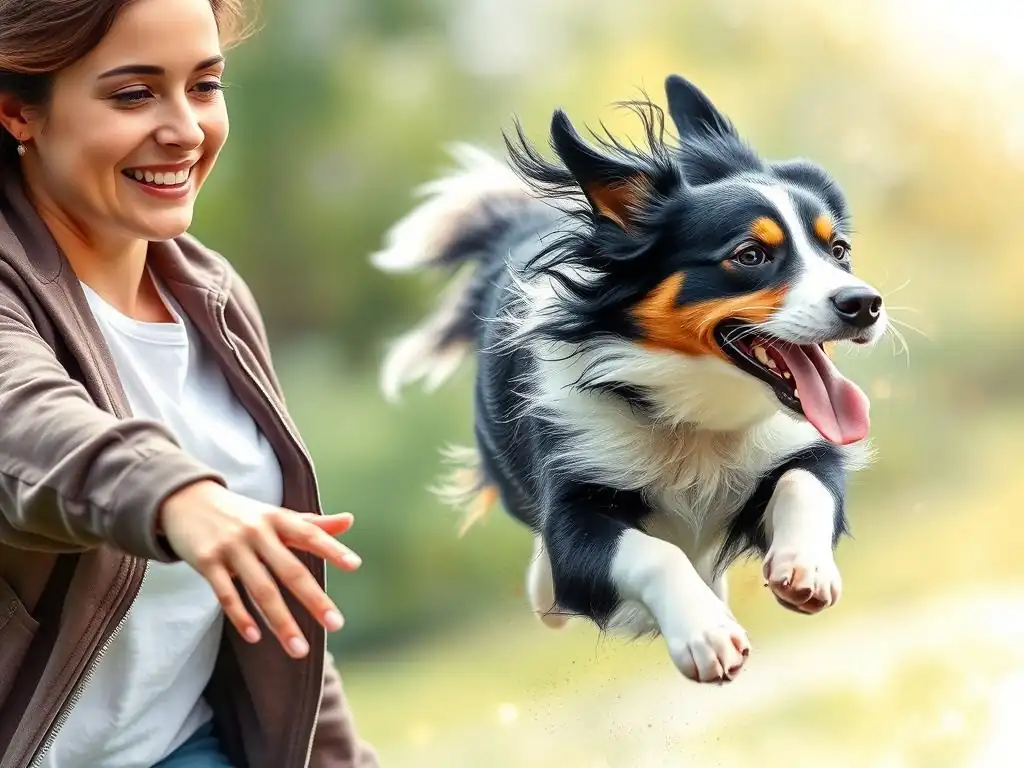
Participating in dog sports offers a unique opportunity to forge a deeper connection with your canine companion. Beyond the shared joy of competition, the dedication and teamwork required cultivate a profound bond built on mutual understanding, trust, and respect. This isn't simply about training a dog to perform tricks; it's about building a relationship based on communication, empathy, and shared goals. The process of learning and achieving together fosters a level of intimacy that transcends the typical owner-pet dynamic.
This enhanced connection can positively impact both the human and canine participants, leading to increased emotional well-being and a stronger sense of mutual reliance. The consistent interaction, shared experiences, and mutual reliance inherent in dog sports create a powerful foundation for a lasting and fulfilling relationship. Studies have even shown that individuals participating in dog sports often report lower stress levels and improved mental health outcomes.
Strengthening the Human-Animal Bond Through Collaborative Effort
Dog sports are inherently collaborative. Success isn't solely dependent on the dog's abilities; it requires a harmonious partnership built on mutual understanding and effective communication. This collaborative effort strengthens the human-animal bond in several key ways. Firstly, it necessitates consistent interaction and communication, fostering a deeper understanding of each other's needs and preferences.
For example, in agility, the handler must anticipate the dog's movements and adjust their guidance accordingly. This constant feedback loop strengthens the connection and builds trust. Secondly, shared successes, no matter how small, create positive reinforcement for both parties.
The feeling of accomplishment is amplified when shared with a beloved companion, strengthening the bond further. Finally, the shared challenges and perseverance required in training and competition create a sense of shared purpose and accomplishment, fostering a deeper level of mutual respect and emotional intimacy. This collaborative learning process transcends simple obedience training; it's about building a team, a partnership, a truly deep bond.
Understanding Canine Body Language and Emotional Cues
Effective communication is paramount in dog sports. This goes beyond verbal commands; it requires a deep understanding of canine body language and emotional cues. Participating in dog sports necessitates keen observation skills, enabling handlers to interpret subtle shifts in their dog's posture, facial expressions, and overall demeanor.
Recognizing signs of stress, anxiety, or excitement allows for adjustments in training techniques and ensures the dog's well-being. For instance, a dog exhibiting excessive panting or lip licking might indicate stress, requiring a change of pace or a break in training. Conversely, a relaxed posture with a wagging tail often signals confidence and engagement.
This heightened awareness of canine communication isn't limited to the training field; it translates into a richer understanding of your dog's emotional state in all aspects of life. This improved communication fosters a more empathetic and harmonious relationship, benefitting both the dog and the owner. Mastering this skill significantly enhances the "Dog sports personal growth benefits" for both participants.
Building Trust and Respect in the Training Process
The training process in dog sports is crucial for building trust and respect between the handler and the canine athlete. Positive reinforcement methods are key. Instead of relying on punishment, which can damage the bond, positive reinforcement focuses on rewarding desired behaviors. This creates a positive learning environment where the dog feels safe, confident, and motivated to learn.
For example, rewarding a dog with praise and treats for successfully navigating an obstacle reinforces the desired behavior and strengthens the bond. Moreover, consistency is vital. A clear and consistent training approach ensures the dog understands expectations and builds confidence.
This predictability reduces stress and fosters a sense of security, further strengthening the trust and respect between handler and dog. The patience, understanding, and consistent positive reinforcement required in this process are instrumental in developing a strong, healthy, and mutually respectful relationship, proving the significant "Dog sports personal growth benefits." This mutual respect extends beyond the training environment, enriching the overall human-canine bond.
Participating in dog sports significantly enhances the human-canine bond. The shared effort, the mutual reliance during training and competition, creates a unique connection that transcends the typical owner-pet relationship. It's not just about obedience; it's about building trust, communication, and empathy. Think of the intricate dance of agility, where handler and dog must anticipate each other's movements with near-perfect synchronicity. Or consider the unwavering focus required in scent work, where the subtle cues exchanged between human and canine demonstrate a profound understanding.
These shared experiences forge a deep bond, fostering a level of understanding that goes beyond simple commands and rewards. The mutual reliance and shared successes create a powerful emotional connection, enriching the lives of both human and dog. This enhanced understanding extends beyond the sporting arena, improving communication and trust in everyday life. For instance, a dog who has learned to trust its handler implicitly during agility training is more likely to be calm and responsive in unfamiliar situations.
This shared journey of learning and growth builds a robust and resilient relationship, strengthening the human-animal bond in profound ways. The successes achieved together serve as powerful reminders of this connection, reinforcing the mutual respect and affection that lies at the heart of the relationship. This isn't merely about winning competitions; it's about the journey, the shared challenges overcome, and the lasting bond created through shared experiences. The emotional rewards of this connection are immeasurable, contributing to a deeper and more meaningful relationship between human and canine companion.
Beyond the Competition: Life Lessons Learned Through Dog Sports
Participating in dog sports offers a wealth of benefits that extend far beyond the ribbons and trophies. The journey of training and competing alongside your canine companion fosters personal growth in unexpected and profoundly rewarding ways. It's a testament to the powerful bond between humans and animals, showcasing how a shared passion can lead to significant self-improvement.
This section explores some key areas where dog sports contribute to personal development, focusing on the often-overlooked life lessons learned outside the competitive arena. The synergy between canine athleticism and human development creates a unique and enriching experience, strengthening both the human-animal bond and individual capabilities.
Developing Problem-Solving Skills and Critical Thinking
Dog sports demand adaptability and creative problem-solving. Each discipline presents unique challenges, requiring handlers to analyze situations rapidly and devise effective strategies. For example, in agility, a handler must quickly assess the course, anticipate their dog's reactions, and adjust their commands accordingly.
A missed cue or a poorly planned approach can lead to penalties or even injury. This necessitates the development of sharp observational skills and the ability to think critically under pressure. The constant need to troubleshoot and refine techniques hones a handler's problem-solving skills, which are transferable to various aspects of life, from professional challenges to everyday situations.
This continuous cycle of assessment, adaptation, and improvement directly translates to enhanced cognitive abilities and a more strategic approach to problem-solving in all areas of life. The ability to quickly analyze a situation, identify potential pitfalls, and devise a solution is a highly valuable skill fostered through the rigorous training and competition involved in dog sports.
Improving Time Management and Organizational Skills
Successfully participating in dog sports requires meticulous planning and exceptional time management. Balancing work, family commitments, and training sessions demands careful organization and prioritization. Handlers must create structured training plans, schedule practice sessions, manage equipment, and coordinate travel arrangements for competitions. This necessitates the development of effective time management and organizational skills.
The demanding nature of dog sports instills discipline and the ability to juggle multiple responsibilities efficiently. Furthermore, the need to maintain a consistent training regimen reinforces the importance of commitment and proactive planning. Efficient use of time is crucial for success in dog sports, translating into improved time management and organizational skills applicable to all facets of life, promoting a greater sense of control and accomplishment in both personal and professional endeavors. The ability to juggle competing priorities and maintain focus is a direct benefit of the dedication required by dog sports.
The Value of Perseverance and Resilience
Dog sports are not without their setbacks. Dogs may have off days, handlers may make mistakes, and unexpected challenges can arise. The ability to overcome these obstacles and maintain a positive attitude is crucial for success.
Dog sports cultivate perseverance and resilience, teaching handlers to bounce back from defeat and learn from their mistakes. This continuous process of learning and adapting fosters a growth mindset, encouraging a commitment to improvement rather than being discouraged by temporary setbacks. The unwavering support and companionship provided by the dog during training and competition further strengthens resilience and a “never give up” attitude.
This invaluable lesson extends beyond the sports arena, equipping individuals with the fortitude to tackle life's challenges with grace and determination. The inherent nature of dog sports, with its trials and triumphs, forges a strong sense of perseverance and resilience, building character and fostering a positive outlook on life's inevitable ups and downs. The rewards are not just in winning, but in the personal growth fostered by facing and overcoming challenges.
The Importance of Teamwork and Collaboration
Participating in dog sports fosters a deep sense of teamwork and collaboration unlike any other activity. It's not just about the handler's individual skills; success hinges on the seamless partnership between dog and handler. This requires mutual understanding, clear communication, and a willingness to adapt to each other's needs and capabilities. For instance, in agility, a handler might need to adjust their course based on their dog's speed and agility, demonstrating flexibility and responsiveness.
Similarly, in obedience, the dog's understanding of commands relies on the handler's consistent training and clear signals. This reciprocal relationship extends beyond the competition field, enriching the bond between dog and owner in everyday life. The constant need to anticipate your dog's reactions and adjust your approach cultivates empathy and understanding, building a stronger, more harmonious relationship. This collaborative effort goes beyond the immediate handler-dog partnership; many dog sports involve team events or require collaboration with other handlers and trainers for advice and support, promoting a sense of community and shared learning.
The shared experience of striving for a common goal strengthens bonds and builds lasting friendships. Ultimately, the lessons in teamwork and collaboration learned through dog sports translate seamlessly into other aspects of life, improving interpersonal relationships and fostering a greater sense of cooperation in all endeavors. The ability to work effectively as a team with your canine partner becomes a valuable life skill. 🐶🤝
The benefits extend beyond the immediate handler-dog dyad. Many dog sports feature team competitions, demanding cooperation and coordination among multiple handlers and their dogs. Imagine a canine relay race where each team member must flawlessly execute their part, relying on their teammate's success to achieve the overall goal.
This experience teaches the importance of shared responsibility, trust, and effective communication – vital skills applicable in professional and personal settings alike. Furthermore, the supportive community within dog sports often provides opportunities for mentorship and collaboration among participants. Experienced handlers share their knowledge and techniques with newcomers, fostering a collaborative learning environment that benefits everyone involved.
This sense of community transcends mere competition, nurturing friendships and a shared passion for the sport and the well-being of the canine athletes. The lessons learned in teamwork and collaboration within the dog sports community are invaluable, extending far beyond the competition arena and enriching lives both inside and outside the ring.
Frequently Asked Questions
How can dog sports benefit my personal growth?
Participating in dog sports fosters discipline, patience, and problem-solving skills. The bond with your dog strengthens, promoting emotional well-being. You'll learn to communicate effectively and work towards shared goals.
What dog sports are best for personal growth?
Many sports offer benefits! Agility requires focus and coordination. Obedience improves communication and trust. Flyball is great for teamwork and fitness. Choose a sport that suits you and your dog's abilities.
Are there age or fitness limitations for participating in dog sports?
No, there are options for all levels! Beginner-friendly sports exist, and you can adjust training intensity to match your fitness level. Consult your veterinarian before starting any new activity with your dog.
How can I find a dog sport suitable for my dog's breed and temperament?
Consider your dog's physical capabilities and personality. Research different sports and find trainers with experience in your chosen discipline. Start with introductory classes to assess compatibility.
What is the most important aspect of dog sports for personal development?
The stronger bond you develop with your dog through shared activities is key. Learning to understand your dog's needs and communicating effectively are vital for mutual growth and success. Enjoy the journey!
Final Reflection: The Unbreakable Bond: Growth Through Canine Companionship
The profound connection between humans and dogs extends far beyond simple companionship; it's a powerful catalyst for personal growth. Engaging in dog sports isn't just about winning ribbons; it's about forging an unbreakable bond built on trust, communication, and mutual respect, benefits that resonate far beyond the training field.
The journey of learning and growing alongside your canine partner is a deeply enriching experience. It's a constant process of self-discovery, demanding patience, resilience, and a willingness to adapt. We learn to read subtle cues, to understand nonverbal communication, and to appreciate the power of consistent effort. The dog is the most human of all animals, and the most faithful of all friends.
– George Graham Vest. This quote perfectly encapsulates the transformative nature of the human-animal bond, especially when strengthened through shared activities like dog sports. The dedication required to train and compete fosters a unique level of empathy and understanding, impacting our interactions not only with our dogs but also with others in our lives.
Now, consider your own relationship with your dog. What lessons have you learned through shared experiences? What challenges have you overcome together? Take a moment to reflect on the ways your canine companion has helped you grow, not just as a dog owner, but as a person. Embrace the ongoing journey of learning and growth, and continue to nurture the incredible bond you share. The rewards are immeasurable, extending far beyond the agility course or the obedience ring.
Unlock Your Potential: Level Up Your Life with Canine Companionship
Thank you for exploring the incredible connection between dog sports and personal growth! We hope you've discovered how enriching this journey can be for both you and your canine companion. Ready to take the next step?
- Start with a beginner's dog agility class: This is a fantastic way to build a stronger bond with your dog while improving your teamwork and problem-solving skills.
- Share your experience: Tell us about your favorite dog sport or how training has impacted your personal growth! We'd love to hear your stories in the comments below.
- Put a new training technique into practice: Even small adjustments to your training approach can significantly improve your relationship with your dog.
What unique skills have you and your dog learned together, and how has this impacted your lives?