
The Secret to Successful Dog Weight Management: Diet & Exercise

Welcome to PetCareWorld, your ultimate guide to a happier, healthier life for your beloved companion! Are you struggling to help your furry friend reach their ideal weight? Discover the secrets to successful dog weight management with our comprehensive Dog Weight Loss Diet Plan. We delve into the essential elements of diet and exercise, providing practical strategies to help your canine achieve a balanced and thriving lifestyle. Ready to unlock the key to your dog's well-being? Let's get started!
- Understanding Your Dog's Ideal Weight & Body Condition Score (BCS)
- Crafting the Perfect Dog Weight Loss Diet Plan
- Exercise and Activity for Canine Weight Loss
- Monitoring Your Dog's Weight Loss Progress and Making Adjustments
- Common Mistakes to Avoid in Dog Weight Loss
- Long-Term Weight Management Strategies for Canine Companions
-
Frequently Asked Questions
- How can I create a safe and effective dog weight loss diet plan?
- What are the key ingredients to look for in a dog food for weight loss?
- How much exercise does my dog need to lose weight?
- How long will it take for my dog to lose weight?
- What are some common mistakes to avoid when trying to help my dog lose weight?
- Final Reflection: The Lasting Impact of a Healthy Hound
- Unleash Your Dog's Healthiest Self!
Understanding Your Dog's Ideal Weight & Body Condition Score (BCS)
Maintaining a healthy weight is crucial for your dog's overall well-being. Obesity in dogs can lead to a range of serious health problems, including diabetes, heart disease, joint issues, and a decreased lifespan. This comprehensive guide will walk you through a successful dog weight loss diet plan, focusing on diet and exercise strategies tailored to help your canine companion achieve and maintain a healthy weight. We'll explore how to accurately assess your dog's current condition, calculate their ideal weight, and create a sustainable plan that incorporates both nutritional adjustments and increased physical activity.
Understanding your dog's ideal weight and body condition score (BCS) is the first, and most crucial, step in this journey towards a healthier, happier pup. Remember, a successful dog weight loss diet plan is not a quick fix, but a commitment to a healthier lifestyle for your beloved pet. Let's begin!
Assessing Your Dog's Current Weight and Body Condition
Before embarking on any weight loss plan, you need to accurately assess your dog's current weight and body condition. Simply using a scale isn't enough; you also need to visually assess their body condition. This involves feeling their ribs, checking for excess fat deposits, and observing their overall body shape.
Here's a step-by-step guide:
- Weigh your dog: Use a pet scale for an accurate measurement. Record this weight in kilograms (kg) or pounds (lbs).
- Visual assessment: Examine your dog from the side and the top.
- Ribs: Can you easily feel your dog's ribs without pressing hard? If not, they may be overweight. If you can't feel them at all, they are likely obese.
- Waist: Look at your dog from above. Can you see a noticeable waistline behind the ribs? An overweight dog will have a less defined waist.
- Abdomen: Look at your dog's abdomen. A pronounced pot belly is a strong indicator of excess weight.
- Muscle mass: Feel along your dog's spine and along their legs. Is there sufficient muscle mass, or does it feel soft and flabby?
Remember to be gentle during this assessment. Your dog's comfort is paramount. If you are unsure about your assessment, consult your veterinarian. They can provide a professional evaluation and guidance. This initial assessment forms the baseline for tracking your dog's progress throughout their weight loss journey.
Calculating Your Dog's Ideal Weight Based on Breed and Size
Knowing your dog's ideal weight is crucial for setting realistic goals for your weight loss plan. Several factors contribute to your dog's ideal weight, including breed, age, sex, and activity level. While there isn't a single universally applicable formula, you can use general guidelines and consult with your veterinarian for a personalized assessment.
There are several online calculators available that can help you estimate your dog's ideal weight based on breed and size. However, keep in mind that these are just estimates, and your veterinarian can provide a more precise calculation. It's important to remember that breed standards often provide a weight range, not a single ideal weight. Factors like build (e.g., stocky vs. lean) also influence ideal weight. Always prioritize a body condition score over a specific numerical weight.
Understanding the Body Condition Score Chart for Dogs
The Body Condition Score (BCS) is a standardized system used to assess your dog's body fat. It typically ranges from 1 (emaciated) to 9 (extremely obese), with 4-5 representing an ideal body condition. A BCS chart will usually include descriptions and images to help you accurately assess your dog's condition.
| BCS Score | Description | Visual Cue |
|---|---|---|
| 1 | Emaciated; ribs, spine, and pelvic bones easily visible | Severely underweight; bony appearance |
| 2 | Very thin; ribs easily palpable, minimal body fat. | Underweight; ribs prominent |
| 3 | Thin; ribs easily palpable, slight fat cover. | Slightly underweight; ribs palpable, waist visible |
| 4 | Ideal; ribs palpable with slight fat cover, waist visible. | Healthy weight; ribs palpable, clear waistline |
| 5 | Slightly overweight; ribs palpable with moderate fat cover, waist less visible. | Slightly overweight; ribs palpable with fat cover |
| 6 | Overweight; ribs palpable with significant fat cover, waist not visible. | Overweight; ribs difficult to feel, abdominal fat |
| 7 | Obese; ribs not palpable, significant fat cover, abdominal fat. | Obese; ribs not palpable, significant fat deposits |
| 8 | Extremely obese; excessive fat deposits, significant abdominal fat. | Extremely obese; heavily overweight |
| 9 | Extremely obese; massive fat deposits, severely impacting mobility. | Extremely obese; severely impacting mobility |
Using this chart in conjunction with your visual assessment and your dog's weight will give you a comprehensive understanding of your dog's current body condition. This will inform the creation of an effective and safe dog weight loss diet plan. Remember to consult your veterinarian for personalized advice and monitoring throughout the weight loss process. 🐶
Crafting the Perfect Dog Weight Loss Diet Plan
This section delves into the specifics of creating a successful dog weight loss diet plan, focusing on the crucial elements that contribute to safe and effective weight management in canine companions. Remember, always consult your veterinarian before making significant changes to your dog's diet, especially if they have underlying health conditions. A personalized plan tailored to your dog's breed, age, activity level, and any existing health issues is paramount. This guide provides a framework, but professional veterinary guidance is essential.
Choosing the Right Dog Food for Weight Loss: Ingredients to Look For and Avoid
Selecting the appropriate dog food is the cornerstone of any effective weight loss program. Avoid foods high in fillers, such as corn, wheat, and soy, which offer minimal nutritional value and can contribute to weight gain. Instead, prioritize dog foods with:
- High-quality protein sources: Look for foods listing named meat sources (e.g., chicken, beef, lamb) as the primary ingredient, not just "meat by-products." Protein is crucial for maintaining muscle mass during weight loss.
- Healthy fats: Essential fatty acids are vital for a dog's coat, skin, and overall health. Look for sources like fish oil or flaxseed oil, but in moderation as they are calorie-dense.
- Fiber: Fiber promotes satiety, helping your dog feel fuller for longer and reducing overall food intake. Look for foods that include ingredients like beet pulp or psyllium husk.
- Limited carbohydrates: Reduce the carbohydrate content to minimize excess calorie intake. Opt for foods with lower carbohydrate levels and avoid those with added sugars.
Conversely, avoid these ingredients:
- Artificial colors, flavors, and preservatives: These additives offer no nutritional benefit and can potentially cause health problems.
- By-products: These are less digestible and often contain lower nutritional value compared to whole meat sources.
- Excessive fat: While healthy fats are necessary, excessive fat content significantly contributes to weight gain.
A helpful tip: Check the guaranteed analysis on the dog food label. Pay close attention to the fat and protein percentages. A lower fat percentage generally indicates a lower calorie density.
Portion Control and Feeding Schedules for Effective Weight Management
Once you've chosen the appropriate dog food, precise portion control becomes crucial. Overfeeding, even with healthy food, will hinder weight loss efforts. Accurately measuring your dog's food using a measuring cup is essential. Avoid eyeballing portions, as this can lead to inconsistencies and overfeeding.
Consider implementing a structured feeding schedule. Instead of free-feeding (leaving food out all day), feed your dog at specific times, twice a day, for example. This helps regulate their appetite and metabolism.
To determine the appropriate daily calorie intake for weight loss, consult your veterinarian. They can provide a personalized recommendation based on your dog's breed, age, activity level, and current weight. They might suggest a calorie deficit of 10-20% from your dog's maintenance calorie needs. This controlled reduction ensures gradual weight loss without compromising their health. Remember that rapid weight loss can be harmful.
| Feeding Schedule Example | Morning Portion (grams) | Evening Portion (grams) | Total Daily Calories (approx.) |
|---|---|---|---|
| Small Breed (e.g., Chihuahua) | 50 | 50 | 300-400 |
| Medium Breed (e.g., Beagle) | 100 | 100 | 600-800 |
| Large Breed (e.g., Labrador) | 150 | 150 | 900-1200 |
Note: These are just examples. The actual amounts will vary greatly depending on your dog's specific needs. Always follow your veterinarian's recommendations.
Incorporating Healthy Treats and Supplements into Your Dog's Diet
While treats are important for training and bonding, they should be incorporated cautiously into a weight loss plan. Opt for low-calorie, healthy treats such as small pieces of cooked carrots, green beans, or plain air-popped popcorn (ensure no added butter or salt). Remember to account for the calories from treats in your dog's daily calorie budget.
Some supplements, such as L-carnitine, are believed to aid in fat metabolism, but always consult your veterinarian before adding any supplements to your dog's diet. They can assess your dog's individual needs and determine if a supplement is appropriate and safe. Never self-medicate your pet. Improper supplementation can be harmful. Always prioritize a balanced, whole-food diet as the foundation of your dog's nutritional intake. Supplements should be considered complementary additions, not replacements for a healthy diet. 🐶
Hydration: The Often-Overlooked Aspect of Dog Weight Loss
Water is crucial for countless bodily functions, and its role in weight loss is often underestimated, even in our canine companions. A properly hydrated dog has a more efficient metabolism. Dehydration can actually slow down metabolic processes, making it harder for your dog to burn calories effectively and potentially leading to weight gain or hindering weight loss efforts. Think of it like this: your dog's body needs water to break down fats and process nutrients. Without sufficient hydration, this process becomes less efficient.
Furthermore, dehydration can sometimes be mistaken for hunger. A dog experiencing dehydration might exhibit increased thirst and appetite, leading to increased food intake. This can easily sabotage your dog's weight loss plan. Offering fresh, clean water throughout the day is paramount.
Make sure your dog always has access to a full water bowl, especially after exercise. Consider adding ice cubes to the water bowl during warmer months to encourage increased water intake. You may also notice increased water consumption if your dog is exercising more rigorously as part of its weight loss plan. Monitor your dog’s urine output; dark yellow urine is a clear sign of dehydration.
Beyond simply providing water, consider adding electrolytes to your dog's water, especially after intense physical activity. Electrolytes help regulate fluid balance and replenish those lost through sweat and exertion. Consult your veterinarian before adding any supplements to your dog's diet, however, to ensure it's safe and appropriate for your dog's specific needs and health condition. Remember, a well-hydrated dog is a healthier dog, and hydration is an integral part of a successful dog weight loss diet plan. Don't overlook this vital component of your canine's weight management journey.
Exercise and Activity for Canine Weight Loss
Successfully managing your dog's weight isn't solely about diet; a comprehensive dog weight loss diet plan necessitates a balanced approach incorporating regular physical activity. Exercise plays a crucial role in burning calories, building muscle mass, and improving overall canine health. Ignoring the exercise component can significantly hinder weight loss efforts and potentially lead to other health problems. This section will delve into the specifics of creating a tailored exercise program for your furry friend.
Determining the Right Exercise Level Based on Your Dog's Breed, Age, and Health
The intensity and duration of exercise should be carefully considered based on several key factors. A high-energy Border Collie will require a vastly different exercise regimen compared to a senior, small-breed dog. Ignoring these individual needs can lead to injury or exhaustion.
Consider the following:
- Breed: Certain breeds are naturally more active than others. Working breeds like Border Collies and German Shepherds need significant daily exercise to stay healthy and happy. Smaller breeds like Chihuahuas may require less strenuous activity but still benefit from regular walks and playtime.
- Age: Puppies and senior dogs have different exercise needs. Puppies' bones and joints are still developing, requiring gentler exercise to avoid injury. Senior dogs may have arthritis or other age-related conditions limiting their activity levels. Overexertion can exacerbate these issues.
- Health: Existing health conditions, such as heart disease, hip dysplasia, or obesity itself, will influence the type and intensity of exercise suitable for your dog. Always consult your veterinarian before starting a new exercise program, especially if your dog has pre-existing health concerns. They can provide tailored recommendations based on your dog's specific needs.
For example, a senior Golden Retriever with mild arthritis might benefit from shorter, more frequent walks on softer surfaces, avoiding strenuous activities like running or jumping. Conversely, a young, healthy Labrador Retriever might thrive on longer runs, fetch sessions, and agility training. The key is to find a balance that challenges your dog without causing harm. Remember, gradual increases in exercise intensity are crucial to avoid injury.
Safe and Effective Exercise Routines for Dogs of All Sizes
Designing a safe and effective exercise routine requires careful planning and consideration of your dog's individual needs. Remember that consistency is key. A short, daily walk is more beneficial than a strenuous workout once a week.
Here are some examples of safe and effective exercises for dogs of various sizes:
| Dog Size | Exercise Suggestions | Considerations |
|---|---|---|
| Small Breeds | Short walks, playtime in a safe enclosed area, gentle games | Avoid strenuous activities, monitor for signs of fatigue |
| Medium Breeds | Longer walks, fetch, frisbee, swimming | Ensure adequate hydration, gradually increase duration and intensity |
| Large Breeds | Hiking, running (on leash), swimming, dog sports (e.g., agility) | Monitor for overheating, ensure proper conditioning before strenuous activity |
Remember to always use a properly fitted harness or collar to prevent injury during walks or runs. Avoid exercising your dog during the hottest parts of the day to prevent overheating. Always provide plenty of fresh water before, during, and after exercise.
Fun Activities to Encourage Physical Activity and Weight Loss
Turning exercise into a fun activity is crucial for maintaining your dog's engagement and ensuring long-term success with your dog weight loss diet plan. Making exercise enjoyable will enhance the bond between you and your canine companion while contributing to their overall well-being.
Here are some fun activities to consider:
- Interactive Games: Hide-and-seek with treats, fetch, tug-of-war, and other interactive games can provide both mental and physical stimulation. These games encourage your dog to move around and burn calories while strengthening your bond.
- Swimming: Swimming is a low-impact exercise ideal for dogs of all ages and sizes, especially those with joint issues. It provides a full-body workout without putting excessive stress on their joints.
- Dog Parks (with caution): Supervised visits to dog parks can offer opportunities for socialization and play, but ensure the park is clean and safe, and that your dog is well-socialized to avoid conflict.
- Hiking: Hiking offers a great way to provide your dog with exercise in a natural setting. Choose trails appropriate for your dog's size and fitness level, and always keep them on a leash in areas where it's required.
Remember to always prioritize safety and monitor your dog for signs of fatigue or distress during any activity. A happy, healthy dog is a fit dog! By implementing a balanced dog weight loss diet plan that includes regular exercise tailored to your dog's specific needs, you can help them achieve and maintain a healthy weight for a long and happy life. 🐶
Monitoring Your Dog's Progress During Exercise
Tracking your dog's progress during their weight loss journey is crucial. It's not just about the numbers on the scale; it's about observing their overall health and well-being. A successful dog weight loss diet plan isn't solely about restricting calories; it's about finding the right balance of diet and exercise that suits your canine companion. Regular monitoring allows for adjustments to the plan, ensuring its effectiveness and preventing potential problems.
One of the most important aspects of monitoring is observing your dog's energy levels. Initially, you might notice increased fatigue, especially if your dog was significantly overweight before starting the exercise regime. This is perfectly normal, but it's vital to monitor for excessive tiredness or signs of discomfort.
Listen to your dog; if they seem exhausted after a shorter walk than usual, don't push them. Gradually increase the duration and intensity of their exercise to avoid injury and burnout. Remember, a tired dog is a less likely to participate and enjoy their exercise sessions, potentially leading to a less successful weight loss journey.
Beyond energy levels, pay close attention to your dog's breathing. Heavy panting during exercise is expected, but excessive panting or difficulty breathing could indicate a problem. If you notice any signs of respiratory distress, such as labored breathing or blue-tinged gums, stop the exercise immediately and consult your veterinarian. Remember, even seemingly small changes in your dog's breathing patterns can signal underlying issues that need professional attention. This careful observation is key to a safe and effective weight loss plan.
Regular weigh-ins are another important aspect of monitoring progress. While daily fluctuations are normal, tracking your dog's weight weekly or bi-weekly will give you a clear indication of whether the diet and exercise plan are working effectively. However, don't rely solely on the scale. Observe changes in their body condition score (BCS). This involves assessing the amount of fat covering their ribs, spine, and hips. A healthy BCS should indicate a lean body mass with palpable ribs and a slight waistline visible.
A visual assessment complements the weight measurement, providing a more holistic view of your dog's progress. Consider taking photos to track visual changes over time. These photos, alongside the weight measurements and BCS assessments, create a comprehensive record of your dog's weight loss journey. Remember that consistency is key; regular monitoring helps you fine-tune the plan for optimal results. 🐶
Monitoring Your Dog's Weight Loss Progress and Making Adjustments
Successfully managing your dog's weight requires consistent monitoring and adjustments to their diet and exercise plan. It's not a one-size-fits-all approach; what works for one dog might not work for another. Regularly assessing your canine companion's progress is crucial for ensuring their health and well-being throughout the weight loss journey. This involves more than just stepping on the scale; it's about observing subtle changes and adapting your strategy as needed. Remember, patience and persistence are key components of a successful dog weight loss diet plan.
Tracking Your Dog's Weight Regularly and Accurately
Consistent weight monitoring is fundamental to a successful dog weight loss diet plan. Don't just rely on visual estimations; use a reliable scale designed for pets. Weigh your dog at least once a week, ideally at the same time of day and after eliminating, to minimize variations. Record the weight in a journal or spreadsheet to track progress over time.
Consider using a body condition scoring chart. These charts provide a visual guide to assess your dog's body fat percentage by examining their ribs, waist, and overall body shape. This offers a more holistic view than weight alone, considering muscle mass and fat distribution. A veterinarian or experienced dog trainer can help you interpret these charts accurately.
Here's a sample of how to track your dog's weight:
| Date | Weight (lbs) | Body Condition Score (1-9) | Notes |
|---|---|---|---|
| Oct 26, 2023 | 65 | 8 | Started diet and exercise plan |
| Nov 2, 2023 | 64 | 7 | Slight decrease, increased walks |
| Nov 9, 2023 | 63 | 7 | Maintaining good progress |
| Nov 16, 2023 | 62 | 6 | Increased exercise intensity |
Remember to always consult your veterinarian before starting any weight loss program for your dog. They can help determine a safe and appropriate weight loss goal and monitor your dog's health throughout the process. Ignoring professional advice can potentially harm your pet's health.
Recognizing Signs of Successful Weight Loss and Potential Setbacks
Successfully losing weight for your dog manifests in various ways beyond just a lower number on the scale. Look for improvements in energy levels, breathing, and overall mobility. A healthier weight often leads to a more playful and active dog. You might also notice a reduction in panting, especially after exercise.
However, be aware of potential setbacks. Weight loss plateaus are common. If your dog's weight remains stagnant for several weeks despite consistent adherence to the dog weight loss diet plan, consult your veterinarian. They can rule out any underlying health issues that might be hindering weight loss.
Sudden weight loss, even without dietary changes, can also signal a problem. This, along with lethargy, decreased appetite, or increased thirst, requires immediate veterinary attention. These could indicate underlying medical conditions that need prompt diagnosis and treatment. Don't hesitate to seek professional help if you notice any concerning changes in your dog's health. Early intervention is crucial for optimal outcomes.
Adjusting Your Dog's Diet and Exercise Plan Based on Progress
The beauty of a personalized dog weight loss diet plan lies in its adaptability. Based on your dog's progress, you might need to adjust their food intake, exercise routine, or both. If your dog is losing weight too quickly, reduce the intensity or duration of exercise and slightly increase their food portions. Conversely, if weight loss is too slow, consider increasing the exercise intensity or duration, or slightly decreasing their food portions.
Always make gradual adjustments. Sudden, drastic changes can disrupt your dog's metabolism and potentially lead to health problems. Remember that consistency is key. Small, incremental changes are more effective and sustainable in the long run than drastic measures. Small adjustments each week will help you achieve a healthy weight for your canine friend 🐕. Remember to consult your vet for any significant adjustments to ensure you are maintaining your dog's health and well-being.
When to Seek Veterinary Advice During Dog Weight Loss
Weight loss in dogs isn't always a simple matter of diet and exercise. While a carefully planned "dog weight loss diet plan" can work wonders for many canines, some situations require professional veterinary intervention. It's crucial to understand when to seek help to ensure your dog's health and well-being. Ignoring potential underlying health issues can lead to serious complications, delaying recovery and potentially harming your furry friend.
One key indicator demanding immediate veterinary attention is unexplained weight loss. If your dog is losing weight despite maintaining a consistent diet and exercise routine, a vet visit is paramount. This unexpected weight loss could signal a variety of underlying health problems, such as diabetes, hyperthyroidism, kidney disease, or even cancer. Early detection is crucial for effective treatment in these cases. Don't dismiss this as a minor issue; unexplained weight loss is a serious red flag.
Furthermore, slow or no progress in weight loss despite adhering strictly to your "dog weight loss diet plan" and exercise regimen warrants professional consultation. Your veterinarian can help identify potential obstacles, such as underlying medical conditions interfering with weight management, or even assess if the diet plan itself is appropriately tailored to your dog's specific needs and breed. They might suggest adjustments to the plan or recommend additional diagnostic tests.
Beyond unexplained weight loss and lack of progress, monitor your dog for associated symptoms. These might include lethargy, increased thirst or urination, changes in appetite, vomiting, diarrhea, or changes in behavior. These symptoms, often subtle at first, can indicate an underlying medical condition contributing to weight loss. It's far better to err on the side of caution and seek veterinary advice than to risk delaying crucial treatment. A comprehensive veterinary examination can help diagnose the root cause and guide you towards the most effective treatment strategy.
Remember, a successful "dog weight loss diet plan" is a holistic approach. It's not just about the food and exercise; it's also about proactive monitoring and seeking professional help when necessary. Your veterinarian is your invaluable partner in ensuring your dog's health and achieving their ideal weight safely and effectively. Don't hesitate to contact them if you have any concerns. Early intervention often makes all the difference. 🐶
Common Mistakes to Avoid in Dog Weight Loss
Successfully managing your dog's weight requires a holistic approach, encompassing both dietary adjustments and a tailored exercise regimen. However, many well-intentioned pet owners inadvertently hinder their dog's progress by making common mistakes. Understanding these pitfalls is crucial for achieving optimal results and ensuring your canine companion's health and happiness. This section will highlight three frequent errors to avoid when implementing a dog weight loss diet plan.
Sudden and Drastic Dietary Changes
Switching your dog's food abruptly can lead to digestive upset and potentially exacerbate weight-related health issues. The digestive system needs time to adjust to new ingredients and nutritional profiles. Instead of a sudden shift, a gradual transition is recommended. For example, if you're changing from one type of kibble to another, start by mixing a small portion of the new food with the old food over a period of 7-10 days, gradually increasing the proportion of the new food until your dog is eating it exclusively.
This minimizes the risk of vomiting, diarrhea, and other digestive problems. Remember, a slow and steady approach is key to successful dog weight management. Think of it as a marathon, not a sprint! Rushing the process can cause more harm than good.
Overfeeding or Giving Too Many Treats
Many owners unintentionally overfeed their dogs, either by giving them too much food at each meal or by excessively supplementing their diet with treats. Even seemingly small treats can add up significantly over time, contributing to unwanted weight gain. Always carefully measure your dog's food portions according to the guidelines on the packaging, considering your dog's age, breed, activity level, and current weight. Remember to adjust portions as needed based on your dog's progress.
Regarding treats, opt for low-calorie options, such as small pieces of carrot or green beans, and limit the number given daily. A good rule of thumb is to consider treats as a small percentage (no more than 10%) of your dog's total daily caloric intake. Overfeeding, even with seemingly "healthy" treats, can sabotage your dog weight loss diet plan.
Lack of Consistent Exercise
A balanced dog weight loss diet plan isn't complete without a regular exercise program. Exercise burns calories, improves muscle tone, and contributes to overall canine well-being. Consistency is key; sporadic bursts of activity won't yield the same results as a regular, planned exercise routine. The type and intensity of exercise should be tailored to your dog's breed, age, and physical condition.
A gentle walk for a senior dog might be sufficient, while a young, energetic breed may require more strenuous activities like running or playing fetch. Aim for at least 30 minutes of moderate-intensity exercise most days of the week. Remember to consult with your veterinarian before starting any new exercise program, especially if your dog has pre-existing health conditions.
Ignoring the exercise component can significantly impede your dog's weight loss journey. A balanced approach, combining a proper diet with consistent exercise, is the most effective strategy for achieving and maintaining a healthy weight for your canine companion. This combination forms a robust, effective dog weight loss diet plan.
Ignoring Underlying Health Issues Contributing to Weight Gain
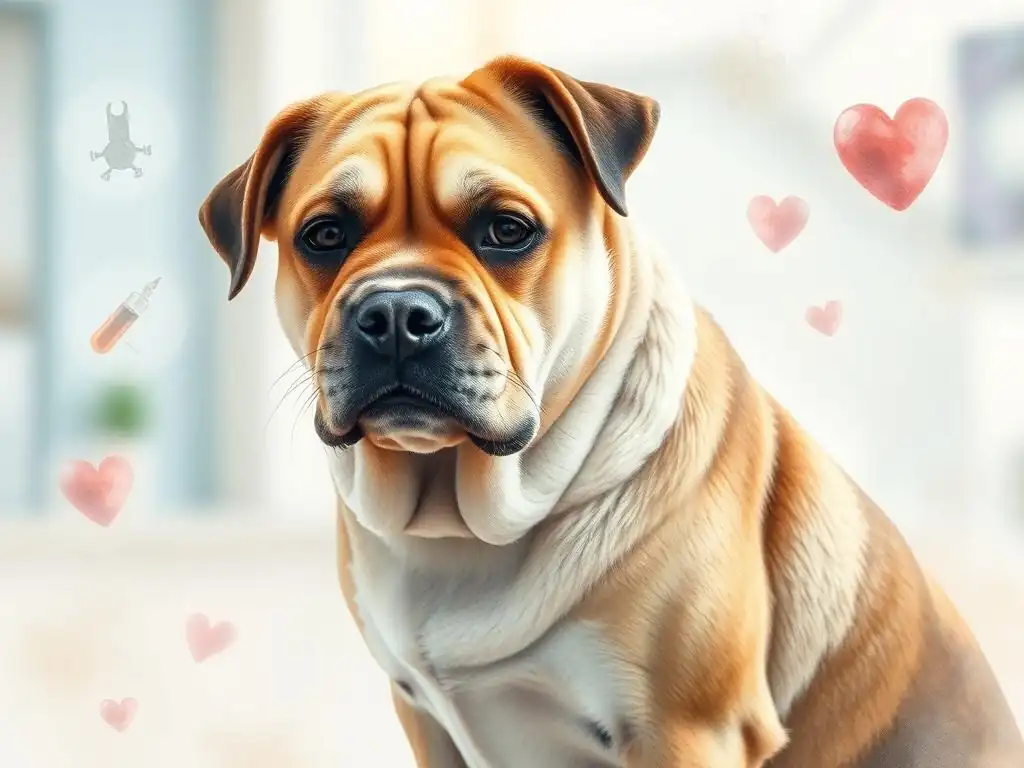
Obesity in dogs isn't always simply a matter of overfeeding and lack of exercise. Often, underlying health problems can contribute significantly to weight gain, and ignoring these can sabotage even the most carefully crafted dog weight loss diet plan. Failing to address these issues can lead to frustration, limited success, and potentially worsen the pet's overall health. A dog struggling to lose weight despite dietary changes and increased activity should be thoroughly examined by a veterinarian.
Several conditions can cause weight gain. Hypothyroidism, for instance, a disorder affecting the thyroid gland, can lead to a slower metabolism, making weight loss incredibly difficult. Cushing's disease, another hormonal disorder, also contributes to increased appetite and weight gain. Additionally, certain medications can have weight gain as a side effect. A veterinarian can perform blood tests and other diagnostic procedures to identify these underlying conditions.
Early diagnosis and treatment are crucial for successful weight management and overall pet health. Ignoring these issues not only hinders weight loss but can also lead to more serious health complications down the line, such as diabetes, heart disease, and joint problems. Therefore, a comprehensive veterinary checkup is a vital first step in any dog weight loss program. Don't assume it's just a matter of diet and exercise; seek professional veterinary advice to rule out any underlying medical conditions.
Focusing Solely on Calorie Restriction Without Considering Nutritional Needs
While reducing caloric intake is crucial for weight loss in dogs, a drastic and poorly planned approach can be detrimental. Simply cutting calories without considering the dog's nutritional requirements can lead to deficiencies and health problems. A balanced diet is essential, even when aiming for weight loss.
A dog weight loss diet plan should provide all the necessary nutrients—proteins, fats, carbohydrates, vitamins, and minerals—in appropriate proportions to support their energy needs while promoting healthy weight reduction. Relying solely on low-calorie, commercially available foods without consulting a vet or veterinary nutritionist can lead to significant nutritional imbalances. For example, some low-calorie dog foods might be deficient in essential fatty acids, leading to skin and coat problems.
Others may lack sufficient protein, impacting muscle mass and overall health. A tailored approach, perhaps involving a prescription diet from a veterinarian, can ensure your dog receives the nutrients needed while losing weight safely and effectively. Remember, a healthy weight loss journey is a balanced one.
Neglecting Regular Exercise and Physical Activity
A successful dog weight loss diet plan isn't just about what goes into your dog's bowl; it's also about what your dog does with its body. Regular exercise is crucial for burning calories, building muscle mass, and improving overall health. Neglecting this aspect will severely limit the effectiveness of any dietary changes. The type and intensity of exercise should be tailored to the dog's breed, age, health condition, and current fitness level.
A sedentary lifestyle contributes significantly to weight gain, and even small changes can make a difference. For example, increasing the number of daily walks, incorporating playtime in the park, or engaging in interactive games like fetch can significantly boost calorie expenditure. Furthermore, exercise offers numerous benefits beyond weight management; it improves cardiovascular health, strengthens muscles and bones, and stimulates mental well-being.
Consult with your veterinarian to determine an appropriate exercise regime for your dog. They can help you establish a safe and effective plan that avoids overexertion and potential injuries. Remember, a gradual increase in activity is key to preventing injuries and keeping your dog motivated.
Long-Term Weight Management Strategies for Canine Companions
Successfully losing weight for your canine companion is a significant achievement, but maintaining that healthy weight is equally crucial for their long-term well-being. Transitioning from a weight loss diet plan to a long-term maintenance plan requires careful planning and consistent effort. This section outlines key strategies to ensure your dog stays healthy and trim for years to come. Remember, consistency is key when it comes to a successful dog weight loss diet plan and its long-term maintenance.
Maintaining a Healthy Weight After Successful Weight Loss
Once your dog reaches their ideal weight, it's tempting to revert to old feeding habits. However, this is a recipe for weight regain. Instead, gradually transition to a maintenance diet that still provides balanced nutrition but with slightly higher caloric density than the weight-loss diet. This prevents sudden metabolic shifts and helps maintain a steady weight.
Consider these factors for a successful transition:
- Gradual increase in food quantity: Don't abruptly increase your dog's food intake. Increase the portion size incrementally over several weeks, closely monitoring their weight and body condition score.
- Regular veterinary check-ups: Continue scheduling regular check-ups with your veterinarian to monitor your dog's progress and adjust the diet as needed. They can help you fine-tune the dog weight loss diet plan transition.
- Continued exercise: Maintaining a regular exercise routine is vital, even after weight loss is achieved. This helps burn calories, maintain muscle mass, and supports overall health. Think of it as a preventative measure against weight gain.
- Treats in moderation: Remember that treats contribute to your dog's daily caloric intake. Continue to use low-calorie treats sparingly.
The transition phase is crucial. It’s important to remain vigilant and adapt the dog weight loss diet plan based on your dog's individual needs and response. Regular monitoring and veterinary guidance are essential during this period. Think of it as a marathon, not a sprint!
Preventing Weight Regain in Dogs
Preventing weight regain is just as important as achieving weight loss. This requires a proactive approach that addresses potential pitfalls and establishes sustainable habits. Many dogs regain weight due to factors such as increased food intake, decreased activity, or underlying medical conditions.
Here are some preventative strategies:
- Monitor food intake meticulously: Keep a close eye on your dog's food consumption, ensuring they are not getting extra treats or table scraps. Even small amounts can accumulate over time.
- Regular weighing: Weigh your dog regularly, ideally once a week, to catch any early signs of weight gain. A small increase can be addressed promptly before it becomes a significant problem.
- Adjust diet according to activity levels: If your dog's activity level changes (e.g., due to injury or age), adjust their food accordingly to avoid weight gain.
- Address underlying health issues: Certain medical conditions can contribute to weight gain. Regular veterinary check-ups are crucial to identify and manage any underlying health problems. This is a critical component of a successful long-term dog weight loss diet plan.
Implementing these preventative measures will significantly reduce the risk of weight regain and ensure your dog maintains a healthy weight throughout their life. This proactive approach is vital for their overall health and longevity.
Building Healthy Habits for Long-Term Weight Management
Establishing healthy habits is paramount for long-term weight management in dogs. It's about creating a lifestyle change, not just a temporary diet. This holistic approach focuses on building sustainable routines that benefit both your dog's physical and mental well-being.
Consider these key aspects:
- Consistent feeding schedule: Establish a regular feeding schedule to avoid overfeeding and promote healthy digestion. This routine helps regulate their metabolism and prevents erratic eating habits.
- Portion control: Accurately measure your dog's food to ensure they receive the correct amount. Avoid "free-feeding," which can lead to overeating.
- Interactive feeding toys: Use puzzle feeders or slow feeders to make mealtimes more engaging and stimulating. This slows down their eating and promotes a healthier eating pace.
- Regular exercise: Incorporate regular exercise into your daily routine. This not only helps burn calories but also strengthens the bond between you and your canine companion. Daily walks, playtime, and interactive games are all beneficial.
- Monitor body condition regularly: Use a body condition scoring chart to regularly assess your dog's body condition. This allows you to catch any weight changes early on and make necessary adjustments to their diet and exercise routine.
By building these healthy habits, you're not just managing your dog's weight; you're investing in their overall health and well-being. A comprehensive and consistent approach, including a well-structured dog weight loss diet plan, is essential for a long and happy life for your furry friend. Remember, a healthy dog is a happy dog! 🐕
Frequently Asked Questions
How can I create a safe and effective dog weight loss diet plan?
A safe plan involves gradual weight reduction, consulting your veterinarian first for personalized advice and monitoring your dog's progress closely. Avoid drastic changes and focus on high-quality, low-calorie food.
What are the key ingredients to look for in a dog food for weight loss?
Look for foods high in protein and fiber, but low in fat and carbohydrates. Check the calorie density per cup to ensure it's appropriate for your dog's needs and activity level. Always choose foods formulated for adult dogs.
How much exercise does my dog need to lose weight?
The amount of exercise depends on your dog's breed, age, and health. Start with short, frequent walks and gradually increase duration and intensity. Consult your vet to determine a suitable exercise plan for your dog's specific needs.
How long will it take for my dog to lose weight?
Weight loss is gradual and varies between dogs. Patience and consistency are crucial. A safe weight loss rate is typically 1-2% of their body weight per week. Regular veterinary check-ups are essential to monitor progress.
What are some common mistakes to avoid when trying to help my dog lose weight?
Avoid sudden dietary changes which can upset their digestive system. Don't overfeed treats, and ensure all family members adhere to the feeding plan. Ignoring your dog's individual needs and failing to consult a vet are also critical mistakes.
Final Reflection: The Lasting Impact of a Healthy Hound
The fight against canine obesity isn't just about aesthetics; it's about extending the lifespan and improving the quality of life for our beloved companions. Millions of dogs struggle with excess weight, impacting their mobility, health, and overall happiness. This article has explored the crucial role of a balanced diet and regular exercise in achieving and maintaining a healthy weight for your furry friend, offering practical strategies to combat this widespread issue.
The journey to a healthier dog is a testament to the powerful bond we share with our animals. It's a journey that requires commitment, understanding, and a willingness to adapt our lifestyles to meet their needs. This isn't just about following a diet plan; it's about building a stronger, healthier relationship based on mutual respect and care. The best mirror is an old friend.
This applies not only to human relationships but also to the unwavering loyalty and reflection we see in our dogs' eyes – a reflection that is brighter and clearer when they are healthy and happy.
Now, consider your own dog. What steps can you take today to improve their diet and increase their physical activity? Perhaps it's a simple switch to a higher-quality food, a longer walk in the park, or even incorporating fun games into your daily routine. Remember, every small change you make contributes to a healthier, happier life for your canine companion. Embrace the journey, celebrate the successes, and cherish the bond you share – because a healthy dog is a happy dog, and a happy dog is a testament to the love and care you provide.
Unleash Your Dog's Healthiest Self!
Thank you for learning about achieving a healthy weight for your dog! You've gained valuable insights into diet and exercise – now let's put that knowledge into action.
Here's how to get started:
- Create a personalized weight-loss plan: Consider your dog's breed, age, activity level, and any health concerns when designing a balanced diet and exercise routine. Remember, gradual changes are key to success!
- Share your progress: Connect with other PetCareWorld readers in the comments below and share your tips, successes, and challenges. Let's build a supportive community!
- Try a new activity together: Explore hiking trails, swimming spots, or agility courses – it's a fun way for both of you to stay active and bond!
Ready to help your furry friend reach their ideal weight? What's the first step you'll take today?