
Transitioning to Adult Dog Food: When and How to Switch


Welcome to PetCareWorld, your ultimate guide to a happier, healthier life for your beloved pets! Are you facing the crucial decision of switching your adult dog's food? Discover the secrets to a smooth and successful transition with our expert guide on the Best Adult Dog Food Switch. Learn when the time is right, how to make the change gradually, and what to watch out for to ensure your canine companion thrives on their new diet. Let's embark on this journey together, ensuring your furry friend receives the best possible nourishment!
- Understanding the Puppy to Adult Dog Food Transition: A Crucial Step
- Best Adult Dog Food Switch: Timing and Gradual Transition Methods
- Choosing the Right Adult Dog Food for Your Breed
- Potential Challenges and Solutions During the Transition
- Maintaining Optimal Nutrition After the Switch
- Frequently Asked Questions
- Final Reflection: The Journey to Adult Nutrition: A Lifelong Commitment
- Unlock Your Dog's Potential: Next Steps for a Happy & Healthy Transition
Understanding the Puppy to Adult Dog Food Transition: A Crucial Step
Switching your puppy to adult dog food is a significant milestone in their development, marking a transition from rapid growth to a more mature metabolic state. This process requires careful planning and execution to ensure your canine companion receives the optimal nutrition for their evolving needs.
Failing to make this transition smoothly can lead to nutritional deficiencies or imbalances, potentially impacting their long-term health and well-being. This comprehensive guide will walk you through the crucial aspects of transitioning your puppy to adult dog food, helping you navigate this important stage with confidence and ensuring your furry friend thrives.
We'll explore the reasons behind the switch, the signs indicating readiness, and the best practices for a smooth and successful transition, ultimately helping you find the best adult dog food switch for your beloved pet. This guide aims to provide you with the knowledge to make informed decisions, contributing to your dog's overall health and happiness.
Why Switching to Adult Dog Food Matters: Nutritional Needs Change
Puppies require a diet vastly different from adult dogs due to their rapid growth rate and developmental stage. Puppy food is formulated with higher levels of protein, fat, and calories to support this accelerated growth. As your puppy matures, their growth rate slows, and their nutritional requirements shift. Adult dog food is designed with a balanced nutrient profile tailored to maintain a healthy weight, strong muscles, and a robust immune system, rather than promoting rapid growth. Continuing to feed puppy food to an adult dog can lead to several potential problems:
- Weight gain: The excess calories in puppy food can contribute to obesity, a major health concern in dogs, increasing the risk of diabetes, joint problems, and other serious conditions.
- Nutritional imbalances: The high levels of certain nutrients in puppy food, while beneficial for growing puppies, can become excessive and potentially harmful for adult dogs.
- Digestive upset: A sudden change in diet can cause digestive issues, such as diarrhea or vomiting. A gradual transition is crucial to minimize this risk.
- Compromised long-term health: Long-term feeding of inappropriate food can negatively impact organ function and overall longevity.
The transition to adult food is not simply about changing the type of food; it’s about providing the precise nutrients your dog needs at each stage of life. Choosing the right adult dog food, based on your dog's breed, size, activity level, and any specific health concerns, is paramount. This ensures they receive the optimal balance of protein, fat, carbohydrates, vitamins, and minerals for sustained health and vitality. Think of it as a tailored nutritional plan, evolving with your dog's development.
Signs Your Puppy is Ready for Adult Dog Food: Growth Spurts and Development
Determining the optimal time to switch your puppy to adult dog food requires careful observation and understanding of their developmental milestones. While the general guideline is around 12 months of age, several factors can influence this timeframe. Breed size plays a significant role; smaller breeds often reach maturity earlier than larger breeds. Observe your puppy for these key indicators:
- Slowed growth rate: A noticeable decrease in the rate of weight gain and height increase suggests that the rapid growth phase is ending. This is a strong indicator that their nutritional needs are shifting.
- Adult body shape: Your puppy's body shape is starting to resemble that of an adult dog of their breed. The puppy-like roundness is gradually giving way to a leaner, more mature physique.
- Veterinary recommendation: Your veterinarian is the best resource for determining when your puppy is ready for the transition. They can assess your dog's individual growth and development and provide personalized advice. Regular check-ups are crucial for monitoring your dog's health and progress.
- Breed-specific guidelines: Certain breeds mature faster or slower than others. Researching breed-specific growth charts can provide additional guidance. Giant breeds, for example, may require a longer period on puppy food.
Ignoring these signs can potentially lead to long-term health problems. Remember, the transition is not just about age; it's about tailoring nutrition to the specific needs of your dog's current developmental stage. A gradual and well-planned transition will ensure a smooth switch and support your dog's long-term health and well-being.
Best Adult Dog Food Switch: Timing and Gradual Transition Methods
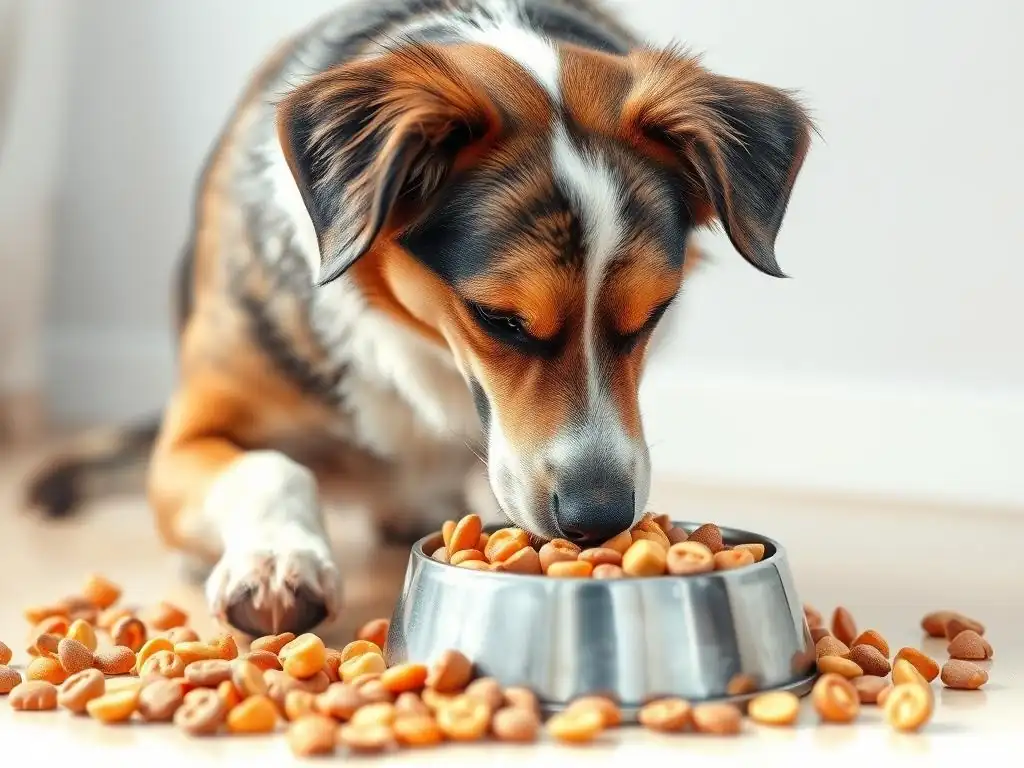
Switching your puppy to adult dog food is a crucial step in their development, impacting their long-term health and well-being. Finding the best adult dog food switch involves careful planning and a gradual approach to minimize digestive upset and ensure a smooth transition. This section will guide you through the process, offering practical advice and considerations to optimize your dog's nutritional intake. Choosing the right time and method is vital for a successful transition and contributes to your dog's overall health. This is key to achieving the best adult dog food switch for your furry friend.
Determining the Optimal Age for Transitioning: Breed Considerations and Individual Growth
The optimal age to switch your puppy to adult dog food isn't a one-size-fits-all answer. Several factors influence this decision, primarily breed size and individual growth rate. Smaller breeds, generally considered those weighing less than 20 pounds as adults, often reach adult size and maturity faster than larger breeds. They might be ready for the switch as early as 6 to 9 months old. Larger breeds, however, may require an extended puppy food period, sometimes lasting up to 12 to 18 months or even longer, depending on their growth curve.
Consider your dog's individual development. Observe their size and weight gain. If your puppy appears to be slowing down in their growth spurt and reaching their adult weight, it might be a good time to consider the switch. Consulting your veterinarian is highly recommended; they can assess your dog's individual needs and growth trajectory to provide personalized guidance on when to transition to adult food. Remember, every dog is unique; relying solely on breed generalizations might not be suitable for every situation. Precise monitoring of your dog's growth is crucial for a successful and healthy transition.
The Gradual Transition Approach: Minimizing Digestive Upset
A sudden switch in dog food can lead to digestive upset, including diarrhea, vomiting, and loss of appetite. To avoid these issues, a gradual transition is essential. The best adult dog food switch is a slow and steady one. The process typically takes 7-10 days, gradually increasing the proportion of adult food while decreasing the puppy food. This allows your dog's digestive system to adapt to the new food's ingredients and nutrient profile.
Here's a sample schedule:
| Day | Puppy Food (%) | Adult Food (%) |
|---|---|---|
| 1-2 | 90 | 10 |
| 3-4 | 75 | 25 |
| 5-6 | 50 | 50 |
| 7-8 | 25 | 75 |
| 9-10 | 10 | 90 |
| 11+ | 0 | 100 |
Closely monitor your dog's stool consistency and overall health throughout the transition. Any signs of digestive issues warrant slowing down the process or consulting your veterinarian. Remember, patience is key to a successful and stress-free transition. A gradual approach significantly reduces the risk of digestive problems.
Mixing Puppy and Adult Food: A Step-by-Step Guide for Smooth Transition
Mixing puppy and adult food is the core of a successful transition. The following steps will ensure a smooth changeover:
- Start with Small Portions: Begin by adding a small amount (about 10%) of the adult food to your puppy's usual portion of puppy food.
- Observe for Any Changes: Watch for any signs of digestive upset such as diarrhea, vomiting, or changes in appetite. If you observe any issues, reduce the amount of adult food or slow down the transition process.
- Gradually Increase Adult Food: Over the next 7-10 days, gradually increase the proportion of adult food while decreasing the puppy food, following the schedule outlined above.
- Monitor Stool Consistency: Pay close attention to your dog's stool. It should be firm and well-formed. Loose or watery stools indicate a need to slow down the process.
- Choose the Right Adult Food: Select an adult dog food that meets your dog's breed-specific nutritional needs and activity level. Consider factors like age, size, and health conditions.
- Maintain a Consistent Feeding Schedule: Stick to a regular feeding schedule to support your dog's digestive health and overall well-being during the transition. Consistency helps minimize stress and promotes a smoother transition.
- Consult Your Veterinarian: If you have any concerns or observe any significant changes in your dog's health, consult your veterinarian. They can provide tailored advice and address any specific needs. This is particularly important if your dog has pre-existing health conditions.
Remember, the best adult dog food switch is the one that prioritizes your dog's health and comfort. A slow and steady approach, combined with careful monitoring, will ensure a smooth and successful transition to adult food. 🎉
Choosing the Right Adult Dog Food for Your Breed

Best Adult Dog Food Switch: Selecting the Right Formula Based on Breed Size and Activity Level
Transitioning your dog to adult food is a crucial step in their development, and choosing the best adult dog food switch requires careful consideration of their breed-specific needs. Breed size and activity level significantly influence dietary requirements. Smaller breeds, like Chihuahuas and Yorkshire Terriers, generally have faster metabolisms and require higher calorie density food compared to larger breeds like Great Danes or Mastiffs. Conversely, highly active dogs, such as Border Collies or Labrador Retrievers, need more calories and protein to support their energy expenditure than less active breeds.
Consider this example: a miniature poodle, weighing 10 pounds and living a relatively sedentary lifestyle, will have different nutritional needs than a German Shepherd, weighing 60 pounds and participating in regular agility training. The miniature poodle may thrive on a smaller-kibble adult food formulated for small breeds with a moderate calorie count, while the German Shepherd would benefit from a larger-kibble formula designed for large breeds with a higher protein and calorie content to fuel its activity level.
Failure to account for these differences can lead to weight gain, nutritional deficiencies, or even health problems. Understanding your dog's breed-specific needs is paramount for a smooth and successful transition to adult dog food.
Choosing the right food involves understanding the caloric needs for your dog's size and activity level. While specific calculations require veterinary consultation, general guidelines exist. You can consult online resources or your veterinarian to determine the appropriate daily caloric intake for your dog based on its breed, weight, age, and activity level. This will help you narrow down the options when selecting an adult dog food.
Key Ingredients to Look for in Adult Dog Food: Protein, Fat, and Essential Nutrients
The best adult dog food switch isn't just about the brand; it's about the ingredients. High-quality protein sources are fundamental. Look for named meat sources like chicken, beef, lamb, or fish, listed prominently at the beginning of the ingredient list. Avoid vague terms like "meat by-products" or "animal digest." The protein content should be sufficient to support muscle mass and overall health; usually, a minimum of 18-22% protein is recommended for adult dogs, but this can vary depending on breed and activity level.
Fat is equally important, providing energy and essential fatty acids for healthy skin and coat. Healthy fat sources include chicken fat, fish oil, and flaxseed oil. Again, check the ingredient list; the fat content should be balanced, usually around 8-12%, but this is another area where breed and activity influence the optimal amount.
Beyond protein and fat, essential nutrients are crucial. These include vitamins (A, D, E, K), minerals (calcium, phosphorus, potassium), and taurine (especially important for cats but beneficial for dogs as well). Look for formulations that specifically mention these essential nutrients. A balanced blend of these nutrients ensures your dog receives all the necessary building blocks for optimal health and well-being during the adult stage of life. Remember, a holistic approach to nutrition is key for a successful transition.
Understanding Nutritional Labels: Deciphering the Information on Dog Food Packaging
Navigating dog food labels can be challenging. The best adult dog food switch decision hinges on your ability to interpret this information correctly. Pay close attention to the Guaranteed Analysis section, which provides minimum and maximum percentages of crude protein, crude fat, crude fiber, and moisture. This section gives you a quantitative understanding of the macronutrient composition.
Furthermore, the Ingredient List is crucial. Ingredients are listed in descending order by weight, so the first few ingredients constitute the bulk of the food. As mentioned previously, look for named meat sources early in the list and avoid vague or low-quality ingredients.
Finally, many premium dog foods include a statement of Nutritional Adequacy. This statement, usually found on the packaging, indicates whether the food meets the Association of American Feed Control Officials (AAFCO) nutrient profiles for adult maintenance. AAFCO standards provide a baseline for nutritional completeness, ensuring the food meets the minimum requirements for your dog's health. Using these tools, you can effectively compare different dog foods and make an informed decision for a successful transition to adult dog food. Don't hesitate to consult your veterinarian if you have any questions or concerns about your dog's dietary needs.
Potential Challenges and Solutions During the Transition

Switching your puppy to adult dog food is a crucial step in their development, but it's not always smooth sailing. Many pet owners encounter challenges during this transition period. Understanding these potential hurdles and implementing effective solutions is key to ensuring a successful and healthy switch for your canine companion. Finding the best adult dog food switch involves careful planning and observation. This section will address common issues and provide practical strategies to overcome them. Remember, patience and consistency are paramount throughout this process.
Digestive Upset: Identifying Symptoms and Management Strategies
One of the most common problems encountered during a transition to adult dog food is digestive upset. This can manifest in various ways, including diarrhea, vomiting, gas, and changes in stool consistency. The introduction of new ingredients and altered nutrient profiles can strain a puppy's still-developing digestive system.
Several factors contribute to the likelihood of digestive upset. A sudden, abrupt switch is a major culprit. The puppy's gut microbiome needs time to adapt to the new food. Furthermore, the quality and ingredients of the new adult food play a significant role. Lower-quality foods, with fillers and artificial ingredients, are more likely to cause problems than premium, easily digestible options.
Identifying Symptoms: Pay close attention to your dog's bowel movements. Increased frequency, loose or watery stools, and the presence of mucus or blood are all warning signs. Vomiting, especially if persistent, requires immediate veterinary attention. Changes in appetite and lethargy can also accompany digestive upset.
Management Strategies: A gradual transition is crucial. Begin by mixing a small amount of the adult food with the puppy food for the first few days. Slowly increase the proportion of adult food over 7-10 days until your puppy is solely consuming the new food. Consider choosing an adult dog food formulated for sensitive stomachs. These often contain easily digestible proteins and prebiotics to support gut health. If symptoms persist despite a gradual transition, consult your veterinarian. They may recommend a bland diet or other supportive measures. In severe cases, medication might be necessary.
Addressing Pickiness: Encouraging Your Dog to Eat New Food
Some puppies, even those previously enthusiastic eaters, can become picky during the transition to adult food. This can be frustrating for owners, but it's important to remain patient and persistent. Sudden changes in taste and texture can make the new food less appealing.
Strategies to Encourage Consumption:
- Warm the food slightly: The aroma of warm food can be more enticing.
- Add a small amount of broth or plain yogurt: These can enhance the flavor and make the food more palatable. Avoid adding excessive amounts of high-fat or sugary ingredients.
- Try different feeding methods: Some dogs prefer eating from puzzle feeders or slow feeders.
- Offer smaller, more frequent meals: This can be less overwhelming than large portions.
- Avoid giving treats or other foods between meals: This ensures your dog is hungry enough to eat their regular food.
- Remain consistent: Don't give in to your dog's pickiness by offering alternative foods. The goal is to help them adjust to the new diet.
Remember, consistency is key. If your dog refuses to eat the new food for more than a day or two, consult your veterinarian to rule out underlying medical conditions. They can provide guidance on the best approach for your individual dog.
Monitoring Your Dog's Weight and Condition During the Transition
Weight management is an essential aspect of your dog's overall health. Monitoring their weight and body condition throughout the transition to adult food is crucial. Adult dog food generally has a different calorie density compared to puppy food, and you might need to adjust feeding amounts accordingly.
Monitoring Techniques:
- Regular weigh-ins: Weigh your dog weekly to track any changes in weight. Use a consistent scale and weigh them at the same time of day.
- Body condition scoring: Learn how to assess your dog's body condition using a body condition scoring chart. This involves feeling your dog's ribs and evaluating their overall body shape. An ideal body condition score is typically between 4 and 5 on a scale of 1 to 9.
- Observe their energy levels: Changes in energy levels, such as increased lethargy or hyperactivity, can be an indicator of nutritional imbalances.
- Monitor stool quality: Consistent, firm stools are a sign of good digestive health and appropriate calorie intake.
Adjusting food portions is vital. If your dog is gaining weight, reduce the amount of food you're giving them. Conversely, if they are losing weight or seem underweight, slightly increase the portion size. Always consult your veterinarian or a veterinary nutritionist if you have concerns about your dog's weight or body condition. They can help create a personalized feeding plan to ensure your dog receives optimal nutrition during and after the transition. Choosing the best adult dog food switch also involves paying close attention to these indicators.
Maintaining Optimal Nutrition After the Switch
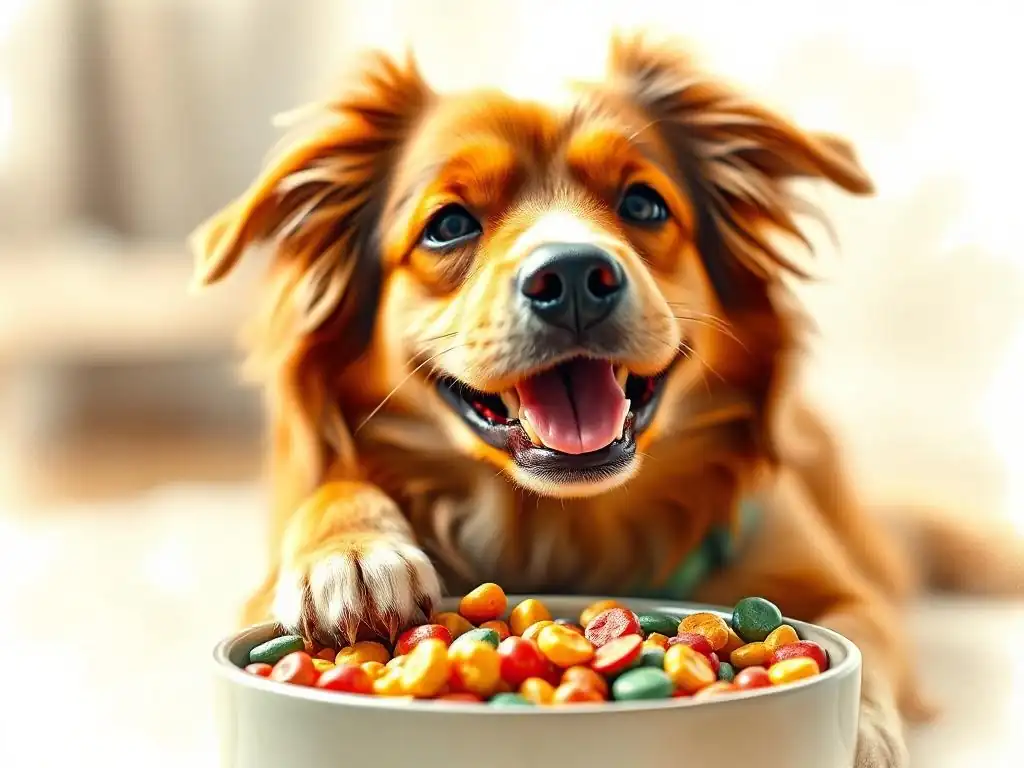
Switching your puppy to adult dog food is a crucial step in their development, but it's only the beginning of ensuring they receive the best nutrition for a long and healthy life. Maintaining optimal nutrition after the transition requires vigilance and a proactive approach. This section focuses on the ongoing nutritional needs of your adult dog and how to best address them. Finding the best adult dog food switch isn't a one-time event; it's an ongoing process of monitoring and adjustment.
Long-Term Nutritional Needs of Adult Dogs: Continued Monitoring and Adjustments
Adult dogs, unlike puppies, have different caloric and nutritional requirements. Their growth spurt has ended, and their energy levels might stabilize. Therefore, simply continuing the same feeding schedule as during puppyhood is often incorrect and could lead to obesity or nutritional deficiencies. Monitoring your dog's weight and body condition is paramount. A healthy weight is crucial for preventing numerous health issues, including joint problems, diabetes, and heart disease.
Regularly check your dog's body condition score (BCS). You can find charts illustrating ideal BCS online. If your dog is overweight, you'll need to adjust the portion sizes of their adult dog food or consider a lower-calorie option. Conversely, if they appear underweight, a slight increase in food might be necessary. Remember to always consult your veterinarian before making significant dietary changes.
Beyond weight management, consider your dog's breed, activity level, and any pre-existing health conditions. Large breeds, for example, often have different nutritional needs than smaller breeds. Highly active dogs will require more calories than less active ones. Dogs with allergies or sensitivities may need specialized diets to manage their conditions. The best adult dog food switch considers these individual factors, ensuring a tailored approach to nutrition.
Consulting with a Veterinarian: Expert Guidance for Specific Dietary Needs
While this guide provides valuable information on transitioning to adult dog food and maintaining optimal nutrition, it's crucial to remember that every dog is unique. A veterinarian can offer personalized recommendations based on your dog's specific breed, age, health history, and lifestyle. They can conduct a thorough examination, assess your dog's current nutritional status, and recommend the best adult dog food switch for your individual pet.
Regular veterinary checkups are essential for monitoring your dog's overall health and identifying potential nutritional deficiencies or imbalances early on. Don't hesitate to consult your veterinarian if you notice any changes in your dog's appetite, weight, coat condition, energy levels, or stool consistency. They can help you troubleshoot any issues and ensure your dog continues to thrive on their adult diet. Early intervention is key to preventing more serious health problems down the line.
Remember, a healthy diet is a cornerstone of a long and happy life for your canine companion. Finding the best adult dog food switch often involves expert guidance. 🐕
Frequently Asked Questions
When should I switch my puppy to adult dog food?
Most puppies should transition to adult dog food between 12 and 18 months old, depending on their breed and size. Larger breeds may need to stay on puppy food a bit longer due to their slower development. Consult your vet for personalized advice.
What are the signs my dog needs a new adult dog food?
Signs your dog needs a new food include weight changes, dull coat, digestive issues, or lack of energy. If you notice any of these, consult your veterinarian before switching food.
How do I gradually switch my dog to a new adult dog food?
A gradual transition is crucial to avoid digestive upset. Mix the new food with the old food, gradually increasing the proportion of new food over 7-10 days. Monitor your dog closely for any adverse reactions.
What are the best adult dog foods to switch to?
PetCareWorld recommends researching various brands and reading reviews before choosing. Consider your dog's breed, age, activity level, and any dietary restrictions when making your selection. Consult your vet for recommendations.
My dog is refusing the new adult dog food. What should I do?
Try mixing small amounts of the new food with high-value treats your dog loves. You can also try warming it slightly to enhance the aroma. If the problem persists, consult your veterinarian to rule out underlying issues.
Final Reflection: The Journey to Adult Nutrition: A Lifelong Commitment
The transition to adult dog food is far more than just a change in kibble; it's a pivotal moment in your dog's life, impacting their health and well-being for years to come. Choosing the right food at the right time ensures optimal growth, energy levels, and a happy, healthy life for your canine companion. This seemingly simple switch holds profound implications for their future.
The impact of proper nutrition on a dog's life is immeasurable. It's not just about preventing illness; it's about fostering vitality, strengthening their bond with you, and extending the precious time you have together. A dog is the only thing on earth that loves you more than he loves himself.
This quote perfectly encapsulates the responsibility we have to provide our furry friends with the best possible care, and proper nutrition is a cornerstone of that care. The choices we make today directly influence their quality of life tomorrow.
So, as you embark on this journey of selecting the best adult dog food for your beloved pet, remember the power you hold. Take the time to research, understand your dog's individual needs, and choose a food that nourishes them from the inside out. Don't just settle for "good enough"; strive for the best. Your dog deserves nothing less, and the rewards – a vibrant, energetic, and loving companion – will far outweigh the effort.
Unlock Your Dog's Potential: Next Steps for a Happy & Healthy Transition
Thank you for learning about transitioning your dog to adult food! You've gained valuable insights into making this change smoother and healthier for your furry friend. Now let's put that knowledge into action.
- Prioritize a Gradual Transition: Gradually introduce your dog's new food over 7-10 days, mixing it with their current food. Closely monitor your dog for any digestive upset; this is crucial for a successful transition.
- Track Your Dog's Progress: Keep a record of any changes in your dog's appetite, stool consistency, or energy levels during the transition. A small notebook or phone app will work well. Sharing this information with your veterinarian will help ensure the best possible outcome.
- Share Your Experience: Let other PetCareWorld readers know how the transition is going! What worked well for you? What advice would you offer others? Let's help each other ensure happy and healthy dogs.
Ready to see your dog thrive on their new adult diet? Consider what adjustments you'll make to their routine to best support this transition.