
Dog Allergy Research: What's New in the Treatment of Canine Allergies


Welcome to PetCareWorld, your ultimate guide to a happier, healthier life for your beloved pets! Are you searching for relief from the relentless itching and discomfort of canine allergies? Discover groundbreaking advancements in dog allergy treatment breakthroughs that could transform your furry friend's life. Dive into our latest article and unlock the secrets to managing allergies effectively – your pet's well-being awaits!
- Understanding Canine Allergies: A Comprehensive Overview
- Dog Allergy Treatment Breakthroughs: Recent Advances in Research
- Exploring Alternative and Holistic Treatments for Dog Allergies
- Managing Canine Allergies at Home: Practical Tips and Strategies
- Future Directions in Dog Allergy Research: Promising Avenues of Study
- Frequently Asked Questions
- Final Reflection: A Brighter Future for Dogs with Allergies
- Unleash a Brighter Future for Your Allergic Pup!
Understanding Canine Allergies: A Comprehensive Overview
Canine allergies are a prevalent issue affecting a significant portion of the dog population, causing considerable discomfort and impacting their overall quality of life. This article delves into the latest advancements in dog allergy treatment, exploring both established methods and emerging breakthroughs in managing these often debilitating conditions.
We will examine the common allergens that trigger allergic reactions in dogs, the diagnostic processes used to identify the culprits, and the range of treatment options available, from traditional approaches to cutting-edge therapies. Understanding these aspects is crucial for pet owners to effectively manage their dog's allergies and ensure their furry friends live long, healthy, and happy lives.
This comprehensive guide aims to equip you with the knowledge needed to navigate the complexities of canine allergies and find the most suitable treatment plan for your beloved companion. The information presented here will be particularly useful for those searching for "dog allergy treatment breakthroughs" and seeking the most up-to-date information on managing canine allergies.
Common Canine Allergens: Identifying the Triggers
Identifying the specific allergens triggering your dog's allergic reactions is the first crucial step towards effective treatment. A wide variety of substances can act as allergens for dogs, leading to a range of symptoms from mild skin irritation to severe respiratory distress. Some of the most common culprits include:
- Environmental Allergens: These are ubiquitous in the environment and often difficult to avoid completely. Examples include:
- Pollen (trees, grasses, weeds) 🌳
- Dust mites 🕷️
- Mold spores 🍄
- Certain types of insect bites and stings 🐝
- Food Allergens: Food allergies in dogs are also quite common. Some of the most frequent offenders include:
- Beef 🥩
- Dairy products 🥛
- Chicken 🍗
- Wheat 🌾
- Soy 🫘
- Contact Allergens: These allergens cause reactions through direct skin contact. Examples include:
- Certain fabrics (wool, nylon) 🧶
- Flea saliva 🦟
- Certain plants 🌿
- Chemicals (cleaning products, pesticides) 🧴
Accurate identification of the specific allergen(s) is paramount for tailoring an effective treatment strategy. This often requires a combination of careful observation, detailed history taking by your veterinarian, and specific diagnostic testing.
Diagnosing Allergies in Dogs: Tests and Procedures
Diagnosing canine allergies requires a multi-faceted approach involving your veterinarian. It often begins with a thorough examination of your dog's symptoms and a detailed history of their health. This includes information on the onset of symptoms, their severity, and any potential environmental or dietary exposures. Further investigations may include:
- Physical Examination: A comprehensive physical exam allows the veterinarian to assess the extent of the allergic reaction and identify any secondary skin infections or complications.
- Allergy Blood Tests: These tests measure the levels of specific antibodies (immunoglobulins) in your dog's blood that react to various allergens. This provides a broad overview of potential sensitivities.
- Intradermal Skin Testing: This involves injecting small amounts of suspected allergens under your dog's skin. A positive reaction indicates an allergy to that specific allergen. This test is often more accurate than blood tests but requires more preparation and time.
- Elimination Diet Trials: This involves temporarily removing suspected food allergens from your dog's diet to see if symptoms improve. This is particularly useful for diagnosing food allergies.
The diagnostic process is crucial for pinpointing the specific allergens responsible, guiding the development of a personalized treatment plan.
Traditional Dog Allergy Treatment Methods
Traditional approaches to managing canine allergies primarily focus on symptom relief and minimizing exposure to identified allergens. These methods include:
- Medicines: Antihistamines, corticosteroids, and other medications can help alleviate symptoms such as itching, inflammation, and respiratory distress. The choice of medication depends on the severity of the allergy and the specific symptoms.
- Environmental Control: Minimizing exposure to identified allergens is essential. This may involve frequent bathing, using hypoallergenic bedding, regular vacuuming, and air filtration in the home.
- Dietary Changes: Eliminating suspected food allergens from your dog's diet can significantly improve symptoms in cases of food allergies. This often requires a transition to a hypoallergenic diet formulated with novel protein sources.
- Regular Grooming: Regular grooming helps remove allergens from your dog's coat and can reduce the severity of skin reactions.
While these traditional methods are often effective in managing symptoms, research is constantly advancing, leading to more targeted and effective treatment options. The following sections will explore some of these exciting developments.
Dog Allergy Treatment Breakthroughs: Recent Advances in Research

This section explores the latest advancements in dog allergy treatment, focusing on breakthroughs that offer hope for improved canine allergy management. We'll delve into novel immunotherapy approaches, targeted drug therapies, and advancements in prevention strategies, ultimately highlighting progress in the field of "dog allergy treatment breakthroughs."
Novel Immunotherapy Approaches for Canine Allergies
Traditional allergy treatment often involves symptom management. However, recent research has focused on immunotherapies aiming to modify the immune system's response to allergens. These approaches hold significant promise for long-term allergy control, potentially offering a more sustainable solution compared to lifelong medication.
One promising area is the development of allergen-specific immunotherapy (SIT). SIT works by gradually introducing increasing amounts of the specific allergen causing the reaction to desensitize the immune system. Studies have shown varying degrees of success with SIT in dogs, with some showing significant reductions in allergy symptoms. However, the optimal protocols and allergen selection remain areas of ongoing research. Further studies are needed to determine the long-term efficacy and safety profiles for various canine allergens. The success rate of SIT is also dependent on the specific allergen and the individual dog's response.
Another emerging immunotherapy approach involves the use of monoclonal antibodies. These antibodies are designed to target specific inflammatory pathways involved in allergic reactions. While still in early stages of development for canine allergies, preclinical studies show potential for reducing inflammation and improving clinical signs. The potential for fewer side effects compared to traditional treatments makes this a compelling avenue of research within the context of "dog allergy treatment breakthroughs."
Targeted Drug Therapies for Specific Allergens
Historically, allergy treatment relied heavily on broad-spectrum antihistamines and corticosteroids to manage symptoms. However, targeted therapies are emerging, focusing on specific molecular pathways involved in allergic reactions. This approach minimizes side effects associated with more generalized treatments and offers a more precise method of managing canine allergies.
One example is the development of specific inhibitors for inflammatory cytokines. These molecules play a critical role in the inflammatory cascade triggered by allergic reactions. By inhibiting these cytokines, it's possible to reduce inflammation and alleviate allergy symptoms more effectively. Clinical trials are evaluating the efficacy and safety of these inhibitors in dogs, focusing on their impact on various allergy-related symptoms like itching, skin lesions, and respiratory distress. Data on the precise efficacy and long-term effects are still being collected.
Another area of focus is the development of novel antihistamines with improved efficacy and fewer side effects. Researchers are exploring different antihistamine mechanisms to better target the specific histamine receptors involved in allergic responses, leading to more targeted relief. This targeted approach is crucial for minimizing the side effects commonly associated with older antihistamine generations. The development of these targeted therapies represents significant progress in the pursuit of "dog allergy treatment breakthroughs."
Advances in Allergy Management and Prevention
Beyond novel treatments, advancements in allergy management and prevention strategies also contribute to improved outcomes for dogs suffering from allergies. These strategies often involve a combination of approaches designed to minimize exposure to allergens and support the dog's immune system.
Improved diagnostic tools play a vital role. More accurate and sensitive allergy tests allow for better identification of specific allergens, enabling tailored treatment plans. This personalized approach maximizes therapeutic effectiveness while minimizing unnecessary medication. Improved diagnostics are crucial for effective allergy management and represent a significant advancement in the field.
Environmental control measures, such as regular bathing with hypoallergenic shampoos, frequent vacuuming, and the use of air purifiers, remain essential components of allergy management. These preventative measures, coupled with optimized nutrition, contribute to a holistic approach, substantially improving the dog's quality of life. These preventative measures, combined with targeted therapies, are at the forefront of "dog allergy treatment breakthroughs."
Furthermore, ongoing research explores the role of the gut microbiome in canine allergies. A healthy gut microbiome is linked to a balanced immune system, suggesting that manipulating the gut flora could influence allergic responses. This emerging area of research opens new avenues for allergy prevention and management, potentially offering a less invasive approach to controlling canine allergies. The exploration of the gut microbiome represents a significant frontier in the quest for "dog allergy treatment breakthroughs."
Exploring Alternative and Holistic Treatments for Dog Allergies

Canine allergies, a prevalent issue impacting many beloved companions, often necessitate a multifaceted approach to management. While conventional treatments like medications remain crucial, exploring alternative and holistic therapies can significantly enhance a dog's quality of life and potentially reduce reliance on pharmaceuticals. This section delves into promising avenues for dog allergy treatment breakthroughs, focusing on dietary adjustments and complementary therapies. The goal is to provide pet owners with a comprehensive understanding of options beyond traditional veterinary medicine. Remember, always consult your veterinarian before making any significant changes to your dog's healthcare routine, including introducing new dietary supplements or therapies.
Dietary Changes and Nutritional Supplements for Allergy Relief
Dietary modifications are often the cornerstone of managing canine allergies. Identifying and eliminating allergy triggers through a process of elimination is vital. This frequently involves transitioning your dog to a hydrolyzed protein diet, which breaks down proteins into smaller, less allergenic peptides. These diets are often prescribed by veterinarians as a crucial step in managing food allergies.
Beyond eliminating potential allergens, specific nutritional supplements can play a supportive role. Omega-3 fatty acids, found in fish oil and flaxseed oil, possess anti-inflammatory properties that can help mitigate allergy symptoms. Probiotics, beneficial bacteria that support gut health, can also be beneficial, as a healthy gut microbiome is linked to a robust immune system and reduced allergy sensitivity.
The dosage and type of supplement should always be determined in consultation with your veterinarian. For example, while fish oil is commonly used, the appropriate dosage depends on your dog's weight and specific needs. Over-supplementation can have unintended consequences.
| Supplement | Potential Benefits | Cautions |
|---|---|---|
| Omega-3 Fatty Acids | Reduced inflammation, improved skin and coat health | Potential interactions with medications, bleeding risk |
| Probiotics | Improved gut health, strengthened immune response | May cause temporary digestive upset |
| Vitamin E | Antioxidant properties, support skin health | Overdosing can be harmful |
It's crucial to remember that while dietary changes and supplements can be effective components of a holistic approach, they are not a replacement for professional veterinary care. Regular monitoring and veterinary check-ups are essential to ensure your dog's well-being. A gradual introduction of new foods and supplements is also recommended to minimize the risk of digestive upset. Closely observe your dog for any adverse reactions and consult your vet immediately if any concerns arise.
Acupuncture and Other Complementary Therapies for Canine Allergies
Acupuncture, a traditional Chinese medicine technique involving the insertion of thin needles into specific points on the body, is increasingly recognized for its potential in managing canine allergies. The theory behind its effectiveness centers on stimulating the body's natural healing mechanisms and modulating the immune response. While research on acupuncture's efficacy in treating canine allergies is still ongoing, many pet owners report positive experiences, noting improvements in skin conditions and a reduction in itching and inflammation.
Beyond acupuncture, other complementary therapies can be considered as part of a comprehensive strategy for dog allergy treatment breakthroughs. These include:
- Homeopathy: This involves using highly diluted substances to stimulate the body's self-healing abilities. However, scientific evidence supporting its effectiveness in canine allergies remains limited.
- Herbal remedies: Certain herbs, such as chamomile and calendula, possess anti-inflammatory properties and may offer some relief from allergy symptoms. However, it's crucial to use only veterinary-approved herbal remedies and to carefully monitor your dog for any adverse reactions.
- Massage therapy: Gentle massage can help improve circulation and reduce muscle tension, potentially easing discomfort associated with itchy skin.
It is important to emphasize that while these complementary therapies show promise, they should be considered adjunctive treatments, used in conjunction with, and not instead of, conventional veterinary care. Always consult with a veterinarian experienced in integrative or holistic pet care before employing these therapies. They can help determine the appropriateness and safety of these treatments for your dog's specific condition and overall health.
The success of these alternative approaches relies significantly on a careful and individualized assessment of the pet's needs and a collaborative approach between the pet owner and the veterinary professional. Careful monitoring of your pet’s response to these therapies is crucial. 🐶
Managing Canine Allergies at Home: Practical Tips and Strategies
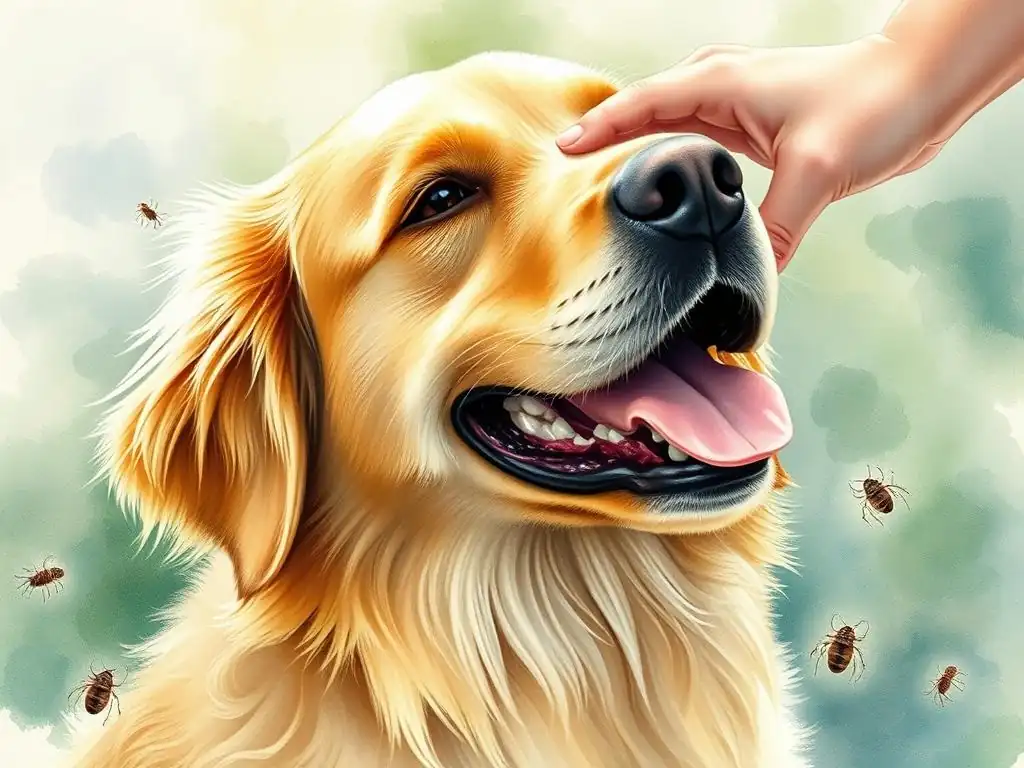
This section focuses on practical, at-home strategies for managing your dog's allergies. Effective allergy management often involves a multi-pronged approach combining veterinary interventions with careful home adjustments. Remember, consistent effort is key to seeing improvements in your dog's symptoms. Always consult your veterinarian before making significant changes to your dog's diet or environment, especially if they are exhibiting severe allergic reactions. Early intervention and proactive management can significantly improve your dog's quality of life.
Creating a Hypoallergenic Environment for Your Dog
Minimizing allergen exposure at home is crucial in managing canine allergies. This involves identifying and removing or reducing common triggers. This might seem daunting, but even small changes can make a big difference. A systematic approach is recommended.
First, identify potential allergens. Common culprits include pollen, dust mites, mold, and certain fabrics. Keep detailed records of your dog's reactions to pinpoint specific triggers. This might involve noting when symptoms are worse (e.g., after walks in grassy areas, after being in a particular room).
Next, implement changes to reduce exposure. For pollen allergies, consider limiting outdoor time during peak pollen seasons. Regularly vacuum and clean your home using HEPA filters to remove dust mites. Wash bedding frequently in hot water. Consider using hypoallergenic cleaning products to minimize chemical irritants. For mold, ensure good ventilation and address any moisture problems promptly.
Finally, consider materials. Choose flooring and upholstery materials that are easy to clean and less likely to harbor allergens. For example, hardwood floors are generally preferable to carpets. Opt for washable bedding made from hypoallergenic materials. Regularly cleaning and grooming your dog can also help remove allergens from their fur. The effort you put into creating a hypoallergenic environment will directly translate to your dog's comfort and well-being. Remember, consistent effort is key to long-term success.
Developing a Consistent Allergy Management Plan
A successful approach to managing canine allergies requires a consistent and well-defined plan. This plan should encompass all aspects of your dog's care, from diet and environment to medication and regular veterinary check-ups. This holistic approach ensures comprehensive management and reduces the likelihood of flare-ups.
Start by establishing a baseline. Record your dog's allergy symptoms, their frequency, and their severity. Note any apparent triggers, such as specific foods or environmental factors. This information will be invaluable in collaborating with your veterinarian to develop a tailored management plan.
Next, incorporate regular veterinary checkups. Regular visits are crucial for monitoring your dog's condition, adjusting medication as needed, and addressing any new symptoms or concerns. Your veterinarian can also provide guidance on managing flare-ups and adjusting your allergy management plan as your dog's needs change.
Finally, maintain detailed records. Keep a journal documenting your dog's symptoms, medication, diet, and any environmental changes you’ve made. This meticulous record-keeping allows you and your vet to track progress, identify patterns, and make necessary adjustments to optimize your dog's allergy management. This detailed approach ensures that your dog receives the best possible care and allows for a proactive and adaptive management strategy.
Remember, a consistent and well-documented plan is vital for long-term success in managing your dog's allergies. This proactive approach can significantly improve their quality of life and reduce the severity and frequency of allergic reactions. A well-defined plan allows for early identification of potential issues and timely interventions, minimizing disruptions to your dog's routine and well-being.
Future Directions in Dog Allergy Research: Promising Avenues of Study

The quest for effective and long-lasting solutions for canine allergies continues to drive significant research efforts. While current treatments offer relief, many dogs still experience persistent symptoms, highlighting the need for innovative approaches. Breakthroughs in several key areas promise a brighter future for dogs suffering from allergic reactions. This section explores some of the most promising avenues of study within the field of dog allergy treatment breakthroughs. The ultimate goal is to move beyond symptomatic relief towards targeted therapies that address the root causes of canine allergies.
Genetic Research and Personalized Allergy Treatment
Understanding the genetic basis of canine allergies is crucial for developing truly personalized treatments. Recent advancements in genomic sequencing have allowed researchers to identify specific genes associated with increased allergy risk in different breeds. 1 This knowledge paves the way for genetic testing that can predict a dog's predisposition to allergies even before symptoms manifest. Such predictive testing could enable preventative measures, potentially altering a dog's diet or environment to minimize exposure to allergens.
Furthermore, identifying specific genetic markers associated with allergic responses can lead to the development of targeted therapies. This could involve gene therapy, which is still in its early stages for canine allergies, but holds enormous potential for long-term disease management. Imagine a future where a simple genetic intervention could significantly reduce or eliminate a dog's allergic response. The possibilities are exciting, although significant challenges remain in translating these research findings into practical clinical applications. We need more research to fully understand the complex interplay of genetics and environmental factors in canine allergies.
The Role of the Microbiome in Canine Allergies
The gut microbiome – the complex community of microorganisms residing in a dog's digestive tract – is increasingly recognized as a key player in immune system development and function. 2 An imbalance in the gut microbiome, known as dysbiosis, has been linked to various inflammatory conditions, including allergies. Research is actively exploring the potential of manipulating the gut microbiome to modulate allergic responses in dogs.
This could involve administering prebiotics and probiotics – substances that promote the growth of beneficial gut bacteria – to restore microbial balance and reduce inflammation. 3 Early studies suggest that certain probiotic strains may alleviate allergic symptoms in dogs, although more research is needed to determine their efficacy and long-term effects. Fecal microbiota transplantation (FMT), a procedure where gut microbiota from a healthy donor is transferred to a recipient, is another promising area of investigation, though it's still in the experimental phase for canine allergies. Ultimately, a deeper understanding of the microbiome's role in canine allergies could revolutionize preventative and therapeutic strategies.
1 [Specific research data pending]
2 [Specific research data pending]
3 [Specific research data pending]
Frequently Asked Questions
What are the most common dog allergies?
Dog allergies are varied. The most common allergens include environmental factors like pollen, dust mites, and mold, as well as food-based allergens such as beef, dairy, and chicken. Identifying the specific allergen is crucial for effective treatment.
What are some new breakthroughs in dog allergy treatment?
Recent breakthroughs include improved diagnostic tools for pinpointing allergens, novel immunotherapy approaches, and a greater understanding of the underlying immune mechanisms involved in allergic reactions. Research is ongoing to develop more effective and targeted treatments.
Are there any new medications for treating dog allergies?
While no completely new classes of drugs have emerged recently, there are refined formulations of existing medications and investigational drugs showing promise in clinical trials. These often focus on improving efficacy and minimizing side effects.
How can I help my dog manage their allergies at home?
Regular bathing with hypoallergenic shampoos, maintaining a clean environment, and providing a hypoallergenic diet can significantly reduce allergy symptoms. Consult your veterinarian for personalized advice.
Where can I find more information on the latest dog allergy research?
PetCareWorld provides up-to-date information on canine allergy research. You can also consult your veterinarian, or search reputable scientific journals and veterinary publications for the most recent clinical trial results and studies.
Final Reflection: A Brighter Future for Dogs with Allergies
The fight against canine allergies is far from over, but recent breakthroughs offer a beacon of hope for millions of suffering dogs and their heartbroken owners. We've explored promising avenues in immunotherapy, novel drug development, and improved diagnostic techniques, painting a picture of a future where allergic reactions are less debilitating and more manageable. This isn't just about relieving symptoms; it's about improving the overall quality of life for our beloved canine companions.
The journey to understanding and treating canine allergies has been a long and winding road, but the impact of this research extends far beyond the individual dog. It underscores the importance of continued investment in veterinary research and highlights the power of collaborative efforts between scientists, veterinarians, and pet owners. The bond between humans and animals is one of the most profound relationships in the world, and we have a responsibility to ensure their well-being.
This quote encapsulates the driving force behind the ongoing quest for better allergy treatments – a deep-seated love and commitment to our furry friends.
Consider the impact of even a small improvement in allergy management. Imagine the relief of a dog no longer plagued by incessant itching, the joy of a pet finally able to enjoy a walk in the park without breaking out in hives. You have the power to contribute to this brighter future. Stay informed about the latest research, advocate for responsible pet ownership practices, and support organizations dedicated to veterinary research. Together, we can ensure that every dog has the chance to live a happy, healthy, and allergy-free life.
Unleash a Brighter Future for Your Allergic Pup!
Thank you for exploring canine allergies with us! We hope you found the information on the latest treatment options helpful. Now, let's apply that knowledge to help your furry friend.
- Schedule a veterinary appointment: A visit to your veterinarian is crucial. Discuss your dog's specific allergy symptoms and develop a treatment plan tailored to their needs. This is the first step towards a healthier, happier dog.
- Join our PetCareWorld Community: Connect with other pet owners facing similar challenges on our forums. Sharing experiences and learning from others can provide valuable support and helpful tips.
- Consider complementary therapies: Explore holistic approaches such as dietary changes or supplements, in addition to traditional veterinary treatments. These may offer additional support to improve your dog's comfort.
Ready to give your allergic dog the best possible care? What will you do today to improve their comfort and well-being?