
The Scoop on Poop: Responsible Waste Management at the Dog Park

Welcome to PetCareWorld, your ultimate guide to responsible and joyful pet ownership! Are you ready to tackle the often-overlooked, yet crucial, aspect of dog park etiquette? Our comprehensive Dog park poop disposal guide offers practical solutions and expert advice to ensure a clean and safe environment for all. Discover the secrets to responsible waste management and keep your canine companion happy and healthy while contributing to a thriving community. Let's delve into the details – read on to learn more!
- Understanding the Importance of Proper Dog Waste Disposal
- Essential Tools for Dog Park Cleanup
- Step-by-Step Guide to Responsible Dog Waste Disposal
- Beyond the Bag: Additional Considerations for Dog Park Cleanliness
- Dealing with Difficult Situations at the Dog Park
- Resources and Further Information on Dog Park Etiquette
-
Frequently Asked Questions
- What is the best way to clean up after my dog at the dog park?
- Are there any specific regulations regarding poop disposal at dog parks?
- What should I do if I don't see a trash can at the dog park?
- What type of poop bags are recommended for dog park use?
- What happens if I don't clean up after my dog at the dog park?
- Final Reflection: Leaving a Legacy of Clean Paws and Happy Parks
- Unleash Your Inner Dog Park Hero!
Understanding the Importance of Proper Dog Waste Disposal
Responsible dog ownership extends beyond providing food, shelter, and affection. It encompasses a crucial element often overlooked: proper waste management, particularly in public spaces like dog parks. This comprehensive guide, focusing on the keyword "Dog park poop disposal guide," will delve into the critical reasons why cleaning up after your canine companion is not just a matter of courtesy, but a vital aspect of public health, environmental protection, and legal compliance.
We'll explore the consequences of neglecting this responsibility, highlighting the significant impact on community well-being and the environment, and offer practical solutions for effective and responsible dog waste disposal at the dog park and beyond. This guide aims to equip every dog owner with the knowledge and tools necessary to become a responsible steward of their pet and their community.
Why Cleaning Up After Your Dog Matters: Public Health and Hygiene
Dog waste isn't just unpleasant; it's a significant health hazard. It contains harmful bacteria, parasites, and viruses, such as E. coli, Salmonella, and Giardia, which can cause a range of illnesses in humans, especially children. These pathogens can easily spread through contact with contaminated surfaces or by airborne transmission. Simply stepping in dog feces and then touching your face can lead to infection.
Furthermore, runoff from dog waste can contaminate water sources, posing an even greater risk to public health. Proper disposal prevents the spread of these pathogens and promotes a cleaner, healthier environment for everyone who uses the dog park. Think of the children playing nearby – protecting them is a crucial aspect of responsible dog ownership.
Avoiding Fines and Legal Issues at the Dog Park
Many municipalities have ordinances in place that require dog owners to clean up after their pets in public areas, including dog parks. Failure to comply can result in substantial fines. These fines can vary widely depending on location and the number of offenses, but they can easily add up, becoming a significant financial burden.
Beyond fines, repeated violations can lead to more serious legal consequences, including potential court appearances and further penalties. Understanding and adhering to local regulations regarding dog waste disposal is not only responsible but also essential for avoiding legal repercussions. Always check your local ordinances to ensure compliance and be prepared for potential consequences of non-compliance.
Protecting the Environment: The Impact of Dog Waste
The environmental impact of dog waste is often underestimated. A single dog's waste can contribute significantly to water pollution. The nitrogen and phosphorus in dog feces can act as fertilizers, leading to excessive algae growth in waterways (eutrophication). This process depletes oxygen levels, harming aquatic life and negatively affecting water quality.
Additionally, dog waste can contaminate soil, affecting plant life and potentially impacting the health of other animals. Responsible disposal helps minimize these environmental consequences and promotes a healthier ecosystem for both wildlife and humans. Remember, even small actions, like diligently cleaning up after your dog, collectively contribute to a larger positive impact on the environment. 🐶🌎
Essential Tools for Dog Park Cleanup
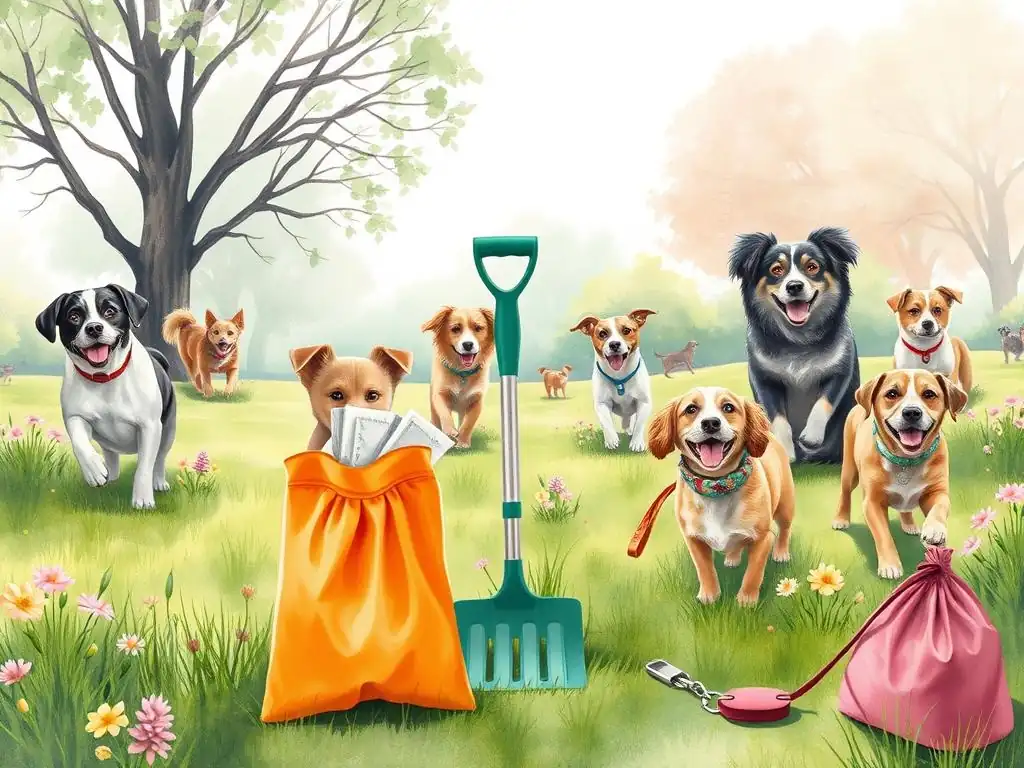
Responsible dog park poop disposal isn't just about picking up after your canine companion; it's about maintaining a clean and safe environment for all park users. This requires more than just good intentions; it necessitates the right tools. Failing to adequately prepare can lead to unpleasant situations and potentially even the spread of disease. Let's delve into the essential equipment to ensure a smooth and hygienic cleanup experience every time. A well-equipped dog owner is a responsible dog owner – and that contributes to a better experience for everyone at the dog park.
Choosing the Right Poop Bags: Biodegradable vs. Plastic
The foundation of any successful dog park cleanup is the poop bag. But not all poop bags are created equal. The choice between biodegradable and plastic bags significantly impacts the environmental footprint of your dog walking routine.
Biodegradable bags are often touted as the eco-friendly option, breaking down naturally over time. However, it's crucial to understand that the decomposition process depends on specific environmental conditions, such as temperature and moisture levels. Some biodegradable bags might require industrial composting facilities to decompose fully, meaning they may not break down completely in a typical landfill. Always check the bag's labeling for specific decomposition claims and certifications. Look for bags made from plant-based materials like cornstarch or bamboo.
Plastic bags, while not environmentally ideal, offer superior strength and leak-proof protection. This is particularly important for larger breeds or dogs prone to diarrhea. However, responsible disposal is paramount with plastic bags. Always dispose of them properly in designated receptacles. The choice boils down to balancing environmental responsibility with practical considerations. Consider your dog's size and bowel habits when making your decision. A larger dog might require the superior strength of a plastic bag, even with the increased environmental impact.
Types of Poop Bag Dispensers: Handheld, Belt-Clip, and Stationary
Once you've chosen your poop bags, efficient dispensing becomes key. Several types of poop bag dispensers cater to different preferences and lifestyles.
- Handheld Dispensers: These are the most basic and widely available type. They are compact, inexpensive, and easy to use. However, they require you to carry them separately, potentially leading to forgetting them on occasion.
- Belt-Clip Dispensers: These dispensers attach to your belt or waistband, ensuring easy access without the need to rummage through your bag. This is ideal for frequent dog park visits and ensures you’re always prepared. They are slightly more expensive than handheld dispensers, but the convenience is often worth it.
- Stationary Dispensers: Some dog parks provide stationary dispensers conveniently located throughout the park. These are a great addition to park infrastructure, but relying solely on them is risky, as they might be empty or unavailable. It’s always best to have a backup.
| Dispenser Type | Pros | Cons | Cost |
|---|---|---|---|
| Handheld | Inexpensive, readily available | Requires separate carrying, easily forgotten | Low |
| Belt-Clip | Convenient access, always at hand | Slightly more expensive | Moderate |
| Stationary (Park-Provided) | Convenient location, no need to carry | May be empty or unavailable | Free |
Additional Cleanup Supplies: Gloves, Tissues, and Hand Sanitizer
While poop bags are essential, a truly comprehensive cleanup kit goes a step further.
Gloves protect your hands from bacteria and unpleasant smells. Disposable nitrile or latex gloves are readily available and inexpensive. Tissues are useful for wiping your hands after discarding the bag, particularly if gloves are not used. Finally, hand sanitizer is crucial for eliminating any lingering germs. Choose a sanitizer with at least 60% alcohol content for effective disinfection.
Remember, thorough hand hygiene is critical for preventing the spread of diseases. It's a small step that significantly contributes to a healthier environment for both you and your furry friend. Don't underestimate the importance of these seemingly small items – they significantly enhance the overall hygiene of your dog park experience. 🐶
Remember, responsible dog ownership extends beyond simply loving your pet; it includes proactively contributing to a clean and safe environment for everyone. Proper waste management is a key component of this responsibility. By utilizing the right tools and employing good hygiene practices, you are not only keeping the dog park clean but also setting a positive example for other dog owners.
Step-by-Step Guide to Responsible Dog Waste Disposal
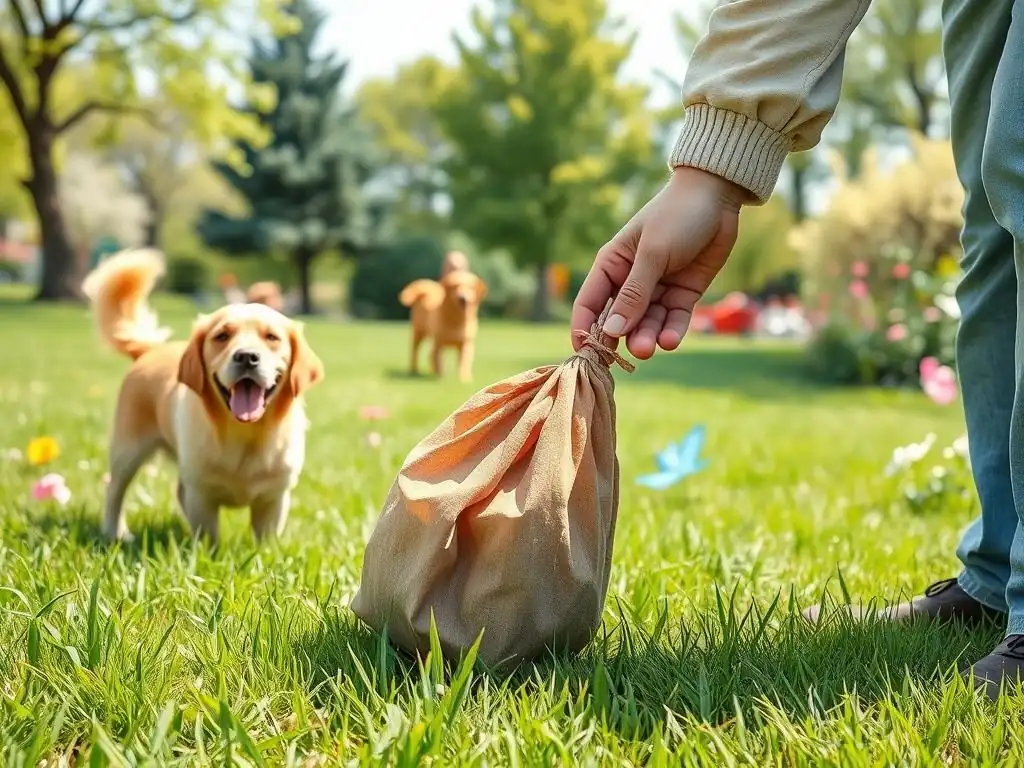
This section provides a comprehensive guide to responsible dog waste disposal, focusing on practical techniques and methods to ensure a clean and safe environment at the dog park. Following these steps contributes to a positive experience for all dog owners and helps maintain the hygiene of these valuable community spaces. This guide is essential for any responsible dog owner aiming to follow best practices for "Dog park poop disposal".
Step 1: The Act of Picking Up: Techniques and Tips
Picking up your dog's waste efficiently and hygienically is the first crucial step. Avoid direct contact as much as possible. Several techniques can minimize mess and unpleasantness:
- Use appropriate tools: Invest in a sturdy, lightweight pooper scooper with a comfortable grip. Many options are available, from simple plastic scoops to more advanced models with extended handles. Consider the size and breed of your dog when selecting a scooper. A larger dog will require a larger scooper.
- Employ a bagging method: Use biodegradable or compostable bags whenever possible. These are environmentally friendlier than standard plastic bags. Many municipalities offer these through pet waste station programs.
- The "scoop and bag" technique: Instead of scooping the waste directly into the bag, first scoop the waste into the scooper and then transfer it into the bag, minimizing the chance of spillage or accidental contact.
- Handle with care: Avoid squeezing or crushing the bag after filling. A securely tied bag prevents leaks and odors.
Step 2: Securing the Waste: Proper Bagging Techniques
Securing the waste properly is vital for preventing spills and maintaining hygiene. Improper bagging can lead to unpleasant smells and potentially contaminate the environment.
- Double bagging: For extra security, especially with larger or wetter waste, consider double bagging. This reduces the risk of leakage.
- Proper knotting: Secure the bag tightly with a strong knot to prevent accidental opening. A double knot is recommended for added security.
- Waste bag disposal: Never leave the bag on the ground. This is a crucial step in responsible dog park etiquette. Always carry your filled bags until you find an appropriate disposal point.
- Bag selection: Consider the material and thickness of the bags. Thicker bags are less likely to tear and provide better containment.
Step 3: Disposal Methods: Trash Cans, Home Disposal
Once the waste is securely bagged, responsible disposal is paramount. Several methods exist, each with its own considerations:
- Dog park trash cans: Many dog parks provide designated waste receptacles. Always use these facilities whenever available. Look for bins specifically marked for pet waste disposal.
- Home disposal: If no dog park receptacles are available, you'll need to take the waste home. Dispose of the bagged waste immediately in your household garbage. Never flush pet waste down the toilet.
- Composting (where appropriate): In some areas with dedicated pet waste composting programs, you may be able to compost pet waste. However, it's crucial to check your local regulations before doing so, as not all areas allow this practice. Improper composting can lead to environmental issues.
| Disposal Method | Advantages | Disadvantages | Considerations |
|---|---|---|---|
| Dog Park Trash Cans | Convenient, readily available | May overflow, bags might not be readily available | Check for availability before entering the park. |
| Home Disposal | Ensures proper disposal, avoids overflowing bins | Requires carrying waste, less convenient | Necessary if no on-site disposal is available. |
| Composting (if allowed) | Environmentally friendly | Requires specific facilities and regulations | Check local regulations and composting guidelines. |
Remember, responsible dog waste disposal is not just about cleanliness; it's about community responsibility and environmental protection. By following these steps, you contribute to a safer and more enjoyable experience for everyone at the dog park. This comprehensive guide will ensure you're well-equipped to tackle all aspects of "Dog park poop disposal".
Step 4: Hand Hygiene: Preventing the Spread of Germs
Proper hand hygiene is crucial after cleaning up your dog's waste, even if you've used gloves. Dog waste harbors various bacteria and parasites that can cause illness in humans, such as E. coli and Salmonella. While gloves provide a significant barrier, traces of fecal matter can still linger on your hands, especially under your fingernails. Neglecting handwashing can lead to the spread of these pathogens to yourself, your family, and other dog park visitors.
Thorough handwashing should be a non-negotiable part of your dog park routine. The process should involve more than a quick rinse under a tap. Ideally, you should wash your hands with soap and water for at least 20 seconds, scrubbing thoroughly between your fingers and under your nails. If soap and water aren't readily available—a situation that unfortunately occurs in many dog parks—use a hand sanitizer containing at least 60% alcohol. Apply a generous amount to your hands and rub them together until they are completely dry.
Remember, the effectiveness of hand sanitizer is reduced if your hands are visibly soiled. In such cases, wiping your hands with a clean tissue or wet wipe before sanitizing is recommended. This pre-cleaning step removes the bulk of the contamination, allowing the sanitizer to work more effectively. Always prioritize soap and water whenever possible, as it's the most effective method for eliminating harmful bacteria and viruses.
This diligent approach to hand hygiene protects both you and others from potential health risks associated with dog waste. Consider carrying a small bottle of hand sanitizer in your dog park bag for those times when a sink isn't conveniently located. This simple preventative measure contributes significantly to maintaining a clean and healthy environment for everyone at the dog park. 🐶
Beyond the Bag: Additional Considerations for Dog Park Cleanliness
This section delves deeper into responsible dog park etiquette, extending beyond the simple act of picking up your dog's waste. Maintaining a clean and enjoyable environment for all requires a multifaceted approach. We'll explore additional ways you can contribute to a positive dog park experience for everyone.
Responsible Dog Ownership: Beyond Poop Disposal
Responsible dog ownership extends far beyond simply bagging your dog's poop. It encompasses a broader commitment to the well-being of your pet and the shared space of the dog park. Consider these additional practices:
- Regularly check your dog for ticks and fleas: These parasites can spread easily in a dog park environment. Regular preventative treatments and diligent checks can minimize the risk to your dog and others.
- Ensure your dog is up-to-date on vaccinations: This protects your dog and others from preventable diseases. Rabies and other infectious diseases can be transmitted easily in close-quarters environments like dog parks.
- Monitor your dog's interactions: Not all dogs are compatible. Keep a close eye on your dog's behavior and intervene if necessary to prevent conflicts. Proactive supervision is crucial for maintaining a harmonious atmosphere. Remember, a happy dog is a well-socialized dog.
- Bring water for your dog: Dehydration can occur quickly, especially during warmer months. Always provide your canine companion with fresh water to keep them hydrated and comfortable.
Educating Fellow Dog Owners: Promoting Responsible Behavior
While you can't force others to clean up after their dogs, you can encourage responsible behavior. A friendly approach often yields better results than confrontation. Consider these strategies:
- Lead by example: Your consistent adherence to responsible dog park practices serves as a powerful demonstration for others. Positive reinforcement is often more effective than criticism.
- Politely remind others: If you witness someone failing to clean up after their dog, politely remind them of the importance of responsible waste disposal. Frame your comment as a helpful suggestion rather than an accusation.
- Engage in positive communication: Instead of confrontation, try starting a conversation about responsible dog park etiquette. Friendly interactions can foster a sense of community and shared responsibility.
- Contact park management: If repeated issues persist, contact the park management to report the problem. They may be able to implement stricter enforcement measures or educational campaigns.
Reporting Issues: Dealing with Unclean Dog Parks
Despite individual efforts, some dog parks may consistently suffer from inadequate waste management. Knowing how to report these issues is crucial for maintaining clean and safe spaces for all.
- Document the problem: Take photos or videos as evidence of the unclean conditions. This will strengthen your report and provide concrete details to support your claims.
- Identify the responsible authority: Determine who manages the dog park (e.g., local council, park authority). Contact them directly through their official channels.
- Submit a formal complaint: Clearly and concisely outline the problem, providing the supporting evidence you have gathered. Suggest solutions, such as increased signage, more bins, or more frequent cleaning.
- Follow up: After submitting your complaint, follow up to ensure that action is being taken. Persistence is key to achieving improvements in dog park cleanliness. Remember, a clean and safe dog park benefits everyone. 🐕
Remember, responsible dog park poop disposal is a crucial aspect of responsible pet ownership and contributes to a positive experience for all dog owners and their furry friends. Let's work together to maintain clean and enjoyable dog parks for everyone!
Dealing with Difficult Situations at the Dog Park
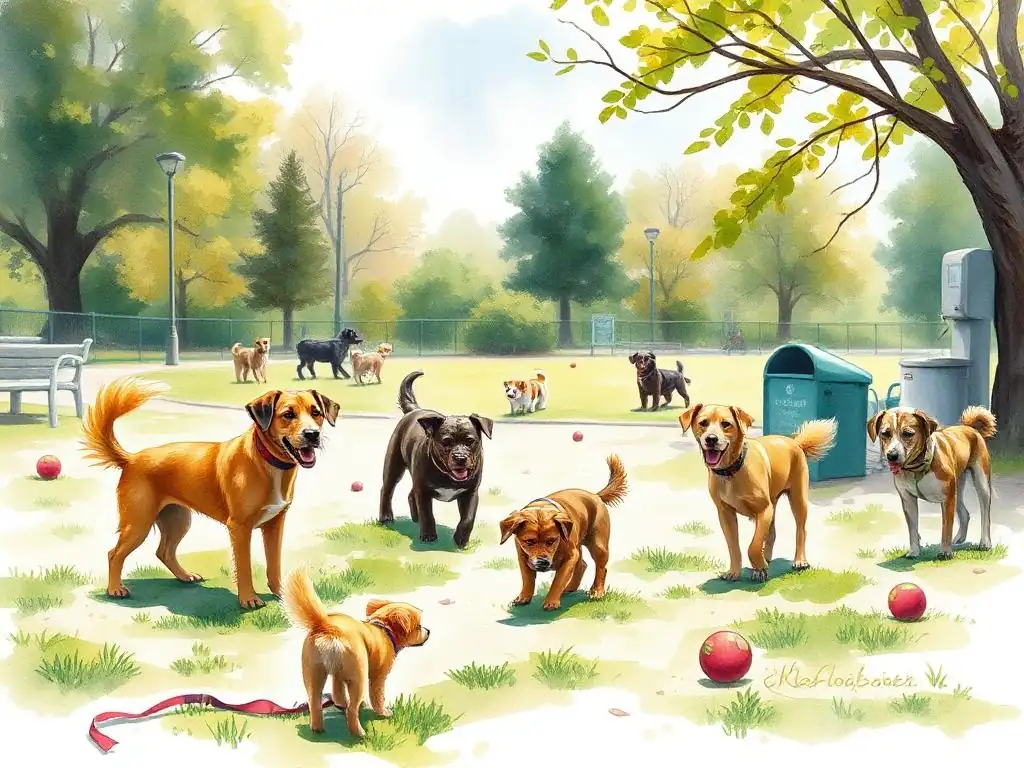
This section focuses on navigating challenging scenarios you might encounter at the dog park, ensuring a safe and pleasant experience for everyone. Responsible dog ownership extends beyond simply bringing your canine companion; it encompasses proactive behavior and knowing how to handle unexpected situations. This guide provides practical advice for maintaining a positive dog park environment.
What to Do if You Encounter Uncleaned Dog Waste
Encountering uncleaned dog waste is unfortunately a common issue at many dog parks. This not only presents a hygiene hazard but also reflects poorly on the overall responsibility of dog owners. Here's how to handle such situations effectively and respectfully:
First, safety is paramount. Avoid direct contact with the waste. If your dog accidentally comes into contact with it, thoroughly wash their paws with soap and water immediately. For your own safety, wear gloves if you choose to clean up the mess.
Second, consider reporting it. Many dog parks have designated areas for reporting issues, such as suggestion boxes or online platforms. Document the location and time of the incident if possible.
Third, choose your approach carefully. Directly confronting the owner might escalate the situation. Consider subtly pointing out the issue to the owner or contacting park management. Remember, your goal is to improve the situation, not to create conflict.
Finally, lead by example. Always clean up after your own dog, promptly and thoroughly. This sets a positive example for other park users and contributes to a cleaner and safer environment for everyone's canine companions. Consistent responsible behavior can encourage others to follow suit. Remember to bring enough bags! A good rule of thumb is to bring at least two extra bags per dog, per visit.
Dealing with Aggressive Dogs or Owners
Aggressive behavior from dogs or their owners is a serious concern that requires careful handling. Your safety and the safety of your dog are the top priorities.
- Immediate Action: If you encounter an aggressive dog, calmly and quietly remove your dog from the area. Avoid eye contact with the aggressive dog, as this can be perceived as a challenge. Do not attempt to intervene directly unless your or your dog's safety is immediately threatened.
- Owner Interaction: If the owner of the aggressive dog is also exhibiting aggressive behavior, avoid direct confrontation. Instead, calmly and respectfully explain your concerns to park management or authorities, providing as much detail as possible, including a description of the dog and owner.
- Prevention: Observe dogs and their owners before entering the park. If you see signs of potential aggression, consider waiting or choosing a different time to visit.
- Documentation: If an incident occurs, document the details, including the date, time, location, description of the dog and owner, and any witnesses. This information may be helpful if you need to report the incident to park authorities or animal control.
Reporting Issues to Park Management
Reporting issues is crucial for maintaining a safe and enjoyable dog park experience for everyone. Many dog parks have dedicated reporting mechanisms in place.
| Reporting Method | Description | Effectiveness |
|---|---|---|
| Online Forms/Websites | Many parks utilize online portals for reporting issues, allowing for quick and easy reporting. | High |
| Suggestion Boxes | Physical suggestion boxes allow for anonymous reporting of concerns. | Moderate |
| Phone Calls | Contacting park management directly by phone can be effective for urgent matters. | High |
| Email is a convenient method for detailed reporting, but response times may vary. | Moderate |
Choose the reporting method that best suits the situation and the severity of the issue. Remember to provide accurate and detailed information to aid park management in addressing the problem effectively. Your cooperation contributes significantly to maintaining a welcoming dog park for all. Providing specific details, such as the date, time, and location of the incident, significantly improves the effectiveness of your report. A clear description of the problem is also essential. Remember to always prioritize safety and responsible behavior.
Resources and Further Information on Dog Park Etiquette
This section provides supplemental resources to help you become a responsible dog park visitor and contribute to a clean and safe environment for all. Understanding and adhering to local regulations, exploring relevant organizations, and considering sustainable waste management practices are crucial aspects of responsible dog ownership. Let's delve into these important areas.
Local Dog Park Regulations and Ordinances
Navigating the world of dog park etiquette requires understanding the specific rules and regulations governing your local park. These ordinances vary significantly depending on your location, encompassing everything from leash laws and vaccination requirements to waste disposal methods and park hours. Failure to comply with these regulations can result in fines or even park bans.
To find your local dog park regulations, start by checking your city or county's official website. Many municipalities have dedicated pages for parks and recreation, often with detailed information on individual park rules. You can usually search using keywords like "[your city/county] dog park rules" or "[your park's name] regulations." Alternatively, contacting your local animal control or parks and recreation department directly can provide immediate answers.
Here's a table summarizing some common regulations you might encounter:
| Regulation Category | Common Requirements | Potential Consequences |
|---|---|---|
| Leash Laws | Leash required except in designated off-leash areas. | Fine, park ban |
| Vaccination Requirements | Proof of rabies vaccination may be required for entry. | Denial of entry |
| Waste Disposal | Mandatory cleanup of pet waste. Specific disposal methods may be outlined. | Fine, park ban |
| Park Hours | Specific opening and closing times. | Access denied outside permitted hours |
| Dog Breed Restrictions | Certain breeds may be prohibited or restricted. | Denial of entry |
Remember to always be vigilant and respectful of posted signage and verbal instructions from park officials. Ignoring regulations not only jeopardizes the safety and cleanliness of the park but can also lead to legal consequences. Being a responsible dog owner means being informed and compliant.
Links to Relevant Organizations/Websites (Placeholder: Specific links are omitted as per instructions)
This section would typically include links to valuable resources such as:
- Your local animal control or humane society: These organizations often offer educational materials on responsible dog ownership and dog park etiquette.
- National or regional pet owner associations: These groups frequently provide guidance on dog park safety and responsible pet waste disposal.
- Websites dedicated to dog training and behavior: Many websites offer comprehensive articles and advice on dog park manners and responsible pet ownership.
Unfortunately, providing direct links is outside the scope of this response per the instructions. However, a quick online search using keywords like "responsible dog ownership resources" or "dog park etiquette guidelines" will yield many relevant results.
Information on Dog Waste Composting
Beyond simply disposing of dog waste, consider environmentally friendly alternatives like composting. Dog waste composting, while requiring careful attention to safety and hygiene, offers a sustainable way to manage waste and reduce your environmental impact.
However, it's crucial to understand that not all dog waste is suitable for composting. For instance, waste from dogs treated with certain medications or consuming particular diets might not be appropriate. Similarly, the composting process itself needs careful management to avoid attracting pests and ensure proper decomposition. Improper composting can lead to the spread of harmful pathogens.
Several factors influence the success of dog waste composting, including:
- Ratio of brown to green materials: A balanced ratio of carbon-rich ("brown") materials (like dry leaves or straw) and nitrogen-rich ("green") materials (like dog waste) is crucial for efficient decomposition.
- Moisture content: The compost pile should be consistently moist, but not soggy.
- Aeration: Proper aeration is essential to prevent anaerobic decomposition and odor issues. Regular turning of the compost pile helps with aeration.
- Temperature monitoring: The composting process generates heat. Monitoring the temperature ensures that the pile reaches and maintains a temperature high enough to kill pathogens.
Before embarking on dog waste composting, research local regulations and guidelines. Some municipalities may have restrictions or specific requirements regarding home composting of animal waste. Prioritize safety and hygiene to prevent the spread of diseases. Always consult with experts or experienced composters for guidance. Improper composting can be harmful to the environment and your health. 🐕🦺
Frequently Asked Questions
What is the best way to clean up after my dog at the dog park?
Always carry plenty of poop bags. Scoop all the waste into the bag, seal it tightly, and dispose of it properly in a designated trash can. Never leave waste behind.
Are there any specific regulations regarding poop disposal at dog parks?
Regulations vary by location. Check your local dog park rules for specific guidelines on waste disposal. Many parks require you to bring your own bags.
What should I do if I don't see a trash can at the dog park?
If a trash can is unavailable, take your bagged waste home with you. This is crucial for maintaining a clean and healthy environment for all park users.
What type of poop bags are recommended for dog park use?
Use strong, leak-proof bags that are large enough to comfortably hold your dog's waste. Biodegradable bags are a great eco-friendly option.
What happens if I don't clean up after my dog at the dog park?
Failing to clean up after your dog can result in fines or other penalties. More importantly, it's disrespectful to other park users and creates an unhealthy environment.
Final Reflection: Leaving a Legacy of Clean Paws and Happy Parks
Responsible dog waste disposal isn't just about keeping our parks clean; it's about protecting the health of our communities and the environment. The simple act of properly bagging and disposing of our canine companions' waste has far-reaching consequences, impacting everything from water quality to the overall enjoyment of public spaces. Ignoring this responsibility is not only inconsiderate but potentially harmful.
The impact of responsible dog waste management extends beyond the immediate surroundings of the dog park. It's a reflection of our collective responsibility as pet owners and citizens. A community is defined not only by its buildings and institutions, but also by the shared values and responsibilities of its members.
This quote highlights the importance of our individual actions in shaping a healthier and more enjoyable environment for everyone. The ongoing challenge lies in educating and encouraging consistent, responsible behavior from all dog owners, fostering a culture of respect for shared spaces.
You, the reader, now hold the power to make a difference. Consider your own habits at the dog park. Are you consistently picking up after your dog? Are you utilizing the provided disposal facilities? By making a conscious effort to be a responsible dog owner, you are not only contributing to a cleaner, healthier environment, but you are also setting a positive example for others. Let's work together to ensure our dog parks remain vibrant, welcoming spaces for both humans and their furry friends for generations to come.
Unleash Your Inner Dog Park Hero!
Thank you for learning about responsible waste management at the dog park! You're now equipped to help keep our green spaces clean and safe for everyone. Ready to put your knowledge into action?
- Become a Poop Patrol Champion: Always carry poop bags and clean up after your dog. This simple act makes a huge difference!
- Share this article with fellow dog owners on social media – let's spread the word about responsible dog park etiquette!
- This week, try one new way to improve your waste management routine at the dog park.
Ready to transform your dog park experience? What small change will you make today to help keep our dog parks clean and enjoyable for everyone?