
Beyond the Basics: Advanced Flyball Drills for Competitive Dogs

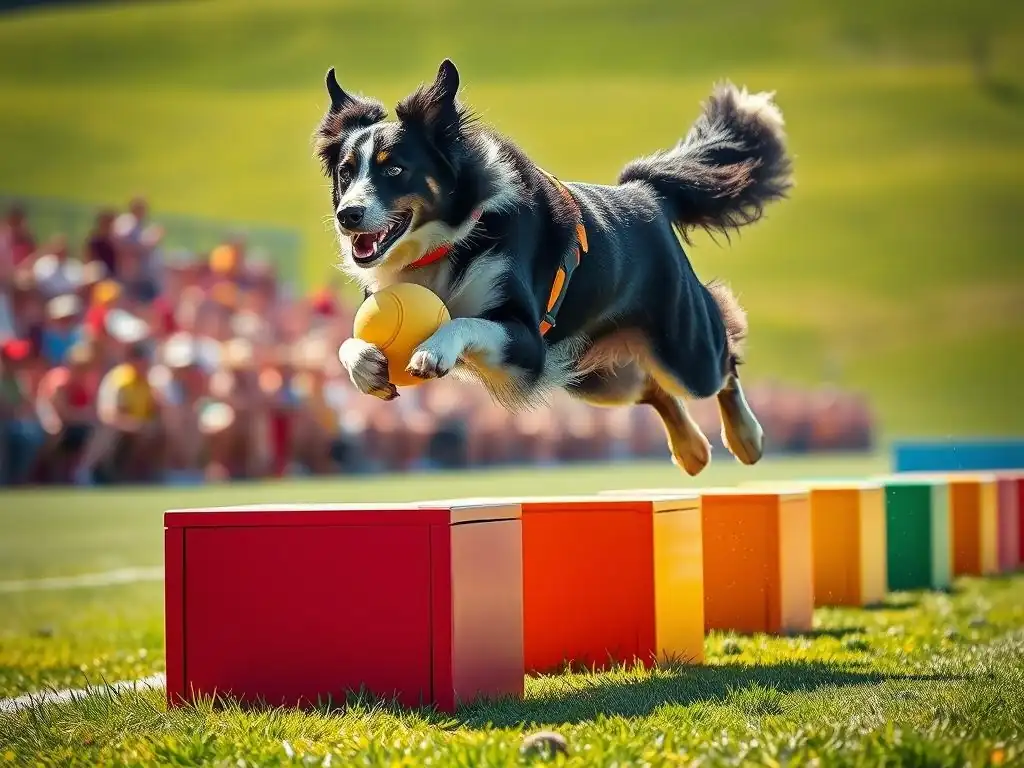
Welcome to PetCareWorld, your ultimate guide to the wonderful world of pet care! Are you ready to take your canine companion's flyball skills to the next level? We delve into Advanced dog flyball training drills in our latest article, revealing the secrets to unlocking peak performance and competitive edge. Discover the techniques and strategies that will transform your dog from a promising player to a champion. Prepare to be amazed by what's in store!
- Mastering the Flyball Box: Advanced Techniques for Speed and Accuracy
- Beyond the Box: Developing Exceptional Team Coordination
- Handling Challenging Situations: Troubleshooting Common Flyball Issues
- Increasing Your Dog's Flyball Stamina and Endurance
- Advanced Flyball Training Equipment and Resources
- Competitor Analysis and Strategic Planning for Flyball Success
- Beyond Competition: Maintaining Your Dog's Flyball Passion and Engagement
-
Frequently Asked Questions
- What are some advanced flyball drills beyond the basics?
- How can I improve my dog's focus during advanced flyball training?
- What is the importance of proper conditioning in advanced flyball training?
- How do I know when my dog is ready to move onto advanced flyball drills?
- What are some common mistakes to avoid during advanced flyball training?
- Final Reflection: Elevating Canine Athleticism Through Advanced Flyball Drills
- Unleash Your Dog's Flyball Potential!
Mastering the Flyball Box: Advanced Techniques for Speed and Accuracy
Flyball, the exhilarating canine sport combining speed, agility, and teamwork, demands constant refinement of skills. While mastering the basics is crucial for any aspiring flyball team, true competitive success hinges on executing advanced techniques. This guide delves into sophisticated drills designed to elevate your dog's flyball performance, focusing on maximizing speed and accuracy around the crucial flyball box. We'll explore strategies to refine the box turn, improve box handling, and even anticipate opponent's actions for a competitive edge.
These advanced dog flyball training drills will help you and your canine companion reach new levels of proficiency and dominate the competition. Remember, consistent practice and positive reinforcement are key ingredients to success! 🐶🏆
Refining the Box Turn: Tight Turns and Quick Releases
The box turn is the heart of flyball – a rapid, precise maneuver that dictates speed and efficiency. Improving this aspect significantly impacts overall team performance. To achieve tight turns and quick releases, several drills are essential. First, practice slow-motion box turns, focusing on the dog's body positioning and footwork. This allows for correction of any inefficiencies before they become ingrained habits.
Next, introduce obstacle courses incorporating tight turns, mimicking the challenges of a real flyball course. This simulates the pressure of competition while building agility and control. Finally, use target training to refine the precise point of release after the dog hits the box. This involves placing a target (a cone or similar) just beyond the box, encouraging the dog to aim directly for it after retrieving the ball. Accurate targeting ensures a smooth, uninterrupted run back to the team.
Improving Box Handling: Consistent Contact and Smooth Transitions
Consistent contact with the flyball box is paramount for speed and efficiency. Inconsistent contact can lead to lost time and even injuries. Drills focusing on this aspect should emphasize controlled approaches to the box. Practice having your dog approach the box at varying speeds, ensuring consistent contact with the pad every time.
A good technique involves practicing different approaches – straight on, slightly angled, from different distances – to build adaptability. Introduce distractions during training, such as loud noises or other dogs, to simulate the intense environment of a competition. Finally, focus on smooth transitions between hitting the box and retrieving the ball. The smoother the transition, the less time is wasted, leading to faster overall times.
Advanced Box Strategies: Anticipating Opponents and Optimizing Speed
At the advanced level, strategy plays a crucial role. Understanding your opponent's tendencies and optimizing your dog's movements can be the difference between winning and losing. One effective drill involves practicing delayed starts – simulating scenarios where the opposing team might have a head start. This builds anticipation and reaction time. Another technique involves practice runs with multiple dogs, simulating the chaos of a real race.
This helps your dog learn to navigate the box efficiently even in a crowded environment. Finally, analyze race footage to identify areas for improvement in your dog's box handling. This data-driven approach can reveal subtle inefficiencies otherwise missed during training. Remember to always prioritize safety and positive reinforcement throughout these advanced drills. 🎉
Beyond the Box: Developing Exceptional Team Coordination
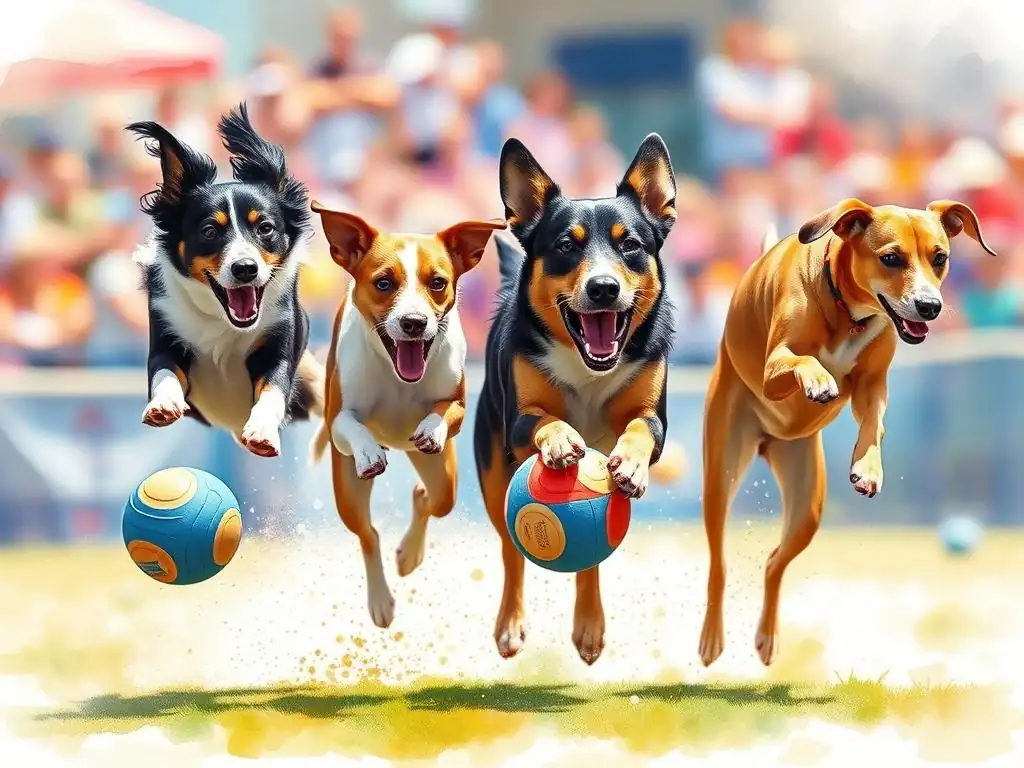
This section delves into advanced flyball training techniques focusing on team coordination, a critical element often overlooked in the pursuit of individual dog speed. Mastering these drills translates directly into improved team performance and significantly faster overall times. Effective team coordination isn't just about individual proficiency; it's about seamless transitions and optimized workflow between dogs and handlers. The following drills emphasize this crucial aspect of competitive flyball.
Teamwork Drills: Synchronized Starts and Efficient Box Changes
Synchronized starts are fundamental to minimizing time loss at the beginning of a race. Inefficient starts can cascade into errors throughout the run, significantly impacting overall speed. To achieve perfect synchronization, practice these drills:
- Staggered Starts: Instead of all dogs launching simultaneously, stagger their starts by a fraction of a second. This helps dogs learn to avoid collisions and maintain their individual lanes. Practice this with progressively smaller time intervals between each dog's release.
- Box Change Drills: Efficient box changes are crucial. Focus on smooth transitions from one dog to the next. Practice drills where dogs must wait patiently at the box edge before releasing, preventing premature jumps and collisions. Use visual cues, such as a specific hand signal, to indicate the release. Implement a system of clear verbal and visual cues to each dog, ensuring they understand their place in the sequence.
- Simulated Races: Conduct full simulated races but emphasize smooth transitions between dogs. Reward teamwork and efficient box changes as much as individual speed. This encourages collaborative effort and reinforces the importance of team performance over individual achievements. Record these practice runs to analyze performance and identify areas for improvement. Look for instances of hesitation, collisions, or inefficient box changes for targeted training.
Communication and Cueing: Refining Signals for Precise Execution
Clear and consistent communication is paramount. Ambiguous signals lead to hesitation and errors, costing valuable seconds. Refine your cueing system to ensure precise execution:
- Consistent Hand Signals: Develop a consistent set of hand signals for each command (e.g., "release," "wait," "return"). Ensure all handlers use the same signals, maintaining uniformity across the team. Practice these signals repeatedly, ensuring each dog responds consistently and accurately.
- Verbal Cues: Supplement hand signals with clear verbal cues. This redundancy helps dogs understand commands, even in noisy or distracting environments. Keep verbal cues short, sharp, and consistent. Experiment with different verbal cues to find those that elicit the best responses from your dogs.
- Individualized Training: Recognize that dogs learn at different paces. Individualized training sessions focusing on cue recognition and response are vital. Address any dog exhibiting confusion or inconsistency in response to cues.
Advanced Relay Strategies: Optimizing Handoffs for Maximum Speed
Optimizing handoffs between dogs is crucial for maximizing speed. This requires precise timing and coordination:
- Delayed Release Drills: Practice delayed releases to simulate real-race scenarios where a dog might fall slightly behind. The handler should adapt the release timing to maintain team flow. This requires precise judgment and anticipates potential delays in the race.
- Strategic Positioning: Analyze your team's performance to identify optimal dog positioning for efficient handoffs. Experiment with different dog placements to find the most effective arrangement for your team. This might involve adjusting the starting positions or altering the order of the dogs.
- Anticipatory Handling: Handlers should anticipate potential delays and adjust their positioning and cues accordingly. This proactive approach minimizes time loss and ensures smooth transitions between dogs. This requires careful observation during practice runs to anticipate potential issues.
The successful implementation of these advanced dog flyball training drills requires patience, consistency, and a keen eye for detail. Remember to celebrate successes and address challenges constructively. By focusing on team coordination in addition to individual dog speed, you'll significantly enhance your team's competitive edge and achieve faster, smoother, and more successful flyball runs. The key to success lies in the seamless integration of individual skill with cohesive teamwork.
Handling Challenging Situations: Troubleshooting Common Flyball Issues
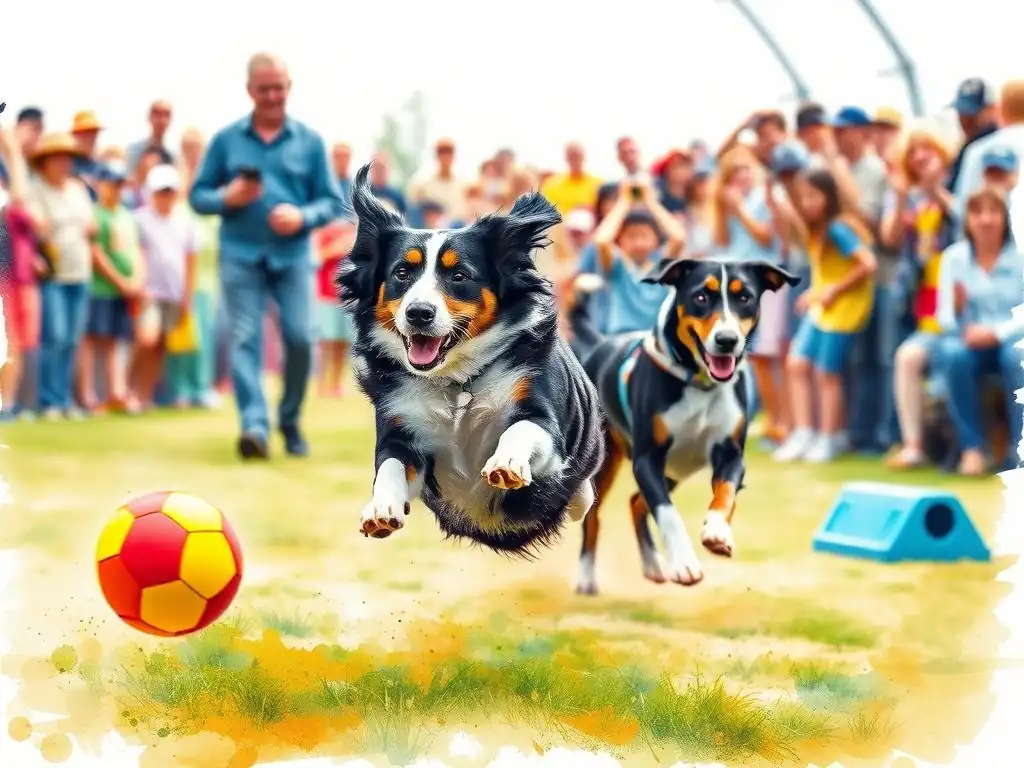
Flyball, while a joyful sport for both dog and handler, presents unique challenges. Even the most well-trained dogs can encounter setbacks. Mastering advanced flyball training drills requires addressing these issues proactively and effectively. This section focuses on troubleshooting common problems, providing practical solutions to enhance your team's performance and build resilience. Effective troubleshooting involves careful observation, consistent training, and a willingness to adapt your approach based on your dog's individual needs and learning style. Remember, patience and positive reinforcement are key to success.
Troubleshooting Missed Boxes: Identifying and Correcting Errors
Missed boxes are a frequent frustration in flyball. They can stem from various factors, including poor box technique, distractions, or a lack of focus. Accurately diagnosing the root cause is crucial for effective correction.
Let's explore some common reasons for missed boxes and their solutions:
- Poor Box Technique: This often manifests as a dog failing to properly engage the box's mechanism. This could be due to an incorrect approach angle, insufficient force in the jump, or a lack of understanding of the box's mechanics. Solutions include slowing down the training process, focusing on precise jumps and landings, and using visual cues to guide the dog's approach. Practice with a simplified setup, perhaps even starting with a lower box, might also help.
- Distractions: Environmental stimuli such as other dogs, spectators, or loud noises can divert a dog's attention, leading to missed boxes. Desensitization training is vital here. Gradually introduce your dog to increasingly distracting environments during training, rewarding calm focus and ignoring distractions.
- Lack of Confidence: A dog that lacks confidence may hesitate or avoid the box altogether. Building confidence requires positive reinforcement and gradual progression. Start with easy successes, using low-level commands and positive reinforcement to encourage the dog to approach the box.
Understanding these nuances allows for targeted interventions. Video recording training sessions can be invaluable for identifying subtle errors in technique. Analyzing the footage frame-by-frame can pinpoint the exact moment of failure, revealing the underlying cause. Remember, consistency is key – regular practice and careful observation are essential for refining technique and overcoming missed boxes. Consider keeping a detailed training journal to track progress and identify recurring issues.
Addressing Hesitation and Reluctance: Building Confidence at the Box
Hesitation at the box is a common obstacle in advanced dog flyball training drills. It can manifest as a dog slowing down before the box, circling it, or refusing to engage with it altogether. This often stems from a lack of confidence or a negative past experience. Building confidence is paramount; a hesitant dog is a less effective dog.
Here's a step-by-step approach to address hesitation:
- Positive Reinforcement: Reward any movement towards the box, even if it's just a glance or a tentative step. Use high-value rewards and enthusiastic praise to associate the box with positive experiences.
- Lure and Reward: Use a favorite toy or treat to gently lure your dog towards the box, rewarding each small step closer. Avoid forcing your dog; gentle encouragement is key.
- Desensitization: If the hesitation stems from a previous negative experience, gradually reintroduce your dog to the box, starting at a safe distance and slowly closing the gap.
- Gradual Progression: Start with simple exercises, such as having your dog simply touch the box with its nose. Gradually increase the difficulty, rewarding each successful interaction.
- Confidence-Building Games: Incorporate confidence-building games into your training routine, such as obstacle courses or simple fetch games around the box. This helps to build positive associations and reduce anxiety.
Remember, building confidence takes time and patience. Celebrate every small victory, and never punish your dog for hesitation. A supportive and encouraging approach is essential for overcoming this challenge.
Overcoming Distractions: Maintaining Focus in Competitive Environments
In the high-energy environment of a flyball competition, distractions abound. Other dogs, spectators, and even the sounds of the competition can easily disrupt a dog’s focus. Advanced dog flyball training drills must specifically address distraction management to ensure consistent performance under pressure.
Here are some strategies to enhance focus and minimize distractions:
- Controlled Exposure: Gradually introduce your dog to increasingly distracting environments during training. Start with minimal distractions and gradually increase the intensity and complexity.
- Desensitization Techniques: Use desensitization techniques to help your dog become less reactive to common distractions. This involves repeatedly exposing your dog to the distraction while rewarding calm behavior.
- Focus Training Exercises: Incorporate specific focus training exercises into your routine. These can include simple exercises like "stay" or "watch me" while distractions are present.
- Positive Reinforcement: Reward your dog consistently for maintaining focus and ignoring distractions. Use high-value rewards and enthusiastic praise to reinforce desired behaviors.
- Pre-Competition Preparation: Familiarize your dog with the competition environment before the actual event. A pre-competition practice session can help to reduce anxiety and improve performance. Consider utilizing a training plan that builds up to the intensity of a competition.
The ability to maintain focus in the face of distractions is a critical skill for competitive flyball. By incorporating these strategies into your training, you can help your dog develop the mental resilience needed to succeed in high-pressure situations. Remember consistency and patience are key to success. Regular practice and a proactive approach to distraction management will greatly enhance your dog's performance and overall enjoyment of the sport.
Increasing Your Dog's Flyball Stamina and Endurance
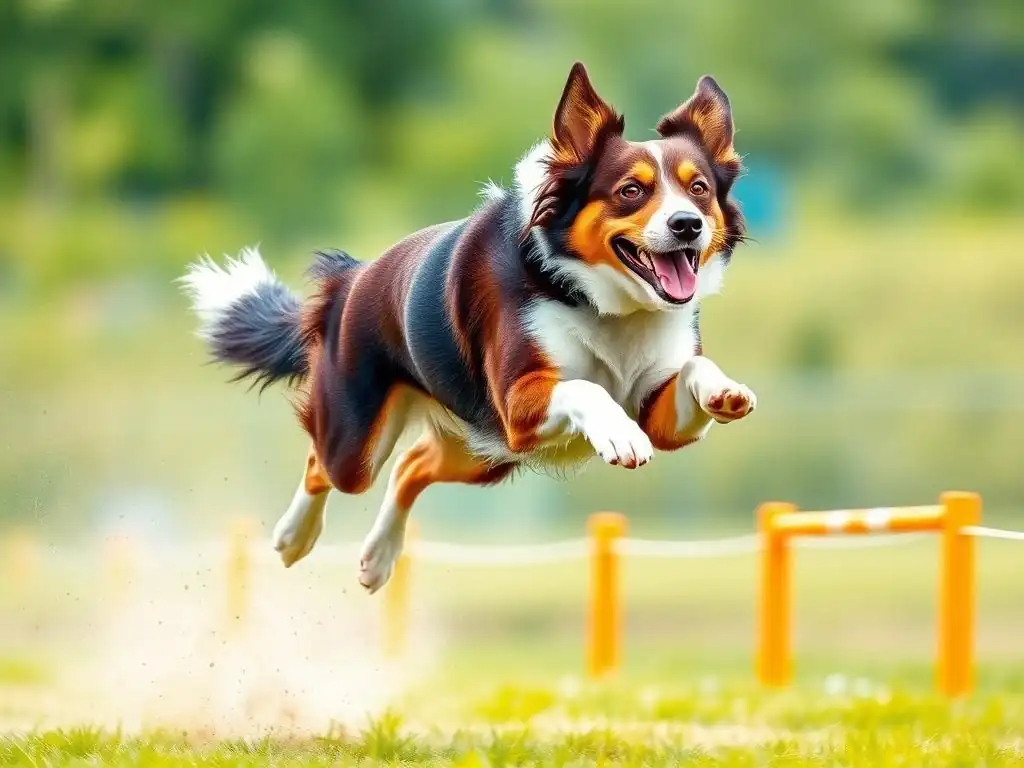
Flyball is a demanding sport, requiring both explosive speed and sustained endurance. A dog lacking stamina will quickly tire, impacting their performance and potentially leading to errors and frustration. Building your dog's stamina is crucial for success in competitive flyball. This involves a strategic approach combining focused training with careful consideration of their physical condition and nutritional needs. Ignoring this aspect can significantly hinder your dog's potential and increase the risk of injury. Remember, a tired dog is a less effective, and more injury-prone, dog.
Conditioning Exercises: Building Strength and Cardiovascular Fitness
Improving your dog's stamina requires a multi-faceted approach that goes beyond simply running the flyball course repeatedly. We need to build both cardiovascular fitness and muscular strength. Here's a sample conditioning program, remember to consult your veterinarian before starting any new exercise regimen:
- Low-Impact Cardio: Start with low-impact activities like swimming or walking on a leash. These help build cardiovascular endurance without putting excessive stress on joints. Aim for 20-30 minutes, 3-4 times a week, gradually increasing duration and intensity.
- Interval Training: Once your dog has a base level of fitness, incorporate interval training. This involves alternating periods of high-intensity exercise (like short bursts of running) with periods of rest or low-intensity activity. This mimics the demands of flyball and significantly improves both speed and endurance. A sample interval workout could be 30 seconds of sprinting followed by 60 seconds of walking, repeated 8-10 times.
- Strength Training: Incorporate exercises that build leg and core strength. This can include activities like hill work (gradually increasing incline), retrieving weighted toys (start with light weights and increase slowly), and even simple exercises like walking up and down stairs. Always prioritize proper form to avoid injury.
- Agility Drills (modified): While full-blown agility courses are taxing, modifying some agility drills to focus on specific muscle groups can be beneficial for strength training. For example, focusing on weave poles for leg strength, or incorporating jumps at a lower height to build explosive power.
Preventing Injuries: Proper Warm-up and Cool-down Routines
Injury prevention is paramount in any canine sport, and flyball is no exception. A proper warm-up and cool-down routine are essential for preparing your dog's muscles for activity and helping them recover afterward. Neglecting these crucial steps significantly increases the risk of muscle strains, sprains, and other injuries.
- Warm-up (10-15 minutes): Begin with a light jog or walk to increase blood flow. Follow this with gentle stretches, focusing on the legs and core. Simple stretches include gently extending your dog's legs, and rotating their hips and shoulders. Never force a stretch.
- Cool-down (10-15 minutes): After a training session or competition, allow your dog to walk slowly for several minutes. Then, repeat the gentle stretches from the warm-up. A light massage can also aid in muscle recovery. Providing plenty of fresh water is also crucial during and after exercise.
- Monitoring for signs of injury: Pay close attention to your dog's behavior. Limping, stiffness, reluctance to exercise, or changes in gait are all signs that warrant immediate attention. Consult your veterinarian immediately if you suspect an injury.
Nutrition for Flyball Dogs: Fueling Performance and Recovery
Your dog's diet plays a crucial role in their performance and recovery. Providing them with a balanced, high-quality diet that meets their energy demands is critical for maintaining peak condition and preventing injury. Remember, nutritional deficiencies can lead to fatigue, muscle weakness, and increased susceptibility to illness.
- High-Quality Protein: Protein is essential for muscle repair and growth. Choose a dog food with a high percentage of high-quality animal protein as the primary ingredient.
- Carbohydrates for Energy: Carbohydrates provide the energy your dog needs for intense activity. Opt for complex carbohydrates like brown rice or sweet potatoes over simple sugars.
- Healthy Fats: Healthy fats are important for joint health and overall well-being. Look for foods that include sources like fish oil or flaxseed oil.
- Hydration: Ensure your dog always has access to fresh, clean water, especially before, during, and after training sessions. Dehydration can significantly impair performance and increase the risk of heatstroke.
- Supplements (Consult your vet): In some cases, your veterinarian may recommend supplements such as glucosamine or chondroitin to support joint health, or additional electrolytes to prevent dehydration. Always consult your veterinarian before adding any supplements to your dog's diet. 🐶💪 A well-nourished dog is a happy and high-performing dog!
Advanced Flyball Training Equipment and Resources
This section delves into the essential equipment and resources needed to elevate your dog's flyball performance beyond the basics. Investing wisely in high-quality gear and seeking expert guidance are crucial for achieving advanced skills and maximizing your dog's potential in competitive flyball. Remember, even the smallest improvements in equipment can significantly impact your dog's speed, accuracy, and overall enjoyment of the sport.
Specialized Flyball Equipment: Investing in High-Quality Gear
The right equipment is paramount for success in advanced flyball training. Don't underestimate the impact of high-quality materials on your dog's performance and safety. Here's a breakdown of key elements:
- Flyball Boxes: Investing in durable, reliable flyball boxes is essential. Look for boxes with consistent spring mechanisms and sturdy construction to withstand repeated use and rigorous training sessions. Avoid cheap imitations; the consistent operation of the box is crucial for maintaining training momentum and preventing frustration. Consider the box's height adjustability for different sized dogs.
- Flyballs: The balls themselves should be appropriately sized for your dog's mouth and made of a durable material that won't easily tear or deflate. Consider the weight and bounce characteristics; a ball that's too light or too heavy can hinder your dog's performance. Different brands offer varying levels of durability and bounce, so research is key.
- Harnesses and Leads: Choose harnesses specifically designed for flyball. These harnesses should be lightweight, comfortable, and provide secure, yet flexible control without restricting your dog's movement. Avoid harnesses that might chafe or interfere with their natural running style. A lightweight lead is also important for maintaining control during training.
- Timing Devices: Accurate timing is crucial for tracking progress and identifying areas for improvement. Invest in a reliable timing device, whether it's a stopwatch or a dedicated flyball timing system, to accurately measure your dog's run times and overall team performance. This allows for precise analysis and targeted training adjustments.
Training Aids and Tools: Enhancing Efficiency and Effectiveness
Beyond the core equipment, several training aids can significantly enhance the efficiency and effectiveness of your advanced flyball drills. These tools can help refine specific skills, improve technique, and accelerate your dog's learning process.
- Target Sticks: Target sticks aid in teaching your dog precise turns and positioning, essential for navigating the flyball course efficiently. They help develop focus and accuracy, particularly useful for perfecting the crucial turn around the box.
- Clickers and High-Value Rewards: Positive reinforcement is critical. Using a clicker and rewarding your dog with high-value treats reinforces desired behaviors and accelerates learning. Pairing the clicker with the reward creates a clear association, making training more efficient and enjoyable for both you and your dog.
- Agility Equipment (Optional): Incorporating basic agility obstacles, like low jumps or weave poles, into your training regimen can improve your dog's overall coordination, agility, and body awareness, translating to improved performance in flyball. This cross-training approach can prevent injuries and enhance your dog's athletic capabilities.
- Video Recording Equipment: Recording training sessions allows for detailed analysis of your dog's performance. Identifying subtle flaws or inconsistencies in technique is easier with video review. This objective perspective allows for targeted adjustments to your training strategy.
Finding Experienced Flyball Coaches: Seeking Expert Guidance and Support
Seeking guidance from experienced flyball coaches is crucial, especially when tackling advanced drills. A skilled coach can provide personalized feedback, identify areas for improvement, and offer tailored strategies to address specific challenges.
- Look for Certified Instructors: Prioritize coaches with proven experience and certifications in canine sports. This ensures they possess the necessary knowledge and expertise to guide your dog's training effectively and safely.
- Observe Training Sessions: Before committing to a coach, observe their training methods firsthand. Assess their approach to positive reinforcement, their ability to communicate effectively with both dogs and owners, and the overall atmosphere of their training sessions.
- Consider Group or Private Lessons: Evaluate whether group or private lessons are more suitable for your dog's needs and your learning style. Group lessons offer a social aspect and the opportunity to learn from other handlers, while private lessons provide more individualized attention.
- Network with Other Flyball Enthusiasts: Connect with other flyball enthusiasts to gather recommendations and insights. The flyball community is often supportive and willing to share their experiences and advice on finding qualified coaches. This network can be invaluable for finding reputable and experienced professionals in your area.
Competitor Analysis and Strategic Planning for Flyball Success
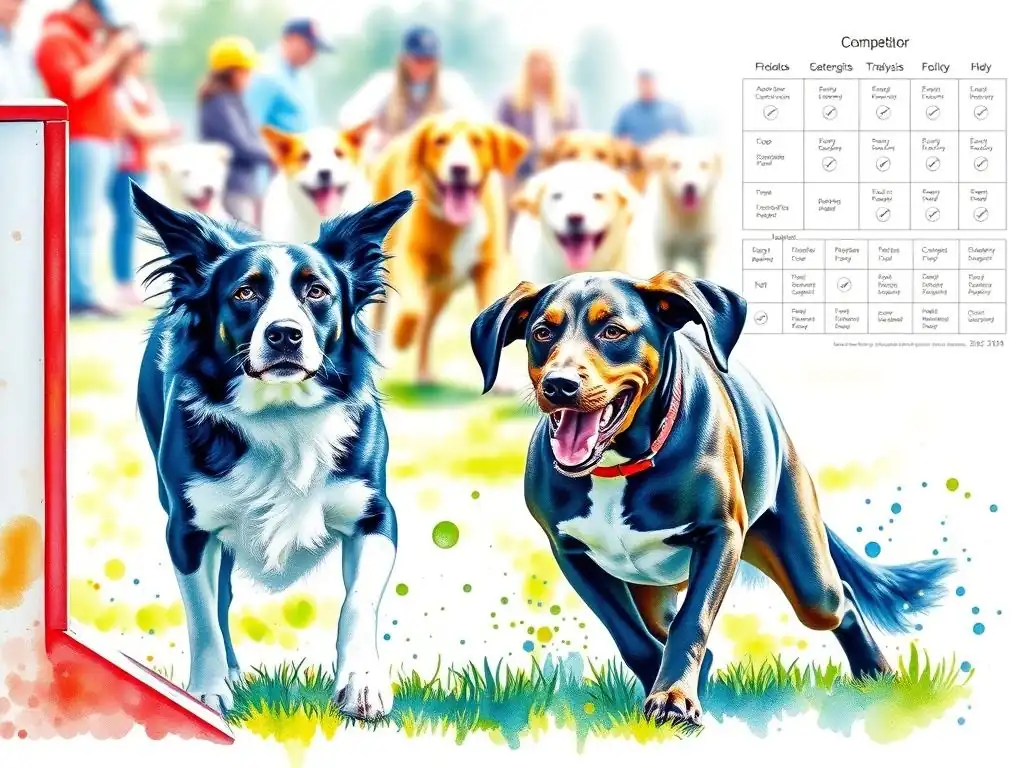
Effective flyball training requires more than just mastering the basics; it demands strategic planning and a keen understanding of the competitive landscape. To achieve top-tier performance, a comprehensive competitor analysis is crucial. This involves not only observing other teams but also meticulously analyzing their strengths and weaknesses. This section delves into the critical aspects of competitor analysis and outlines strategies for developing a winning game plan tailored to your dog's unique abilities. Understanding your competitors and your dog's capabilities is paramount to achieving success in advanced flyball competitions.
Analyzing Competitor Performance: Identifying Strengths and Weaknesses
Analyzing your competitors' performance involves more than just watching their runs. You need a systematic approach to identify areas where they excel and where they struggle. This information can be invaluable in shaping your own training strategy. For example, observe how different teams handle various aspects of the course:
- Box Starts: Are some teams exceptionally quick out of the box? Analyze their technique – do they use a specific cue? Is their dog exceptionally motivated at the start? Understanding this can help you refine your own box start training.
- Turns: Do certain teams navigate turns with exceptional speed and precision? Analyze their body language and the dog's positioning. Are they using specific training techniques to encourage tight turns?
- Retrieving the Ball: How efficiently do dogs retrieve the ball? Do they have a consistent and fast technique? Observe if any teams utilize specific training aids or techniques to improve retrieval speed and accuracy.
- Teamwork & Communication: Observe the communication between handler and dog. Effective communication is crucial. Is the team highly synchronized? Analyze their hand signals and verbal cues. A cohesive team works like a well-oiled machine.
| Team Name | Box Start Speed | Turn Efficiency | Retrieval Speed | Teamwork | Overall Strength | Weaknesses |
|---|---|---|---|---|---|---|
| "The Fast Paws" | Excellent | Good | Excellent | Good | Speed & Retrieval | Box start consistency |
| "Zoomers" | Good | Excellent | Good | Great | Turns & Teamwork | Retrieval consistency |
| "Tail Blazers" | Average | Average | Average | Average | Needs improvement across the board | Lack of speed and consistency |
By meticulously recording these observations and identifying patterns, you can pinpoint areas where your team can improve and potentially surpass your competitors. Remember, even the most successful teams have areas for improvement.
Developing a Winning Strategy: Customizing Training to Your Dog's Abilities
Developing a winning strategy involves understanding your own dog's strengths and weaknesses. Every dog is unique; a training plan that works wonders for one dog might be completely ineffective for another. Tailoring your training program to your dog's specific needs is crucial. Consider these factors:
- Breed and Size: Certain breeds are naturally predisposed to speed and agility, while others might excel in endurance. Adjust your training intensity and focus accordingly. A smaller dog might need more focus on agility drills, while a larger dog may need more endurance work.
- Temperament: Is your dog highly energetic and easily motivated? Or does it need a more patient and structured approach? Your training style should complement your dog's personality. A high-energy dog will benefit from more intense, shorter sessions, while a calmer dog may thrive with longer, gentler training.
- Physical Condition: Regular veterinary checkups are essential, but also monitor your dog's physical condition closely. Adjust training intensity based on their fitness level. Avoid overtraining, which can lead to injury and burnout. Focus on building strength and stamina gradually.
- Learning Style: Some dogs learn quickly through repetition, while others need a more varied approach. Experiment with different training methods to identify what works best for your dog. Positive reinforcement is key, using rewards and praise to motivate your canine athlete.
Remember, consistency is key. Regular, structured training sessions tailored to your dog's individual needs will yield the best results. This approach will not only improve your dog's performance but also strengthen the bond between you and your canine partner.
Preparing for Competition: Mental and Physical Readiness Techniques
Competition day requires meticulous preparation. This extends beyond physical fitness; mental preparedness is equally crucial. A dog's performance is heavily influenced by its mental state. Here's how to ensure both physical and mental readiness:
- Physical Conditioning: In the weeks leading up to a competition, focus on building stamina and speed. Include high-intensity interval training (HIIT) and longer distance runs to improve cardiovascular fitness. Ensure your dog is well-hydrated and properly nourished.
- Mental Preparation: Desensitization training is critical. Expose your dog to the sights and sounds of a flyball competition environment before the actual event. This helps reduce anxiety and improves focus. Practice handling your dog in a simulated competition setting to reduce stress and build confidence.
- Nutrition and Hydration: A balanced diet is essential for peak performance. Ensure your dog receives adequate nutrition and hydration in the days leading up to the competition. Avoid introducing new foods or supplements right before the event.
- Rest and Recovery: Adequate rest is crucial. Avoid overtraining in the days leading up to the competition. Ensure your dog gets enough sleep and downtime. Implement relaxation techniques such as massage to help reduce stress and tension.
By implementing a comprehensive preparation strategy that addresses both physical and mental aspects, you can significantly enhance your dog's performance and increase your chances of success in advanced flyball competitions. Remember, a well-prepared dog is a confident dog, and a confident dog is a winning dog!
Beyond Competition: Maintaining Your Dog's Flyball Passion and Engagement
Maintaining your dog's enthusiasm for flyball beyond the competitive arena is crucial for their long-term well-being and continued success. A dog that dreads training sessions won't perform well, regardless of their skill level. Advanced dog flyball training drills should always be approached with a focus on the dog's enjoyment and mental stimulation. Remember, flyball is a game, and it should be fun!
Keeping it Fun: Maintaining Motivation and Enthusiasm
The key to keeping your dog engaged in advanced flyball training drills lies in maintaining a positive and rewarding environment. Avoid overly repetitive drills, and incorporate plenty of variety to prevent boredom. Consider these strategies:
- Introduce new elements: Incorporate novel challenges, such as incorporating different obstacles or varying the sequence of the course. This keeps the training sessions unpredictable and exciting for your canine athlete.
- Reward generously: Don't just rely on the reward at the end of the run. Offer praise and high-value treats throughout the drill, rewarding effort and even small successes. Positive reinforcement is paramount in maintaining motivation.
- Vary training locations: Moving your training sessions to different environments can stimulate your dog's senses and prevent them from becoming desensitized to the usual routine. A change of scenery can revitalize their interest.
- Incorporate play: Remember that flyball is a game. Include plenty of free play and fun activities within your training sessions. This helps to prevent burnout and reinforces the positive association with the sport.
- Individualized training: Recognize that each dog learns at a different pace and has individual preferences. Tailor your advanced dog flyball training drills to your dog's specific needs and strengths, focusing on building confidence and avoiding frustration.
Preventing Burnout: Balancing Training Intensity and Rest
Overtraining is a significant risk for dogs participating in demanding activities like flyball. Burnout manifests in various ways, including decreased enthusiasm, reluctance to train, and even physical injuries. A well-structured training plan that incorporates rest and recovery is essential for preventing burnout and maximizing your dog's performance.
- Listen to your dog: Pay close attention to your dog's body language. Signs of fatigue or stress, such as yawning, panting excessively, or showing signs of apprehension, indicate a need for a break.
- Schedule rest days: Incorporate regular rest days into your weekly training schedule. This allows your dog's body and mind to recover, preventing injuries and maintaining enthusiasm.
- Vary training intensity: Avoid consistently high-intensity training sessions. Alternate between high-energy drills and more relaxed, low-intensity activities.
- Monitor physical condition: Consult with your veterinarian to ensure your dog is physically fit for flyball and to address any concerns about potential injuries. Regular check-ups are crucial, especially for dogs engaged in intense activity.
- Prioritize mental well-being: Mental stimulation is just as important as physical training. Incorporate puzzle toys and other mentally engaging activities into your dog's routine to prevent boredom and maintain cognitive sharpness.
Long-Term Flyball Training: A Lifelong Journey of Skill Development
Flyball is not just a competitive sport; it's a journey of shared experiences and skill development for both you and your dog. Maintaining your dog's engagement and enthusiasm requires a long-term perspective. Think of it as a lifelong partnership based on mutual respect and enjoyment.
- Set realistic goals: Avoid pushing your dog too hard, too fast. Set achievable goals that are progressively challenging, allowing your dog to build confidence and skills gradually.
- Continuous learning: Stay updated on the latest training techniques and best practices. Attend workshops, seminars, and clinics to enhance your skills and knowledge.
- Adapt to your dog's aging: As your dog ages, their physical capabilities may change. Adapt your advanced dog flyball training drills to accommodate these changes, ensuring their safety and well-being.
- Celebrate successes: Acknowledge and celebrate your dog's achievements, both big and small. Positive reinforcement is vital in maintaining their motivation and building a strong bond.
- Prioritize enjoyment: Remember that flyball is a game, and it should be fun for both you and your dog. Prioritize enjoyment over competition, and your dog will likely continue to thrive in this engaging activity for many years to come. Enjoy the journey! 🐶🏆
Frequently Asked Questions
What are some advanced flyball drills beyond the basics?
Advanced drills focus on increasing speed and accuracy. This includes sequence drills, practicing individual obstacles, and incorporating distractions to prepare your dog for competition. Consider blind retrieves and variations in box height.
How can I improve my dog's focus during advanced flyball training?
Maintaining consistent positive reinforcement is crucial. Use high-value rewards and break down complex drills into smaller, manageable steps. Gradually introduce distractions to build focus in challenging environments.
What is the importance of proper conditioning in advanced flyball training?
Preventing injuries is paramount. Advanced training requires increased physical exertion. Incorporate regular cross-training, strength building, and rest days into your dog's routine to avoid overexertion.
How do I know when my dog is ready to move onto advanced flyball drills?
Your dog should demonstrate consistent proficiency in basic skills. This includes reliable retrieves, accurate jumps, and a solid understanding of the sequence. They should also display enthusiasm and focus during training sessions.
What are some common mistakes to avoid during advanced flyball training?
Avoid pushing your dog too hard too quickly. Focus on perfecting technique rather than speed initially. Inconsistency in training can lead to confusion. Always prioritize your dog's physical and mental well-being.
Final Reflection: Elevating Canine Athleticism Through Advanced Flyball Drills
The pursuit of excellence in canine sports isn't just about speed and reflexes; it's about fostering a deep bond between handler and dog, built on trust, precision, and unwavering dedication. The advanced flyball drills explored in this article offer a pathway to unlock your dog's full potential, transforming them from competent competitors into truly exceptional athletes. This isn't merely about winning ribbons; it's about nurturing a partnership forged in shared effort and mutual achievement.
The journey of mastering these advanced drills is a testament to the power of consistent training and the incredible capacity for learning that resides within our canine companions. The rewards extend far beyond the flyball field; the skills honed—focus, responsiveness, and teamwork—translate into a richer, more fulfilling relationship with your dog in all aspects of life. The best moments in life are not things, but people, and the best things in life are not things, but people.
This quote, while not directly about flyball, perfectly encapsulates the profound connection built through dedicated training.
Now, consider the impact of these drills on your own training regimen. Are you ready to push beyond the familiar, to challenge both yourself and your canine partner? Embrace the opportunity to refine your techniques, to deepen your understanding of your dog's capabilities, and to experience the unparalleled joy of witnessing their growth and success. The path to advanced flyball mastery is a journey of continuous learning and unwavering commitment—a journey that will undoubtedly strengthen your bond and elevate your team to new heights.
Unleash Your Dog's Flyball Potential!
Thanks for exploring advanced flyball drills! We hope you've gained valuable insights to improve your dog's performance. Now let's put that knowledge into action.
Ready to see those speeds and scores improve? Here's how:
- Implement a new drill this week. Focus on one drill that targets your dog's current weaknesses; master it before moving on. This focused approach will yield the best results.
- Share your progress (and any funny moments!) in the comments below. Let's build a supportive community of flyball enthusiasts! Other PetCareWorld readers can learn from your experiences.
- Film your dog's practice session. Reviewing the footage is invaluable, and it's surprisingly fun to see your progress over time.
What small change to your training routine will make the biggest difference for your dog this week?