
Canine Influenza: Understanding the Dog Flu

Welcome to PetCareWorld, your ultimate guide to a happier, healthier life for your beloved companion! Are you concerned about protecting your furry friend from the ever-present threat of illness? Then you've come to the right place. Discover essential Dog flu prevention tips and learn how to safeguard your canine companion from Canine Influenza in our comprehensive guide, "Canine Influenza: Understanding the Dog Flu." Dive in and equip yourself with the knowledge to keep your dog thriving.
- What is Canine Influenza (Dog Flu)?
- Dog Flu Prevention Tips: Protecting Your Canine Companion
- Treatment Options for Canine Influenza
- Canine Influenza: Frequently Asked Questions (FAQs)
- Living with a Dog with Canine Influenza: Managing the Illness
- Preventing Future Outbreaks: Long-Term Strategies for Dog Flu Prevention
- Frequently Asked Questions
- Final Reflection: A Pawsitive Outlook on Canine Influenza Prevention
- Unleash Your Knowledge: Protecting Your Pup from the Flu
What is Canine Influenza (Dog Flu)?
Canine influenza, commonly known as dog flu, is a highly contagious respiratory disease affecting dogs. This comprehensive guide will delve into the various aspects of canine influenza, from understanding its different strains and recognizing its symptoms to exploring effective diagnostic methods and, crucially, preventative measures. Preventing dog flu is paramount to ensuring the health and well-being of your canine companion. We'll explore practical and effective dog flu prevention tips to help you safeguard your furry friend from this potentially serious illness.
This article aims to equip pet owners with the knowledge necessary to protect their dogs from this prevalent disease, offering a detailed understanding of dog flu and empowering responsible pet ownership. Understanding the nuances of canine influenza is key to proactively managing your dog's health and preventing costly and stressful health issues down the line. 🐶
Understanding the Different Strains of Canine Influenza Virus
Canine influenza viruses are categorized into two main types: H3N8 and H3N2. These strains, while both causing respiratory illness, present with slightly different characteristics and levels of severity. [Specific data on prevalence of each strain pending]. Furthermore, within each type, there are various subtypes and mutations, making the virus constantly evolving.
This constant evolution underscores the importance of staying informed about the latest research and vaccination recommendations for your dog. Understanding the specific strain affecting your region is essential for appropriate preventative measures. The rapid spread of these viruses highlights the need for vigilant monitoring and proactive health management strategies. For example, H3N8 was initially identified in [Year] and has since spread globally, demonstrating the virus's contagious nature and potential impact.
Symptoms of Dog Flu: Recognizing the Signs
Recognizing the symptoms of dog flu is crucial for early intervention. Early diagnosis and treatment can significantly improve the outcome for your dog. Common symptoms include:
- Coughing: A persistent, often harsh, dry cough is a hallmark sign. This cough can range from mild to severe and may be accompanied by other symptoms.
- Sneezing: Frequent sneezing is another common symptom, indicating the virus's impact on the upper respiratory system.
- Runny nose: A clear or slightly colored nasal discharge is often observed.
- Lethargy: A significant decrease in energy levels and a noticeable lack of interest in usual activities.
- Fever: While not always present, a fever can accompany other symptoms. [Average temperature range for dogs with flu pending].
- Loss of appetite: Reduced food intake is a common indicator of illness in dogs.
- Muscle aches: Dogs may show signs of discomfort or reluctance to move.
It's important to note that these symptoms can also be indicative of other respiratory illnesses, highlighting the importance of a veterinary examination for accurate diagnosis. The severity of symptoms can vary greatly depending on the individual dog's health, age, and immune system strength.
Diagnosing Canine Influenza: Vet Visit & Testing
If you suspect your dog has contracted canine influenza, a prompt visit to your veterinarian is essential. Your vet will perform a thorough physical examination, assessing your dog's overall health and looking for specific signs of respiratory distress. Diagnostic tests, such as nasal swabs, can be used to confirm the presence of the canine influenza virus and identify the specific strain. Early and accurate diagnosis is crucial for effective treatment and to prevent the spread of the virus to other dogs.
The testing process typically involves a relatively quick and painless procedure, allowing for swift diagnosis and appropriate management of the condition. Remember, prompt veterinary care is vital for the best possible outcome for your dog. Delaying treatment can lead to complications and prolong the recovery period.
Dog Flu Prevention Tips: Protecting Your Canine Companion

Protecting your canine companion from canine influenza, or "dog flu," is crucial for their health and well-being. While there's no foolproof method to guarantee complete prevention, implementing a robust preventative strategy significantly reduces the risk of infection. This section details effective strategies to minimize your dog's exposure to this contagious respiratory illness. Understanding and implementing these dog flu prevention tips is a key step in responsible pet ownership.
Vaccination for Canine Influenza: Types & Effectiveness
Vaccination remains the cornerstone of canine influenza prevention. Two main types of canine influenza viruses exist: H3N8 and H3N2. Vaccines are available to protect against both strains, often as a combined bivalent vaccine. The effectiveness of these vaccines varies depending on several factors, including the specific strain circulating in your area, the individual dog's immune response, and the vaccine's quality.
While not 100% effective in preventing infection, vaccination significantly reduces the severity of symptoms should your dog contract the virus. A vaccinated dog might experience milder symptoms, a shorter illness duration, and a lower risk of developing serious complications like pneumonia. This is why vaccination is considered a vital component of a comprehensive dog flu prevention plan. It's essential to discuss vaccination schedules and appropriate vaccine choices with your veterinarian, considering your dog's age, health status, and lifestyle.
They can also advise on booster shots to maintain ongoing protection. Remember, regular veterinary checkups are crucial for monitoring your dog's overall health and ensuring optimal vaccine effectiveness. 🐶
Hygiene Practices to Prevent Dog Flu Transmission
Maintaining good hygiene practices is vital in preventing the spread of canine influenza. The virus is primarily transmitted through direct contact with infected dogs (saliva, nasal discharge) or indirect contact via contaminated surfaces. Therefore, meticulous hygiene is a crucial part of your dog flu prevention strategy.
- Handwashing: Thorough handwashing with soap and water after handling your dog, especially if you've interacted with other dogs, is paramount. This simple act significantly reduces the risk of transmitting the virus to other pets or yourself.
- Cleaning and Disinfection: Regularly disinfect frequently touched surfaces in your home, such as food and water bowls, toys, bedding, and leashes. Use appropriate disinfectants effective against viruses. [Specific disinfectant recommendations pending].
- Avoiding Shared Resources: Avoid sharing food, water bowls, toys, and other items with other dogs, especially in public areas like dog parks. This minimizes cross-contamination and reduces transmission risks.
- Respiratory Etiquette: If your dog is exhibiting any respiratory symptoms, such as coughing or sneezing, keep them isolated from other dogs to prevent the spread of infection. Consult your veterinarian immediately for diagnosis and treatment.
Limiting Contact with Potentially Infected Dogs
Minimizing exposure to potentially infected dogs is a key aspect of dog flu prevention. While you can't completely eliminate all contact, taking proactive steps can significantly reduce the risk.
- Avoid Crowded Areas: Dog parks, grooming salons, and other areas where multiple dogs congregate can increase the risk of exposure. While socialization is important, consider limiting your dog's exposure during peak flu seasons or if there's a known outbreak in your area.
- Careful Observation: Be vigilant when your dog interacts with other dogs. Watch for signs of illness, such as coughing, sneezing, or lethargy, in other canines. If you observe any such symptoms, avoid close contact and keep your dog away.
- Responsible Dog Ownership: If your dog exhibits symptoms consistent with canine influenza, keep them isolated and consult your veterinarian promptly. This responsible approach helps prevent the virus from spreading to other dogs. Early diagnosis and treatment are crucial for both your dog's health and the health of the canine community.
By combining vaccination with diligent hygiene practices and mindful social interaction, you can significantly reduce your dog's risk of contracting canine influenza. Remember, proactive prevention is the best defense against this contagious disease.
Maintaining a Healthy Immune System in Dogs
A strong immune system is your dog's best defense against canine influenza and other illnesses. Just like humans, dogs need proper nutrition, regular exercise, and minimal stress to thrive. A diet rich in high-quality protein, essential fats, and antioxidants is crucial. Avoid feeding your dog table scraps or low-quality commercial dog food, as these can lack the necessary nutrients for optimal immune function.
Look for dog foods that specifically list immune-supporting ingredients like Vitamin E, Vitamin C, and beta-carotene. Remember to consult with your veterinarian to determine the best diet for your dog's age, breed, and activity level. They can help you choose a food that meets your dog's specific nutritional needs and contributes to a robust immune system.
Beyond diet, regular exercise plays a vital role in boosting your dog's immunity. Daily walks, playtime in a safe environment, and engaging activities help keep your dog physically and mentally healthy. A tired dog is a happy dog, and a happy dog is typically a healthier dog with a better immune response. However, avoid overexertion, especially in extreme weather conditions. Remember to always provide access to fresh water, especially after physical activity.
Stress can significantly weaken a dog's immune system. Creating a calm and predictable environment for your dog is essential for their well-being. This might involve establishing a consistent daily routine, providing ample opportunities for rest and relaxation, and minimizing exposure to loud noises or stressful situations. If your dog exhibits signs of anxiety or stress, consult your veterinarian to explore options like behavioral modification or medication.
A relaxed and comfortable dog is better equipped to fight off infections. Early intervention for stress-related issues can greatly contribute to your dog's overall health and resilience against illnesses like canine influenza. Remember, a proactive approach to stress management is a key component of dog flu prevention.
Treatment Options for Canine Influenza
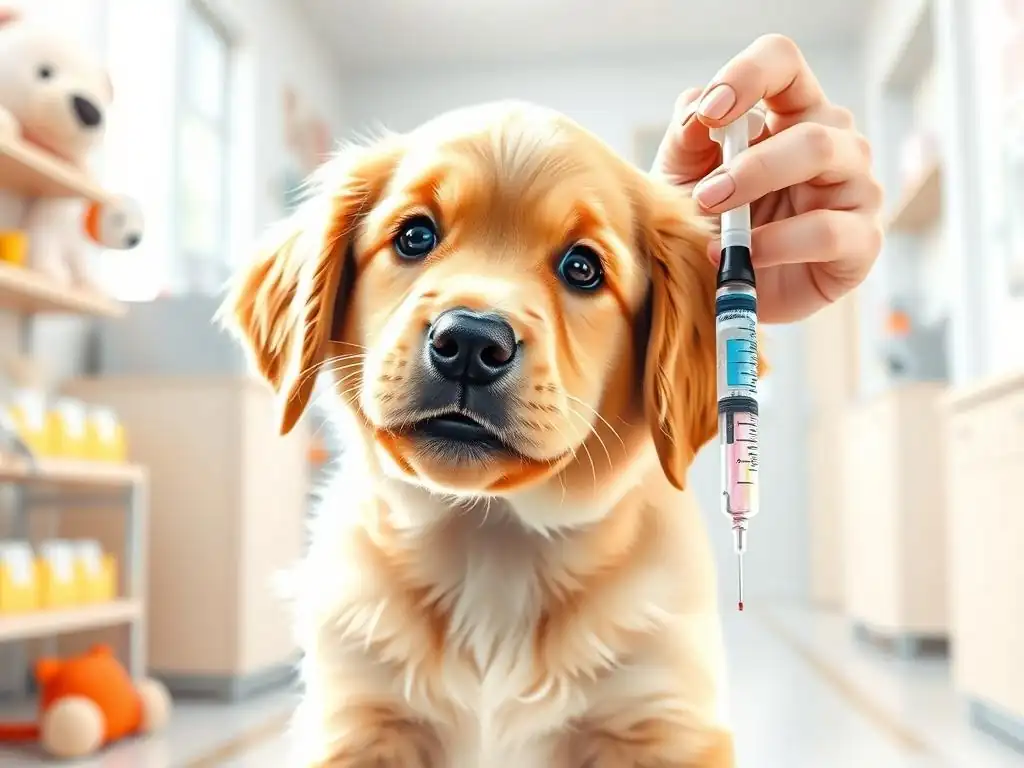
Canine influenza, or dog flu, is a highly contagious respiratory illness affecting dogs. While most dogs recover with supportive care, understanding treatment options is crucial for responsible pet ownership. This section focuses on the various avenues available to help your canine companion fight off this virus. Effective dog flu prevention tips, including vaccination, are equally vital in mitigating the risk.
Medication for Dog Flu Symptoms
Unfortunately, there's no specific antiviral medication that directly targets the canine influenza virus. Treatment primarily focuses on managing the symptoms and supporting the dog's immune system to fight off the infection. Your veterinarian might prescribe medications to alleviate specific symptoms, such as:
- Cough suppressants: These can help reduce the severity and frequency of coughing, allowing your dog to rest and recover more effectively. The choice of medication will depend on the severity of the cough and your dog's overall health.
- Antibiotics: Antibiotics are not effective against viruses, including the canine influenza virus. However, they may be prescribed if a secondary bacterial infection develops, which is a common complication of dog flu. This secondary infection often manifests as pneumonia. Careful monitoring is crucial to detect this early.
- Anti-inflammatory drugs: These can help reduce inflammation in the respiratory tract, easing breathing difficulties and discomfort. Non-steroidal anti-inflammatory drugs (NSAIDs) are commonly used, but their use should always be under veterinary guidance due to potential side effects. The dosage and duration of treatment must be carefully determined based on your dog's weight, age, and health status.
Remember, self-medicating your dog can be dangerous. Always consult your veterinarian before administering any medication, even over-the-counter remedies. They can accurately diagnose your dog's condition and prescribe the appropriate treatment plan, tailoring it to your dog's specific needs. This ensures the best possible outcome and minimizes potential risks.
Supportive Care at Home: Comfort and Recovery
Along with any prescribed medications, supportive care at home plays a vital role in your dog's recovery from canine influenza. This holistic approach focuses on providing a comfortable and healing environment. Here are some key aspects of effective home care:
- Rest: Ensure your dog gets plenty of rest in a quiet and comfortable space. Limit physical activity to minimize strain on their respiratory system. A warm, cozy bed is essential.
- Hydration: Dehydration is a significant concern during illness. Encourage your dog to drink plenty of water. If your dog is reluctant to drink, you may need to offer water more frequently in smaller amounts or try adding a little low-sodium broth to entice them.
- Nutrition: Offer easily digestible, bland food in small, frequent meals. Avoid rich or fatty foods that can upset their stomach. If your dog has a decreased appetite, you might need to consult your vet about appetite stimulants.
- Monitoring: Closely monitor your dog's condition for any worsening symptoms, such as increased respiratory distress, lethargy, or loss of appetite. Note any changes in their breathing, coughing, or overall demeanor. This meticulous observation is crucial for early detection of complications.
- Isolation: To prevent the spread of the virus, keep your dog isolated from other dogs as much as possible during their illness and for a few days after symptoms subside. This is a critical dog flu prevention tip for protecting other animals.
When to Seek Emergency Veterinary Care
While most dogs recover from canine influenza with supportive care, some cases require immediate veterinary attention. Seek emergency veterinary care if you observe any of the following:
- Difficulty breathing: Labored breathing, rapid breathing, or bluish discoloration of the gums are serious signs requiring immediate veterinary intervention.
- Severe lethargy: If your dog is unresponsive or extremely lethargic, it's crucial to seek emergency veterinary assistance.
- High fever: A persistently high fever can indicate a severe infection and necessitates immediate veterinary care.
- Persistent vomiting or diarrhea: These symptoms can lead to dehydration and require prompt veterinary attention.
- Sudden worsening of symptoms: Any sudden deterioration in your dog's condition, even if it seems minor, should prompt an immediate visit to the veterinarian.
Prompt veterinary intervention can significantly improve the chances of a positive outcome and prevent potentially life-threatening complications. Early detection and prompt treatment are key factors in ensuring your dog’s well-being. Remember, prevention is always better than cure – regular veterinary check-ups and vaccinations are crucial aspects of proactive dog flu prevention.
Canine Influenza: Frequently Asked Questions (FAQs)
This section addresses common queries regarding canine influenza, offering clarity and practical information for pet owners concerned about this viral infection. Understanding the specifics of dog flu transmission and its impact is crucial for effective prevention and management. We'll explore the contagious period, the risk of human transmission, and the overall outlook for affected dogs.
How long is a dog contagious with the flu?
The contagious period for canine influenza varies depending on several factors, including the specific strain of the virus and the individual dog's immune response. Generally, a dog infected with canine influenza is considered contagious for approximately one to three weeks, starting from the onset of symptoms. This means that even after clinical signs subside, the dog may still shed the virus and pose a risk to other dogs for a short period.
It's crucial to note that this is an average timeframe. Some dogs may remain contagious for a slightly longer period, while others may shed the virus for a shorter duration. Several studies have shown a wide range, with some shedding detectable for up to four weeks post-infection.
Early detection through veterinary examination and prompt isolation are key to minimizing the spread of the virus within a canine population. This underlines the importance of vigilant observation and prompt veterinary consultation if you suspect your dog has contracted canine influenza. Early diagnosis and intervention can significantly impact the duration of the contagious period and overall recovery time.
Can humans get dog flu?
No, humans cannot contract canine influenza. Canine influenza viruses are species-specific, meaning they primarily infect dogs and cannot cross over to infect humans. While there's always a level of scientific uncertainty, extensive research consistently demonstrates that the viruses causing canine influenza are not pathogenic to humans. Therefore, there's no need for concern about human-to-dog or dog-to-human transmission of this particular illness. This distinction is important to alleviate anxieties pet owners may have about contracting the illness from their infected dogs. Focus should remain on managing the infection in the canine patient and preventing further spread among other dogs.
What is the prognosis for dogs with canine influenza?
The prognosis for dogs with canine influenza is generally good, particularly with prompt veterinary care. Most dogs recover fully within 2-3 weeks with supportive care, which may include rest, fluids, and symptom management. However, the severity of the illness and the recovery time can vary depending on factors like the dog's overall health, age, and the specific strain of the virus.
Some dogs, especially those with underlying health conditions or weakened immune systems, may experience more severe symptoms and require more intensive medical intervention. In rare cases, complications such as pneumonia can occur, necessitating more extensive treatment. Early diagnosis and appropriate veterinary care are essential for minimizing the risk of complications and ensuring a favorable outcome. Regular veterinary checkups and vaccination are crucial preventative measures to improve the prognosis and reduce the severity of the infection should your dog become infected. Remember, proactive pet care is key to ensuring your dog's well-being.
Living with a Dog with Canine Influenza: Managing the Illness


This section focuses on practical steps to manage canine influenza (dog flu) once your dog has been diagnosed. Effective management not only improves your dog's chances of recovery but also minimizes the risk of spreading the virus to other canine companions. Remember, prompt veterinary care is crucial in managing dog flu effectively. These tips are supplementary to, and not a replacement for, professional veterinary advice.
Isolate Your Dog to Prevent Spread
Containing the spread of canine influenza is paramount. Once your dog shows symptoms, immediate isolation is necessary. This means keeping your dog separate from other dogs, both within your home and outside. This prevents the virus from infecting other susceptible animals. The virus is highly contagious and spreads easily through direct contact (sneezing, coughing), indirect contact (shared bowls, toys), and even airborne droplets.
Consider designating a separate room or area for your infected dog, complete with its own food and water bowls, bedding, and toys. Thorough handwashing is essential after interacting with your sick dog. Avoid sharing personal items like towels or clothing. The duration of isolation should be guided by your veterinarian, but generally continues until your dog is symptom-free for at least 24-48 hours. The risk of transmission significantly decreases after this period. Remember, even seemingly healthy dogs can be carriers and spread the virus. Preventing transmission is a key aspect of dog flu prevention tips.
Provide Rest and Comfort
During the acute phase of canine influenza, your dog will need plenty of rest. A quiet, comfortable space is essential for recovery. Stress can worsen symptoms, so minimize any disturbances. Provide soft bedding and ensure a comfortable temperature. This is crucial for supporting your dog's immune system which is working hard to fight off the infection.
Supportive care plays a vital role in managing the illness. This may include offering small, frequent meals of easily digestible food. Dehydration is a common concern with dog flu, so ensure your dog has access to fresh, clean water at all times. If your dog seems reluctant to drink, you may need to encourage hydration through other means, as advised by your veterinarian. Observe your dog's appetite closely; any significant changes should be reported to your veterinarian immediately. Monitoring your dog’s water intake is another key aspect of dog flu prevention tips, particularly during recovery.
Monitor Your Dog's Condition Closely
Close monitoring of your dog's condition is crucial throughout the illness. Observe for any changes in symptoms, such as worsening cough, increased lethargy, difficulty breathing, loss of appetite, or vomiting. These could indicate a more serious complication, requiring immediate veterinary attention.
Keep a detailed record of your dog's symptoms, including the severity and frequency of coughing, temperature fluctuations (if you have a thermometer), appetite changes, and any other observable changes in behavior or physical condition. This detailed record will be invaluable to your veterinarian, allowing for timely adjustments to the treatment plan. Regularly check your dog's temperature, as fever is a common symptom of canine influenza.
Note the time and date of each observation for accurate tracking. Proactive monitoring forms a major part of effective dog flu prevention tips, not just during the illness but also in recognizing early warning signs. Early detection and intervention can significantly improve the outcome.
Nutrition and Hydration for Recovery
Proper nutrition and hydration are crucial for a dog recovering from canine influenza. During the acute phase of the illness, your dog may have a decreased appetite. This is completely normal, as their body is fighting the infection. However, it's vital to encourage them to eat and drink as much as possible.
A bland diet can be beneficial. Think easily digestible foods like boiled chicken and rice, or commercially available bland diets formulated for sensitive stomachs. Avoid rich or fatty foods, as these can upset their already compromised digestive system. Small, frequent meals throughout the day are often better tolerated than large meals.
Monitoring your dog's water intake is equally important. Dehydration can exacerbate the effects of the illness, so ensure fresh, clean water is always available. If your dog seems reluctant to drink, you might try adding a little low-sodium chicken broth to their water to entice them. In severe cases, your veterinarian may recommend subcutaneous fluid therapy to address dehydration directly. This involves administering fluids under the skin, a procedure often performed at the veterinary clinic.
Always consult your vet before making significant changes to your dog's diet or adding supplements, especially during illness. They can advise on the best course of action based on your dog's specific needs and the severity of their infection. Remember, even seemingly minor dietary changes can impact a dog's recovery from canine influenza, so close monitoring is essential. Observe your dog's bowel movements and appetite closely, reporting any changes to your veterinarian.
A slow and steady return to their normal diet, under veterinary guidance, is the safest approach. This careful management ensures your dog receives the optimal nutritional support for a complete recovery. The right food can make a significant difference in their recovery time and overall well-being. 🐶
Preventing Future Outbreaks: Long-Term Strategies for Dog Flu Prevention
Preventing canine influenza, or "dog flu," requires a multi-faceted approach extending beyond immediate illness management. Proactive strategies are crucial in minimizing the risk of future outbreaks, both for individual dogs and within the broader canine community. This section details long-term preventative measures that pet owners can implement to safeguard their furry companions. Effective dog flu prevention tips are essential for responsible pet ownership.
Annual Vaccination Schedules
Annual vaccination against canine influenza is a cornerstone of preventative care. While the specific strains of influenza virus circulate can change, annual vaccinations provide the best protection against prevalent strains. These vaccines are typically administered by a veterinarian and are generally safe and well-tolerated. However, it’s crucial to discuss vaccination schedules with your vet, considering your dog's age, overall health, and any pre-existing conditions. Some dogs may have contraindications to certain vaccines, so individual assessment is paramount.
The effectiveness of the vaccine can vary depending on several factors, including the specific strain of the virus circulating in your area, the dog's immune system, and the time elapsed since the last vaccination. While the vaccine doesn't guarantee complete protection, it significantly reduces the severity of illness should your dog contract the virus. Think of it as a safety net – minimizing the risk of severe complications and potential fatalities. Regular vaccination is a key element in responsible dog flu prevention.
Maintaining a Clean Environment
Maintaining a hygienic environment plays a significant role in dog flu prevention. Influenza viruses can survive on surfaces for varying periods, making environmental hygiene crucial to minimizing transmission. Regularly disinfecting frequently touched surfaces, such as food and water bowls, toys, bedding, and leashes, with appropriate disinfectants is vital. Always check the product label to ensure it's suitable for use around pets. Using diluted bleach solutions (following manufacturer instructions carefully) can be effective.
Furthermore, managing dog waste promptly is important. Dog feces can harbor various pathogens, and efficient waste disposal contributes to overall environmental cleanliness and reduces the potential for disease transmission. Regular cleaning and disinfection of your dog's living spaces, both indoors and outdoors, are essential preventative measures. A clean and hygienic environment contributes significantly to reducing the risk of dog flu infection and other infectious diseases. This simple yet effective strategy is a vital component of comprehensive dog flu prevention tips.
Recognizing and Addressing Underlying Health Issues
Underlying health conditions can weaken a dog's immune system, making them more susceptible to infectious diseases like canine influenza. Regular veterinary checkups are therefore crucial for early detection and management of these conditions. Conditions such as chronic respiratory illnesses, immune deficiencies, and other health problems can compromise a dog's ability to fight off infections.
Early identification and management of these underlying health problems are crucial. A proactive approach, including regular blood tests, physical examinations, and prompt treatment of any health concerns, strengthens your dog's immune response and minimizes their vulnerability to dog flu. By maintaining your dog's overall health, you significantly enhance their resilience against infectious diseases. This proactive healthcare approach is a key element in long-term dog flu prevention strategies, reducing the likelihood of infection and minimizing its severity should your dog be exposed. A healthy dog is a more resilient dog – a fundamental aspect of effective dog flu prevention.
Frequently Asked Questions
What is canine influenza (dog flu)?
Canine influenza is a highly contagious respiratory disease in dogs, caused by influenza viruses. Symptoms include coughing, sneezing, and lethargy. Early detection and treatment are crucial.
How is dog flu spread?
Dog flu spreads through direct contact with infected dogs or indirect contact with contaminated surfaces. It can also spread through airborne droplets. Good hygiene is essential for prevention.
What are the preventative measures for dog flu?
Vaccination is the most effective preventative measure. Maintaining good hygiene practices, such as handwashing and disinfecting surfaces, is also important. Avoiding contact with sick dogs is crucial.
What are the symptoms of dog flu in dogs?
Common symptoms include a persistent cough, sneezing, nasal discharge, lethargy, and loss of appetite. If you notice these symptoms, contact your veterinarian immediately.
My dog has been exposed to a dog with the flu, what should I do?
Monitor your dog closely for symptoms. Isolate your dog from other animals. Contact your veterinarian for advice on preventative measures or potential treatment.
Final Reflection: A Pawsitive Outlook on Canine Influenza Prevention
Canine influenza remains a significant threat to canine health worldwide, demanding our continued vigilance and proactive approach to prevention. The devastating impact of this highly contagious virus underscores the critical need for responsible pet ownership and community-wide awareness. Ignoring the threat only allows it to spread further, impacting more dogs and placing a greater burden on veterinary resources.
The evolving nature of canine influenza, with new strains emerging and adapting, highlights the ongoing importance of vaccination and preventative measures. The fight against this disease is a continuous one, requiring both individual responsibility and collective action. The best cure is prevention,
a simple yet profound truth that resonates deeply when considering the potential suffering caused by canine influenza. This isn't just about protecting our own beloved pets; it's about safeguarding the health of the entire canine community.
Now, consider your own dog. Are their vaccinations up-to-date? Do you practice responsible hygiene when interacting with other dogs? Take the time to review the preventative measures discussed in this article and implement them into your daily routine. By actively participating in the prevention of canine influenza, you are not only protecting your furry friend but also contributing to a healthier and safer environment for all dogs. Let's work together to ensure a future where canine influenza is a manageable threat, rather than a widespread epidemic.
Unleash Your Knowledge: Protecting Your Pup from the Flu
Thank you for learning about canine influenza! We hope you feel empowered to protect your furry friend. Ready to put your knowledge into action?
- Prioritize your dog's flu vaccination: Schedule a veterinary appointment to discuss the best vaccination plan for your dog. This is the most proactive step you can take.
- Practice preventative hygiene: Maintain good hygiene when handling your dog, especially after contact with other animals. Consider limiting your dog's exposure to other dogs during flu season.
- Share this information: Help protect other dogs by sharing this article with fellow pet owners.
What steps will you take today to protect your dog from canine influenza?