
Traveling with a Senior Dog: Special Considerations and Care

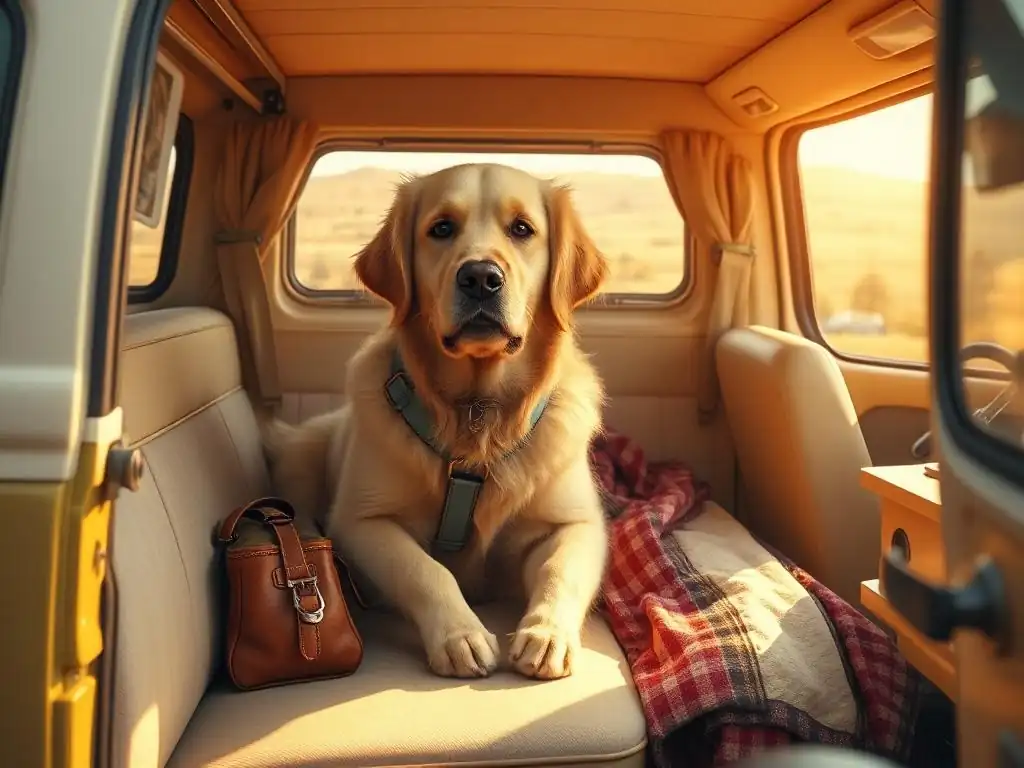
Welcome to PetCareWorld, your ultimate guide to happy and healthy pets! Are you planning a trip with your beloved senior canine companion? Our comprehensive guide on Senior Dog Travel Tips offers invaluable advice and practical solutions to ensure a safe and enjoyable journey for both you and your furry friend. Discover essential tips to make travel less stressful and more rewarding for your aging dog – read on to learn more!
- Preparing for Your Trip with Your Senior Dog
- Senior Dog Travel Checklist: Packing Essentials
- Maintaining Senior Dog's Comfort and Well-being During Travel
- Addressing Potential Health Concerns During Senior Dog Travel
- Choosing Senior-Friendly Destinations and Activities
-
Frequently Asked Questions
- What are the biggest challenges of traveling with a senior dog?
- How can I make car travel more comfortable for my aging dog?
- What are some essential items to pack for a senior dog's trip?
- Are there specific destinations better suited for senior dog travel?
- How can I tell if my senior dog is too stressed or uncomfortable during travel?
- Final Reflection: Embracing the Golden Years on the Open Road
- Unlock Your Senior Dog's Travel Adventures!
Preparing for Your Trip with Your Senior Dog

Traveling with your beloved canine companion can be an enriching experience, creating lasting memories for both of you. However, when your furry friend enters their senior years, the planning and preparation required for a safe and comfortable journey take on a new level of importance. This comprehensive guide focuses on the unique needs of senior dogs when traveling, offering practical advice and essential tips to ensure a stress-free and enjoyable trip for you and your aging dog.
We'll cover everything from pre-trip health assessments to packing essential medications and supplies, helping you navigate the specific challenges of traveling with a senior dog and ensuring their well-being throughout the journey. Remember, prioritizing your senior dog's comfort and safety is paramount, transforming a potential stressful experience into a wonderful adventure shared together.
This guide is designed to equip you with the knowledge and tools to make informed decisions, ensuring your senior dog's travel experience is positive and memorable. Let's delve into the specifics of traveling with your senior canine companion.
Assessing Your Senior Dog's Health for Travel
Before embarking on any trip with your senior dog, a thorough veterinary checkup is absolutely crucial. This isn't just a formality; it's a vital step in ensuring your dog's safety and well-being during travel. Your veterinarian can assess your dog's overall health, identifying any potential pre-existing conditions that might be exacerbated by travel. This assessment should include:
- Physical Examination: A comprehensive physical examination will check your dog's heart, lungs, and joints, looking for any signs of illness or discomfort. This is particularly important for senior dogs who may have arthritis or other age-related conditions.
- Bloodwork and Urinalysis: These tests can reveal underlying health problems that might not be immediately apparent during a physical examination. They can help identify kidney issues, liver problems, or other conditions that could be aggravated by stress or changes in routine associated with travel.
- Medication Review: Discuss any medications your senior dog is currently taking with your vet. They can advise on how to manage medication during travel, ensuring your dog receives their necessary dosages. This includes confirming appropriate storage and transportation methods for medications.
- Travel Fitness Assessment: Based on the results of the examination and tests, your veterinarian can provide a professional assessment of your dog's fitness for travel. They can advise you on the suitability of the trip and any necessary precautions.
Remember, a healthy senior dog is better equipped to handle the stresses of travel. Don't hesitate to postpone your trip if your veterinarian advises against it due to your dog's health. Their well-being should always come first. Consider the length and type of travel; a short car trip might be manageable, while a long flight might be too stressful for a dog with underlying health issues. Open communication with your vet is key to making an informed decision.
Gathering Essential Documents and Medications for Senior Dog Travel
Proper documentation and access to necessary medications are paramount when traveling with a senior dog. Failing to prepare adequately can lead to complications and unnecessary stress. Here's a checklist of essential items to gather:
- Veterinary Health Certificate: Obtain a current veterinary health certificate from your vet. This document confirms your dog's health status and may be required for travel, especially across state lines or international borders. Ensure the certificate includes all relevant information, including vaccination records and any existing medical conditions.
- Microchip Information: Confirm your dog's microchip information is up-to-date and readily accessible. This is crucial in case your dog becomes lost during travel.
- Medication List and Copies of Prescriptions: Create a detailed list of all medications your senior dog takes, including dosages and administration instructions. Carry copies of your dog's prescriptions, as well as sufficient medication for the duration of your trip, plus a few extra days as a buffer. Consider using a medication organizer for easy dispensing.
- Emergency Contact Information: Prepare a list of emergency contact information, including your veterinarian's details, local emergency veterinary services at your destination, and your personal contact information.
Additional Tips for Packing Medications
Keep medications in their original containers, clearly labeled with your dog's name and dosage instructions. Store them in a cool, dry place, away from direct sunlight. Pack a small cooler bag with ice packs to maintain the appropriate temperature for temperature-sensitive medications.
This careful preparation will help ensure a smooth and safe journey for your senior dog, minimizing potential disruptions and allowing you to focus on enjoying your trip together. Remember that a well-planned trip translates to a more relaxed and enjoyable experience for both you and your furry friend.
Choosing the Right Transportation Method for Senior Dogs
Choosing the right transportation method for your senior dog is crucial for their safety and comfort during travel. Senior dogs often have decreased mobility and stamina compared to younger dogs, making long journeys more challenging. Consider your dog's specific needs and the length of your trip when making your decision.
Factors like your dog's breed, age, and any pre-existing health conditions play a significant role. For example, a brachycephalic breed like a pug might struggle more with air travel due to potential breathing difficulties at high altitudes, while a large breed might require a spacious vehicle for comfort during a long car journey. Always prioritize your dog's well-being and choose the method that minimizes stress and potential health risks.
Remember to consult with your veterinarian before embarking on any journey, especially with a senior dog, to discuss any potential health concerns and obtain recommendations tailored to your pet's individual needs. They might suggest specific medications or precautions to ensure a safe and smooth travel experience. Careful planning and consideration will help ensure a pleasant journey for both you and your furry companion.
Traveling by Car with a Senior Dog: Tips and Safety Measures
Traveling by car offers greater control and flexibility when traveling with a senior dog. However, safety and comfort must remain paramount. Ensure your dog is securely restrained using a pet car seat, harness, or carrier to prevent injury in case of sudden braking or accidents. Regular stops are essential, particularly for longer journeys.
These stops should allow your dog to stretch their legs, relieve themselves, and have a drink of water. The frequency of these stops will depend on your dog's age and health; older dogs may need more frequent breaks. Providing a comfortable and familiar bedding in the car can help reduce stress and anxiety during the journey. Consider bringing familiar toys and treats to keep your dog occupied and relaxed.
Never leave your dog unattended in a parked car, especially during warmer months, as this poses a serious risk of heatstroke. Pack plenty of water and consider bringing a portable water bowl for easy access. Monitoring your dog's behavior throughout the journey is vital; any signs of distress or discomfort should prompt a longer break or a reassessment of the travel plan. Remember to take any necessary medications with you and administer them according to your veterinarian's instructions.
Air Travel with Senior Dogs: Airline Regulations and Pet Carriers
Air travel with senior dogs requires meticulous planning and adherence to airline regulations. Different airlines have varying policies regarding pet travel, particularly for senior animals. Contact your chosen airline well in advance to confirm their specific requirements and restrictions. This includes understanding their size and weight limits for in-cabin or cargo transport. For senior dogs, in-cabin travel is often preferable to minimize stress and potential health complications associated with cargo travel.
However, this depends on the airline's policies and the size of your dog. A suitable, appropriately sized, and well-ventilated pet carrier is essential. Ensure the carrier is comfortable and provides enough space for your dog to stand, turn around, and lie down comfortably. Familiarize your dog with the carrier well before the journey to minimize anxiety.
Pack plenty of food, water, and any necessary medications for the journey. Remember to provide your dog with access to fresh water at regular intervals during layovers. Always check in your dog as soon as possible to avoid any last-minute issues. Careful preparation and adherence to airline regulations are crucial for a safe and stress-free air journey for your senior dog.
Train Travel with Senior Dogs: Considerations and Best Practices
Train travel can be a comfortable option for senior dogs, especially for shorter distances. However, several factors need consideration. Check the specific train company's pet policies before booking your tickets, as regulations can vary. Some trains may have size restrictions or require your dog to be in a carrier.
Ensure your dog is well-behaved and comfortable in a carrier or on a leash. Bring plenty of water and food for your dog, as well as any necessary medications. Plan for regular breaks during the journey to allow your dog to stretch, relieve themselves, and rest. Consider bringing a comfortable bed or blanket for your dog to lie on.
Keep your dog on a leash or in a carrier throughout the journey to ensure their safety and the safety of other passengers. Remember to check the train schedule and plan for potential delays. While train travel can be a pleasant experience, careful planning and preparation are crucial for a smooth journey for both you and your senior dog. Always prioritize your dog's comfort and safety.
Senior Dog Travel Checklist: Packing Essentials
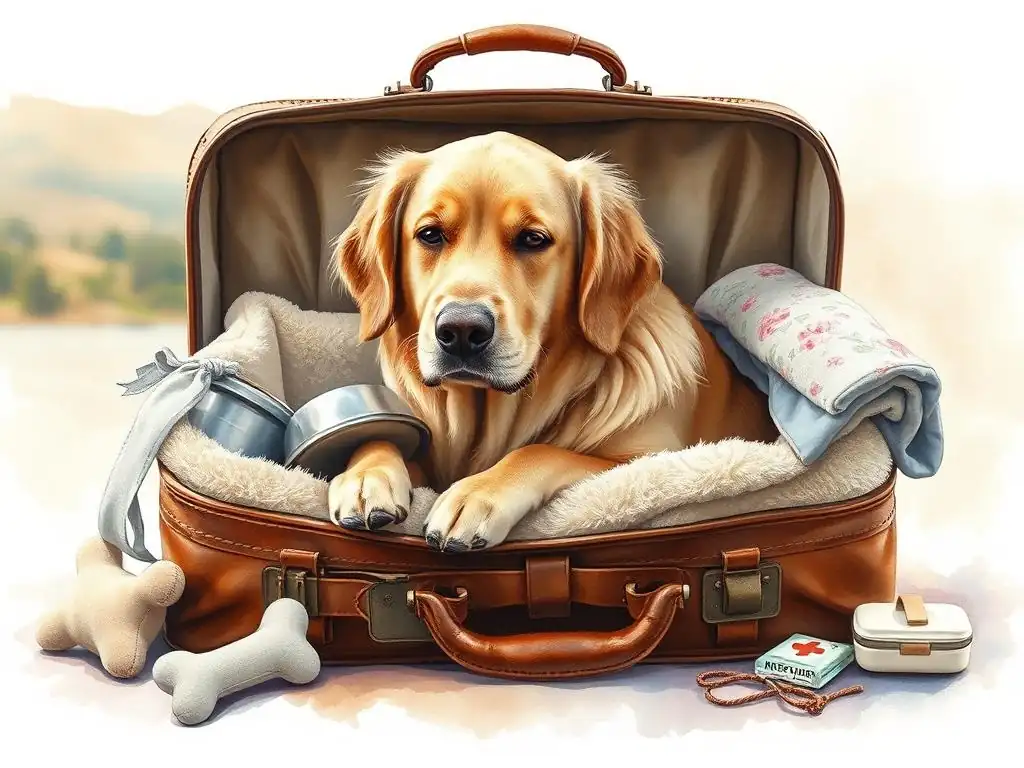
Traveling with a senior dog requires meticulous planning to ensure their comfort and safety. This checklist focuses on the essentials, going beyond the basics to address the unique needs of older canine companions. Remember, proactive preparation minimizes stress for both you and your furry friend. This detailed checklist will help you navigate senior dog travel tips effectively.
Medications and First-Aid Kit for Senior Dogs on the Go
Senior dogs often require regular medication for various conditions like arthritis, heart disease, or allergies. Packing a sufficient supply is crucial, considering potential delays. Go beyond simply packing the pills; consider these important factors:
- Medication organizer: A daily pill organizer ensures you administer the correct dosage at the right time, even amidst travel chaos. Label each compartment clearly.
- Veterinary records: Carry a copy of your dog's medical history, including a list of medications, allergies, and any special instructions. This is invaluable in case of emergencies.
- Emergency contact information: Include your vet's contact details and the nearest emergency veterinary clinic at your destination.
- First-aid kit: A comprehensive kit tailored for senior dogs is essential. This should include items like antiseptic wipes, gauze pads, bandages, tweezers, and any medications your vet recommends for common travel-related issues (e.g., anti-diarrheal medication).
- Temperature monitoring: Consider a digital thermometer to monitor your dog's temperature, especially if they're prone to heatstroke or other temperature-related issues.
Food and Water Bowls for Senior Dogs: Travel-Friendly Options
Maintaining proper hydration and nutrition is paramount for senior dogs, particularly during travel. Choosing the right food and water bowls significantly impacts their comfort and well-being.
- Collapsible bowls: These space-saving options are ideal for travel. They easily fold flat for storage when not in use, minimizing bulk in your luggage.
- Non-slip bowls: Senior dogs, especially those with arthritis, may have difficulty eating from bowls that slide around. Non-slip bowls provide stability and prevent spills.
- Elevated bowls: These are beneficial for senior dogs with neck or back problems, reducing strain during eating and drinking.
- Portion control: Pack your dog's food in individual portions to avoid carrying large quantities. This simplifies feeding and prevents spoilage. Consider using resealable bags or containers.
- Fresh water: Always carry plenty of fresh, clean water. Dehydration can exacerbate existing health problems in senior dogs.
Comfortable Bedding and Travel Accessories for Senior Dogs
Providing a comfortable and secure environment is crucial for a stress-free journey. Senior dogs often require extra support and cushioning due to age-related joint pain and stiffness.
- Orthopedic dog bed: If your senior dog has arthritis or other joint problems, an orthopedic bed offers superior support and cushioning, reducing discomfort during travel. Consider a travel-sized version for portability.
- Cozy blanket: A soft, familiar blanket provides comfort and security, especially in unfamiliar environments. The familiar scent can help reduce anxiety.
- Harness and leash: A well-fitting harness is preferable to a collar, especially for senior dogs with neck or back issues. Choose a comfortable, padded harness that distributes pressure evenly.
- Dog seat cover: Protect your vehicle's upholstery from dirt, hair, and potential accidents with a durable, waterproof seat cover.
- Travel crate or carrier: A well-ventilated crate or carrier provides a safe and secure space for your senior dog, especially during long car rides or flights. Ensure it's appropriately sized for comfort, not just confinement. Consider adding a comfortable bed inside. 🐕
This detailed checklist, focusing on senior dog travel tips, helps ensure a safe and comfortable journey for your beloved companion. Remember, adapting your approach to their specific needs is key to a positive travel experience for both of you.
Senior Dog-Specific Toys and Entertainment
Keeping your senior dog engaged and comfortable during travel is crucial. Their energy levels are naturally lower, and unfamiliar environments can be more stressful. Therefore, packing the right toys is paramount for maintaining their mental and emotional well-being. Avoid overly stimulating toys that might overexert them; instead, focus on items that provide gentle stimulation and comfort.
Consider bringing familiar toys that your dog already loves. The scent of home can be incredibly comforting, especially for anxious senior dogs. These could be well-loved plush toys (ensure they are in good condition and won't easily fall apart), durable chew toys (perhaps softer options than those usually given to younger, more energetic dogs), or even a favorite blanket that carries their scent.
Puzzle toys can be excellent for mental stimulation without requiring excessive physical activity. These toys dispense treats as your dog interacts with them, providing entertainment and a sense of accomplishment. Choose puzzle toys designed for senior dogs – they should be easy to manipulate without requiring complex movements or fine motor skills. Remember to pack extra treats to keep the puzzles engaging throughout the journey.
Don't forget interactive games that you can play with your dog. Simple games like fetch (with a soft, lightweight ball) or tug-of-war (with a soft rope toy) can provide valuable interaction and exercise, albeit in a gentler form than with a younger dog. Remember to adjust the intensity and duration of these games to suit your senior dog's energy levels and avoid overexertion.
Observe your dog carefully and take frequent breaks if needed. The goal is to provide gentle engagement, not to tire them out. Bringing along a few new, age-appropriate toys can also add excitement to the trip, but ensure they are introduced gradually to avoid overwhelming your canine companion.
Maintaining Senior Dog's Comfort and Well-being During Travel
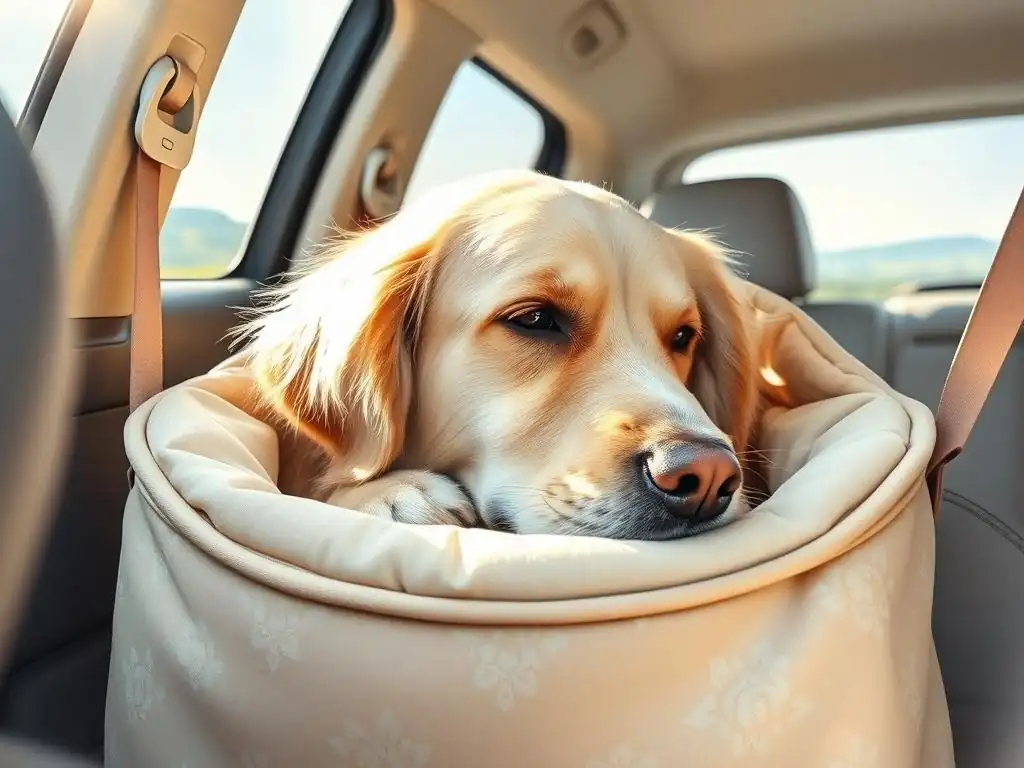
Traveling with a senior dog requires meticulous planning and extra care to ensure their comfort and safety. Unlike younger, more resilient dogs, senior dogs are more susceptible to stress, discomfort, and health issues during travel. Their mobility may be reduced, and they might experience increased sensitivity to changes in their routine. Therefore, prioritizing their well-being is paramount. This section will outline key strategies to minimize discomfort and maximize your senior dog's enjoyment during your journey. Remember, a happy and comfortable senior dog makes for a much more enjoyable trip for everyone involved.
Planning Regular Rest Stops and Breaks for Senior Dogs
Senior dogs tire more easily than their younger counterparts. Prolonged periods of confinement in a car, crate, or carrier can exacerbate existing joint pain or other mobility issues. Therefore, frequent rest stops are crucial. Instead of aiming for long stretches of driving, plan your route with regular breaks every 2-3 hours.
These stops should allow your dog to stretch their legs, relieve themselves, and have a drink of water. Consider the length of your trip and plan accordingly – a longer journey will necessitate more frequent stops. For example, a 6-hour drive should ideally include at least two substantial breaks, possibly more depending on your dog's needs and the weather conditions. Remember to choose safe, secure locations for these stops, such as designated rest areas or parks.
Don't forget to bring along a portable water bowl and some of their favorite treats to reward them for their patience during travel. Observe your dog carefully during these breaks; if they show signs of fatigue or discomfort, extend the rest period. Prioritizing their comfort will ensure a smoother and less stressful journey for both of you.
Managing Senior Dog Anxiety and Stress During Travel
Travel can be inherently stressful for senior dogs, even more so than for younger dogs. Changes in environment, unfamiliar sounds, and the confinement of travel can trigger anxiety and fear. Proactive measures are essential to manage this stress and promote a calmer experience. Familiar items, such as their favorite blanket, toy, or bed, can provide comfort and a sense of security.
Consider using a pheromone diffuser or calming treats specifically designed to reduce anxiety in dogs. These products contain calming agents that can help alleviate stress during travel. If your senior dog exhibits significant anxiety, consult your veterinarian beforehand. They may recommend medication or other strategies to manage travel-related stress.
Remember, a relaxed dog is a safer dog, and taking steps to minimize anxiety is an essential aspect of responsible senior dog travel. It's also important to maintain a calm and reassuring demeanor yourself; your dog will pick up on your energy and react accordingly. A peaceful and confident approach will greatly contribute to their overall well-being during the journey.
Providing Senior Dog with Proper Hydration and Nutrition on the Road
Maintaining proper hydration and nutrition is vital for senior dogs, especially during travel. Dehydration can quickly become a serious issue, particularly in warmer weather. Always provide fresh, clean water at regular intervals. Consider bringing a portable water bottle or bowl designed for travel. Avoid giving your dog water from unknown sources, and always ensure the water is fresh and clean.
Regarding nutrition, stick to their regular diet as much as possible to avoid digestive upset. Avoid feeding them large meals immediately before or during travel, as this can lead to nausea or vomiting. Small, frequent meals are preferable. Pack their food in airtight containers to maintain freshness and prevent spillage.
If your dog requires special dietary needs, ensure you have sufficient supplies for the duration of your trip. Remember to check expiration dates and pack accordingly. Monitoring your senior dog's food and water intake is crucial; any significant changes could indicate a problem requiring immediate attention. Prioritizing their nutritional needs will help them stay healthy and energetic throughout your travels.
Monitoring Senior Dog's Health During and After Travel
Traveling, even for short distances, can be stressful for senior dogs. Their bodies are more fragile, and they're less resilient to changes in routine and environment. Therefore, meticulous health monitoring is crucial before, during, and after any trip. Before you even begin packing, schedule a comprehensive veterinary checkup.
This pre-travel examination should include a thorough physical assessment, blood work to check organ function, and an evaluation of any pre-existing conditions. Your vet can advise on any necessary medications and provide a health certificate if required for your destination. They can also discuss potential risks associated with travel and recommend ways to mitigate them. Remember to get a copy of your senior dog's medical records, including vaccination history and any allergies.
During the journey, keep a close eye on your dog's behavior and physical state. Look for signs of discomfort such as lethargy, loss of appetite, excessive panting, vomiting, diarrhea, or changes in urination or defecation. Even subtle shifts in their behavior, like increased anxiety or restlessness, warrant attention. Carry a well-stocked first-aid kit specifically designed for dogs, including items like antiseptic wipes, gauze pads, bandages, and any prescribed medications.
Regular breaks are essential, especially for longer journeys. These breaks should allow your dog to stretch their legs, relieve themselves, and drink water. Avoid strenuous activity during travel and provide a comfortable, safe space for them to rest. For long car rides, ensure adequate ventilation and temperature control within the vehicle.
Post-travel monitoring is equally important. Once you arrive at your destination, continue to closely observe your senior dog for any signs of illness or distress. They may experience a period of adjustment, which is perfectly normal. However, any significant changes in their health or behavior should prompt an immediate veterinary consultation. This post-trip checkup allows your vet to assess any potential travel-related complications and ensure a swift recovery if needed.
The recovery period might involve adjusting your dog's diet, providing extra rest, or administering medication as prescribed by your veterinarian. Remember, proactive monitoring significantly improves your senior dog's chances of a safe and enjoyable travel experience. Don't hesitate to seek professional veterinary care at the slightest sign of concern. Your senior dog's well-being should always be the top priority.
Addressing Potential Health Concerns During Senior Dog Travel
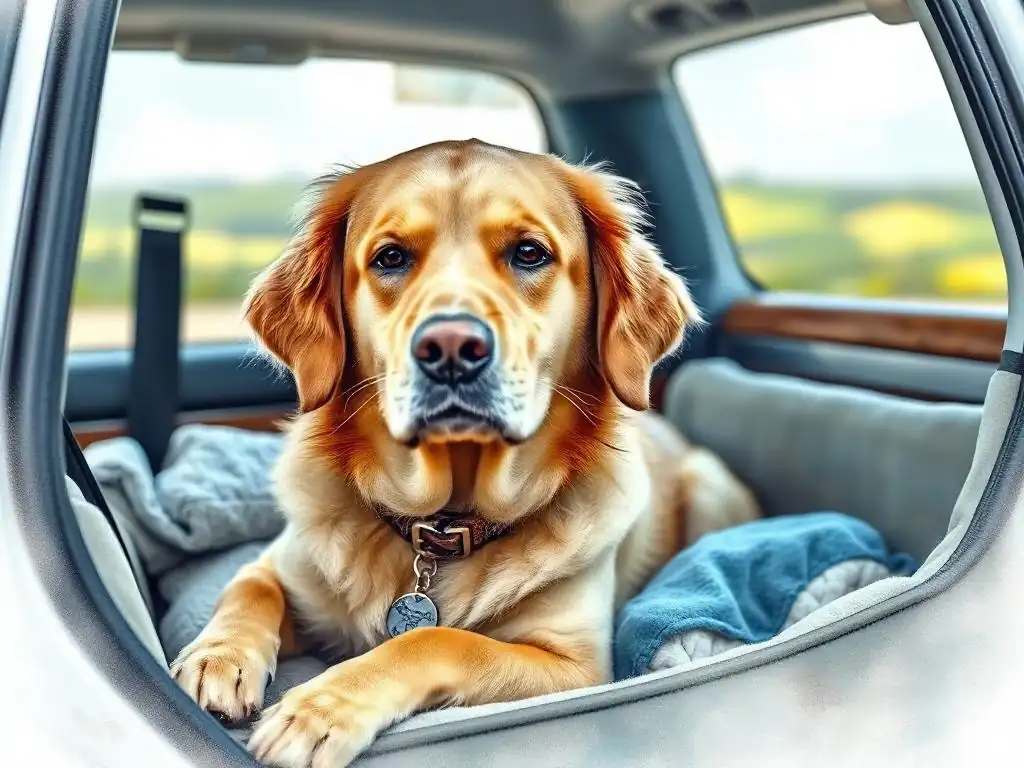
Traveling with a senior dog presents unique challenges, primarily concerning their health. Senior dogs, often suffering from pre-existing conditions like arthritis, heart disease, or kidney issues, are more susceptible to stress and the disruptions inherent in travel. Understanding these vulnerabilities is crucial for planning a safe and comfortable journey. This section focuses on proactively mitigating these risks and ensuring your canine companion's well-being throughout the trip. We'll explore common ailments exacerbated by travel and outline strategies for preventing and managing them.
Recognizing and Addressing Common Senior Dog Travel Ailments
Senior dogs are more prone to experiencing travel-related stress and health issues. Common ailments aggravated by travel include:
- Exacerbation of Arthritis: The jarring motions of a car, plane, or even a bumpy train ride can significantly worsen arthritic pain. Consider providing your senior dog with comfortable bedding, frequent rest stops, and potentially pain medication (always under veterinary guidance). Observe them closely for signs of increased stiffness, reluctance to move, or changes in their gait.
- Dehydration: Travel often disrupts a dog's regular drinking habits. Dehydration is particularly dangerous for senior dogs, who may have reduced kidney function. Pack ample fresh water and offer it frequently, especially in hot weather. Consider using a portable water bowl for easy access.
- Stress and Anxiety: The unfamiliar environment and disruption to routine can trigger anxiety in senior dogs. This can manifest as restlessness, panting, vomiting, or diarrhea. Consult your veterinarian about using calming aids, such as pheromone diffusers or anxiety medication, before your trip. Maintaining a consistent routine as much as possible during the journey can also help.
- Cardiovascular Issues: The stress of travel can put extra strain on a senior dog's heart. Monitor your dog closely for signs of shortness of breath, coughing, or unusual fatigue. If you notice any changes, seek veterinary attention immediately.
- Gastrointestinal Upsets: Changes in diet, water, and environment can lead to digestive issues. Pack familiar food and avoid feeding your dog new treats or foods during travel. If your senior dog suffers from gastrointestinal issues, discuss appropriate dietary adjustments with your veterinarian before the trip.
Remember, proactive measures are key. A pre-travel veterinary checkup is strongly recommended to address any underlying health concerns and to obtain necessary medications. This allows for a smoother journey and minimizes potential complications.
Emergency Preparedness for Senior Dog Travel: Vet Contacts and Procedures
Even with careful planning, unforeseen health emergencies can occur. Being prepared is paramount. Before your trip, gather the following information:
- Emergency veterinary clinics along your route: Research and note the locations and contact information of 24-hour veterinary clinics along your planned route. For long-distance travel, having several options is crucial.
- Your regular veterinarian's contact information: Keep this readily available, including after-hours numbers.
- Your dog's complete medical history: Compile a document including vaccination records, medication details (dosage, frequency), pre-existing conditions, and allergies. This will be invaluable in case of an emergency.
- Pet insurance information: If your dog has pet insurance, ensure you have the necessary policy details readily accessible.
- A well-stocked first-aid kit: Include essentials like antiseptic wipes, bandages, gauze, a thermometer, and any medications your dog regularly takes.
Furthermore, consider purchasing a pet carrier that is appropriately sized and secure for your senior dog. A comfortable and safe carrier will reduce stress and risk during transport.
Post-Travel Care for Senior Dogs: Monitoring and Recovery
Upon returning home, continue monitoring your senior dog’s health closely. Even if the journey went smoothly, the stress of travel can manifest later. Pay close attention to:
- Appetite and Hydration: Ensure your dog is eating and drinking normally. Any significant changes should be reported to your veterinarian.
- Energy Levels: Monitor for any unusual lethargy or fatigue. Senior dogs may require extra rest after travel.
- Bowel Movements and Urination: Changes in bowel habits or urination patterns can indicate health issues.
- Behavior: Observe your dog's behavior for any signs of anxiety or stress. Providing a calm and familiar environment is crucial during the post-travel period.
If you notice any concerning changes in your senior dog’s health after travel, consult your veterinarian immediately. A follow-up appointment might be beneficial to ensure a full recovery and address any lingering effects of the journey. Remember, patience and attentive care are key to helping your senior dog adjust and recover after their travels.
Choosing Senior-Friendly Destinations and Activities
Planning a trip with your senior dog requires careful consideration of their physical limitations and comfort. Forget strenuous hikes and bustling city centers; instead, prioritize destinations and activities that minimize stress and exertion. The key is to focus on a relaxing and enjoyable experience for both you and your furry friend. This means shifting from adventure-focused travel to a more relaxed, gentler pace.
Pet-Friendly Accommodations for Senior Dogs
Finding the right lodging is crucial for a successful senior dog travel experience. Look for accommodations that offer features specifically designed for older dogs' needs. These might include:
- Ground-floor access: Avoid places requiring stairs, which can be difficult for dogs with arthritis or mobility issues. Look for bungalows, cabins, or ground-floor rooms in hotels that explicitly cater to pets.
- Enclosed outdoor spaces: A securely fenced yard or patio allows your dog to relieve themselves easily and enjoy some fresh air without the risk of getting lost or encountering hazards. The space should be relatively flat to avoid strenuous inclines.
- Nearby veterinary care: It's always wise to have access to emergency veterinary services, especially when traveling with a senior dog. Check if there are veterinary clinics or animal hospitals near your chosen accommodation.
- Quiet and calm environment: Senior dogs are often more sensitive to noise and stimulation. Choose a location and accommodation that offers a peaceful and quiet atmosphere to minimize stress and promote relaxation.
Consider booking accommodations well in advance, especially during peak seasons, to ensure availability of pet-friendly options with the features your senior dog needs. Don't hesitate to call and discuss your dog's specific needs with the accommodation provider before booking. Many pet-friendly establishments are happy to accommodate special requests.
Accessible Activities and Routes for Senior Dogs
When planning activities, remember that your senior dog's stamina is likely lower than that of a younger dog. Prioritize short walks on even, well-maintained surfaces, avoiding uneven terrain, steep inclines, or long distances. Consider the following:
- Short, frequent walks: Instead of one long walk, opt for several shorter walks throughout the day. This allows your dog to rest more frequently and prevents overexertion. 🐾
- Level terrain: Choose walking routes that are flat and avoid steep hills or uneven ground. Paved paths, parks with smooth surfaces, or beaches with firm sand are ideal.
- Water breaks: Ensure your dog has access to fresh water regularly, especially in warmer climates. Carry a portable water bowl and plenty of water. 💧
- Rest breaks: Plan for frequent rest stops, allowing your dog to relax and avoid overheating. Look for shady spots or benches where your dog can rest comfortably.
- Car rides: Even short car rides can be tiring for senior dogs. Ensure they have a comfortable carrier or bed and plan for breaks during longer journeys. 🚗
Remember to always monitor your senior dog's body language for signs of fatigue or discomfort. If they seem tired or unwilling to continue, don't push them. Prioritizing your dog's well-being is paramount for a safe and enjoyable trip. A successful senior dog travel experience hinges on thoughtful planning and a flexible approach, adjusting activities based on your dog's needs and energy levels. Remember to pack any necessary medications and keep a close eye on your beloved companion.
Frequently Asked Questions
What are the biggest challenges of traveling with a senior dog?
Senior dogs often have reduced mobility and increased health risks. Planning for potential health issues, such as medication needs and emergency veterinary care, is crucial. Rest stops and comfortable accommodations are also key.
How can I make car travel more comfortable for my aging dog?
Provide a comfortable and secure travel bed in your vehicle. Ensure adequate ventilation and frequent stops for water and potty breaks. Consider using a dog seatbelt or carrier for safety.
What are some essential items to pack for a senior dog's trip?
Pack familiar bedding, food and water bowls, plenty of fresh water, their regular food, and any necessary medications. Don't forget poop bags, leash, and a first-aid kit specific to your dog's needs.
Are there specific destinations better suited for senior dog travel?
Destinations with fewer strenuous activities are ideal. Look for places with easy access to veterinary care, plenty of shaded areas, and smooth walking surfaces. Avoid destinations with extreme temperatures.
How can I tell if my senior dog is too stressed or uncomfortable during travel?
Watch for signs of excessive panting, restlessness, vomiting, diarrhea, or changes in appetite or elimination. If you notice any of these, adjust your travel plans to prioritize your dog's comfort and well-being.
Final Reflection: Embracing the Golden Years on the Open Road
The joy of travel shouldn't end with age; it simply transforms. Our senior canine companions, with their endearing quirks and unwavering loyalty, deserve to experience the world alongside us, even as their physical capabilities change. This article has explored the practical considerations and crucial care needed to ensure safe and enjoyable journeys for our aging furry friends.
The impact of responsible pet ownership extends far beyond the immediate bond we share. It's about acknowledging their changing needs and adapting our travel plans accordingly. This journey of shared experiences, even in its adjusted form, strengthens the human-animal bond in profound ways. A dog is the only thing on earth that loves you more than he loves himself.
– Josh Billings. This quote perfectly encapsulates the unconditional love our senior dogs offer, a love that deserves to be reciprocated through thoughtful travel planning.
Now, consider your own senior dog. What adventures await you both? Perhaps it's a shorter car trip to a nearby park, a carefully planned stay at a pet-friendly cabin, or even just a leisurely stroll through a familiar neighborhood. Don't let the limitations of age diminish the joy of shared experiences. Embrace the opportunity to create lasting memories with your beloved companion, adapting your approach to ensure their comfort and well-being. The journey, however long or short, is a testament to the enduring bond you share.
Unlock Your Senior Dog's Travel Adventures!
Thank you for joining us on this journey into the world of senior dog travel! We hope you've gained valuable insights into making your furry friend's next adventure comfortable and safe. Now, let's put that knowledge into practice:
- Plan your senior dog's next getaway! Consider the key factors we discussed – shorter trips, frequent breaks, and their individual needs. Start with a short trip, perhaps a weekend excursion to a nearby dog-friendly park or a cozy cabin in the woods.
- Share your senior dog travel tips! Let other PetCareWorld readers learn from your experiences – what works best for you and your canine companion. Your advice can inspire others!
- Explore our other articles on senior dog care for more helpful advice on keeping your best friend happy and healthy.
Ready to embark on a memorable adventure with your beloved senior dog? What's the first step you'll take to plan your next trip together?