
Kennel Cough Vaccine for Dogs: Protecting Your Dog from Contagious Respiratory Illness

Welcome to PetCareWorld, your ultimate guide to a happier, healthier life for your beloved pets! We're passionate about providing the most accurate and engaging pet care information available, and we know how important your furry, feathered, or scaled friends are to you. Are you looking for expert advice on protecting your canine companion? Then discover everything you need to know about the crucial Dog Kennel Cough Vaccine in our comprehensive guide, and learn how to safeguard your dog from this contagious respiratory illness. Let's dive in!
- Understanding Canine Kennel Cough: A Comprehensive Guide
- The Kennel Cough Vaccine for Dogs: Types and Efficacy
- Choosing the Right Kennel Cough Vaccine for Your Dog
- Discussing Vaccination Options with Your Veterinarian: A Crucial Step
- Potential Side Effects and Risks Associated with Kennel Cough Vaccination
- Beyond Vaccination: Additional Strategies for Kennel Cough Prevention
- Frequently Asked Questions about the Kennel Cough Vaccine for Dogs
- Protecting Your Dog: A Holistic Approach to Kennel Cough Prevention
- Frequently Asked Questions
- Final Reflection: Protecting Our Canine Companions: A Shared Responsibility
- Ready to Shield Your Furry Friend?
Understanding Canine Kennel Cough: A Comprehensive Guide
Canine kennel cough, also known as infectious tracheobronchitis, is a highly contagious respiratory disease affecting dogs of all breeds and ages. This comprehensive guide will delve into the intricacies of kennel cough, exploring its causes, symptoms, transmission, and most importantly, the crucial role of preventative care, including vaccination strategies. Understanding kennel cough is paramount for responsible dog ownership, enabling pet owners to protect their furry companions from this potentially debilitating illness and contribute to a healthier canine community.
We will explore effective vaccination protocols and hygiene practices to minimize the risk of infection, empowering you to make informed decisions regarding your dog's health and well-being. This guide serves as your ultimate resource for navigating the complexities of kennel cough and ensuring your dog's respiratory health. We aim to equip you with the knowledge to proactively protect your beloved canine friend from this common yet serious condition.
What is Kennel Cough? Symptoms and Diagnosis
Kennel cough is primarily characterized by a harsh, dry, hacking cough, often likened to the sound of a goose honking. This distinctive cough is the most prominent symptom, but other signs can include:
- Lethargy and decreased energy levels: Your dog may appear less playful and more tired than usual.
- Sneezing: While not always present, sneezing can accompany the cough.
- Runny nose: A clear or slightly discolored nasal discharge might be observed.
- Mild fever: A slight increase in body temperature is possible in some cases.
- Gagging or retching: Some dogs may exhibit gagging or retching attempts as a result of irritation in their airways.
Diagnosis typically involves a physical examination by a veterinarian. While a simple clinical examination often suffices, in more severe cases, further diagnostic tests like radiography (X-rays) might be necessary to rule out other respiratory illnesses or complications. Early diagnosis is crucial for effective treatment and to prevent the spread of the infection to other dogs. The veterinarian will assess your dog's symptoms and history to determine the best course of action.
It's crucial to remember that while kennel cough is typically not life-threatening, it can cause significant discomfort and potentially lead to more serious complications, especially in young puppies, senior dogs, or dogs with pre-existing health conditions. Therefore, prompt veterinary attention is recommended.
Transmission and Risk Factors for Kennel Cough in Dogs
Kennel cough spreads rapidly amongst dogs, primarily through airborne droplets produced during coughing, sneezing, or even barking. Direct contact with infected dogs is a major route of transmission, but indirect transmission is also possible via contaminated surfaces like food and water bowls, toys, or even human clothing. The virus can survive for a period of time on these surfaces, increasing the risk of infection.
Several factors increase a dog's susceptibility to kennel cough:
- Close proximity to other dogs: Boarding kennels, dog parks, and dog shows are high-risk environments due to the close contact between many dogs.
- Compromised immune system: Dogs with weakened immune systems are more vulnerable to infection.
- Stress: Stress can suppress the immune system, making dogs more susceptible.
- Pre-existing respiratory conditions: Dogs with underlying respiratory issues are at higher risk of developing severe complications.
Understanding these transmission routes and risk factors allows dog owners to take proactive steps to minimize their dog's exposure and protect them from infection. This includes avoiding overcrowded areas and ensuring proper hygiene practices.
The Importance of Preventative Care: Vaccination and Hygiene
Preventative care is the cornerstone of protecting your dog from kennel cough. Vaccination is the most effective method for preventing infection. The kennel cough vaccine is a safe and effective way to significantly reduce the risk of your dog contracting the disease. However, it's important to note that no vaccine is 100% effective, and even vaccinated dogs can sometimes still contract a mild form of the disease.
Beyond vaccination, maintaining good hygiene is crucial:
- Regular cleaning and disinfection: Regularly clean and disinfect your dog's food and water bowls, toys, bedding, and other items they come into contact with.
- Hand hygiene: Wash your hands thoroughly after handling your dog, especially if they've been in contact with other dogs.
- Avoid high-risk environments: Limit exposure to crowded areas where dogs congregate, such as dog parks or boarding kennels, particularly during outbreaks.
By combining vaccination with diligent hygiene practices, you can dramatically reduce the risk of your dog contracting kennel cough and ensure their respiratory health and overall well-being. Remember to consult with your veterinarian to develop a comprehensive preventative care plan tailored to your dog's individual needs and lifestyle. Proactive measures are key to protecting your canine companion from this common yet preventable disease.
The Kennel Cough Vaccine for Dogs: Types and Efficacy
This section delves into the specifics of kennel cough vaccines for dogs, exploring the different types available and their effectiveness in protecting your canine companion from this highly contagious respiratory disease. Understanding the nuances of these vaccines is crucial for making informed decisions about your dog's preventative healthcare. This guide aims to provide you with the knowledge necessary to discuss vaccination strategies with your veterinarian.
Different Types of Kennel Cough Vaccines Available
Kennel cough, also known as canine infectious tracheobronchitis, is caused by a variety of pathogens, primarily Bordetella bronchiseptica and canine parainfluenza virus. Because of this multifactorial etiology, kennel cough vaccines often take a multi-pronged approach. You'll typically find two main types:
- Inactivated (killed) vaccines: These vaccines use killed bacteria and viruses. They are generally considered safer, with fewer side effects, but may require multiple doses for full immunity. They often provide broader protection against multiple strains of Bordetella bronchiseptica.
- Modified-live vaccines: These vaccines utilize weakened, live pathogens. They tend to elicit a stronger and longer-lasting immune response, often requiring fewer doses. However, there's a slightly higher risk of mild side effects, such as temporary lethargy or mild respiratory symptoms. These vaccines are usually administered intranasally (through the nose) for better mucosal immunity.
Some vaccines combine both inactivated and modified-live components to offer broader and more robust protection. The specific vaccine your veterinarian recommends will depend on factors such as your dog's age, health status, and lifestyle (e.g., frequent exposure to other dogs at dog parks or kennels). Always discuss the pros and cons of each vaccine type with your veterinary professional. They can help you weigh the risks and benefits and choose the best option for your individual dog.
How Effective is the Kennel Cough Vaccine? Understanding Protection Rates
The effectiveness of the kennel cough vaccine varies depending on several factors, including the vaccine type, the specific strains of bacteria and viruses included in the vaccine, and the individual dog's immune response. While no vaccine offers 100% protection, studies suggest that kennel cough vaccines are generally effective in reducing the severity and duration of the illness.
| Vaccine Type | Protection Rate (Approximate) | Duration of Immunity (Approximate) | Potential Side Effects |
|---|---|---|---|
| Inactivated | 70-80% | 6-12 months | Mild soreness at injection site |
| Modified-live (Intranasal) | 80-90% | 6-12 months | Mild sneezing, temporary lethargy |
| Combination Vaccine | 85-95% (estimated) | 6-12 months (may vary by formulation) | May include side effects from both types |
Important Note: These protection rates are estimates based on available research and may vary. The actual effectiveness in individual dogs can be influenced by factors like the dog's overall health, age, and pre-existing conditions. The duration of immunity can also vary depending on the vaccine and the individual dog. Regular booster shots are usually recommended to maintain adequate protection.
Vaccine Schedules and Administration: When and How Often to Vaccinate
The recommended vaccination schedule for kennel cough varies depending on your dog's age, risk factors, and your veterinarian's recommendations. Generally, puppies can receive their first dose around 8-12 weeks of age. The timing of subsequent doses and booster shots will be determined by your veterinarian, taking into account the specific vaccine used.
Many veterinarians recommend annual booster vaccinations, particularly for dogs with high exposure to other dogs (e.g., boarding, daycare, dog parks). However, some newer combination vaccines might offer longer-lasting immunity, potentially extending the interval between boosters. Always follow your veterinarian's advice for your dog's specific needs.
Factors Influencing Vaccination Schedules
Several factors influence the frequency of kennel cough vaccinations. These include:
- The type of vaccine administered.
- Your dog's age and overall health.
- Your dog's lifestyle and level of exposure to other dogs.
- Prevalence of kennel cough in your area.
Regular check-ups with your veterinarian are crucial for monitoring your dog's health and ensuring their vaccination schedule is appropriate.
Remember, this information is for educational purposes only and should not replace professional veterinary advice. Always consult with your veterinarian to create a personalized vaccination plan for your dog, tailored to their individual needs and circumstances. They can assess your dog's health, discuss potential risks and benefits of vaccination, and recommend the most appropriate vaccine and schedule. Proactive preventative care is key to keeping your canine companion healthy and happy.
Choosing the Right Kennel Cough Vaccine for Your Dog
This section delves into the crucial considerations when selecting a kennel cough vaccine for your canine companion. Protecting your dog from this highly contagious respiratory disease requires careful decision-making, going beyond simply choosing any vaccine. The best approach involves understanding your dog's individual needs and discussing options with your veterinarian.
Factors to Consider When Selecting a Kennel Cough Vaccine
Several factors influence the choice of kennel cough vaccine. These include your dog's age, overall health, lifestyle, and potential exposure risks. Let's explore these in detail:
- Age: Puppies typically receive their first kennel cough vaccination between 8 and 12 weeks of age, with booster shots following a veterinarian-recommended schedule. Senior dogs might require a different vaccination approach due to their potentially weakened immune systems. [Specific age-related vaccination protocols pending].
- Health Status: Dogs with pre-existing conditions, such as compromised immune systems or respiratory illnesses, may require a modified vaccination plan or alternative approaches to manage kennel cough risk. Close consultation with your vet is essential in these cases.
- Lifestyle and Exposure: Dogs attending dog parks, daycare facilities, or boarding kennels face a significantly higher risk of kennel cough infection. Their vaccination schedule and vaccine choice might differ from dogs with a more sedentary lifestyle. For example, a dog frequently interacting with other dogs needs more robust and frequent protection.
- Vaccine Type: There are different types of kennel cough vaccines available, including injectable vaccines and intranasal vaccines. Injectable vaccines provide more comprehensive immunity, while intranasal vaccines offer a convenient, less invasive administration. The choice will depend on your dog's individual profile and your veterinarian's recommendation. The efficacy and duration of immunity also vary between brands and types. [Specific data on vaccine efficacy and duration for different brands pending].
- Cost: Vaccine costs can vary depending on the brand, type, and your veterinarian's pricing. It's important to balance cost with the overall protection offered. While saving money might be tempting, compromising on vaccine quality could lead to higher veterinary bills in the long run if your dog contracts kennel cough.
Choosing the right vaccine is a collaborative process. Don't hesitate to ask your veterinarian about the pros and cons of each option to make an informed decision.
Discussing Vaccination Options with Your Veterinarian: A Crucial Step
Your veterinarian is your best resource when it comes to making informed decisions about your dog's health, including vaccinations. This is not a decision to be taken lightly; a thorough discussion is vital.
Discussing Vaccination Options with Your Veterinarian: A Crucial Step
Before making any decisions about kennel cough vaccination for your dog, a comprehensive consultation with your veterinarian is paramount. This isn't merely about selecting a vaccine; it's about understanding the complete picture of your dog's health and risk profile.
Your veterinarian will consider various factors, including your dog's breed, age, overall health, lifestyle, and any pre-existing conditions. This detailed assessment is crucial for determining the most appropriate vaccination strategy. They will also explain the different types of kennel cough vaccines available, outlining the advantages and disadvantages of each option.
Furthermore, your veterinarian can address any concerns you may have about potential side effects or risks associated with vaccination. They'll provide personalized recommendations tailored to your dog's specific needs, ensuring the safest and most effective approach. Open communication is key to a successful vaccination plan. Don't hesitate to ask questions; your veterinarian is there to guide you through this process. Remember, proactive preventative care is crucial for maintaining your dog's health and well-being.
Potential Side Effects and Risks Associated with Kennel Cough Vaccination
While kennel cough vaccines are generally safe and effective, like any medical intervention, they carry the potential for side effects. Understanding these potential risks is crucial for informed decision-making.
Potential Side Effects and Risks Associated with Kennel Cough Vaccination
Most dogs tolerate kennel cough vaccines well, experiencing minimal to no side effects. However, some dogs may exhibit mild reactions, such as:
- Lethargy: A temporary decrease in energy levels is common, usually resolving within 24-48 hours.
- Mild Fever: A slightly elevated temperature may occur, typically subsiding within a day or two.
- Swelling at the Injection Site: This is more common with injectable vaccines and usually resolves without intervention.
- Loss of Appetite: Some dogs may exhibit a temporary decrease in appetite.
- Transient Cough: In rare instances, a mild, temporary cough may develop at the injection site.
These side effects are generally mild and self-limiting. However, severe allergic reactions, though rare, are possible. Signs of a severe reaction may include:
- Swelling of the face or muzzle
- Difficulty breathing
- Hives or rash
- Vomiting or diarrhea
If you observe any of these severe reactions, contact your veterinarian immediately. Early intervention is crucial in managing such situations.
It's important to note that the risk of side effects is generally low compared to the risk of contracting kennel cough. Weighing the risks and benefits with your veterinarian is essential for making an informed decision. Remember, a proactive approach to vaccination significantly reduces the likelihood of your dog experiencing the more severe consequences of this contagious disease. The potential discomfort from vaccination is far outweighed by the protection it provides. 🐶
Beyond Vaccination: Additional Strategies for Kennel Cough Prevention
While the kennel cough vaccine is a crucial first step in protecting your canine companion, it's not a foolproof solution. Several additional strategies can significantly reduce your dog's risk of contracting this highly contagious respiratory infection. A multi-pronged approach offers the best defense against kennel cough. Think of the vaccine as a strong foundation, upon which you build a robust preventative structure.
Maintaining Good Hygiene Practices to Reduce Kennel Cough Transmission
Maintaining a high level of hygiene is paramount in preventing the spread of kennel cough. This involves meticulous cleaning and disinfection of your dog's environment, particularly if they've been exposed to other dogs. Regular cleaning goes a long way in minimizing the risk.
- Daily Cleaning: Daily cleaning of food and water bowls, bedding, and frequently touched surfaces is essential. Use a pet-safe disinfectant to eliminate bacteria and viruses. Consider using enzymatic cleaners to break down organic matter that may harbor pathogens.
- Disinfecting Shared Spaces: If your dog interacts with other dogs in shared spaces like dog parks or daycare facilities, be extra vigilant. While you can't control the hygiene practices of others, you can minimize your dog's exposure by wiping down shared areas with disinfectant wipes whenever possible.
- Washing Hands: Remember to wash your hands thoroughly before and after interacting with your dog, especially if you've been in contact with other animals. This simple act can prevent the transfer of pathogens.
- Avoid Overcrowded Areas: Limit your dog's exposure to crowded environments like dog parks, especially during kennel cough outbreaks. Social distancing for dogs is a real thing! Opt for quieter walks or less crowded areas to reduce the chances of infection.
The frequency of cleaning should be adjusted based on your dog's lifestyle and exposure to other dogs. Regular cleaning, combined with responsible social distancing, greatly minimizes the risk of kennel cough transmission.
Recognizing and Managing Kennel Cough Symptoms in Your Dog
Even with preventative measures, your dog might still contract kennel cough. Early recognition of symptoms is crucial for effective management. Knowing what to look for can make all the difference in minimizing the severity and duration of the illness.
Early signs of kennel cough often mimic a common cold in humans. These include:
- A dry, hacking cough: This is often the most prominent symptom and may sound like a "honking" or "goose-honking" cough.
- Lethargy: Your dog may appear more tired and less energetic than usual.
- Sneezing: Sneezing can accompany the cough, indicating respiratory irritation.
- Runny nose: A clear or slightly discolored nasal discharge might be present.
- Mild fever: A slightly elevated temperature might be observed, but it's not always present.
While these symptoms are generally mild, it’s important to monitor your dog closely. Provide supportive care, including plenty of rest, fresh water, and a comfortable environment. Avoid strenuous activity to allow your dog's body to focus on recovery. In some cases, a veterinarian may recommend cough suppressants or other supportive medications to manage symptoms and prevent secondary infections. Always consult your veterinarian for appropriate treatment. The severity of kennel cough can vary, and early intervention is key to a faster recovery.
When to Seek Veterinary Attention for Kennel Cough
While most cases of kennel cough resolve on their own within a couple of weeks with supportive care, some situations warrant immediate veterinary attention. Don't hesitate to seek professional help if you observe any of the following:
- Severe or persistent cough: A cough that is exceptionally severe, lasts for more than two weeks, or worsens despite supportive care requires a vet visit.
- Difficulty breathing: Any signs of respiratory distress, such as labored breathing, gasping, or bluish discoloration of the gums, are emergency situations.
- Lethargy and loss of appetite: Prolonged lethargy combined with a significant loss of appetite indicates a more serious underlying issue.
- Other symptoms: The presence of additional symptoms like fever, vomiting, diarrhea, or unusual discharge should prompt a veterinary consultation. These could indicate a secondary infection or a more complex problem.
Prompt veterinary care can prevent complications and ensure your dog receives appropriate treatment. Don't delay seeking professional help if you have any concerns about your dog's health. Early intervention is crucial for optimal outcomes. Remember, your dog's health is your top priority.
Frequently Asked Questions about the Kennel Cough Vaccine for Dogs
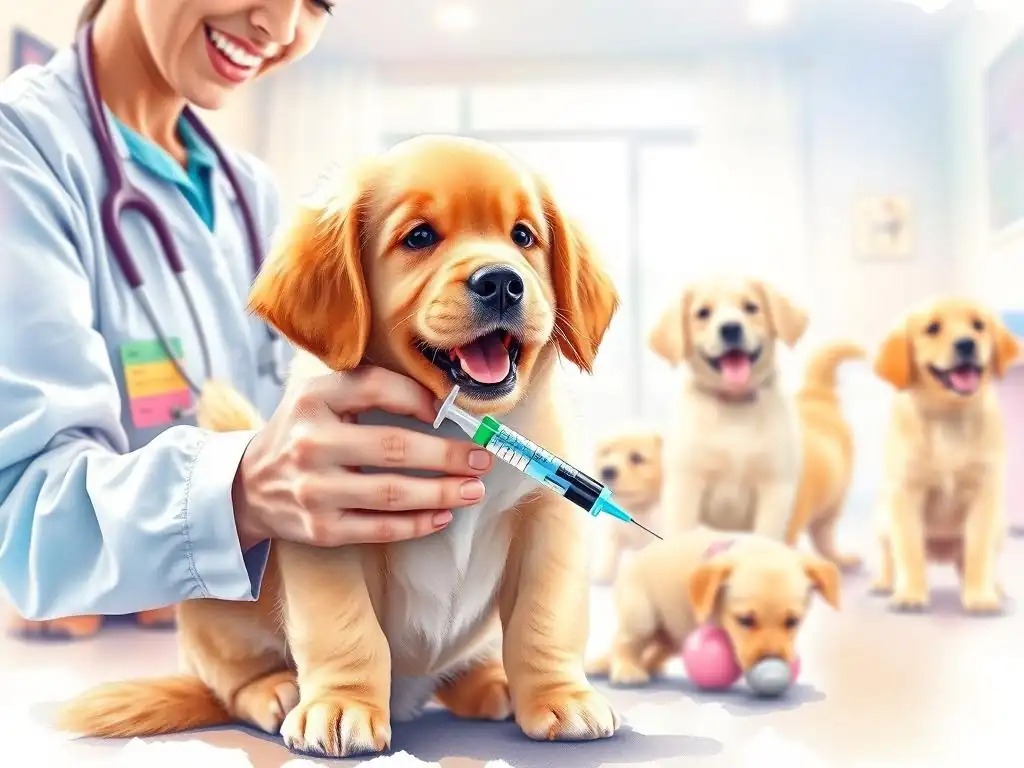
This section addresses common queries regarding the kennel cough vaccine for dogs, providing clarity and empowering pet owners to make informed decisions about their canine companions' health. Understanding these frequently asked questions will help you navigate the complexities surrounding this crucial vaccination. Remember, always consult your veterinarian for personalized advice tailored to your dog's specific needs and health history.
Is the kennel cough vaccine safe for all dogs?
The kennel cough vaccine, while generally safe and effective, isn't universally suitable for every dog. Like all vaccines, there's a potential for mild side effects. These can include lethargy, mild fever, and soreness at the injection site. These reactions are usually temporary and resolve on their own. However, some dogs may experience more severe reactions, though this is rare.
It's crucial to discuss your dog's health history with your veterinarian before administering any vaccine. Dogs with compromised immune systems, those currently suffering from illness, or those with a history of severe allergic reactions to vaccines may require special consideration. Your vet will assess your dog's individual risk factors and determine if the benefits of vaccination outweigh the potential risks.
Pregnant or nursing dogs also require careful evaluation before vaccination. The veterinarian will consider the potential impact on the mother and offspring before proceeding. Transparency and open communication with your veterinarian are paramount to ensuring your dog's safety and well-being.
The safety profile of the kennel cough vaccine has been extensively studied, and the benefits in preventing this highly contagious disease generally far outweigh the risks for the vast majority of healthy dogs. Remember, responsible pet ownership includes proactive measures to protect your dog's health.
How long does the kennel cough vaccine provide protection?
The duration of protection offered by the kennel cough vaccine varies depending on the type of vaccine administered and your dog's individual immune response. Generally, the protection offered by most kennel cough vaccines lasts for approximately six months to a year. However, some modified-live vaccines may provide a slightly longer duration of immunity.
Factors influencing vaccine duration:
Several factors can influence how long the vaccine protects your dog. These include the dog's overall health, the specific strain of bacteria or virus covered by the vaccine, and the quality of the vaccine itself. Environmental factors and exposure to infectious agents can also impact the length of protection.
It's vital to schedule regular check-ups with your veterinarian. They can monitor your dog's health, assess their immune response, and recommend a booster shot when necessary to maintain optimal protection against kennel cough. Annual or bi-annual vaccinations are often recommended to ensure ongoing immunity and to protect your dog from this prevalent respiratory illness. Proactive vaccination is a cornerstone of responsible pet ownership and contributes significantly to maintaining your dog's health and well-being.
Can my dog still get kennel cough even after vaccination?
While the kennel cough vaccine is highly effective in preventing kennel cough, it's important to understand that it doesn't guarantee 100% protection. Even vaccinated dogs can still contract kennel cough, although the severity of the illness is typically much milder than in unvaccinated dogs. This is because the vaccine may not protect against all strains of the bacteria or viruses that cause kennel cough, and the level of immunity can vary between individual dogs.
Think of the vaccine as a strong shield, not impenetrable armor. It significantly reduces the risk of contracting a severe form of the disease and minimizes the duration and intensity of symptoms. Even if your dog does contract kennel cough after vaccination, they are less likely to develop serious complications requiring extensive veterinary care.
Several factors can increase the likelihood of a vaccinated dog still contracting kennel cough, including exposure to a high concentration of the virus or bacteria, weakened immune system, and stress. Maintaining good hygiene practices, avoiding contact with sick dogs, and ensuring your dog receives proper nutrition and care can further minimize the risk of infection, even with vaccination. Vaccination remains a crucial preventative measure, significantly improving your dog's chances of avoiding a serious illness. Remember, responsible pet ownership involves a multifaceted approach that combines vaccination with other preventative measures.
What are the costs associated with kennel cough vaccination?
The cost of a kennel cough vaccine for your dog can vary significantly depending on several factors. Geographic location plays a crucial role; veterinary clinics in urban areas or those with higher operating costs may charge more than those in rural settings. The type of vaccine administered also influences the price. Some vaccines are more advanced or offer longer-lasting protection, leading to a higher price tag.
Finally, the specific veterinary clinic's pricing structure will impact the final cost. You might find a range from approximately $15 to $40 or more per dose. It's always best to contact your veterinarian directly to get a precise quote for their services and the specific vaccine they recommend for your dog. Remember that this cost often includes the vaccination itself, the administration by a qualified professional, and a brief consultation to assess your dog's overall health before the injection.
While seemingly a small investment, the cost of preventing kennel cough is far less than the potential costs associated with treating a severe case of the illness, including hospitalization and extensive veterinary care. Therefore, consider the kennel cough vaccine a cost-effective preventative measure in your dog's overall healthcare plan. Many clinics also offer vaccination packages that can provide a slight discount when multiple vaccines are administered concurrently. It is advisable to inquire about these potential savings when scheduling your appointment.
Protecting Your Dog: A Holistic Approach to Kennel Cough Prevention
This section delves into a comprehensive strategy for protecting your canine companion from kennel cough, emphasizing that vaccination alone isn't sufficient. A multi-pronged approach, combining proactive vaccination with robust hygiene practices and immune system support, offers the best defense against this highly contagious respiratory disease. Think of it as building a fortress of protection around your furry friend. We'll explore how these elements work together to minimize the risk of infection. Remember, a healthy dog is a happy dog, and a proactive approach to their well-being is key.
Combining Vaccination with Hygiene Practices for Optimal Protection
Vaccination is a crucial first step in preventing kennel cough, but it's not a magic bullet. Think of it as a strong foundation upon which you build further protection. While the vaccine significantly reduces the severity and likelihood of infection, it doesn't offer 100% immunity. Therefore, combining vaccination with meticulous hygiene practices is vital. This includes:
- Minimizing exposure: Avoid crowded areas like dog parks and kennels, especially during outbreaks. This is particularly important for puppies and senior dogs, whose immune systems might be more vulnerable.
- Regular cleaning: Thoroughly clean and disinfect your dog's belongings, including food and water bowls, bedding, toys, and leashes. Use pet-safe disinfectants to eliminate potential pathogens.
- Hand hygiene: Wash your hands thoroughly before and after interacting with your dog, especially if you've been in contact with other animals. This simple act can prevent the transmission of germs.
- Avoiding contact with sick dogs: If you encounter a dog exhibiting symptoms of kennel cough (coughing, sneezing, nasal discharge), maintain a safe distance and avoid contact.
The effectiveness of vaccination is further enhanced by these preventative measures, creating a powerful barrier against kennel cough. Data shows that dogs receiving the kennel cough vaccine and adhering to strict hygiene protocols have a significantly lower incidence of infection compared to those relying solely on vaccination. [Specific data on vaccination efficacy combined with hygiene practices pending].
The Role of a Healthy Immune System in Preventing Kennel Cough
A strong immune system is your dog's best natural defense against any illness, including kennel cough. Just like humans, dogs need proper nutrition, exercise, and stress management to maintain a robust immune response. Several factors contribute to a healthy immune system:
- High-quality diet: A balanced diet rich in essential nutrients, including vitamins, minerals, and antioxidants, is crucial for immune function. Consult your veterinarian for recommendations on the best diet for your dog's breed, age, and activity level.
- Regular exercise: Physical activity stimulates the immune system and helps maintain overall health. Daily walks, playtime, and other forms of exercise are beneficial.
- Stress reduction: Stress weakens the immune system, making dogs more susceptible to illness. Creating a calm and predictable environment can significantly reduce stress levels. This includes providing a safe space, minimizing exposure to loud noises, and ensuring consistent routines.
- Regular veterinary check-ups: Routine check-ups allow your veterinarian to monitor your dog's health and identify any potential problems early on. Early detection and treatment can prevent minor issues from developing into more serious health concerns.
Supporting your dog's immune system through these measures acts as a crucial layer of protection, complementing the effects of the kennel cough vaccine. A healthy dog is better equipped to fight off infection, even if exposed to the virus.
Creating a Safe and Healthy Environment for Your Dog
Providing a safe and healthy environment is paramount in preventing kennel cough and other illnesses. This goes beyond just hygiene; it encompasses all aspects of your dog's daily life:
- Clean and well-ventilated living space: Ensure your dog's living area is clean, well-ventilated, and free of dust and allergens. Regular cleaning and airing out the space can help reduce the risk of infection.
- Proper socialization: While minimizing exposure to sick dogs is important, appropriate socialization is crucial for your dog's mental and emotional well-being. Choose safe and controlled environments for socializing, such as puppy classes or dog-friendly areas with fewer dogs.
- Stress management techniques: Employ stress-reducing techniques such as providing a comfortable and safe space, engaging in calming activities like gentle petting or brushing, and using calming aids if necessary (always consult your vet before using any calming aids).
- Prompt veterinary attention: If your dog shows any signs of illness, such as coughing, sneezing, lethargy, or loss of appetite, seek veterinary attention immediately. Early diagnosis and treatment are essential for a positive outcome.
By creating a holistic approach that combines vaccination, robust hygiene practices, and a focus on immune support and environmental safety, you'll significantly reduce the risk of your dog contracting kennel cough. This proactive strategy ensures not just protection against this specific illness, but also promotes your dog's overall health and well-being. Remember, prevention is always better than cure! 🐶
Frequently Asked Questions
What is kennel cough?
Kennel cough, or canine infectious tracheobronchitis, is a highly contagious respiratory disease in dogs. It's caused by several different bacteria and viruses, leading to a characteristic coughing sound. Early diagnosis and treatment are crucial.
Is the kennel cough vaccine effective?
Yes, the kennel cough vaccine is generally highly effective in preventing kennel cough. However, it's not 100% effective, and some dogs may still contract a mild form of the illness. Booster shots are often recommended.
How often should my dog get the kennel cough vaccine?
The frequency of kennel cough vaccinations varies depending on your dog's lifestyle and risk factors. Discuss the optimal vaccination schedule with your veterinarian. They'll consider factors such as exposure risk.
What are the side effects of the kennel cough vaccine?
Side effects are generally mild and infrequent. Some dogs may experience temporary lethargy or mild soreness at the injection site. Serious side effects are rare. Contact your vet if you have concerns.
Where can I get the kennel cough vaccine for my dog?
The kennel cough vaccine is available from most veterinary clinics. Your vet can assess your dog's health and advise on the best vaccination strategy for your pet's needs and lifestyle.
The fight against kennel cough remains a crucial aspect of responsible dog ownership, demanding ongoing vigilance and proactive measures. The contagious nature of this respiratory illness underscores the importance of vaccination, not just for individual pet health, but for the well-being of the entire canine community. Failing to vaccinate leaves our beloved furry friends vulnerable, impacting their quality of life and potentially contributing to larger outbreaks.
The impact of kennel cough extends far beyond individual dogs; it shapes our understanding of community health within the canine world. We are learning more each day about the complex interplay between vaccination rates, disease transmission, and the overall health of our canine population. This shared responsibility resonates deeply with me, as a pet owner myself. The best way to protect your dog is to protect all dogs.
This simple statement encapsulates the essence of responsible pet ownership and the interconnectedness of our canine community.
Consider the implications of this information. Are you actively protecting your dog against kennel cough? Have you discussed vaccination strategies with your veterinarian? Take the time to research your options, understand the risks, and make an informed decision that prioritizes the health and safety of your dog and the broader canine community. Your commitment to responsible pet ownership makes a difference, not only for your dog, but for all dogs. Let's work together to create a healthier and safer environment for our beloved companions.
Ready to Shield Your Furry Friend?
Thank you for learning about kennel cough and protecting your dog. You've gained valuable insights into this contagious illness and its prevention. Now, let's ensure your dog's health and happiness!
- Schedule your dog's kennel cough vaccination immediately. This is crucial for your dog's health.
- Share this information with other dog owners to help prevent the spread of this easily-transmitted disease.
- Consider supporting your dog's immune system with a healthy diet and regular exercise for added protection against kennel cough.
What steps will you take to keep your dog healthy and safe from kennel cough?