Pet Care Choices: Balancing Routine and Emergency Vet Needs
😊 Juggling daily pet care with potential emergencies? PetCareWorld's guide helps you budget for essential routine care while preparing for unexpected vet…
Read article
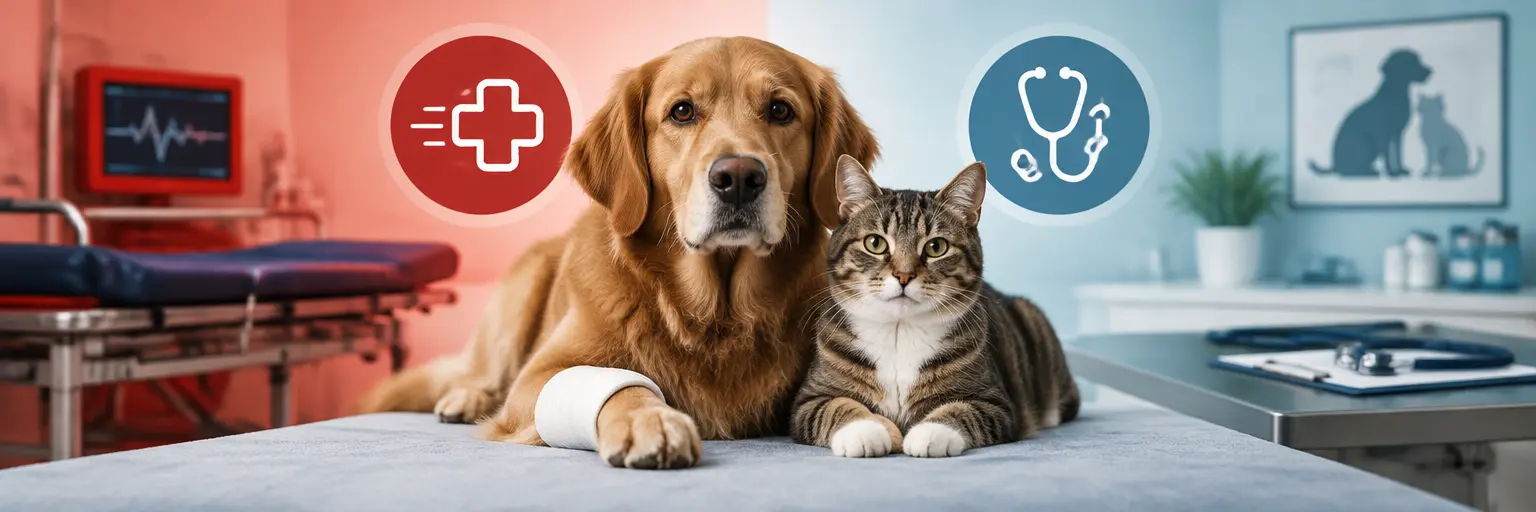
Knowing the difference between a minor sniffle and a life-threatening emergency can be overwhelming for any pet parent. Recognizing the critical signs that require immediate veterinary care versus a routine check-up is one of the most important skills you can develop to safeguard your furry friend’s well-being. From sudden collapse or severe breathing difficulties to persistent vomiting or unexplained lethargy, understanding when every minute counts could literally save your pet’s life. On the other hand, recognizing the subtle cues for a scheduled wellness visit—like annual vaccinations, dental cleanings, or a gradual change in appetite—helps manage long-term health proactively. This guide from PetCareWorld empowers you to make confident, informed decisions by distinguishing between urgent red flags and routine health maintenance, ensuring your beloved companion receives the right care at the right time, every time.

😊 Juggling daily pet care with potential emergencies? PetCareWorld's guide helps you budget for essential routine care while preparing for unexpected vet…
Read article
😊 Proactive preventative pet vet care benefits your furry friend immensely. Regular checkups, early disease detection, and tailored advice from PetCareWorld experts…
Read article
🤔 Unsure if your pet needs urgent veterinary attention? Our "Pet emergency vet visit guide" helps you identify critical situations requiring immediate…
Read articleUnderstanding the difference between a pet emergency and a routine health check is one of the most critical skills for any responsible pet owner. At PetCareWorld, we know that every cough, limp, or change in appetite can spark anxiety. This subcategory is designed to help you recognize red-flag symptoms that demand immediate veterinary attention, while also guiding you on the importance of scheduled wellness visits. By mastering this balance, you can save your furry, feathered, or scaly friend from unnecessary pain—and avoid costly, avoidable panic trips. Our expert-backed guidance covers dogs, cats, reptiles, birds, and exotic pets, ensuring your decision-making is always informed, calm, and practical.
Emergencies are often sudden, severe, and life-threatening. Immediate veterinary intervention is required if your pet has difficulty breathing, collapses, experiences seizures, or is bleeding uncontrollably. Other urgent signs include a bloated or distended abdomen (especially in dogs, which can indicate gastric torsion), ingestion of toxic substances (like chocolate, xylitol, or lilies), or a suspected broken bone. For cats, sudden inability to urinate—especially in males—is a fatal emergency within 24-48 hours. For reptiles or birds, labored breathing, unresponsiveness, or severe lethargy warrant instant care.
Do not wait for symptoms to resolve on their own. “Watch-and-see” is a dangerous strategy during emergencies. Even if you’re unsure, call your vet or a 24-hour emergency clinic immediately; they can advise whether to come in or monitor at home. Keep your pet’s medical records, including any vaccinations or medication history, ready for the trip. Remember, early intervention not only alleviates suffering but also significantly improves outcomes and reduces long-term treatment costs. When in doubt, always err on the side of urgency—your pet’s life may depend on your swift action.
Not every unusual symptom is a crisis. Mild digestive upset (a single episode of vomiting or loose stool), a small superficial scratch, or a temporary decrease in appetite often resolve within 24 hours. Likewise, occasional sneezing, minor ear discharge, or a mild limp that improves with rest can usually wait for a scheduled visit. For routine concerns like flea prevention refills, annual vaccinations, dental cleanings, or weight management discussions, book a regular appointment rather than rushing to urgent care. However, if any symptom worsens, persists beyond 48 hours, or is accompanied by lethargy, then escalate to emergency care.
To confidently differentiate, create a baseline. Know your pet’s normal vital signs (temperature, heart rate, respiratory rate, and daily behavior). A change in appetite for one meal, but still drinking water and acting playful, is low risk. But if your pet is hiding, refusing food and water, or has visible signs of pain (like panting, whining, or restlessness), postponing care is risky. Routine visits are also prime opportunities to discuss subtle changes with your vet, ensuring small issues are caught before becoming major problems. A proactive approach is always cheaper and less stressful than a reactive emergency.
When an emergency strikes, preparation saves precious time. First, locate your nearest 24-hour emergency veterinary hospital and store their number in your phone, along with the Pet Poison Helpline (855-764-7661) for tox exposure. Have a prepared first-aid kit that includes gauze, adhesive tape, a digital thermometer, and a muzzle (even for friendly pets, as pain can cause biting). Also, keep your pet’s carrier or leash accessible and practice crate training for quicker transport. During the trip, speak calmly to your pet to reduce stress, and avoid giving any medication or food unless a vet explicitly instructs it.
Once you arrive, provide a concise but complete history: what happened, when symptoms started, and any prior health conditions. Be honest about possible toxin exposure (e.g., what your pet ate) and list all medications or supplements they take. Most emergency clinics prioritise based on triage—animals with breathing issues or trauma are seen first, so be patient. Also, ask about estimated costs and payment plans upfront to avoid surprise financial stress. Finally, after discharge, follow all aftercare instructions meticulously, including recheck appointments. Your calm, organised approach directly influences your pet’s recovery speed and comfort.
Routine check-ups are the cornerstone of lifelong pet health, regardless of species. Annual (or bi-annual for senior pets) wellness exams allow vets to detect hidden conditions like kidney disease, diabetes, dental decay, or early-stage cancer before they become life-threatening. During these visits, your vet will perform a thorough physical exam, update vaccinations, run faecal tests for parasites, and conduct baseline blood work—especially for older animals. For exotic pets (reptiles, birds), routine visits include weight checks, nail trims, and assessments of habitat nutrition, which can prevent metabolic bone disease or feather plucking.
Routine visits also build a relationship between your pet and the vet, reducing fear and anxiety during future emergencies. Regular dental cleanings prevent systemic infections that can damage the heart and kidneys. Parasite prevention, including heartworm, flea, and tick treatments, is typically dispensed at these appointments, saving you from costly infestations. Additionally, these visits are the perfect time to ask about age-specific nutrition, exercise needs, or behaviour concerns. Investing one hour per year in prevention significantly extends your pet’s lifespan and quality of life—truly the most economical and compassionate choice.
Each pet species has unique physiological vulnerabilities. For dogs, emergencies include unproductive retching (bloat), disorientation, pale gums, and repeated vomiting. For cats, watch for straining in the litter box, lethargy with a loss of appetite (hepatic lipidosis), and hiding for more than 24 hours. Birds hide illness instinctively; any fluffed feathers, tail bobbing, or reduced vocalisation for just 12 hours is an emergency. Reptiles require immediate care if they have discharge from eyes/nose, are unresponsive, or have stuck shed on toes/tail—signs of severe dehydration or infection.
For exotic pets like rabbits, guinea pigs, or hamsters, dental overgrowth and gastrointestinal stasis are silent killers—any refusal to eat or reduced faecal output mandates same-day vet attention. Learn your species’ normal baseline: respiratory rates for birds are rapid, while reptiles often breathe irregularly. Never assume “they’re just getting old” for symptoms like weight loss or reduced mobility; pain is not normal. Always provide your vet with your pet’s species, breed, age, and strict husbandry parameters (temperature, humidity, diet) during emergency calls. This species-specific knowledge ensures faster, more accurate diagnosis and better treatment outcomes.
Emergency vomiting includes repeated episodes (more than 2-3 times in a few hours), blood or dark coffee-ground material in vomit, or vomiting paired with lethargy, abdominal pain, or inability to keep water down. If your pet is a puppy, kitten, or a bird, immediate care is essential. A single vomit with no other signs can be monitored for 12-24 hours, but always call your vet if uncertain.
Absolutely not. Human medications like ibuprofen, acetaminophen, or aspirin are toxic to dogs and cats and can cause fatal liver or kidney failure. Similarly, never give any over-the-counter drugs to birds or reptiles. Only administer medication explicitly prescribed by your veterinarian. In an emergency, call your vet or poison control immediately, and never induce vomiting without professional instruction.
Include sterile gauze pads, adhesive veterinary wrap, hydrogen peroxide (only for use as directed by a vet), a digital rectal thermometer, a muzzle, a towel, a styptic powder for nail cuts, and your vet’s contact information. Also add a copy of your pet’s vaccination records and any medical history. For exotic species, include a heating pad and a transport container with appropriate bedding if possible.
Senior pets (over 7 years for dogs and over 10 for cats, earlier for larger breeds) should have a comprehensive exam every six months. This includes blood work, urine analysis, blood pressure checks, and dental assessment. These visits are crucial for early detection of arthritis, kidney disease, hormonal imbalances, and cancer, allowing for timely management that maintains quality of life.
If your regular vet is open and can see you immediately, call them first for guidance. However, during after-hours or if your vet lacks emergency equipment (oxygen, IV fluids), proceed directly to an emergency clinic. Never wait on hold for a non-emergency number. If you’re unsure if a condition is urgent, call the emergency clinic—they are trained to triage over the phone and will tell you whether to come in or monitor at home.







